The best walks and hikes around Idlicote
4.6
(432)
2,505
hikers
192
hikes
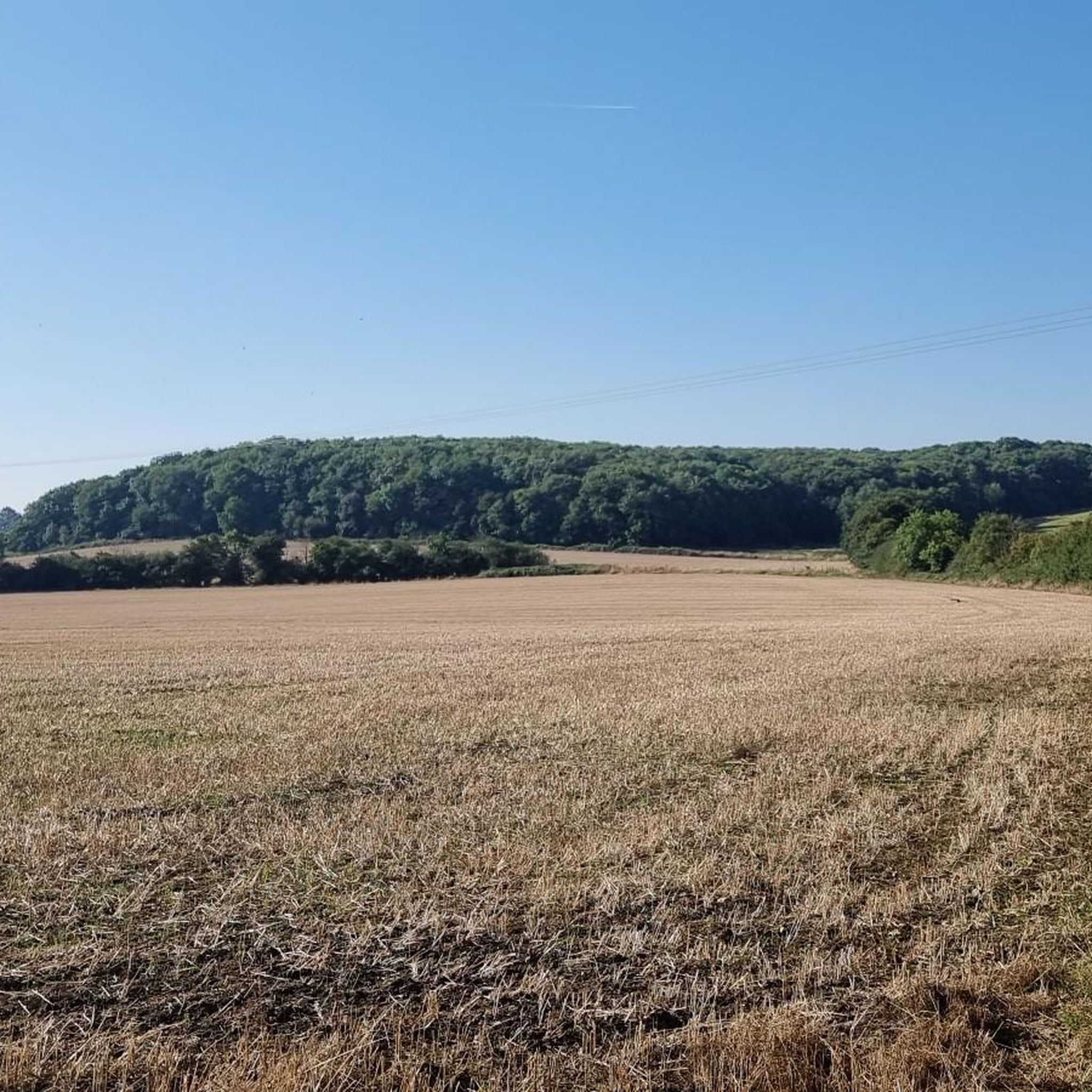
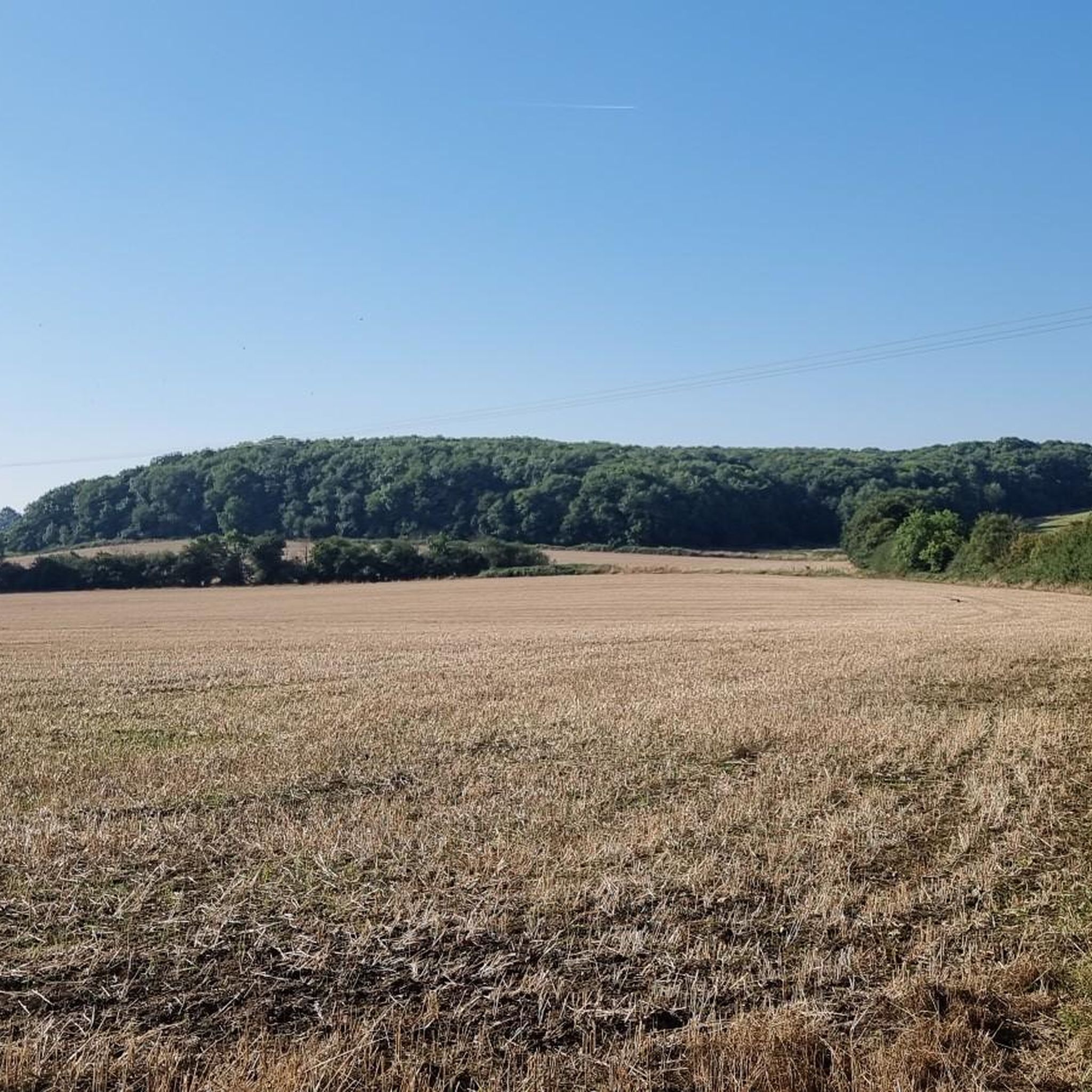
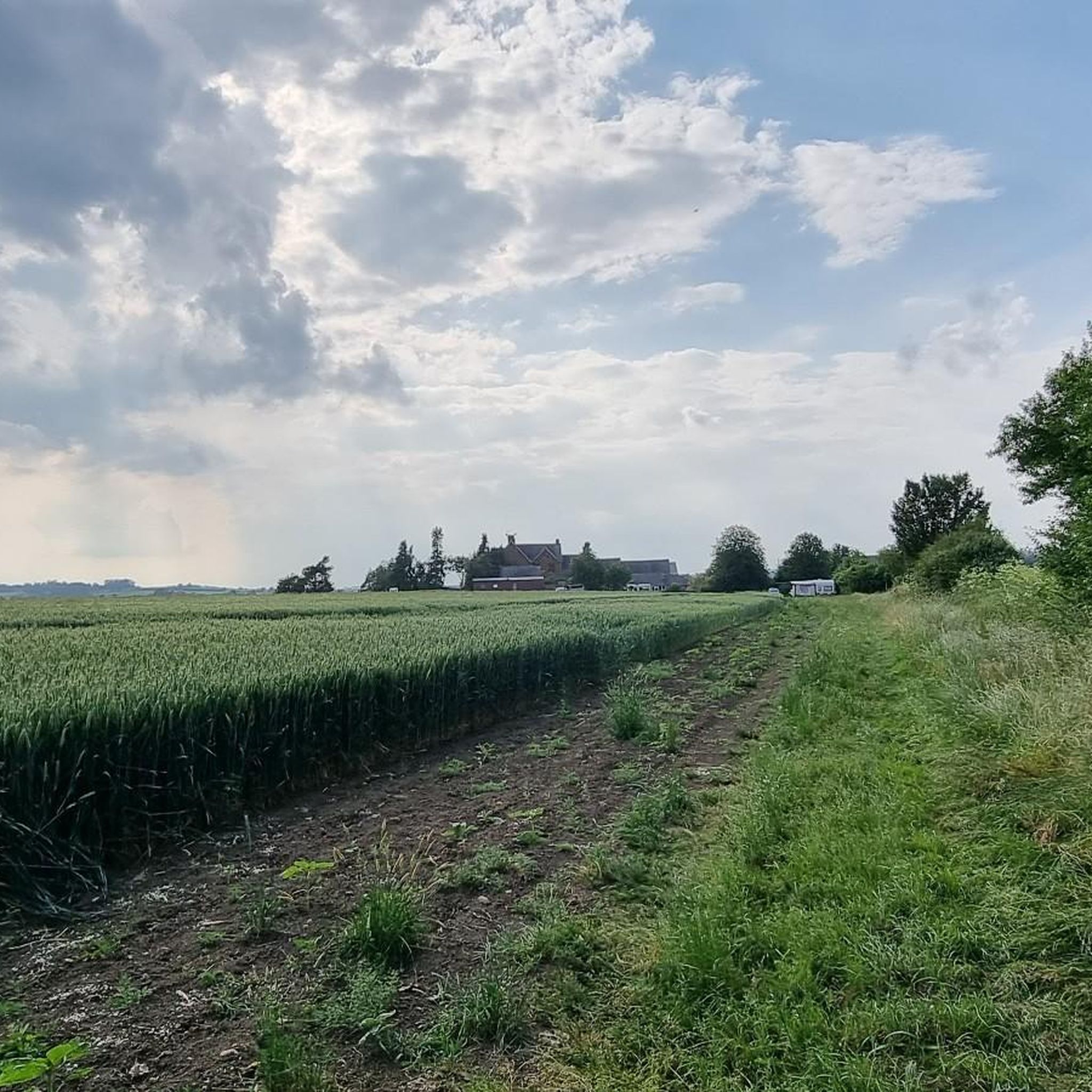
Hikes around Idlicote explore the rolling hills and agricultural landscape of the Warwickshire countryside. The region is defined by a network of public footpaths that cross open fields and connect historic villages. The terrain consists of gentle undulations, with routes following quiet country lanes and well-trodden paths like the Centenary Way.
Best hiking trails around Idlicote
- The most popular hiking route is Battle of Edgehill Site – The Peacock Pub, Middle Tysoe loop from Upper Tysoe, a 4.3 mile…
Last updated: November 19, 2026
17
hikers
5.32km
01:23
40m
40m
Easy hike. Easily walkable paths.
5.0
(4)
18
hikers
Easy hike. Easily walkable paths.

9
hikers
10.3km
02:45
120m
120m
Moderate hike. Good fitness required. Easily walkable paths.
4.7
(3)
10
hikers
18.7km
04:55
150m
150m
Moderate hike. Good fitness required. Easily walkable paths.
5.0
(1)
3
hikers
5.70km
01:33
80m
80m
Easy hike. Easily walkable paths.
Get access to more routes and recommendations from other explorers.
Already have an account?
Our route recommendations are based on thousands of hikes, rides, and runs completed by other people on komoot.
Start today with a free account
Your next adventure awaits.
Tips from the Community

Great place to stop for a drink, even has a Chinese takeaway on site
0
0

This is the location of the Battle of Edgehill, a pitched battle of the First English Civil War occurring on Sunday 23rd October 1642. A detailed information board stands here describing how the event unfolded, offering a fascinating window into the area's past.
1
0

Narrow lane between hedgerows, very overgrown, had to dismount. Lane ends in a locked gate with a button to open dawn to rush only.
0
0

The Battle of Edgehill (or Edge Hill) was a pitched battle of the First English Civil War. It was fought near Edge Hill and Kineton in southern Warwickshire on Sunday, 23 October 1642. All attempts at constitutional compromise between King Charles and Parliament broke down early in 1642. Both the King and Parliament raised large armies to gain their way by force of arms. In October, at his temporary base near Shrewsbury, the King decided to march to London in order to force a decisive confrontation with Parliament's main army, commanded by the Earl of Essex. Late on 22 October, both armies unexpectedly found the enemy to be close by. The next day, the Royalist army descended from Edge Hill to force battle. After the Parliamentarian artillery opened a cannonade, the Royalists attacked. Both armies consisted mostly of inexperienced and sometimes ill-equipped troops. Many men from both sides fled or fell out to loot enemy baggage, and neither army was able to gain a decisive advantage.
1
0

Great value for money £3 for coffee and cake. Owner very nice and polite.
0
0
Pop up cafe since 2020. Family run business. Reasonable prices. Good for a break in your walk.
0
0
The church of ST. EDMUND, which stands on the east side of the Stratford road, between it and the River Stour, consists of a chancel 27½ ft. by 19 ft., a north chapel 15½ ft. square, a vestry to the north of this 12 ft. by 9½ ft., south chapel 15½ ft. by 12½ ft., nave 71 ft. long and of similar width to the chancel, north aisle 15½ ft. wide, south aisle 17 ft. wide, south porch and a western tower 9½ ft. by 8¾ ft., all these measurements being taken within the walls. The whole of the church, except the 15th-century tower, was rebuilt in 1855 in the style of the 14th century. Beyond the tower there are now no old remains. From notes made by Prattinton in 1812 the former church appears to have been of early date, consisting of a chancel and chapel and a nave separated from a north aisle by a round-arched arcade. The font, however, was of 1707. Habington mentions two raised tombs in the churchyard to John White, who died in 1632, and Thomas White his son, who died in 1631. The present chancel has an east window of five lights with a traceried head and a single light on the south. The sedile in the same wall has a segmental head, while on the north side is a flat pointed arch. On either side of the chancel are arches opening to the chapels, and that opening to the nave is of one order. The nave has arcades on both sides of five bays, and each of the chapels has a western cross arch and is lighted by a four-light traceried east window. Both aisles have four two-light traceried windows in their side walls, with north and south entrances at the west ends. The west window of the north aisle is of two lights and the corresponding window of the south aisle of four lights, both with traceried heads. The tower arch is old and two orders, the outer of which is continuous and the inner interrupted by a moulded capital of late form. The tower is two stages high, and is supported on its west face by diagonal buttresses which rise to about half its height. It has a western window of three lights with modern tracery and arch, but with an old two-centred rear arch. Over the west window, and also on the north side, are small rectangular lights of a single chamfered order. The belfry is lighted on each side by a two-light window with a plain spandrel in the pointed head. The parapet of the tower is embattled, and at each corner is a small square pinnacle rising from the coping only, and surmounted by a crocketed finial. There are also intermediate pinnacles set diagonally and rising from grotesque heads in the parapet string. Grotesques project likewise from the western angles at the same level. The pulpit and the font are modern and both of stone. There are six bells in the tower, all by Matthew Bagley, and of 1754, except the third, which is of 1774. The plate consists of a communion cup inscribed 1824 with the hall mark for 1822, a salver of 1823 and a flagon of the same date.
0
0

There are great views from the 184m summit of Windmill hill. Every year a 5k and 10k running race is held, going to the summit of windmill hill and back.
0
0
Frequently Asked Questions
Are there many hiking trails to choose from around Idlicote?
Yes, there are over 180 hiking routes to explore in the Idlicote region. The trails range from easy strolls to more challenging long-distance paths, offering plenty of options for all fitness levels.
What do other hikers enjoy about the trails in Idlicote?
The area is highly regarded by the komoot community, with an average rating of 4.7 out of 5 stars. Hikers frequently praise the expansive views over the rolling Warwickshire countryside, the quiet country lanes, and the well-maintained footpaths connecting historic villages.
Are the walks around Idlicote suitable for dogs?
Many trails in the area are great for walking with a dog, as they cross open fields and follow quiet lanes. A popular nearby spot for dog walkers is Welcombe Hills, known for its stunning views. However, always be mindful that routes can pass through farmland with livestock, so keeping your dog on a lead is essential in these areas.
Can I find any family-friendly walks in the area?
Certainly. The region has many easy-rated trails suitable for a family outing. For a shorter, manageable walk that's ideal for younger children, consider the Ramblers Rest Café loop from Shipston-on-Stour. It's a relatively flat 5.3 km route through fields and along quiet lanes.
Are there any circular walks available?
Yes, circular walks are very common around Idlicote. A great example of an easy circular route is the Windmill Hill Windmill loop from Tysoe CP. This 5.7 km trail offers a pleasant walk with some gentle climbs and rewarding views.
Are there any good pub walks near Idlicote?
Definitely. Many routes conveniently start or finish near a local pub. For a walk that combines history with a pub stop, the Battle of Edgehill Site – The Peacock Pub, Middle Tysoe loop from Upper Tysoe is an excellent choice. It's a 6.9 km walk that takes you past a historic battle site and a welcoming pub.
What are the parking options for hikes starting in the area?
Parking is often available in the villages where routes begin, such as Shipston-on-Stour, Halford, or Tysoe. Some routes, like the Halford Castle loop, start from designated car parks (CP). For specific walks, it's always best to check the starting point details on the route map for the most convenient parking information.
Are there any long-distance hiking trails that pass through Idlicote?
Yes, the Idlicote area is crossed by parts of two well-known long-distance paths. You can walk sections of Shakespeare's Way and the Centenary Way, a 100-mile path that showcases some of Warwickshire's best scenery. These offer opportunities for more challenging, full-day hikes.
What kind of scenery and terrain should I expect?
The landscape is classic English countryside, characterized by rolling hills, open farmland, and extensive views. The terrain is generally made up of gentle undulations rather than steep mountains. You'll be walking on a mix of public footpaths across fields, bridleways, and quiet country lanes connecting picturesque stone-built villages.
Are there any particularly challenging hikes for experienced walkers?
For those seeking a more strenuous day out, the St Martin's Church, Barcheston – The George Inn, Brailes loop from Shipston-on-Stour is a great option. This difficult-rated hike covers nearly 20 km and involves over 200 meters of ascent, taking you through varied countryside and several villages.
What historical points of interest can I see on a walk?
The area is rich in history. On various routes, you can see historic churches like St. James the Great in Idlicote, the site of the Battle of Edgehill, and architectural follies like the 18th-century dovecote at Idlicote House. The Halford Castle – Wooden Bridge loop from Halford CP is a moderate route that specifically takes you past the remains of a local castle.
Where can I find the best views?
Many trails reward you with far-reaching vistas. For some of the most expansive views in the area, head towards Idlicote Hill, which is a key feature on the Centenary Way. Another excellent spot is the Edge Hill Viewpoint, which offers a fantastic panorama over the surrounding landscape.
Most popular routes around Idlicote
Most popular attractions around Idlicote

Get inspired with the komoot mobile app


Explore more
Browse the best Hikes in other regions.
