The best mountain hikes around Gutenberg-Stenzengreith
4.2
(8)
360
hikers
18
hikes
Mountaineering routes around Gutenberg-Stenzengreith offer a diverse landscape of rolling hills, dense forests, and picturesque views in Styria, Austria. The region is characterized by its proximity to the Raabklamm gorge and more challenging mountain ranges like Schöckl and Hochlantsch. These areas provide varied terrain, from well-developed hiking trails to more demanding alpine experiences.
Best mountaineering routes around Gutenberg-Stenzengreith
- The most popular mountaineering route is View of the Grazer Bergland – Schöckl summit cross loop from Schöckl, a 3.8 miles…
Last updated: April 28, 2026
3.0
(1)
118
hikers
Moderate mountaineering route. Good fitness required. Mostly accessible paths. Sure-footedness required.
5.0
(3)
57
hikers
6.19km
02:17
330m
330m
Moderate mountaineering route. Good fitness required. Mostly accessible paths. Sure-footedness required.

Sign up for free
29
hikers
8.06km
04:04
720m
720m
Hard mountaineering route. Good fitness required. Sure-footedness, sturdy shoes and alpine experience required.
3.0
(2)
24
hikers
4.62km
02:02
320m
320m
Hard mountaineering route. Good fitness required. Sure-footedness, sturdy shoes and alpine experience required.
8
hikers
10.5km
04:16
660m
660m
Hard mountaineering route. Good fitness required. Sure-footedness, sturdy shoes and alpine experience required.
Get access to more routes and recommendations from other explorers.
Sign up for free
Already have an account?
Our route recommendations are based on thousands of hikes, rides, and runs completed by other people on komoot.
Start today with a free account
Your next adventure awaits.
Login or Signup
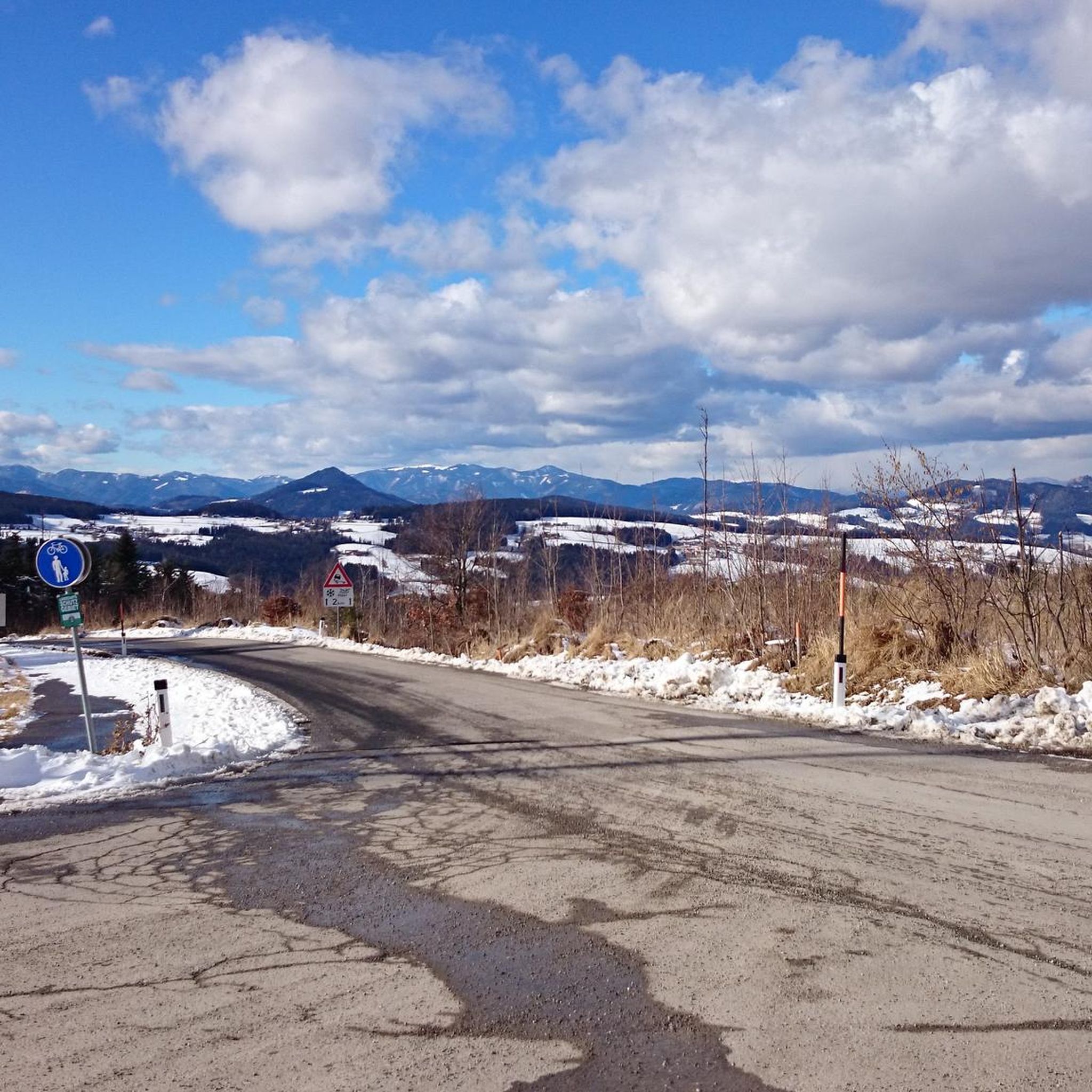
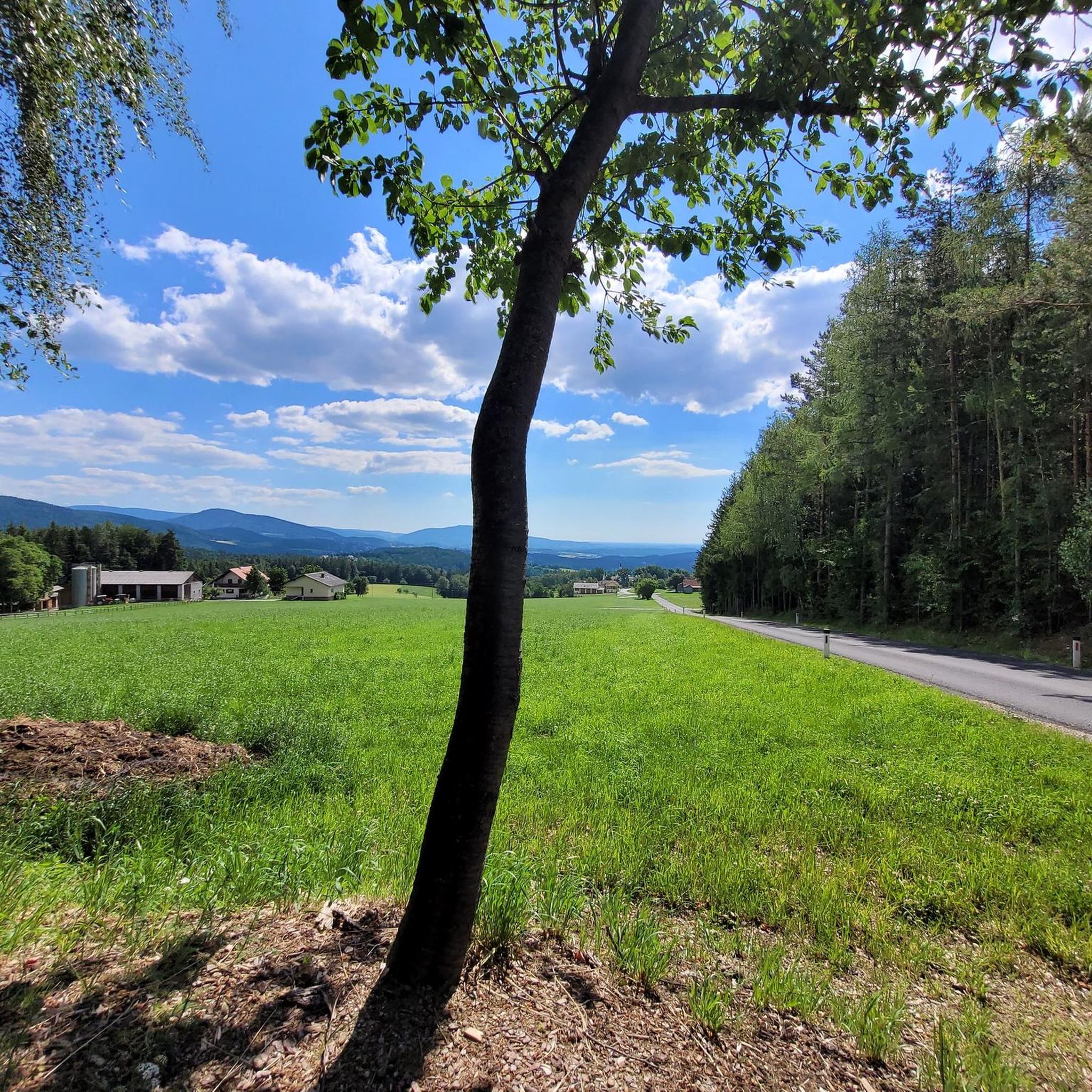
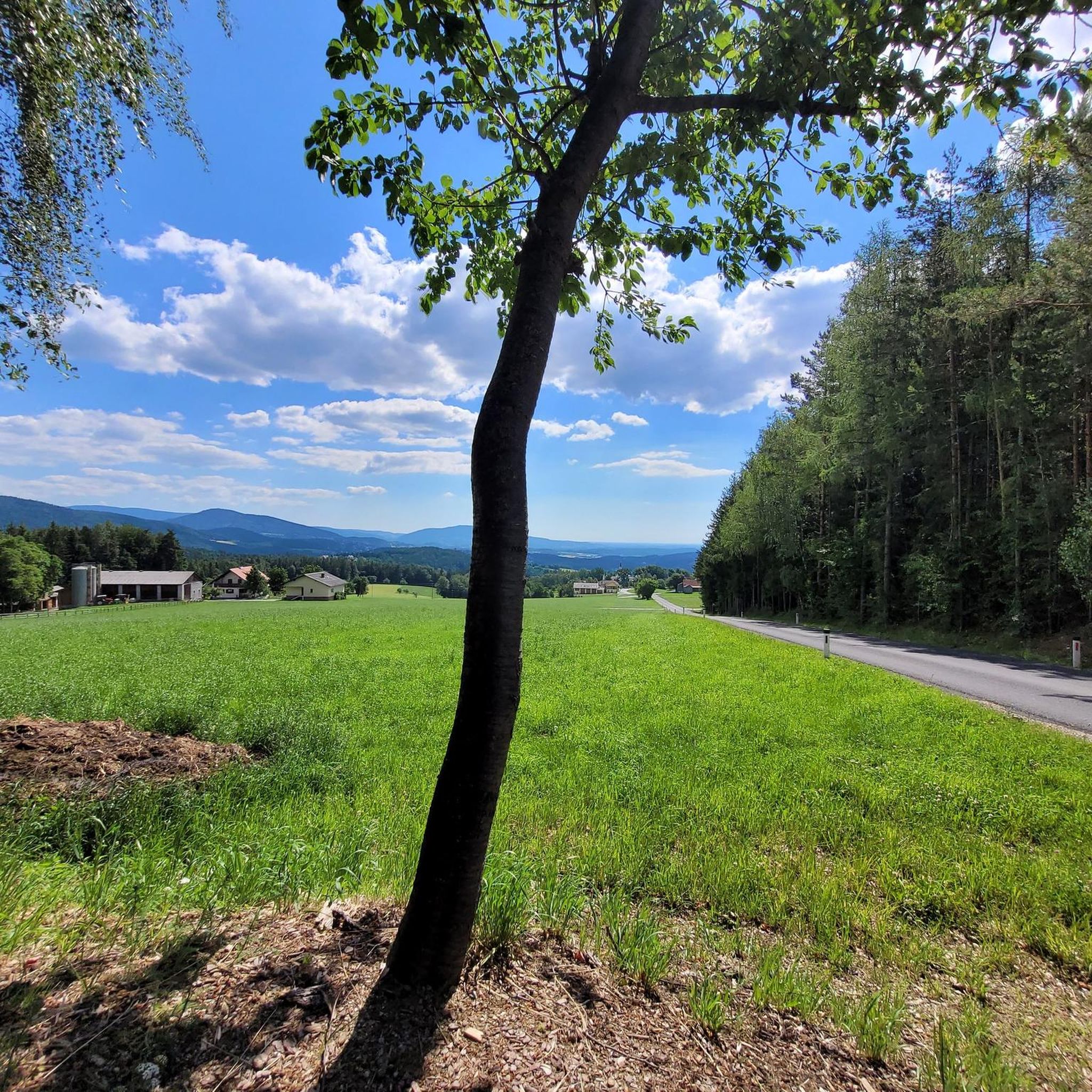
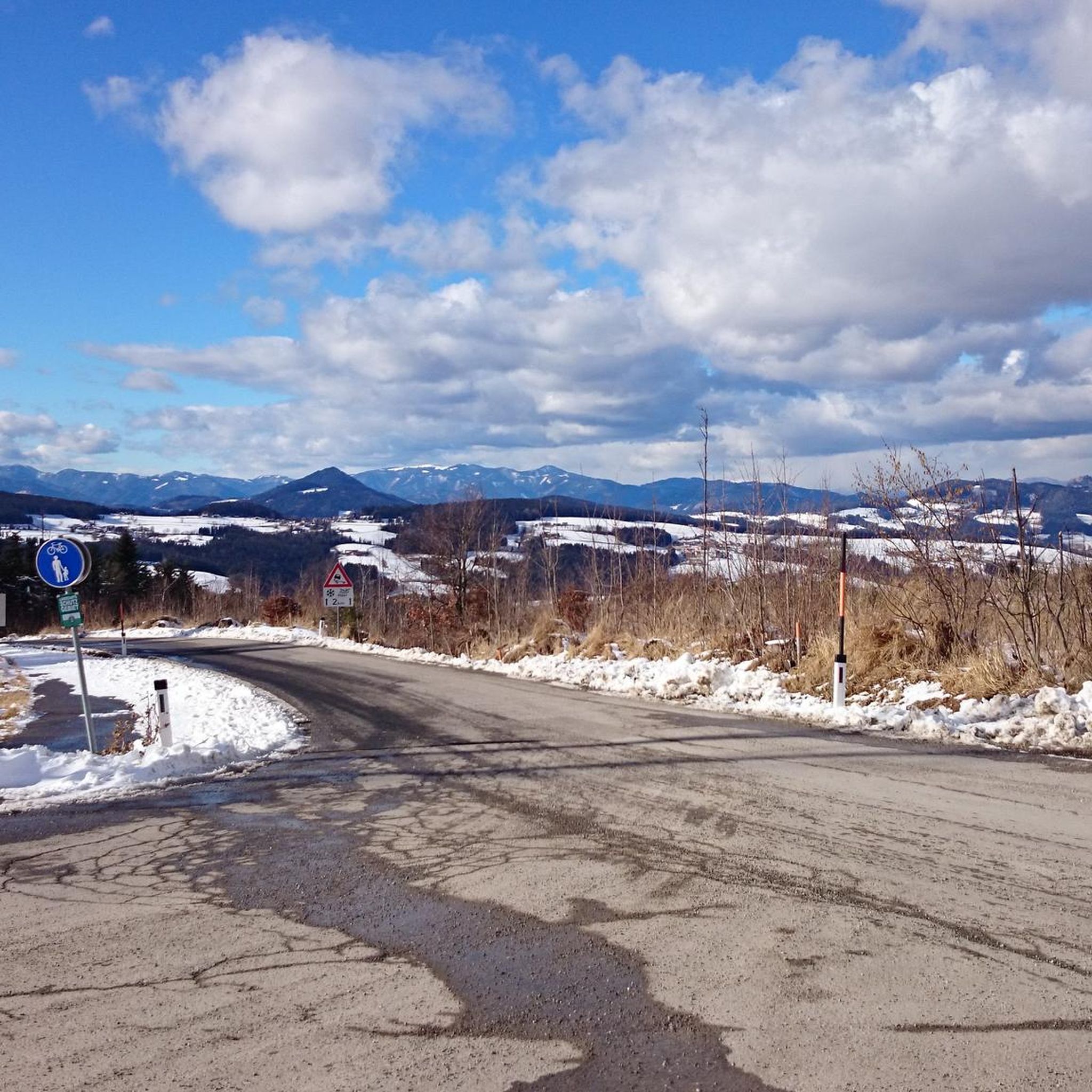
Tips from the Community

Superb lighting before sunset on the west summit
0
0

Even for the smallest
0
0

JOHN THE BAPTIST (also called JOHN THE BAPTIST), to whom this mountain chapel is entrusted as a patron saint, is a man mentioned in the Bible at the very beginning of the New Testament, as he is half a year older than Jesus. His parents are Zechariah and Elizabeth. After the proclamation of the Incarnation of God through them, the Mother of God visits her relative Elizabeth, who, in her old age, will give birth to a son, John the Baptist. He lives in the desert, preaches repentance from sin to the Jewish population, and baptizes them in the Jordan. Jesus also comes there to be baptized, where he is filled with the Holy Spirit, who descends upon him from heaven. John is therefore considered his forerunner/paver in Christian theology. The Evangelist Luke writes: + "A voice calls in the desert: Prepare the way for the Lord! Make straight his paths! (...) And all people will see the salvation of God." Saint John the Baptist has two commemoration days in the calendar of saints: that of his birth is on June 24, exactly six months before Christmas Eve; that of his beheading is on August 29.
0
0

Great view to the north. The Hochschwab and the Gößeck are also clearly visible.
3
0

Always good for a rest.
0
0
Always good to test your coordination a bit.
0
0

Large summit cross, great view. Very few tourists (April weekday)
1
0
Frequently Asked Questions
How many mountaineering routes are available around Gutenberg-Stenzengreith?
There are over 20 mountaineering routes in the Gutenberg-Stenzengreith area, offering a diverse range of experiences. These include routes of varying difficulty, from moderate ascents to more challenging alpine tours.
What are the best routes for challenging mountaineering tours?
For those seeking a challenge, the region offers several difficult routes. One notable option is the Schöckl Summit Cross loop from St. Radegund, which is 8.0 km long and features a significant elevation gain. The Schöckl area generally provides more demanding ascents, some requiring good fitness and sure-footedness.
Are there any circular mountaineering routes in the area?
Yes, many of the mountaineering routes around Gutenberg-Stenzengreith are designed as loops. For example, the View of the Grazer Bergland – Schöckl summit cross loop from Schöckl is a moderate 6.2 km circular trail, offering panoramic views. Another option is the Schöckl Summit Cross loop from Schöckl, a 5.2 km moderate loop.
What natural features and landmarks can I expect to see on these routes?
The routes offer diverse natural beauty, from rolling hills and dense forests to the more rugged terrain of mountains like Schöckl and Hochlantsch. You can find stunning viewpoints such as the Schöckl summit cross and the Stephaniewarte Observation Tower. The nearby Raabklamm gorge is also a significant natural monument, known for its intact nature and water hiking trails.
Are there any family-friendly mountaineering options?
While the guide focuses on mountaineering, which can be demanding, the broader region around Gutenberg-Stenzengreith offers easier walks. The Raabklamm gorge, for instance, has sections that are accessible for families, with some parts even suitable for prams or wheelchairs. For mountaineering specifically, routes are generally moderate to difficult, so families should assess their fitness levels carefully.
What is the best time of year for mountaineering in Gutenberg-Stenzengreith?
The best time for mountaineering in this region is typically during the warmer months, from late spring to early autumn, when trails are clear of snow and weather conditions are more stable. This allows for comfortable exploration of the diverse landscapes, from the Raabklamm to the higher elevations of Schöckl and Hochlantsch.
Can I bring my dog on the mountaineering trails?
Many hiking and mountaineering trails in Austria are dog-friendly, but it's always advisable to check specific regulations for each route or protected area. For instance, the Raabklamm is a Natura 2000 protected area, so dogs might need to be kept on a leash. Always ensure your dog is well-behaved and that you carry waste bags.
What do other mountaineers enjoy the most about mountaineering in Gutenberg-Stenzengreith?
The area is highly rated by the komoot community, with an average score of 4.5 stars from more than 7 reviews. Mountaineers often praise the varied terrain, from rolling hills to more rugged mountain paths, and the stunning views, especially from peaks like Schöckl. The well-developed network of trails and the proximity to natural highlights like the Raabklamm are also frequently appreciated.
Are there any historical sites or castles near the mountaineering routes?
Yes, the region is dotted with historical sites. You can find several castles nearby, such as Gutenberg Castle and Stadl Castle on the Raab. These offer interesting points of interest to explore before or after your mountaineering adventures.
Where can I find parking for the mountaineering routes?
Specific parking information varies by trailhead. For routes around Schöckl, there are often designated parking areas near cable car stations or popular starting points. For the Raabklamm, various entry points have parking facilities. It's recommended to check the individual route details on komoot for precise parking locations.
Are there any routes that offer particularly good views of the Styrian landscape?
Absolutely. Routes leading to the Schöckl summit are renowned for their panoramic vistas. The Schöckl summit cross – View of the Grazer Bergland loop from Schöckl, for example, is a moderate 10.7 km route specifically highlighting views of the Grazer Bergland. The Stoakoglhütte lookout point also provides breathtaking views of the Styrian Volcano Country.
Are there any easy mountaineering routes for those new to the sport?
While most mountaineering routes in this guide are moderate to difficult, the region does offer some less strenuous options. The View of the Grazer Bergland – Schöckl summit cross loop from Schöckl is rated as moderate and is a good starting point for those with some hiking experience looking to transition to mountaineering. For absolute beginners, the extensive network of hiking trails in the Raabklamm offers gentler introductions to the region's natural beauty.
Most popular routes around Gutenberg-Stenzengreith
Most popular attractions around Gutenberg-Stenzengreith

Get inspired with the komoot mobile app


Explore more
Browse the best Mountain Hikes & Routes in other regions.
