The best road cycling routes around Wappenbury
4.3
(434)
7,871
riders
448
rides
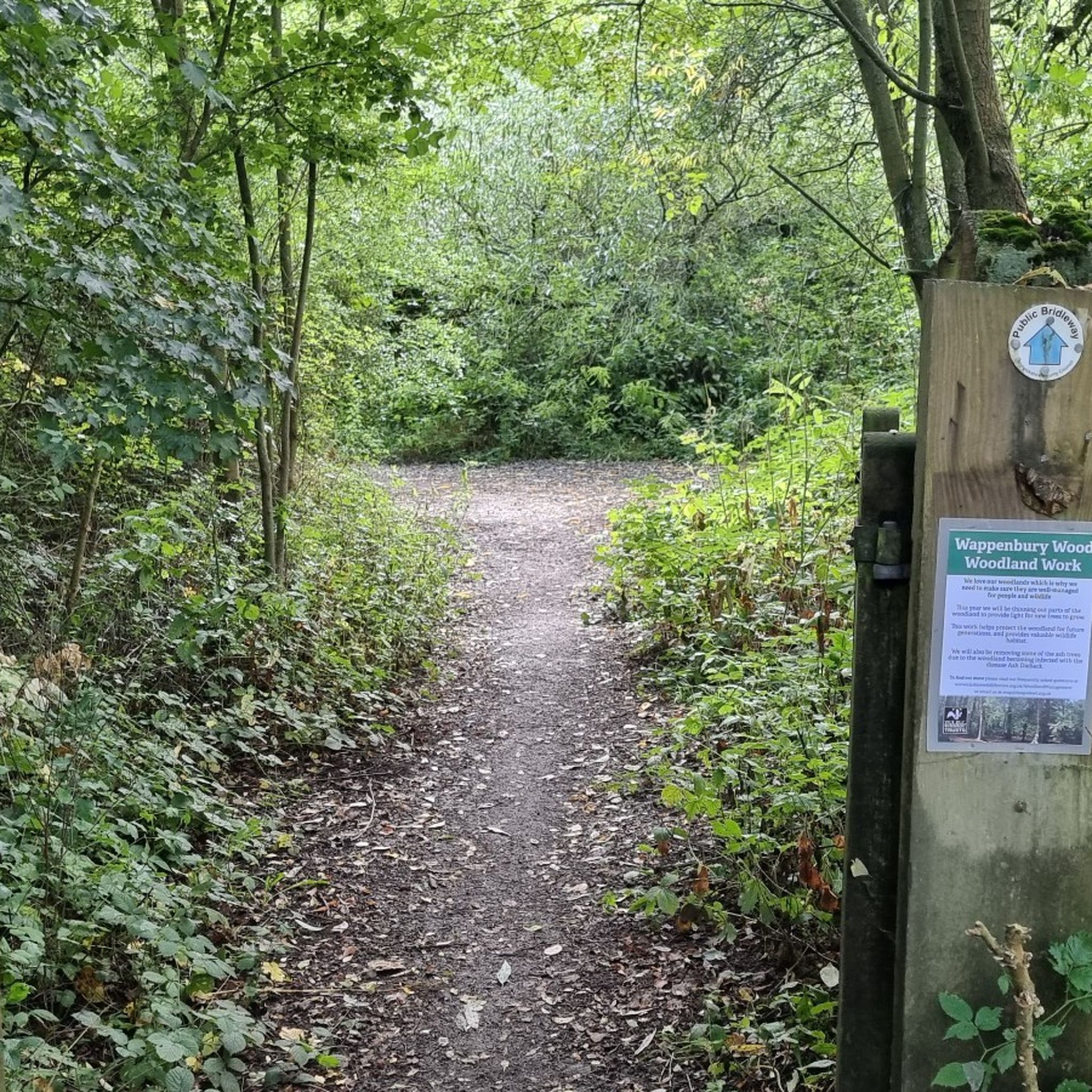
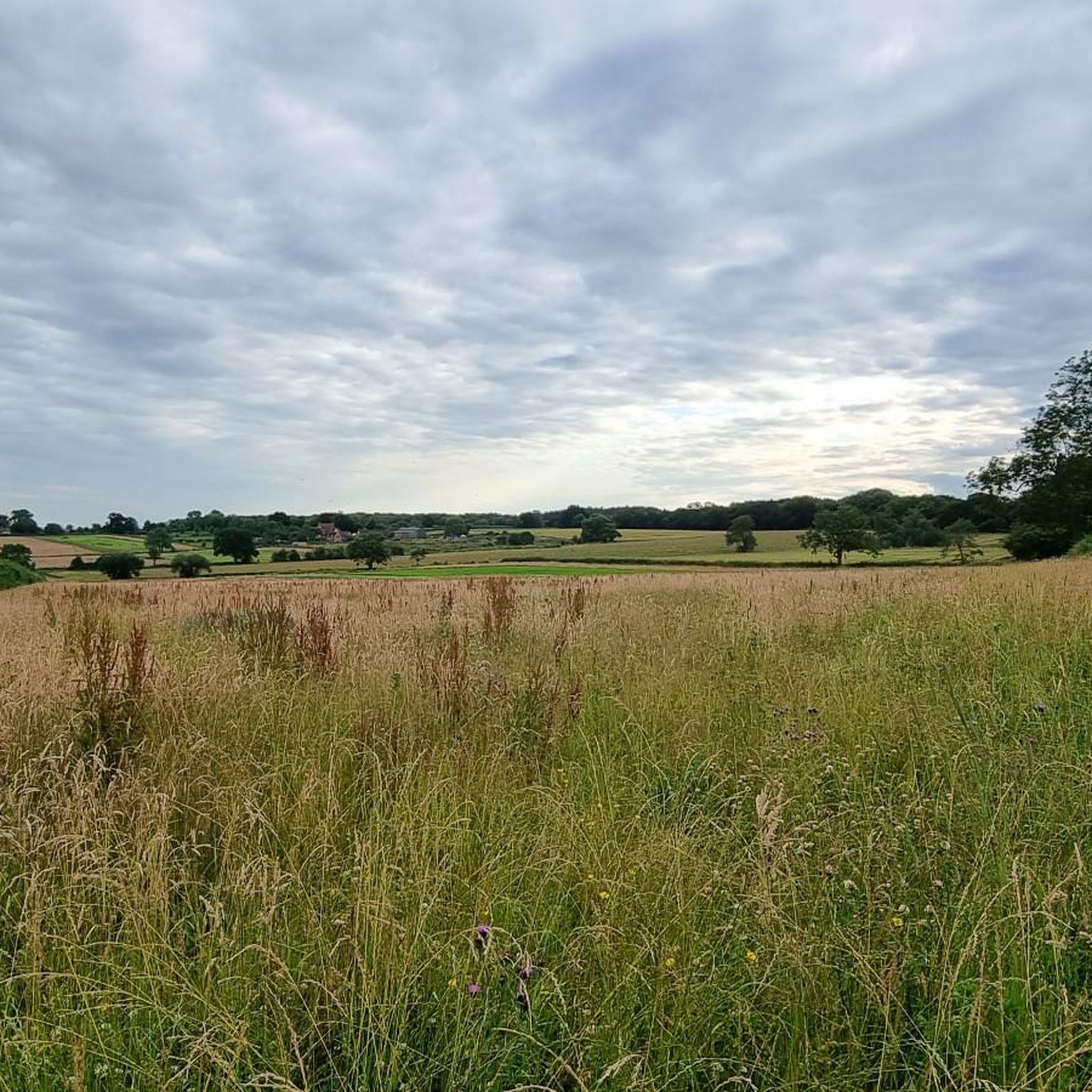
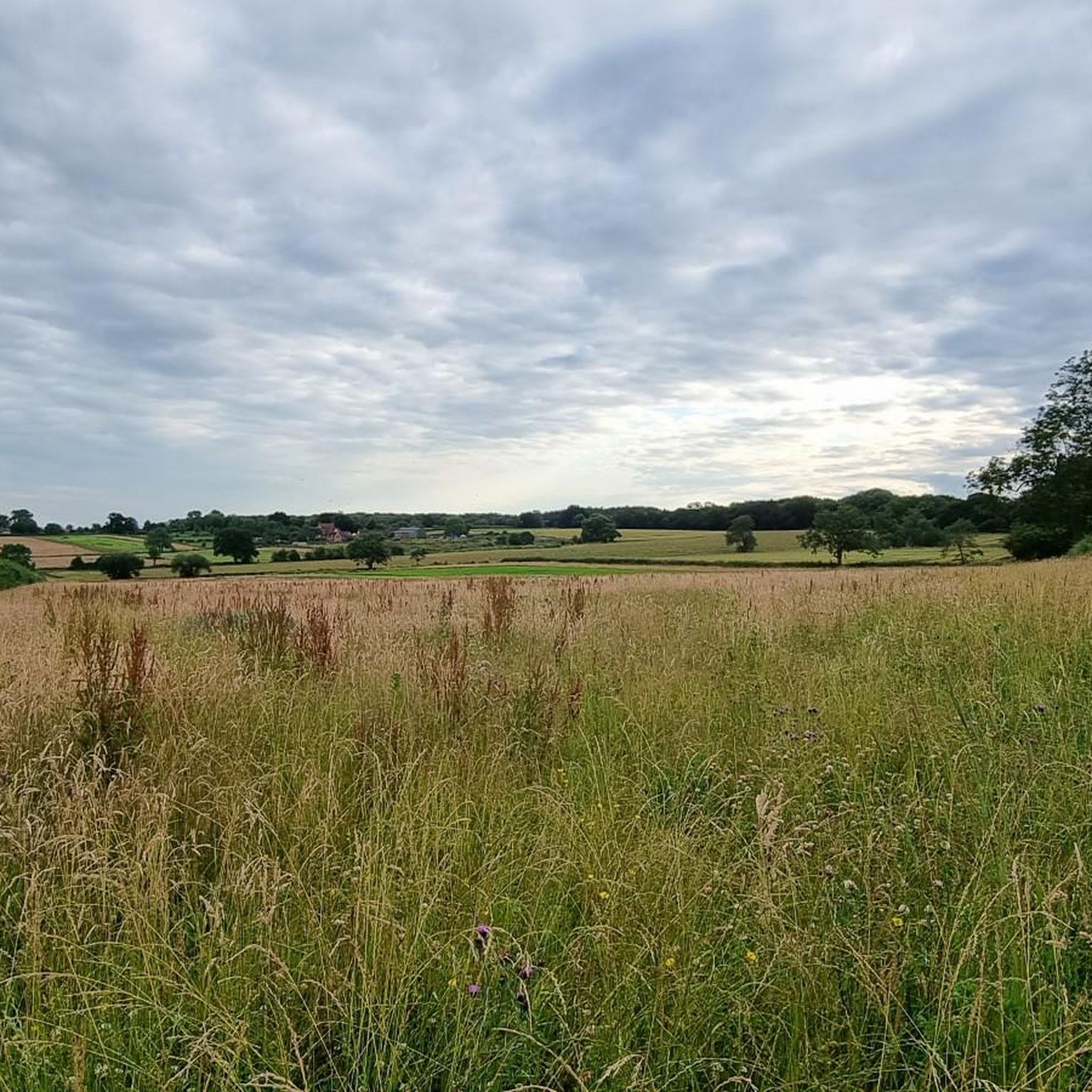
Road cycling around Wappenbury offers a blend of historic landscapes and natural beauty across Warwickshire's countryside. The region is characterized by gentle terrain, quiet country roads, and scenic riverside meadows along the River Leam. Cyclists can explore ancient woodlands like Wappenbury Wood and Old Nun Wood, providing varied backdrops for routes. The area's network of well-maintained roads and bridleways caters to diverse cycling preferences.
Best road cycling routes around Wappenbury
- The most popular road cycling route is The Red Lion,…
Last updated: July 12, 2026
4.0
(2)
102
riders
Moderate road ride. Good fitness required. Some segments of this route may be unpaved and difficult to ride.
35
riders
23.2km
00:54
80m
80m
Easy road ride. Great for any fitness level. Mostly well-paved surfaces and easy to ride.

Sign up for free
4.5
(2)
25
riders
18.9km
00:49
120m
120m
Easy road ride. Great for any fitness level. Mostly well-paved surfaces and easy to ride.
45
riders
37.9km
01:38
310m
310m
Moderate road ride. Good fitness required. Mostly well-paved surfaces and easy to ride.
5.0
(1)
22
riders
Moderate road ride. Good fitness required. Mostly well-paved surfaces and easy to ride.
Get access to more routes and recommendations from other explorers.
Sign up for free
Already have an account?
Our route recommendations are based on thousands of hikes, rides, and runs completed by other people on komoot.
Start today with a free account
Your next adventure awaits.
Login or Signup


Tips from the Community

A quiet pitstop to refuel with snacks and recharge before the next stretch; Co-op nearby...
0
0

Located 400 meters north of the church, Hunningham Bridge is a stone arch bridge that crosses the River Leam and has its origins in the Medieval period. Interestingly, it was rebuilt in 1651 at a cost of 20 pounds.
1
0

A fine example of a Warwickshire town. Lovely old town centre with plenty of options for refreshments.
1
0

Very open flat fast lane through stunning farm fields to really give the legs a burst.
0
0

Always love it went I cross a county line, I sometimes forget where I am and these help remind me.
0
0
A long stretch to open up the legs, open to side and headwinds.
1
0

This market town was mentioned in Shakespeare's Henry VI.
0
0
Frequently Asked Questions
How many road cycling routes are available around Wappenbury?
There are over 450 road cycling routes available around Wappenbury on komoot, catering to various skill levels. This includes over 160 easy routes, more than 270 moderate routes, and a selection of challenging options for experienced cyclists.
What kind of terrain can I expect when road cycling in Wappenbury?
Wappenbury offers a diverse road cycling experience with gentle terrain, quiet country roads, and scenic riverside meadows along the River Leam. You'll find a mix of well-maintained roads and bridleways, passing through ancient woodlands like Wappenbury Wood and Old Nun Wood, providing varied and picturesque backdrops.
Are there any circular road cycling routes in the Wappenbury area?
Yes, many of the road cycling routes around Wappenbury are circular, allowing you to start and finish at the same point. An example is the moderate The Red Lion, Hunningham loop from Hunningham, which covers 54.8 km, or the easier View of Draycott – Thurlaston loop from Princethorpe CP, a 23.8 km ride.
What are some easy road cycling routes suitable for beginners or families in Wappenbury?
For an easier ride, consider the The Red Lion, Hunningham – Jason Fryers' Wood Carvings loop from Bubbenhall, an 19.0 km route with gentle gradients. Another great option is the View of Draycott – Thurlaston loop from Princethorpe CP, which is 23.8 km and provides scenic views suitable for a quicker, less strenuous ride.
What do other road cyclists say about the routes in Wappenbury?
The road cycling routes in Wappenbury are highly rated by the komoot community, with an average score of 4.3 stars from over 190 reviews. More than 6,600 road cyclists have used komoot to explore the area, often praising the quiet country roads, varied scenery, and the blend of natural beauty with historical sights.
Are there any notable landmarks or attractions to see along the road cycling routes?
Yes, Wappenbury's routes often pass by or near significant historical and natural landmarks. You might encounter the Iron Age hillfort ramparts that encircle the village, or cycle close to ancient woodlands like Wappenbury Wood. For historical sites, consider routes that pass near Kenilworth Castle or Bagot's Castle. Natural attractions include Draycote Water and Jephson Gardens.
What is the best time of year for road cycling in Wappenbury?
The spring and summer months generally offer the most pleasant conditions for road cycling in Wappenbury, with milder weather and longer daylight hours. In spring, you can enjoy vibrant displays of bluebells, primroses, and wood anemones in areas like Wappenbury Wood. The region's gentle terrain makes it accessible for cycling through much of the year, though autumn can also be beautiful with changing foliage.
Are there any longer or more challenging road cycling routes in the area?
For a more extensive ride, the moderate The Red Lion, Hunningham loop from Hunningham is a good option, covering 54.8 km with a decent elevation gain. Another moderate route is the View of Welsh Road – The Red Lion, Hunningham loop from Hunningham, which is 37.9 km and offers varied terrain.
Where can I find parking for road cycling routes in Wappenbury?
While specific parking for each route start isn't detailed, many routes around Wappenbury originate from villages or towns that typically offer public parking facilities. For example, routes starting from Princethorpe or Marton often have designated car parks. It's advisable to check local parking options for your chosen starting point before your ride.
Can I reach Wappenbury by public transport for cycling?
Wappenbury is a small village, and direct public transport links might be limited. However, nearby towns like Leamington Spa are well-connected by public transport and serve as cycling hubs. From there, you could cycle to Wappenbury. For detailed public transport information, it's best to check local bus or train schedules for routes connecting to Wappenbury or its closest larger towns.
Are there cafes or pubs along the road cycling routes in Wappenbury?
The routes around Wappenbury often pass through or near charming villages where you can find local pubs and cafes. For instance, routes like The Red Lion, Hunningham loop from Hunningham explicitly mention a pub in their name, indicating potential refreshment stops. Exploring the villages along your chosen route will likely reveal suitable places for a break.
What makes Wappenbury a good destination for road cycling?
Wappenbury is an excellent destination for road cycling due to its unique blend of historic landscapes, natural beauty, and a network of quiet country roads. The area's suitability is highlighted by its inclusion in the prestigious Tour of Britain cycling event route. Cyclists can enjoy varied terrain, from gentle riverside paths to routes through ancient woodlands, all within a picturesque Warwickshire setting.
Most popular attractions around Wappenbury

Get inspired with the komoot mobile app


Explore more
Browse the best Road cycling routes in other regions.
