The best mountain hikes around Wildalpen
4.8
(78)
1,377
hikers
39
hikes
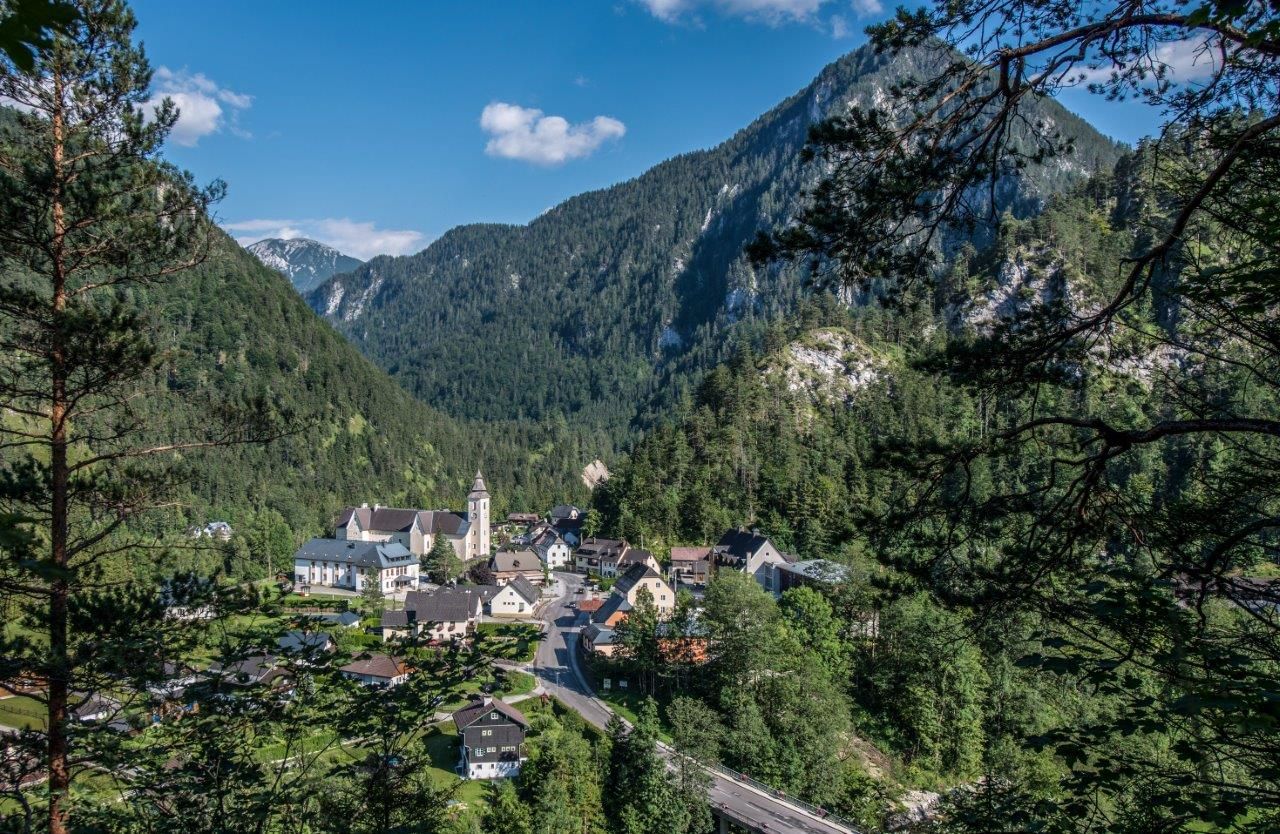
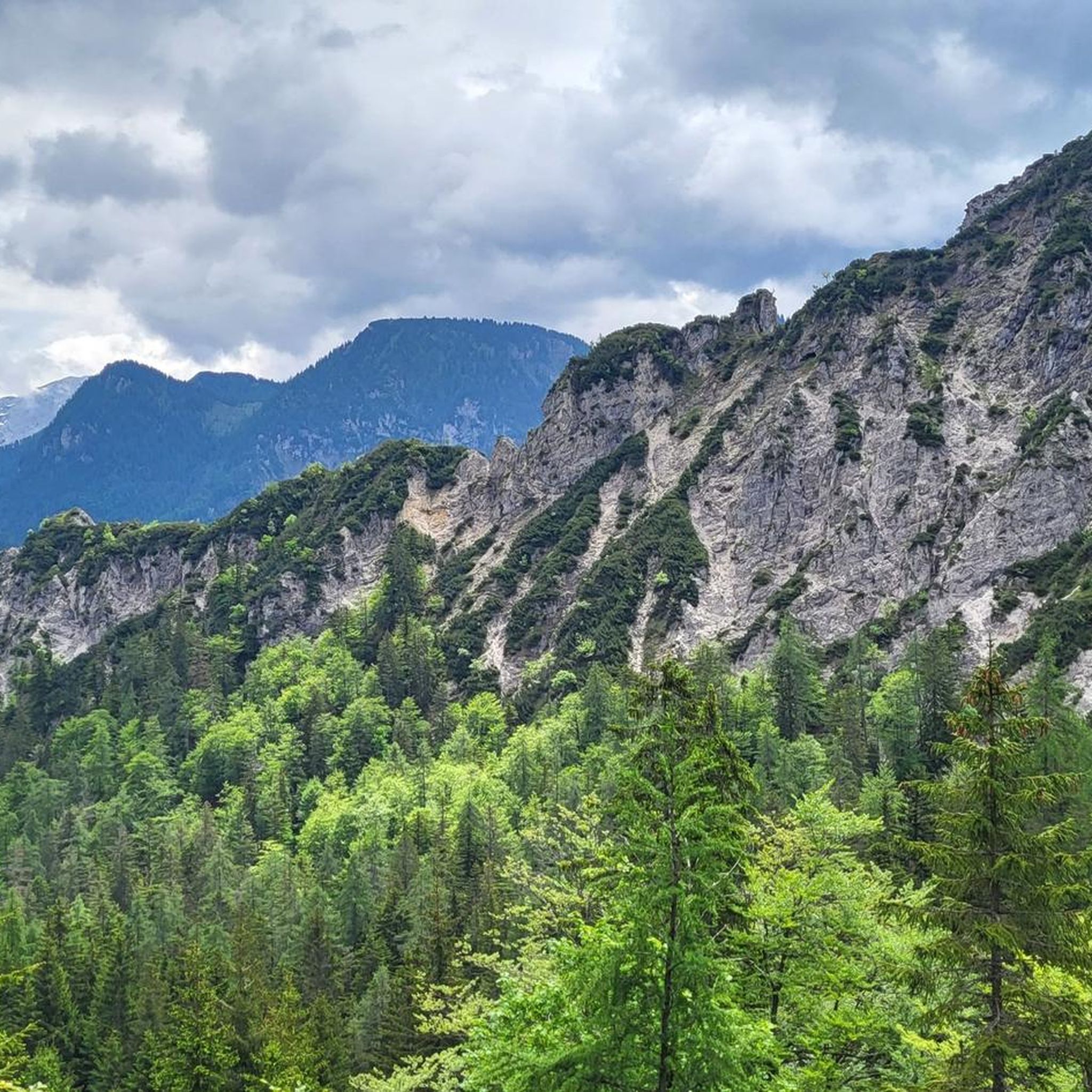
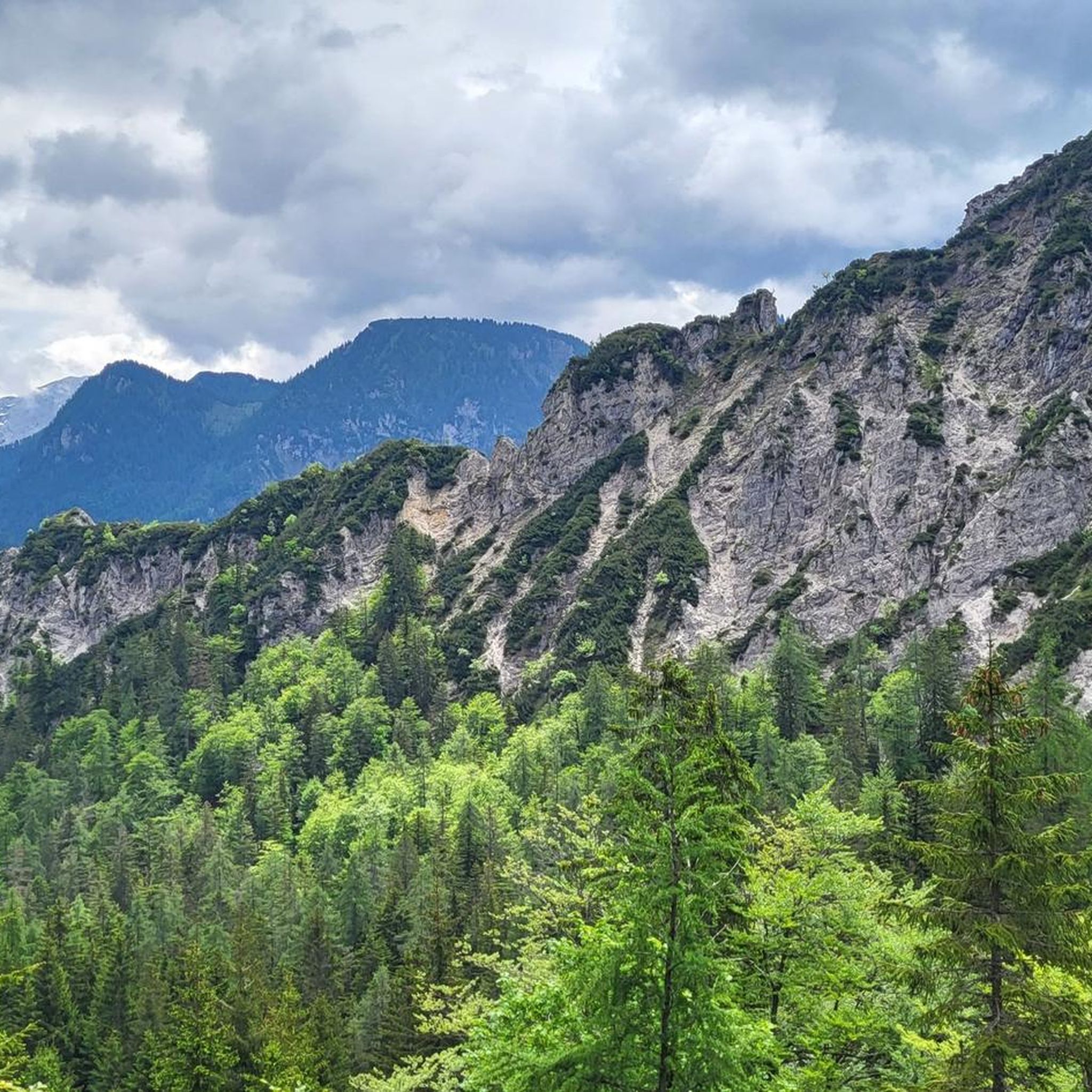
Mountaineering around Wildalpen, situated within Austria's Gesäuse National Park, offers a diverse range of alpine experiences. The region is characterized by the prominent Hochschwab Group, dense forests, and the Salza River, providing a rugged natural environment. Peaks like Hochschwab Summit and Ebenstein present challenging ascents, while numerous trails traverse varied terrain from river gorges to high alpine plateaus. This area is known for its unspoiled wilderness, attracting mountaineers seeking demanding routes and panoramic views.
Best mountaineering routes around Wildalpen
- The most popular mountaineering route is Brunnsee – Rotmäuern Trail loop from Brunn im Salzatal, a 9.5 miles (15.3 km) trail that takes 7 hours 44 minutes to complete. This difficult route offers extensive views across the alpine landscape.
- Another top favourite among local mountaineers is Ebenstein Summit Cross loop from Wildalpen, a difficult 14.7 miles (23.7 km) path. This route leads to the Ebenstein Summit, known for its panoramic vistas of the surrounding mountains.
- Local mountaineers also love the Hochkar – Notes loop from Hochkarschacht - Stolleneingang, a 4.9 miles (7.9 km) trail leading through the Hochkar area, often completed in about 2 hours 42 minutes.
- Mountaineering around Wildalpen is defined by challenging mountain ascents, alpine huts, and the rugged terrain of the Hochschwab Group. The network offers options for different ability levels, from moderate paths to difficult summit routes.
- The routes in Wildalpen are highly rated by the komoot community with an average score of 4.8 stars from over 70 reviews. More than 1,300 mountaineers have used komoot to explore Wildalpen's varied terrain.
Last updated: October 5, 2026
5.0
(2)
16
hikers
15.3km
07:45
1,340m
1,340m
Hard mountaineering route. Very good fitness required. Sure-footedness, sturdy shoes and alpine experience required.
3.0
(1)
14
hikers
5.36km
02:04
290m
290m
Hard mountaineering route. Good fitness required. Sure-footedness, sturdy shoes and alpine experience required.

4.0
(1)
13
hikers
24.0km
09:52
1,410m
1,410m
Hard mountaineering route. Very good fitness required. Sure-footedness, sturdy shoes and alpine experience required.
11
hikers
Moderate mountaineering route. Good fitness required. Easily-accessible paths. Suitable for all skill levels.
12
hikers
3.23km
01:08
160m
160m
Hard mountaineering route. Great for any fitness level. Sure-footedness, sturdy shoes and alpine experience required.
Get access to more routes and recommendations from other explorers.
Already have an account?
Our route recommendations are based on thousands of hikes, rides, and runs completed by other people on komoot.
Start today with a free account
Your next adventure awaits.
Other adventures around Wildalpen

Tips from the Community

Pope Benedict XVI expressed the following thoughts during the traditional Way of the Cross meditation (Good Friday 2010) in the Colosseum in Rome, which perhaps may also be of interest to those lingering here at this Hachkar summit cross: »does he [Jesus Christ] know that his death becomes the source of life, just as a grain of wheat must break open in the earth for the plant to emerge: “Unless a grain of wheat falls into the earth and dies, it remains alone; but if it dies, it bears much fruit” (Jn 12:24). Jesus is the grain of wheat that falls into the earth, is torn apart, breaks open, dies, and therefore can bear fruit. From the day Christ was lifted up on the cross, the cross – seemingly a sign of abandonment, loneliness, failure – has become a new beginning: from the depths of death, the promise of eternal life rises. On the cross, the victory radiance of Easter morning already shines.«
0
0
„Is it always something special for you?“ asks the presenter Werner Schmidbauer, as he reaches the summit cross crowning the mountain together with the Munich pastor Rainer Maria Schießler in an episode of the Bayerisches Fernsehen series „Gipfeltreffen“. I would like to offer his short but concise answer to all those who linger at the Hochkar in front of this sacred monument for contemplation: „The cross has always been a sign of encouragement, hope, departure, life for me. That's how my parents taught me...“
1
0

Unobstructed views of the surrounding mountains. A simply stunning landscape!
0
0

A lovely walk around the water. It's very quiet here, with a few nice benches to rest on. The view is beautiful. It's not a lake, but a reservoir; you're not allowed to swim in it, but we did see a black alpine newt.
4
0
Up behind the ski hut there is a chapel.
2
0
Crazy, so high/much in January 2019.
2
0

It is a beautiful panorama that you can experience here.
0
0

The actual summit cross on the Ebenstein. Interestingly, the summit book says 2153 meters above sea level. However, I could not find any entry in the summit records online that this cross is 30 meters higher. The path there is a little exposed.
0
0
Frequently Asked Questions
How many mountaineering routes are available around Wildalpen, and what are their difficulty levels?
Wildalpen offers a wide range of mountaineering experiences with over 40 routes. These include 2 easy routes, 7 moderate routes, and 31 difficult routes, catering to various skill levels from beginners to experienced mountaineers.
Are there any family-friendly mountaineering routes in Wildalpen?
While many routes in Wildalpen are challenging, there are a few easier options suitable for families with some hiking experience. These routes generally feature less elevation gain and shorter distances, allowing for a more relaxed pace. For example, the region offers 2 easy routes that could be considered.
Which routes offer the most challenging ascents for experienced mountaineers?
For experienced mountaineers seeking a challenge, Wildalpen offers numerous demanding routes. The Ebenstein Summit Cross loop from Wildalpen is a difficult 14.7-mile (23.7 km) path leading to the Ebenstein Summit, known for its panoramic vistas. Another demanding option is the Brunnsee – Rotmäuern Trail loop from Brunn im Salzatal, a 9.5-mile (15.3 km) route with extensive alpine views.
Are there circular mountaineering routes in Wildalpen?
Yes, many mountaineering routes in Wildalpen are designed as loops, allowing you to start and end at the same point. Examples include the Brunnsee – Rotmäuern Trail loop from Brunn im Salzatal, the Ebenstein Summit Cross loop from Wildalpen, and the Hochkar – Notes loop from Hochkarschacht - Stolleneingang.
Can I find routes that feature waterfalls in Wildalpen?
Yes, the region around Wildalpen is known for its natural beauty, including waterfalls. The Wasserlochklamm in Palfau, though not directly on a mountaineering route listed here, is a significant natural feature with impressive waterfalls accessible via a dedicated trail.
Are there mountaineering routes that pass by scenic lakes?
Absolutely. The region boasts picturesque mountain lakes. The Leopoldsteiner See is a popular hiking destination with spectacular views. While not directly on a listed route, the Mountain lake / Reservoir – Hochkar Reservoir loop from Hochkar specifically mentions a reservoir, offering a similar scenic experience.
Are there mountain huts along the mountaineering routes for breaks or overnight stays?
Yes, the Wildalpen area, particularly within the Hochschwab Group, features several mountain huts. These provide excellent opportunities for breaks, refreshments, or even overnight stays on longer tours. Notable huts include the Schiestlhaus Mountain Hut and the Sonnschien Hut.
What are some notable natural landmarks or viewpoints to look for on these routes?
The Wildalpen region is rich in natural landmarks and offers stunning viewpoints. The Hochschwab Group features the highest peak, Hochschwab Summit, providing extensive panoramic views. Ebenstein is also known for its fantastic panoramas. The Salza Gorge offers breathtaking scenic views, and the High cirque is another impressive natural feature.
What is the best time of year for mountaineering in Wildalpen?
The best time for mountaineering in Wildalpen is generally from late spring to early autumn (May to October). During these months, the weather is more stable, and trails are typically free of snow, making for safer and more enjoyable ascents. Always check local weather and trail conditions before heading out.
What do other mountaineers enjoy most about the routes in Wildalpen?
The routes in Wildalpen are highly rated by the komoot community, with an average score of 4.8 stars from over 70 reviews. Mountaineers often praise the unspoiled wilderness, the challenging mountain ascents, and the extensive panoramic views from peaks like Hochschwab and Ebenstein. The diverse terrain, from river gorges to high alpine plateaus, is also a frequently mentioned highlight.
Are there any easy mountaineering routes suitable for beginners?
Yes, for those new to mountaineering or looking for a less strenuous experience, Wildalpen offers 2 easy routes. These paths are a great way to experience the region's beauty without the demands of the more challenging alpine ascents. They typically involve shorter distances and less significant elevation changes.
What kind of gear is recommended for mountaineering in Wildalpen?
Given the challenging nature of many routes, excellent fitness, sure-footedness, and sturdy, alpine-suitable footwear are essential. Depending on the specific route and conditions, you might also need gear for via ferratas or rock climbing. Always carry appropriate layers, navigation tools, sufficient water, and food.
Can I access mountaineering trailheads in Wildalpen using public transport?
Wildalpen emphasizes a 'Pure Nature' experience, and while specific public transport details for every trailhead vary, it's advisable to research local bus services or consider carpooling. Many trailheads might require private vehicle access, especially for routes deep within the Gesäuse National Park or Hochschwab Group.
Most popular attractions around Wildalpen

Get inspired with the komoot mobile app


Explore more
Browse the best Mountain Hikes & Routes in other regions.
