The best walks and hikes around Derryhawlagh
4.1
(8)
107
hikers
10
hikes
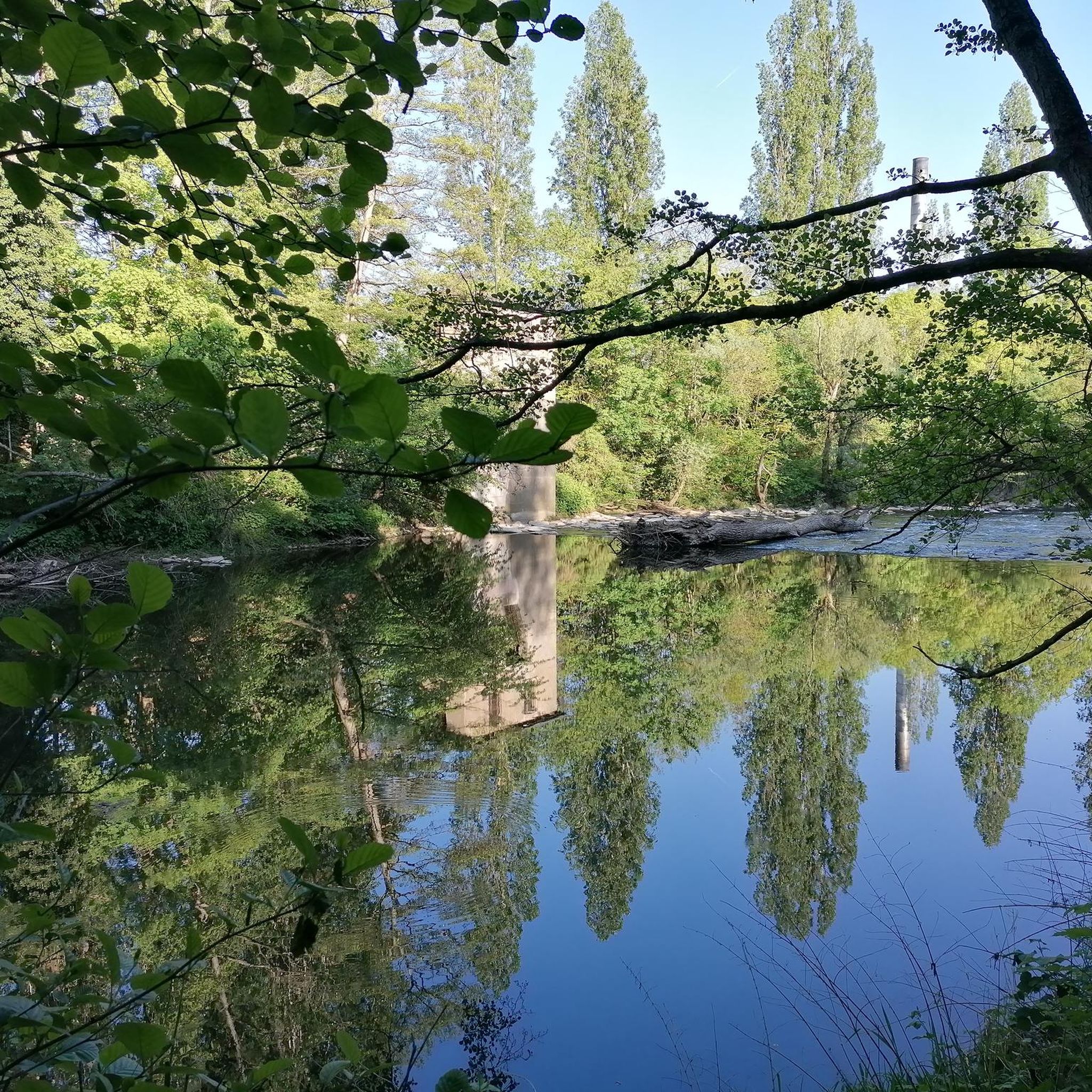
Hiking around Derryhawlagh offers access to the diverse landscapes of the Fermanagh Lakelands, characterized by interconnected lakes, rolling hills, and extensive woodlands. The region features varied terrain, from the tranquil shores of Lough Erne to the managed trails within forest parks. Geological formations and natural reserves provide a range of environments for outdoor exploration.
Best hiking trails around Derryhawlagh
- The most popular hiking route is Florence Court Red Trail, a 5.4 miles (8.7 km) trail that takes 2 hours…
Last updated: November 25, 2026
4.0
(3)
34
hikers
8.68km
02:22
130m
130m
4.3
(3)
23
hikers
4.75km
01:14
30m
30m
Easy hike. Easily walkable paths.

10
hikers
4.98km
01:18
30m
30m
Easy hike. Easily walkable paths.
5.0
(1)
10
hikers
2.67km
00:41
10m
10m
Easy hike. Easily walkable paths.
4
hikers
2.69km
00:43
20m
20m
Easy hike. Easily walkable paths.
Get access to more routes and recommendations from other explorers.
Already have an account?
Our route recommendations are based on thousands of hikes, rides, and runs completed by other people on komoot.
Start today with a free account
Your next adventure awaits.
Popular around Derryhawlagh


Tips from the Community

Along the Beech Trail, you'll discover some of the oldest trees on the estate, including Oak and the sprawling limbs of this Horse Chestnut, forming a natural arch over the path.
0
0

Run past the beautiful Castle Coole, a magnificent 18th century manor house set in a gorgeous 1,200 acre wooded landscape park.
1
0
A gravel track will lead you around the beautiful and tranquil Lough Coole.
1
0
Beautiful thatched summer house situated in the Pleasure Gardens of Florence Court House.
1
0
Florence Court House is a magnificent 18th-century country estate situated in the foothills of Cuilcagh Mountain. The house is amongst a medley of lush green parkland and thick woodland with sights of the wonderful Benaughlin Mountain in the distance. The house is now owned by the National Trust and is open to explore daily. For more information regarding opening times and ticket prices visit https://www.nationaltrust.org.uk/visit/northern-ireland/florence-court
2
0

Florence Court is a Georgian mansion nestled in the foothills of Cuilcagh Mountain and surrounded by picturesque countryside. The first house was built by John Cole in the early 18th century and named after his wife. The family lived in the house for over 250 years. The estate is now managed by the National Trust with over 10 miles of hiking and cycling trails. There is a also a water-powered sawmill and blacksmith's forge to gain an understanding of the areas industrial heritage. There is an Irish yew tree in the grounds, known as Florence Court Yew. This specimen is thought to be the ancestor of all Irish Yews worldwide as they have to be propagated from a cutting otherwise they revert to common yews. Due to their compactness and attractive columnar shape they are common in churchyards throughout the world.
1
0

Castle Coole is one of the most magnificent Neo-classical houses in Ireland set in a 1,200 acre (490 ha) wooded estate. Built in the 18th century, the grand mansion was home to the Earls of Belmore. The 7th Earl Belmore gave the manion to the National Trust in 1951. The house was originally constructed as a summer retreat and cost £57,000, the equivalent of around £20 million today. It is set amongst beautiful parklands dotted with oak, ash and beech trees. Some of the land is given to local farmers to graze their cattle and sheep. You can visit the mansion and its grounds for an insight of how life would once have been for its wealthy inhabitants and their staff. Entrance to the grounds costs £5 per adult.
1
0
Nestled in the foothills of Cuilcagh Mountain, Florence Court is a wonderful Georgian mansion surrounded by picturesque countryside. The first house was built by John Cole at the beginning of the 18th century and named after his wife, Florence. The Cole family lived in the house for over 250 years. Today, the estate is managed by the National Trust. There are over 10 miles (16 km) of hiking and bike trails to explore the grounds. You can visit a water-powered sawmill and blacksmith's forge that reveal the area's industrial heritage. There's also a beautiful Irish yew tree, Florence Court Yew, which is one of two original Irish Yew discovered in 1767. There is a small entrance fee to the gardens and forest.
2
1
Frequently Asked Questions
How many hiking trails are available around Derryhawlagh?
There are around 10 hiking trails available in the Derryhawlagh area, offering a variety of experiences through the Fermanagh Lakelands. These routes cater to different skill levels, from easy strolls to more moderate excursions.
What types of landscapes can I expect to see while hiking near Derryhawlagh?
Hiking near Derryhawlagh immerses you in the diverse landscapes of the Fermanagh Lakelands. You'll encounter serene lough shores, lush woodlands within forest parks like Lough Navar and Florence Court, and unique geological features characteristic of the Cuilcagh Lakelands UNESCO Global Geopark. Expect rolling hills, ancient trees, and picturesque water views.
Are there easy hiking trails suitable for beginners or families in Derryhawlagh?
Yes, the Derryhawlagh area offers several easy hiking trails perfect for beginners and families. For instance, the Ancient Chestnut Tree loop from Castle Coole is an easy 2.9-mile path winding through parkland. Another great option is the Florence Court – Florence Court loop from Drumlaghy, a 3.1-mile trail through the Florence Court estate.
Are there any moderate hiking routes in the area?
Yes, for those looking for a slightly more challenging experience, the Florence Court Red Trail is a moderate 5.4-mile route. It explores the grounds of Florence Court, offering woodland scenery and a good workout.
Can I find circular hiking routes around Derryhawlagh?
Absolutely. Many of the trails in the area are designed as circular routes, allowing you to start and end at the same point. Examples include the Ancient Chestnut Tree loop from Castle Coole and the Florence Court – Florence Court loop from Drumlaghy, both offering convenient loops through scenic landscapes.
What natural attractions or landmarks can I explore while hiking in the Fermanagh Lakelands?
The Fermanagh Lakelands are rich in natural beauty and historical sites. You can explore the stunning underground world of the Marble Arch Caves, or visit the iconic Cuilcagh Boardwalk Trail, often called the 'Stairway to Heaven,' for panoramic views. Other notable attractions include Florence Court, Castle Coole, and the dramatic Magho Cliffs within Lough Navar Forest, which offer breathtaking vistas over Lower Lough Erne.
Are there any historical sites or points of interest near the hiking trails?
Yes, the region is dotted with historical sites. You can visit Enniskillen Castle, a prominent landmark with a rich history. The estates of Florence Court and Castle Coole also offer glimpses into historical estate life, with trails winding past ancient trees like the Ancient Chestnut Tree and charming features like the Thatched Summer House.
What do other hikers enjoy most about hiking in Derryhawlagh?
The area is highly rated by the komoot community, with an average score of 4.6 stars. Hikers often praise the serene lakeland scenery, the tranquility of the woodlands, and the well-maintained paths that make for enjoyable and accessible outdoor experiences. The diverse terrain, from gentle lough-side walks to more elevated forest trails, is also frequently highlighted.
Are the hiking trails around Derryhawlagh suitable for dogs?
Many of the forest parks and trails in the Fermanagh Lakelands, including those around Derryhawlagh, are generally dog-friendly. However, it's always recommended to keep dogs on a lead, especially in areas with livestock or sensitive wildlife, and to check specific park regulations before your visit.
Are there options for shorter, easy walks around Derryhawlagh?
Absolutely. For shorter, easy walks, consider routes like the Lough Coole – Ancient Chestnut Tree loop from Enniskillen, which is just 1.7 miles. These shorter paths are ideal for a quick stroll or for those with less time, offering pleasant scenery without significant effort.
What is the best time of year to go hiking in Derryhawlagh?
The Fermanagh Lakelands offer beautiful hiking experiences year-round. Spring brings blooming wildflowers and fresh greenery, while summer provides longer daylight hours and warmer temperatures. Autumn showcases stunning foliage, and even winter can be picturesque with crisp air and fewer crowds, though some paths might be muddy. Always check local weather conditions before heading out.
Are there any trails that offer views of Lough Erne?
Yes, several trails and viewpoints in the wider Fermanagh Lakelands region offer stunning views of Lough Erne. Lough Navar Forest, for example, features dramatic Magho Cliffs with breathtaking vistas over Lower Lough Erne. While specific routes directly from Derryhawlagh might not hug the lough shore, the regional context ensures many opportunities to enjoy the expansive lake scenery.
Most popular routes around Derryhawlagh
Most popular attractions around Derryhawlagh

Get inspired with the komoot mobile app


Explore more
Browse the best Hikes in other regions.
