Attractions and Places To See around Drumaa - Top 11
Best attractions and places to see around Drumaa include a variety of historical landmarks and natural features in County Fermanagh, Northern Ireland. The region offers ancient ruins, unique cave systems, and serene loughs for exploration. Visitors can discover a blend of cultural heritage and scenic landscapes. Drumaa is a destination for those interested in history and outdoor activities.
Best attractions and places to see around Drumaa
- The most popular attractions is Tully Castle Ruins, a castle that is a…
Last updated: November 14, 2026
Tully Castle Ruins
Highlight • Castle
Tip by

Carrick Lough
Highlight • Natural
Tip by

Sign up now to discover places like this
Get recommendations on the best single tracks, peaks, & plenty of other exciting outdoor places.
Pollnagollum Cave and Waterfall
Highlight • Cave
Tip by

Devenish Monastic Site
Highlight • Monument
Tip by

Devenish Island Round Tower
Highlight • Monument
Tip by
Sign up for free to discover even more attractions around Drumaa.
Already have an account?
Start today with a free account
Your next adventure awaits.
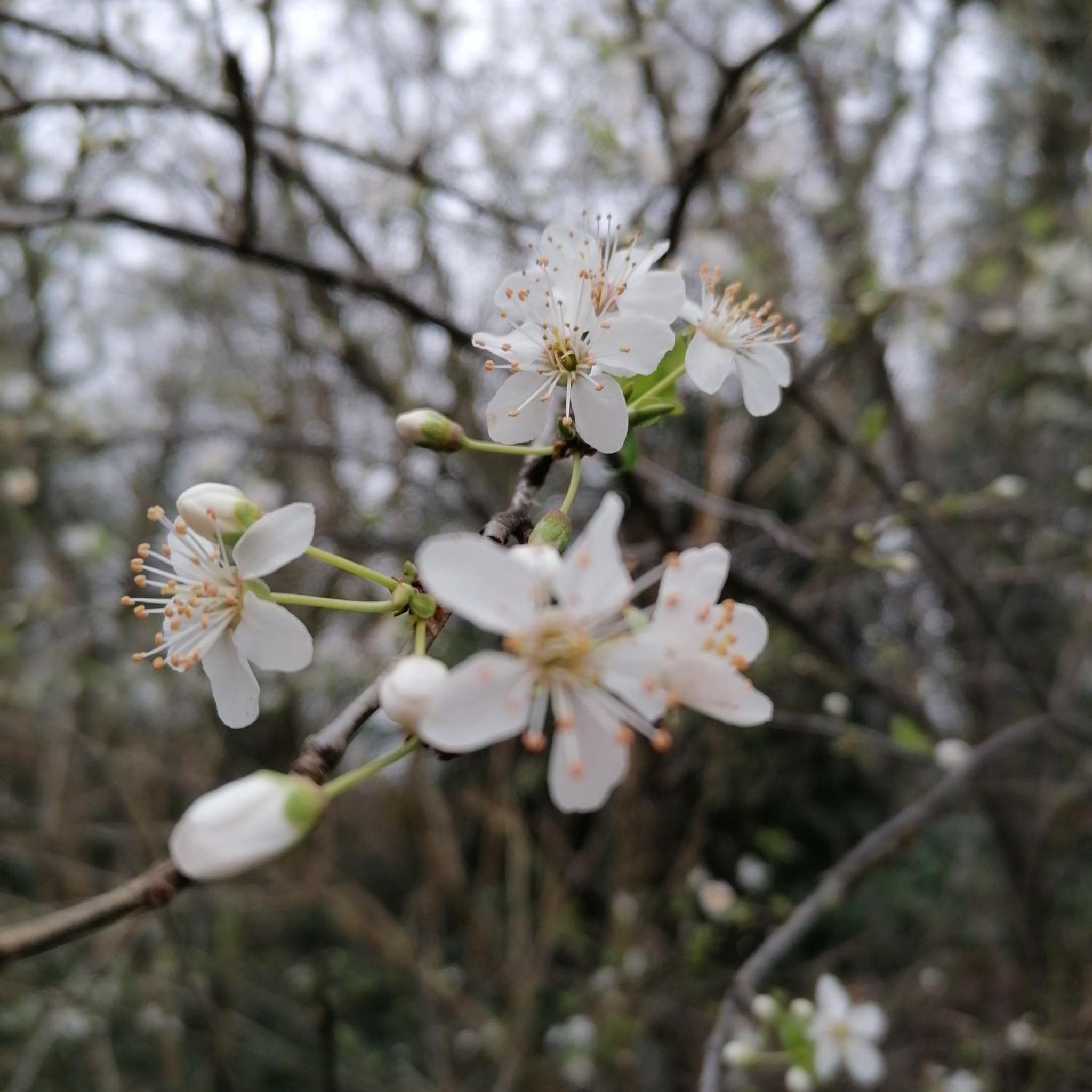

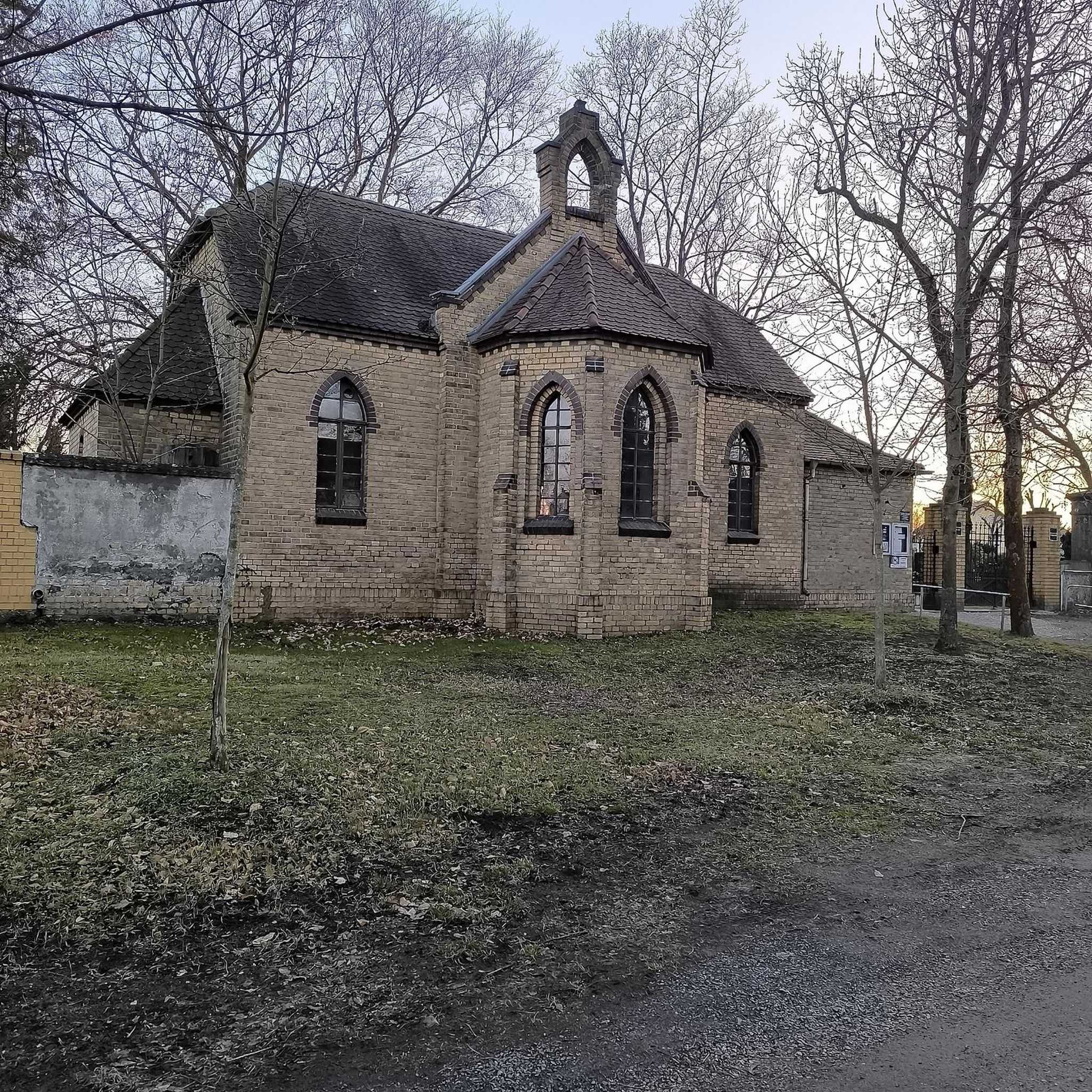

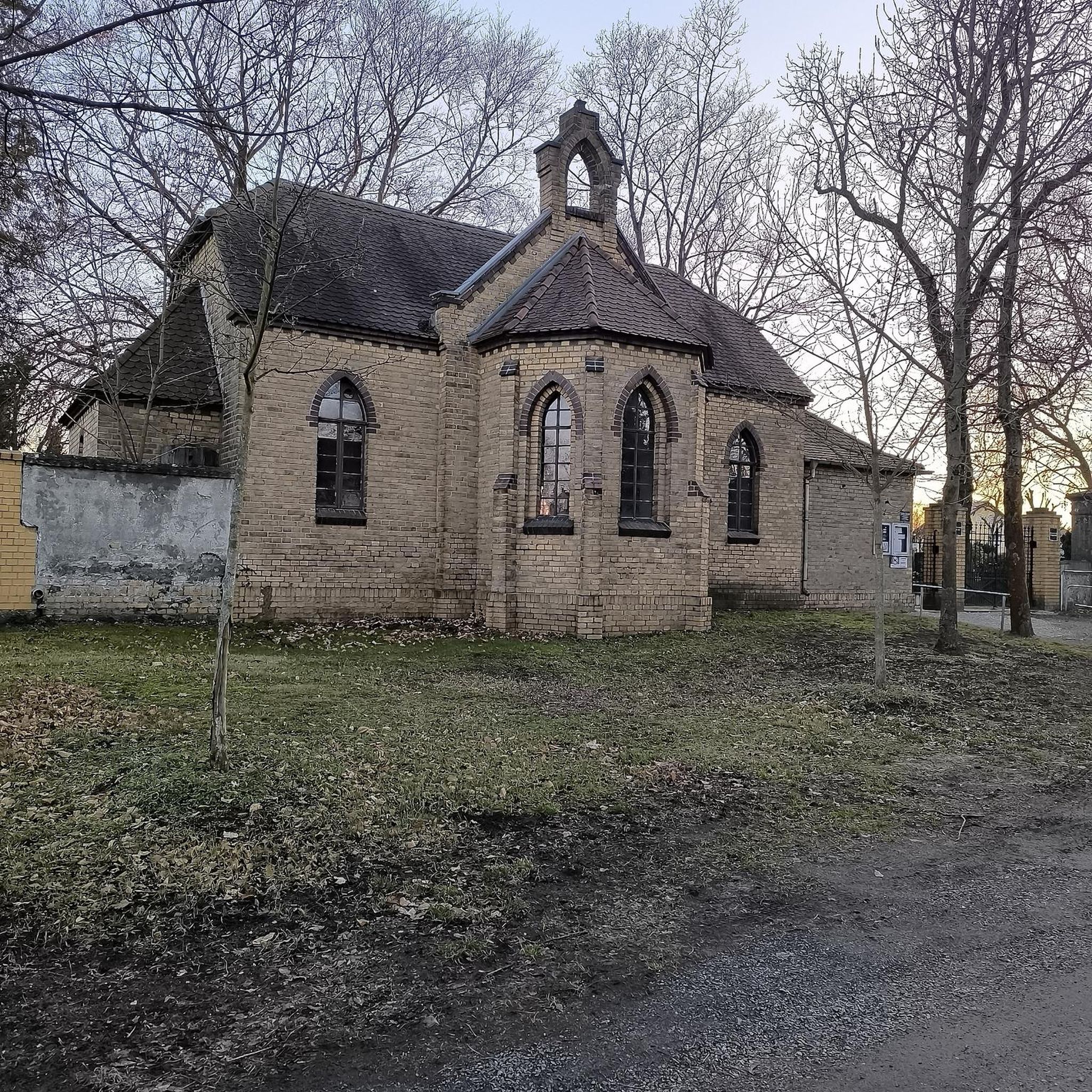
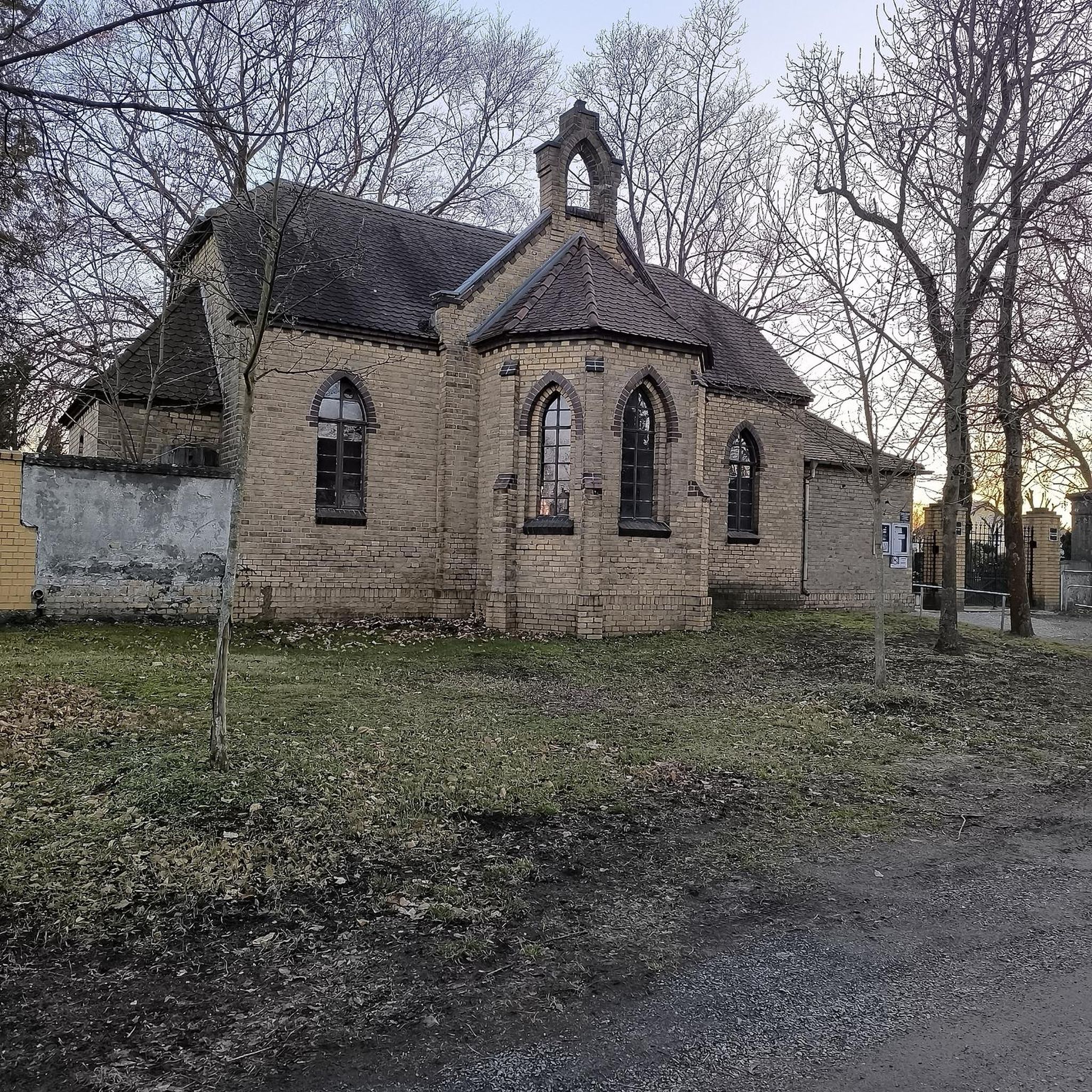
Tips from the Community


"continual slur on Irish caving" It's actually only a few hundred metres is accessible and it's total length is thought to be 2km. No where near the longest cave in Ireland. Consider a trip in only if well equipped with a good light and helmet. Alternatively/also consider visiting McKenzies back lounge just down the road. A much drier watering hole. ;)
1
0

Devenish Monastic Site is generally considered to be the most important of Lough Erne's many island church settlements. Devenish was founded in the 6th century by St Molaise. It was raided by Vikings in 837 and burned in 1157, but in the Middle Ages flourished as the site of a parish church and St Mary's Augustinian Priory. There are extensive low earthworks on the hillside, but the earliest buildings are St Molaise's House (a very small church) and the fine round tower close by, both with striking Romanesque decorations from the 12th century. Teampull Mór, the lower church, dates from the early 13th century and has a beautifully moulded south window. It was extended to the east in about 1300, while later additions include a residential wing to the north and the Maguire Chapel to the south, with 17th century heraldic slabs. St Mary's Augustinian Priory on the hilltop dates from the middle 15th and early 16th centuries, with church, tower and small north cloister. In its graveyard stands an unusual, intricately-carved cross of the middle 15th century. - https://en.wikipedia.org/wiki/Devenish_Island - https://web.archive.org/web/20120224043140/http://www.culturenorthernireland.org/article.aspx?art_id=746
0
0
Founded by Saint Laisrén mac Nad Froích (aka St Molaise) in the 6th century, the monastic site was built on a pilgrimage route to Croagh Patrick. As you view the Island from Trory Pier you can see the 25 metre tall 12th century round tower standing majestically above the ruined buildings. The tower has wooden floors and can be climbed by the public via a series of ladders. The tower is decorated with 12th century romanesque features, the most unusual feature is a beaded cornice running around the top of tower with head sculpture featured above the bell-storey windows. - http://www.megalithicireland.com/Devenish%20Round%20Tower.html - https://archive.ph/20121224010315/http://www.ni-environment.gov.uk/places/monuments/devenish.shtml#selection-1091.0-1091.30
0
0

Pollnagollum Cave (meaning Hole of the Dove) is the longest cave system in Ireland. The cave system is complex and fascinating and is fed by a tumbling waterfall that topples off a limestone cliff. Watch your stepping here as rocks can be unstable and slippery, and don't forget your camera for some awesome shots.
3
0

This fortified house is on Tully Point and built for Sir John Hume who occupied the house until 1641 when it was attacked by John Maguire and burned on Christmas Eve with all its inhabitants massacred. After that it was not lived in again. There is a visitors centre in a restored farmhouse that has an interesting exhibition telling a number of stories relating to the castle. To visit the castle be sure to step off the bike as it is on foot only!
1
0

Fairly accessible but not wheelchair accessible. Would be very careful with small children as well
4
0

Covering an area of 9 acres (3.7 ha), Carrick Lough is a small lake compared to some of its impressive neighbours such as Lough Erne. Set amongst green countryside, the lake, although small, is still a lovely place to visit. With a thriving population of pike, perch, bream, and roach, the lake is popular with anglers. It's also home to diverse flora and fauna. The lakeshore makes for a wonderful picnic on a bike trip!
1
0
Frequently Asked Questions
What historical sites can I explore around Drumaa?
Drumaa is rich in historical sites. You can visit the impressive Tully Castle Ruins, a fortified house with a visitor's centre detailing its history. Another significant site is the Devenish Monastic Site, founded in the 6th century, featuring ancient churches and the striking Devenish Island Round Tower.
Are there any natural wonders to see near Drumaa?
Absolutely! The region boasts the fascinating Pollnagollum Cave and Waterfall, part of a complex cave system fed by a tumbling waterfall. You can also enjoy the serene beauty of Carrick Lough, a small lake known for its diverse flora and fauna.
What kind of outdoor activities can I do near Drumaa's attractions?
The area around Drumaa offers various outdoor activities. For gravel biking, you can explore routes like the 'Aghanaglack Prehistoric Tomb – View of Lough Nabrickboy loop' or 'Lough Martincrossagh loop'. Road cyclists can enjoy tours such as the 'Carrick Lough – Roogagh Waterfall loop'. Mountain biking trails are also available, including the 'Aghanaglack Prehistoric Tomb loop'. You can find more details on these routes in the respective guides: Gravel biking around Drumaa, Road Cycling Routes around Drumaa, and MTB Trails around Drumaa.
Are there family-friendly attractions in the Drumaa area?
Yes, several attractions are suitable for families. Tully Castle Ruins offers a historical experience with a visitor's centre. Carrick Lough is a lovely spot for a picnic or enjoying nature. While Pollnagollum Cave and Waterfall is beautiful, caution is advised with small children due to slippery rocks.
What should I know before visiting Pollnagollum Cave and Waterfall?
When visiting Pollnagollum Cave and Waterfall, be aware that rocks can be unstable and slippery, so watch your footing. It is not wheelchair accessible, and caution is recommended if visiting with small children. For those exploring the cave system, it's advisable to be well-equipped with a good light and helmet.
Can I climb the Devenish Island Round Tower?
Yes, the 25-meter tall 12th-century Devenish Island Round Tower is open to the public. It has wooden floors and can be climbed via a series of ladders, offering unique views and a closer look at its Romanesque decorations.
What is the significance of the Devenish Monastic Site?
The Devenish Monastic Site is considered the most important of Lough Erne's island church settlements. It was founded in the 6th century by St Molaise, raided by Vikings, and later flourished in the Middle Ages. It features St Molaise's House, the impressive Round Tower, Teampull Mór (the lower church), and St Mary's Augustinian Priory.
Is Carrick Lough suitable for fishing?
Yes, Carrick Lough is popular with anglers. It has a thriving population of pike, perch, bream, and roach, making it a good spot for fishing enthusiasts.
What kind of history does Tully Castle Ruins offer?
Tully Castle Ruins is a fortified house and bawn built for Sir John Hume. It has a dramatic history, including being attacked and burned in 1641. A visitor's centre, located in a restored farmhouse, provides exhibitions and stories relating to the castle's past.
Are there any specific walking or hiking trails directly linked to these attractions?
While specific walking trails directly *at* each attraction might vary, the region around Drumaa offers numerous routes for outdoor enthusiasts. For example, you can find various mountain biking and gravel biking loops that pass through scenic areas, some of which might offer views or access points near these attractions. You can explore these options in the MTB Trails around Drumaa and Gravel biking around Drumaa guides.
What do visitors enjoy most about the attractions around Drumaa?
Visitors appreciate the blend of historical depth and natural beauty. The ancient ruins like Tully Castle and the Devenish Monastic Site offer a glimpse into the past, while natural features such as Pollnagollum Cave and Carrick Lough provide opportunities for scenic exploration and outdoor activities.
Most popular attractions around Drumaa

Get inspired with the komoot mobile app


Explore more
Still not found the Highlight you’re looking for? See guides of the top attractions in other regions:
