Attractions and Places To See around Drumderg - Top 20
Best attractions and places to see around Drumderg include a variety of historical sites, natural monuments, and scenic landscapes. The region features significant cultural landmarks such as ancient tombs and castles, alongside natural areas like forests and lakes. These attractions offer opportunities for exploration and engagement with the local history and environment. Drumderg is a region where 20 hidden gems are waiting to be explored.
Best attractions and places to see around Drumderg
- The most popular attractions is Giant's Grave…
Last updated: June 24, 2026
Giant's Grave & Giant's Cave
Highlight • Historical Site
Translated by Google •
Tip by

Enniskillen Castle
Highlight • Historical Site
In …
Tip by

Sign up now to discover places like this
Get recommendations on the best single tracks, peaks, & plenty of other exciting outdoor places.
Sign up for free
Cuilcagh Mountain Park Car Park
Highlight • Parking
Translated by Google •
Tip by

Florence Court
Highlight • Forest
Tip by

Lower Lough MacNean
Highlight • Natural
Tip by

Sign up for free to discover even more attractions around Drumderg.
Sign up for free
Already have an account?
Start today with a free account
Your next adventure awaits.
Login or Signup


Tips from the Community

Would not regard the Sligo Road from Enniskillen to Belcoo as a cycle friendly road. Extremely poor surface for considerable stretches, very bendy in places too. I live in Enniskillen; have cycled it but would avoid it if at all possible. Cycling via Five Points , on Swanlinbar Road; then via old rail line from old Letterbreen railway station towards Lough MacNean ; or take road from Five Points towards Gortatole is a far more pleasant and safer option.
2
0

Ideal starting point for the hike to the Stairway to Heaven, there are a total of 3 parking spaces available. Some spaces are reserved for larger vehicles/motorhomes; the steward will direct you when reversing. Parking fee of 5 GBP or 6 Euros must be paid in cash to the steward.
2
0

The magnificent Enniskillen Castle is situated in the heart of Enniskillen on the banks of the River Erne. The castle was founded in the 15th century by Hugh 'The Hospitable' Maguire and belonged to the Maguire family for centuries. Between 2007 and 2013 a massive refurbishment took place so that the castle could be opened to the public. Today you can explore the castle grounds and learn about this landmarks rich history.
1
0
Florence Court House is a magnificent 18th-century country estate situated in the foothills of Cuilcagh Mountain. The house is amongst a medley of lush green parkland and thick woodland with sights of the wonderful Benaughlin Mountain in the distance. The house is now owned by the National Trust and is open to explore daily. For more information regarding opening times and ticket prices visit https://www.nationaltrust.org.uk/visit/northern-ireland/florence-court
2
0

Many of Ireland’s megalithic monuments—portal tombs, court cairns, or wedge tombs such as this one—are known locally as “the giant’s grave.” But this one, on a hilltop in Co. Cavan’s Burren Forest Park, has a giant story to go along with its name. According to Harold Johnson, from the nearby town of Blacklion, the giant, attempting to impress a lady, failed in his final attempt to jump the nearby chasm, which is, of course, called “The Giant’s Leap.” Harold Johnson relates this story in some detail, while seated on the Giant’s Grave, in the video, below right. Mr. Johnson also was our guide, and provided the narration, for our feature on the Killinagh Cursing Stones, located on the opposite side of the town of Blacklion. (https://voicesfromthedawn.com/burren-giants-grave/)
4
0

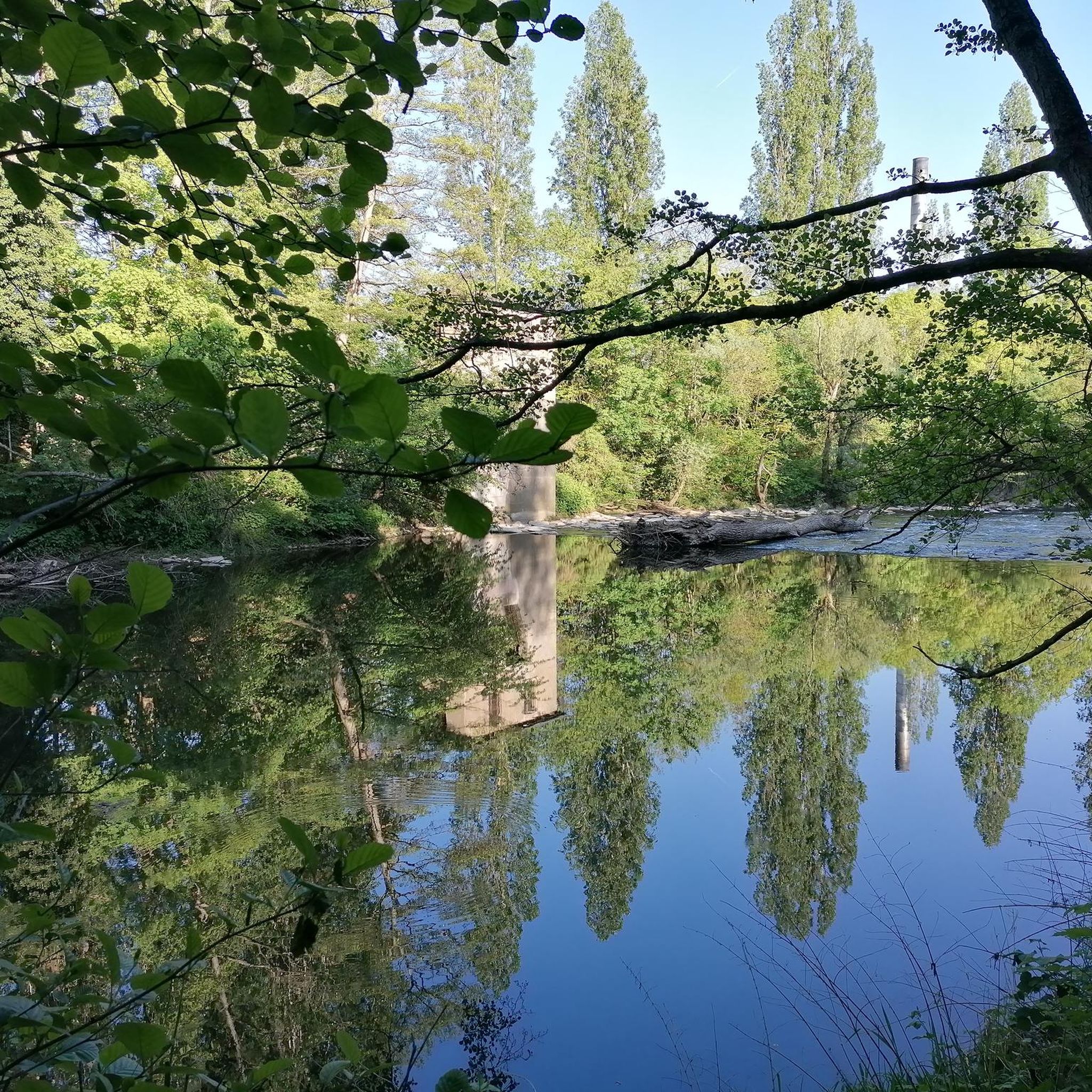
Lower Lough MacNean, also known as Lough Nilly, is one of two lakes that together form Lough MacNean. Around the circumference of the lake there is a 42 mile (67.6 km) sculpture trail that showcases the rich human history and diverse wildlife around the lake. Lough MacNean lies within the Marble Arch Caves Geopark which preserves the ancient landscapes. The reedbeds, fen peats, wet grasslands and wet woodland are home to diverse mammals, insects, and birds.
1
1
Nestled in the foothills of Cuilcagh Mountain, Florence Court is a wonderful Georgian mansion surrounded by picturesque countryside. The first house was built by John Cole at the beginning of the 18th century and named after his wife, Florence. The Cole family lived in the house for over 250 years. Today, the estate is managed by the National Trust. There are over 10 miles (16 km) of hiking and bike trails to explore the grounds. You can visit a water-powered sawmill and blacksmith's forge that reveal the area's industrial heritage. There's also a beautiful Irish yew tree, Florence Court Yew, which is one of two original Irish Yew discovered in 1767. There is a small entrance fee to the gardens and forest.
1
1
Built in the 16th century, Enniskillen Castle has many stories to tell – from Irish rebellions against English rule to sieges and protection from the threat of French invasion. In the 1950s, the castle was decommissioned as an army barracks and opened as a heritage centre. Today, you can visit the museum to learn about the region's history. The castle is open from 9.30am to 5pm (Monday to Friday) and from 11am - 5pm on weekends.
3
0
Frequently Asked Questions
What are some family-friendly attractions around Drumderg?
For families, Enniskillen Castle offers an engaging historical experience with its museum. Another great option is Florence Court, an 18th-century country estate with extensive grounds perfect for exploration, including over 10 miles (16 km) of hiking and bike trails.
Where can I find historical sites in the Drumderg area?
The region is rich in history. You can visit Giant's Grave & Giant's Cave in the Burren Forest, a megalithic tomb steeped in local legend. Enniskillen Castle, a 16th-century fortress, offers insights into the region's past through its museum. Additionally, Florence Court is a magnificent Georgian mansion with a long history, managed by the National Trust.
Are there any natural monuments or scenic viewpoints to visit?
Yes, Giant's Grave & Giant's Cave is considered a natural monument within the Burren Forest. Lower Lough MacNean offers beautiful lake views and is part of the Marble Arch Caves Geopark, known for preserving ancient landscapes. The grounds of Florence Court also provide scenic views of the surrounding parkland and Benaughlin Mountain.
Where can I park when visiting attractions near Drumderg?
For those looking to explore the Cuilcagh Mountain area, Cuilcagh Mountain Park Car Park is an ideal starting point, especially for accessing the Stairway to Heaven trail. There is a parking fee of 5 GBP or 6 Euros, payable in cash to the steward.
Are there any wheelchair-accessible attractions?
The Cuilcagh Mountain Park Car Park is noted as wheelchair accessible, providing a convenient starting point for enjoying the area's natural beauty.
What kind of walking or hiking trails are available?
You can find various walking opportunities. Cuilcagh Mountain Park Car Park serves as the gateway to the popular Stairway to Heaven trail. The estate of Florence Court features over 10 miles (16 km) of dedicated hiking trails. Additionally, Lower Lough MacNean has a 42-mile (67.6 km) sculpture trail around its circumference, showcasing local history and wildlife.
What outdoor activities can I do near Drumderg's attractions?
Beyond visiting attractions, the Drumderg area offers excellent opportunities for cycling and mountain biking. You can explore various routes like the Kingfisher Cycle Trail or loops around Florence Court. For detailed routes, check out the Cycling around Drumderg, Road Cycling Routes around Drumderg, and MTB Trails around Drumderg guides.
Are there any circular walks or cycling routes?
Yes, many routes in the area are designed as loops. For example, the Cycling around Drumderg guide includes the 'Kingfisher Cycle Trail - Northern Loop'. For mountain biking, you can find routes like the 'Lower Lough Mcnean, Florence Court House and Cuilcagh Mountain Park loop' in the MTB Trails around Drumderg guide. The grounds of Florence Court also offer circular trails.
What do visitors enjoy most about the attractions in Drumderg?
Visitors appreciate the blend of historical significance and natural beauty. Sites like Giant's Grave & Giant's Cave captivate with ancient legends, while Enniskillen Castle offers a deep dive into local history. The natural landscapes, such as those around Lower Lough MacNean and the trails accessible from Cuilcagh Mountain Park Car Park, are highly valued for their scenic appeal and outdoor opportunities.
Can I explore industrial heritage in the Drumderg area?
Yes, the estate of Florence Court offers a glimpse into the area's industrial past. You can visit a water-powered sawmill and a blacksmith's forge on the grounds, which reveal aspects of historical industry.
Are there any unique natural features to see, like rare trees?
At Florence Court, you can find a beautiful Irish yew tree, known as the Florence Court Yew. It is one of two original Irish Yews discovered in 1767, making it a significant botanical feature.
Most popular attractions around Drumderg

Get inspired with the komoot mobile app


Explore more
Still not found the Highlight you’re looking for? See guides of the top attractions in other regions:
