The best running trails around Fischerbach
4.6
(409)
4,434
runners
333
runs
Jogging around Fischerbach offers diverse running experiences within Germany's picturesque Central Kinzig valley. The region is characterized by rolling hills, forested mountains, and the Kinzig River, providing varied terrain for runners. Situated at the foot of the Black Forest, routes often traverse idyllic forest paths and follow the valley floor. This combination of natural features makes Fischerbach an appealing destination for outdoor activities.
Best jogging routes around Fischerbach
- The most popular jogging route is Heiggrabenneck Hut – Woodcarver's Corner loop…
Last updated: October 5, 2026
4.2
(5)
127
runners
17.1km
02:08
570m
570m
Hard run. Very good fitness required. Mostly paved surfaces. Suitable for all skill levels.
4.6
(9)
95
runners
5.40km
00:34
60m
60m
Moderate run. Good fitness required. Mostly paved surfaces. Suitable for all skill levels.

4.7
(3)
61
runners
19.2km
01:59
40m
40m
Hard run. Very good fitness required. Mostly paved surfaces. Suitable for all skill levels.
5.0
(1)
45
runners
7.45km
00:47
60m
60m
Moderate run. Good fitness required. Mostly paved surfaces. Suitable for all skill levels.
5.0
(1)
42
runners
9.61km
00:59
20m
20m
Moderate run. Good fitness required. Mostly paved surfaces. Suitable for all skill levels.
Get access to more routes and recommendations from other explorers.
Already have an account?
Our route recommendations are based on thousands of hikes, rides, and runs completed by other people on komoot.
Start today with a free account
Your next adventure awaits.
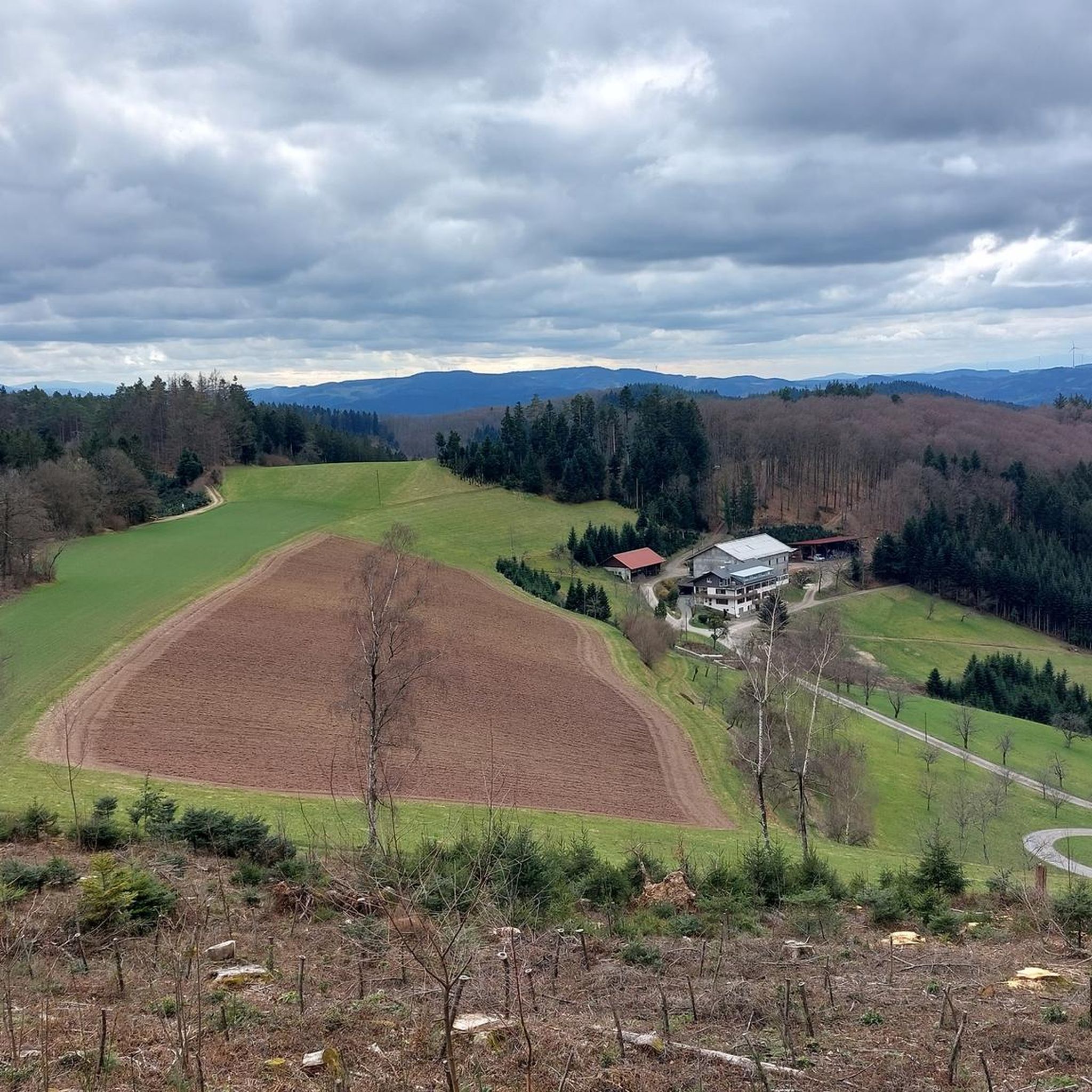
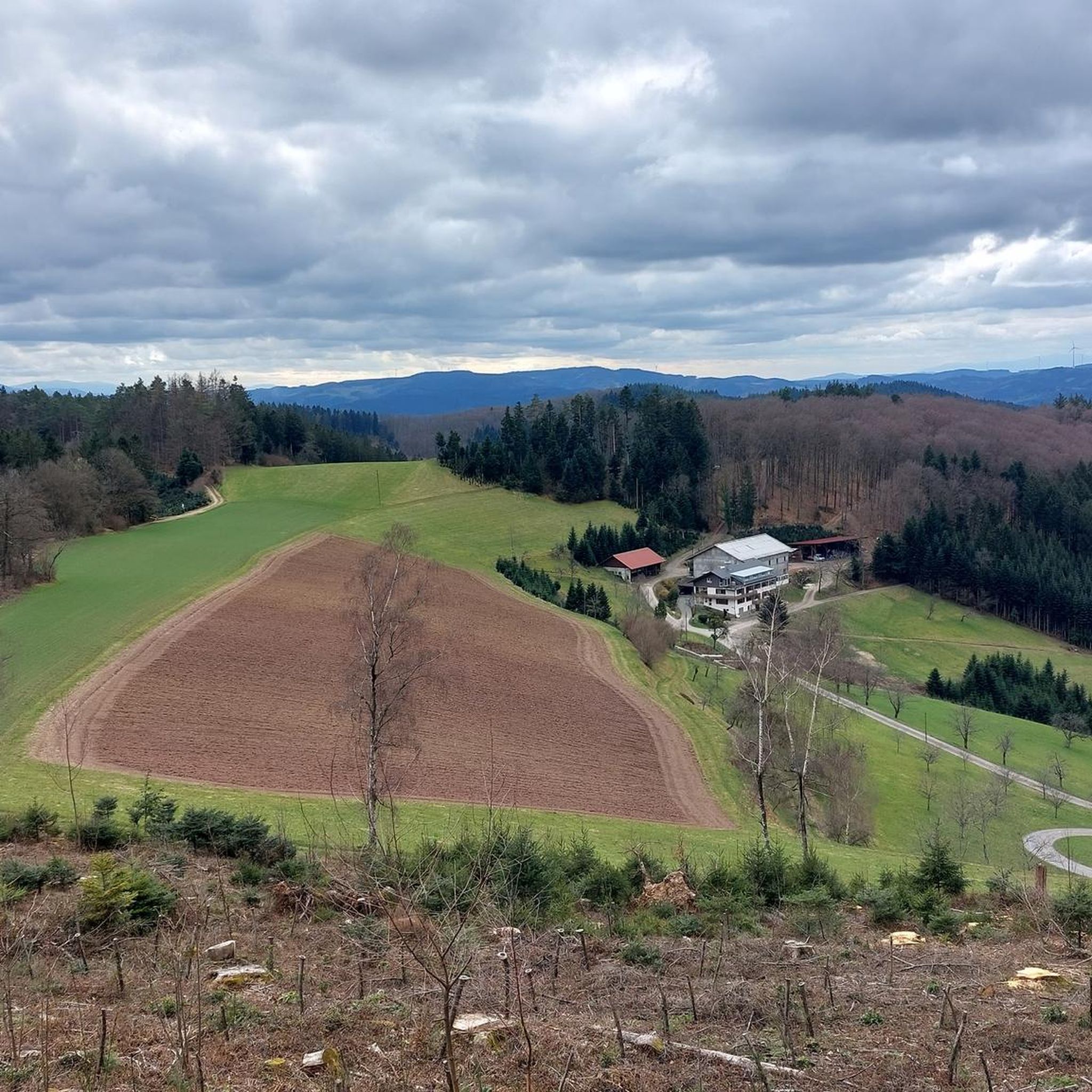


Tips from the Community

The former Capuchin monastery with the Capuchin church is one of the significant historical buildings in Haslach im Kinzigtal. The monastery was founded in the 17th century and was an important religious site in the town for a long time. The simple Capuchin church corresponds to the traditional architecture of the Capuchins: rather restrained in design, with a simple church interior and a quiet atmosphere. The monastery shaped the spiritual life of Haslach for centuries. Today, the historical ensemble is a reminder of the town's long monastic and church history and, together with the half-timbered houses of the old town, forms a worthwhile piece of Haslach's history.
0
0
The former Capuchin monastery with the Capuchin church is one of the significant historical buildings in Haslach im Kinzigtal. The monastery was founded in the 17th century and was an important religious site in the town for a long time. The simple Capuchin church corresponds to the traditional architecture of the Capuchins: rather understated in design, with a simple church interior and a calm atmosphere. The monastery shaped the spiritual life of Haslach for centuries. Today, the historical ensemble is a reminder of the town's long monastic and church history and, together with the half-timbered houses of the old town, forms a piece of Haslach's history worth seeing.
0
0

The monastery church of St. Christopher was built in 1632
3
0
The museum, housed in a completely preserved monastery complex of the Capuchin Order from the Thirty Years' War, displays over 100 folk costumes
3
0

Mühlenkapelle Haslach 1622 aufgrund eines Versprechens nach der Pest erbaut Im einstigen Gewann „Aue“ am östlichen Ausgang der Stadt Haslach steht seit der ersten Hälfte des 17. Jahrhunderts eine Kapelle. Ursprünglich hieß sie „Aue- Kapelle“. Nach der benachbarten Mühle benannt heißt sie schon seit langer Zeit „Mühlenkapelle“. Die 1622 erbaute Kapelle geht zurück auf die Initiative des Haslacher Oberamtmannes Simon Finkh (1580 - 1648). War sie zu Beginn des 30jährigen Krieges zunächst noch sehr klein und bescheiden, so erfuhr sie 1652 eine Erweiterung. Anlass war das Gelöbnis der Ehefrau Margaretha Dorothea Finkh, geb. Gebele (1600 - 1663) und ihres Bruders, des Landschaffners Jakob Gebele (1601 - 1675) beim Ausbruch der Pest 1635. Dieses konnte aber erst Jahre nach dem großen Krieg eingelöst werden. Aufgrund unruhiger Zeiten konnte die Kapelle erst im Jahre 1661 von Weihbischof Gabriel Haug aus Straßburg geweiht werden. Sie erhielt bei der Weihe den Titel der „Unbefleckten Empfängnis Mariens“ (8. Dezember) und als weiteres Patronat den Heiligen Johannes Nepomuk. Die Vorderseite der Kapelle schmückt ein Bild des bekannten Brückenheiligen, der 1729 durch Papst Benedikt XIII. heilig gesprochen wurde. Eine weitere Darstellung ist im Inneren der Kapelle zusammen mit der des hl. Franz Xaver zu bewundern. Letzter wird schon im 17. Jahrhundert als Patron einer Männerbruderschaft erwähnt, die seinen Namen trug. Nach den Aufzeichnungen der Agenda (Arbeitsbuch) des Haslacher Klosters vom Jahre 1753 betreuten die Kapuziner die Mühlenkapelle. Zweimal in der Woche feierten sie dort die heilige Messe. Die von ihnen geleitete Franz-Xaverius-Bruderschaft hielt dort ihre Andachten und Versammlungen ab. Laut Visitationsbericht über die Pfarreien des Landkapitels Lahr aus dem Jahre 1666 hatte die Mühlenkapelle drei Altäre. Nach Instandsetzungsarbeiten im 19. Jahrhundert blieb leider nur der Hochaltar übrig. Wegen des ständig zunehmenden Straßenverkehrs wurde die Mühlenkapelle 1974 abgebrochen. Fünfzehn Jahre später konnte sie an fast gleicher Stelle in der bisherigen Größe wieder aufgebaut werden. Im Brauchtum der Haslacher Bevölkerung spielt die Mühlenkapelle eine wichtige Rolle am Fest Petri Stuhlfeier (22. Februar), dem traditionellen Storchentag. Hier beginnt nach dem Gebet des „Engel des Herrn“ der Umzug der Kinder durch die Stadt. Quelle: https://info.haslach.de/attraktionen/muehlenkapelle-haslach-d6b9980b80
0
0
Tradition and customs Black Forest Costume Museum The Black Forest Costume Museum, located in the "Alten Kapuzinerkloster" (Old Capuchin Monastery), offers an excellent insight into the development of Black Forest costumes. Influenced by the spirit of the age and fashion trends, by prosperity, poverty, and confessional ties, the individual costumes of the Black Forest become clearly apparent in the 18th century. The Costume Museum displays over 100 original Black Forest costumes in large display cases, presented realistically and in life-size, supplemented by artfully crafted individual pieces and objects from rural life. A special feature is also the museum's surroundings. The Old Capuchin Monastery, which houses this important costume collection, is the only perfectly preserved Baroque monastery complex of the Capuchin Order in the entire southern German region. The Costume Museum is accessible by elevator and is therefore also easily manageable for people with walking difficulties or those using a walker and wheelchair. Source: https://info.haslach.de/sehenswuerdigkeiten/schwarzwaelder-trachtenmuseum
2
0
The Monastery Church St. Christophorus History and Building Regulations The foundation stone for the Haslach monastery building was laid in November 1630 – in the midst of the Thirty Years' War – by Count Friedrich Rudolph von Fürstenberg, thus putting into practice the plan of his deceased father Christoph II. The master builder of the monastery complex was a Capuchin from the canton of Bern in Switzerland. He implemented what the Capuchin building regulations required, namely that such a monastery should reflect the poverty of the order, both internally and externally. With the exception of the altars, the furnishings of the monastery church, consecrated in 1661, correspond to these building regulations; a simple wooden ceiling, no organ loft, and hardly any pictures or figures on the walls, with the exception of the Stations of the Cross. The Capuchins, alongside the Franciscans, were particularly keen promoters of the Stations of the Cross tradition (see section "Stations of the Cross"). Furnishings and Special Features of the Church With the exception of the altars, the furnishings of the monastery church, consecrated in 1661, correspond to these building regulations; a simple wooden ceiling, no organ loft, and hardly any pictures or figures on the walls, with the exception of the Stations of the Cross. The Capuchins, alongside the Franciscans, were particularly keen promoters of the Stations of the Cross tradition (see section "Stations of the Cross"). The altars currently in the church were the work of Brother Adam, a monk living in the Haslach monastery, from Gündelwangen in the Black Forest. Around 1752, he was commissioned as a carpenter to create "first" a tabernacle with four reliquaries. With his work, he must have proven himself capable of also supplying replacements for the altars that had become "worm-eaten," and the result is evident in the church interior. Of particular importance is the high altar painting by the Prague court painter Mathäus Gundelach from 1614, commissioned at the time by Count Christoph II. von Fürstenberg. In the Late Renaissance style, it depicts the Coronation of Mary in heaven and, below, surrounded by a large crowd of saints, the Count himself, the founder of the monastery, in a kneeling, praying posture. In memory of the founder Christoph, the holy martyr Christophorus became the patron saint of the monastery and monastery church; he is depicted on the left of the high altar painting as the giant carrying the Christ Child on his shoulder. In connection with Saint Christophorus as the patron saint of the monastery and monastery church, the custom of blessing vehicles should be mentioned, which takes place annually around the feast day of this saint (July 24) in the monastery square. The early Christian martyr, who belongs to the group of the 14 Holy Helpers, is also the patron saint of travelers and drivers. ...... Source: https://info.haslach.de/sehenswuerdigkeiten/schwarzwaelder-trachtenmuseum/altes-kapuzinerkloster/klosterkirche
3
0

Great pavilion with a great view
1
0
Frequently Asked Questions
How many running routes are available in Fischerbach?
Fischerbach offers a wide variety of running experiences, with over 350 routes available for jogging. These routes cater to all levels, from easy valley paths to more demanding mountain ascents through the Black Forest.
What kind of terrain can I expect on jogging routes in Fischerbach?
Jogging in Fischerbach means experiencing diverse terrain. You'll find routes traversing rolling hills, dense Black Forest mountains, and picturesque valleys. Many paths follow the Kinzig River, offering a mix of paved surfaces and natural forest trails. Expect varied elevation profiles, from gentle ascents to challenging climbs.
Are there running routes suitable for beginners in Fischerbach?
Yes, Fischerbach has options for all fitness levels. There are over 20 easy running routes, perfect for beginners or those looking for a relaxed jog. These often follow the valley floor or feature gentle ascents, allowing you to enjoy the scenery without excessive challenge.
What do other runners say about the trails in Fischerbach?
The running trails in Fischerbach are highly regarded by the komoot community, boasting an average rating of 4.5 stars from over 380 reviews. Runners frequently praise the region's diverse landscapes, well-maintained paths, and the stunning views over the Kinzig valley and Black Forest.
Can I find circular jogging routes in Fischerbach?
Absolutely. Many of the running routes around Fischerbach are designed as circular loops, allowing you to start and finish at the same point. Examples include the challenging Heiggrabenneck Hut – Woodcarver's Corner loop from Vordertal or the scenic View of Haslach loop from Haslach im Kinzigtal.
Are there running trails with good viewpoints in Fischerbach?
Yes, the region is known for its panoramic vistas. Routes around the Brandenkopf mountain, often referred to as the 'King of the local mountains,' offer fantastic views over the Black Forest heights. Other trails provide excellent outlooks over Fischerbach and the Kinzig valley, rewarding your effort with breathtaking scenery.
Are there any interesting landmarks or attractions along the running routes?
While jogging, you can discover several points of interest. For instance, the St. Barbara Mine – Hausach Station loop from Haslach passes near the historic St. Barbara Mine. The region also features historical mining sites like the Grube Wenzel Show Mine and the Segen Gottes Silver Mine, which can be explored as part of a longer outing.
Are there any family-friendly running paths in Fischerbach?
Yes, many of the easier routes along the Kinzig valley are suitable for families. These paths often have gentler gradients and can be a great way to enjoy the outdoors together. Look for routes with lower elevation gain for a more relaxed family experience.
Can I bring my dog on the running trails in Fischerbach?
Generally, the outdoor trails in the Black Forest region are dog-friendly. However, it's always advisable to keep your dog on a leash, especially in forested areas or near wildlife. Be mindful of local regulations and ensure your dog is well-behaved around other trail users.
Are there any running routes that follow the Kinzig River?
Yes, the Kinzig River is a prominent feature of the region, and several running routes follow its course. These trails often offer a flatter profile compared to mountain routes, providing a scenic and less strenuous option. The 'Kinzigtal-Panoramaweg' is a notable example of a route that showcases the river valley.
What is the best time of year for jogging in Fischerbach?
Fischerbach offers great jogging opportunities year-round. Spring and autumn provide pleasant temperatures and vibrant scenery, with blooming flowers or colorful foliage. Summer is ideal for early morning or late afternoon runs to avoid the midday heat. Even in winter, many trails are accessible, offering a serene, snow-dusted landscape, though some higher routes might require more caution.
Are there any running routes with significant elevation gain for a challenging workout?
For those seeking a challenge, Fischerbach delivers. Routes like the Heiggrabenneck Hut – Woodcarver's Corner loop from Vordertal feature significant elevation gain, climbing over 500 meters. These difficult trails are perfect for experienced runners looking to test their endurance amidst the Black Forest mountains.
Where can I find more information about Fischerbach for my visit?
For general tourist information about Fischerbach and the surrounding area, you can visit the official Baden-Württemberg tourism website: visit-bw.com. This can provide useful context for your jogging trip.
Most popular routes around Fischerbach
Most popular attractions around Fischerbach

Get inspired with the komoot mobile app


Explore more
Browse the best Running Trails & Routes in other regions.
