Attractions and Places To See around Guilden Morden - Top 20
Attractions and places to see around Guilden Morden offer a blend of historical sites, natural beauty, and local points of interest in Cambridgeshire. This village and parish, situated southwest of Cambridge, showcases a rich history with evidence of Roman and Anglo-Saxon activity. The area is recognized for its arable farmland and gentle slopes descending to the River Cam, which forms part of its western border.
Best attractions and places to see around Guilden Morden
- The most popular attractions is Wimpole's…
Last updated: July 6, 2026
Wimpole Hall and Gardens
Highlight • Historical Site
Tip by

Cromer Windmill
Highlight • Structure
Tip by

Sign up now to discover places like this
Get recommendations on the best single tracks, peaks, & plenty of other exciting outdoor places.
Sign up for free
Wimpole's Folly
Highlight • Historical Site
Tip by
Greenwich Meridian marker at Orwell
Highlight (Segment) • Monument
Tip by
Ashwell Street Byway
Highlight (Segment) • Trail
Tip by

Sign up for free to discover even more attractions around Guilden Morden.
Sign up for free
Already have an account?
Start today with a free account
Your next adventure awaits.
Login or Signup

Tips from the Community

The "invention" of the prime meridian – more precisely, the scientifically based division of the globe into longitude and latitude, with the prime meridian running at this point as the central reference line – in the second half of the 19th century was an epochal masterpiece in the field of cartography and navigation, particularly significant for seafaring at the time. Even today, in the age of modern GPS navigation based on satellites orbiting the Earth, coordinates based on this principle continue to be used to determine location. A film (in German) from the highly recommended series "Treasures of the World – Heritage of Humanity" explains the UNESCO World Heritage-listed sites in Greenwich and discusses the problem of longitude measurement solved there. This episode can be found in the ARD media library under the following link =>> https://www.ardmediathek.de/video/schaetze-der-welt/maritime-greenwich-grossbritannien-folge-194/swr/Y3JpZDovL3N3ci5kZS83MDM1NjMw
0
0

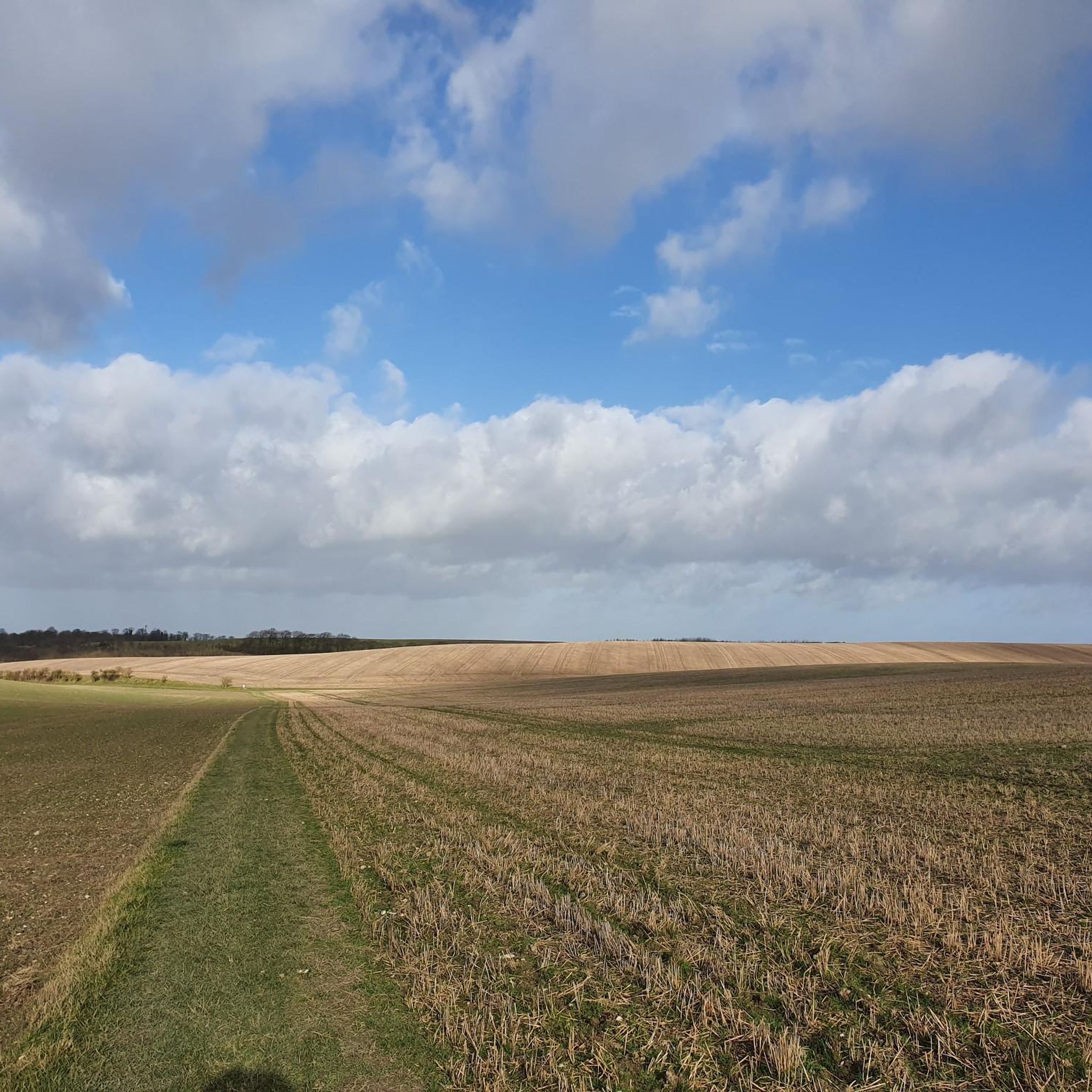
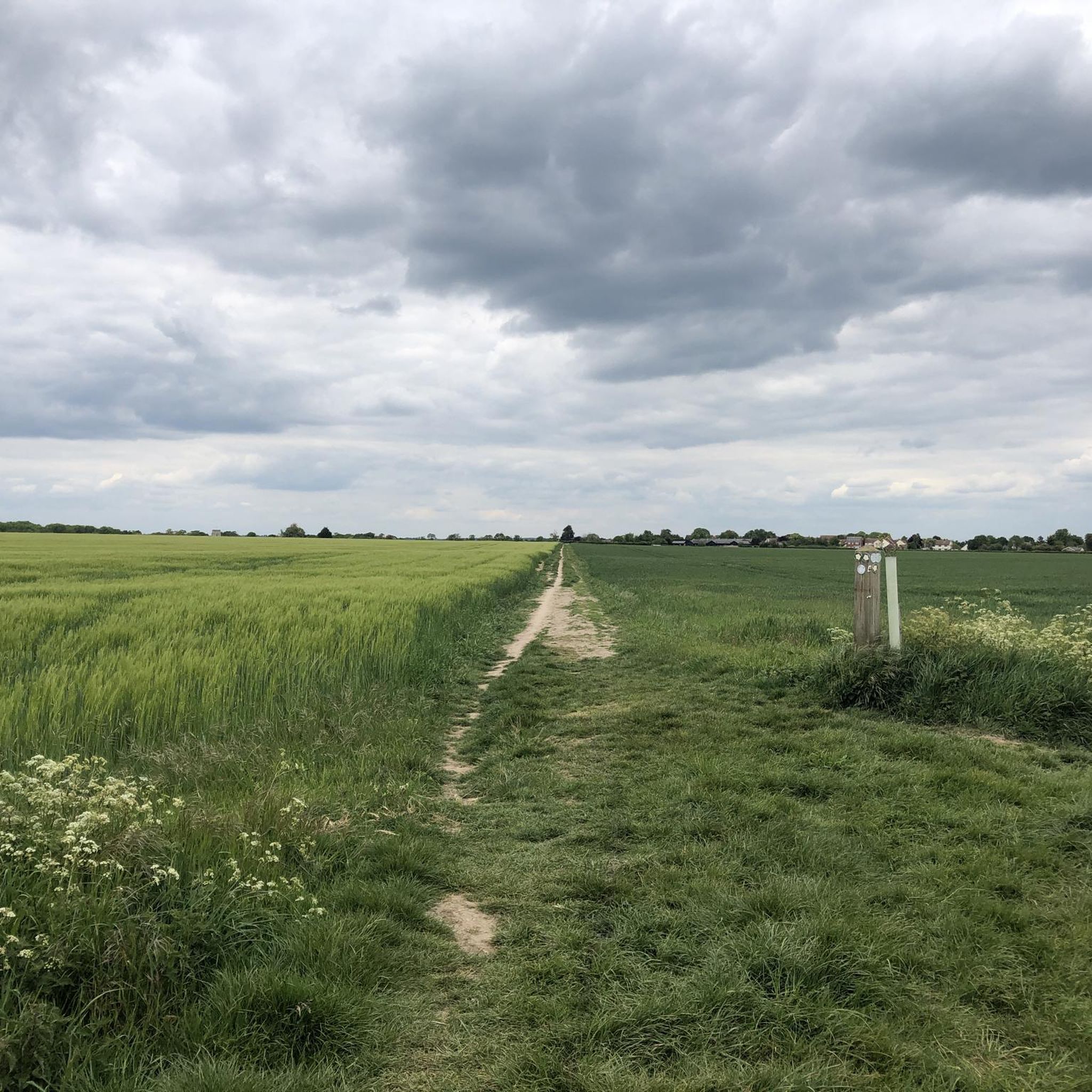
This is a long, straight off-road path with changing surfaces (gravel, singletrack) between Ashwell and Melbourn, which is part of the Icknield Way. It is not particularly scenic, but you can get that continuing westward toward Letchworth.
0
0


In the winter months guided tours of 45 mins only going every 30 mins (selected times only) and only the ground floor is a accessible.
0
0

Easy walk from the National Trust owned Hall and Stable buildings. Great views looking back towards the Hall, and on a good day, back towards Royston
1
0

** "Folly (literally "foolishness"), plural follies, is an English term in garden design and architecture for an unusual ornamental building, [...] primarily related to landscape gardens in England. The bizarre conspicuousness of the building is intentional, the provocative uselessness of the system is programmatic. [...]" (https://de.wikipedia.org/wiki/Folly_(Garden Art)) Over the extensive pasture slopes we climb to the western ridges of the park at oddly grown, ancient willows. The visual axis of the Lindenallee leads the view over to the picturesque Folly in the northern part. Between the "Serpentine Lakes" the "Japanese Bridge" connects the areas of the park. Behind it we climb up to the artificial ruins of the Folly and enjoy the view for a while before the early dawn drives us down the slope back to the entrance.
1
0
"Wimpole Estate" is therefore on the schedule for today, which is cloudy at first and remains cloudy from a weather point of view. The only travel day without sun in the sky leads us first through the premises of Wimpole Hall. (https://artuk.org/visit/venues/national-trust-wimpole-hall-6723) I don't want to dwell on the whole powerful aristocratic fuss here; after all, the British have a much more relaxed relationship with the aristocratic upper class, which has always lovingly enslaved the population. We are not alone in visiting the spacious rooms of the Hall.
2
0
Frequently Asked Questions
What historical sites can I explore within Guilden Morden village?
Within Guilden Morden village, you can explore the historic St Mary's Church, with parts dating back to the 13th century, and Guilden Morden Hall, a 15th-century house set within one of Cambridgeshire's largest preserved moats. The area also has a deep ancient history, with evidence of Roman and Anglo-Saxon occupation.
Are there any ancient Roman or Anglo-Saxon sites to visit near Guilden Morden?
Yes, the area around Guilden Morden has significant ancient history. A notable Roman cemetery, containing at least 180 burials, has been discovered in the south of the parish, indicating a nearby settlement. Additionally, the famous Anglo-Saxon copper alloy figure known as the 'Guilden Morden boar' was found in a grave here.
What natural features are prominent around Guilden Morden?
The parish's western border largely follows the course of the River Cam (or Rhee), which rises at Ruddery Spring. Guilden Morden is also recognized as an 'Area of Best Landscape,' characterized by its arable farmland and gentle slopes descending northward to the River Cam. The village also has a recreation ground with the Snob Stream running along its eastern boundary.
Are there good walking or cycling routes near Guilden Morden?
Absolutely. You can explore scenic routes like the Ashwell Street Byway, which follows part of an old Roman Road and is suitable for cycling, horse riding, or walking. For more structured routes, you can find various road cycling routes, MTB trails, and running trails around Guilden Morden, catering to different difficulty levels.
Are there any family-friendly outdoor activities or attractions?
Yes, several attractions are suitable for families. The grounds of Wimpole Hall and Gardens offer extensive parkland, woodland, and a farm, which is sure to delight young visitors. The village's recreation ground is also a public park. Additionally, Wimpole's Folly and Cromer Windmill are also considered family-friendly.
Are there any wheelchair-accessible attractions or trails?
The Greenwich Meridian marker at Orwell is noted as wheelchair accessible. While specific trails may vary in accessibility, many public footpaths and byways in the area, particularly those on flatter terrain, may be suitable for some users. It's always recommended to check specific route conditions beforehand.
Where can I find local amenities like pubs or cafes in Guilden Morden?
Guilden Morden has two open public houses: The King Edward VII on Fox Hill Road and The Three Tuns on High Street. The Three Tuns is a community-owned Free House. For cafes and shops, you might find options in the village or nearby Ashwell, which is mentioned as having shops and a coffee shop near the Ashwell Street Byway.
What is the best time of year to visit Guilden Morden?
The Cambridgeshire countryside, including Guilden Morden, is generally pleasant to visit from spring through autumn (April to October). During these months, the weather is typically milder, making it ideal for exploring historical sites, enjoying walks, and cycling. Summer offers longer daylight hours, while spring and autumn provide beautiful natural scenery.
Is there public transport available to reach attractions around Guilden Morden?
Public transport options directly to all attractions might be limited, as Guilden Morden is a rural village. It's advisable to check local bus schedules for connections from larger towns like Cambridge or Royston. Many visitors find traveling by car or bicycle offers the most flexibility for exploring the surrounding attractions.
Where can I park when visiting attractions in Guilden Morden?
For village attractions, on-street parking may be available, but it's always best to be mindful of local residents and restrictions. For larger sites like Wimpole Hall and Gardens, dedicated parking facilities are typically provided. When exploring trails like the Ashwell Street Byway, free parking can often be found in nearby villages like Ashwell.
What do visitors particularly enjoy about the attractions near Guilden Morden?
Visitors frequently appreciate the blend of historical significance and natural beauty. Highlights like Wimpole's Folly offer impressive views and a glimpse into historical extravagance, while Cromer Windmill is valued for its unique historical restoration. The extensive parkland and gardens of Wimpole Hall are also highly enjoyed for their scenic walks and family-friendly atmosphere.
Are there any unique or 'hidden gem' attractions in the area?
Beyond the well-known sites, you might find interest in Cobb's Lane, a green lane marking a historic boundary with an Anglo-Saxon bank. The Greenwich Meridian marker at Orwell also offers a unique geographical point of interest. Exploring the village's ancient history and its 'Area of Best Landscape' can reveal many quiet, charming spots.
Most popular routes around Guilden Morden

Get inspired with the komoot mobile app


Explore more
Still not found the Highlight you’re looking for? See guides of the top attractions in other regions:
