Kingston Bagpuize With Southmoor
Kingston Bagpuize With Southmoor
Attractions and Places To See around Kingston Bagpuize With Southmoor - Top 20
Best attractions and places to see around Kingston Bagpuize With Southmoor include a blend of natural features, historical sites, and local points of interest. This Oxfordshire village and its surroundings offer diverse landscapes, from nature reserves to the River Thames. The area provides opportunities to explore historical architecture and significant cultural landmarks.
Best attractions and places to see around Kingston Bagpuize With Southmoor
- The most popular attractions is River Thames in Abingdon, a river that flows through a historic…
Last updated: July 19, 2026
Abingdon County Hall Museum
Highlight • Historical Site
[...]
Constructed between 1678 and 1682, the old town hall has the …
Tip by

St Helen's Church, Abingdon
Highlight • Monument
The church is thought to occupy …
Tip by
Sign up now to discover places like this
Get recommendations on the best single tracks, peaks, & plenty of other exciting outdoor places.
Sign up for free
St Nicolas' Church, Abingdon
Highlight • Other
The church was added to the gateway …
Tip by
River Thames in Abingdon
Highlight • River
Tip by

Pinkhill Lock
Highlight • Viewpoint
Tip by

Sign up for free to discover even more attractions around Kingston Bagpuize With Southmoor.
Sign up for free
Already have an account?
Start today with a free account
Your next adventure awaits.
Login or Signup
Popular around Kingston Bagpuize With Southmoor

Tips from the Community

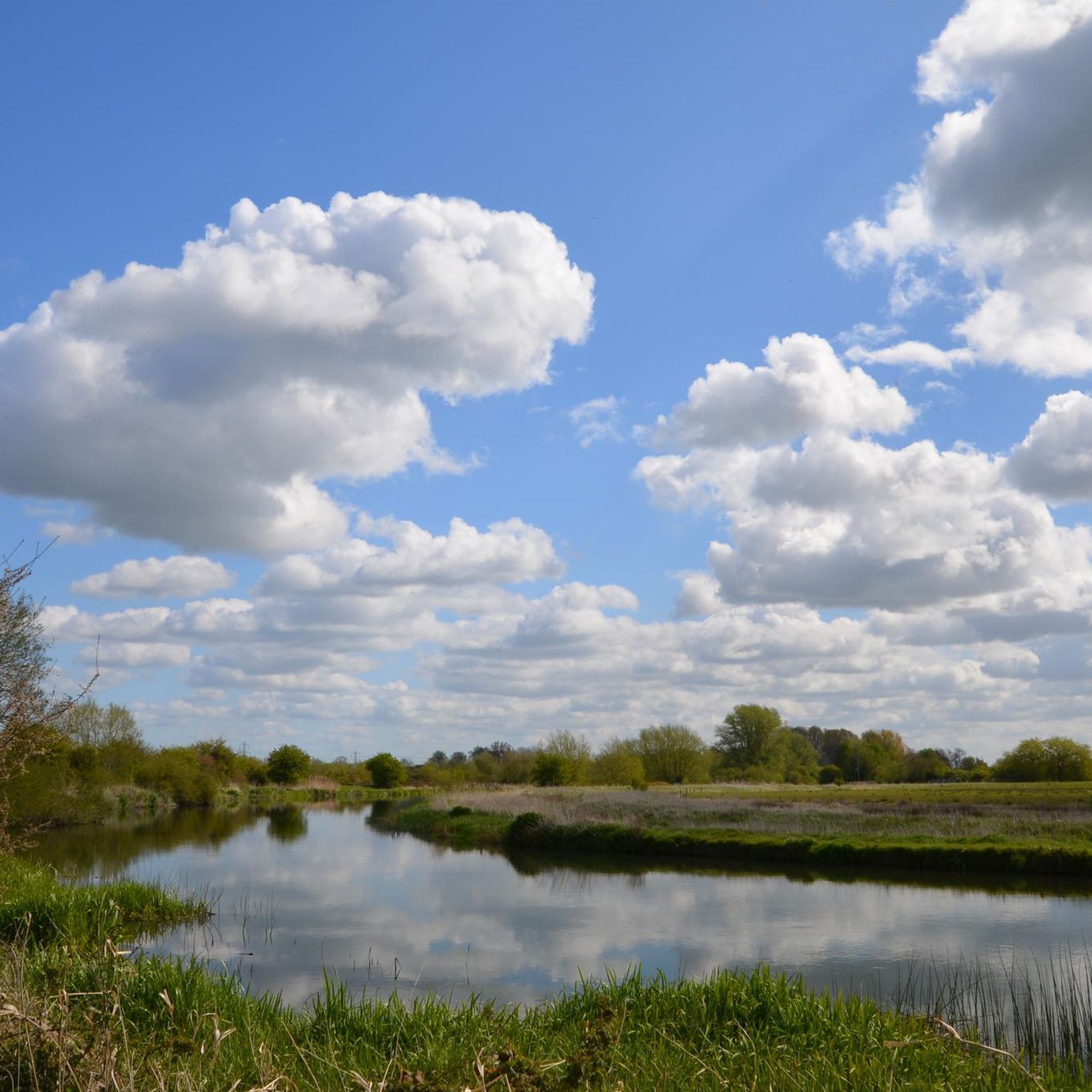
Pinkhill Lock is a picturesque lock on the River Thames, located between Eynsham and Oxford. It’s a peaceful spot, perfect for a riverside walk or a break while kayaking or paddleboarding. The lock is surrounded by lush greenery and wildlife, making it a great place to pause and enjoy nature. Nearby, you’ll find Pinkhill Meadow, a nature reserve known for its rich biodiversity, particularly its birdlife. If you’re lucky, you might spot kingfishers or herons along the water. It’s a hidden gem for those exploring the Thames Path, offering a tranquil escape from busier sections of the river.
0
0

Historical placesto visit and plenty of coffee stops and a new wine bar 🍷😁
0
0

This beautiful 17th-century Baroque building is raised on arches over a market space in the centre of Abingdon. The museum displays a range of exhibitions, including interactive displays archaeological artifcats and interactive displays that showcase local life from Abingon's past. The museum is open for the public to explore on Tuesday - Sunday from 10am-4pm.
1
0

Built in 1791, Pinkhill Lock lies on the edge of Farmoor Reservoir in the vibrant Oxford landscape. The lock itself is particularly pretty and if you want to admire it for longer, you can even camp on the lock's island in the middle of the Thames – quite a unique site.
1
0

The Church of Saint Nicolas is a CoE parish church in Abingdon, in the English county of Oxfordshire (formerly within Berkshire). The church was added to the gateway of the already-existing Benedictine Abbey of Saint Mary around the year 1170, although the oldest remaining piece is reportedly from 1180. While the monks used the abbey church, St Nicolas's was built for their lay servants and tenants. The Normans propagated the cult of Saint Nicholas and many English churches are named after him. The earliest documentary evidence of this church's existence is in a ruling about tithes in 1177 by Pope Alexander III. Saint Edmund of Abingdon worshipped there as a child and his mother was initially buried there. From its early years, there is evidence that a school used a room in St Nicolas which has links with the founding of Abingdon School. A tower was added and the chancel rebuilt in the 15th century. Ref. en.wikipedia.org/wiki/St_Nicolas_Church,_Abingdon
2
0
Abingdon-on-Thames is a historic market town and civil parish in the ceremonial county of Oxfordshire, England. Abingdon Abbey was founded around 676, giving its name to the emerging town, but the area was occupied from the early to middle Iron Age and the remains of a late Iron Age and Roman defensive enclosure lies below the town centre. The 2011 Census (the last published) recorded the parish's population as 33,130. Bun-throwing is an Abingdon tradition that began with the 1761 Coronation of King George III. This long-standing tradition of the town has local dignitaries throwing buns (5,000 buns in 2018) from the roof of the Abingdon County Hall Museum into crowds assembled in the market square below on specific days of celebration (such as royal marriages, coronations and jubilees). The museum has a collection of the buns, dried and varnished, dating back to bun-throwings of the 19th century. To date there have been 35 bun-throwing events. The central meeting place for most Abingdon folk, the Market Place is a lively place with markets and events frequently taking place but also a wonderful spot for an open-air coffee in the sunshine. There is a choice of the R&R, Costa, Java, Pablo Lounge and the cafe next to the County Hall aptly-named Throwing Buns. Ref: - https://en.wikipedia.org/wiki/Abingdon-on-Thames - https://www.abingdon.gov.uk/where-go/market-place
2
0
Abingdon County Hall has dominated the Market Place, in the heart of Abingdon, since the late 17th century. [...] Constructed between 1678 and 1682, the old town hall has the typical combination for the period of a market space sheltering under a courtroom. Examples of this type of building that are earlier in date survive elsewhere as timber-framed free-standing town halls. Abingdon gains architectural distinction, however, from being built in Oxfordshire limestone; it is a monumental presence despite its compact site. [...] Sir Christopher Wren is the most celebrated architect of this period working in this idiom, and in the 1670s he was busy on the designs for rebuilding St Paul’s Cathedral. It has been suggested that Abingdon County Hall was one of his designs, and it was certainly constructed by two men he respected and worked with closely: Christopher Kempster, master mason, and John Scarborough, clerk of works. Cit. https://www.english-heritage.org.uk/visit/places/abingdon-county-hall-museum/history/
2
0
The Church of Saint Nicolas is a Church of England parish church in Abingdon in the English county of Oxfordshire (formerly within Berkshire). The church was added to the gateway of the already-existing Benedictine Abbey of Saint Mary around the year 1170, although the oldest remaining piece is reportedly from 1180. While the monks used the abbey church, St Nicolas's was built for their lay servants and tenants. The Normans propagated the cult of Saint Nicholas and many English churches are named after him. The earliest documentary evidence of this church's existence is in a ruling about tithes in 1177 by Pope Alexander III. Saint Edmund of Abingdon worshipped there as a child and his mother was initially buried there. From its early years, there is evidence that a school used a room in St Nicolas which has links with the founding of Abingdon School. A tower was added and the chancel rebuilt in the 15th century. Cit. https://en.wikipedia.org/wiki/St_Nicolas_Church,_Abingdon
2
0
Frequently Asked Questions
What natural attractions can I explore in Kingston Bagpuize With Southmoor?
The village is home to the Kingston Bagpuize Millennium Green, a nine-acre nature reserve featuring over 2,000 trees, a mosaic trail, a path maze, a human sundial, and a nature pond. Nearby, you can also visit Pinkhill Lock, a picturesque spot on the River Thames, and the diverse wildlife areas of Cothill Wild Extension, Cothill Wild, and Dry Sandford Pit for walking opportunities.
Are there historical sites to visit near Kingston Bagpuize With Southmoor?
Yes, the area boasts several historical sites. In Abingdon, a short distance away, you can explore St Helen's Church, Abingdon, known for its spire and 14th-century painted ceiling panels. Also in Abingdon is St Nicolas' Church, Abingdon, built around 1170 for the Benedictine Abbey's lay servants. Additionally, Kingston Bagpuize House & Garden offers a glimpse into the area's heritage on selected days; you can check their opening times at visitsoutheastengland.com.
What family-friendly activities are available in the area?
Families can enjoy the Kingston Bagpuize Millennium Green, which features a path maze, a human sundial, and a mound for children to climb, decorated with numbers depicting wild species. The nature pond is particularly active with froglets in June and July. In Abingdon, the Abingdon County Hall Museum offers interactive displays and archaeological artifacts that showcase local life.
Where can I find walking routes around Kingston Bagpuize With Southmoor?
The Kingston Bagpuize Millennium Green offers pleasant walks within the village. For longer excursions, the wider area includes walking opportunities through nature reserves like Cothill Wild Extension, Cothill Wild, and Dry Sandford Pit. You can also find easy hiking trails, such as the 'Northmoor Lock – Sheep Field loop' or the 'New Bridge – The Blue Boar loop', by exploring Easy hikes around Kingston Bagpuize With Southmoor.
Are there cycling paths or routes nearby?
Yes, the region offers various cycling routes. For road cycling, you can find options like the 'Fyfield Village – Cumnor Village loop' or the 'Smooth Rural Road – Smooth Road South of Bagpuize loop'. Mountain biking enthusiasts can explore trails such as the 'View of Ridgeway Reservoir loop'. More details on these routes are available in the Road Cycling Routes around Kingston Bagpuize With Southmoor and MTB Trails around Kingston Bagpuize With Southmoor guides.
What is the best time to visit Kingston Bagpuize With Southmoor for outdoor activities?
The area is enjoyable throughout the year, but late spring and summer (June and July) are particularly good for observing wildlife, especially froglets in the nature pond at Kingston Bagpuize Millennium Green. These months also offer pleasant weather for walking and cycling.
What is the significance of the River Thames in Abingdon?
The River Thames in Abingdon is a central feature of the historic market town. Abingdon, situated on its banks, has a rich history, evolving from an Iron Age fort to an agricultural center. The river provides scenic views and opportunities for riverside walks, with picturesque spots like Pinkhill Lock nearby.
Are there any unique local traditions or events in Abingdon?
Abingdon is known for its unique 'bun-throwing' tradition, which began with the 1761 Coronation of King George III. On specific days of celebration, local dignitaries throw buns from the roof of the Abingdon County Hall Museum into crowds in the market square. The museum even has a collection of dried and varnished buns from past events.
What kind of wildlife can I expect to see?
The Kingston Bagpuize Millennium Green is rich in wildlife, particularly with over 2,000 trees of 27 varieties supporting various species. The nature pond is a highlight for observing froglets in early summer. The Cothill Wild Extension, Cothill Wild, and Dry Sandford Pit areas are also known for their diverse wildlife.
What do visitors enjoy most about the attractions around Kingston Bagpuize With Southmoor?
Visitors appreciate the blend of natural beauty and historical significance. The tranquil spots along the River Thames, such as Pinkhill Lock, are highly rated for their peaceful atmosphere. The historical architecture of churches like St Helen's Church and the interactive exhibits at the Abingdon County Hall Museum also receive positive feedback for their cultural insights.
Are there any viewpoints or scenic spots in the area?
Yes, Pinkhill Lock is considered a picturesque viewpoint on the edge of Farmoor Reservoir, offering tranquil views along the River Thames. The Kingston Bagpuize Millennium Green also provides scenic spots within its nature reserve setting.
Most popular routes around Kingston Bagpuize With Southmoor

Get inspired with the komoot mobile app


Explore more
Still not found the Highlight you’re looking for? See guides of the top attractions in other regions:
