Attractions and Places To See around Chipping Norton - Top 20
Best attractions and places to see around Chipping Norton include a range of historical sites and traditional Cotswold experiences. The region is situated in the Cotswolds, an Area of Outstanding Natural Beauty, characterized by rolling hills and picturesque villages. It offers opportunities to explore ancient monuments, historic houses, and charming market towns. The area provides a blend of cultural heritage and natural landscapes for visitors.
Best attractions and places to see around Chipping Norton
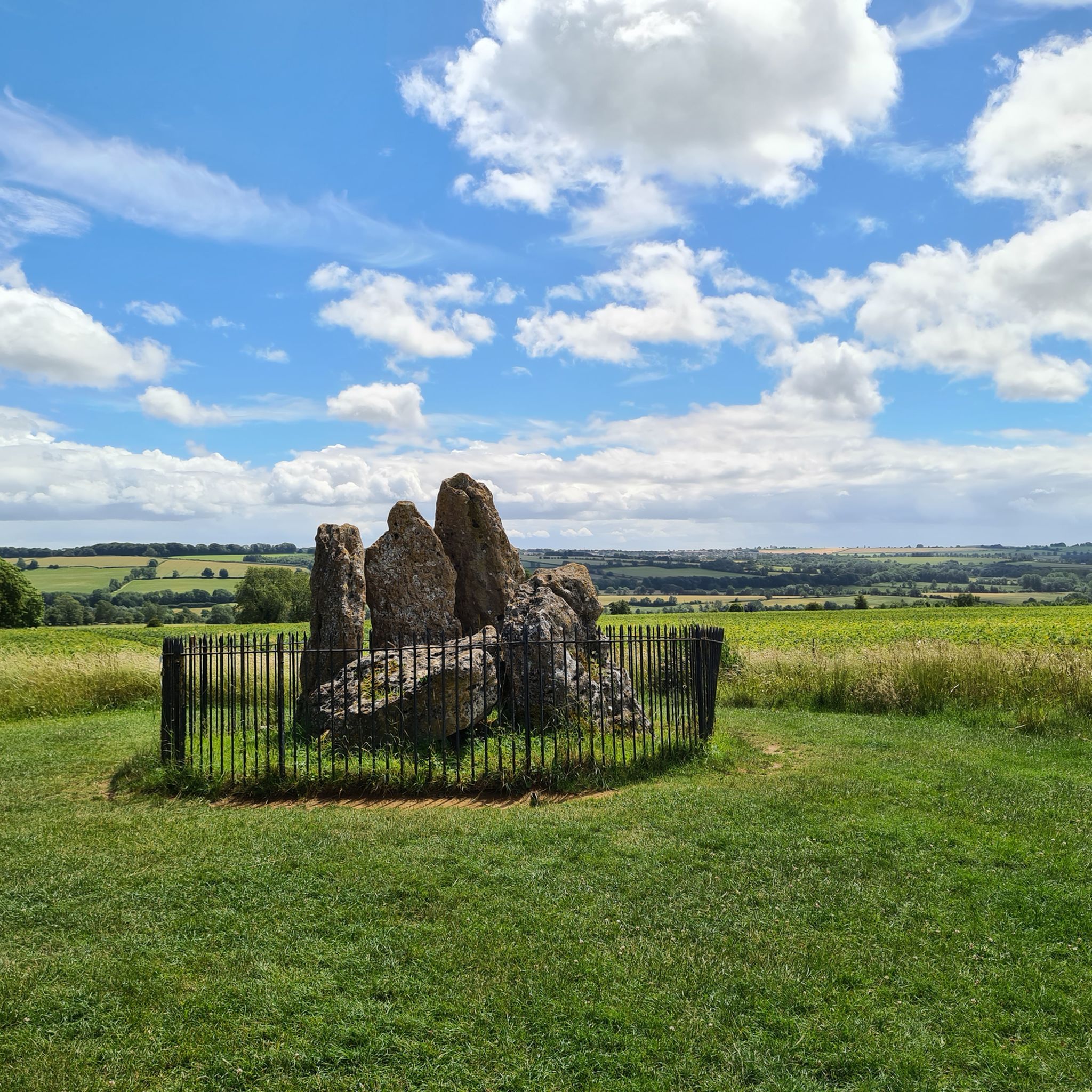
- The most popular attractions is The King Stone, a man-made monument that is a standing stone dating back to the Bronze Age, believed to have been a marker for ancient trade routes or a ceremonial site. It was likely erected around 1,500 BC.
- Another must-see spot is The Rollright Stones Stone Circle, a historical site. This ceremonial stone circle was erected around 2,500 BC, featuring numerous weathered limestone stones. It is known for its historical significance and legends surrounding the changing number of stones.
- Visitors also love Chastleton House, a historical site built between 1607 and 1612, originally owned by wool merchant Walter Jones. This National Trust property offers insight into 17th-century English history and architecture.
- Chipping Norton is known for its ancient historical sites, stately homes, and traditional market towns. Visitors can explore a variety of cultural and historical landmarks in the area.
- The attractions around Chipping Norton are appreciated by the komoot community. With more than 120 upvotes and 50 photos, these spots are popular among explorers.
Last updated: October 5, 2026
The King Stone
Highlight • Monument
Tip by

Moreton-in-Marsh — Market town
Highlight • Settlement
Other famous visitors to the town include J. R. R. Tolkien, author of the Lord of the Rings trilogies. The Bell Inn supposedly inspired Middle Earth's pub the Prancing Pony.
Tip by

Sign up now to discover places like this
Get recommendations on the best single tracks, peaks, & plenty of other exciting outdoor places.
The Rollright Stones Stone Circle
Highlight • Historical Site
The number of stones has changed over the years. Legends refer to stones having been taken away (to make bridges and the like), and it is likely that this created most of the gaps now visible. The stones are famously uncountable, but originally may have numbered about 105 standing shoulder to shoulder.
Tip by

St Peter and St Paul Church, Broadwell
Highlight • Religious Site
Tip by
Chastleton House
Highlight • Historical Site
Tip by
Sign up for free to discover even more attractions around Chipping Norton.
Already have an account?
Start today with a free account
Your next adventure awaits.
Tips from the Community

If you like authentic, it's definitely worth it
0
0

Beautiful medieval church dating back to the 12th and 14th centuries, located in the small village of Broadwell.
1
0
The King Stone is a standing stone in the Cotswolds, England, which dates back to the Bronze Age. It is believed to have been a marker for ancient trade routes or a ceremonial site.
2
1

A cool house. It's not your usual polished national trust house it's good for exploring
0
0

Remember to always keep a pace when going up a big hill
0
0

Moreton-in-marsh was a lovely Victorian coaching town that is now a car park. Where once a wide open high street allowed cafes, pubs, and shops to spill out onto the street, now residents line up their rangerovers side-by-side, flanking either side of an extremely busy road that disects the town.
2
0

This large medieval cruciform church, with a north and south transept, dates back to the 12th to 14th centuries and reflects the importance of Broadwell (or Bradwell) at that time. Nowadays it stands in a small village of a few houses, with another small village, Kencot, just beyond the eastern church wall. In the 12th century Broadwell had a population of about 2,000. Did the Black Death kill the village in 1349 or was it the collapse of the Knights Templar, Broadwell's benefactors? There is no evidence of the Black Death but the building of this church and its recorded history does coincide with the rise in power of the Knights Templar after the First Crusade and the gift of land in Broadwell to them in 1185 followed by the building of the spire using their money in about 1260. By then the Knights Templar had built a vast international financial and military empire, such that the monarchs of Europe were indebted to them. King Philip IV of France pressurised Pope Clement V to declare the Knights Templar heretical and the Grand Master, Jacques de Molay, was burnt at the stake in Paris in 1314. A timescale perfectly in tune with the building of this large and magnificent church and, possibly, the decline of Broadwell village. The church doesn’t face east but north-east, which accords with the Templar’s practice of aligning churches with sunrise on the Patronal Saint’s day, 29th June, for the Saints Peter and Paul. All monastic orders ceased under Henry VIII and churches supported by them often fell into disrepair because villages could not adequately maintain them. Broadwell appears to have fared better as the manor held rich farming estates. The next major reconstruction came with the Victorian Restorers and one, E.G.Bruton, worked on Broadwell in 1873. He stripped the medieval plaster and paintings off the walls and reroofed the nave, chancel and transepts with a steeper pitched roof.
1
1

The King Stone was erected in early to middle Bronze Age, probably around 1,500 BC. Rather than relating directly to the much older Neolithic Stone Circle, the King Stone was likely erected as a permanent memorial to the Bronze Age round cairn 17m across with a central chamber, which lies immediately to the north-east set exactly on the top the ridge.
1
0
Frequently Asked Questions
Are there family-friendly attractions around Chipping Norton?
Yes, several attractions are suitable for families. The King Stone and The Rollright Stones Stone Circle are ancient sites that can spark imagination. Chastleton House, a National Trust property, offers a glimpse into 17th-century life with a fascinating Civil War story. The market town of Moreton-in-Marsh also provides a pleasant family outing.
What historical sites can I visit near Chipping Norton?
The area is rich in history. You can explore ancient monuments like The King Stone, a Bronze Age standing stone, and The Rollright Stones Stone Circle, a ceremonial site from 2,500 BC. For a deeper dive into 17th-century English history and architecture, visit Chastleton House. The medieval St Peter and St Paul Church, Broadwell, dating back to the 12th century, also offers historical insights.
Are there any wheelchair-accessible attractions?
Yes, the market town of Moreton-in-Marsh is noted as wheelchair-accessible, offering a chance to explore its historic high street and market.
What kind of walking trails are available around Chipping Norton?
You'll find a variety of walking trails. For easy walks, consider routes like the "Chipping Norton and Over Norton loop" or the "Chipping Norton Castle loop". These are part of the Easy hikes around Chipping Norton guide. Many trails offer scenic views of the Cotswolds countryside.
How long does it take to visit The Rollright Stones Stone Circle?
Visiting The Rollright Stones Stone Circle typically involves a short walk from nearby parking. While the exact walking time depends on your starting point, exploring the stone circle itself and taking in the surroundings can take anywhere from 30 minutes to an hour, allowing time for photographs and appreciating its historical significance.
What is the best time of year to visit attractions near Chipping Norton?
The Cotswolds, including the area around Chipping Norton, is beautiful year-round. Spring and summer offer pleasant weather for exploring outdoor sites and walking trails, with gardens in full bloom. Autumn brings stunning foliage, while winter can provide a quieter, picturesque experience, especially if you enjoy crisp walks and cozy pub visits.
Are there opportunities for cycling or mountain biking near Chipping Norton?
Absolutely. The area offers various cycling and mountain biking routes. For mountain biking, you can find trails like the "Chipping Norton to Charlbury loop" or the "Diddly Squat Farm Shop – Charlbury Village loop" in the MTB Trails around Chipping Norton guide. Road cycling options, including routes like "The Cotswolds villages loop", are available in the Cycling around Chipping Norton guide.
What should I wear for walking in the Cotswolds near Chipping Norton?
For walking in the Cotswolds, it's advisable to wear comfortable, sturdy walking shoes or boots, as trails can be uneven or muddy, especially after rain. Layered clothing is recommended to adapt to changing weather conditions, and a waterproof jacket is always a good idea, regardless of the season.
Are there any lesser-known historical gems to discover?
Beyond the more prominent sites, the medieval St Peter and St Paul Church in Broadwell is a notable historical gem. Dating back to the 12th century, its cruciform design and connection to the Knights Templar offer a fascinating glimpse into the region's past, reflecting the historical importance of what is now a small village.
What kind of market can I expect in Moreton-in-Marsh?
Moreton-in-Marsh hosts a thriving market every Tuesday. This traditional market town has been welcoming travelers for centuries, and its market continues to be a popular attraction, offering a variety of goods and a lively atmosphere.
Can I explore ancient monuments that predate the Bronze Age?
Yes, near The King Stone, you can find the Whispering Knights dolmen. This Neolithic burial chamber was built around 3,800 BC, predating the Stone Circle by over a thousand years, making it one of Britain's earliest funerary monuments.
Most popular routes around Chipping Norton
Most popular attractions around Chipping Norton

Get inspired with the komoot mobile app


Explore more
Still not found the Highlight you’re looking for? See guides of the top attractions in other regions:
