Attractions and Places To See around Ballystrone - Top 16
Best attractions and places to see around Ballystrone are concentrated in the scenic Causeway Coast and Glens region of Northern Ireland. Ballystrone's location makes it an excellent base for exploring the area's rich natural, cultural, and historical sites. The surrounding region features prominent natural landmarks and significant historical sites. Visitors can discover a variety of outdoor attractions near Ballystrone.
Best attractions and places to see around Ballystrone
- The most popular attractions is Mussenden Temple, a man-made monument that stands…
Last updated: July 6, 2026
Downhill House Ruins
Highlight • Historical Site
Translated by Google •
Tip by

Downhill Demesne Dovecote and Ice House
Highlight • Historical Site
Tip by

Sign up now to discover places like this
Get recommendations on the best single tracks, peaks, & plenty of other exciting outdoor places.
Sign up for free
Mussenden Temple
Highlight • Monument
Translated by Google •
Tip by
Portstewart Promenade
Highlight (Segment) • Beach
Lots of shops and restaurants nearby.
Translated by Google •
Tip by

Castlerock Beach
Highlight • Parking
Tip by

Sign up for free to discover even more attractions around Ballystrone.
Sign up for free
Already have an account?
Start today with a free account
Your next adventure awaits.
Login or Signup
Tips from the Community


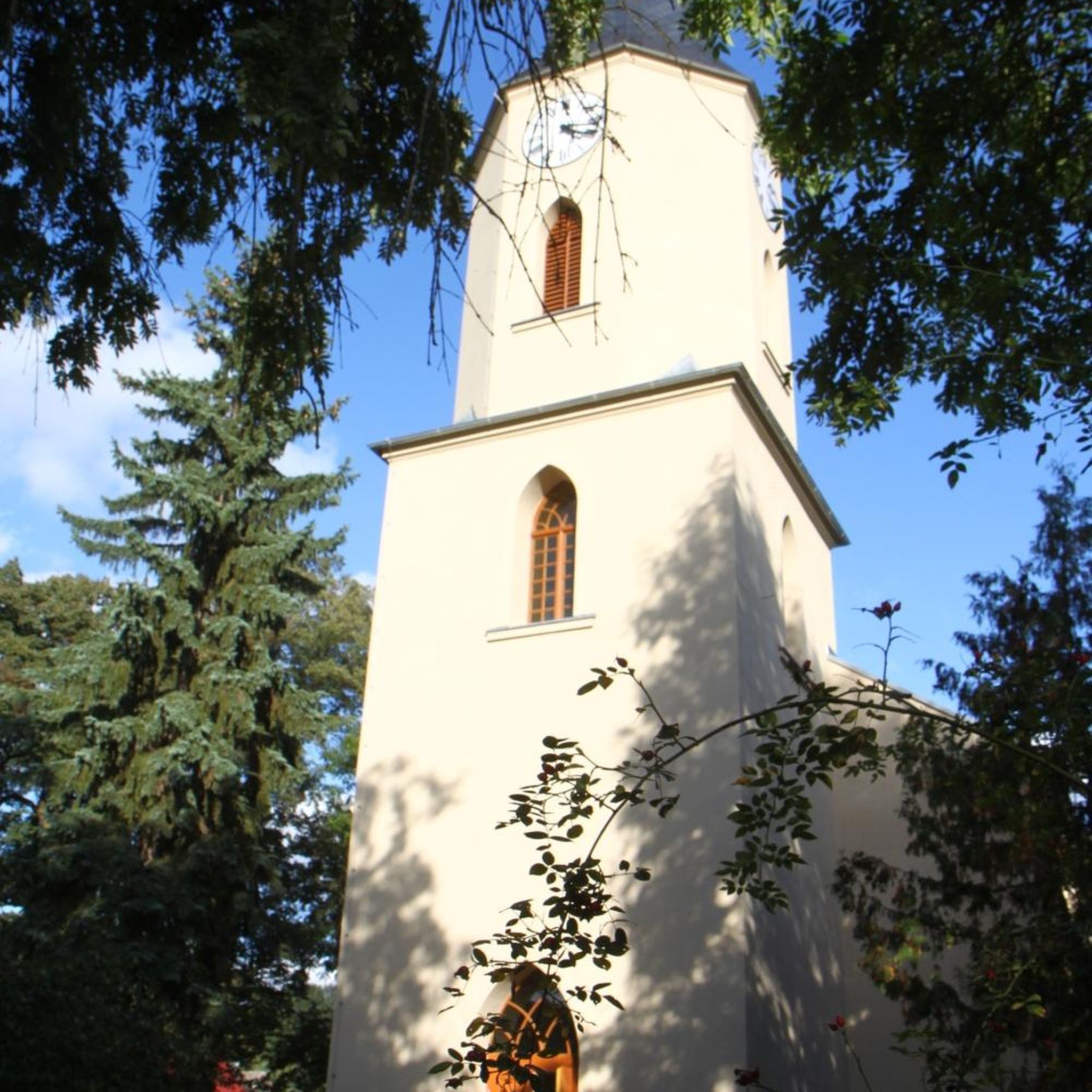
Once a grand, Italian-inspired home, Downhill House was devastated by fire in May 1851 and almost completely burned down.
0
0
It was a library, a retreat, a memorial to a somewhat scandalous love story and now it is one of the most popular and photographed buildings in Ireland.
0
0

Beautiful walk along the seafront, overlooking the town, the beach and the cliffs in the distance. Lots of shops and restaurants nearby.
1
0

The house you see was built in the 18th century A tremendous fire destroyed the house in 1851, and the library, along with numerous important sculptures and paintings, was lost. The house remained in the Bishop's family until 1948.
0
0
Built as a library for an eccentric bishop, this dramatic folly atop a cliff is one of Ireland's most popular landmarks.
0
0
In the surroundings of Downhill House, at one end of the walled garden, you will find this old ice house. Here, meat and ice were stored to keep food in good condition.
2
0

Keeping doves was common practice on estates. The birds had many uses. The down and feathers were used to fill pillows and the dung was not only a highly rated fertilizer it was also used in the tanning industry and in the manufacture of gunpowder. However it was for their flesh and eggs, particularly in winter when meat was scarce, that they were particularly valued.
0
0
Frequently Asked Questions
What historical sites can I explore near Ballystrone?
The area around Ballystrone is rich in history. You can visit the dramatic ruins of Downhill House Ruins, an 18th-century mansion largely destroyed by fire. Nearby, you'll find the unique Downhill Demesne Dovecote and Ice House, historical structures used for food storage and housing birds. Further along the coast, the iconic Mussenden Temple, perched on a cliff edge, offers stunning views and a fascinating story as a former library. Other notable historical sites in the wider Causeway Coast and Glens region include Dunluce Castle and Dunseverick Castle.
Are there any natural coastal features or viewpoints to visit?
Absolutely. The Causeway Coast is renowned for its breathtaking natural beauty. Beyond the famous Giant's Causeway, you can enjoy the golden sands of Castlerock Beach, which is popular for swimming and watersports. The Mussenden Temple itself is a fantastic viewpoint, offering panoramic vistas from its cliff-top location. For a scenic stroll with ocean views, consider the Portstewart Promenade.
What outdoor activities, like hiking or cycling, are available near Ballystrone?
Ballystrone is an excellent base for outdoor enthusiasts. For easy hikes, you can explore routes like the Mountsandel Fort loop or Springwell Forest loop, which are detailed in the Easy hikes around Ballystrone guide. Cyclists can find various routes, including the Causeway Coast Cycle Route or longer loops like Binevenagh, as highlighted in the Cycling around Ballystrone guide. Mountain biking options are also available, with routes such as the Mussenden Temple loop from Coleraine, found in the MTB Trails around Ballystrone guide.
Are there family-friendly attractions or activities in the area?
Yes, several attractions are suitable for families. Castlerock Beach is a great spot for families, offering a wide sandy area for play. The wider Causeway Coast and Glens region features attractions like the Carrick-a-Rede Rope Bridge (for older children) and the Giant's Causeway, which captivates all ages with its unique basalt columns. Many of the walking trails, especially the easy ones, are also suitable for families.
What is the best time of year to visit Ballystrone and the Causeway Coast?
The best time to visit Ballystrone and the Causeway Coast is generally during the spring (April-May) and summer (June-August) months. During these periods, the weather is milder, and daylight hours are longer, making it ideal for exploring outdoor attractions like the Giant's Causeway, Mussenden Temple, and various hiking or cycling routes. However, the dramatic coastal scenery can be enjoyed year-round, with winter offering a different, often more rugged, beauty.
Where can I find parking for attractions like Castlerock Beach or Mussenden Temple?
For Castlerock Beach, there is car parking available at the top of the beach, and you can even park on the sand in the eastern section throughout the year. For Mussenden Temple and the surrounding Downhill Demesne, parking facilities are typically provided by the National Trust, which manages the site. It's always advisable to check specific attraction websites for the most current parking information and any associated fees.
What do visitors enjoy most about the attractions around Ballystrone?
Visitors frequently praise the stunning coastal views and the rich historical atmosphere. For instance, Mussenden Temple is described as a 'picturesque place' and 'one of Ireland's most popular landmarks' due to its dramatic cliff-top setting. The Downhill House Ruins are often noted for their 'mystical' and atmospheric quality. The overall appeal lies in the blend of natural beauty and historical intrigue.
Are there any wheelchair accessible trails or attractions?
While many natural trails in the region can be rugged, the Portstewart Promenade is noted as being wheelchair accessible, offering a beautiful walk along the seafront. For other attractions, it's recommended to check their specific accessibility information, as terrain can vary. The Giant's Causeway visitor centre and some paths are generally accessible, but the basalt columns themselves involve uneven surfaces.
What are some lesser-known or 'hidden gems' in the Ballystrone area?
While Ballystrone itself is a quieter locale, its proximity to the wider Causeway Coast and Glens means there are many gems. Beyond the main highlights, exploring the historical structures like the Downhill Demesne Dovecote and Ice House offers a glimpse into the estate's past. For natural beauty, consider exploring parts of Glenariff Forest Park, known as the 'Queen of the Glens,' with its woodland trails and waterfalls, which might be less crowded than the most famous coastal spots.
Can I find cafes or restaurants near the attractions?
Yes, you can find dining options in nearby towns. Coleraine, a larger town close to Ballystrone, offers a variety of pubs and restaurants. Along the coast, towns like Ballycastle and Portstewart (where the Portstewart Promenade is located) have numerous shops, cafes, and restaurants, especially along their seafronts, perfect for a meal or a coffee break after exploring.
What kind of wildlife can I expect to see in the region?
The Causeway Coast and Glens region is rich in wildlife, particularly seabirds. Rathlin Island, accessible by ferry from Ballycastle, is a renowned spot for birdwatching, especially for puffins and other seabirds during nesting season. Along the coastlines and beaches like Castlerock Beach, you might spot various marine birds. Inland, forest parks like Glenariff are home to woodland birds and small mammals.
Are there any specific tips for visiting Downhill House Ruins or Mussenden Temple?
When visiting Downhill House Ruins, take time to appreciate the scale of the former mansion and imagine its past grandeur. For Mussenden Temple, be prepared for potentially windy conditions due to its exposed cliff-top location. Both sites are part of the Downhill Demesne, so you can explore them together. The area is managed by the National Trust, so checking their website for opening times and any entry fees is recommended.

Get inspired with the komoot mobile app


Explore more
Still not found the Highlight you’re looking for? See guides of the top attractions in other regions:
