Attractions and Places To See around Friston - Top 20
Best attractions and places to see around Friston include a mix of natural landscapes, historical landmarks, and cultural sites. The area is characterized by its proximity to the Suffolk coast and features like Friston Forest, known for its woodlands and trails. Visitors can explore significant historical structures and cultural venues, reflecting the region's heritage and artistic connections. The diverse offerings cater to those interested in outdoor activities and historical exploration.
Best attractions and places to see around Friston
- The most popular attractions is The Scallop Sculpture, Aldeburgh Beach, a man-made monument that reflects coastal light. It was sculpted by Maggi Hambling in memory of composer Benjamin Britten.
- Another must-see spot is Snape Maltings, a cultural site. Once Victorian buildings for malting barley, they are now converted into shops, galleries, and eateries, and are known internationally for music.
- Visitors also love Orford Castle, a remarkably intact polygonal tower keep. It offers magnificent views seaward to Orford Ness.
- Friston is known for historical sites, cultural venues, and natural features like Friston Forest. The area offers a variety of attractions to see and explore, from ancient ruins to modern art installations.
- The attractions around Friston are appreciated by the komoot community, with more than 150 upvotes and 40 photos shared across various highlights.
Last updated: May 9, 2026
Snape Maltings
Highlight • Bridge
Snape Maltings Concert Hall hosts the annual Aldeburgh Festival, it is strongly linked with composer Benjamin Britten.
Tip by

Orford Castle
Highlight • Castle
The unique polygonal tower keep of Orford Castle stands beside the pretty town and former port, developed by Henry II.
The castle is remarkably intact allowing visitors to explore from the basement, through the lower and upper halls to the roof where there are magnificent views seaward to Orford Ness.
Tip by
Sign up now to discover places like this
Get recommendations on the best single tracks, peaks, & plenty of other exciting outdoor places.
Sign up for free
Leiston Abbey Chapel Ruins
Highlight • Monument
The chapel and surrounding land is an important Scheduled Ancient Monument, protected by law and managed by the RSPB as part of their conservation work. The only visible remains of the original Premonstratensian Abbey are a small chapel that was thought to have been used until the dissolution in 1537.
Research has shown that this chapel was built upon the site of the original church and wider precinct of Leiston Abbey which was founded in 1182 by Ranulf de Glanville, Lord Chief Justice to King Henry II. The Abbey was moved to its current location 2 miles away in 1363, and these ruins can still be seen today.
Geophysical survey has shown that buried remains include cloisters, living quarters and many other buildings, now preserved for the long term by reversion from arable cultivation to pasture. Grant aided by English Heritage and Natural England, the RSPB has stabilised and restored the chapel to preserve it for the future with a permissive path to the chapel opened in 2016.
Tip by

The Scallop Sculpture, Aldeburgh Beach
Highlight • Monument
Tip by

St Bartholomew's Church, Orford
Highlight • Monument
'The Church of St Bartholomew is the parish church of the town of Orford, England. A medieval church, dating from the fourteenth century, with reconstructions in the nineteenth and twentieth century, it is a Grade I listed building. In addition to its listing, the church is notable as the location for the first performances of four of the works of the composer Benjamin Britten: Noye's Fludde, Curlew River, The Burning Fiery Furnace and The Prodigal Son.
The church comprises a ruined 12th century chancel, begun in about 1166 and abandoned in the 18th century, the Decorated nave and aisles, restored in the late 19th century, and the tower, restored in the late 20th century after the collapse of its upper storey in 1830. The chancel to the original church was built at about the same time as Orford Castle, and demonstrates a similar "grandeur". By the eighteenth century, the chancel was completely ruined and reconstruction concentrated on the nave and the tower. In the early 1880s George Edmund Street prepared a plan for a comprehensive restoration of the whole complex but this was not undertaken. Instead, rebuilding work spanned almost a hundred years, with J T Micklethwaite undertaking the reconstruction of the nave and aisles between 1894 and 1900, H M Cautley repairing the chancel in 1930, and Bruce George restoring the tower in 1971–72.
Tip by

Sign up for free to discover even more attractions around Friston.
Sign up for free
Already have an account?
Start today with a free account
Your next adventure awaits.
Login or Signup


Tips from the Community

The conservation work was completed in 2024 and now the castle looks superb. Really recommend as very intact 12c building. Lovely town too and good walks in the area.
0
0

Snape Malting is a renowned arts and cultural complex set within a former maltings building by the River Alde. It offers a variety of galleries, shops, and performance spaces, including the famous Snape Maltings Concert Hall. It's definitely worth stopping here for a coffee if you have time.
1
0

Interesting ruin with surprising insights
0
0
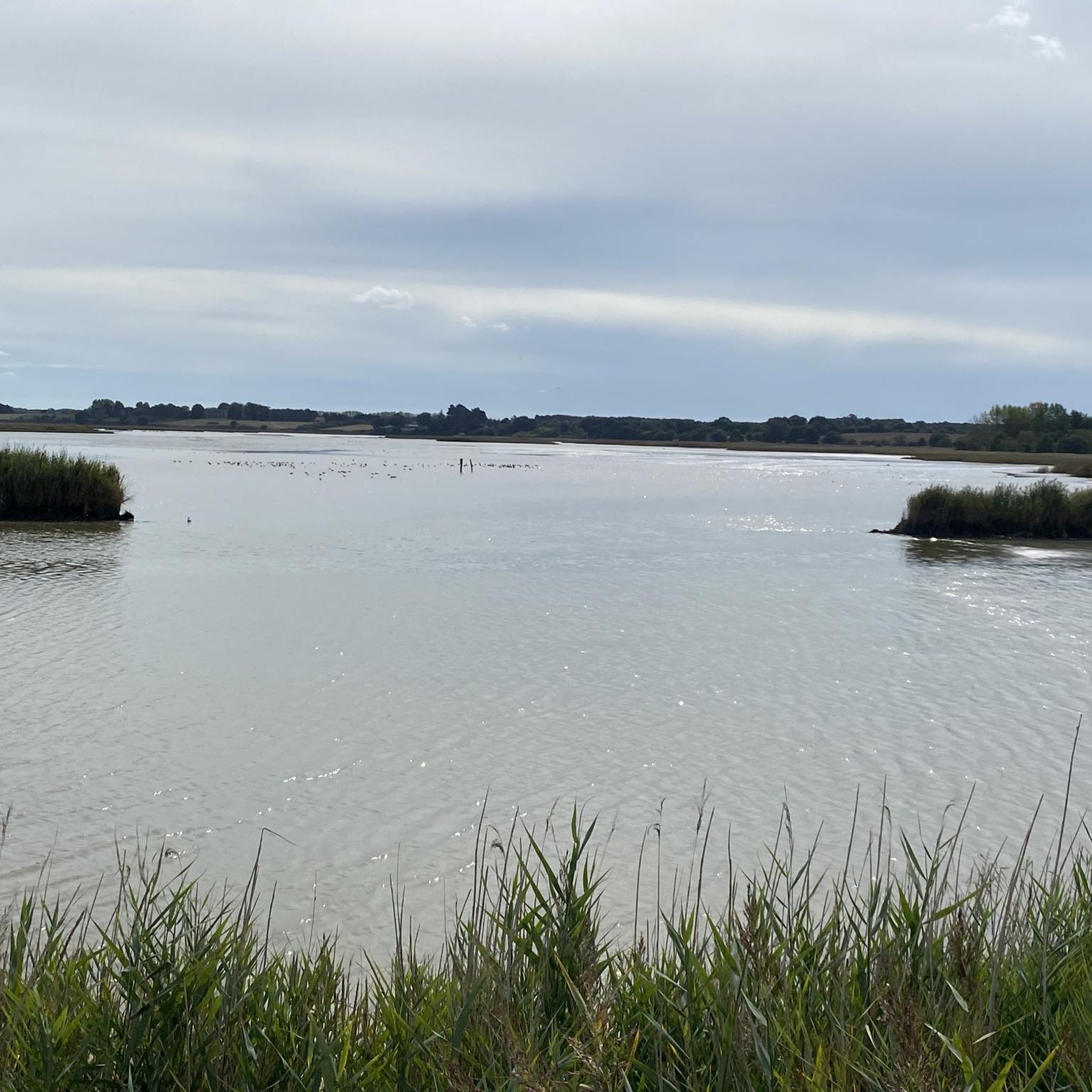
Interesting ruin on the outskirts of Minsmere.
0
0

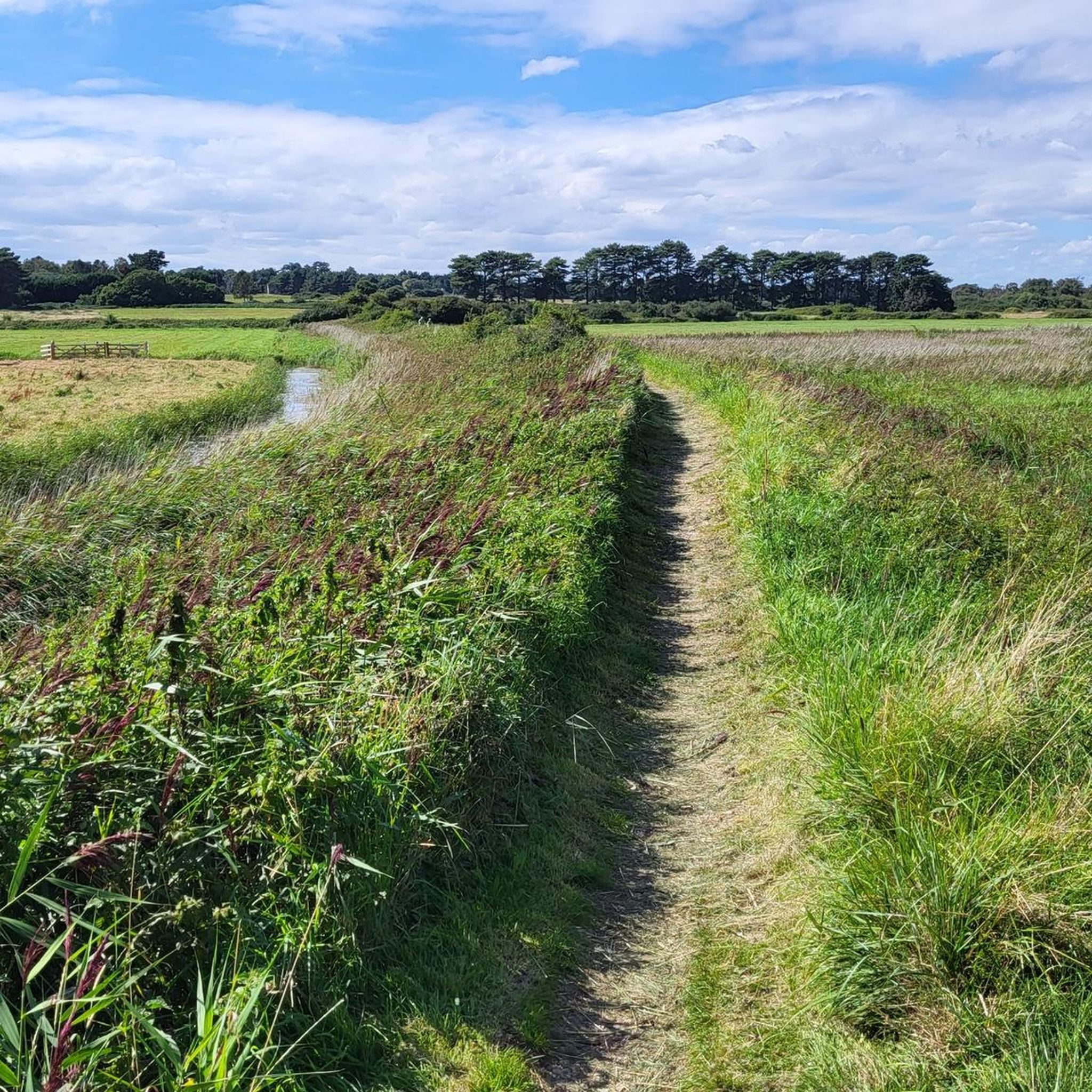
Some of the trails are closed in this area due to the development of the Sizewell C power station - local information is available but not always easy to find….
0
0


From Wikipedia: 'The Church of St Bartholomew is the parish church of the town of Orford, England. A medieval church, dating from the fourteenth century, with reconstructions in the nineteenth and twentieth century, it is a Grade I listed building. In addition to its listing, the church is notable as the location for the first performances of four of the works of the composer Benjamin Britten: Noye's Fludde, Curlew River, The Burning Fiery Furnace and The Prodigal Son. The church comprises a ruined 12th century chancel, begun in about 1166 and abandoned in the 18th century, the Decorated nave and aisles, restored in the late 19th century, and the tower, restored in the late 20th century after the collapse of its upper storey in 1830. The chancel to the original church was built at about the same time as Orford Castle, and demonstrates a similar "grandeur". By the eighteenth century, the chancel was completely ruined and reconstruction concentrated on the nave and the tower. In the early 1880s George Edmund Street prepared a plan for a comprehensive restoration of the whole complex but this was not undertaken. Instead, rebuilding work spanned almost a hundred years, with J T Micklethwaite undertaking the reconstruction of the nave and aisles between 1894 and 1900, H M Cautley repairing the chancel in 1930, and Bruce George restoring the tower in 1971–72.
0
0

Installed in 2003, the Scallop is a beautiful piece of art that reflects the coastal light wonderfully. It was sculpted by local artist Maggi Hambling in memory of the composer Benjamin Britten. He took daily walks along the sea during the many years he lived in Aldeburgh. The Scallop has faced a fair amount of local opposition due to its prominent position on the otherwise undisturbed bay.
0
0
Frequently Asked Questions
What historical sites can I visit around Friston?
The area around Friston is rich in history. You can explore the remarkably intact polygonal tower keep of Orford Castle, which offers magnificent views seaward to Orford Ness. Another significant historical site is Leiston Abbey Chapel Ruins, the remains of a small chapel on a low hill near RSPB Minsmere. Additionally, the historic St Bartholomew's Church in Orford, dating from the 14th century, is notable for hosting early performances of Benjamin Britten's works. Friston Windmill, the tallest surviving post mill in England, is also a significant local landmark.
Are there any family-friendly attractions in the Friston area?
Yes, several attractions cater to families. Snape Maltings offers shops, galleries, and eateries in converted Victorian buildings, providing a pleasant outing for all ages. The iconic The Scallop Sculpture on Aldeburgh Beach is a beautiful piece of art that children often enjoy. Friston Forest, with its extensive network of walking and cycling trails, is also a great place for family outings, offering opportunities to spot deer and enjoy nature.
Where can I experience nature and wildlife near Friston?
Friston Forest is a prominent natural attraction, known for its beautiful beech woodland and extensive trails, where you might spot deer and hear various bird species. The southern edge of the forest offers scenic views of the Cuckmere River and the South Downs. Nearby, the Cuckmere estuary, part of the Seven Sisters Country Park, is rich in wildlife. The Leiston Abbey Chapel Ruins are located on a low hill above the mere, managed by the RSPB as part of their conservation work, indicating a rich natural environment.
What walking and hiking opportunities are available around Friston?
Friston Forest offers an extensive network of walking and cycling trails suitable for various activity levels. For more structured routes, you can explore several hiking guides. For example, the guide for Hiking around Friston includes moderate trails like the 'River Alde, Snape Maltings & Tunstall Forest loop' and 'Snape Maltings – The Sailors' Path loop'. These routes allow you to discover the diverse landscapes of the region.
Are there easy walking trails suitable for all abilities?
Yes, Friston Forest has paths suitable for various activity levels, including easier routes. Additionally, the guide for Easy hikes around Friston features several accessible options. These include loops around Snape Maltings and Snape Warren Nature Reserve, as well as shorter walks from Aldeburgh Beach, typically ranging from 3.7 km to 7.1 km in distance.
What cultural attractions are there besides historical sites?
Beyond historical landmarks, Snape Maltings is a unique cultural village known internationally for music, featuring shops, galleries, and eateries in its converted Victorian buildings. On Aldeburgh Beach, you'll find 'The Scallop' sculpture, a beautiful piece of art by Maggi Hambling commemorating composer Benjamin Britten, reflecting the area's artistic connections.
What is the best time of year to visit Friston?
The Friston area offers different experiences throughout the year. Friston Forest's appearance changes dramatically with the seasons, making it beautiful in spring with bird song, vibrant in autumn, and serene in winter. Spring and summer are ideal for enjoying the coastal attractions and outdoor activities. The Cuckmere estuary is particularly rich in wildlife, which can be observed year-round.
Can I find places to eat or drink near the attractions?
Yes, Snape Maltings is home to various eateries and shops, including The Plough and Sail pub, making it a convenient stop for refreshments. The nearby towns and villages also offer a selection of cafes, pubs, and restaurants to complement your visit to the attractions.
Are there any unique landmarks or hidden gems to discover?
Friston Windmill stands as the tallest surviving post mill in England, a unique historic structure built in 1812. The The Scallop Sculpture on Aldeburgh Beach is another distinctive landmark. For a glimpse into medieval life, the nearby Alfriston Clergy House, the first property acquired by the National Trust, offers insight into 14th-century architecture and rural English life with stunning views of the Cuckmere River.
What cycling routes are available around Friston?
Friston Forest provides an extensive network of cycling trails. For gravel biking enthusiasts, the guide for Gravel biking around Friston offers several routes. These include moderate to difficult trails like the 'Viking Trail, Tunstall Forest loop' and routes connecting Snape Maltings to Aldeburgh, allowing you to explore the wider region on two wheels.
What do visitors enjoy most about the attractions around Friston?
Visitors particularly appreciate the blend of natural beauty and historical significance. The coastal light reflected by The Scallop Sculpture is often highlighted. The transformation of Snape Maltings into a vibrant cultural hub is also a favorite. Many enjoy the opportunity to explore the well-preserved Orford Castle and its commanding views, as well as the peaceful, wildlife-rich environment of Friston Forest and the Cuckmere estuary.
Most popular attractions around Friston

Get inspired with the komoot mobile app


Explore more
Still not found the Highlight you’re looking for? See guides of the top attractions in other regions:
