The best running trails around Seligenstadt
4.3
(226)
2,216
runners
117
runs
Jogging around Seligenstadt offers diverse routes along the Main River and through forested areas. The region is characterized by the flat riverbanks of the Main, the varied terrain of the Seligenstadt Forest, and gentle rolling hills. This combination provides a range of running experiences, from leisurely riverside paths to more challenging forest trails, often integrating historical landmarks.
Best jogging routes around Seligenstadt
- The most popular jogging route is Romanesque House Seligenstadt – Krotzenburg Dam loop from Seligenstadt (Hessen), an 8.4 miles (13.5 km) trail that takes 1 hour 30 minutes to complete. This route follows the Main River, offering views of the ferry and historical architecture.
- Another top favourite among local runners is Kilianus Bridge – View of Seligenstadt Basilica loop from Seligenstadt (Hessen), a moderate 7.2 miles (11.6 km) path. This route provides scenic views of the Main River and passes by the Seligenstadt Basilica.
- Local runners also love the Sausteige Forest Path – An Der Sausteige Forest Path loop from Seligenstadt, a 4.1 miles (6.6 km) trail leading through the Seligenstadt Forest, often completed in about 43 minutes.
- Jogging around Seligenstadt is defined by its Main River paths, the Seligenstadt Forest, and historical Old Town areas. The network offers options for easy, moderate, and more difficult running experiences.
- The routes in Seligenstadt are highly rated by the komoot community with an average score of 4.3 stars from over 180 reviews. More than 1900 runners have used komoot to explore Seligenstadt's varied terrain.
Last updated: October 4, 2026
4.5
(4)
133
runners
Moderate run. Good fitness required. Mostly paved surfaces. Suitable for all skill levels.
4.5
(6)
356
runners
Moderate run. Good fitness required. Mostly paved surfaces. Suitable for all skill levels.

4.2
(6)
93
runners
9.10km
00:57
20m
20m
Moderate run. Good fitness required. Mostly paved surfaces. Suitable for all skill levels.
3.7
(3)
41
runners
Hard run. Very good fitness required. Mostly paved surfaces. Suitable for all skill levels.
4.2
(5)
43
runners
5.93km
00:37
20m
20m
Moderate run. Good fitness required. Mostly paved surfaces. Suitable for all skill levels.
Get access to more routes and recommendations from other explorers.
Already have an account?
Our route recommendations are based on thousands of hikes, rides, and runs completed by other people on komoot.
Start today with a free account
Your next adventure awaits.
Popular around Seligenstadt
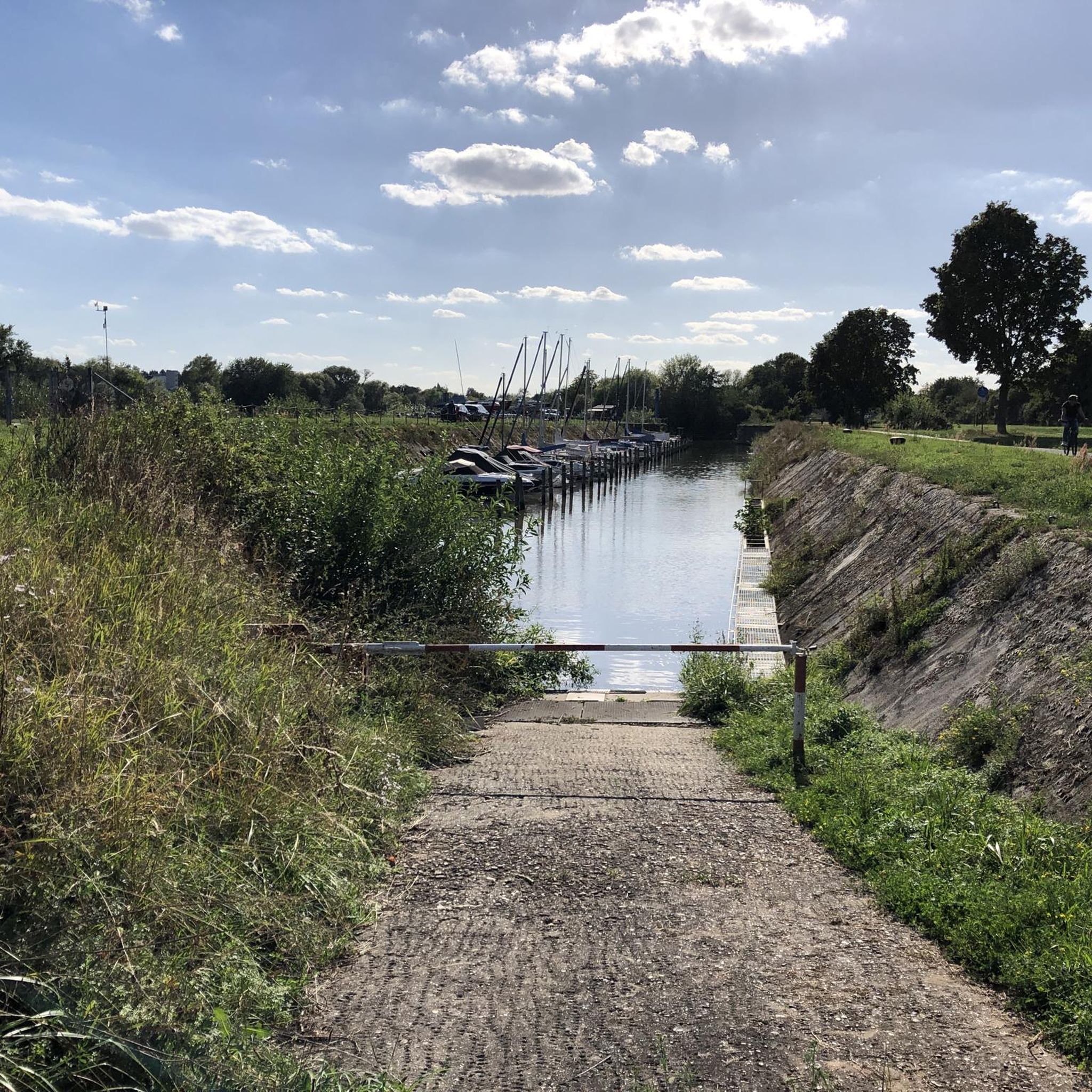
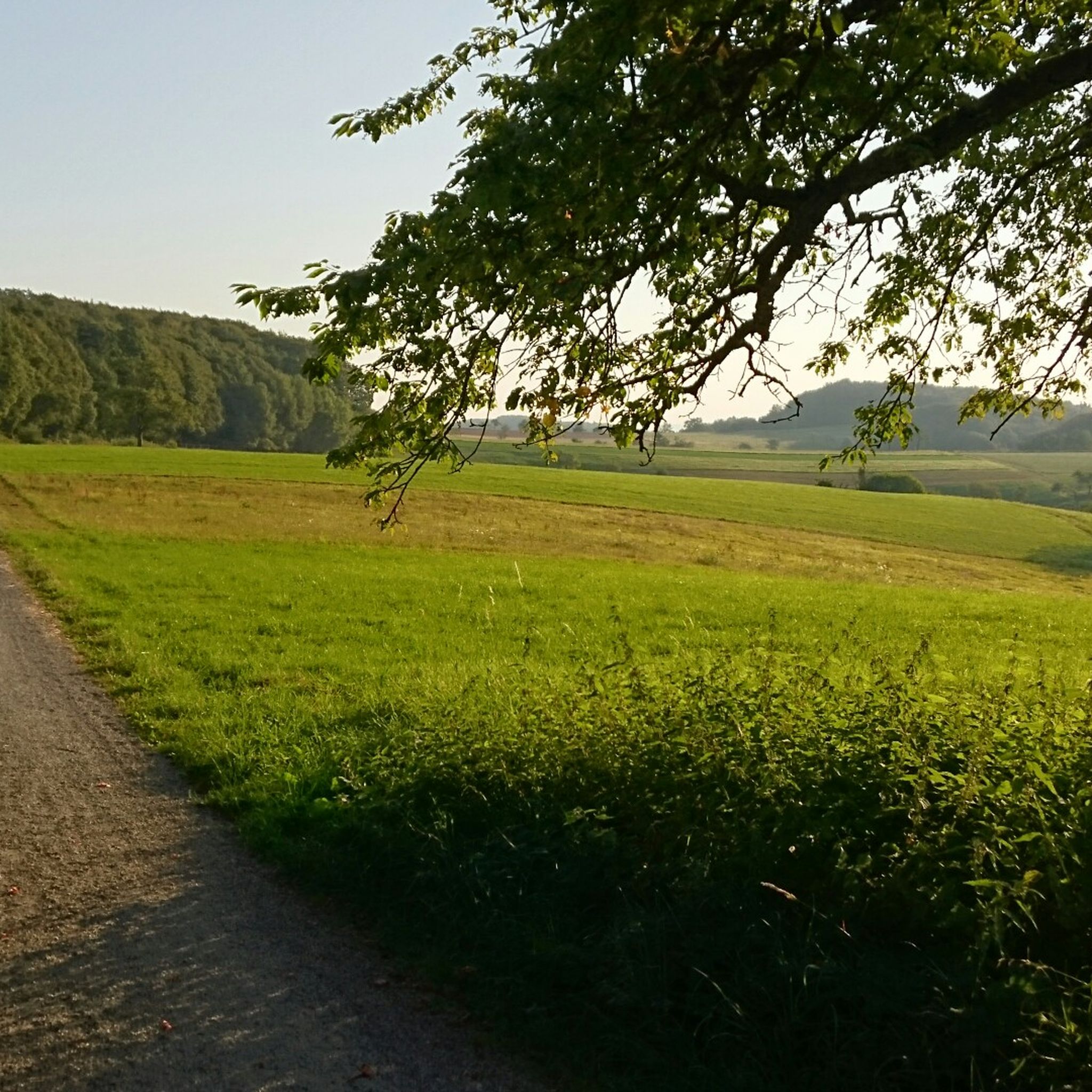

Tips from the Community

It is quite astonishing how high the water in the Main already was here.
1
0

Interesting markers showing historic Main flood levels - a quick, thought-provoking stop worth a glance.
1
0

For 2 km, a beautiful cycle path leads away from car traffic from Seligenstadt to Zellhausen. There is a lot of greenery to the left and right, and you even have a small incline for a bridge sprint over the bypass road. Here and there there are some repaired asphalt patches and slight bumps, but overall the access road is very good to ride on. It is a real alternative to the otherwise very busy main road L3065. Bonus: if you are very lucky, you can even watch gliders taking off or landing. 👀👉🏻✈️
1
0

The Romanisches Haus was built between 1186 and 1187, during the reign of Emperor Frederick Barbarossa. This period marked the zenith of the Romanesque architectural style, characterized by robust and sturdy structures. Unlike the typical half-timbered houses of the time, the Romanisches Haus was constructed entirely of stone, a luxury reserved for high-ranking officials such as bishops, abbots, and imperial bailiffs. It is believed that the house served as the residence of an imperial bailiff, a position of considerable importance in the administration of imperial affairs. The construction of the Romanisches Haus was a significant undertaking, reflecting the wealth and status of its inhabitants. The use of stone not only provided a higher level of security but also symbolized durability and authority. The name Steinernes Haus (Stone House) has persisted through the centuries, highlighting its distinction from the surrounding half-timbered buildings.
1
0
Most runners here do not have a view of the basilica, which is well worth seeing.
1
0

Beautiful running route directly on the Main with a beautiful, new surface.
0
0
Directly behind the town hall stands the very old “Romanesque Stone House”.
3
0

Very nice place, you can eat well there.
1
0
Frequently Asked Questions
How many running routes are available in the Seligenstadt region?
Seligenstadt offers a wide selection of running routes, with over 115 trails documented on komoot. These range from easy riverside paths to more challenging forest runs, ensuring there's something for every runner.
What kind of terrain can I expect on jogging trails around Seligenstadt?
The Seligenstadt region provides diverse terrain for runners. You'll find flat, scenic paths along the Main River, ideal for leisurely jogs. For a more varied experience, the Seligenstadt Forest offers trails with gentle rolling hills and wooded paths. The area generally features a mix of easy, moderate, and some more difficult routes, catering to different fitness levels.
Are there any easy running routes suitable for beginners or a relaxed pace?
Yes, Seligenstadt has several easy running routes perfect for beginners or those looking for a relaxed pace. Many of these follow the flat banks of the Main River. For example, the route Sausteige Forest Path – An Der Sausteige Forest Path loop from Seligenstadt is a moderate 4.1 miles (6.6 km) trail through the forest, offering a pleasant and accessible experience.
Can I find circular running routes in Seligenstadt?
Absolutely. Many of the running routes in Seligenstadt are designed as loops, allowing you to start and finish at the same point. This is convenient for those using personal transport or wanting to explore without retracing steps. A popular option is the Stork's Nest – Rödchesweg loop from Seligenstadt, which covers 5.3 miles (8.6 km).
Are there any running trails that offer scenic viewpoints or historical landmarks?
Yes, Seligenstadt's routes often combine natural beauty with historical sights. You can run along the Main River with views of the Seligenstadt Abbey and the ferry. For panoramic views, consider routes that pass by the Ludwig Tower (Hahnenkamm). The charming Seligenstadt Old Town with its half-timbered houses also provides a unique backdrop for a run.
Are the running trails in Seligenstadt suitable for families?
Many of the flatter sections along the Main River are well-suited for families, especially those with children who might be jogging or cycling alongside. These paths are generally wide and offer easy navigation. For a more relaxed family outing, consider the less strenuous routes through the Seligenstadt Forest.
Are dogs allowed on the jogging trails in Seligenstadt?
Generally, dogs are welcome on most outdoor trails in the Seligenstadt area, provided they are kept on a leash, especially in forested areas and near populated zones. Always be mindful of local regulations and other trail users to ensure a pleasant experience for everyone.
What is the best time of year to go running in Seligenstadt?
Seligenstadt offers enjoyable running conditions throughout much of the year. Spring and autumn provide pleasant temperatures and beautiful scenery, with blooming nature or colorful foliage. Summer mornings and evenings are ideal to avoid the midday heat, while winter runs can be picturesque, though some forest paths might be muddy after rain or snow.
Are there options for public transport to access the running routes?
Yes, Seligenstadt is accessible by public transport. The town's train station, for instance, can serve as a convenient starting point for many routes. The At Seligenstadt station – Harressee loop from Seligenstadt (Hessen) is a 7.4 miles (11.9 km) route that starts directly from the station, making it easy to access without a car.
What do other runners enjoy most about jogging in Seligenstadt?
The running routes in Seligenstadt are highly rated by the komoot community, with an average score of 4.4 stars from over 180 reviews. Runners often praise the diverse landscape, from the tranquil Main River paths to the refreshing forest trails, and the opportunity to combine their run with views of historical landmarks. The well-maintained paths and variety of difficulty levels are also frequently highlighted.
Are there any longer running routes for endurance training?
For those seeking longer distances, Seligenstadt offers several routes that extend beyond 10 kilometers. The Romanesque House Seligenstadt – Seligenstadt Main Ferry loop from Seligenstadt (Hessen) is a substantial 8.6 miles (13.8 km) trail, perfect for endurance training along the Main River. Another excellent option is the View of the Main River – View of Seligenstadt Basilica loop from Seligenstadt (Hessen), covering 7.2 miles (11.6 km).
Most popular routes around Seligenstadt
Most popular attractions around Seligenstadt

Get inspired with the komoot mobile app


Explore more
Browse the best Running Trails & Routes in other regions.
