Attractions and Places To See around Drumavaddy - Top 7
Best attractions and places to see around Drumavaddy include a variety of historical sites and natural features within County Cavan, Ireland. This region offers opportunities to explore cultural landmarks and diverse landscapes. Visitors can discover ancient historical sites and enjoy natural features like lakes and forest parks. The area provides a mix of man-made monuments and natural beauty.
Best attractions and places to see around Drumavaddy
- The most popular attractions is Scarva Village, a historical site and settlement known…
Last updated: June 29, 2026
Scarva Village
Highlight • Historical Site
Tip by

Moyallan Pillbox
Highlight • Historical Site
Showing Translation
Tip by

Sign up now to discover places like this
Get recommendations on the best single tracks, peaks, & plenty of other exciting outdoor places.
Sign up for free
Moneypenny's Lock and Canal Museum
Highlight • Monument
Tip by

Lisnamintry Rath Entrance
Highlight • Natural Monument
Tip by

Newry Canal Towpath
Highlight (Segment) • Cycleway
Showing Translation
Tip by
Sign up for free to discover even more attractions around Drumavaddy.
Sign up for free
Already have an account?
Start today with a free account
Your next adventure awaits.
Login or Signup


Tips from the Community

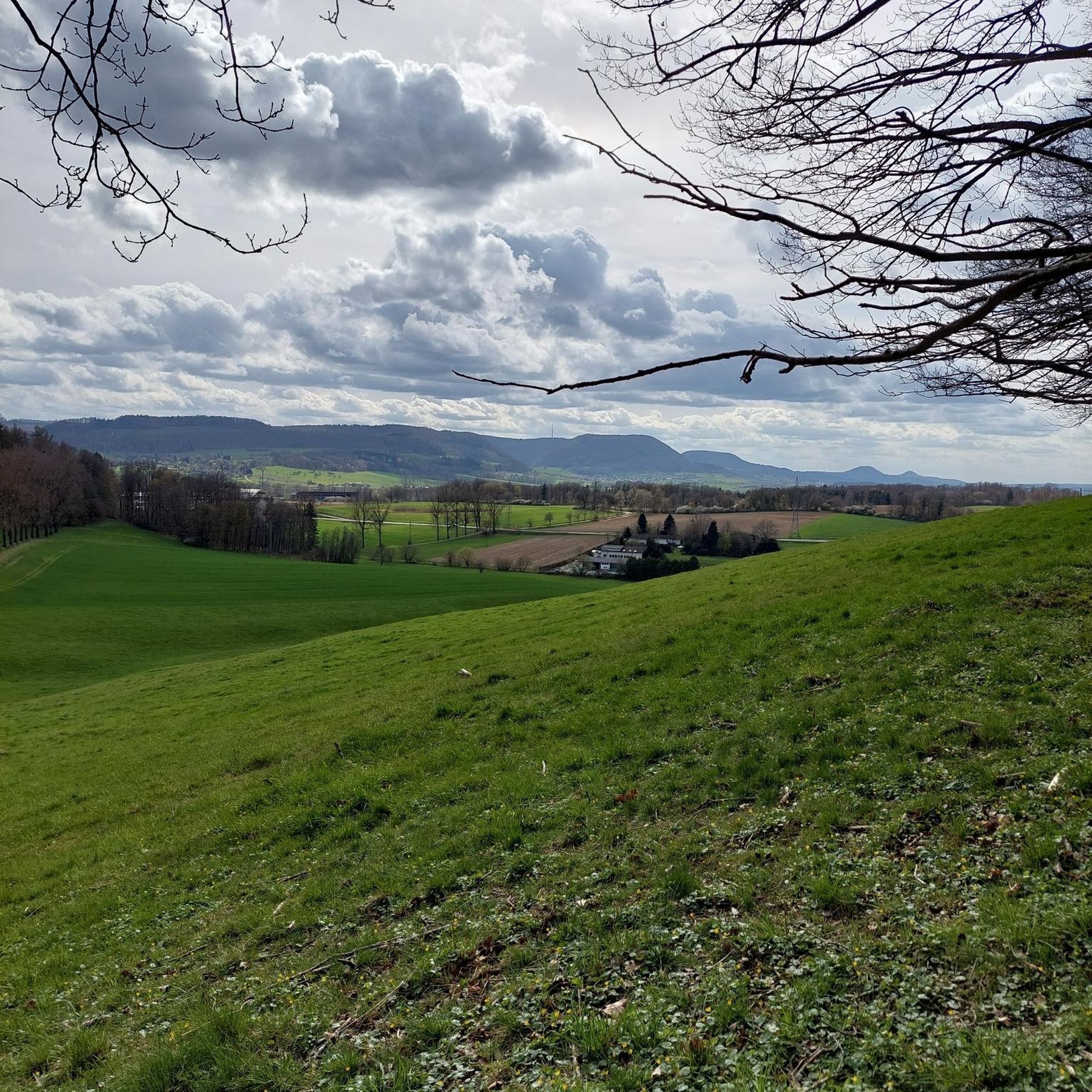
This largely flat and completely traffic-free path winds through the heart of counties Armagh and Down, along the tranquil waterway that was once the lifeblood for the transport of coal to the Irish Sea. As you pedal over the well-maintained asphalt or fine gravel, you are surrounded by lush green ramparts, historic stone bridges, and the monumental remains of eighteen locks that bridge the elevation difference in the landscape. A mix of smooth asphalt and easily rideable fine gravel, suitable for almost all types of bicycles.
7
0
Along the picturesque route near the River Bann, you'll find the Moyallan Pillbox. Built around 1940 as part of Britain's coastal and inland defences, this compact bunker served as an observation post and machine gun nest. Strategically positioned to guard the river crossing and nearby roads, this robust structure is a reminder of a time when this peaceful landscape was on high alert. For the passing cyclist, it's an intriguing stop; its moss-green walls blend almost seamlessly with the surrounding nature, revealing the bunker's secrets only at the last moment. A raw piece of military heritage that sharply contrasts with the tranquility of the present-day countryside.
6
0
The entrance to Lisnamintry Rath (located on Ballygargan Road, near Portadown) is the gateway to one of the few officially protected archaeological monuments in this part of County Armagh. A rath is an early medieval fortified farmstead (c. 500–1000 AD) that formerly offered protection to families and their livestock against raiders. Not visible from the road.
1
0

Hollie Berrie is a good place for refreshments on the route at Scarva
0
1

The small town of Scarva, nestled between green meadows and the quiet canal, offers a welcome break on my bike tour through Northern Ireland. Here you cycle on well-maintained paths past historic bridges and small villages that give you the feeling that time has stood still. The British flags fluttering along the side of the road remind you that you are in a culturally special area - a detail that reflects the identity of the region. The route is easy to cycle, the surrounding landscape is gently rolling, which makes for pleasant cycling. The view of wide fields and rolling hills invites you to slow down now and then and take in the peace and quiet. A special feature of Scarva is the annual Orange Order March, which transforms the village into a kind of open-air stage once a year and keeps the traditions of this region alive.
1
0
The Moyallan Pillbox is an intriguing WWII relic that is an unexpected discovery along the River Bann. The old concrete structure, well camouflaged and reclaimed by nature, stands modestly on a hill overlooking the river. The views from here are particularly rewarding on a clear day when the Bann flows lazily across the landscape. It's hard to imagine that this tranquil scene was once strategically important in protecting access to the north from possible invasions. The Pillbox stands just opposite a petrol station, near the roundabout where several roads meet. The location may seem unspectacular, but with a little imagination you can glimpse the history. The concrete block quietly tells of times gone by as you pedal on, leaving the river behind. A quick stop is well worth it - not for the drama, but for the unassuming way in which history finds its place here.
1
0

From the late Iron Age to early Christian times, the island's occupants built circular structures with earth banks or ditches. These were sometimes topped with wooden palisades and wooden framed buildings. As the dwellings were not durable, sometimes referred to as as Fairy Forts ( also known as Lios or Raths from the Irish, referring to an earthen mound ) are the remains of stone circles, ringforts, hillforts, or other circular prehistoric dwellings in Ireland.
2
0
On the picturesque banks of the Newry Canal, not far from Portadown, lies a historical gem: Moneypenny's Lock. This lock house, whose history goes back to the beginning of the 19th century, has stood the test of time and today offers visitors a special insight into the past. When you enter the canal museum you feel like you have been transported to another era. The walls bear witness to the days when the lock house was still in full operation and run by the Money family. The constant rippling of the water, the passage through the lock chambers and the hustle and bustle of yesteryear are almost tangible. The exhibition tells the story of Moneypenny's Lock from its early days to the mid-20th century. Through lovingly compiled exhibits and information material, you get a feel for the importance of this place and the people who worked and lived here.
2
0
Frequently Asked Questions
What historical sites can I explore near Drumavaddy?
You can visit several historical sites in the wider County Cavan area. Notable options include the 12th-century Scarva Village, known for its World War Two pillbox and annual pageant. The Moyallan Pillbox itself is a well-preserved WWII relic offering views over the River Bann. Additionally, Moneypenny's Lock and Canal Museum provides insights into canal history, and the Lisnamintry Rath Entrance offers a glimpse into prehistoric dwellings.
Are there any natural attractions or viewpoints around Drumavaddy?
Yes, the region offers beautiful natural spots. Lurgan Park Lake is a scenic viewpoint with a path for cycling and walking, popular with anglers. Beyond the immediate vicinity, County Cavan is known for its stunning landscapes of rolling hills, serene lakes, and dense forests. You can also visit the Cavan Burren Park with its limestone pavement and ancient sites, or the Killykeen Forest Park for trails around Lough Oughter.
What family-friendly activities are available near Drumavaddy?
Many attractions in the area are suitable for families. Scarva Village is family-friendly, especially during its annual pageant. Moneypenny's Lock and Canal Museum offers an educational experience about local history. Natural spots like Lurgan Park Lake provide easy walking and cycling paths. Killykeen Forest Park and Cavan Burren Park also offer trails and outdoor exploration suitable for families.
Where can I find walking or hiking routes near Drumavaddy?
For easy walks, consider the paths around Lurgan Park Lake. For more extensive hiking, the wider County Cavan offers options like Killykeen Forest Park with various trails, and Cavan Burren Park which features over 10km of marked trails, including the 26km Cavan Way. You can find specific easy hiking routes in the area by exploring the Easy hikes around Drumavaddy guide.
Are there cycling routes available near Drumavaddy attractions?
Yes, cycling is a popular activity. Scarva Village is located on the Newry cycle path, offering a dedicated route. The path around Lurgan Park Lake is also suitable for cycling. For more cycling options, you can consult the Cycling around Drumavaddy guide, which lists various routes including those around Craigavon Lakes and Scarva Village.
What is the significance of the Lisnamintry Rath Entrance?
The Lisnamintry Rath Entrance is an archaeological site representing the remains of circular structures built from the late Iron Age to early Christian times. These 'raths' or 'fairy forts' were prehistoric dwellings, often featuring earth banks or ditches, and sometimes topped with wooden palisades.
Can I visit Clogh Oughter Castle, and what is its history?
Clogh Oughter Castle is a significant 12th-century Norman castle located on a crannog (man-made island) in Lough Oughter, County Cavan. It's part of the Marble Arch Geopark and is accessible by boat, canoe, or kayak, with tours available. The castle's walls were breached in 1653 by Cromwell's forces, and its ruins have inspired many over centuries.
Is the Cavan County Museum worth visiting?
The Cavan County Museum, housed in a former convent, chronicles Cavan's history from prehistory to the 20th century. A major highlight is its outdoor WWI Trench Experience, which is the largest full-scale replica trench open to the public in Ireland or the UK, meticulously rebuilt using period military manuals.
Are there any mountain biking trails near Drumavaddy?
Yes, there are mountain biking opportunities in the broader region. You can find various MTB trails, including routes like the Gosford Castle & Park loop, by checking the MTB Trails around Drumavaddy guide.
What is the best time of year to visit attractions around Drumavaddy?
The best time to visit attractions around Drumavaddy and County Cavan generally depends on your preferred activities. Spring and summer (May to September) offer milder weather, longer daylight hours, and are ideal for outdoor activities like hiking, cycling, and exploring natural parks. Autumn can also be beautiful with changing foliage. Some indoor attractions like museums are accessible year-round.
Are dogs allowed at attractions near Drumavaddy?
Many outdoor natural areas in County Cavan are dog-friendly, provided dogs are kept on a leash and owners clean up after them. For example, Killykeen Forest Park and Cavan Burren Park generally welcome dogs. Specific rules may apply to certain historical sites or indoor attractions, so it's always best to check individual venue policies.
What is the Shannon Pot?
The Shannon Pot is a unique natural feature traditionally recognized as the surface source of the River Shannon, Ireland's longest river. It is a deep, circular pool located in a quiet, upland countryside setting within County Cavan.

Get inspired with the komoot mobile app


Explore more
Still not found the Highlight you’re looking for? See guides of the top attractions in other regions:
