Top 4 Natural Monuments around Ballylisbredan
Natural monuments around Ballylisbredan are primarily found in the broader County Down region of Northern Ireland, as Ballylisbredan itself is characterized by farmland. This area, situated between Dundonald and Comber, serves as a gateway to diverse natural landscapes. The surrounding County Down offers a variety of natural attractions, including mountain ranges, loughs, and nature reserves. These sites provide opportunities to explore significant geological features and observe local wildlife.
Best natural monuments around Ballylisbredan
- The most popular natural monuments is Belfast…
Last updated: October 13, 2026
Belfast Window on Wildlife (WOW)
Highlight • Viewpoint
There are more than 100 species of birds and other wildlife to be found …
Tip by

Belfast Botanic Gardens
Highlight • Natural
Tip by

Sign up now to discover places like this
Get recommendations on the best single tracks, peaks, & plenty of other exciting outdoor places.
WWT Castle Espie Wetland Centre
Highlight • Natural
Surprised …
Tip by
WWII Luftwaffe Bomb Crater
Highlight • Historical Site
Tip by

Start today with a free account
Your next adventure awaits.

Tips from the Community

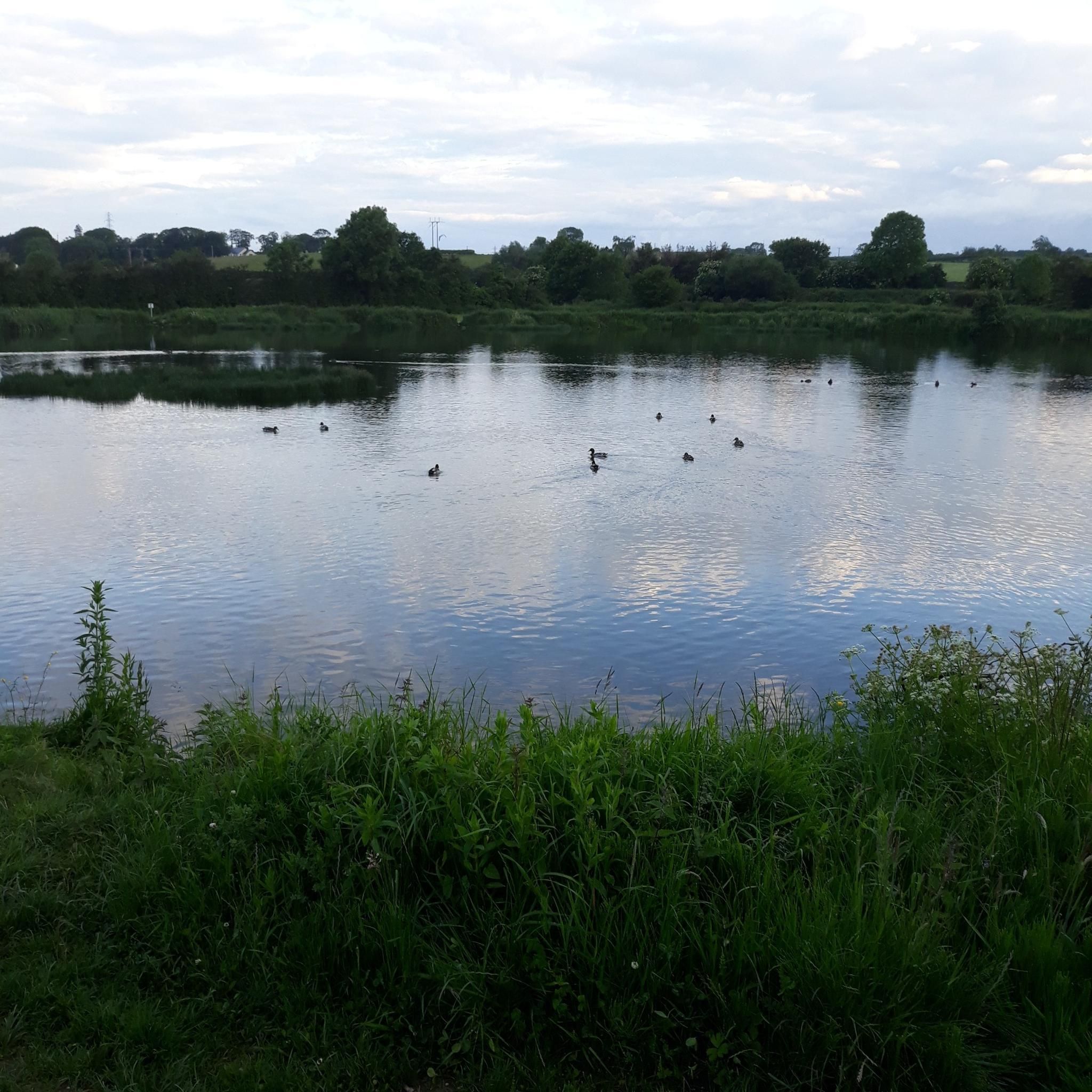
This nature reserve is located in the heart of the busy Belfast Harbour Estate and offers a welcome break from the hustle and bustle of the city. On the way there, the route takes you along the lough, where you may be lucky enough to spot various species of birds. The centre itself has two observation huts and a modern visitor area with panoramic views of the lagoon. Here you can enjoy the diverse wildlife while enjoying a cup of coffee. However, the paths to the centre are sometimes muddy in wet weather, so sturdy shoes are recommended. Overall, the RSPB Window on Wildlife Centre is a worthwhile stop on your bike tour to experience nature and peace.
1
0

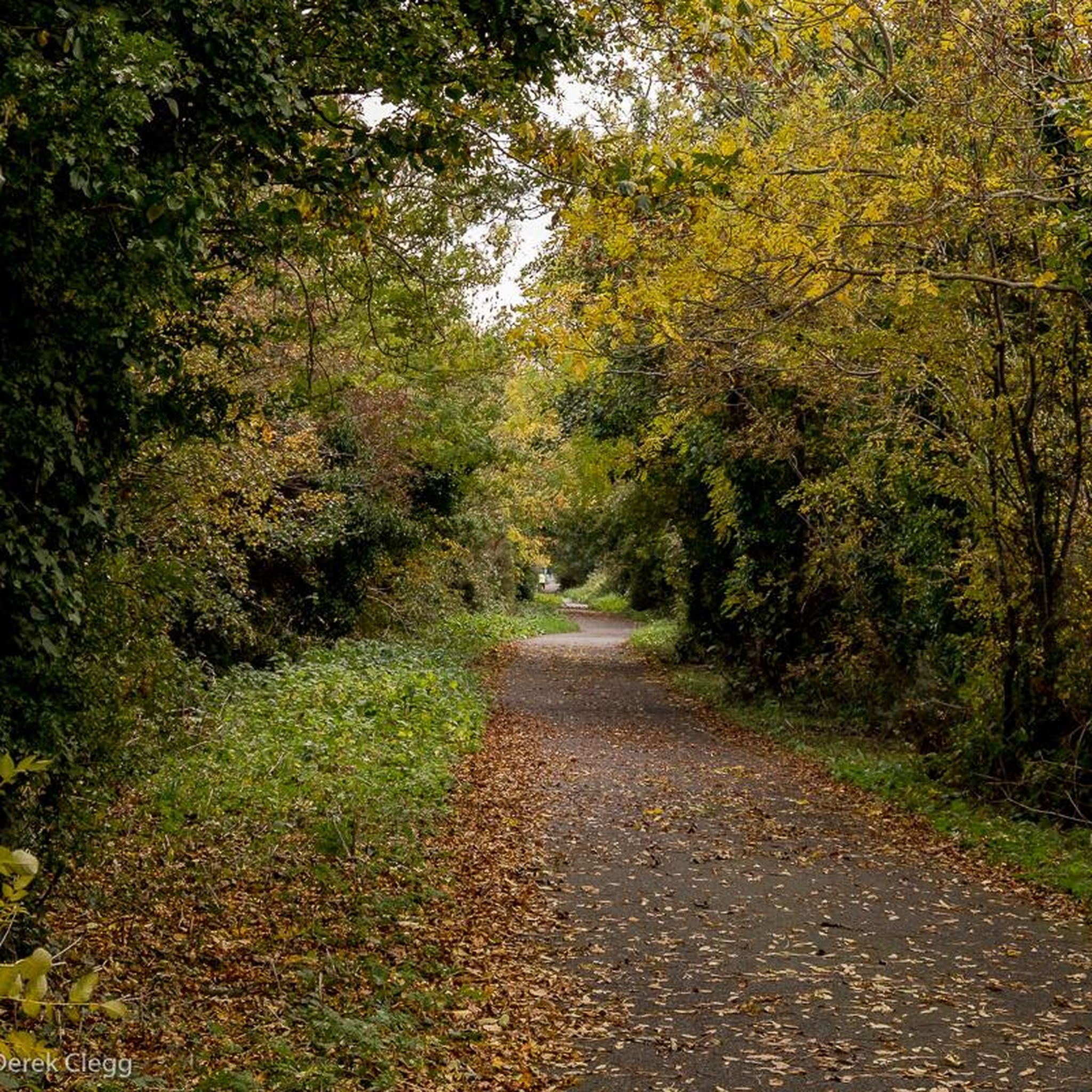
With thousands of colourful flowers and plant species from around the world, the Botanic Gardens are a wonderful place to visit. The gardens opened in 1828 as a private park and welcomed the public from 1895. Belfast's beautiful Palm House conservatory pre-date the glasshouses of Kew Gardens. Its domed roof has allowed plants to grow especially tall, such as a 36-foot (11 m) lily.
1
0

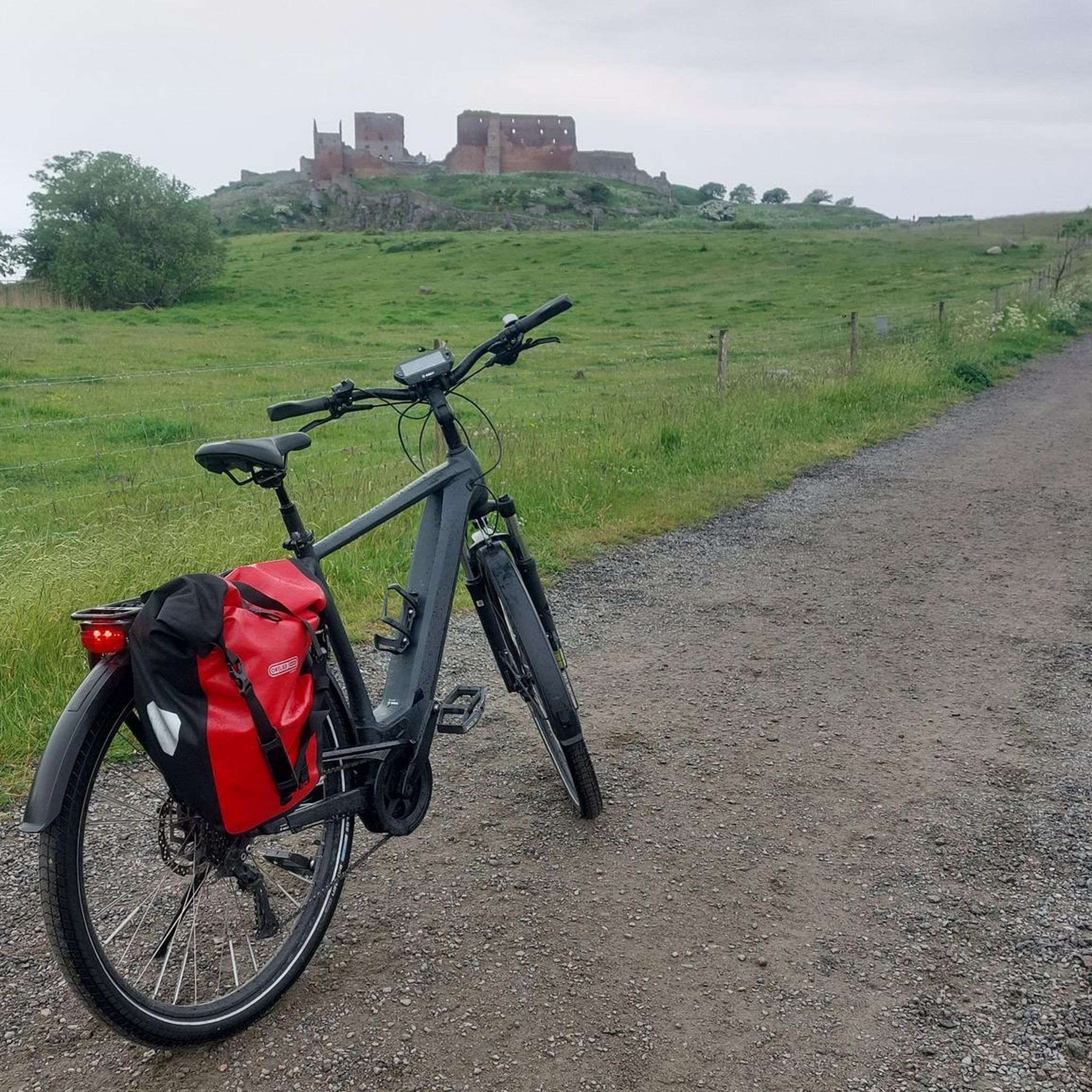
Throughout WWI, many bombes were dropped in Belfast, along with land mines placed throughout the city and surrounding areas. While most areas have been refilled since the war, this spot is unique as it still remains how it was as a bomb crater from the war.
1
0
With thousands of colourful flowers and plant species from around the world, the Botanic Gardens are a wonderful place to visit. The gardens opened in 1828 as a private park and welcomed the public from 1895. Belfast's beautiful Palm House conservatory pre-date the glasshouses of Kew Gardens. It's domed roof has allowed plants to grow especially tall, such as a 36-foot (11 m) lily.
1
0

Belfast's Window on Wildlife (WOW) is home to birds and wildlife from all over the world. There are more than 100 species of birds and other wildlife to be found here, from lapwings and terns to konik ponies. Trained staff and volunteers will help you tell a wigeon from a teal.
1
0
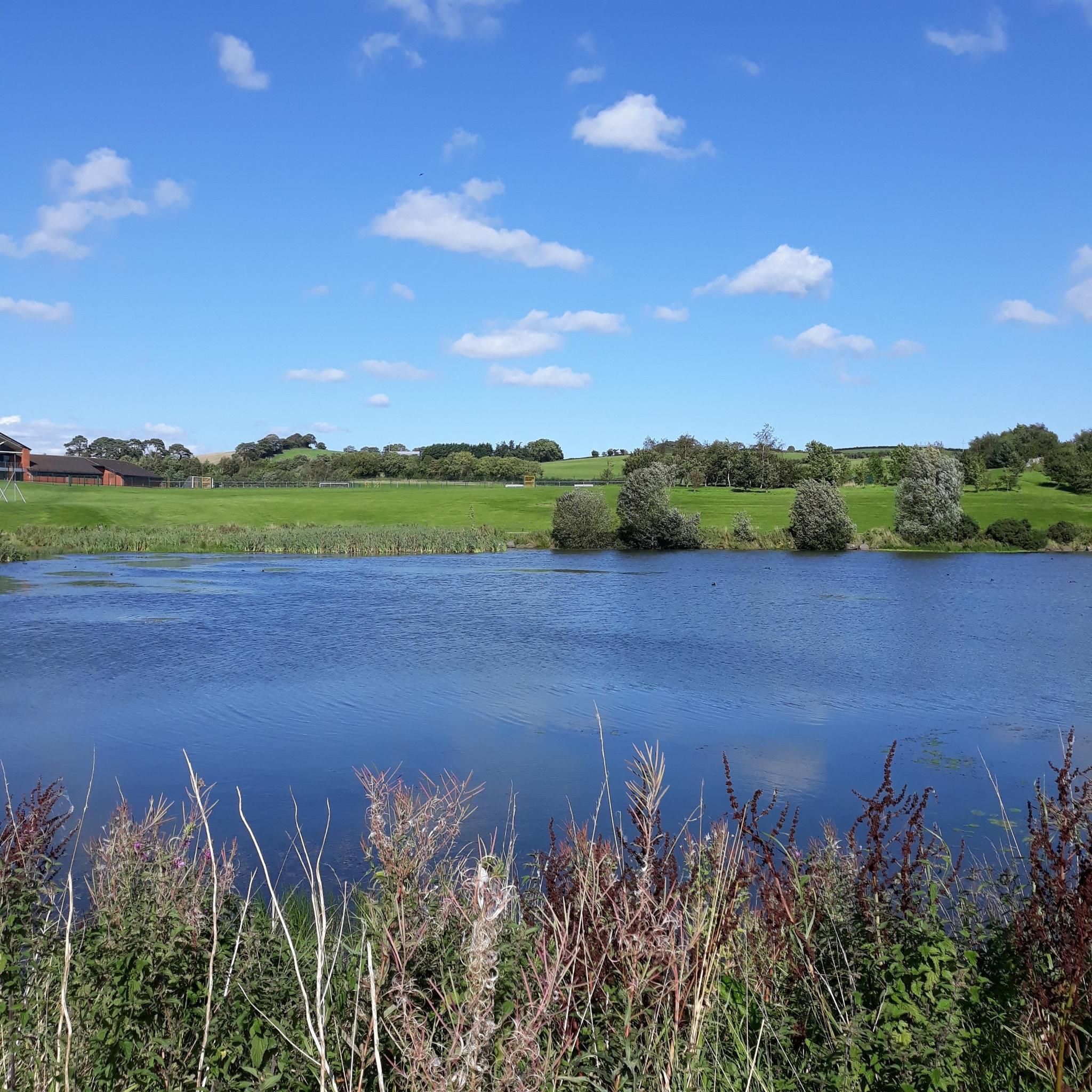
WWT Castle Espie is home to the largest collection of ducks, geese and swans in Ireland. Wide open spaces, and wetlands full of the sights and sounds of nature. Surprised by just how much there is to see and do including a Cafe / Gallery, plenty of walks, and places to just sit and take it all in.
0
0
Hide 1 is open 24 Hours a Day, and free of charge. Great spot if you happen to get caught by the elements on a ride. Take a seat and enjoy the birds.
1
0
With thousands of colourful flowers and plant species from around the world, the Botanic Gardens are a wonderful place to visit. The gardens opened in 1828 as a private park and welcomed the public from 1895. Belfast's beautiful Palm House conservatory pre-date the glasshouses of Kew Gardens. It's domed roof has allowed plants to grow especially tall, such as a 36-foot (11 m) lily.
0
0
Frequently Asked Questions
What unique natural monuments can I explore near Ballylisbredan?
Beyond the immediate vicinity, County Down offers diverse natural monuments. You can visit the majestic Belfast Botanic Gardens, known for its historic Palm House and diverse plant collections. For wildlife enthusiasts, Belfast Window on Wildlife (WOW) and WWT Castle Espie Wetland Centre provide excellent birdwatching opportunities. The Mourne Mountains, with peaks like Slieve Donard and Slieve Bearnagh, and the dramatic Hare's Gap, offer rugged landscapes and stunning views. The Strangford Lough area also features the ancient Strangford Stone and the tranquil Island Hill.
Are there easy walks or trails at the natural monuments around Ballylisbredan?
Yes, several natural monuments offer easy walking opportunities. The Belfast Botanic Gardens provide paved paths suitable for a leisurely stroll. At WWT Castle Espie Wetland Centre, you'll find wide-open spaces and accessible trails. Island Hill in the Strangford Lough Area also offers a short, curved pathway with panoramic views, perfect for an easy walk.
Which natural monuments are suitable for families with children?
Families will enjoy several locations. The Belfast Botanic Gardens are a great place for children to explore plants and open spaces. WWT Castle Espie Wetland Centre is particularly family-friendly, with plenty to see and do, including a large collection of ducks, geese, and swans. The WWII Luftwaffe Bomb Crater offers a unique historical perspective that can engage older children.
Are there any wheelchair-accessible natural attractions?
Yes, the Belfast Botanic Gardens are noted for being wheelchair accessible, offering a pleasant experience with its paved paths and accessible facilities. While not explicitly listed as fully accessible, many nature reserves and wetland centres often provide some accessible routes or viewing platforms; it's always best to check their specific websites for detailed accessibility information.
What outdoor activities can I do near these natural monuments?
The region around Ballylisbredan is excellent for various outdoor activities. You can find numerous road cycling routes, including easy loops like the Airport Road – Victoria Park Lake loop. For mountain biking, trails around the Lagan River and Kiltonga Nature Reserve Lake offer moderate challenges. Touring cyclists can explore longer routes such as the Strangford Lough Cycle Trail. You can find more details on these activities in the Road Cycling Routes, MTB Trails, and Cycling guides around Ballylisbredan.
What kind of wildlife can I spot at these natural sites?
The natural monuments around Ballylisbredan are rich in wildlife. At Belfast Window on Wildlife (WOW), you can spot over 100 species of birds, including lapwings and terns, as well as konik ponies. WWT Castle Espie Wetland Centre is home to the largest collection of ducks, geese, and swans in Ireland. The Strangford Lough Area, including Island Hill, is a haven for seabirds, waterfowl, otters, and seals. Murlough National Nature Reserve is known for its diverse butterflies, and Quoile Pondage Nature Reserve is a prime spot for birdwatching.
Are there any historical natural monuments in the area?
Yes, the region has natural monuments with historical significance. The WWII Luftwaffe Bomb Crater is a unique historical site, preserved as it was during the war. In the Mourne Mountains, Slieve Donard's summit features ancient burial cairns, and Hare's Gap was historically used as a smuggling route. St Patrick's Well, near Ardtole, is a long-standing site of pilgrimage with historical and cultural importance.
What is the best time of year to visit the natural monuments?
The best time to visit largely depends on your interests. Spring and summer (April to September) offer pleasant weather for walking and enjoying the vibrant flora at places like the Belfast Botanic Gardens and for spotting butterflies at Murlough National Nature Reserve. Autumn provides beautiful foliage, especially in mountainous areas. Birdwatching at sites like Belfast Window on Wildlife (WOW) and Quoile Pondage Nature Reserve can be rewarding year-round, with different species present in winter.
Can I bring my dog to the natural monuments?
Many outdoor natural areas in County Down are dog-friendly, especially those with walking trails. However, specific rules may apply to nature reserves and managed sites like WWT Castle Espie Wetland Centre or Belfast Window on Wildlife (WOW), often requiring dogs to be on a leash or restricting access to certain areas to protect wildlife. Always check the specific site's guidelines before your visit.
Where can I find panoramic views of the natural landscape?
For breathtaking panoramic views, the Mourne Mountains are unparalleled. Slieve Donard, Northern Ireland's highest peak, offers views stretching to the Isle of Man and Scotland on clear days. Hare's Gap provides dramatic vistas of the high Mournes. Closer to Ballylisbredan, Island Hill in the Strangford Lough Area offers sweeping views of the lough and surrounding countryside.
Are there any hidden gems among the natural monuments?
While not entirely 'hidden,' the Strangford Stone near Ballyclander Lower is a remarkable megalith within a tranquil 200-acre Country Park on the shores of Strangford Lough, offering a peaceful escape. St Patrick's Well, a historic pilgrimage site on the seashore, also provides a serene and less-frequented natural spot with a unique local history.
Most popular attractions around Ballylisbredan

Get inspired with the komoot mobile app


Explore more
Extend your search for the best caves by checking out these guides of the top ones around Ballylisbredan:
