Top 15 Castles around Leerdam
Castles around Leerdam offer insights into the region's historical significance. Situated at the confluence of the Linge and Leede rivers, Leerdam was once a fortified town. The site of the former Leerdam Castle provides historical context, even though the original structure was destroyed. The area features various fortifications and historical sites that highlight its past.
Best castles around Leerdam
- The most popular castles is Loevenstein Castle, a castle that is well-preserved and located where the Maas and Waal rivers…
Last updated: July 1, 2026
Loevenstein Castle
Highlight • Castle
Translated by Google •
Tip by

Fort Asperen
Highlight • Historical Site
Translated by Google •
Tip by

Sign up now to discover places like this
Get recommendations on the best single tracks, peaks, & plenty of other exciting outdoor places.
Sign up for free
Fort Vuren
Highlight • Historical Site
Translated by Google •
Tip by

Munnikenland and Loevestein Castle
Highlight • Castle
Translated by Google •
Tip by

Fort Honswijk
Highlight • Historical Site
Translated by Google •
Tip by

Sign up for free to discover even more castles around Leerdam.
Sign up for free
Already have an account?
Start today with a free account
Your next adventure awaits.
Login or Signup
Popular around Leerdam
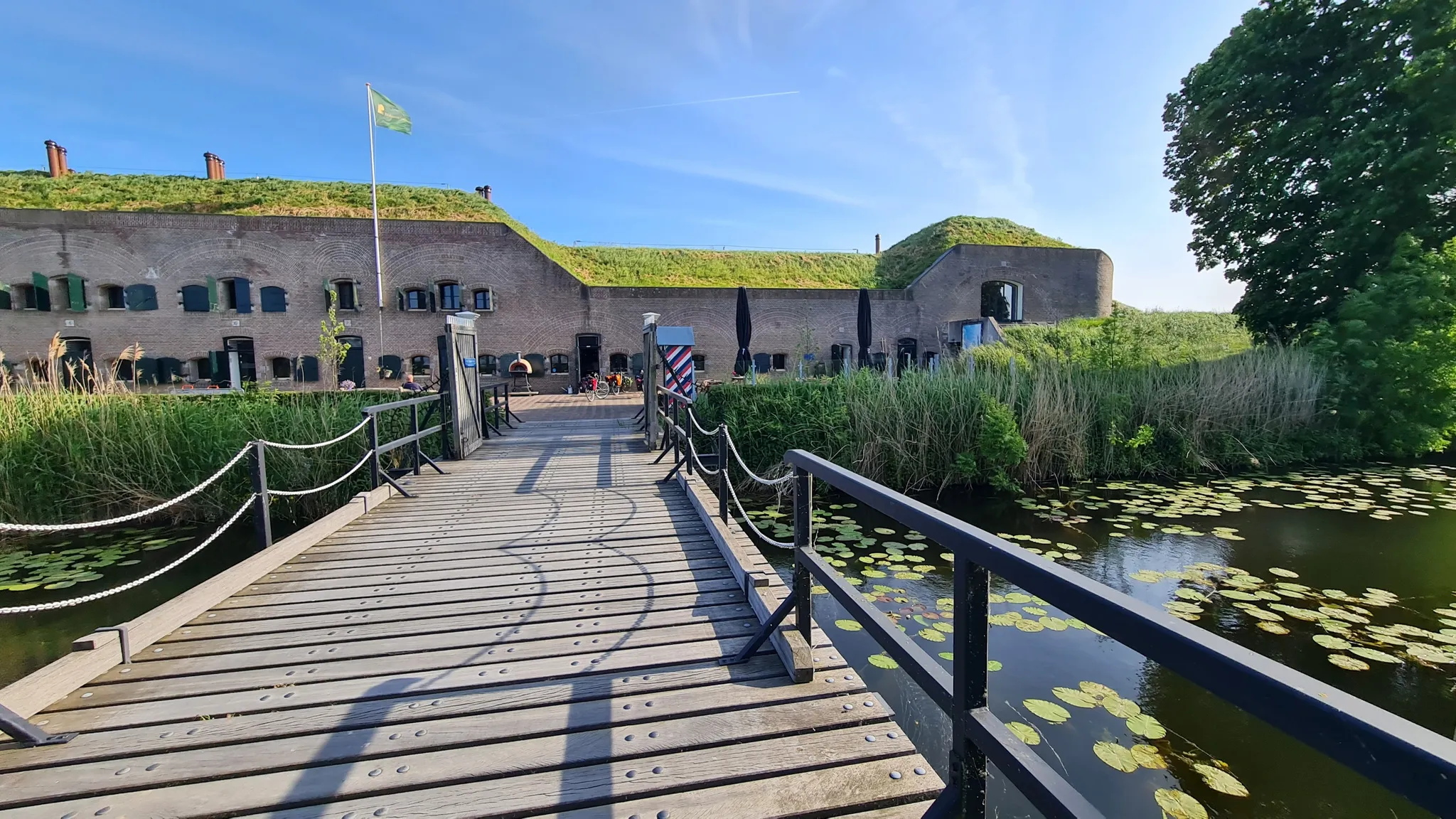
De Waterlinieroute – 8 days along forts and fortified cities
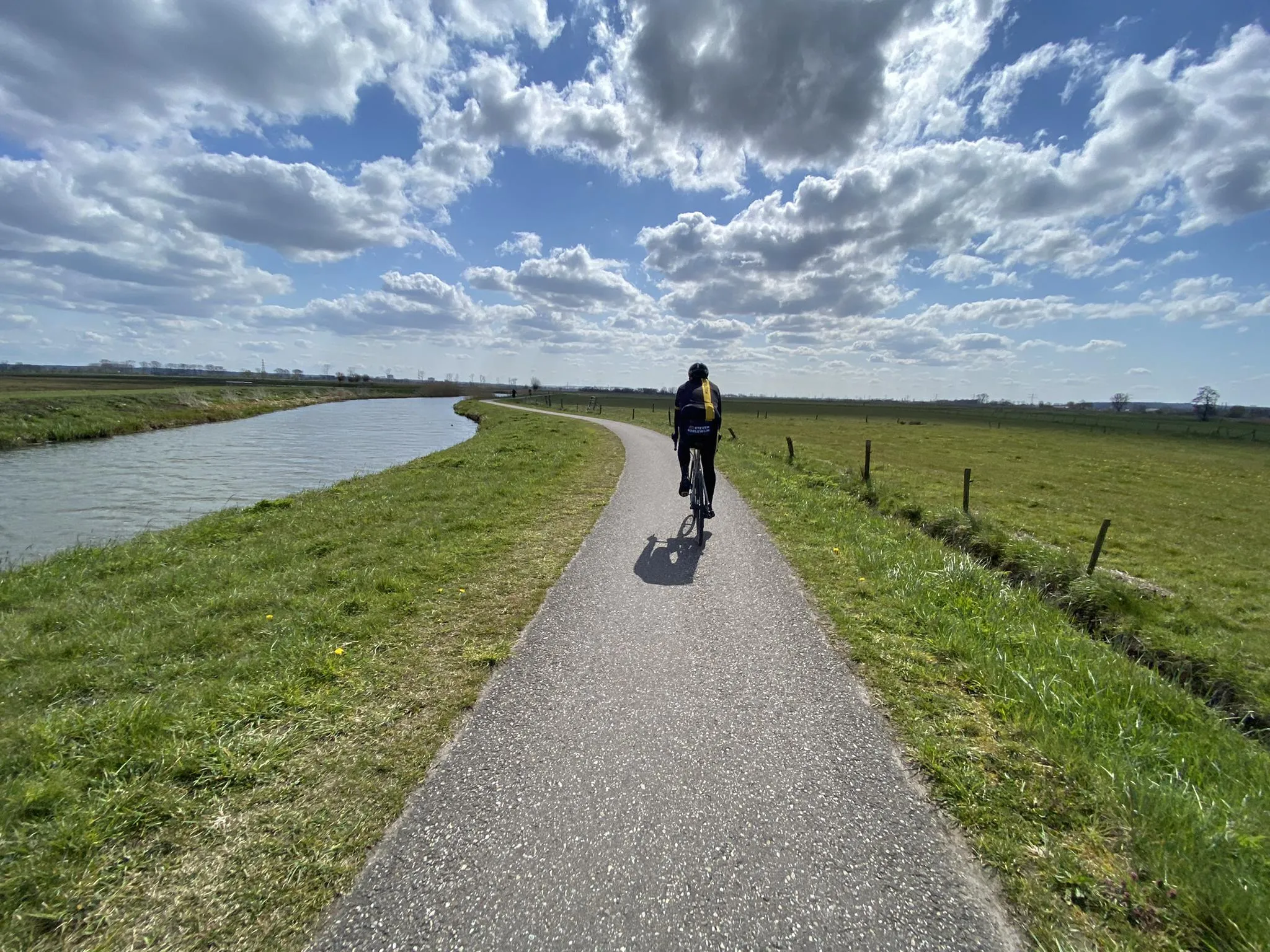
Tour of Utrecht - Cycling along the provincial borders
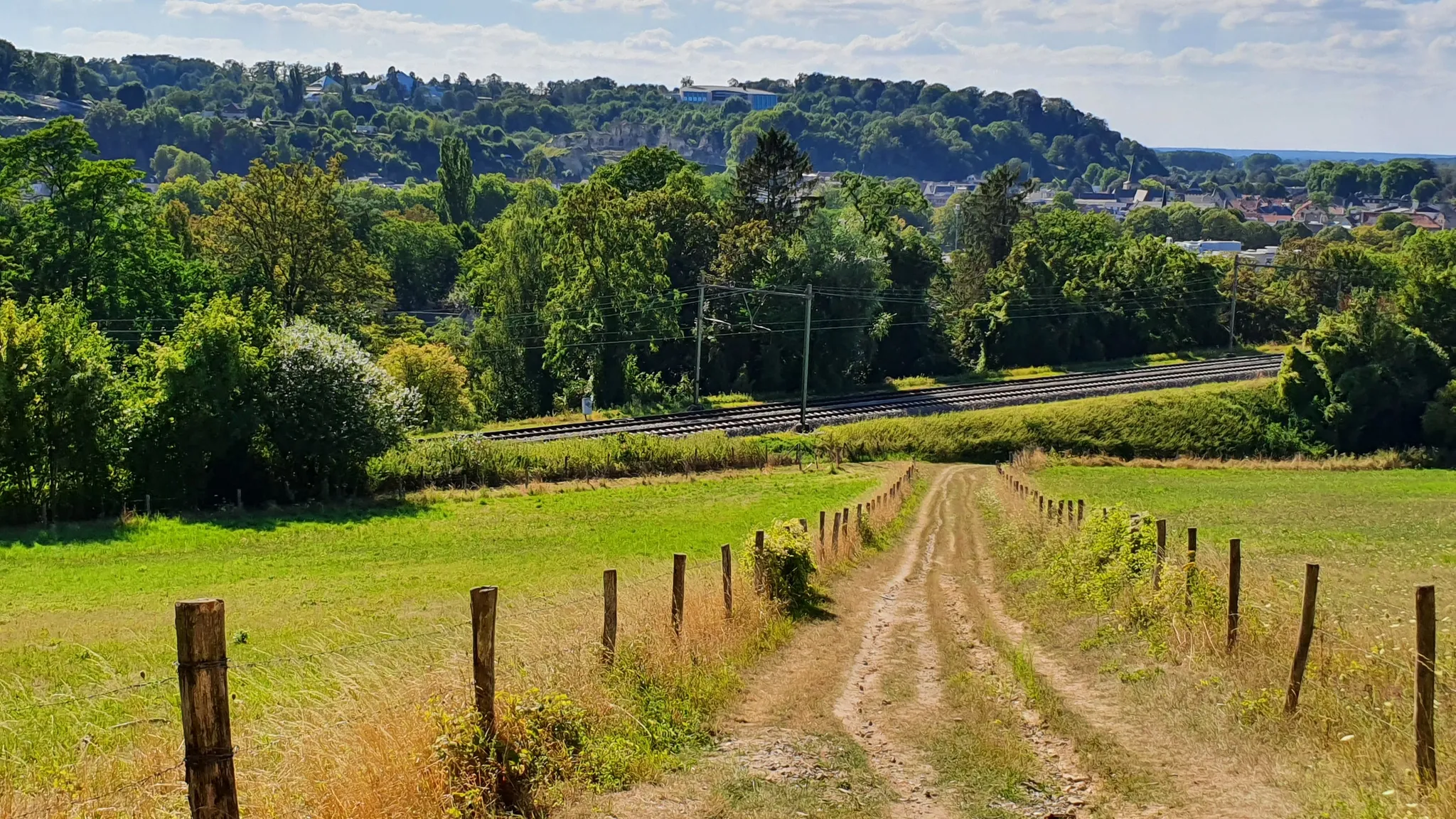
Railrunner Routes - 15 hikes from station to station
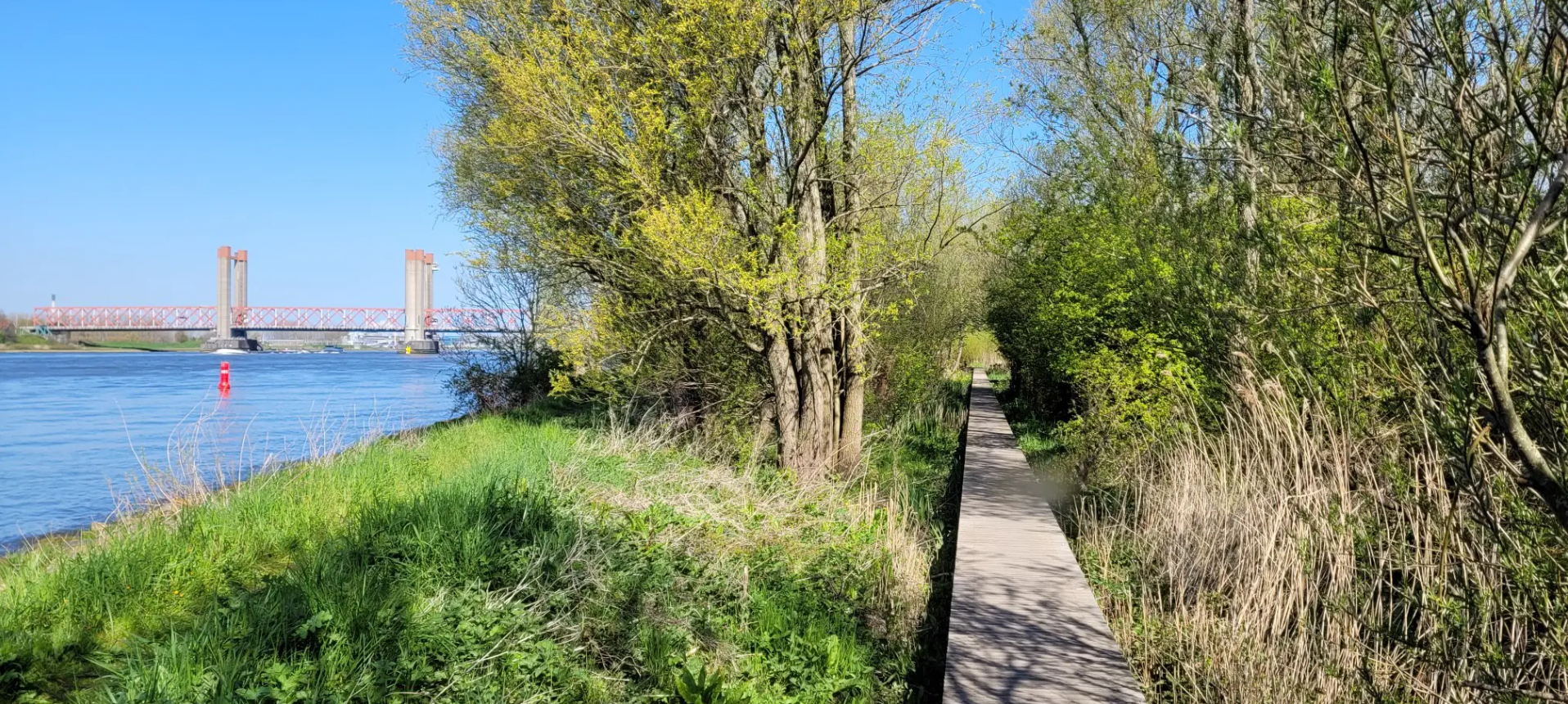
Follow the Dutch rivers – Great Rivers Trail (LAW 6)
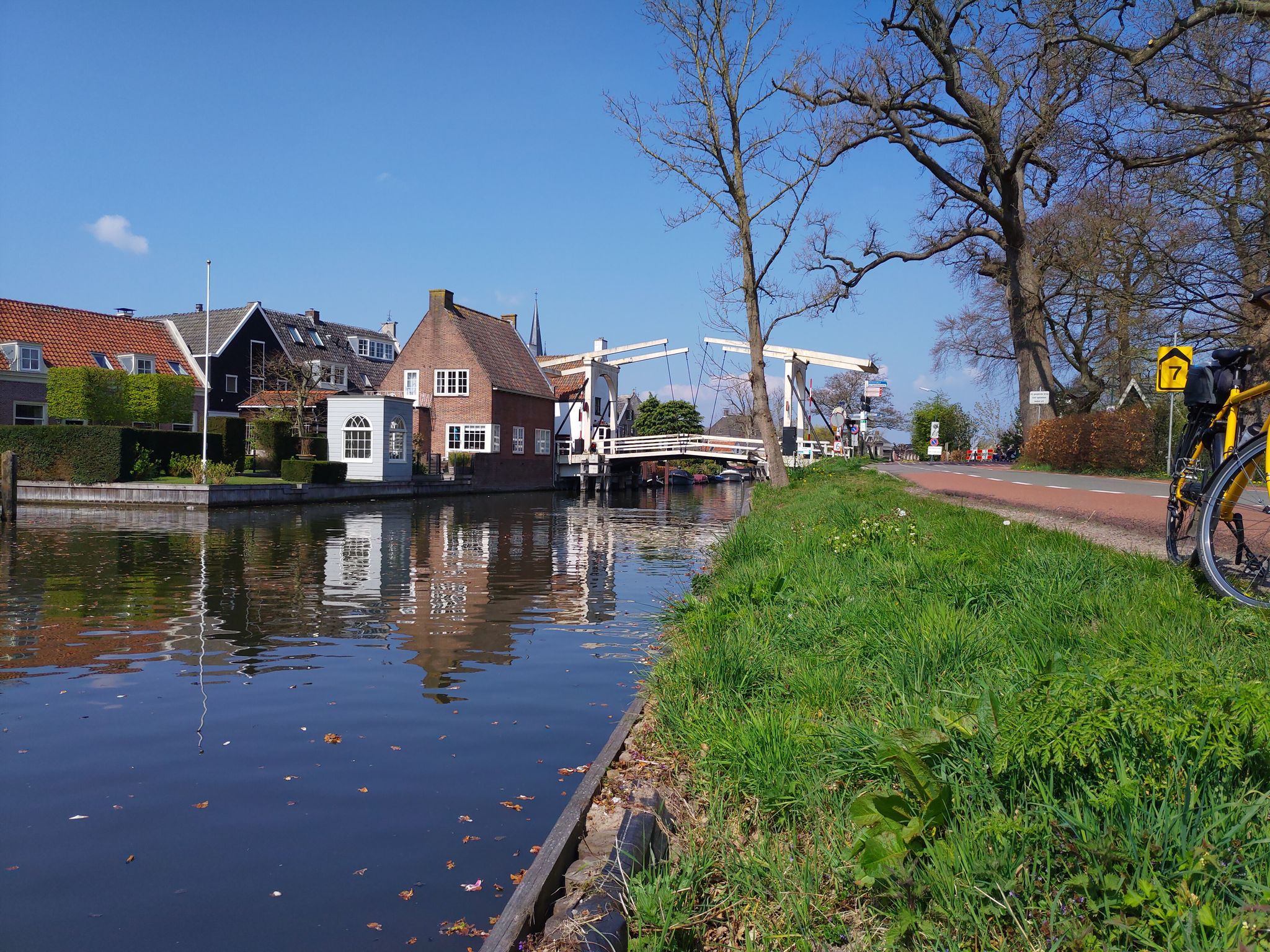
Fantastic cycling along Dutch waterways — LF7 Overland
Hiking around Leerdam
Cycling around Leerdam
Road Cycling Routes around Leerdam
Running Trails around Leerdam
MTB Trails around Leerdam
Other adventures around Leerdam


Tips from the Community

Nice fort with no less than four floors that visitors can access. Admission is free and there is a great catering service. Note the opening hours!
0
0

Be sure to take a look inside if you have the opportunity.
1
0


Loevestein Castle is located in a unique place, where the Maas and the Waal meet. It is situated in the Fortress Triangle, between the historic cities of Gorinchem, Woudrichem and Zaltbommel and forms a hub of culture and nature. Loevestein is located on the border of three provinces - Gelderland, Noord-Brabant and Zuid-Holland - and is part of the municipality of Zaltbommel. A special region where a lot of culture, fortifications and centuries-old stories can be found. Want to know more? Click through to https://www.slotloevestein.nl/
7
0


This tower fort, part of the New Dutch Waterline, located along the dike of the River Linge, provided protection for 219 men and 14 artillery pieces. After complete restoration in 2012, the fort functions as a cultural location, with the Genieloods converted into a catering facility.
1
0

Beautiful area with many birds. Currently very wet and parts of the walking path are closed. Strolling along the Maas is fun, but now it is swampy.
2
0

Frequently Asked Questions
What kind of historical sites can I explore around Leerdam besides traditional castles?
Beyond traditional castles, the Leerdam area is rich in historical forts that were part of the New Dutch Waterline. You can visit sites like Fort Asperen, known for its unique glass dome, Fort Vuren, which has been restored and offers catering, and Fort Honswijk, the oldest and largest tower fortress of the Waterline. These sites offer insights into Dutch military history and often feature cultural activities.
Are there any family-friendly castles or historical sites in the Leerdam area?
Yes, several sites are suitable for families. Loevenstein Castle is a popular choice, offering exploration of its towers and ramparts. Fort Asperen and Fort Vuren are also listed as family-friendly, with Fort Honswijk even offering a fun and educational treasure hunt for children.
What outdoor activities can I do near these castles and forts?
The region around Leerdam is ideal for outdoor activities, especially cycling and hiking. You can find numerous routes that pass by these historical sites. For cycling, explore options like the Lingeroute or routes that connect forts such as Fort Everdingen and Fort Vuren. For hiking, trails like the Railrunnerroutes offer scenic paths. You can find detailed routes and guides for cycling, road cycling, and hiking around Leerdam.
What is the historical significance of Leerdam Castle, even though it no longer stands?
Leerdam Castle, or Kasteel van Leerdam, was a strategically important town castle built around the 11th or 12th century at the confluence of the Linge and Leede rivers. It was owned by the Lords of Arkel and later inherited by William of Orange. Although destroyed in 1574 during the 80 Years' War and never rebuilt, its site is historically significant. The 'Hofje van Aerden' now stands on its foundations, and archaeological findings from the 1970s revealed wall fragments from the original structure, offering tangible links to Leerdam's fortified past.
Are there any castles or forts that offer unique experiences like overnight stays or special facilities?
Yes, Fort Vuren, part of the New Dutch Waterline, was completely restored and now offers catering facilities and even overnight stays, making for a unique historical experience. Fort Asperen also has catering facilities and hosts cultural activities and exhibitions.
What makes Loevenstein Castle a must-see attraction?
Loevenstein Castle is a well-preserved medieval castle renowned for its strategic location where the Maas and Waal rivers meet. It played a significant role in Dutch history, including the imprisonment and escape of Hugo Grotius, and is part of the UNESCO World Heritage List. Visitors can explore its towers, ramparts, and learn about its storied past, often combined with walks in the surrounding Munnikenland nature area.
Can I combine a visit to a castle with a nature experience?
Absolutely. Munnikenland and Loevestein Castle is a prime example, offering beautiful walking opportunities in the Munnikenland nature area with the castle as a highlight. This area allows you to roam freely, even between horses and cattle, providing an excellent combination of history and nature.
What is the best time of year to visit the castles and forts around Leerdam?
While specific opening hours vary, the spring and summer months generally offer the most pleasant weather for exploring the outdoor grounds and surrounding nature. Many sites also host cultural events and exhibitions during these seasons. However, some forts, like Fort Honswijk, have grounds permanently open from sunrise to sunset, allowing for visits year-round.
Are there any castles or forts that are particularly significant for their architecture or unique features?
Fort Asperen is notable for its unique dome made of green-blue glass slates, which were blown in the glass city of Leerdam. Fort Honswijk features the oldest and largest tower fortress of the New Dutch Waterline, recognized for its special architectural beauty. These sites offer distinct architectural elements that stand out.
What do visitors enjoy most about the historical sites in the Leerdam area?
Visitors frequently appreciate the blend of historical significance with natural beauty. Many enjoy the well-preserved nature of sites like Loevenstein Castle and the opportunity to combine castle visits with cycling or walking tours in the surrounding landscapes. The unique cultural activities and the historical context provided by the New Dutch Waterline forts are also highly valued.
Can I access these historical sites by public transport?
While some sites might be accessible by public transport with a combination of train and bus, many of the castles and forts, especially those in more rural settings, are best reached by car or bicycle. It's advisable to check specific public transport routes and schedules for each individual location before planning your visit.
Are there any viewpoints near the castles or forts that offer scenic views?
Many of the castles and forts, particularly those situated along rivers or as part of the Waterline, offer excellent viewpoints. Loevenstein Castle, located at the confluence of the Maas and Waal rivers, provides scenic views of the waterways and surrounding wetlands. The ramparts and towers of these historical structures often serve as natural vantage points.
Most popular attractions around Leerdam

Get inspired with the komoot mobile app


Explore more
Looking for the best castles somewhere else? Discover other guides around Leerdam:
