The best walks and hikes around Binnenmaas
4.5
(336)
2,242
hikers
174
hikes
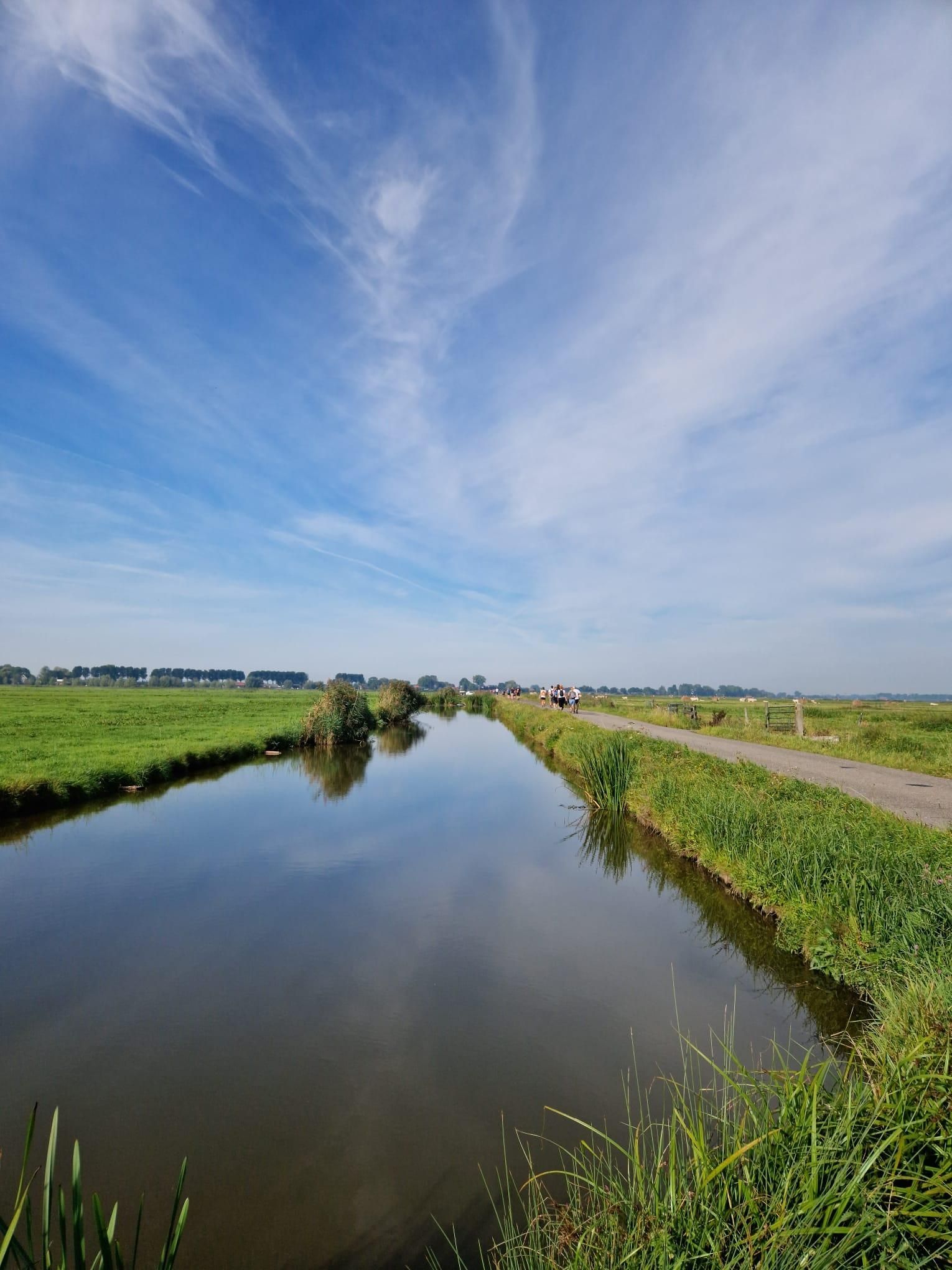
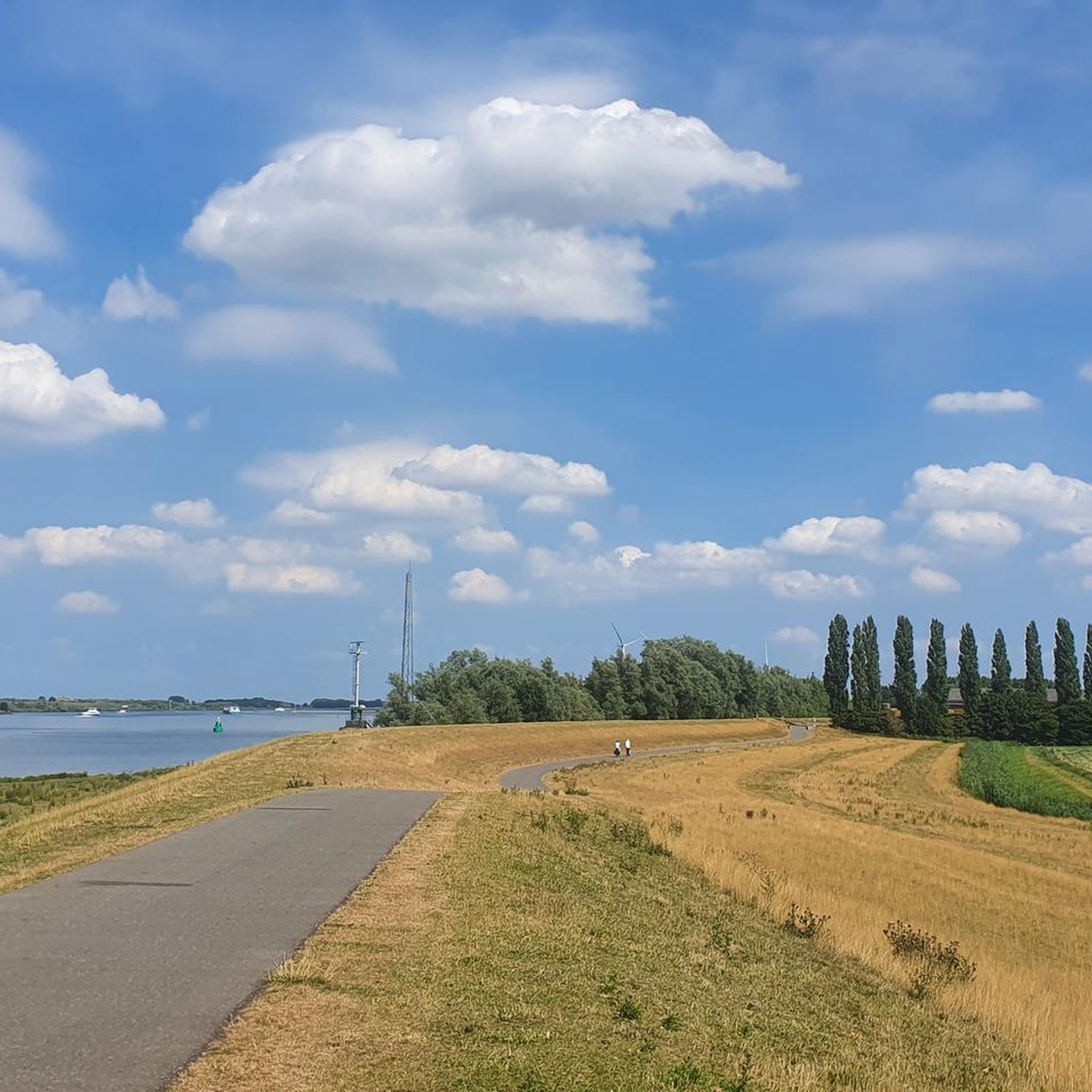
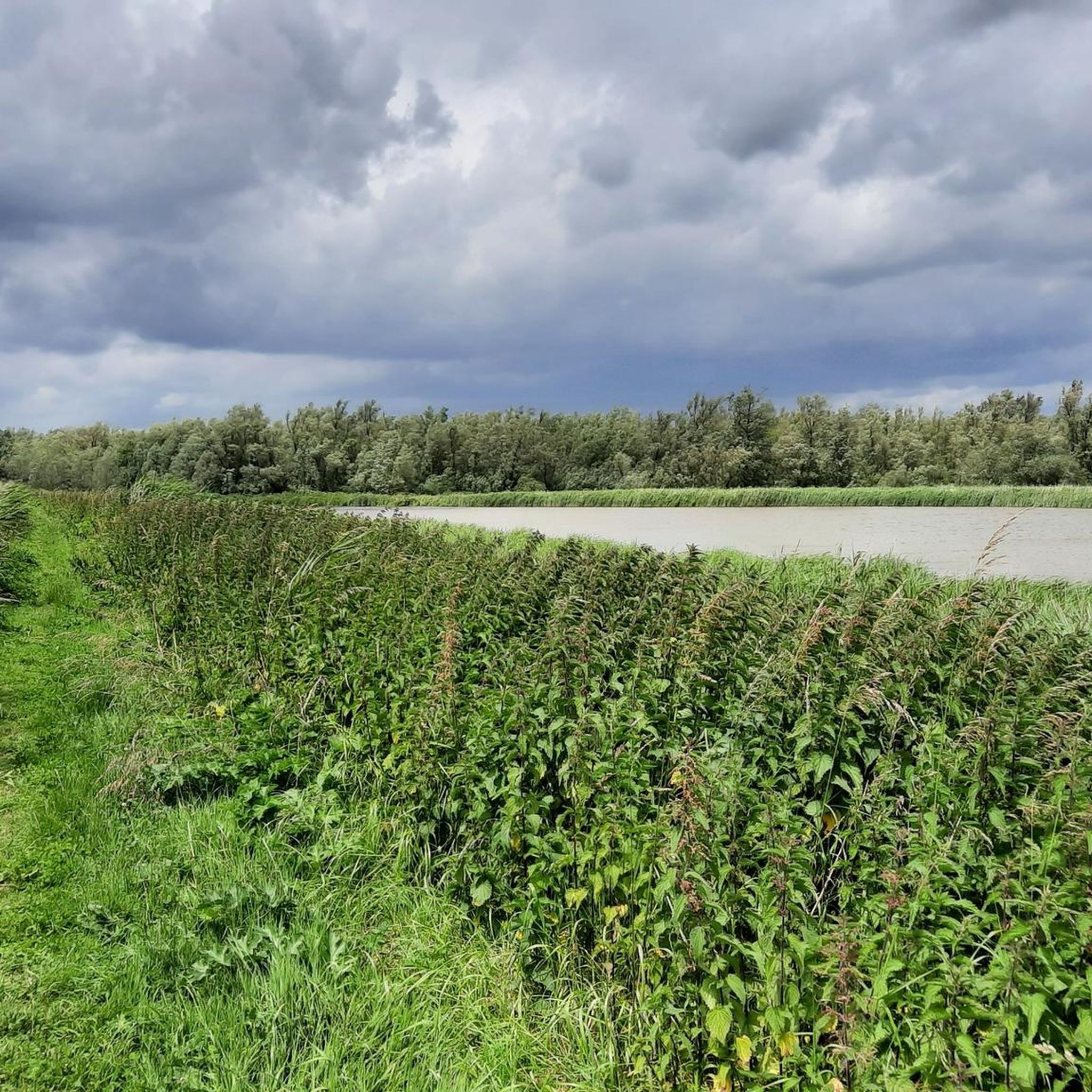
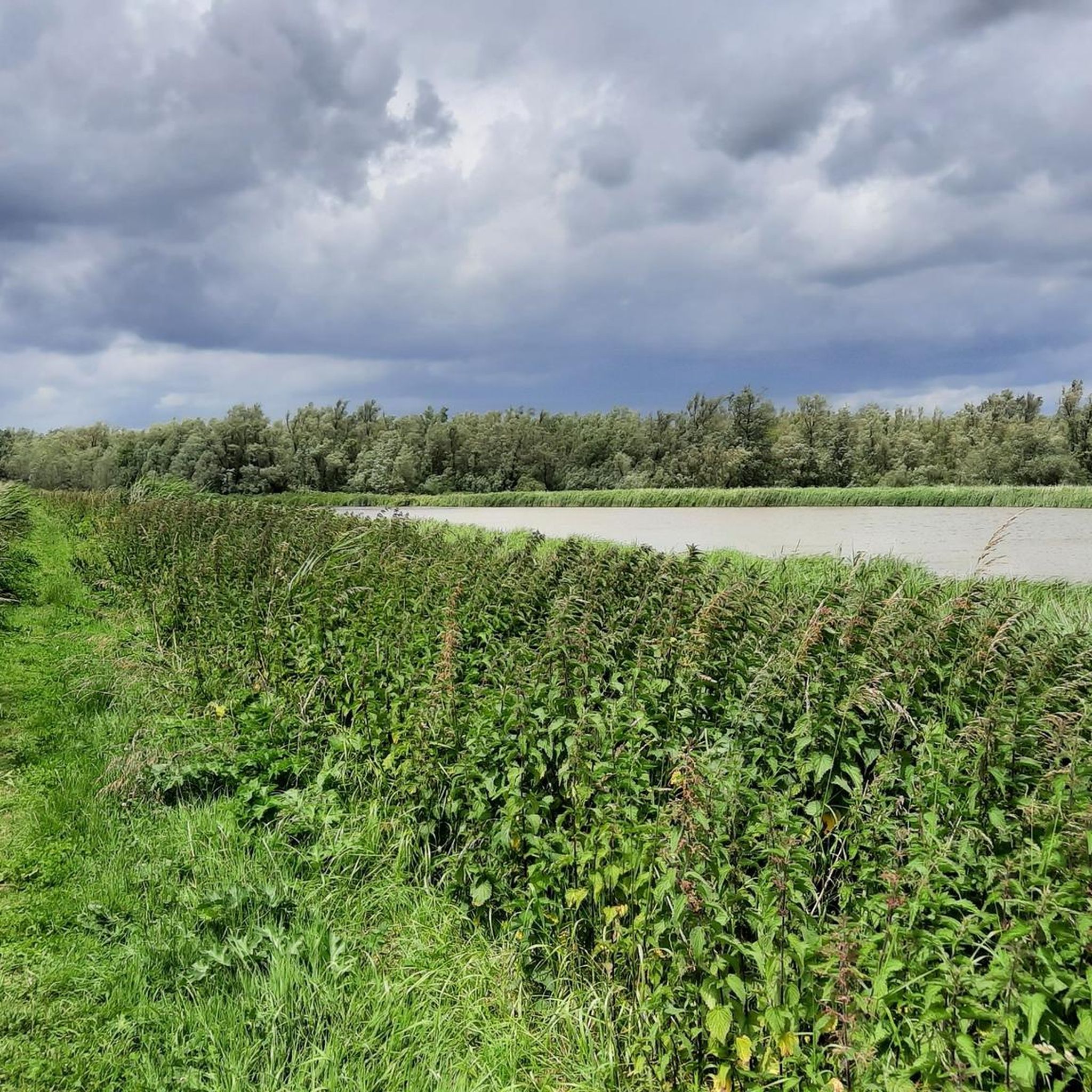
Hiking around Binnenmaas offers diverse landscapes within the Hoeksche Waard region, characterized by its prominent lake, waterways, and polder terrain. The area features generally flat paths, with some slight elevation changes, traversing wetlands, woodlands, and open countryside. Hikers can expect scenic views of the Binnenmaas lake and the Oude Maas, alongside lush greenery.
Best hiking trails around Binnenmaas
- The most popular hiking route is De Hoop Corn Mill Maasdam – View of the Binnenmaas loop from Zwanegat, a 5.4…
Last updated: June 25, 2026
4.1
(18)
98
hikers
Moderate hike. Good fitness required. Easily-accessible paths. Suitable for all skill levels.
4.5
(14)
98
hikers
Easy hike. Great for any fitness level. Easily-accessible paths. Suitable for all skill levels.

Sign up for free
4.3
(31)
195
hikers
Moderate hike. Good fitness required. Easily-accessible paths. Suitable for all skill levels.
4.6
(9)
30
hikers
Hard hike. Very good fitness required. Easily-accessible paths. Suitable for all skill levels.
4.9
(10)
29
hikers
13.9km
03:31
20m
20m
Moderate hike. Good fitness required. Easily-accessible paths. Suitable for all skill levels.
Get access to more routes and recommendations from other explorers.
Sign up for free
Already have an account?
Our route recommendations are based on thousands of hikes, rides, and runs completed by other people on komoot.
Start today with a free account
Your next adventure awaits.
Login or Signup
Other adventures around Binnenmaas

Tips from the Community

It is very likely that a polder mill stood here before 1637. Over the centuries, the mill has been replaced several times, but it has always been indispensable for regulating the water level of the Sint Anthoniepolder.
2
0
Stroll along the rippling water with the crunching of shells under your feet. Even if you are only out for a day, you will get a holiday feeling! Enjoy the meadows with cows, the swans on the water and the fields full of flowers.
2
0

The year of construction of the Windlust corn mill in Westmaas is stated above the entrance door on the north side of the mill as 1853. The first miller was Pieter de Koning. In 1857, Willem Cornelis Heijkoop and his wife Dirkje van der Jagt became the owners. Source: https://www.molendatabase.nl/molens/ten-bruggencate-nr-01986
0
0
Westmaas was founded around 1440 by the Carthusian monks. It owes its existence to the efforts of the Carthusian monastery Nieuwlicht near Utrecht. In 1458, a parish church was founded that led a fairly autonomous existence. But it too was confronted with the consequences of the Reformation. Because before the Reformation, it was the monks who had control over their church and (parish) foundation, after the Reformation it was the bailiff and aldermen of Westmaas who were closely involved in everything that had to do with the church. The bailiff and aldermen fulfilled the task of supervising the church council and ultimately decided on an appeal to a minister issued by the church council. When the Reformation was also a fact in Westmaas, the church building also came into Protestant hands. In 1650, the then small building was replaced by the church on the Breestraat that still exists today. The church then became the property of the Reformed Church, which was part of the Dutch Reformed Church, which became the official Church of the Netherlands during the Eighty Years' War. After the French occupation, the name was changed to the Dutch Reformed Church, and with the church association on 1 May 2004, the Dutch Reformed Church merged with the Reformed Churches in the Netherlands and the Evangelical Lutheran Church into the Protestant Church in the Netherlands (PKN). The church of Westmaas was truly a village church, i.e. a house of prayer for all villagers. As a result of the Secession that took place in Westmaas in 1839, this remained the Reformed Church next to a Reformed Church on the Nieuwstraat that was demolished in 2012. In 1999, a federal collaboration between the Reformed and the Reformed was established, which was converted into a merger a few years later. As a result, the church became the Village Church again. In 1965 the church tower, owned by the civil municipality of Binnenmaas, was restored and in May 1966 the restoration of the church was started, which lasted until December 1967. On 21 December 1967 the church building was put back into use. Source: https://www.vriendendorpskerkwestmaas.nl/?page_id=20
1
0

A beautiful viewpoint over the wide river Oude Maas, where you can watch ships and pleasure boats glide by. Surrounded by green floodplains and with a wide view, this is an ideal place to take a break and enjoy the dynamic river landscape.
1
0

In the flat, watery landscape of the Netherlands stands a type of mill that has played a crucial role in the survival and prosperity of the country throughout the centuries: the polder mill. These special mills are a testament to the age-old battle against the water, a battle that has shaped the character and technical ingenuity of the Dutch people. In a country where much of the land lies below sea level, the conclusion to develop an efficient water management system quickly emerged. The polder mills were born from this solution, a brilliant invention that makes it possible to pump water from the lower polders and move it to higher rivers and canals. The architecture of these polder mills is a fascinating spectacle, each carefully designed to efficiently catch the wind and move the water with minimal effort. The beauty and technical precision with which these mills were built attracted many admirers and tourists every year. The graceful silhouettes against the open Dutch skies tell stories of a time when the rhythm of the mill sails determined the rhythm of life. The polder mills are not only functional wonders but also timeless monuments of Dutch heritage. They testify to the ingenuity and determination of a people who essentially surrendered to the elements. Instead, they transformed the watery landscapes into fertile polders, which formed the foundation for the well-being community that the Netherlands is today. Today, the polder mills stand as a reminder of the historical importance and technical ingenuity of Dutch water management. Visitors who stroll along the tranquil waterways, with the mills rising gracefully above the horizon, are treated to a vivid image of the past. One that honors the timeless dialogue between land, water, and people in the Netherlands. The polder mills are an essential chapter in the story of the Netherlands, a story of surviving, adapting, and ultimately, thriving in harmony with nature.
4
0
In the picturesque village of Maasdam, located in the municipality of Hoeksche Waard in South Holland, there is a beautiful piece of history in the form of Molen de Hoop. This historic windmill has towered over the landscape since 1830, a silent witness to the changing times. Like a ground sailor, Molen de Hoop offers a fascinating spectacle, where the blades almost touch the ground and can be controlled from the earth. The mill originally had the noble task of grinding grain, an essential service at a time when mills were the beating heart of local agricultural businesses. Over the years, Molen de Hoop has undergone several restorations to maintain its structural integrity and working condition. Each restoration was a loving ode to the historic mill culture of the Netherlands, a culture that has deep roots in the identity of the region. Visitors lucky enough to visit this enchanting location will be treated to a journey back in time. They can explore the mill and possibly meet the miller who will talk passionately about the techniques and traditions associated with the mill. The serene tranquility of the village of Maasdam, combined with the majestic turning blades of Molen de Hoop, an enchanting tableau that evokes a deep appreciation for the simple, but vital traditions of yesteryear. The story of Molen de Hoop is not only a story of a functional agricultural heirloom, but also an ode to the timeless tradition and craftsmanship that is the essence of Dutch mill culture. Every turn of the blades, every grain of grain that is milled, tells the story of a community deeply connected to its land and its history.
4
0

Frequently Asked Questions
How many hiking trails are available in Binnenmaas?
Binnenmaas offers a wide selection of hiking trails, with over 140 routes available. These range from easy strolls to more moderate and challenging options, ensuring there's something for every hiker.
What kind of terrain can I expect on hikes around Binnenmaas?
The terrain around Binnenmaas is generally flat, characteristic of the Dutch polder landscape. However, you'll find diverse scenery including wetlands, woodlands, and open countryside, with some routes offering slight elevation changes. Expect lush greenery and scenic waterside paths along the Binnenmaas lake and the Oude Maas.
Are there options for easy or beginner-friendly hikes in Binnenmaas?
Yes, Binnenmaas is very welcoming for easy and beginner-friendly hikes. Out of the over 140 routes, 85 are classified as easy. An example is the View of the Binnenmaas Lake – Village Church Westmaas loop from Westmaas, an easy 3.5-mile (5.7 km) path offering scenic views.
Are there any longer or more challenging routes in Binnenmaas?
While generally flat, Binnenmaas does offer longer and more moderate routes. There are 50 moderate trails and 6 difficult trails. For a moderate option, consider the De Hoop Corn Mill Maasdam – View of the Binnenmaas loop from Puttershoek, which is over 8 miles (13 km) long.
What can I see along the hiking trails in Binnenmaas?
Hiking trails in Binnenmaas offer a blend of natural beauty and historical landmarks. You can enjoy scenic views of the Binnenmaas lake and the Oude Maas, explore wetlands and woodlands, and encounter historic windmills like the De Hoop Corn Mill in Maasdam and the Windlust Windmill in Westmaas. Some routes also pass by charming village churches. For natural attractions, consider visiting the Oeverlanden Hollands Diep Nature Reserve or the Crezéepolder Nature Reserve.
Are there any viewpoints or natural features to look out for?
Yes, the region is rich in natural features and offers several viewpoints. The Binnenmaas lake itself provides many scenic vistas. You can also find an Observation tower in the Crezéepolder, which offers elevated views of the landscape. The Park van Zocher is another beautiful natural spot to explore.
Is Binnenmaas suitable for family-friendly hikes?
Absolutely. The generally flat and accessible paths make Binnenmaas an excellent choice for family-friendly hikes. Many of the easy routes are perfect for all ages. The Recreatieoord Binnenmaas, for example, features nearly four kilometers of accessible walking paths ideal for families.
Can I bring my dog on the hiking trails in Binnenmaas?
Many trails in Binnenmaas are dog-friendly, allowing you to enjoy the beautiful scenery with your canine companion. It's always advisable to keep dogs on a leash, especially in nature reserves or areas with livestock, and to check local signage for any specific restrictions.
What is the best time of year to go hiking in Binnenmaas?
Binnenmaas offers pleasant hiking experiences throughout much of the year. Spring and summer provide lush green landscapes and comfortable temperatures, ideal for enjoying the waterside views. Autumn brings beautiful colors to the woodlands. Even in winter, the flat terrain can be suitable for walks, though paths might be damp.
Are there cafes or places to get refreshments near the hiking trails?
Yes, the villages surrounding Binnenmaas, such as Maasdam, Westmaas, and Mijnsheerenland, offer various cafes and eateries where you can stop for refreshments before or after your hike. Many routes pass close to these charming settlements, making it convenient to find a break.
What do other hikers enjoy the most about hiking in Binnenmaas?
The area is highly rated by the komoot community, with an average score of 4.5 stars from over 270 reviews. Hikers often praise the serene lake views, the peaceful polder landscapes, and the presence of historic windmills. The diverse scenery, including wetlands and woodlands, and the well-maintained paths are also frequently highlighted.
Is public transport available to access the hiking trails in Binnenmaas?
Yes, public transport options are available to reach various starting points for hikes in Binnenmaas. Local bus services connect the surrounding villages, such as Maasdam, Westmaas, and Mijnsheerenland, which are common starting points for many routes. Checking local bus schedules is recommended for planning your trip.
Most popular attractions around Binnenmaas

Get inspired with the komoot mobile app


Explore more
Browse the best Hikes in other regions.
