Attractions and Places To See around Schouwen-Duiveland - Top 20
Best attractions and places to see around Schouwen-Duiveland, an island in the Dutch province of Zeeland, offers a blend of history, natural beauty, and coastal experiences. The region is characterized by expansive beaches, historic towns like Zierikzee, and significant natural areas such as the Kop van Schouwen Dunes. It provides diverse landscapes for outdoor activities and cultural exploration. The island is known for its connection to the sea and its engineering marvels.
Best attractions and places to see around Schouwen-Duiveland
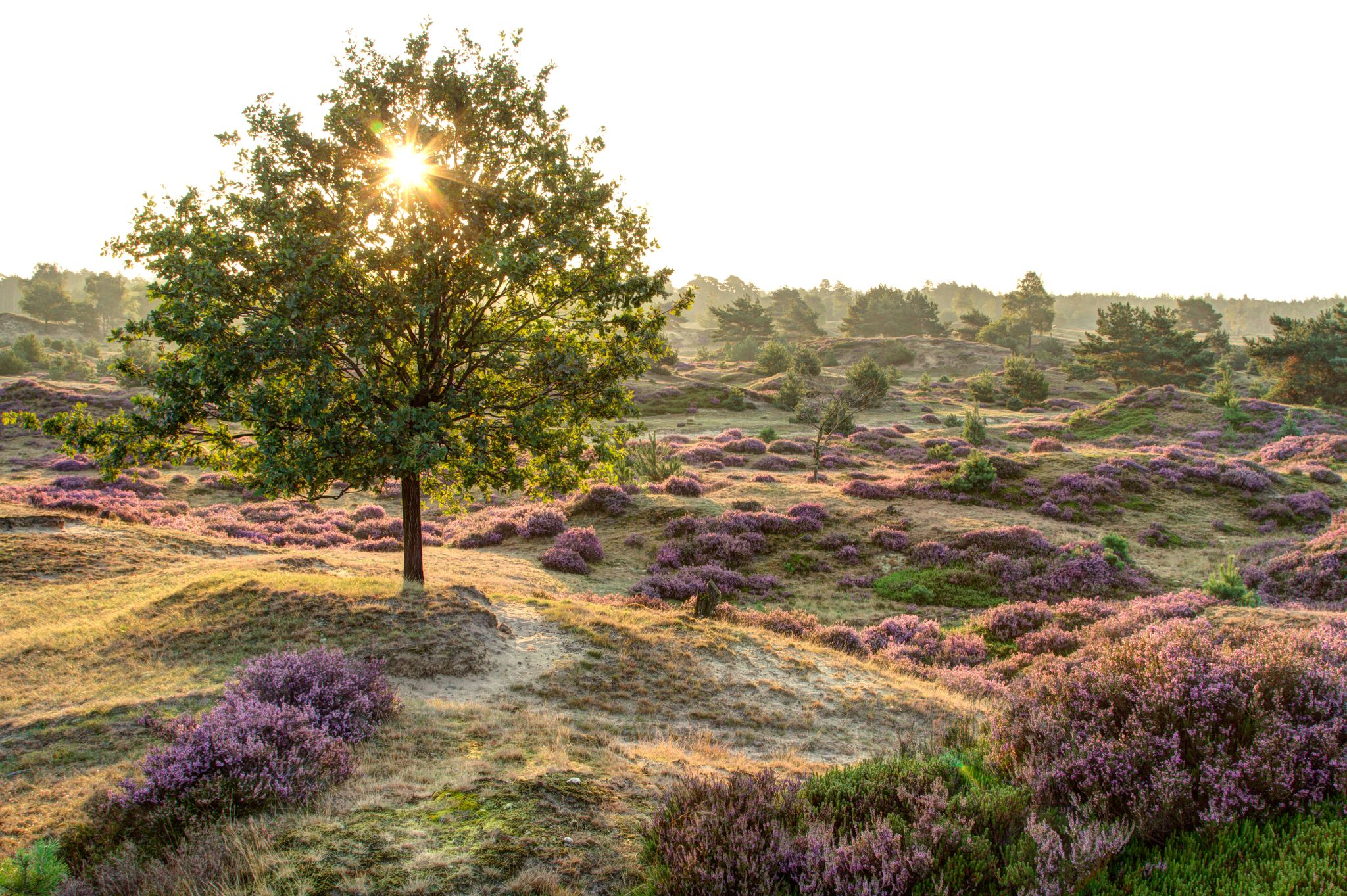
- The most popular attractions is Kop van Schouwen Dunes, a nature reserve that features sand hills, valleys, and Zeeland's largest woodland. This area is ideal for hiking and cycling, offering diverse landscapes.
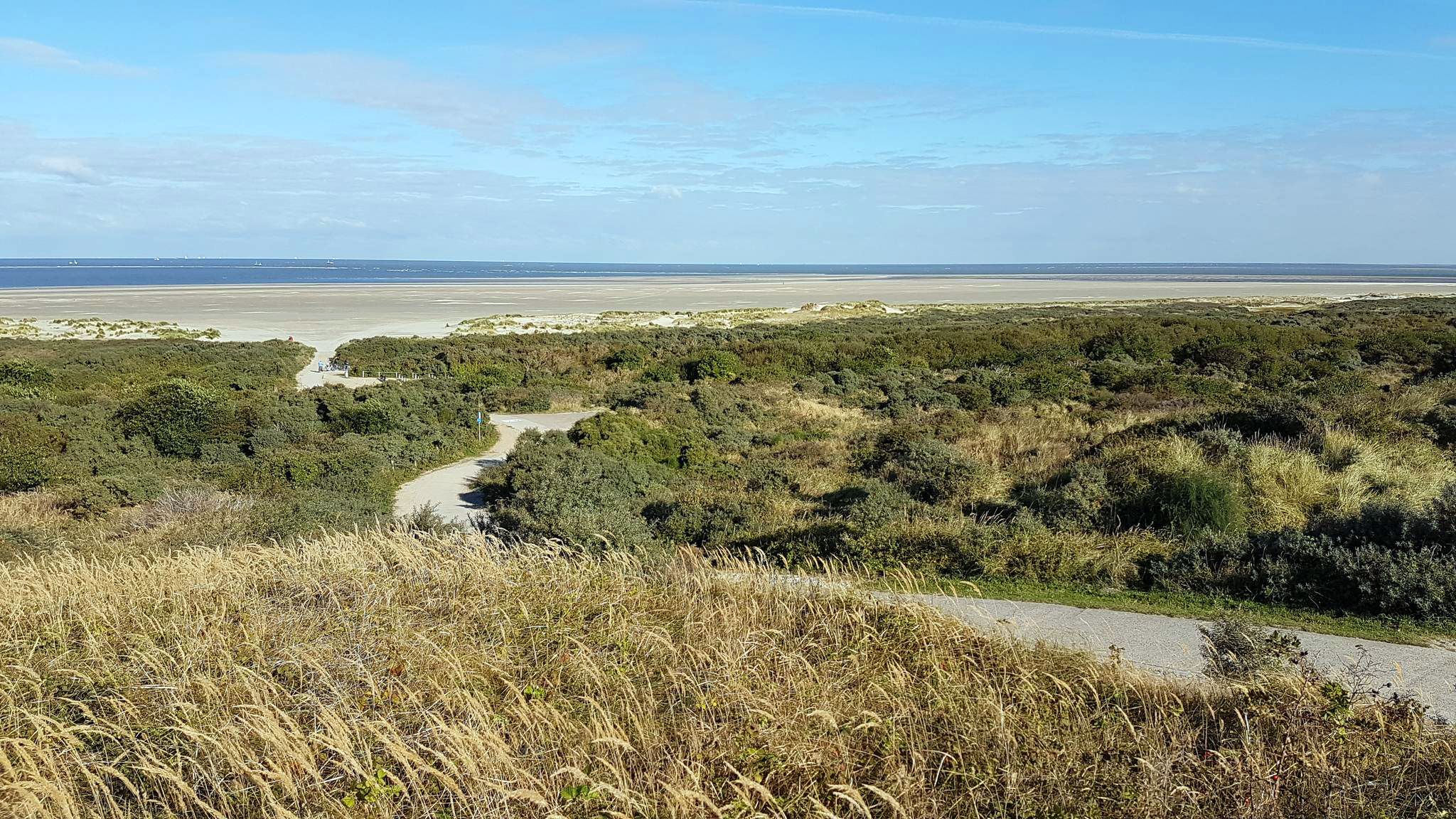
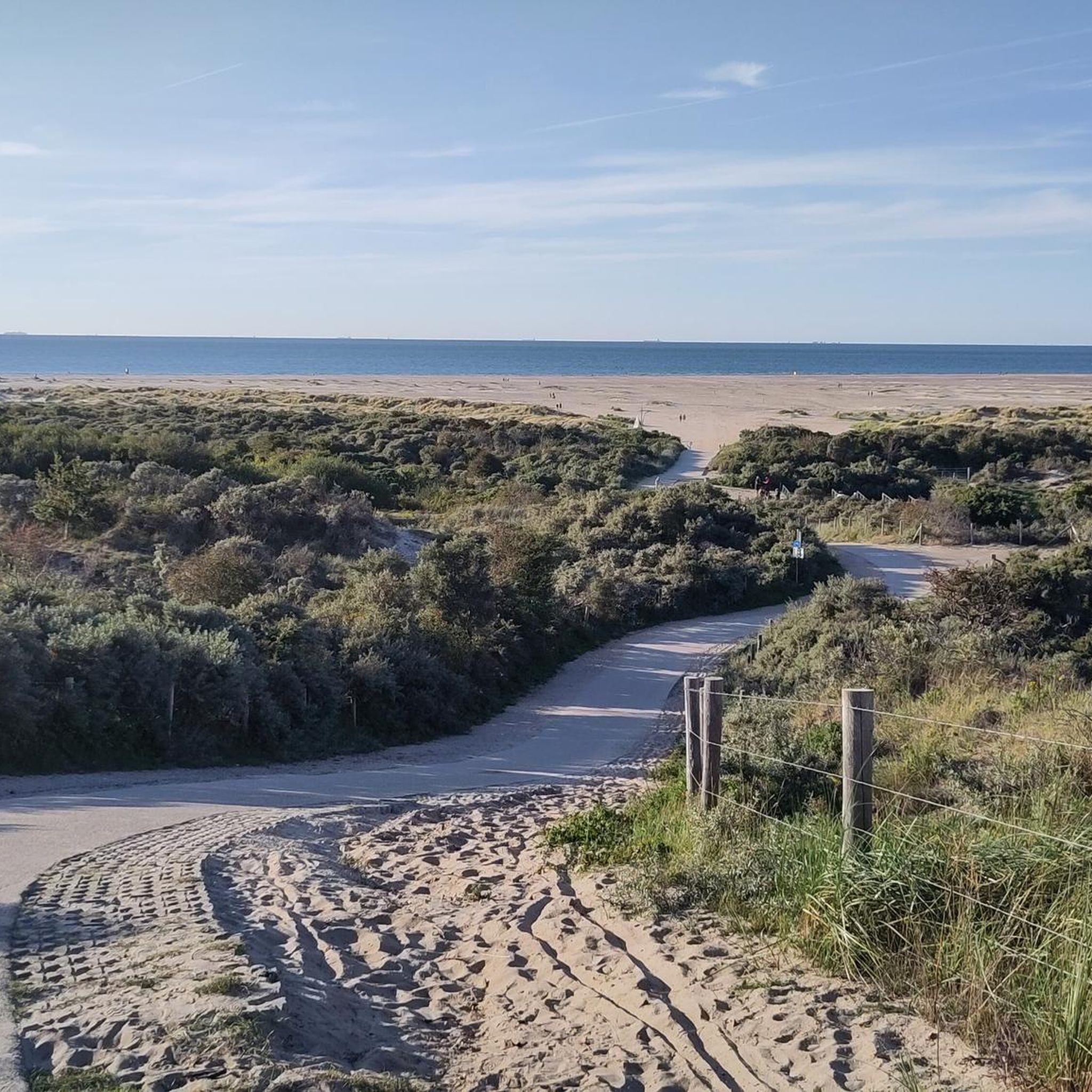
- Another must-see spot is View of the North Sea and the Veerse Meer from the Veerse Gatdam, a viewpoint offering wide vistas of the North Sea and the Veerse Meer. This location provides a car-free cycle path and is part of the Delta Works.
- Visitors also love Vroongronden Nature Reserve, an open nature area between Renesse and Burgh-Haamstede. It features dry kops dunes, dune grasslands, and wet rifts, serving as a habitat for birds, deer, and fallow deer.
- Schouwen-Duiveland is known for its extensive beaches, diverse nature reserves, and historic towns. The region offers a variety of attractions, from coastal landscapes and dune areas to cultural sites and maritime history.
- The attractions around Schouwen-Duiveland are appreciated by the komoot community, with more than 3600 upvotes and over 200 photos shared by visitors.
Last updated: July 7, 2026
View of the North Sea and the Veerse Meer from the Veerse Gatdam
Highlight • Viewpoint
Translated by Google •
Tip by

Renesse Beach
Highlight • Beach
Translated by Google •
Tip by

Sign up now to discover places like this
Get recommendations on the best single tracks, peaks, & plenty of other exciting outdoor places.
Sign up for free
Oosterschelde Storm Surge Barrier
Highlight • Monument
Translated by Google •
Tip by

Vroongronden Nature Reserve
Highlight • Natural
Translated by Google •
Tip by

Kop van Schouwen Dunes
Highlight • Natural
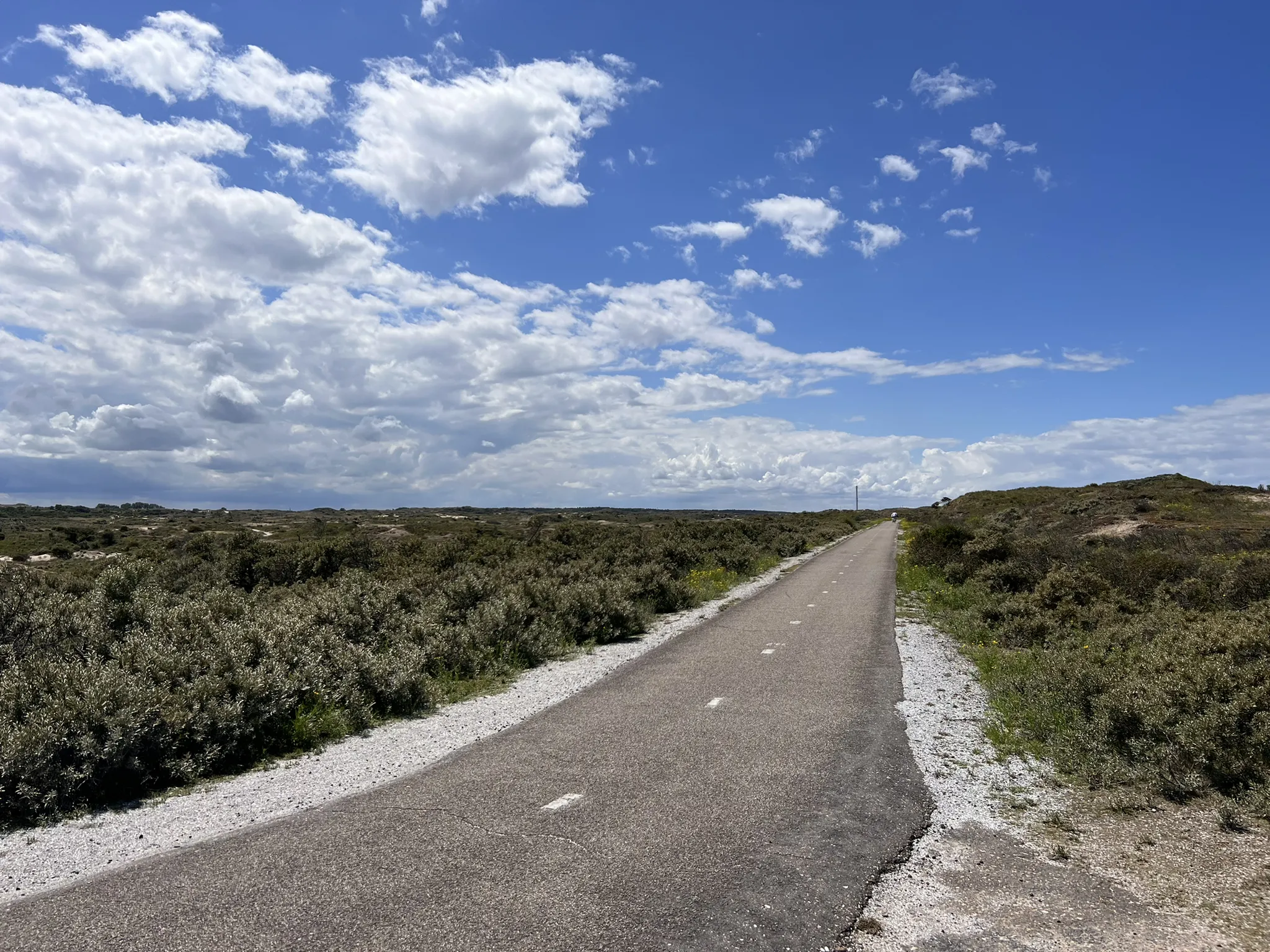
Always enjoy this cycle path.
Translated by Google •
Tip by

Sign up for free to discover even more attractions around Schouwen-Duiveland.
Sign up for free
Already have an account?
Start today with a free account
Your next adventure awaits.
Login or Signup
Popular around Schouwen-Duiveland
The North Sea Coast Cycle Route — Netherlands and Belgium
Five routes in Zeeland — the dunes, the woods and the sea
The Tour of the Netherlands – The ultimate cycling route in 21 stages
Walking through history - 8 beautiful routes along cultural heritage
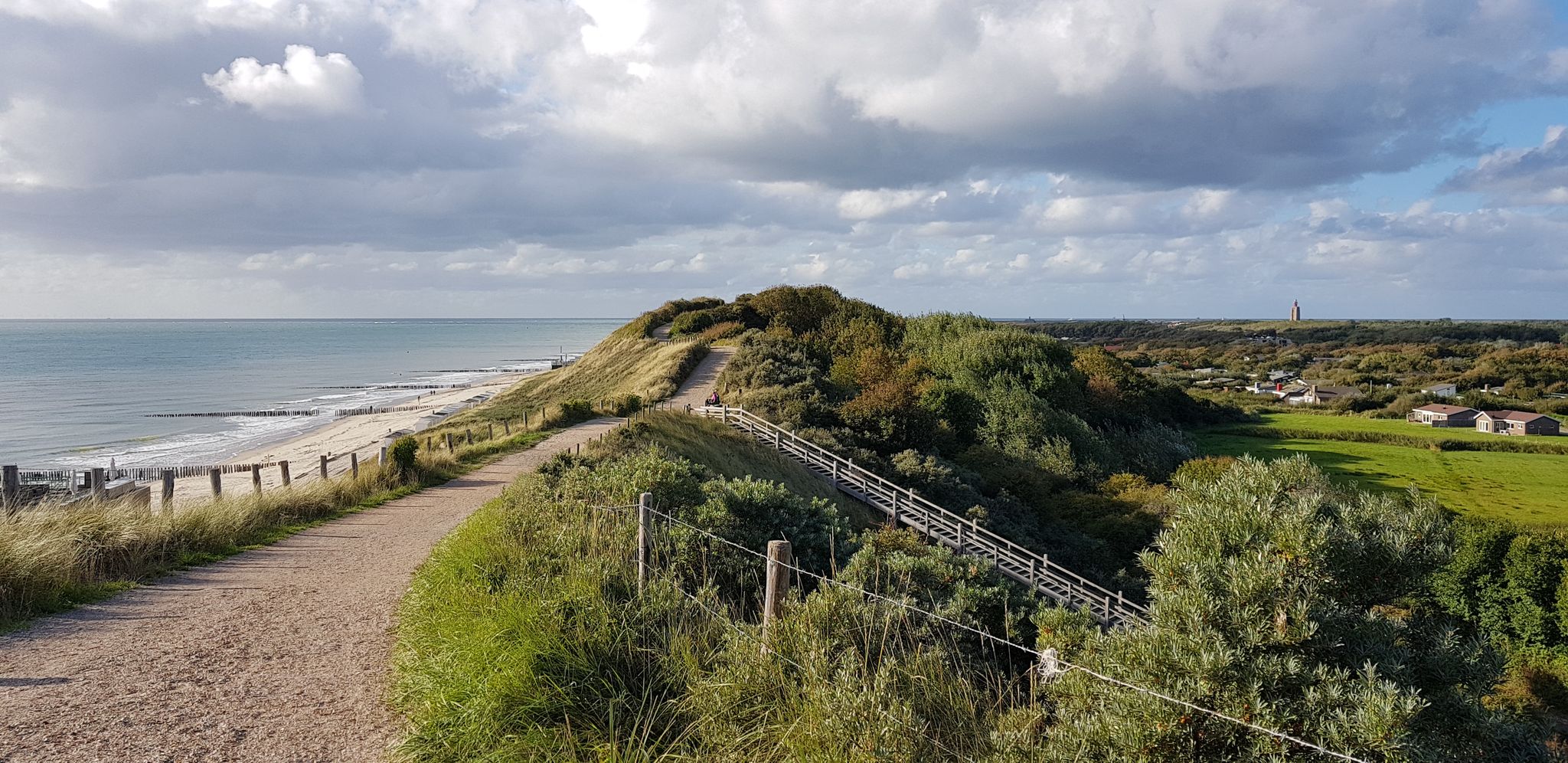
Along the Zeeland Coast — part 1: Dutch Coastal Path (formerly Deltapad)
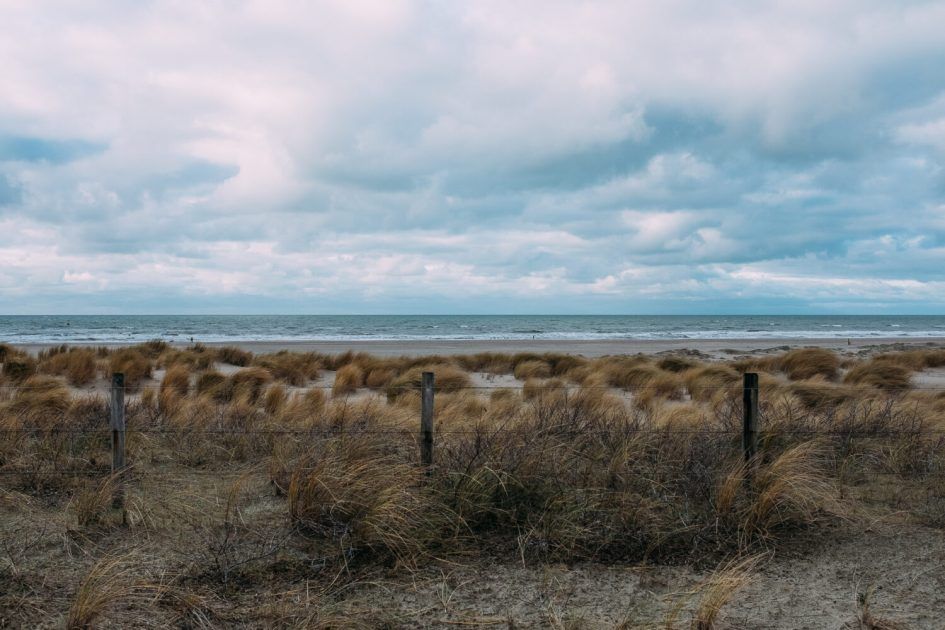
Beach, sea and dunes – LF Coastal Route in the Netherlands
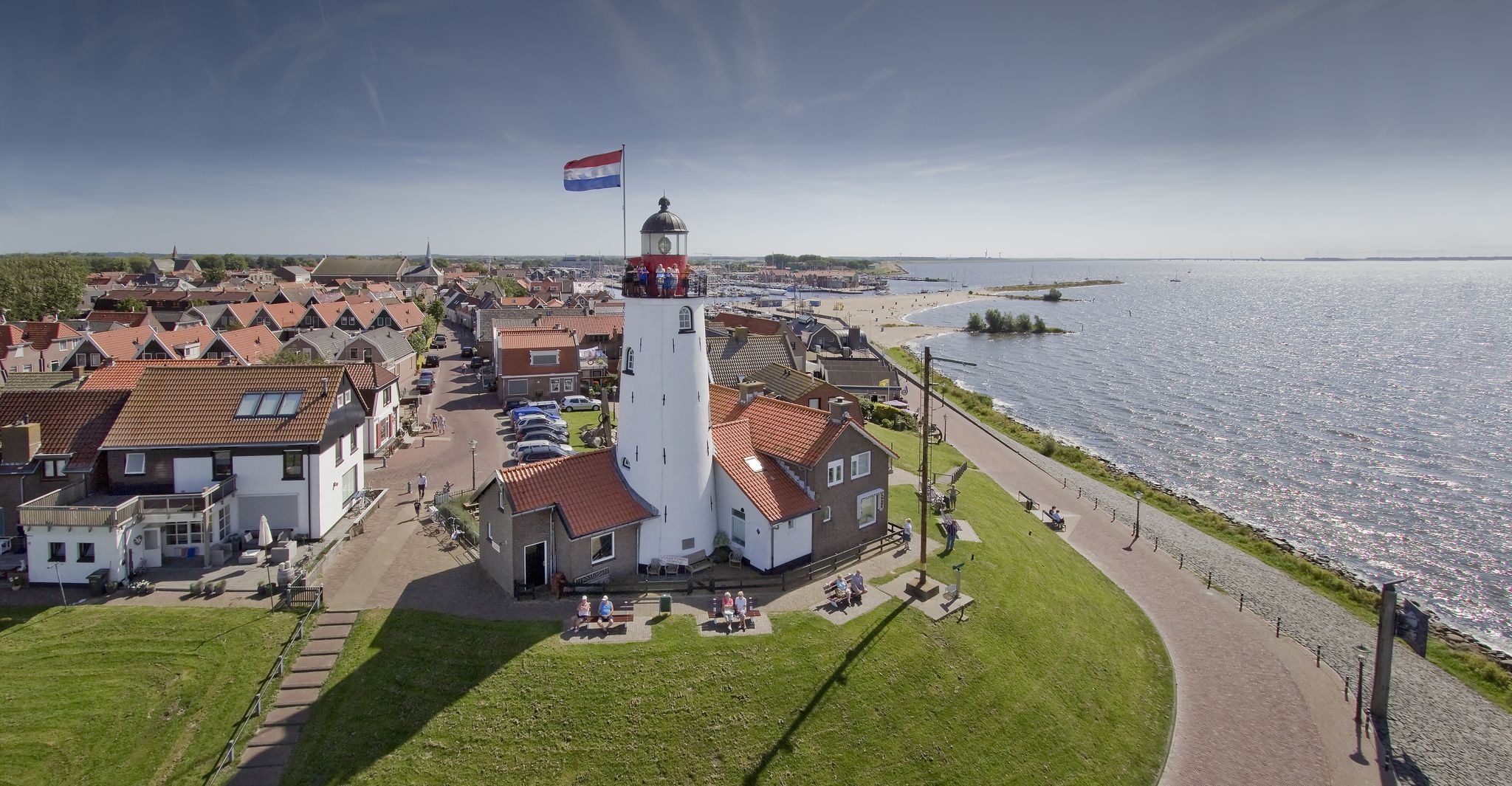
Cycling where there once was sea – water country in the Netherlands
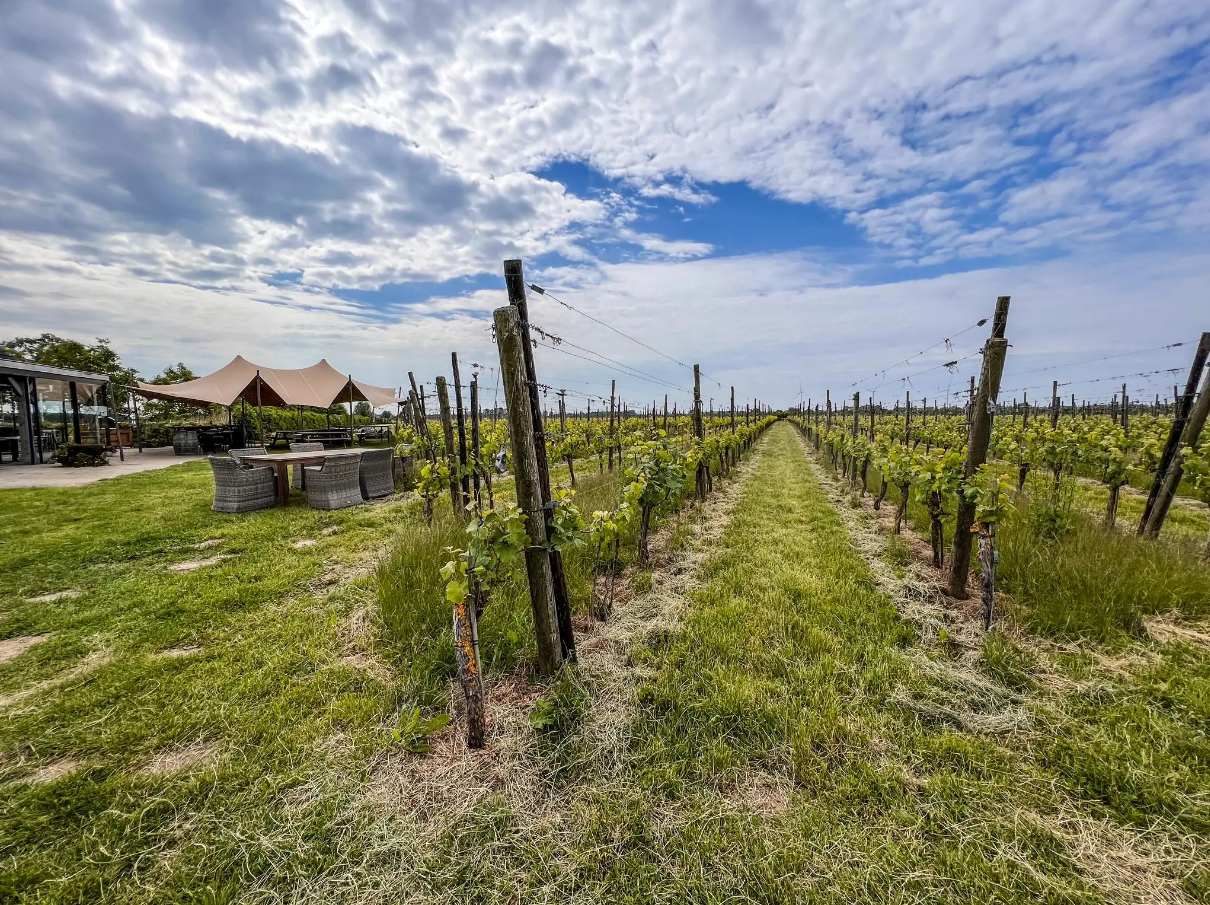
Hike and wine – walking through vineyards in the Netherlands
A complete hiking bucket list through every Dutch National Park
Hiking around Schouwen-Duiveland
Other adventures around Schouwen-Duiveland


Tips from the Community

Endless beaches, great views, beautiful bike path.
1
0

The cycle path above the dike is raised - logically - so you have a great view of the sea.
4
1

The Veersedam, or Veersegatdam, was built in 1961 at the mouth of the Veerse Gat to protect parts of Walcheren, Noord-Beveland, and Zuid-Beveland from a potential new disaster. The construction of the dam, which was intended to connect Walcheren with Noord-Beveland, was not easy. The Veerse Gat was larger than the Zandkreek, and a strong current occurred at every high tide. More than 70 million m3 of water flowed through the mouth at both low and high tide. If the hole were closed with the same caissons as at the Zandkreek Dam, the current would eventually become too strong (the smaller the hole to be closed, the greater the current, as the same amount of water is forced through a smaller opening). The solution was the so-called "pass caissons," which, unlike the unit caissons of the Zandkreek Dam, were open. The section where the dam was to be built was first raised by spraying sand, and then a "sill" of stones was placed on which the caissons could stand firmly. The caissons were then placed one by one into the 320-meter-wide hole. At the time of installation, the caissons were still open, allowing water to flow freely, and only when the flow was minimal were the gates in the caissons lowered. Since the Zandkreek was already closed, a new lake, the Veerse Meer, was created. Much would change in this lake, especially as the saltwater slowly became brackish. Source: https://www.hollandlandofwater.com/de/veerse-gatdam/
7
0

If you get there early in the morning, you can enjoy the peace and quiet almost alone
1
0


The charm of the dunes. Short grass: cultivated landscape (extensively grazed) / long grass: wild nature Both are good for the eye. Thanks!
4
1

Exploring the dune landscape on the Kop van Schouwen is a pleasure on foot and by bike
5
0

One of the many viewpoints of the North Sea and the Veerse Meer.
9
0
Frequently Asked Questions
What are the best natural areas to explore in Schouwen-Duiveland?
Schouwen-Duiveland offers diverse natural landscapes. The Kop van Schouwen Dunes is a popular nature reserve with sand hills, valleys, and Zeeland's largest woodland, ideal for hiking and cycling. Another must-see is the Vroongronden Nature Reserve, an open area between Renesse and Burgh-Haamstede, known for its dunes, grasslands, and wildlife like birds, deer, and fallow deer. The Oosterschelde National Park is excellent for birdwatching and spotting seals or porpoises, while the Grevelingenmeer is Western Europe's largest saltwater lagoon, perfect for water sports.
Which historic towns and landmarks should I visit in Schouwen-Duiveland?
The historic port town of Zierikzee is a highlight, featuring over 500 listed monuments, including the impressive 14th-century Noord- and Zuidhavenpoorten and the grand Sint-Lievensmonstertoren. Brouwershaven is another charming village with a rich maritime history. You can also see the iconic Westerlicht Lighthouse in Burgh-Haamstede, and the solitary Plompe Toren, which offers beautiful views over the Oosterschelde.
Are there family-friendly attractions in Schouwen-Duiveland?
Yes, many attractions are suitable for families. The expansive beaches like Renesse Beach and Vrouwenpolder Beach are great for a day out. Nature reserves such as the Kop van Schouwen Dunes and Vroongronden Nature Reserve offer opportunities for easy walks and wildlife spotting. The Watersnoodmuseum provides an educational experience about the 1953 flood, suitable for older children.
What kind of outdoor activities can I do near these attractions?
Schouwen-Duiveland is excellent for outdoor activities. You can enjoy cycling through the dunes on routes like those around the Kop van Schouwen Dunes, or explore the region by road bike. Water sports are popular on the Grevelingenmeer and Brouwersdam, including windsurfing, kitesurfing, and sailing. For more detailed routes, you can explore options for cycling, gravel biking, and road cycling around Schouwen-Duiveland.
Where can I find the best beaches in Schouwen-Duiveland?
Schouwen-Duiveland boasts approximately 21 kilometers of coastline. Popular choices include Renesse Beach, known for its wide expanses of sand and lively beach bars. The beaches of Burgh-Haamstede and Westenschouwen are also highly regarded, as is the beautiful Vrouwenpolder Beach.
What cultural sites and museums are there to visit?
The Watersnoodmuseum in Ouwerkerk is a poignant and essential visit, housed in caissons from the 1953 flood. Other museums include Brusea in Bruinisse, focusing on fishing village history; Brouws Museum in Brouwershaven, dedicated to maritime history; De Burghse Schoole in Burgh-Haamstede, showcasing 1920s school life; Museum Goemanszorg in Dreischor, a regional and agricultural museum; and the Stadhuismuseum in Zierikzee, exploring the city's rich history.
Can I spot wildlife in Schouwen-Duiveland?
Yes, Schouwen-Duiveland is excellent for wildlife spotting. The Vroongronden Nature Reserve is home to birds, deer, and fallow deer, especially active at dusk. The Oosterschelde National Park is a dynamic wildlife sanctuary where you can go birdwatching and even spot seals and porpoises. Krekengebied Ouwerkerk and Krekengebied de Schelphoek are also important habitats for birds.
What is the best time to visit Schouwen-Duiveland?
The best time to visit largely depends on your interests. For beach activities and water sports, the summer months (June to August) are ideal. Spring and autumn offer pleasant temperatures for hiking and cycling through nature reserves like the Kop van Schouwen Dunes, with fewer crowds. The annual Straô tradition, where horses are brought to the ocean, takes place in various villages during February and March.
Are there good cycling routes around the attractions?
Absolutely. Schouwen-Duiveland is very cyclist-friendly. You can find beautiful wide, car-free cycle paths through the dunes, such as near the Kop van Schouwen Dunes. The Veerse Gatdam also offers a car-free cycle path with wide vistas. For a comprehensive overview, explore the cycling guides for the region, which include routes of varying difficulty.
What are the Delta Works, and where can I see them?
The Delta Works are monumental engineering feats designed to protect the Netherlands from the sea. The most notable structure in the area is the Oosterschelde flood barrier. You can experience a part of this engineering marvel by visiting the Veerse Gatdam, which is the third structure of the Delta Works and offers a viewpoint of the North Sea and the Veerse Meer.
Are there any unique local traditions or events?
Yes, Schouwen-Duiveland is home to the unique annual Straô tradition. This intangible cultural heritage event involves horse owners bringing their animals to the ocean to 'wash their feet' after winter. It takes place in various villages across Schouwen during February and March, offering a glimpse into local customs.
Most popular routes around Schouwen-Duiveland
Most popular attractions around Schouwen-Duiveland

Get inspired with the komoot mobile app


Explore more
Still not found the Highlight you’re looking for? See guides of the top attractions in other regions:
