Top 20 Lakes around Schouwen-Duiveland
Best lakes around Schouwen-Duiveland offer diverse water bodies for recreation and nature appreciation. This island in the Dutch province of Zeeland is bordered by the North Sea and the Oosterschelde, a tidal national park. The region features significant lakes and creek areas, providing varied natural landscapes. These areas are popular for water sports, wildlife observation, and outdoor activities.
Best lakes around Schouwen-Duiveland
- The most popular lakes is View of the North Sea and the Veerse Meer from the Veerse Gatdam…
Last updated: August 24, 2026
View of the North Sea and the Veerse Meer from the Veerse Gatdam
Highlight • Viewpoint
Translated by Google •
Tip by

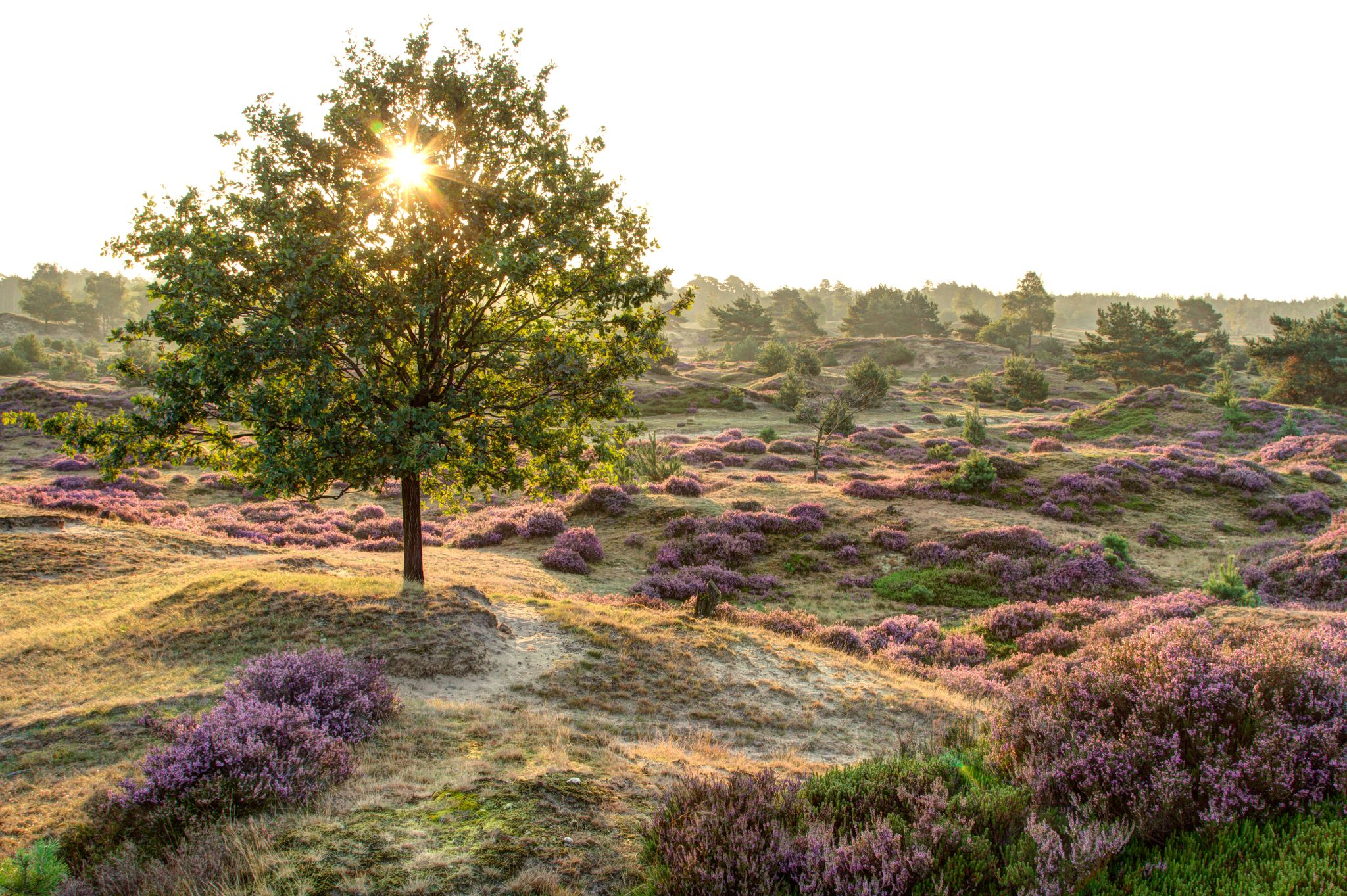
Vroongronden Nature Reserve
Highlight • Natural
Translated by Google •
Tip by

Sign up now to discover places like this
Get recommendations on the best single tracks, peaks, & plenty of other exciting outdoor places.
Sign up for free
Oosterschelde National Park
Highlight • Natural Monument
Translated by Google •
Tip by

Oosterschelde National Park
Highlight (Segment) • Natural Monument
Translated by Google •
Tip by

Vroonweg Gravel Path
Highlight (Segment) • Trail
Translated by Google •
Tip by

Sign up for free to discover even more lakes around Schouwen-Duiveland.
Sign up for free
Already have an account?
Start today with a free account
Your next adventure awaits.
Login or Signup
Popular around Schouwen-Duiveland
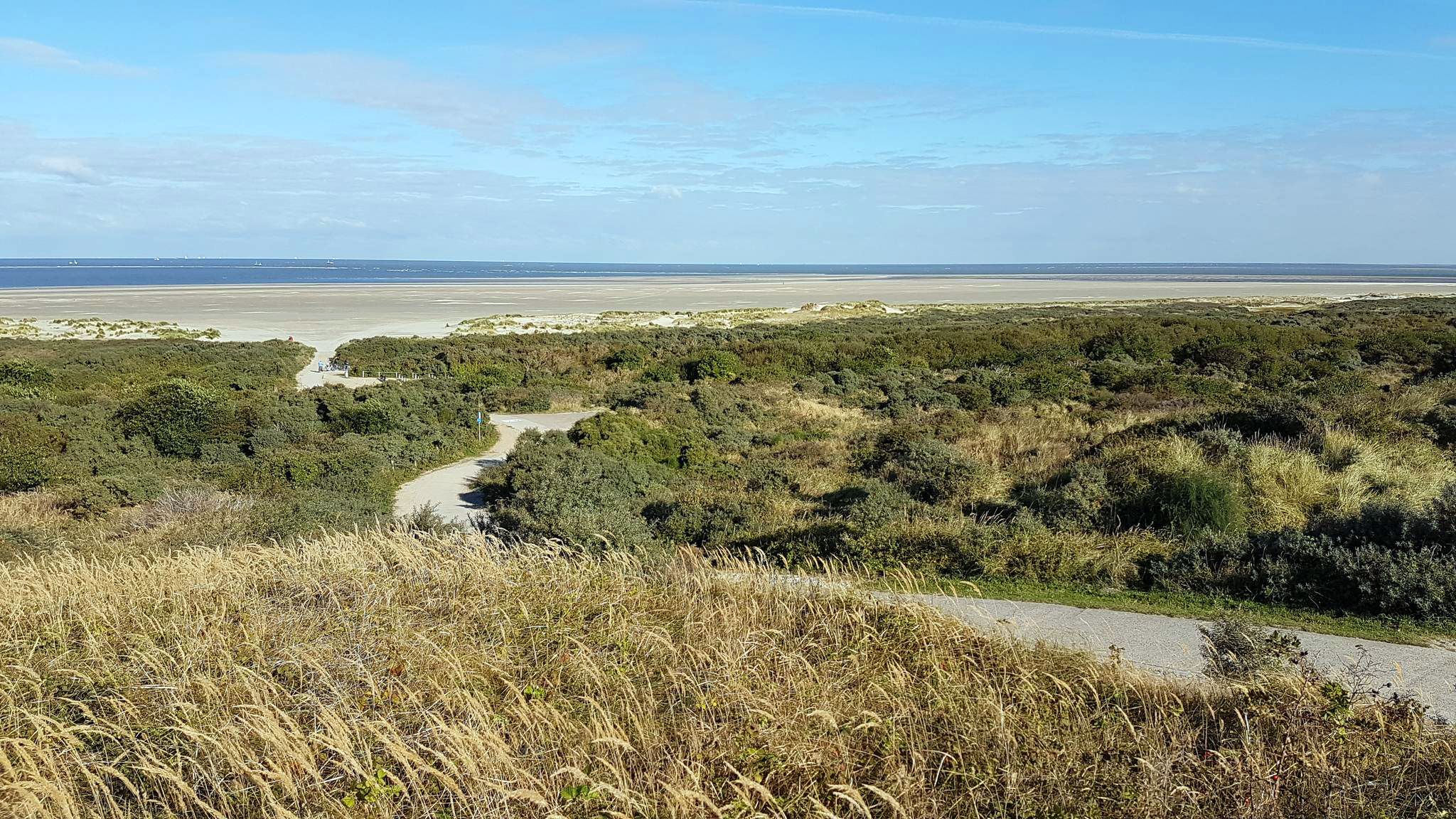
The North Sea Coast Cycle Route — Netherlands and Belgium
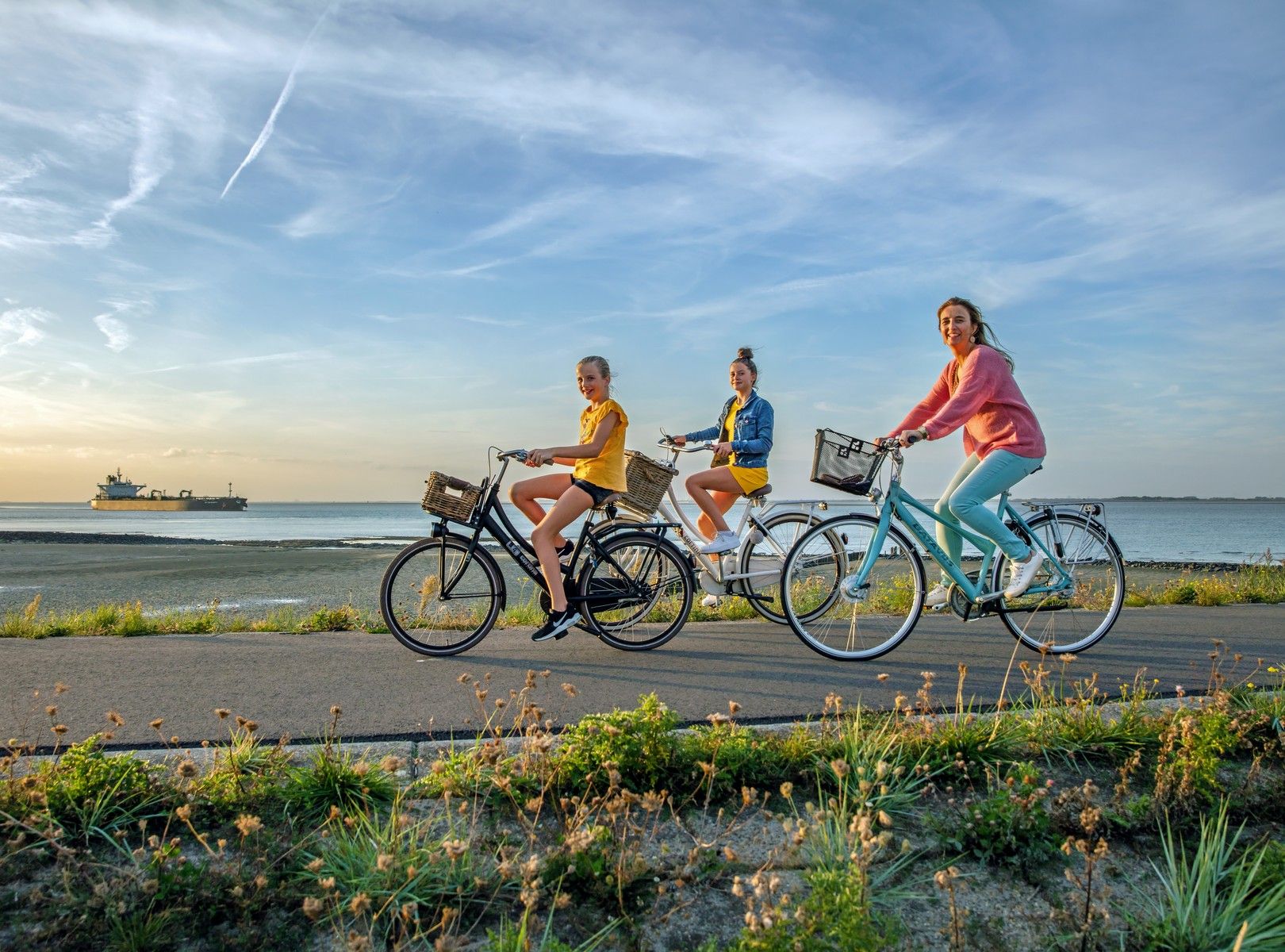
Five routes in Zeeland — the dunes, the woods and the sea
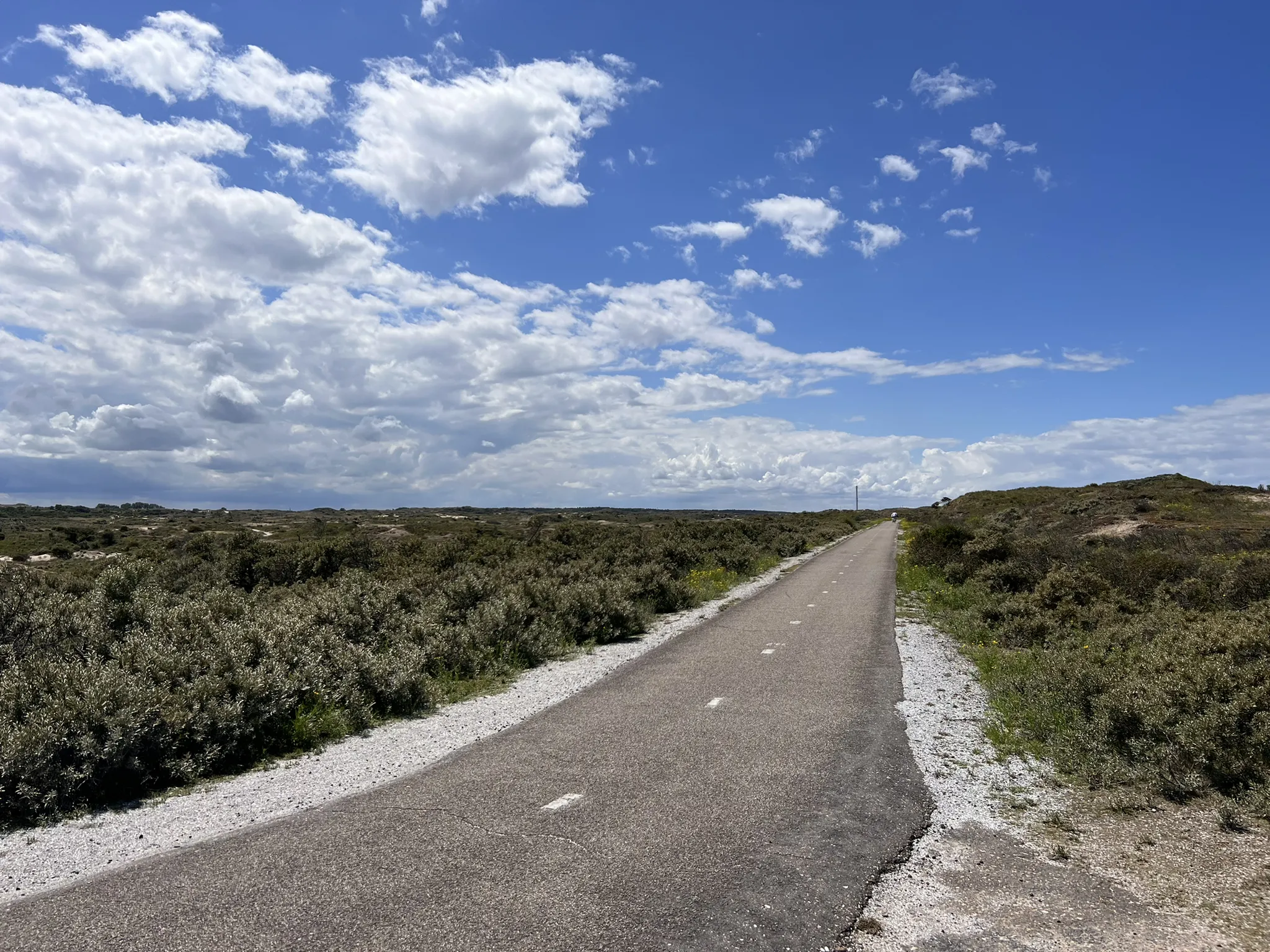
The Tour of the Netherlands – The ultimate cycling route in 21 stages
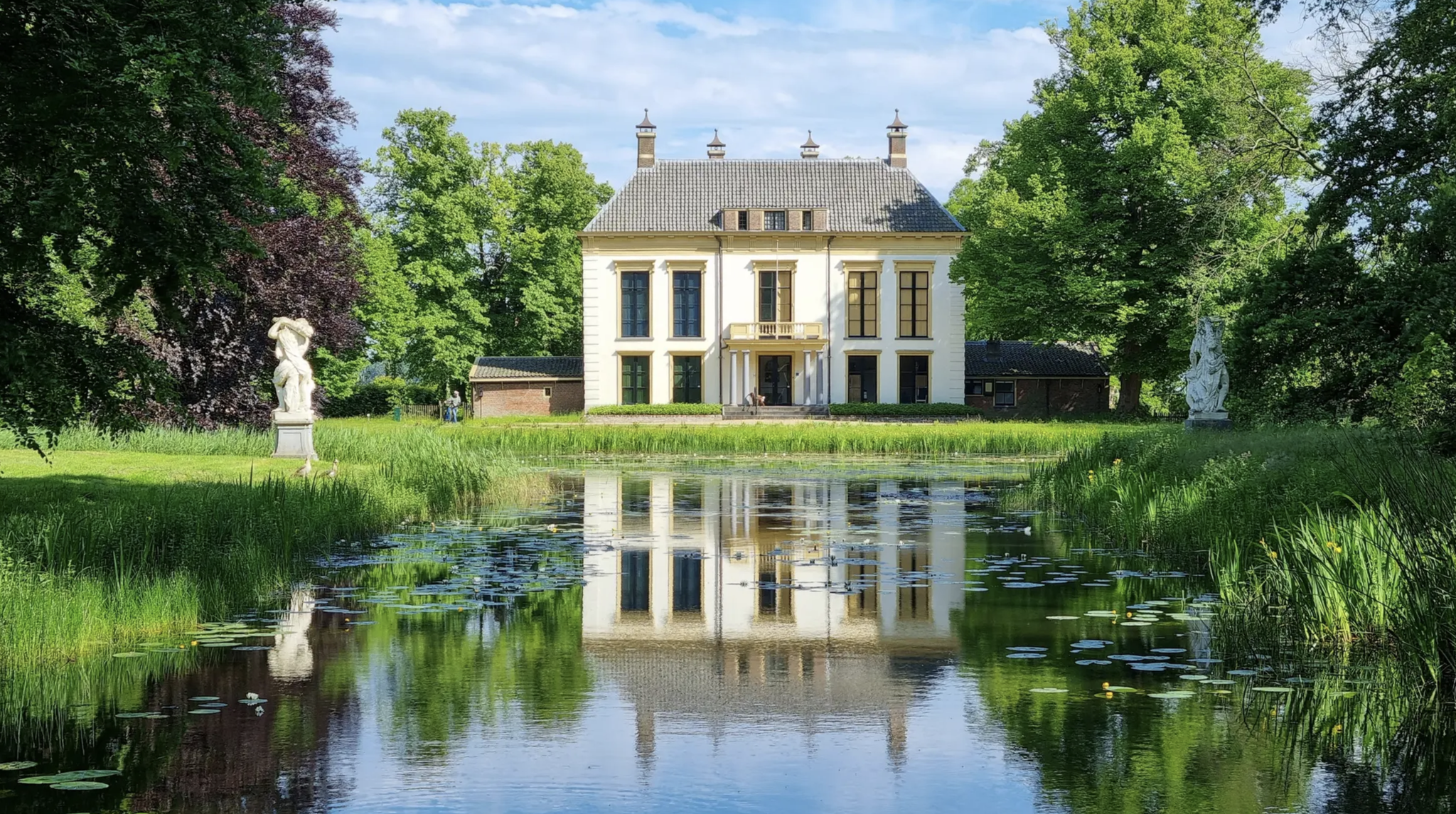
Walking through history - 8 beautiful routes along cultural heritage
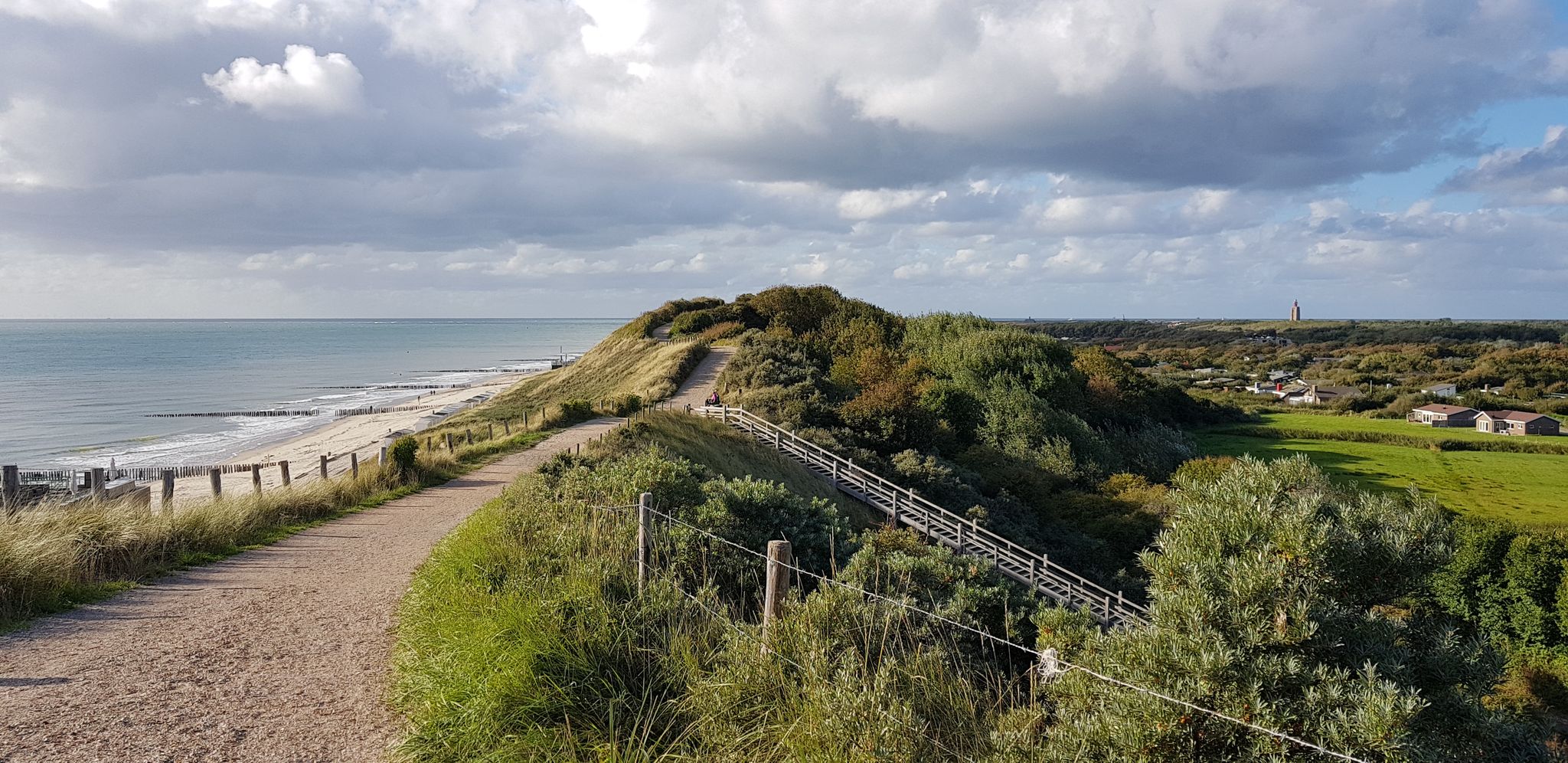
Along the Zeeland Coast — part 1: Dutch Coastal Path (formerly Deltapad)
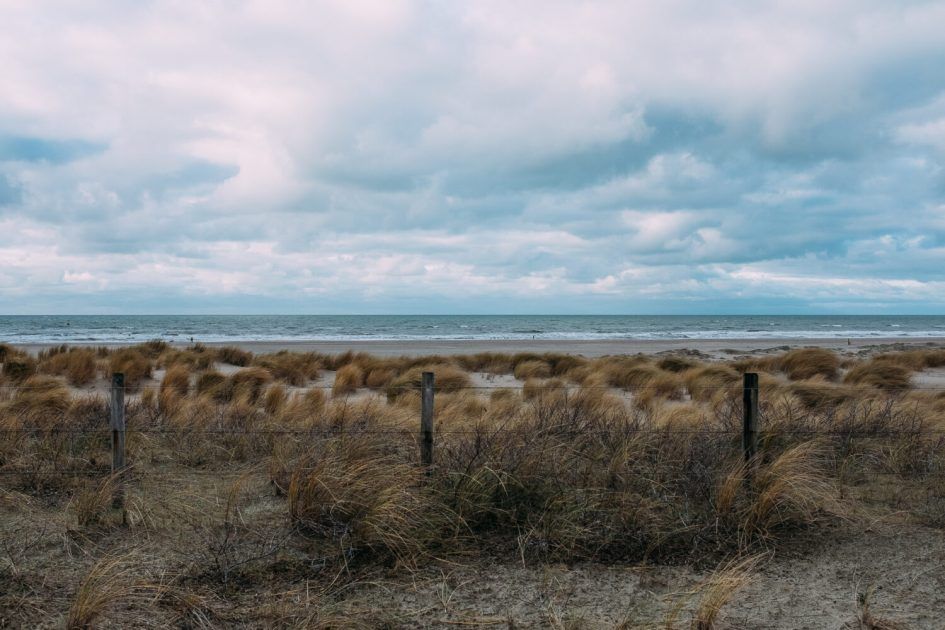
Beach, sea and dunes – LF Coastal Route in the Netherlands
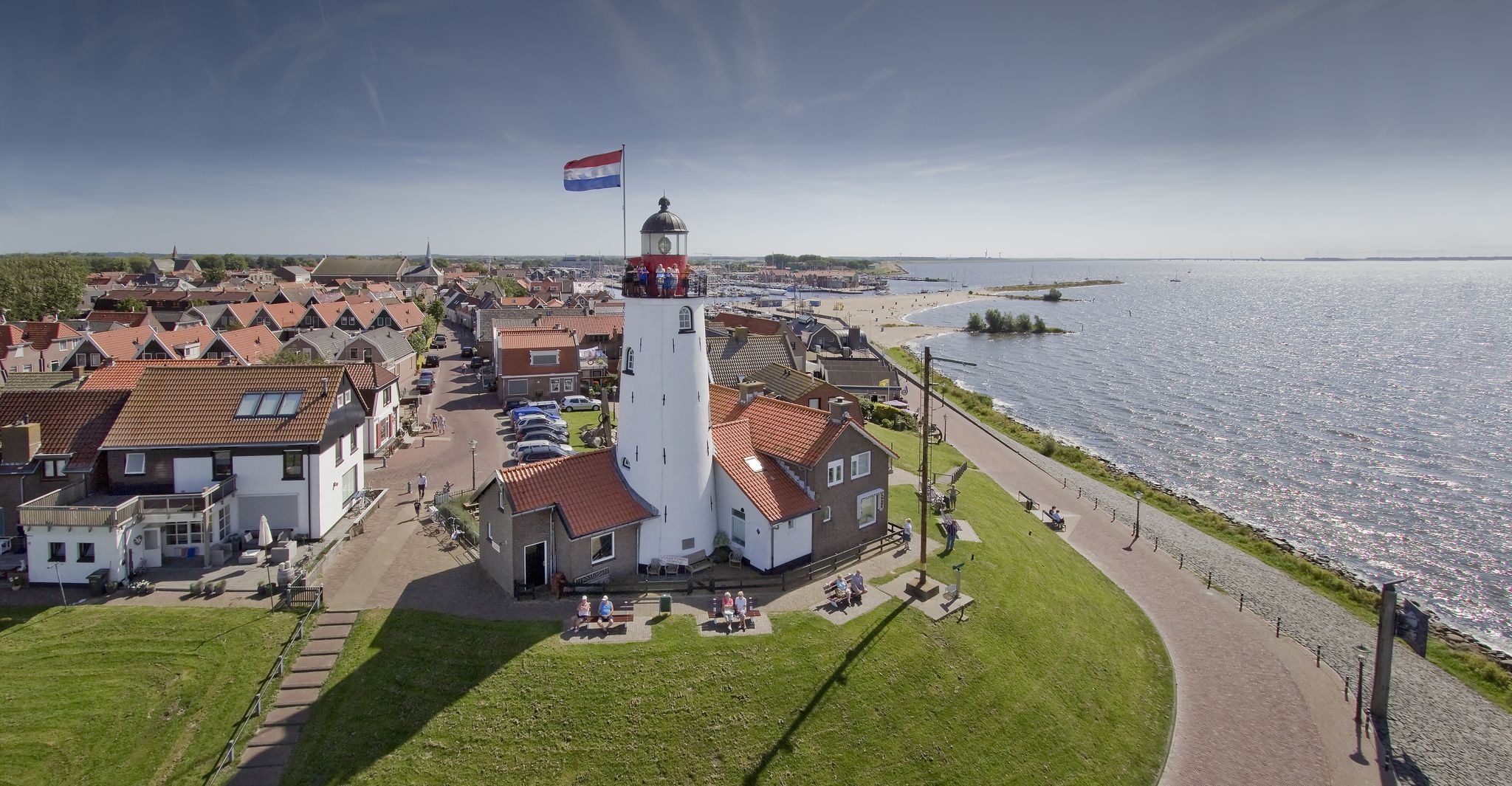
Cycling where there once was sea – water country in the Netherlands
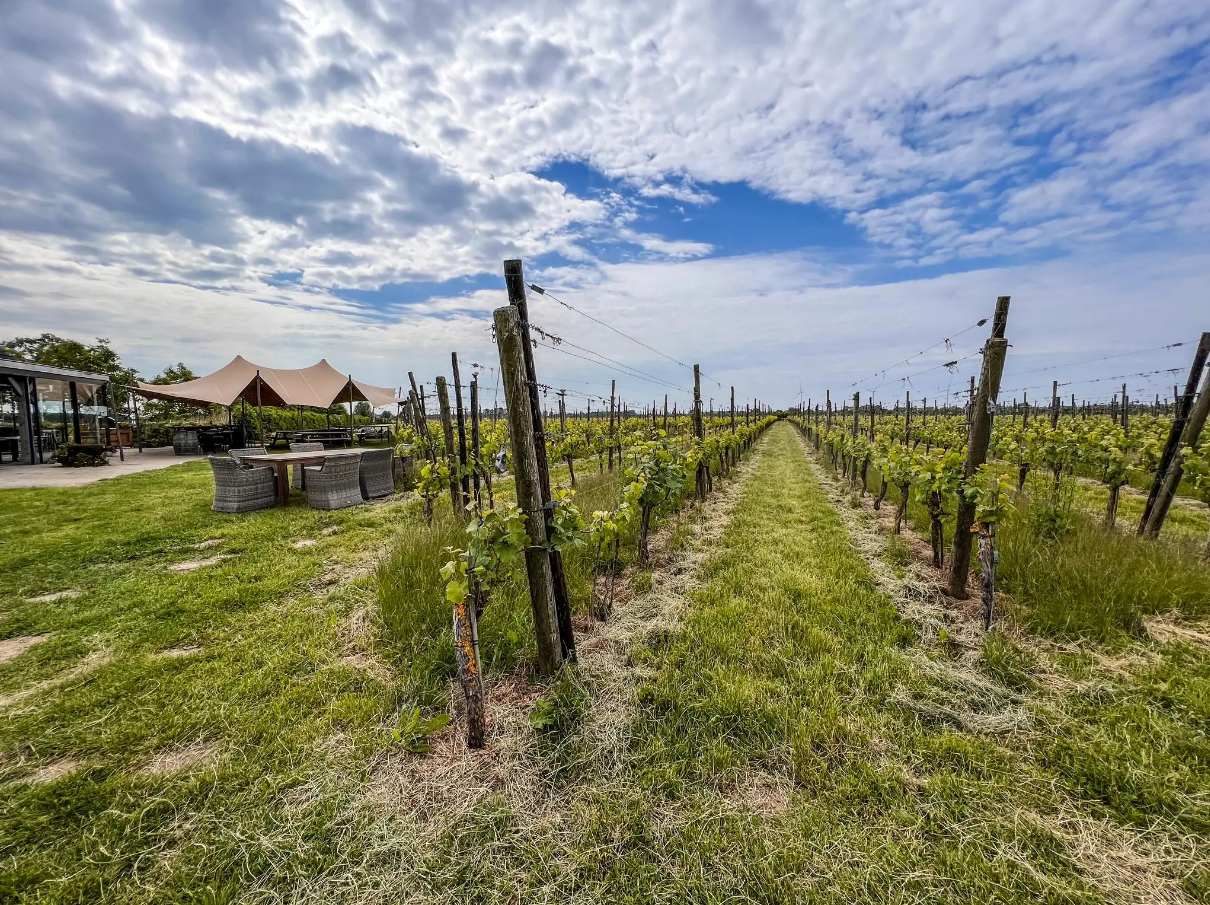
Hike and wine – walking through vineyards in the Netherlands
A complete hiking bucket list through every Dutch National Park
Hiking around Schouwen-Duiveland
Other adventures around Schouwen-Duiveland


Tips from the Community

Endless beaches, great views, beautiful bike path.
1
0

The cycle path above the dike is raised - logically - so you have a great view of the sea.
4
1

The Veersedam, or Veersegatdam, was built in 1961 at the mouth of the Veerse Gat to protect parts of Walcheren, Noord-Beveland, and Zuid-Beveland from a potential new disaster. The construction of the dam, which was intended to connect Walcheren with Noord-Beveland, was not easy. The Veerse Gat was larger than the Zandkreek, and a strong current occurred at every high tide. More than 70 million m3 of water flowed through the mouth at both low and high tide. If the hole were closed with the same caissons as at the Zandkreek Dam, the current would eventually become too strong (the smaller the hole to be closed, the greater the current, as the same amount of water is forced through a smaller opening). The solution was the so-called "pass caissons," which, unlike the unit caissons of the Zandkreek Dam, were open. The section where the dam was to be built was first raised by spraying sand, and then a "sill" of stones was placed on which the caissons could stand firmly. The caissons were then placed one by one into the 320-meter-wide hole. At the time of installation, the caissons were still open, allowing water to flow freely, and only when the flow was minimal were the gates in the caissons lowered. Since the Zandkreek was already closed, a new lake, the Veerse Meer, was created. Much would change in this lake, especially as the saltwater slowly became brackish. Source: https://www.hollandlandofwater.com/de/veerse-gatdam/
7
0

Pure nature, accompanied by sheep while cycling
1
0

If you get there early in the morning, you can enjoy the peace and quiet almost alone
1
0

We love this bike route. From Scharendijke across the island to the south. Then along the Oosterschelde over dykes and directly past the water. Sometimes you share the path with sheep and cows. Then stroll in Zierikzee and across the island back to Scharendijke. A total of about 40 km. When the sun is shining, the water is wonderfully blue and you can hear it rushing next to you all the time.
4
0

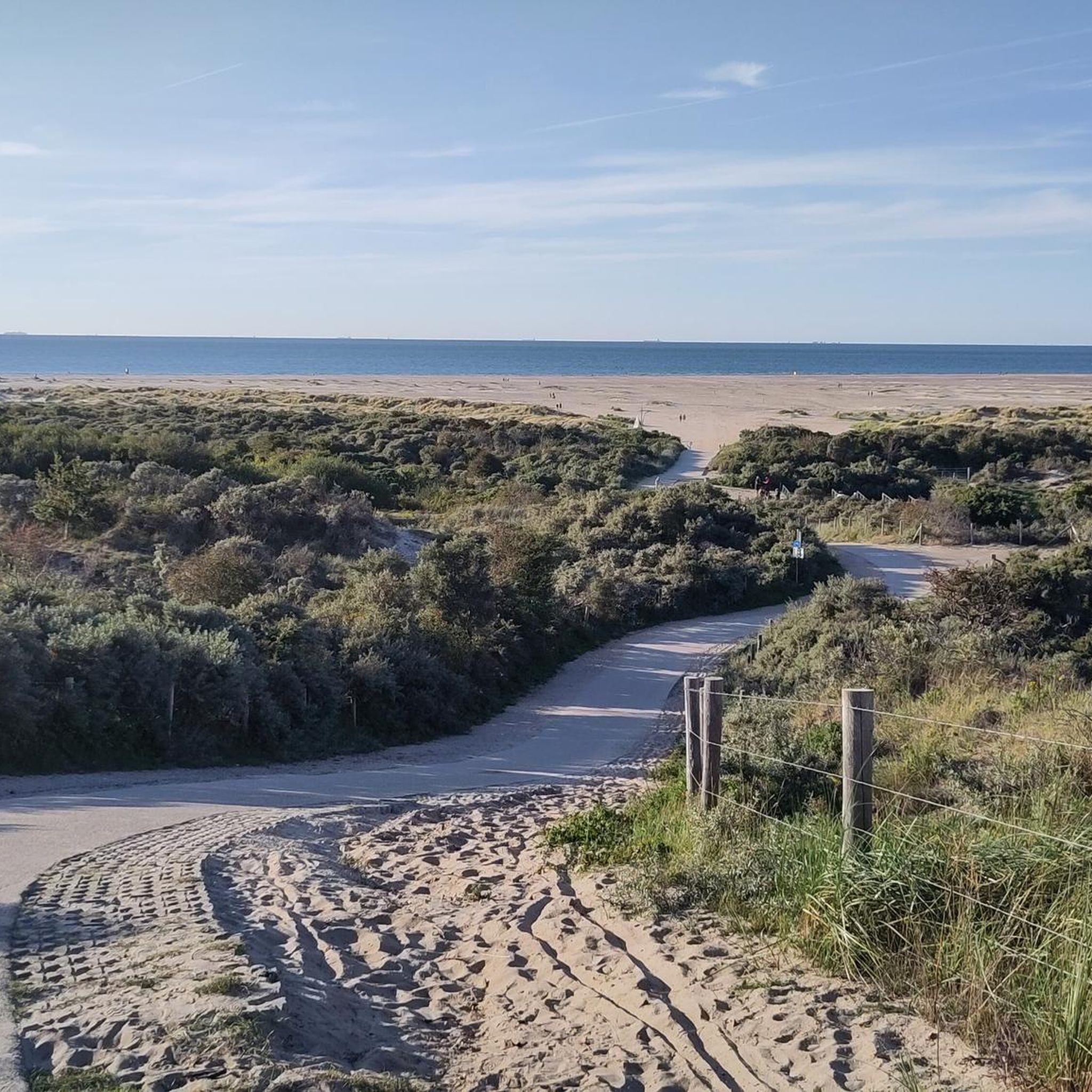
One of the many viewpoints of the North Sea and the Veerse Meer.
9
0

tiptop…. Come back no question
6
1
Frequently Asked Questions
What are the main types of lakes and water bodies found around Schouwen-Duiveland?
Schouwen-Duiveland features a diverse range of water bodies. You'll find large saltwater lakes like the Grevelingenmeer, dynamic tidal areas such as the Oosterschelde National Park, inland lagoons like the Veerse Meer, and smaller dune lakes such as Zeepeduinen. Each offers unique natural environments and recreational opportunities.
What kind of nature and wildlife can I expect to see around the lakes?
The region is rich in nature. The Grevelingenmeer is known for unique flora and fauna, including wild horses on sandbars, and various bird species. Seals and porpoises can be spotted in both the Grevelingenmeer and the Oosterschelde National Park. The Vroongronden Nature Reserve, with its dune grasslands and pools, is a habitat for birds, deer, and fallow deer. Zeepeduinen is an important bird habitat, and De Schelphoek creek area is home to diverse bird species like owls, nightingales, and kingfishers.
Are there family-friendly activities available near the lakes?
Yes, many areas are family-friendly. The Veerse Meer has 17 islands, some with playgrounds and woodland walks. The Oosterschelde National Park is suitable for families, offering opportunities for wildlife observation. The small beaches around Grevelingenmeer are also great for families. Many cycling and walking paths, like the Vroonweg Gravel Path, are easy and enjoyable for all ages.
What water sports are popular on the lakes of Schouwen-Duiveland?
The Grevelingenmeer is a water sports paradise, ideal for sailing, windsurfing, kitesurfing, and diving due to its calmer saltwater. The Veerse Meer is also a hub for water sports enthusiasts, offering water-skiing, wakeboarding, windsurfing, and boat rentals. The Veerse Gatdam area, bordering the Veerse Meer, is particularly popular for windsurfers.
Can I go hiking or cycling around the lakes?
Absolutely. Extensive cycling and hiking trails run along the shores of the Grevelingenmeer. The Vroongronden Nature Reserve and the Vroonweg Gravel Path offer beautiful routes through dunes and natural landscapes. The Oosterschelde National Park and the Veerse Meer also have excellent cycling and walking routes. For more options, explore the Cycling around Schouwen-Duiveland guide or the Running Trails around Schouwen-Duiveland guide.
What is the best time to visit the lakes in Schouwen-Duiveland?
The lakes are enjoyable year-round, but the warmer months from spring to early autumn (April to October) are ideal for water sports and outdoor activities. During these periods, the weather is generally pleasant for cycling, hiking, and exploring the natural reserves. Birdwatching is excellent in spring and autumn during migration periods.
Are there any specific viewpoints or natural landmarks worth visiting?
Yes, the View of the North Sea and the Veerse Meer from the Veerse Gatdam offers panoramic views. The Vroongronden Nature Reserve provides open landscapes with dune grasslands and pools. In De Schelphoek, there's a lookout point on a caisson offering panoramic views of the creek area. The dynamic mudflats and sandbanks of the Oosterschelde National Park are also a unique natural spectacle.
Can I find cafes, pubs, or accommodation near the lakes?
Yes, several charming villages are located around the Grevelingenmeer, such as Scharendijke, Brouwershaven, and Bruinisse, which offer various amenities including cafes, pubs, and accommodation. Towns like Veere, Kortgene, and Kamperland near the Veerse Meer also provide options for dining and lodging.
Is wild swimming permitted in the lakes?
While the Grevelingenmeer and Veerse Meer are popular for water sports and have designated swimming areas, 'wild swimming' in undesignated spots might be subject to local regulations or safety concerns. It's always best to check local signage or official tourism information for specific rules regarding swimming in natural waters.
What makes the Grevelingenmeer unique among the lakes?
The Grevelingenmeer is unique as the largest saltwater lake in Western Europe. It was formed as part of the Delta Works, transforming a sea arm into a static saltwater lake. This environment supports a rich underwater world and makes it an exceptional spot for diverse water sports and nature observation, including seals and porpoises.
Are there any easy walking trails suitable for beginners or short strolls?
Yes, many areas offer easy walks. The Vroonweg Gravel Path through the Vroongronden is a pleasant cycle and footpath. The shores around the Grevelingenmeer and the Veerse Meer also have accessible paths. For specific easy routes, you can check the Cycling around Schouwen-Duiveland guide, which includes easy-rated routes like the 'Kop van Schouwen Dunes – Vroongronden Nature Reserve loop'.
Most popular routes around Schouwen-Duiveland
Most popular attractions around Schouwen-Duiveland

Get inspired with the komoot mobile app


Explore more
Still not found your perfect lake around Schouwen-Duiveland? Check out the guides of these regions to see even more beautiful places.
