Top 20 Castles around Driebergen-Rijsenburg
Castles around Driebergen-Rijsenburg offer a glimpse into the region's rich history and architectural heritage. The area features various historical estates, from medieval strongholds to 18th-century country houses. These sites are often set within natural landscapes, including parks, forests, and waterways. Driebergen-Rijsenburg provides opportunities to explore historical remnants and well-preserved estates.
Best castles around Driebergen-Rijsenburg
- The most popular castles is Rhijnauwen Castle, a castle and historical site located on the banks of the Kromme Rijn. This 18th-century country house is…
Last updated: August 25, 2026
Rhijnauwen Castle
Highlight • Castle
Translated by Google •
Tip by

Zeist Castle
Highlight • Castle
Once the pleasure resort of Willem Adriaan, Count of Nassau-Odijk and grandson of Prince Maurits.
Now the ideal setting for royal events, soaking up history or enjoying art …
Translated by Google •
Tip by

Sign up now to discover places like this
Get recommendations on the best single tracks, peaks, & plenty of other exciting outdoor places.
Sign up for free
Fort bij Vechten
Highlight • Historical Site
Translated by Google •
Tip by

Sterkenburg Castle
Highlight • Castle
Translated by Google •
Tip by

Sandenburg Castle
Highlight • Castle
Translated by Google •
Tip by

Sign up for free to discover even more castles around Driebergen-Rijsenburg.
Sign up for free
Already have an account?
Start today with a free account
Your next adventure awaits.
Login or Signup
Popular around Driebergen-Rijsenburg
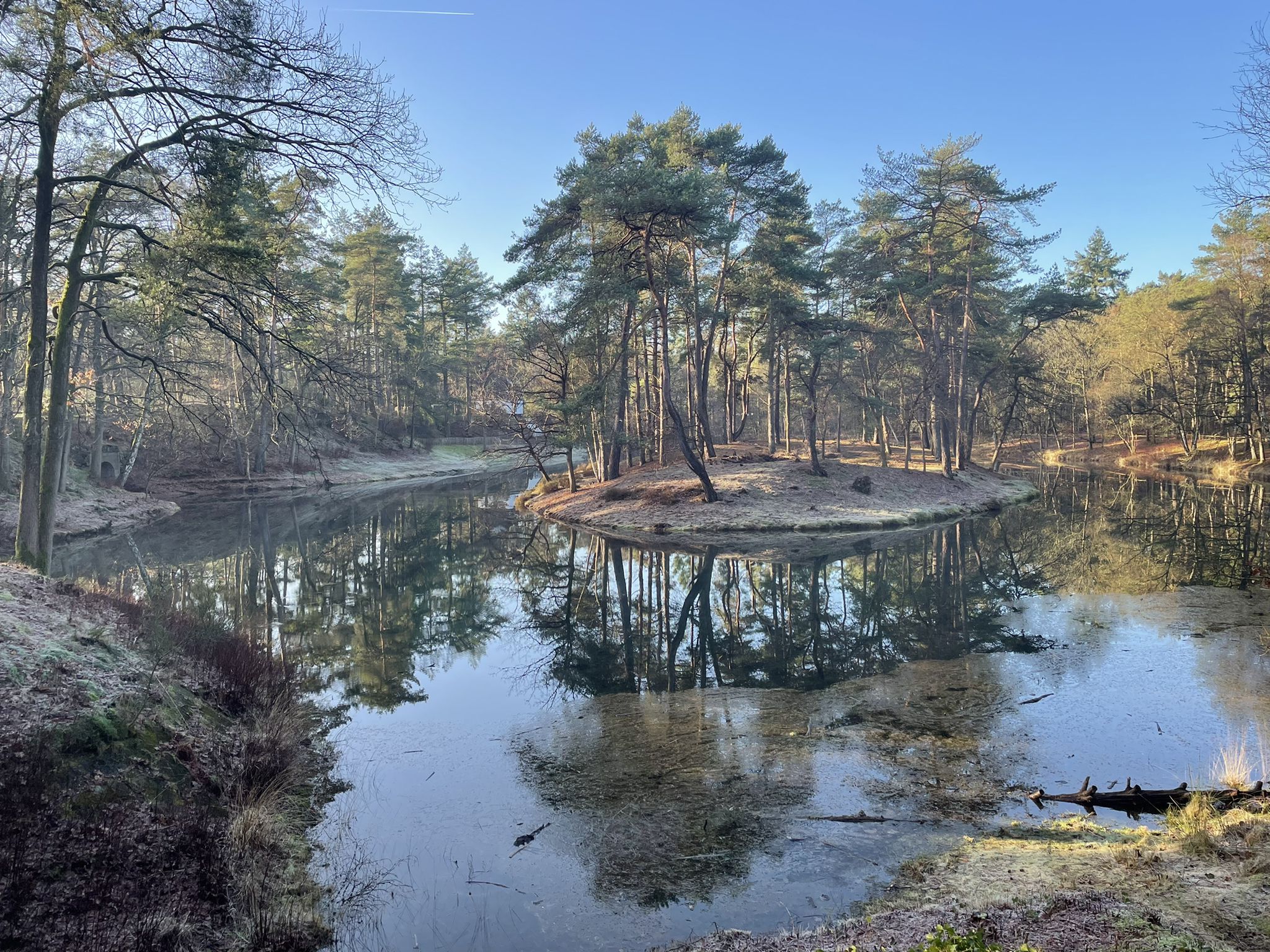
Peace and greenery by the Randstad – three iconic trail runs near Utrecht
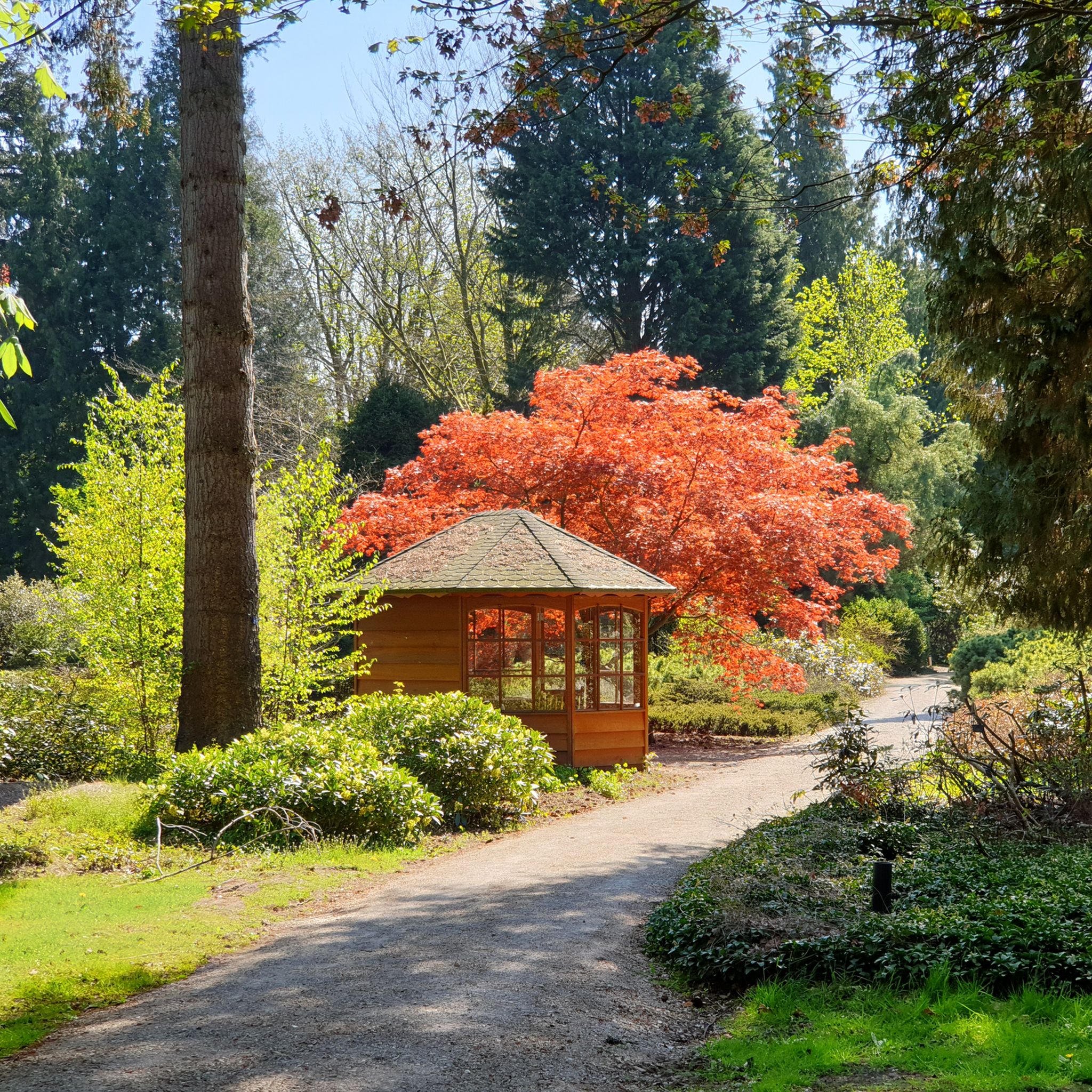
Hiking around Driebergen-Rijsenburg
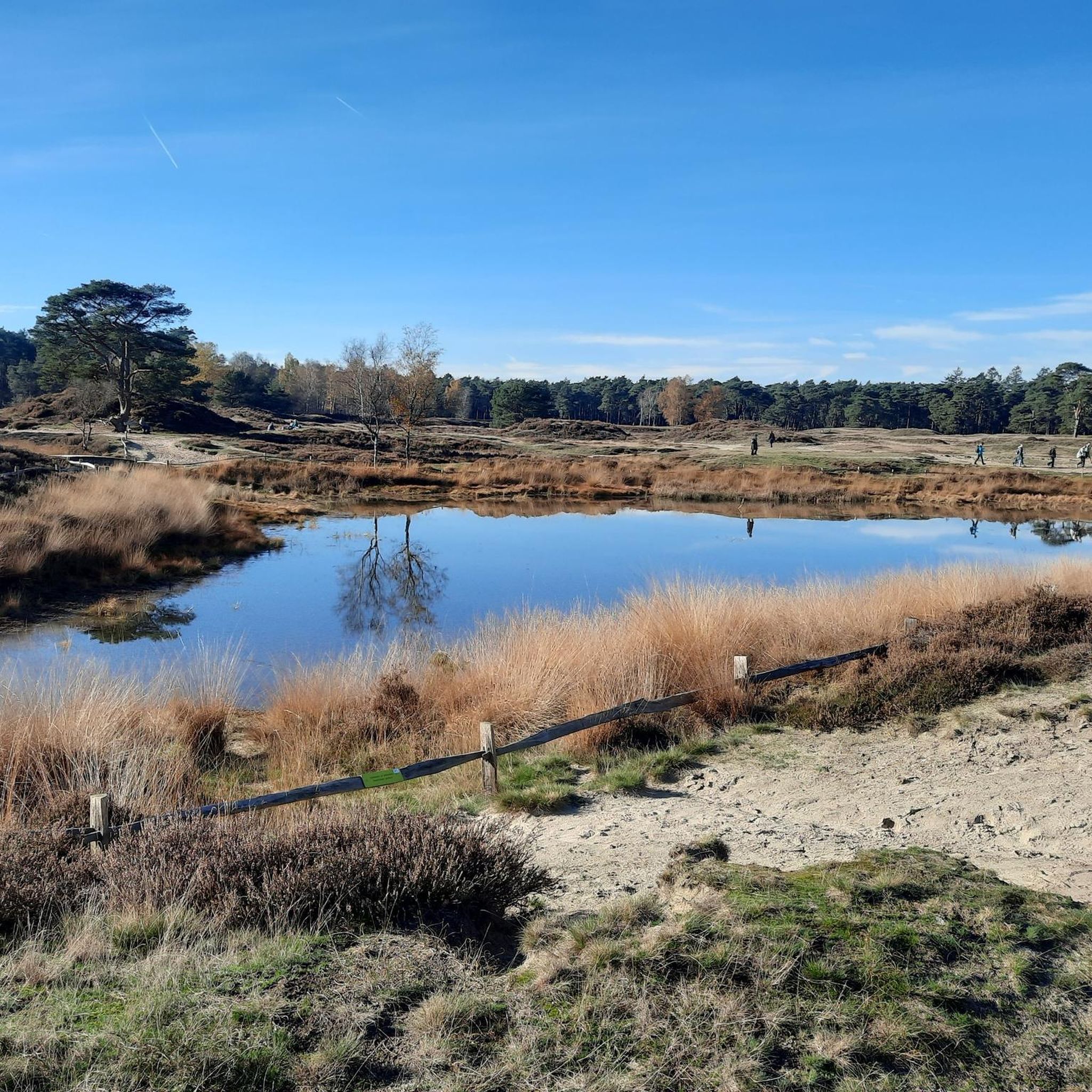
Running Trails around Driebergen-Rijsenburg
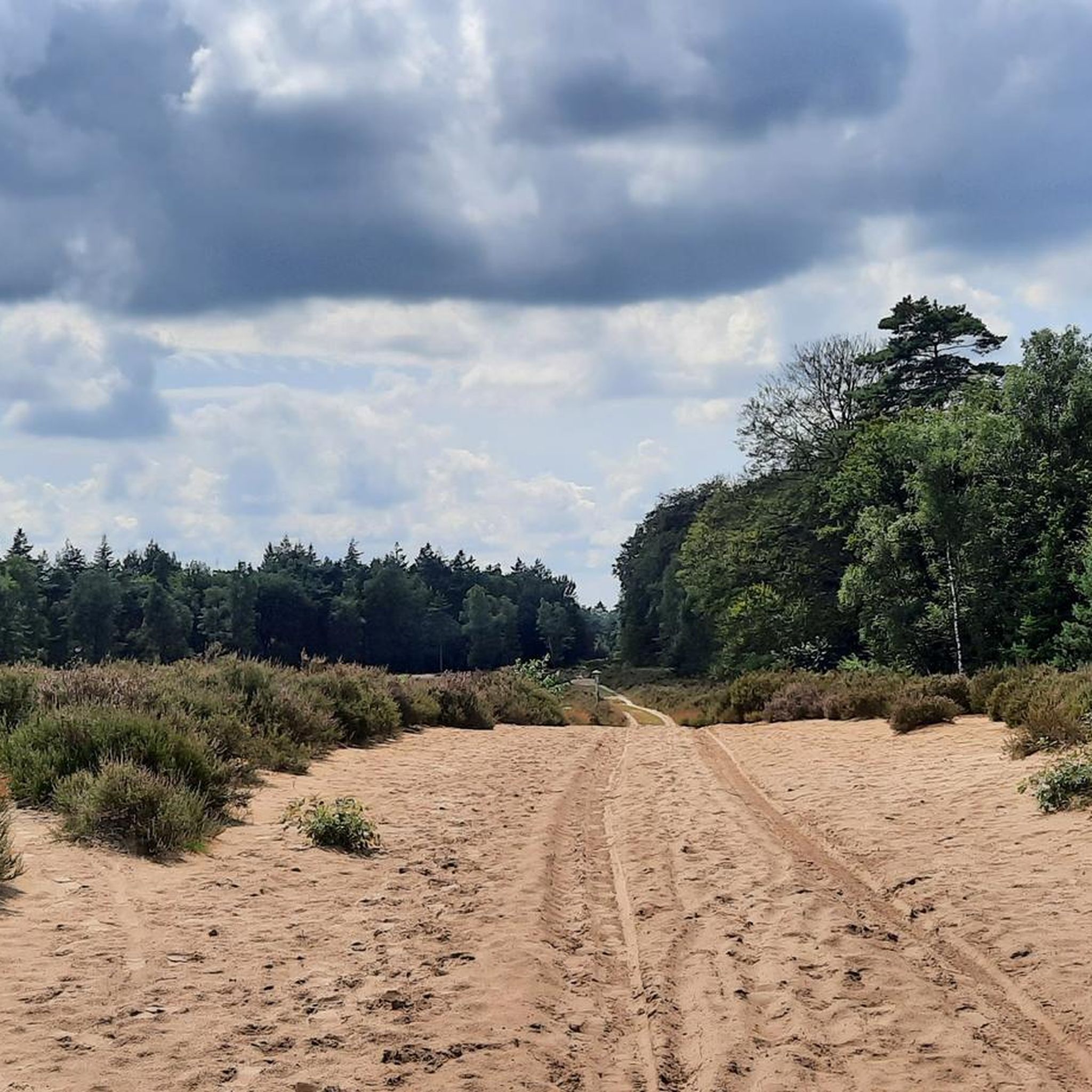
Cycling around Driebergen-Rijsenburg
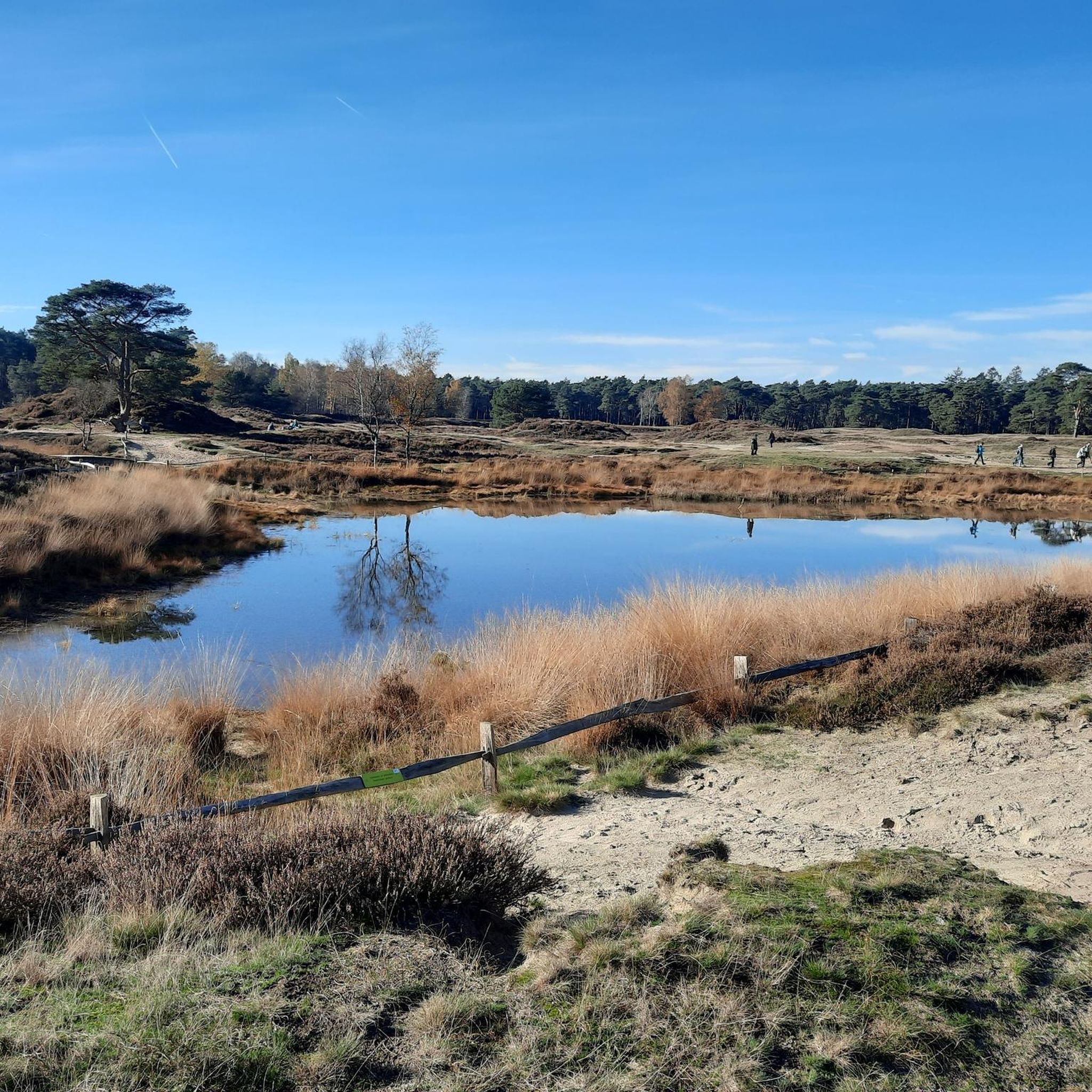
MTB Trails around Driebergen-Rijsenburg
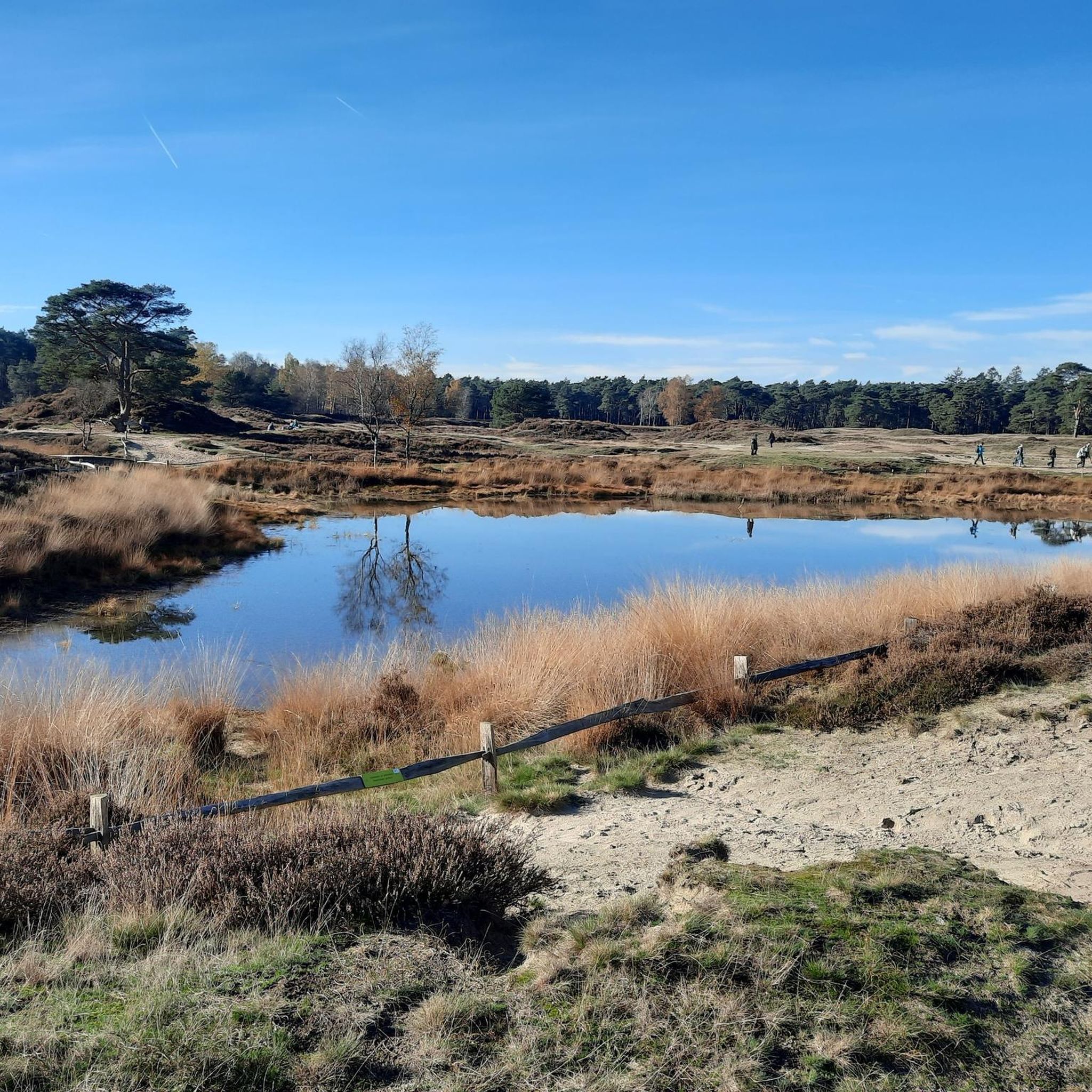
Road Cycling Routes around Driebergen-Rijsenburg

Gravel biking around Driebergen-Rijsenburg
Other adventures around Driebergen-Rijsenburg

Tips from the Community

The Orangerie restaurant is open Tuesday through Sunday from 10:00 AM to 5:00 PM. Closed on Mondays, unfortunately.
1
0

Around 1300, Sandenburg was first mentioned as a "residential tower with six marrows of land." At that time, Sandenburg was nothing more than a fortified tower; the white-plastered extension and outbuildings only date from the 19th century. Many fortified towers were built in the Langbroekerwetering area during the Middle Ages. The Bishop of Utrecht and his neighbor, the Duke of Guelders, had little affection for each other at the time, and to protect their territory from a possible invasion, watchtowers were built in the border region. Sandenburg was one such watchtower. Over time, the tower was expanded into a residential tower and castle. In 1538, Sandenburg was recognized as a Knight's Court. By then, the castle had grown into a fully moated complex with a tower, several residential wings, and an outer bailey. In 1792, the Sandenburg Estate was purchased by G.C.C.J. Baron van Lynden. He thus became "Lord of Sandenburg," and the family name changed to Van Lynden van Sandenburg. The Knight's Manor had been almost entirely demolished before 1792. Only the square, four-story residential tower remained. Between 1861 and 1864, the Van Lyndens expanded this tower into a castle. Designed by the renowned architect Van Lunteren, the building was constructed in the romantic, neo-Gothic style, with its characteristic whitewashed walls and towers. The park surrounding the castle was laid out in the current English landscape style. Adjacent to the castle were the Coach House, the Orangery, and the Gatekeeper's House. The coachman's house was built against the rear of the Orangery, where the poet Gerrit Achterberg was born in 1905. During the 18th and 19th centuries, the Sandenburg Estate expanded through acquisition and inheritance. By the end of the 19th century, the estate had grown to over 600 hectares. (https://www.sandenburg.nl/historie/)
0
0

Beautiful castle, with a large garden with modern art!
1
0


Zeist Castle (Dutch: Slot Zeist) is a 17th-century castle in the Dutch municipality of Zeist, built as a pleasure palace for Willem Adriaan van Nassau-Odijk. The castle was designed by the architect Jacob Roman. It is surrounded by an English landscape park and the Brothers and Sisters Square (Broederplein and Zusterplein). The richly decorated and furnished building (one of the most interesting castles in the whole of the Netherlands) has limited access (afternoons only) on weekends and during the summer holidays.
2
0

Beautiful fort with interesting Waterline museum.
0
0
Frequently Asked Questions
What are some notable castles to visit near Driebergen-Rijsenburg?
You can explore several historically significant sites. Rhijnauwen Castle, an 18th-century country house, is set within a large estate perfect for walks. Zeist Castle, a 17th-century pleasure resort, offers beautiful gardens and cultural events. For a medieval experience, Kasteel Sterkenburg, with its 13th-century origins and characteristic round tower, provides guided tours and a glimpse into its knightly past. Additionally, Fort bij Vechten, though a fort, is a historical site built between 1867 and 1870, featuring 22 buildings and part of the New Dutch Waterline.
What kind of historical insights can I gain from visiting these castles?
The castles offer a deep dive into the region's past. Kasteel Sterkenburg provides guided tours detailing its centuries-long role as a knightly fief. Zeist Castle showcases 17th-century architecture and the lifestyle of its original owner, Willem Adriaan, Count of Nassau-Odijk. Even the remnants of Kasteel Rijsenburg, with its moat and restored 17th-century gatehouse, offer a tangible connection to Driebergen-Rijsenburg's heritage. Sites like Fort bij Vechten and Fort Rijnauwen highlight military history and the New Dutch Waterline.
Are there family-friendly castles or historical sites to visit?
Yes, several sites are suitable for families. Rhijnauwen Castle offers pleasant walks on its estate and a popular tea house known for pancakes. Zeist Castle and Parc Broekhuizen are also marked as family-friendly, often hosting events or having expansive grounds to explore. The forts, such as Fort bij Vechten and Fort Rijnauwen, provide engaging historical contexts, with Fort Rijnauwen occasionally offering special activities like bat safaris and tours for children.
What kind of natural surroundings can I expect around these castles?
The castles near Driebergen-Rijsenburg are often nestled within beautiful natural landscapes. Kasteel Sterkenburg is situated on an island surrounded by canals, part of a rural estate with meadows, orchards, and wooded banks. Kasteel Moersbergen boasts a varied landscape of open meadows and closed forests, rich in wildlife. Rhijnauwen Castle is the center of a vast estate with beautiful avenues for walking, located on the banks of the Kromme Rijn. These areas are ideal for enjoying nature walks and appreciating the scenic beauty of the Utrechtse Heuvelrug countryside.
Are there opportunities for outdoor activities near the castles?
Absolutely. The region around Driebergen-Rijsenburg offers various outdoor activities. You can find numerous routes for gravel biking, road cycling, and mountain biking. For instance, there are gravel biking routes like the 'Up and down along Bornia loop from Heidestein' and road cycling options such as the 'Maarnseberg – Ruiterberg Climb loop'. Mountain biking enthusiasts can explore trails like the 'MTB Singletrack Zeist loop'. Many of these routes pass through or near the estates and natural areas surrounding the castles. You can find more details on these activities in the Castles around Driebergen-Rijsenburg guide.
Can I visit Kasteel Moersbergen?
Kasteel Moersbergen is primarily a private residence and not generally open for individual visits. However, the Utrechtse Landschap occasionally organizes guided tours of its historical castle woods and estate. These tours offer a unique opportunity to learn about the castle's over 600-year history, the land's development, and the noble families who resided there. The surrounding estate is also beautiful for nature walks.
Are there any remnants of Kasteel Rijsenburg?
While the original Kasteel Rijsenburg was largely demolished around 1800, its history is still present. Today, visitors can find remnants including a moat and a restored 17th-century gatehouse. A farm built on the foundations of an earlier one now stands on the site of the former outer bailey, featuring a medieval stone barrel vault in its cellar. The area, particularly the Rijsenburgselaan, provides a historical context within Driebergen-Rijsenburg.
Is parking available at the castles?
Parking availability varies by location. For instance, Fort Rijnauwen and Parc Broekhuizen explicitly mention parking facilities. For other castles like Kasteel Sterkenburg and Kasteel Moersbergen, which are on rural estates, parking might be available on-site or in designated areas nearby. It's advisable to check specific visitor information for each castle before your visit.
What do visitors enjoy most about the castles and surrounding areas?
Visitors frequently appreciate the blend of history and nature. The opportunity to walk through vast estates like those surrounding Rhijnauwen Castle, enjoy the beautiful gardens of Zeist Castle, or delve into the medieval past of Kasteel Sterkenburg are often highlighted. The komoot community has shared over 100 photos and given more than 740 upvotes, indicating a strong appreciation for the scenic beauty, historical significance, and walking opportunities these sites provide.
Can I stay overnight in a castle near Driebergen-Rijsenburg?
Yes, Kasteel Sterkenburg offers a unique opportunity to spend a night in a 13th-century castle, as it functions as a bed and breakfast. It also serves as a venue for events, including weddings, providing a complete experience with options for ceremonies, receptions, dinners, and overnight stays.
Are there cafes or restaurants near these castles?
Yes, you can find dining options near some of the castles. Rhijnauwen Castle is well-known for Theehuis Rhijnauwen, where you can enjoy tea, coffee, and delicious pancakes. Parc Broekhuizen also has catering and hotel destinations after its renovation. For other locations, you might find cafes or restaurants in the nearby towns and villages, often just a short drive or walk away.
Most popular routes around Driebergen-Rijsenburg
Most popular attractions around Driebergen-Rijsenburg

Get inspired with the komoot mobile app


Explore more
Looking for the best castles somewhere else? Discover other guides around Driebergen-Rijsenburg:
