The best walks and hikes around Grave
4.2
(418)
2,307
hikers
152
hikes
Hiking around Grave, a historic fortified town in North Brabant, offers diverse landscapes for outdoor activities. The region features lush forests, serene lakefronts like the Kraaijenbergse Plassen, and picturesque river paths along the Maas River. While generally flat, areas such as Heumense Schans provide varied topography with gentle hills. The countryside around Grave also includes floodplains, river dunes, and agricultural fields, creating a mosaic of natural environments.
Best hiking trails around Grave
- The most popular hiking route is Emmaus Monastery…
Last updated: July 1, 2026
4.3
(32)
127
hikers
12.0km
03:03
20m
20m
Moderate hike. Good fitness required. Easily-accessible paths. Suitable for all skill levels.
4.8
(55)
204
hikers
14.5km
03:40
20m
20m
Moderate hike. Good fitness required. Easily-accessible paths. Suitable for all skill levels.

Sign up for free
4.2
(73)
311
hikers
Moderate hike. Good fitness required. Easily-accessible paths. Suitable for all skill levels.
4.6
(29)
102
hikers
9.24km
02:20
10m
10m
Moderate hike. Good fitness required. Easily-accessible paths. Suitable for all skill levels.
4.6
(8)
50
hikers
4.92km
01:15
10m
10m
Easy hike. Great for any fitness level. Easily-accessible paths. Suitable for all skill levels.
Get access to more routes and recommendations from other explorers.
Sign up for free
Already have an account?
Our route recommendations are based on thousands of hikes, rides, and runs completed by other people on komoot.
Start today with a free account
Your next adventure awaits.
Login or Signup
Popular around Grave
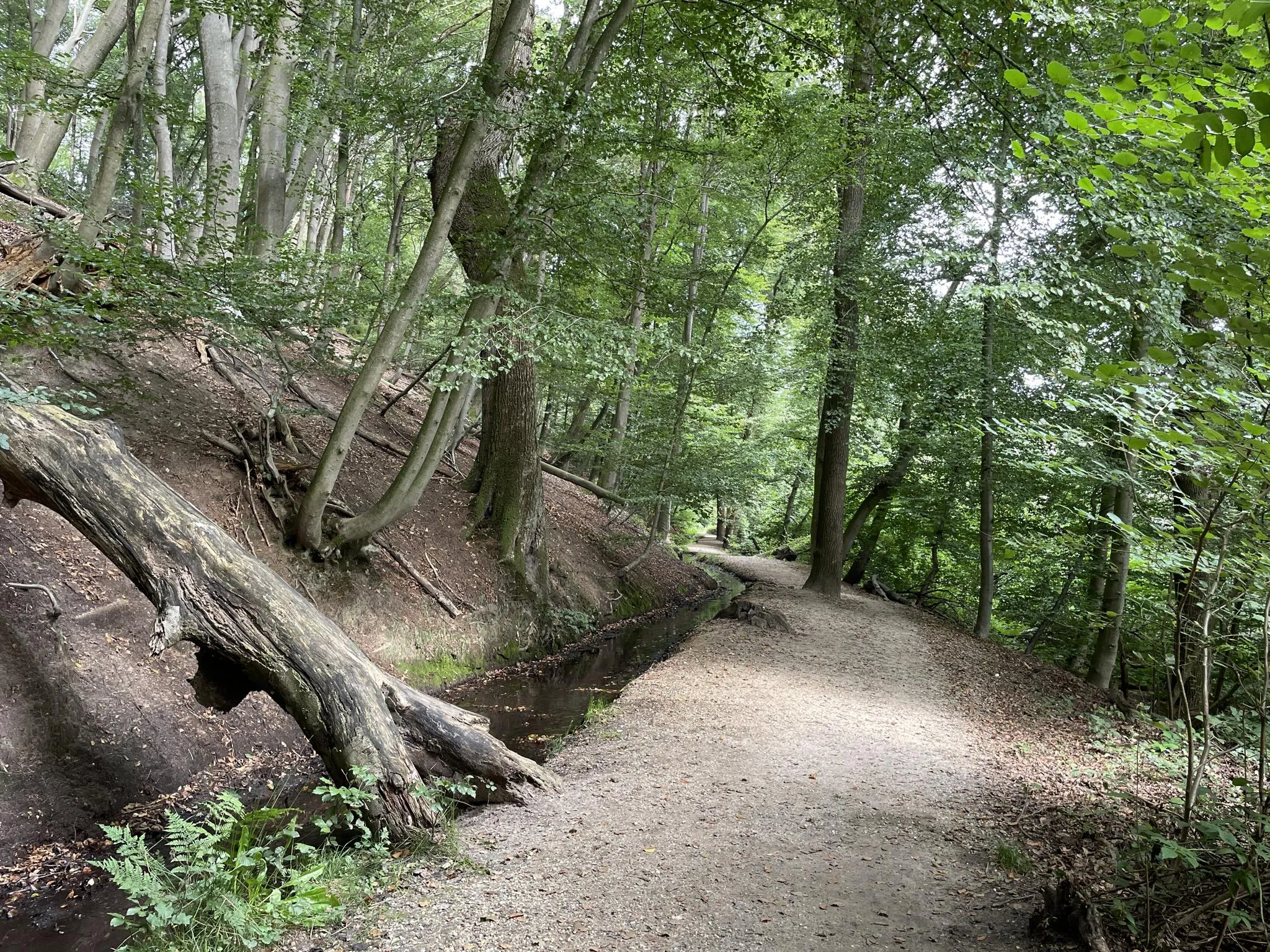
Blow away between forests and flood plains - Nijmegen regional trail
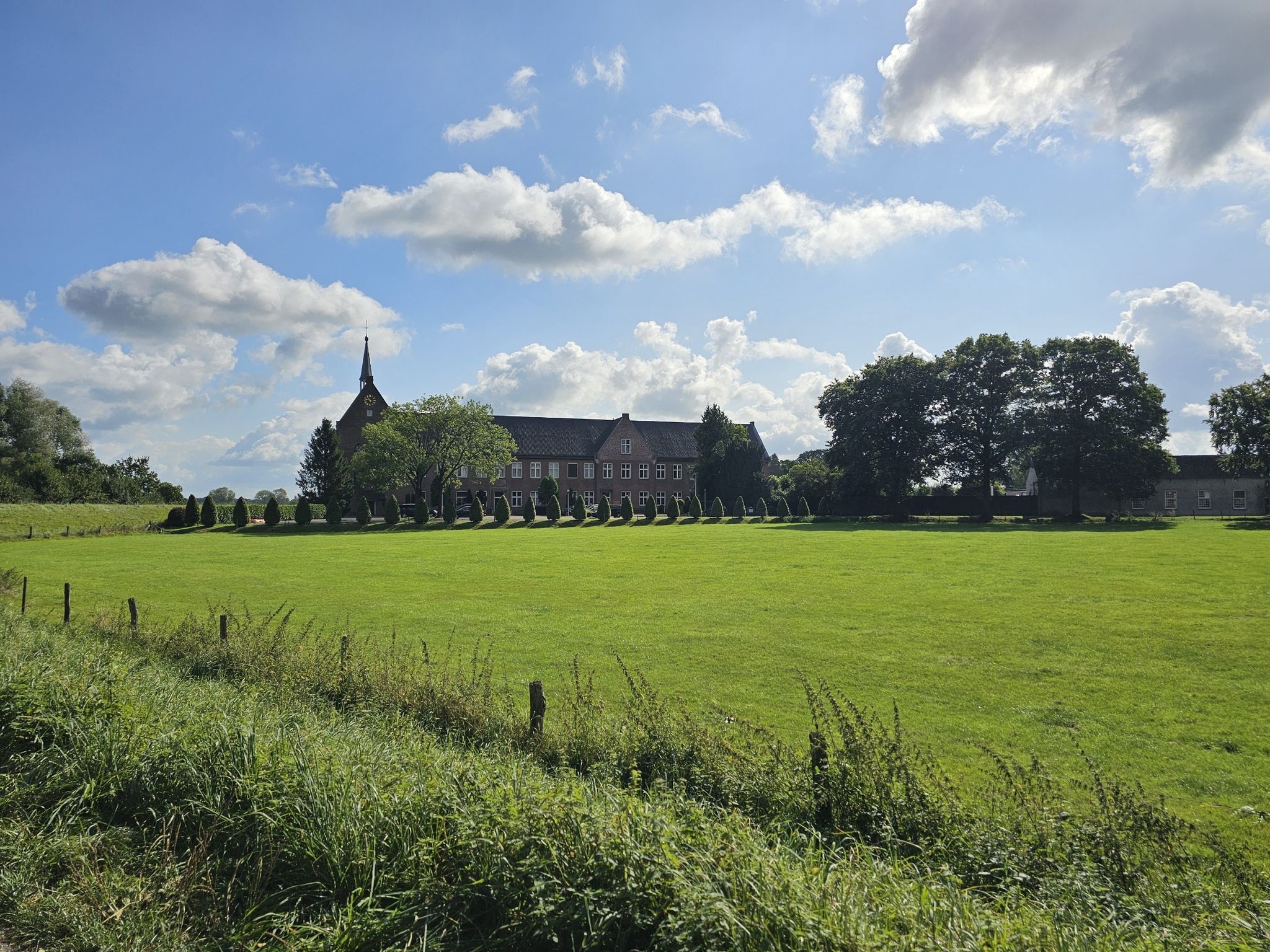
On foot through Brabant in eight days – Land van Cuijkpad (SP 14)
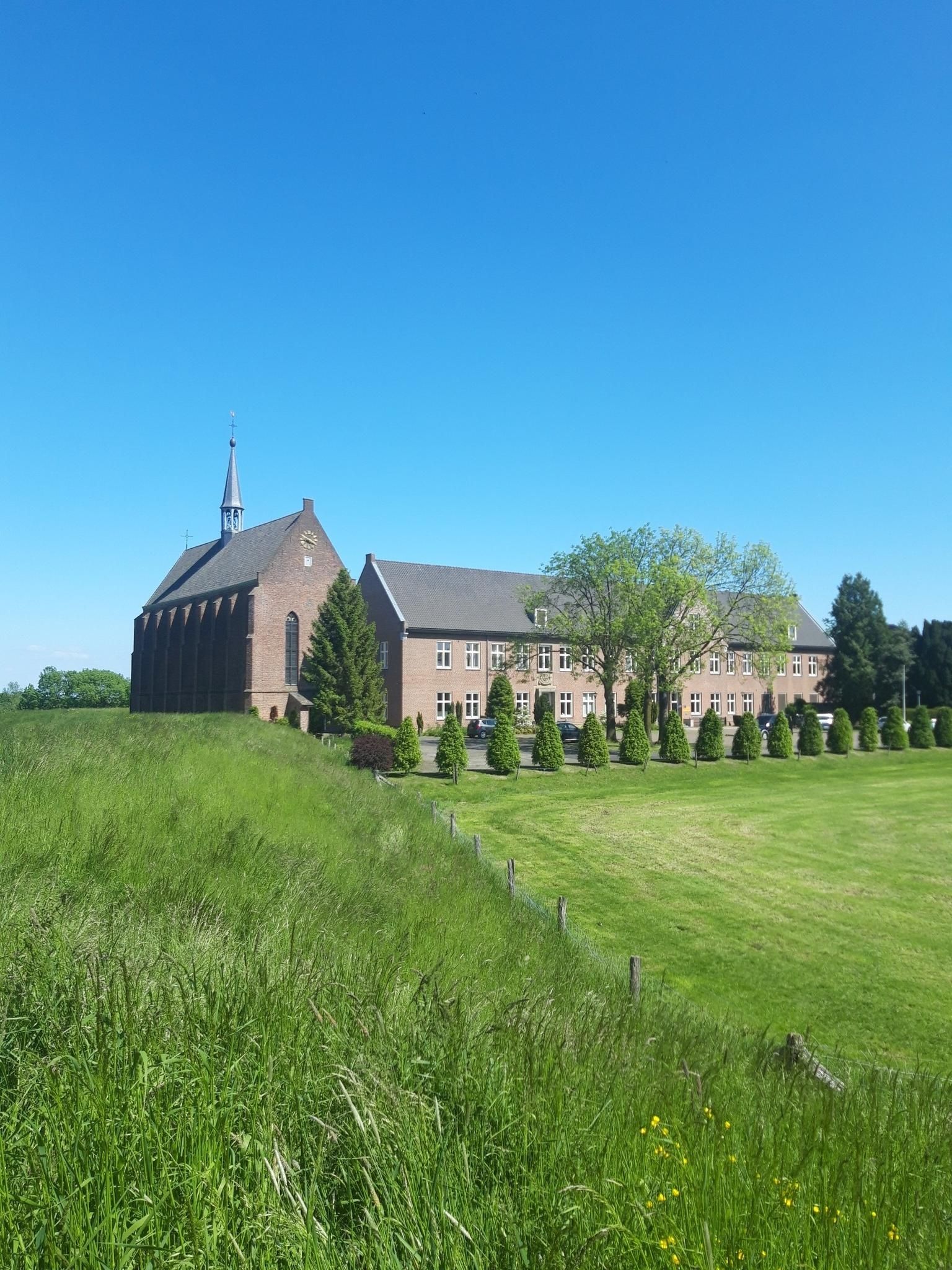
13 hikes full of peace and contemplation - Our Monastery Path
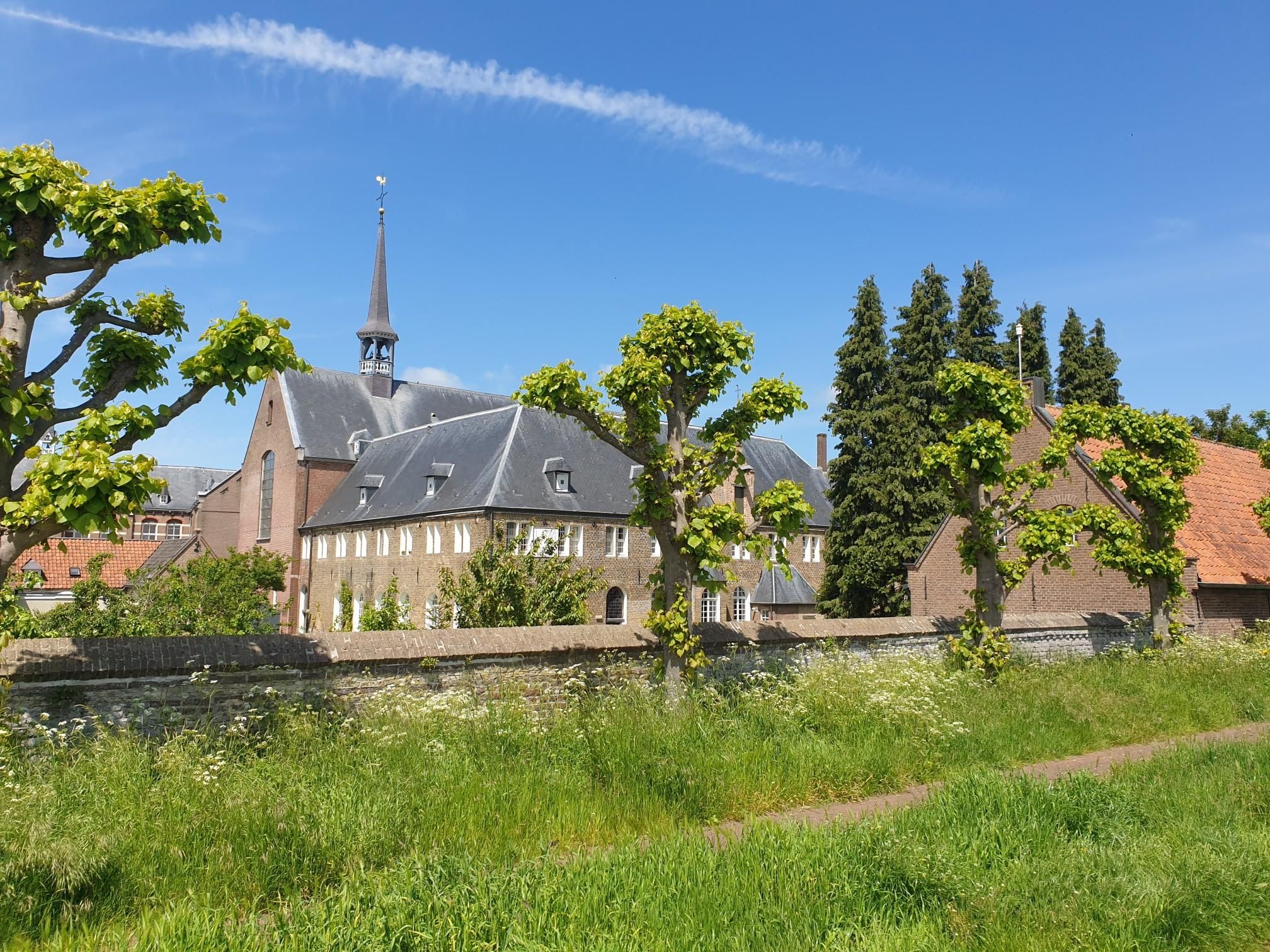
A hike full of tranquility and reflection - Our Monastery Path
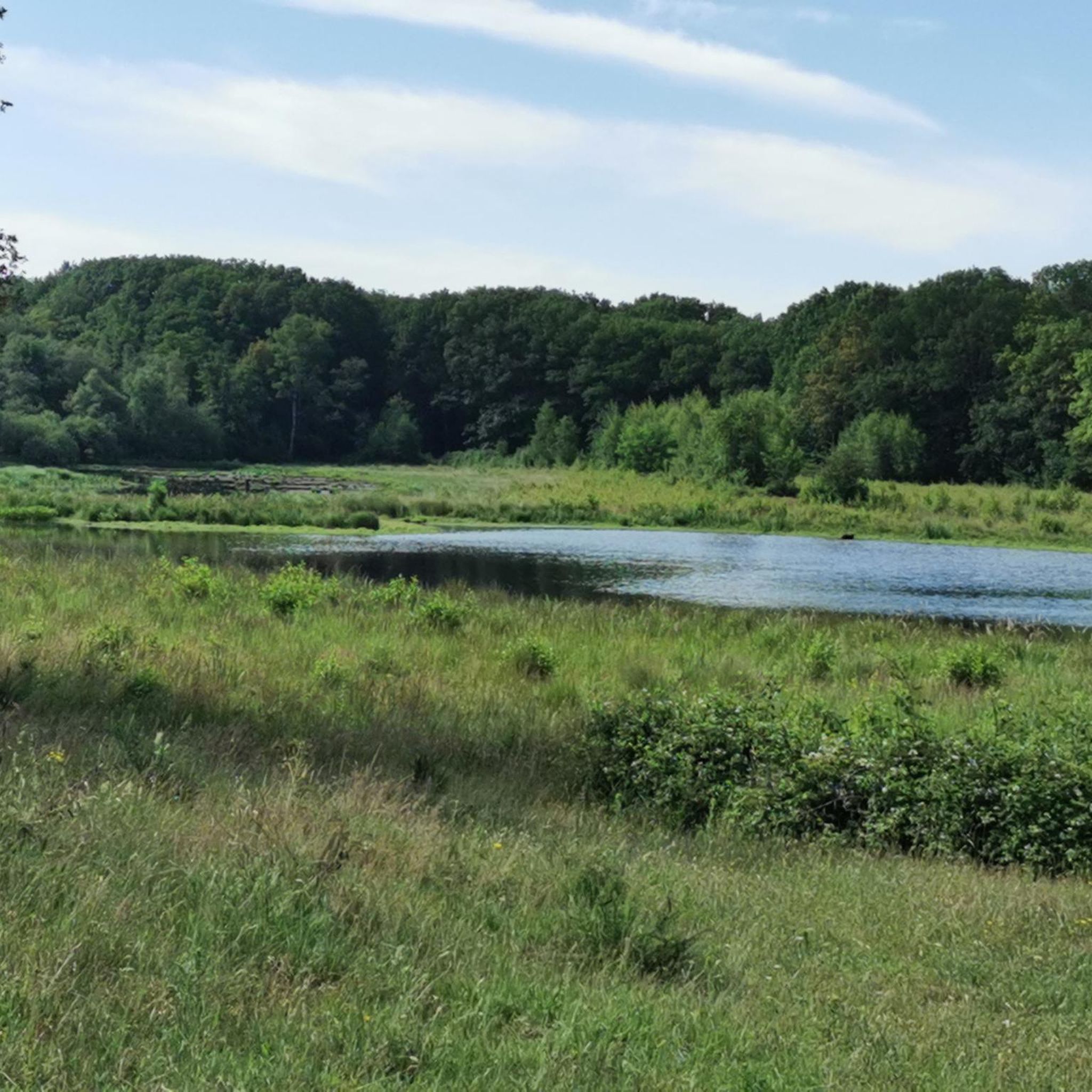
Cycling around Grave

Gravel biking around Grave
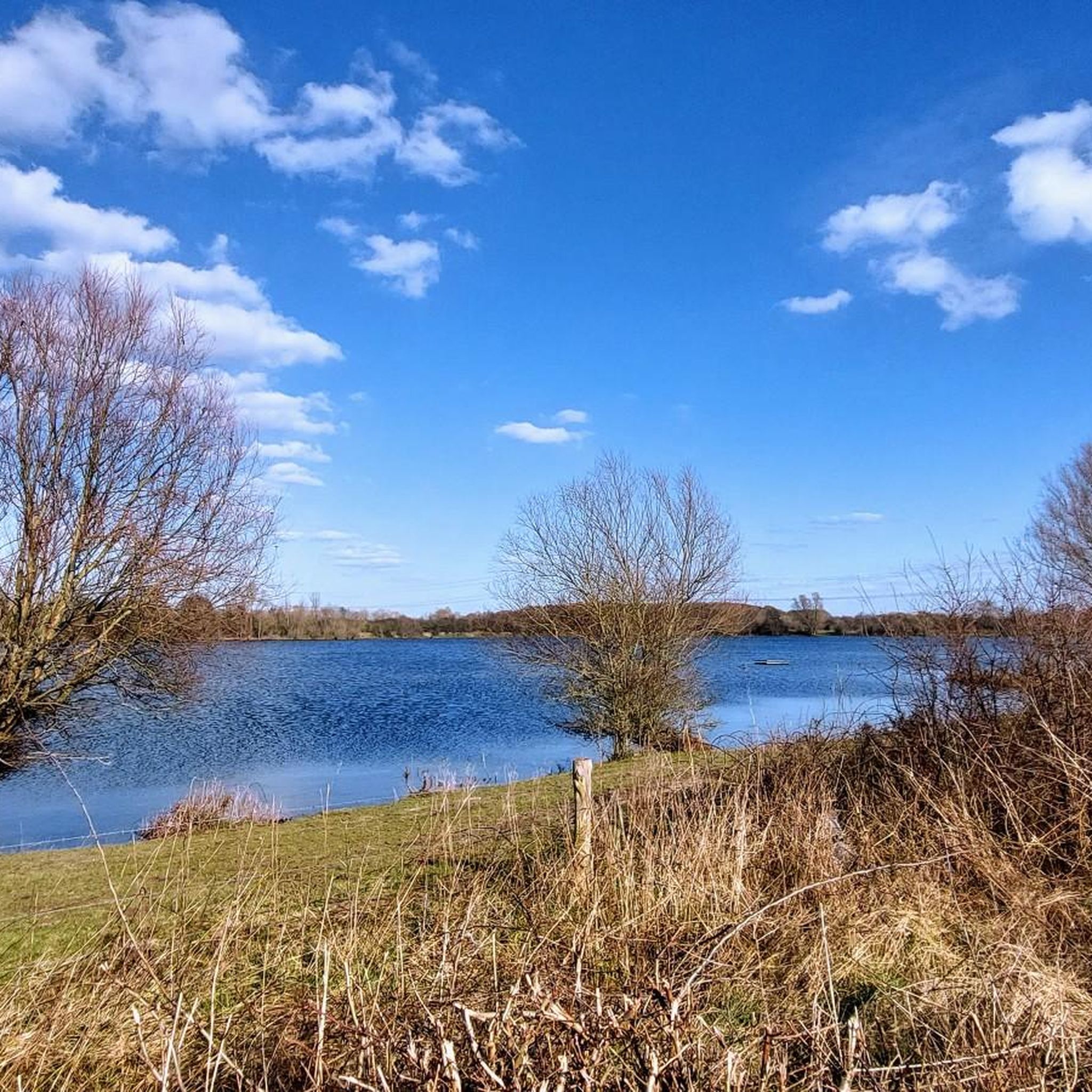
Road Cycling Routes around Grave
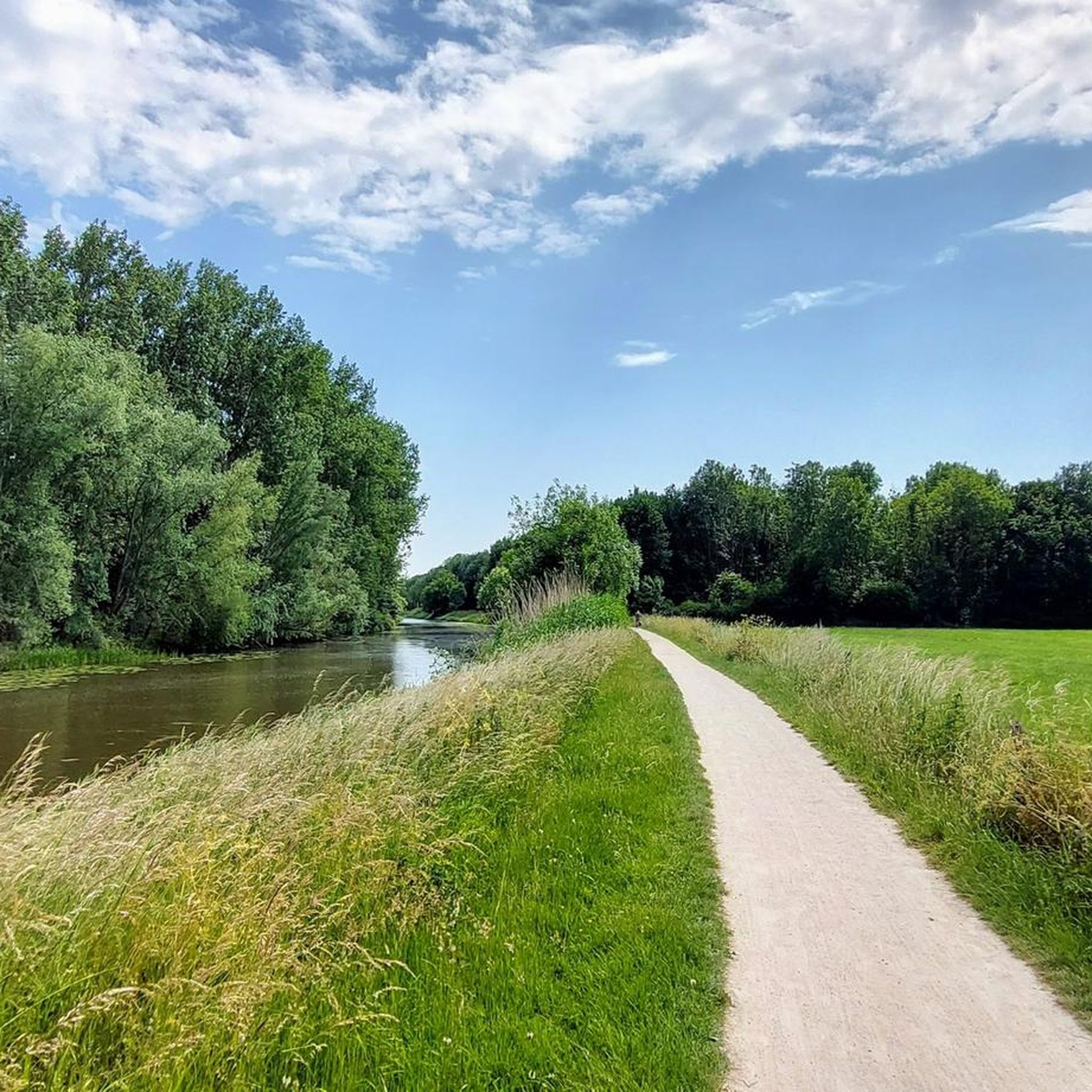
Running Trails around Grave
MTB Trails around Grave
Other adventures around Grave


Tips from the Community

Unfortunately, the gravel has made way for cobblestones
0
0


A beautiful, sturdy bridge. On the Grave side. You can see a bunker. There's a monument next to it with information about the Second World War. Turning the wheel plays a spoken commentary. Definitely worth listening to.
0
0

many meadow landscapes along the dike
0
0
The 82nd Airborne Memorial in Grave commemorates the deployment of the American 82nd Airborne Regiment during Operation Market Garden in September 1944. The airborne troops captured the strategically important bridge at Grave, enabling the Allied advance towards Nijmegen and Arnhem. The memorial is located near the John S. Thompson Bridge and marks the spot where soldiers entered the village and secured the Maas Bridge. It consists of a stone memorial with a plaque and commemorative symbols and is maintained by local historical societies. It is a landmark for walkers and visitors who want to learn more about Grave's wartime history and the crucial role of the 82nd Airborne in the liberation of the region.
0
0
The Hertogswetering is one of the oldest watercourses in the area around Grave and Velp. This long, straight watercourse was constructed in the Middle Ages as part of the drainage system for the Land van Cuijk region. The construction of this watercourse improved the drainage of the wetlands south of the Meuse River and made them suitable for agriculture. The watercourse flows through an open landscape of fields and grasslands and is fed by smaller ditches and springs in the surrounding area. Over the centuries, it has been straightened and deepened several times, but the original character of a classic Brabant watercourse has been preserved. Along the banks, you'll find reed beds, old pollard willows, and several historic farms that owe their location to the watercourse. On hiking trails in this region, the Hertogswetering often forms a tranquil and recognizable landscape element, offering wide views of the surrounding countryside.
0
0
A triangle of silence, history, and Brabant monastic culture In the heart of Velp, three striking sites lie almost as neighbors: the Emmaus Monastery, the Bronckhorst Castle Monastery, and the Vincentius Church. Together, they form a compact yet surprisingly rich concentration of religious heritage—a place where Brabant's monastic history is tangible in its stones, gardens, and ancient lanes. The Emmaus Monastery is the largest and most recognizable complex. Built in the early 20th century, the monastery exudes the subdued atmosphere of a time when religious communities still played a central role in village life. The long facades, the walled monastery garden, and the tranquility surrounding the building fit seamlessly into the landscape of Ons Kloosterpad (Our Monastery Path). For years, it was a place of reflection, study, and work rhythm, and that serenity still pervades. A short distance away stands the Bronckhorst Castle Monastery, a striking name that recalls its original purpose. The complex has its roots in an old estate and was later used by religious congregations. Therefore, it has a touch of both a country estate and a monastery. The combination of historic architecture and monastic simplicity makes it a unique transition between secular and religious heritage. In between stands the Vincentius Church, a village church that has been the religious center of Velp for generations. The tower is a familiar silhouette in the landscape, and inside, you'll find the style characteristic of Brabant village churches: modest, yet with attention to detail and tradition. The church forms, as it were, the connecting link between the monasteries and daily village life. Walking here, you move through a small area where three different layers of religious history intersect: the tranquility of monastic life, the allure of an old estate, and the familiarity of the village church. None of these three stands alone; together, they tell the story of Velp as a monastic village—a place where religion, culture, and history blend naturally.
0
0
Frequently Asked Questions
How many hiking trails are there around Grave?
Grave offers a wide variety of hiking experiences, with over 150 routes available. These trails cater to different preferences, from leisurely strolls to more challenging treks through diverse landscapes.
Are there easy hiking trails suitable for beginners or families in Grave?
Yes, Grave is very welcoming for beginners and families. Over 100 of the available routes are classified as easy, making them perfect for a relaxed outing. Many trails traverse picturesque countryside and serene lakefronts, providing enjoyable experiences for all ages.
Can I find circular hiking routes near Grave?
Absolutely. Many of the hiking routes around Grave are circular, allowing you to start and end at the same point. For example, the Emmaus Monastery circular walk in Velp - Our Monastery Path is a popular moderate option, and the Highland Cow – Casemates at Peel Canal loop from Grave also offers a scenic circular experience.
What kind of landscapes can I expect to see while hiking around Grave?
Hiking around Grave offers a rich tapestry of landscapes. You'll encounter lush forests, tranquil lakefronts at the Kraaijenbergse Plassen, and scenic river paths along the Maas River. While generally flat, some areas like Heumense Schans feature gentle hills. The countryside also includes floodplains, river dunes, and agricultural fields, providing varied scenery.
Are there any interesting historical sites or natural attractions along the hiking trails?
Yes, Grave's history and natural beauty are often integrated into its trails. You can explore the ancient fortifications within Grave itself, including the Hampoort. Natural attractions include the expansive Kraaijenbergse Plassen, the varied terrain of Mookerheide Heath, and the historical site of Heumense Schans. Some routes may even pass by medieval castles like De Tongelaar.
What do other hikers enjoy most about hiking in Grave?
The komoot community highly rates hiking in Grave, with an average score of 4.2 stars from over 400 reviews. Hikers frequently praise the region's diverse landscapes, from quiet woodlands to serene lakefronts, and the well-maintained trails that cater to various skill levels. The combination of natural beauty and historical elements is also a common highlight.
Are there any viewpoints or scenic spots along the trails near Grave?
Yes, the region offers several spots with beautiful views. The Mookerheide Heath provides expansive views of the Maas River and Cuijk. Additionally, the Mookerschans Observation Tower is a notable viewpoint where you can take in the surrounding landscape.
Are there any dog-friendly hiking trails around Grave?
Many trails around Grave are suitable for dogs, especially those through forests and countryside. However, some sections, particularly around the Kraaijenbergse Plassen, might have restrictions for dogs. It's always advisable to check local signage or specific route details for the most up-to-date information on dog access.
What is the typical duration and distance of hiking routes in Grave?
Hiking routes in Grave vary in length and duration. Many popular trails are moderate, ranging from 7.5 to 9 miles (12 to 14.5 km) and typically take around 3 to 3.5 hours to complete. For example, the Kraaijenbergse Plassen – Small drawbridge near Linden loop from Gassel is about 8.9 miles (14.4 km) and takes roughly 3 hours 37 minutes.
Is public transport available to access hiking trails near Grave?
Grave is a well-connected town, and while specific public transport links to individual trailheads may vary, the town itself is accessible. For detailed information on reaching specific starting points by public transport, it's best to consult local transport schedules or planning apps.
Are there any challenging hikes in the Grave area?
While the region is generally known for its gentle terrain, there are a few routes that offer a bit more challenge. Approximately 5 routes are classified as difficult, often featuring more varied topography or longer distances. Areas like Heumense Schans, with its hilly sections through forests and heath, can provide a more strenuous experience.
Can I find trails that are less crowded around Grave?
Grave is considered a 'hidden gem' for hiking, meaning many trails offer a peaceful experience away from large crowds. Exploring routes through the dense woodlands east of the city, towards Gassel, or lesser-known paths in the countryside can provide a quieter outing, especially during off-peak times.
Most popular attractions around Grave

Get inspired with the komoot mobile app


Explore more
Browse the best Hikes in other regions.
