Top 20 Natural Monuments around Boekel
Natural monuments around Boekel showcase the unique landscapes of the Dutch province of North Brabant. This region features diverse natural areas, including dynamic drifting sand areas and significant geological formations. Visitors can explore a variety of terrains, from open sand dunes to extensive forests and wetlands. The natural features provide opportunities for recreation and experiencing local ecology.
Best natural monuments around Boekel
- The most popular natural monuments is Bedafse Bergen Sand Dunes, a natural monument characterized by its striking…
Last updated: August 19, 2026
Bedafse Bergen Sand Dunes
Highlight • Natural
Translated by Google •
Tip by

Stippelberg Nature Reserve
Highlight • Forest
Translated by Google •
Tip by

Sign up now to discover places like this
Get recommendations on the best single tracks, peaks, & plenty of other exciting outdoor places.
Sign up for free
Bedaf Sand Drift
Highlight • Natural Monument
Translated by Google •
Tip by

Peelrand Fault Near Uden
Highlight (Segment) • Natural Monument
Translated by Google •
Tip by

Wijst Grounds Peelrand Fault
Highlight • Natural Monument
Translated by Google •
Tip by

Sign up for free to discover even more natural monuments around Boekel.
Sign up for free
Already have an account?
Start today with a free account
Your next adventure awaits.
Login or Signup
Popular around Boekel
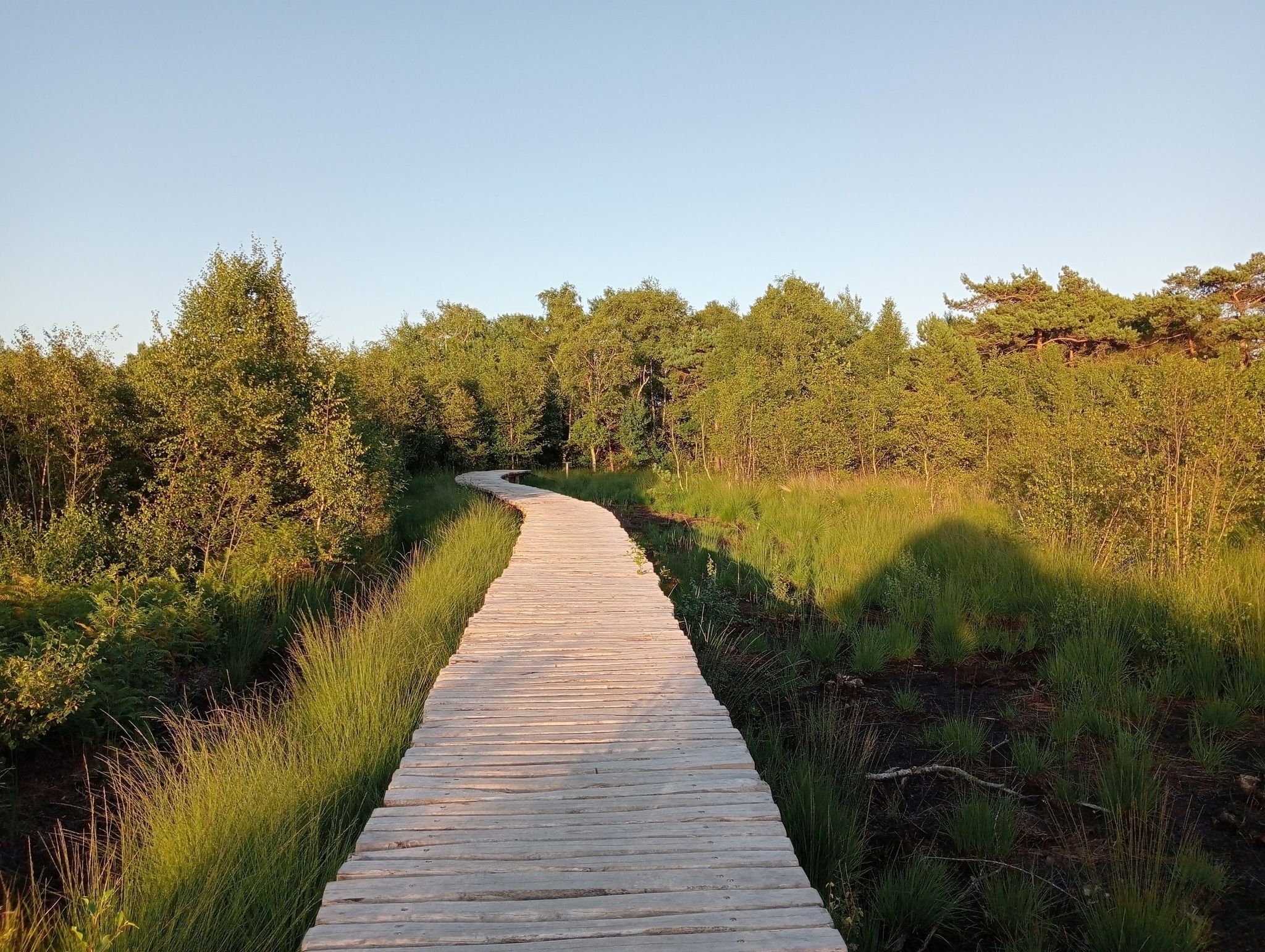
The surprising heart of Brabant and Limburg - The Peelland path
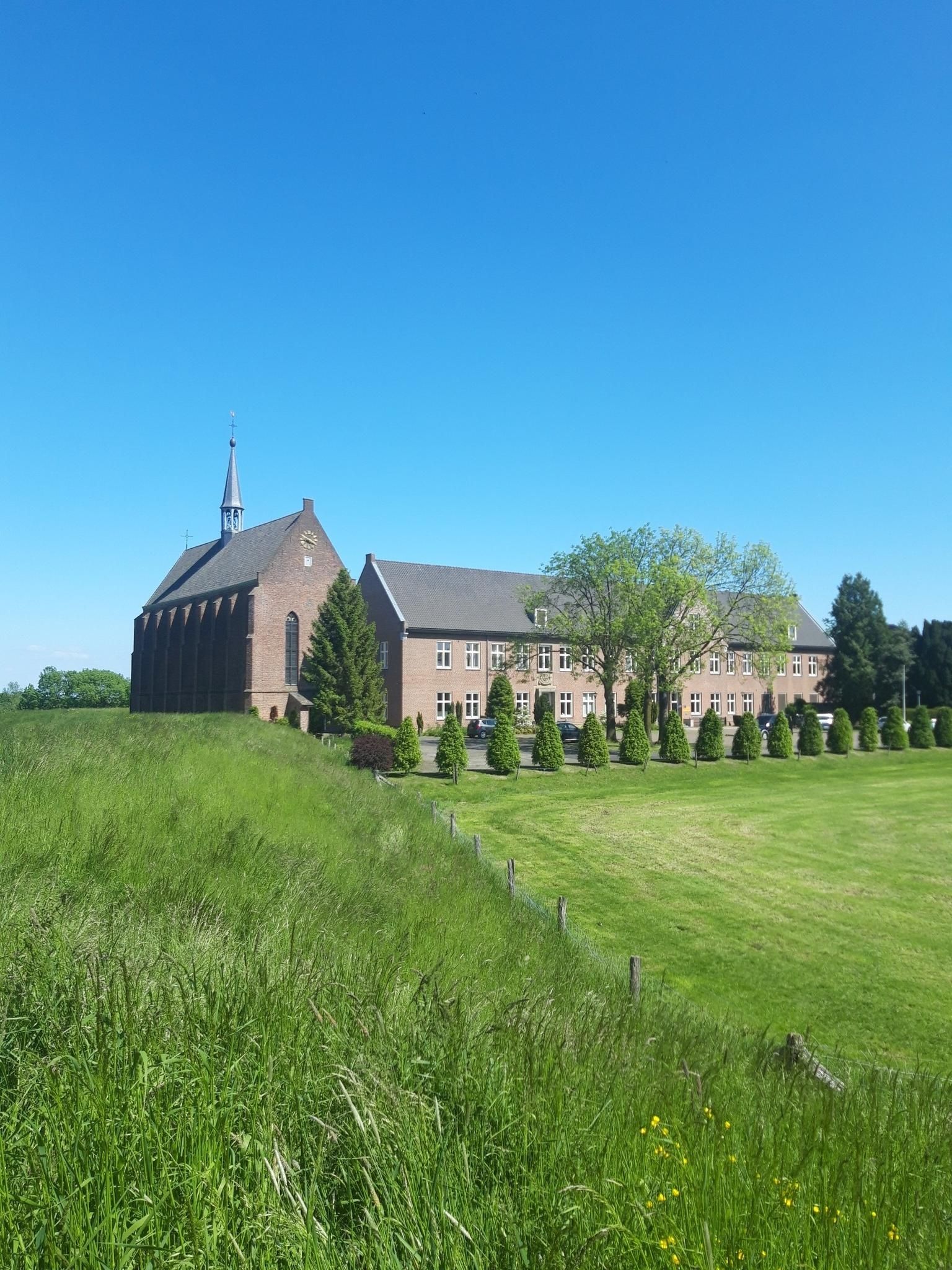
13 hikes full of peace and contemplation - Our Monastery Path
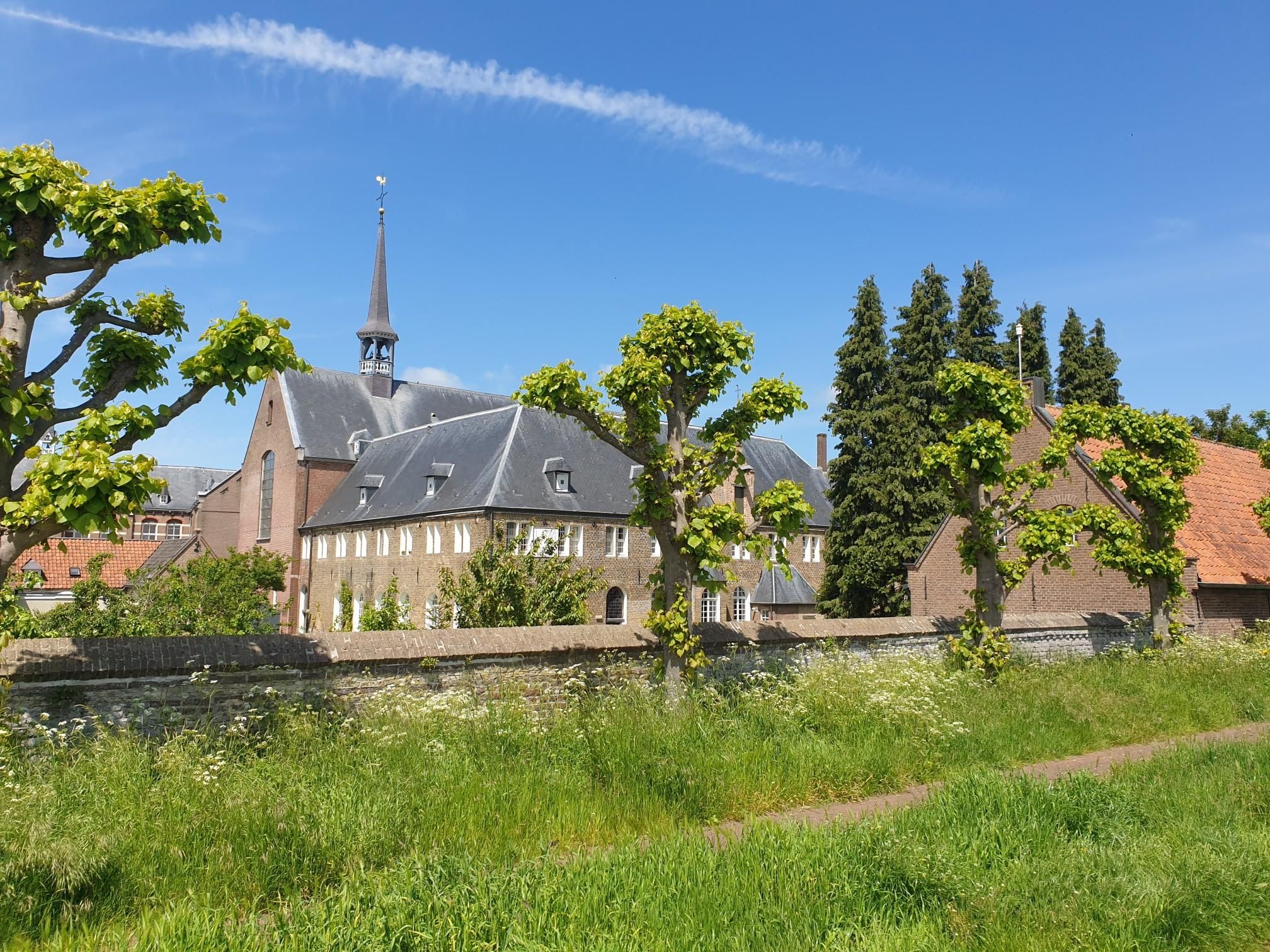
A hike full of tranquility and reflection - Our Monastery Path
Road Cycling Routes around Boekel
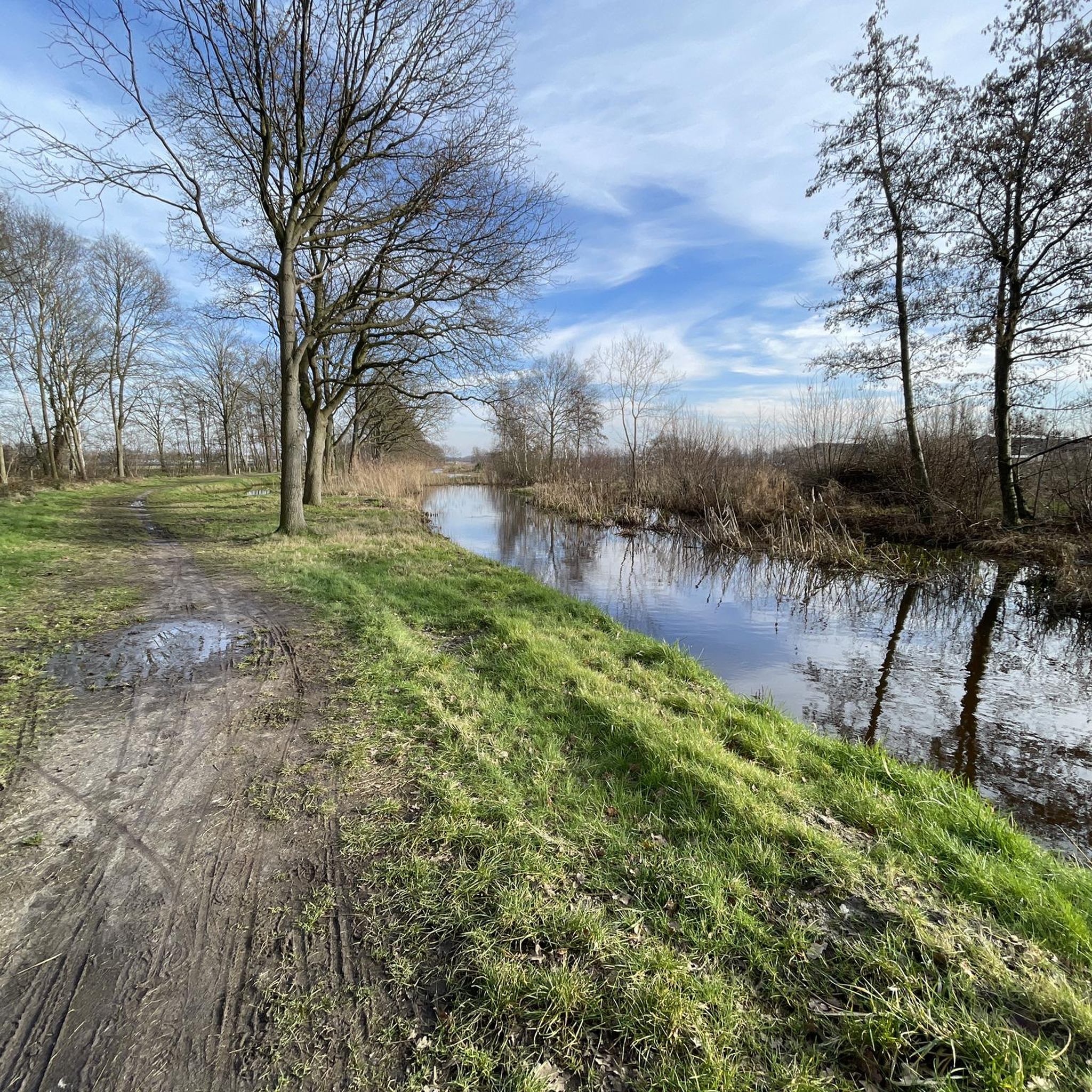
Hiking around Boekel
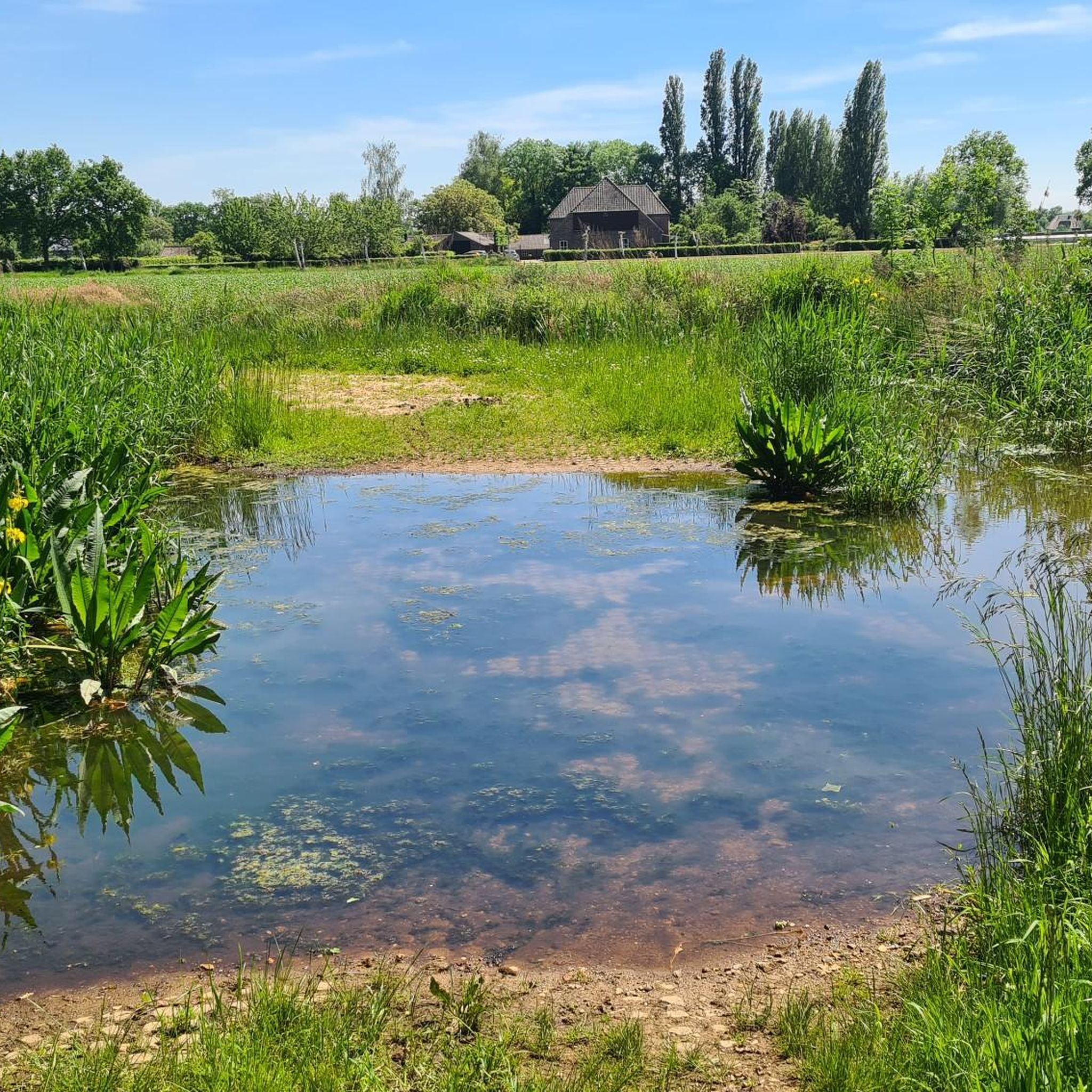
Cycling around Boekel
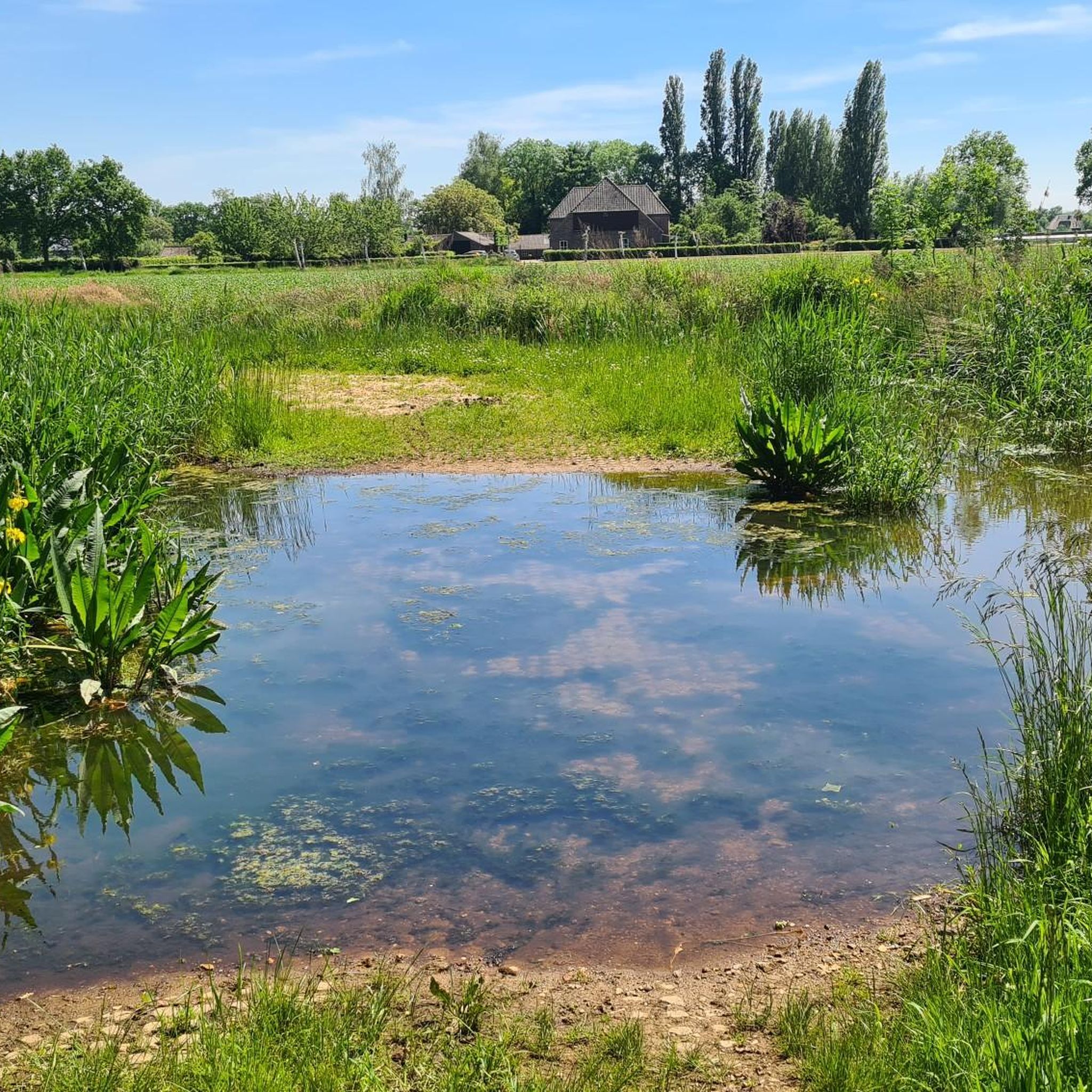
MTB Trails around Boekel

Gravel biking around Boekel
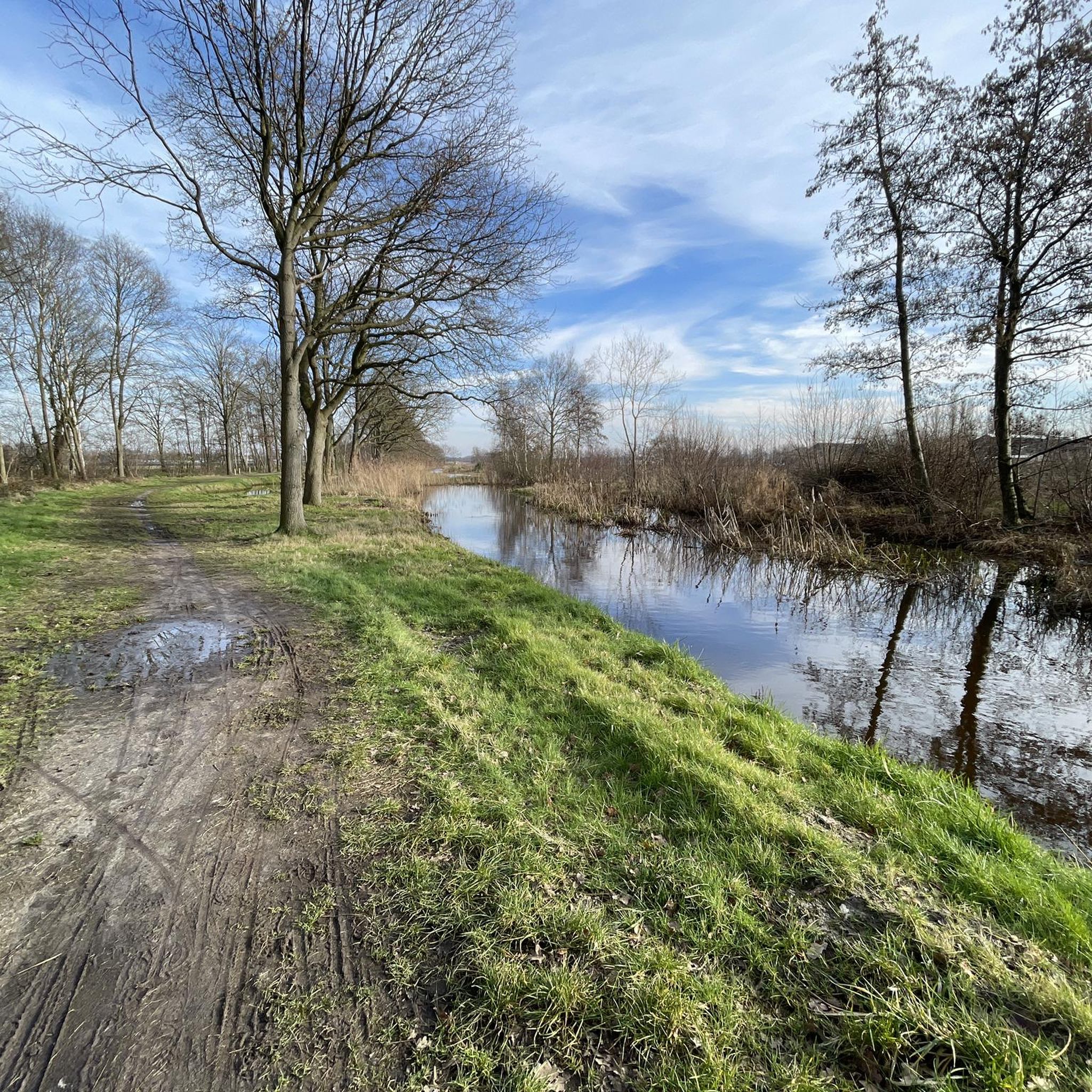
Running Trails around Boekel
Other adventures around Boekel

Tips from the Community

The Peelrand fault near Uden is one of the most recognizable fault zones in Brabant and cuts across the landscape between the Bedafse Bergen and the Annabos. This geological fault causes a height difference of several meters, but more importantly, a difference in water management that is immediately visible in the terrain. On the higher side of the fault, mineral-rich groundwater rises, making this higher part wetter than the lower-lying zone adjacent to it. This inverse pattern of wet and dry is both indicative and unique to this area. Along the fault line, you can see how the dry drifting sand of the Bedafse Zandduinen abruptly transitions into dark, moist soil where seepage water surfaces. The water often has a reddish-brown hue due to the iron carried from the deeper layers. This transition is clearly visible in the field: a few meters further, the landscape changes completely, from dry and light sand to wet, boggy terrain with alders, sedges, and other moisture-loving plants. The Peelrand fault near Uden is therefore a significant geological feature that shapes the entire area. Without it, the Bedafse Bergen wouldn't be so dry and drifting, and the Annabos wouldn't be so wet and seepage-prone. The fault makes this part of Uden one of the best places to see the "wisp" phenomenon in person, and it gives the hiking trail a scenic quality found in few other places.
0
0
The Bedafse Bergen form a striking drifting sand area between Uden and Vorstenbosch. The landscape was created by centuries of sand drift after the original forests were cleared for agriculture and firewood in the Middle Ages. The wind carried the loose sand and accumulated it into hills and sand ridges—the present-day sand dunes of the Bedafse Bergen. The area consists of open drifting sand, low and high sand hills, dry heathland, and small transitions to forest. The dunes have remained active because managers keep sections open, thus preserving the character of a true drifting sand area. The higher ridges offer clear views over the undulating sand landscape, which differs significantly from the typical Brabant forests and farmland. The Bedafse Bergen are one of the few remaining places in North Brabant where this type of landscape can still be seen so clearly: a rugged, dry, and dynamic terrain with natural elevation changes. This makes it both scenically unique and physically challenging, especially when you hike up and down the steep sandy slopes several times. Today, it's a protected nature reserve and a popular hiking area due to its unique dune landscape, open vistas, and stark contrast with the surrounding landscape.
0
0
The Bedafse Bergen form a striking drifting sand area between Uden and Vorstenbosch. The landscape was created by centuries of sand drift after the original forests were cleared for agriculture and firewood in the Middle Ages. The wind carried the loose sand and accumulated it into hills and sand ridges—the present-day sand dunes of the Bedafse Bergen. The area consists of open drifting sand, low and high sand hills, dry heathland, and small transitions to forest. The dunes have remained active because managers keep sections open, thus preserving the character of a true drifting sand area. The higher ridges offer clear views over the undulating sand landscape, which differs significantly from the typical Brabant forests and farmland. The Bedafse Bergen are one of the few remaining places in North Brabant where this type of landscape can still be seen so clearly: a rugged, dry, and dynamic terrain with natural elevation changes. This makes it both scenically unique and physically challenging, especially when you hike up and down the steep sandy slopes several times. Today, it's a protected nature reserve and a popular hiking area due to its unique dune landscape, open vistas, and stark contrast with the surrounding landscape.
2
0
I first read on the sign 'you see the beech', I looked for it but only understood it later... learned something new again.
1
0

Extra beautiful when the heather is in bloom.
2
0

These high, marshy areas with iron-rich seepage water are called wijstgronden, a rare phenomenon that is nowhere in Europe as visible as near Uden. That is why the province of Noord-Brabant declared the special area “De Wijstgronden” in 2004 as the first geological monument in the province. At the moment there is even the ambition to have the entire area around the Peelrandbreuk recognized as Unesco Geopark Peelhorst.
0
0
The Peelrand fault is clearly visible in the landscape in several places. For example, in the Sint Annabos near Uden you can see a height difference or steep edge of almost 2 meters. It is also noticeable that the vegetation on the high part of the fault is different from that on the low side. This is because the soil on the high side is much wetter. Soil scientists would normally expect it to be the other way around, but due to the tectonic movement of the soil, the density of the soil around the fault plane is much greater and practically impermeable to water. As a result, the groundwater that flows from the higher Peelhorst towards the lower Roerdalslenk is forced to the surface at the Peelrand fault. This groundwater naturally contains a great deal of dissolved iron. As soon as the iron particles come into contact with oxygen, rusty deposits form on the soil. If this process is repeated in the same place over and over again, large, hardened iron concentrations can form: the iron ore banks.
1
0

The Stippelberg is a large nature reserve. Yet it is well hidden in the east of Brabant, near the village of De Rips. Walk in the eastern part of the Stippelberg over the beautiful lanes that belong to the country house. And admire the rhododendrons that brighten up the estate. A striking feature of the Stippelberg are the many hills in the middle of the forest. All these 'dots' are drifting dunes created by sand drifts. The Stippelberg owes its name to these hills. Due to afforestation for wood production, you can now find an extensive pine forest here. Take a walk in this forest over the dots in the landscape. A place that you really must have seen is d'n Blikken Emmer. This place is on top of the highest dot. But what exactly can you admire? At this spot you can see a bucket hanging on top of a pole. Now you might think, why a bucket? In the past, when forest workers were allowed to take a break, this bucket was hit. It was also a fire alarm. Source and more information: Natuurmonumenten
5
0
Frequently Asked Questions
What unique natural features can I explore around Boekel?
The Boekel region offers diverse natural features, including dynamic drifting sand areas like the Bedafse Bergen Sand Dunes, extensive pine forests with unique 'spring dunes' at Stippelberg Nature Reserve, and significant geological formations such as the Peelrand Fault Near Uden, which creates distinct wet and dry patterns in the landscape.
Are there family-friendly natural monuments around Boekel?
Yes, several natural monuments are suitable for families. Stippelberg Nature Reserve is known for its family-friendly trails through pine forests. Natuurpark de Perekker, close to Boekel's center, features an interactive nature experience path designed for children up to 10 years old, complete with a bee house, frog pond, and sand martin wall. The Bedaf Sand Drift also offers engaging walks over dunes.
What kind of landscapes can I expect to see at the Bedafse Bergen?
The Bedafse Bergen Sand Dunes present a striking drifting sand landscape. You'll find open drifting sand, low and high sand hills, dry heathland, and transitions to forest. This rugged, dry, and dynamic terrain features natural elevation changes, with higher ridges offering clear views over the undulating sand landscape, a unique sight in North Brabant.
What is special about the Stippelberg Nature Reserve?
The Stippelberg Nature Reserve is characterized by its extensive pine forest and unique 'dots' in the landscape. These 'dots' are spring dunes, created by sand drifts when the area was open. The reserve offers a hilly terrain and is home to d'n Blikken Emmer, a historical landmark on the highest 'dot'.
What is the Peelrand Fault and where can I see it?
The Peelrand Fault is a significant geological fault zone that cuts across the landscape, notably near Uden. The Peelrand Fault Near Uden is one of the most recognizable sections. It causes a visible height difference and, more importantly, a unique hydrological phenomenon where mineral-rich groundwater rises on the higher side, making it wetter than the adjacent lower-lying areas. This creates a distinct wet and dry pattern, clearly visible as a transition from dry sand to moist, boggy terrain.
What are Wijstgronden and where can I find them?
Wijstgronden are rare natural areas where groundwater rises to the surface due to geological fractures, creating unique wetland environments. The Wijstgronden in Uden, including the Loose Beemden, Raktse Beemden, and Kooldert, are examples of these special nature reserves. They are characterized by moist soils and specific vegetation, offering a contrast to the drier sand dunes nearby.
Are there hiking trails near the natural monuments around Boekel?
Yes, the natural monuments around Boekel are popular for hiking. For instance, the Bedafse Bergen Sand Dunes offer physically challenging walks over steep sandy slopes. You can find various running trails in the region, such as the 'Path Along the Peelsche Loop' or 'IJsbaan loop', which are part of the Running Trails around Boekel guide.
Can I go cycling near Boekel's natural monuments?
Absolutely. The area around Boekel is well-suited for cycling. You can explore routes like the 'Forest Cycle Path – Gemert Castle loop' or the 'Volkelse Molen – De Neije Kreiter Windmill loop'. These and more options are detailed in the Cycling around Boekel guide. For those seeking more adventure, there are also gravel biking opportunities, including routes through the St. Anthonis Nature Reserve, found in the Gravel biking around Boekel guide.
What is the best time of year to visit the natural monuments around Boekel?
The natural monuments around Boekel can be enjoyed year-round, but each season offers a different experience. Spring brings blooming flora, while summer is ideal for longer walks and outdoor activities. Autumn showcases beautiful foliage, especially in forested areas like Stippelberg. Even in winter, the landscapes, particularly the drifting sands, offer a stark and unique beauty.
Are the natural monuments around Boekel dog-friendly?
Many natural areas in the Netherlands welcome dogs, often requiring them to be on a leash to protect wildlife and other visitors. Specific rules can vary by reserve. For example, the Stippelberg Nature Reserve is generally dog-friendly, but it's always best to check local signage for current regulations regarding leash requirements or restricted areas.
Where can I park when visiting natural monuments around Boekel?
Parking facilities are generally available near popular natural monuments. For instance, when visiting the Bedafse Bergen, you can find parking options in the vicinity of Uden and Vorstenbosch. Natuurpark de Perekker, being close to Boekel's center, also offers accessible parking. Specific parking information is often signposted at the entrances to these nature reserves.
Are there cafes or accommodation options near the natural monuments?
Yes, Boekel and its surrounding villages offer various cafes, pubs, and accommodation options. While direct facilities within the nature reserves are limited to preserve their natural state, you'll find places to eat and stay in nearby towns, making it convenient to combine your visit with local hospitality. Holiday parks, such as Sandberghe near the Bedafse Bergen, also provide accommodation close to nature.
Most popular attractions around Boekel

Get inspired with the komoot mobile app


Explore more
Extend your search for the best caves by checking out these guides of the top ones around Boekel:
