Top 20 Natural Monuments around Vaals
Natural monuments around Vaals are concentrated around the Vaalserberg and the Drielandenpunt, offering a blend of geographical significance and recreational opportunities. The Vaalserberg is the highest point in the European part of the Netherlands, reaching 322.4 meters above NAP. This region features diverse landscapes, including forests, valleys, and unique geological formations. It serves as a notable location where the borders of the Netherlands, Belgium, and Germany converge.
Best natural monuments around Vaals
- The most popular natural monuments is Meanders of…
Last updated: June 26, 2026
Vaalserberg Three-Country Point
Highlight • Monument
Translated by Google •
Tip by

Hohnbach Valley
Highlight (Segment) • River
Translated by Google •
Tip by

Sign up now to discover places like this
Get recommendations on the best single tracks, peaks, & plenty of other exciting outdoor places.
Sign up for free
Meanders of the Geul
Highlight (Segment) • River
Translated by Google •
Tip by

The Geul River and Surroundings
Highlight • River
Translated by Google •
Tip by
Cyclops Stones in the Aachen Forest
Highlight • Natural Monument
Translated by Google •
Tip by

Sign up for free to discover even more natural monuments around Vaals.
Sign up for free
Already have an account?
Start today with a free account
Your next adventure awaits.
Login or Signup
Popular around Vaals
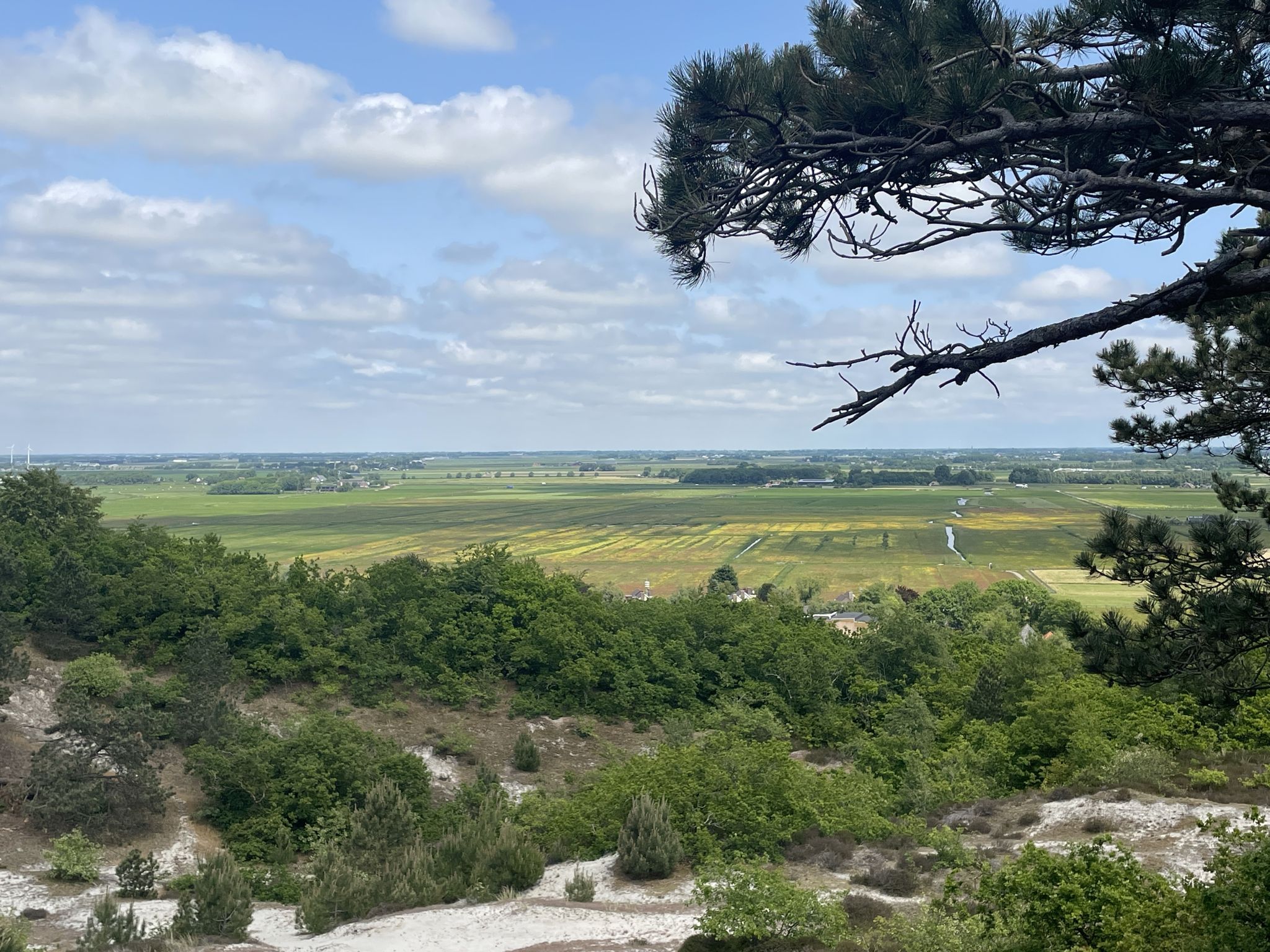
The peaks of the Low Countries — calf-biters in every province
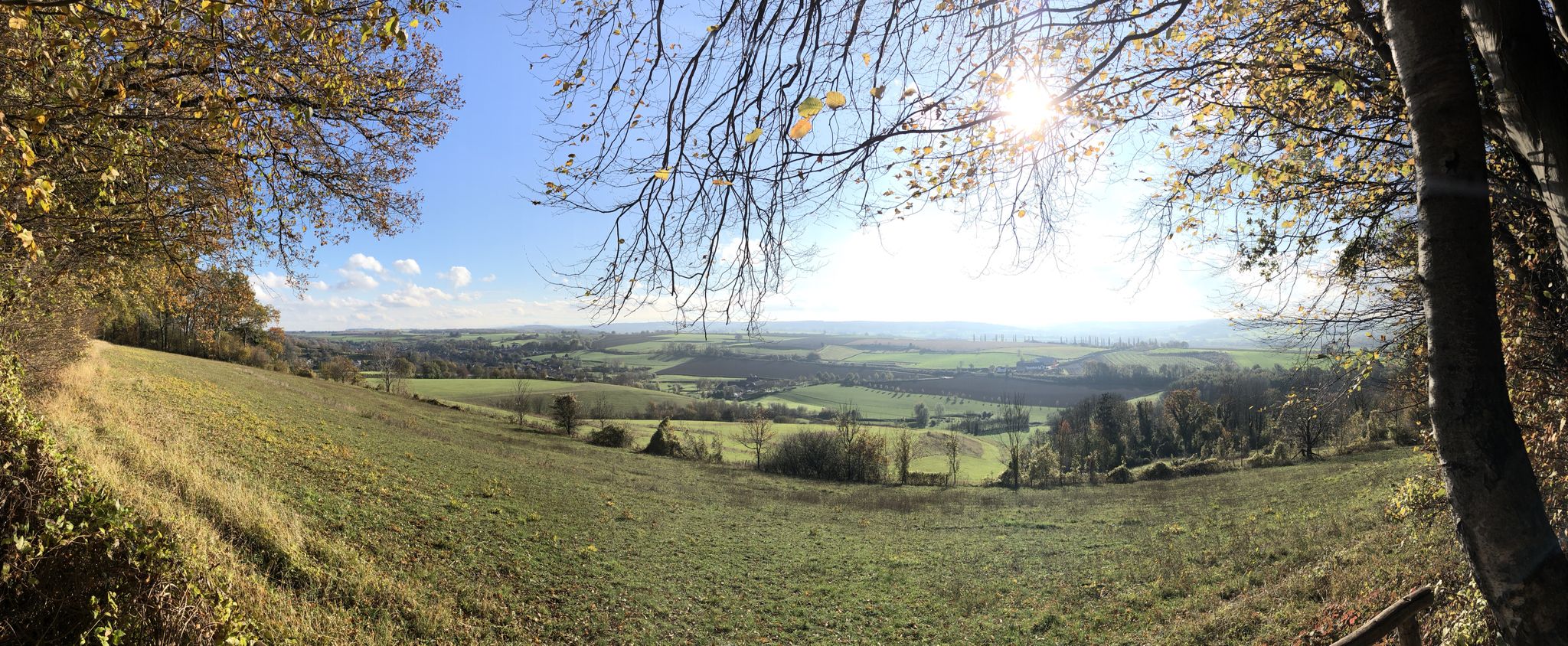
A merry multi-day hike – Limburg Pubs Route
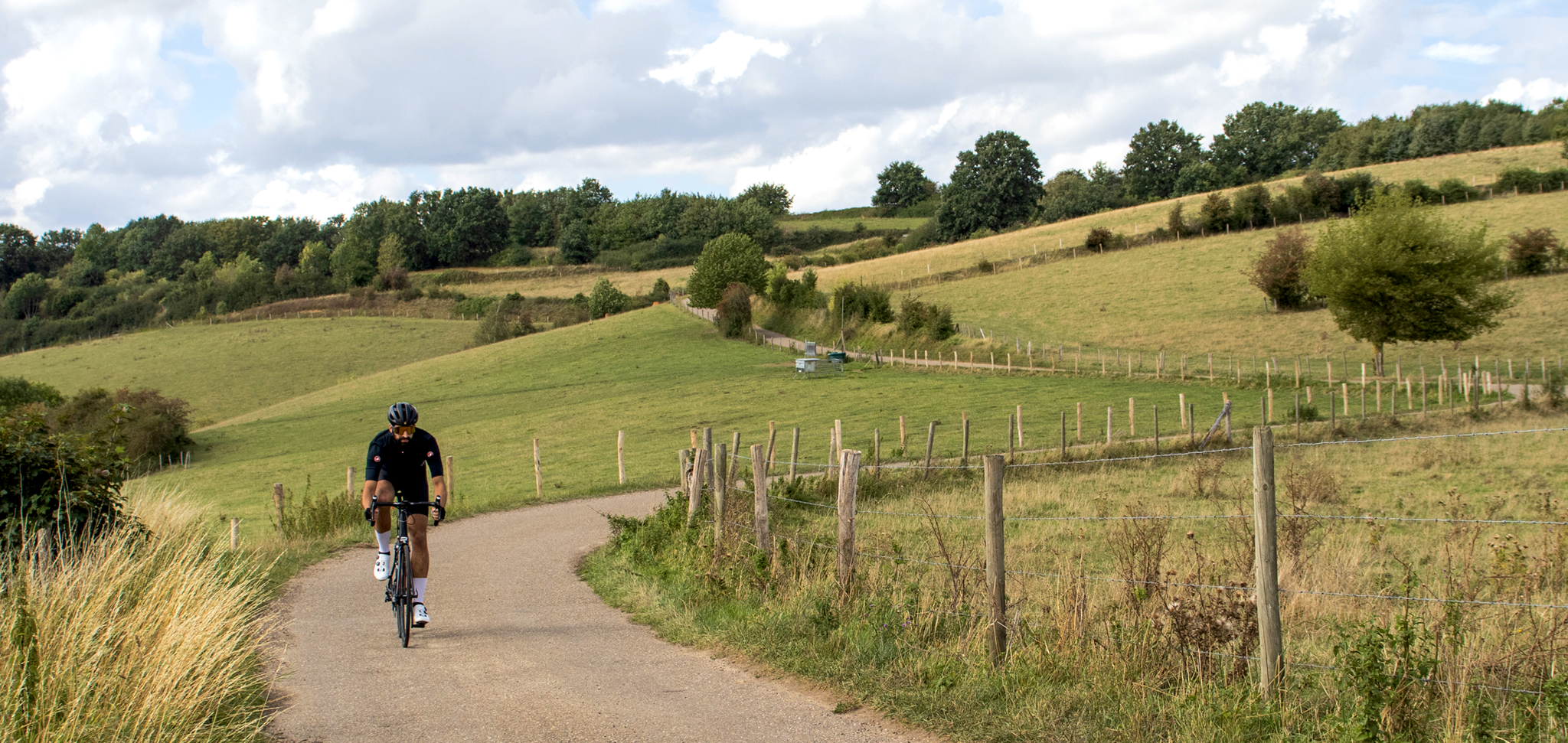
Cross-border cycling in South Limburg – the alternative routes
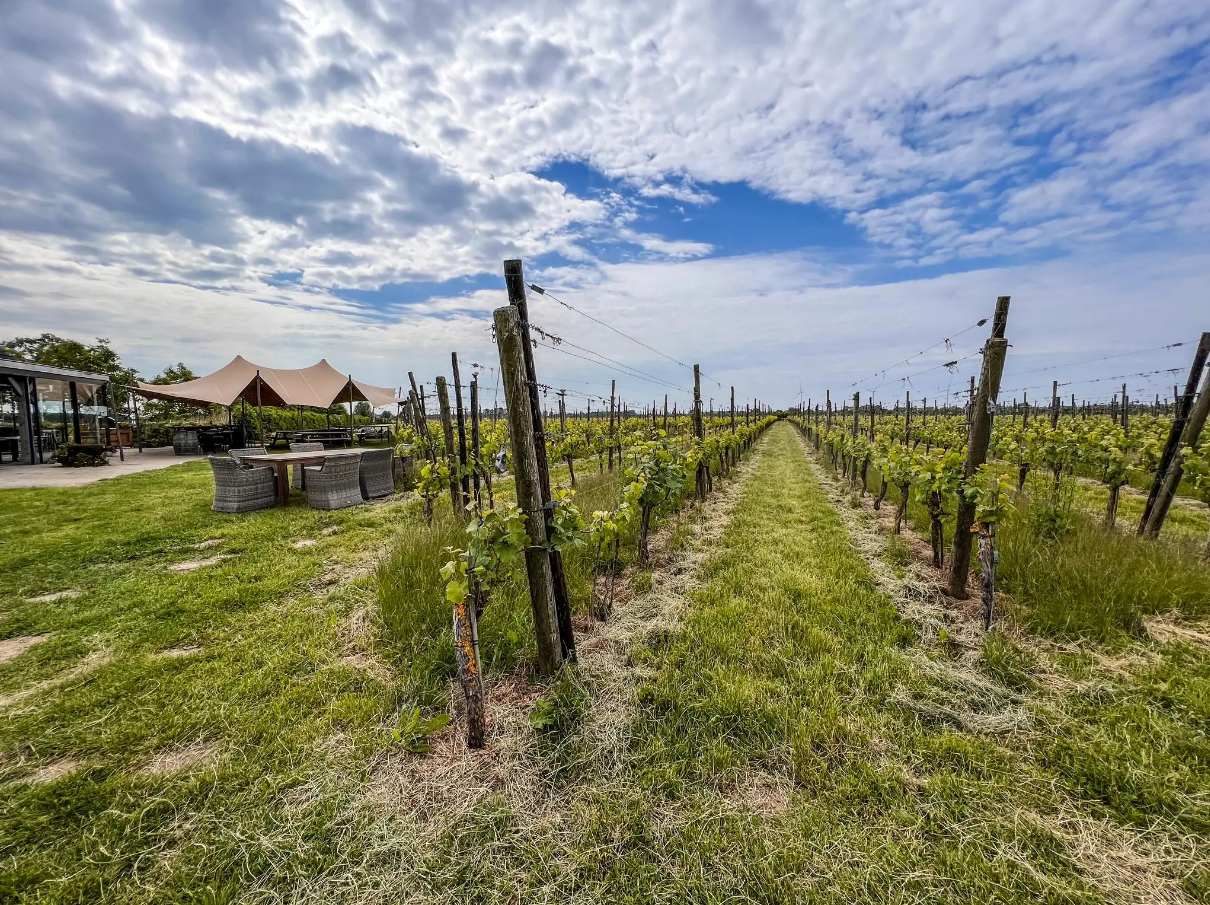
Hike and wine – walking through vineyards in the Netherlands
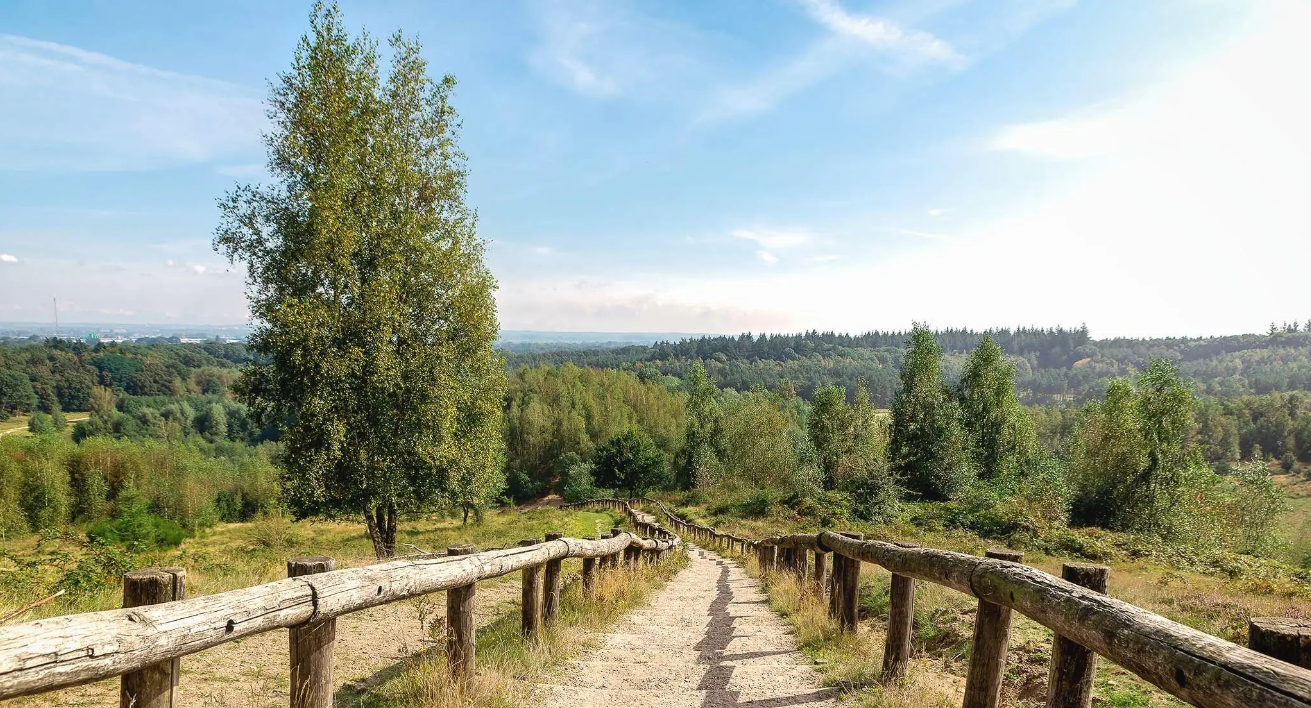
For hill seekers: The best trail runs in the Netherlands
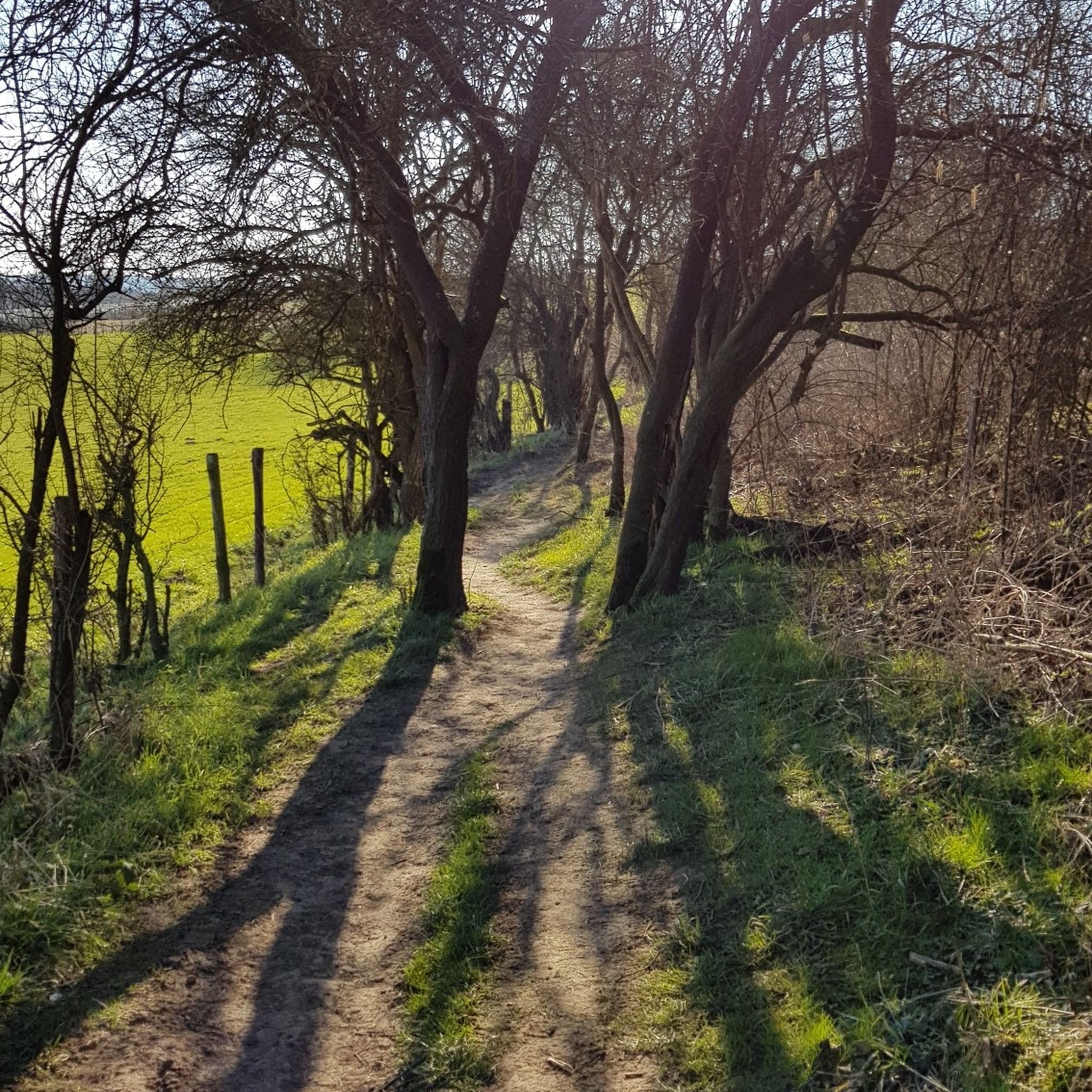
Hiking around Vaals
Road Cycling Routes around Vaals
Running Trails around Vaals
MTB Trails around Vaals
Cycling around Vaals


Tips from the Community

The Geul is an idyllic stream that meanders considerably, or winds through the landscape. Because the Geul flows fast on this part, the water erodes the bank in the outer bends. In the inner bends, the water flows less fast and the sand and mud that has been carried along remains there. In the outer bends, there is a steep bank and in the inner bends a flat bank.
4
0

The highest point in the Netherlands coincides with the three-country point and is an important tourist attraction.
21
0

As early as the late Middle Ages, the border of the former Aachen Empire, fortified with the Aachen Moat, ran from south to north across the ridge of the Vaalserberg. From 1839 to 1919, the Vaalserberg, with the disputed area of Neutral Moresnet as the fourth country, was even a four-country corner (Vierlandenpunt), which is still remembered in the name of the access road on the Dutch side - Viergrenzenweg. During the First World War, from 1915 to 1918, the high-voltage border barrier stretched along the Belgian-Dutch border for a length of 300 kilometers from the then four-country corner on the Vaalserberg to the Belgian North Sea coast near Knokke. The German invasion of Belgium in 1914 via Gemmenich to Diksmuide, which brought much suffering to the Belgian population, is commemorated by a memorial made of compressed war material at the southern tip of the Vaalserberg, called Via Dolorosa.
23
0

With a height of no less than 322.4 meters above NAP, the Vaalserberg is the highest mountain in the Netherlands (with the exception of the mountains in the Caribbean). So you are standing on the roof of the Low Countries! The mountain is not only known for its height, but also for the three country point you will find here; here the borders of the Netherlands, Belgium and Germany meet. In addition, there are plenty of activities for young and old on and around the top, so hang out here for a while.
14
1
Follow the walking path along and over the Geul and enjoy the unique landscape.
2
1

The Dreiländerpunkt is probably the most frequented area at the Dreiländereck for "selfies" or the like. If you don't like tourist hype of this kind, but still want to take a photo here without umpteen other people being on it, you should come here as early as possible in the morning and not at the weekend or during the holidays...
21
0

The Dreiländerpunkt consists of a stone on which the country abbreviations are written. Lines on the ground indicate the angle at which each country extends.
24
0
The Vaalserberg is marketed accordingly and many people follow the call. Highest point in the Netherlands, steep climbs, monuments, observation tower, gastronomy and much more.
20
0
Frequently Asked Questions
What unique natural features can I explore in Vaals?
Vaals is rich in unique natural features. Beyond the well-known Vaalserberg Three-Country Point, you can discover the distinctive Meanders of the Geul, where the river's winding course creates unique bank formations. The Hohnbach Valley is another highlight, known for its diverse terrain and unique flora like the yellow calamine violet and daffodil meadows in spring. Additionally, the ancient Cyclops Stones in the Aachen Forest offer a glimpse into millions of years of geological history.
Are there family-friendly activities at the natural monuments in Vaals?
Yes, several natural monuments in Vaals are very family-friendly. The Vaalserberg Three-Country Point offers not only the unique experience of standing in three countries at once but also features the Labyrint Drielandenpunt, one of Europe's largest mazes with water walls, and a playground. The Hohnbach Valley and the Meanders of the Geul are also suitable for family walks, offering gentle paths and scenic views.
What kind of hiking trails can I find near Vaals' natural monuments?
The Vaals area, particularly around the Vaalserberg and Vijlenerbos, offers a variety of hiking trails. You can find routes ranging from easy to moderate, winding through forests and offering panoramic views. For example, there are routes like 'The Vaalserberg' (moderate, 11.6 km) and 'Vijlenerbos route 1' (easy, 6 km). You can explore more options and detailed routes in the Hiking around Vaals guide.
When is the best time of year to visit the natural monuments in Vaals?
The natural monuments in Vaals can be enjoyed year-round, but spring and autumn offer particularly beautiful experiences. In spring, the Hohnbach Valley is famous for its vibrant daffodil meadows. Autumn brings stunning foliage to the forests around Vaalserberg and Vijlenerbos. Summer is ideal for longer hikes and outdoor activities, while winter can offer a serene, snow-covered landscape, though some facilities might have reduced hours.
Can I bring my dog to the natural monuments in Vaals?
Many of the natural areas and trails around Vaals are dog-friendly, especially the extensive forests like Vijlenerbos and the paths around the Vaalserberg Three-Country Point. It's generally recommended to keep dogs on a leash, especially in nature reserves, to protect wildlife and ensure a pleasant experience for all visitors. Always check local signage for specific rules.
What historical or geological significance do these natural monuments hold?
The natural monuments in Vaals are rich in history and geology. The Vaalserberg Three-Country Point is a unique geographical landmark where three countries meet, and for a period, it was even a quadripoint. Deep within the Vijlenerbos, part of the larger forest system, ancient prehistoric burial mounds can be found. The Cyclops Stones in the Aachen Forest are ancient sand formations from the Cretaceous Sea, showcasing millions of years of geological processes.
Where can I find panoramic views in the Vaals area?
For breathtaking panoramic views, head to the Vaalserberg Three-Country Point. From the summit, you can see across the Netherlands, Belgium, and Germany. There are also observation towers, such as the Boudewijn Tower on the Belgian side and the Wilhelminatoren on the Dutch side, which offer elevated perspectives, including a skywalk with a glass floor.
Are there any unique plants or wildlife to look out for?
Yes, the Hohnbach Valley is particularly notable for its unique flora. It's one of the few places where you can find the yellow calamine violet, which thrives in soil containing heavy metals. In spring, the valley transforms with extensive daffodil meadows. The diverse forests and river valleys also support various bird species and small mammals.
What are the options for cycling near the natural monuments?
The Vaalserberg area is a popular destination for cyclists, including road cycling and mountain biking. The Vaalserberg itself is a well-known climb in the Amstel Gold Race. You can find various routes, such as the 'Vaalserberg Three-Country Point – View of Beusdael Castle loop' for MTB or the 'Geuldal Cycle Path – Schin op Geul loop' for road cycling. More detailed routes are available in the MTB Trails around Vaals guide and the Road Cycling Routes around Vaals guide.
Are there easy walking routes suitable for all fitness levels?
Yes, the region offers several easy walking routes. The Vijlenerbos, for instance, has paths that are generally well-maintained and suitable for leisurely strolls. The areas around the Meanders of the Geul also provide gentle, scenic walks. Many trails are designed to be accessible, allowing visitors of varying fitness levels to enjoy the natural beauty. Look for routes marked as 'easy' in the Hiking around Vaals guide.
Where can I find refreshments or accommodation near the natural monuments?
The area around the Vaalserberg Three-Country Point is well-equipped with tourist facilities, including restaurants and snack vendors. The town of Vaals itself offers various cafes, pubs, and accommodation options. You'll also find establishments scattered throughout the surrounding villages, providing places to rest and refuel after exploring the natural monuments.
How long does it typically take to visit the Drielandenpunt?
A visit to the Drielandenpunt (Three-Country Point) can range from a quick stop to several hours, depending on your interests. If you just want to stand in three countries and take a few photos, 30-60 minutes might suffice. However, if you plan to explore the Labyrint Drielandenpunt, climb an observation tower, or enjoy a meal, you could easily spend 2-3 hours or more.
Are there any hidden gems or less-known natural spots in Vaals?
While the main attractions are popular, the region holds some less-known spots. The ancient prehistoric burial mounds hidden deep within the Malensbosch forest (part of Vijlenerbos) offer a unique blend of nature and history. The Cyclops Stones in the Aachen Forest, though a highlight, are often appreciated for their quiet, natural setting away from larger crowds, offering a serene experience.
Most popular routes around Vaals
Most popular attractions around Vaals

Get inspired with the komoot mobile app


Explore more
Extend your search for the best caves by checking out these guides of the top ones around Vaals:
