The best MTB trails around Maasbracht
4.2
(1297)
8,306
riders
383
rides
Mountain bike trails around Maasbracht traverse a landscape characterized by river valleys, extensive forests, and tranquil lake areas. The region offers a mix of flat sections along waterways and gentle rolling terrain, providing varied riding experiences. These routes often follow well-maintained paths through natural reserves and past historical sites, making them suitable for different skill levels.
Best mountain bike trails around Maasbracht
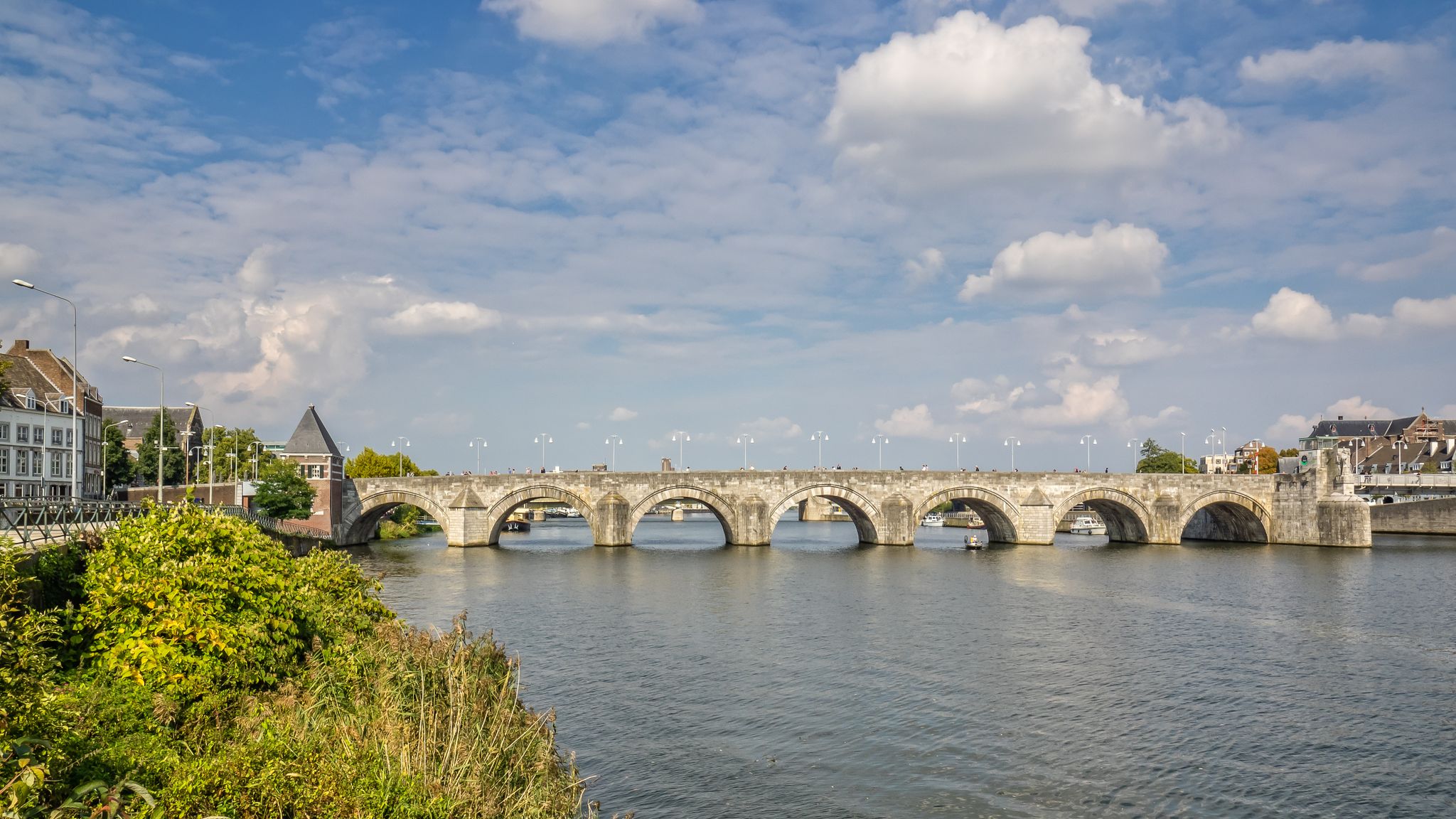
- The most popular mountain bike trail is Flow trail in the forest – MTB Route Montfort loop from Herten, a 19.9 miles (32.1 km) trail that takes 2 hours 7 minutes to complete. This moderate route offers a flowing ride through dense forest.
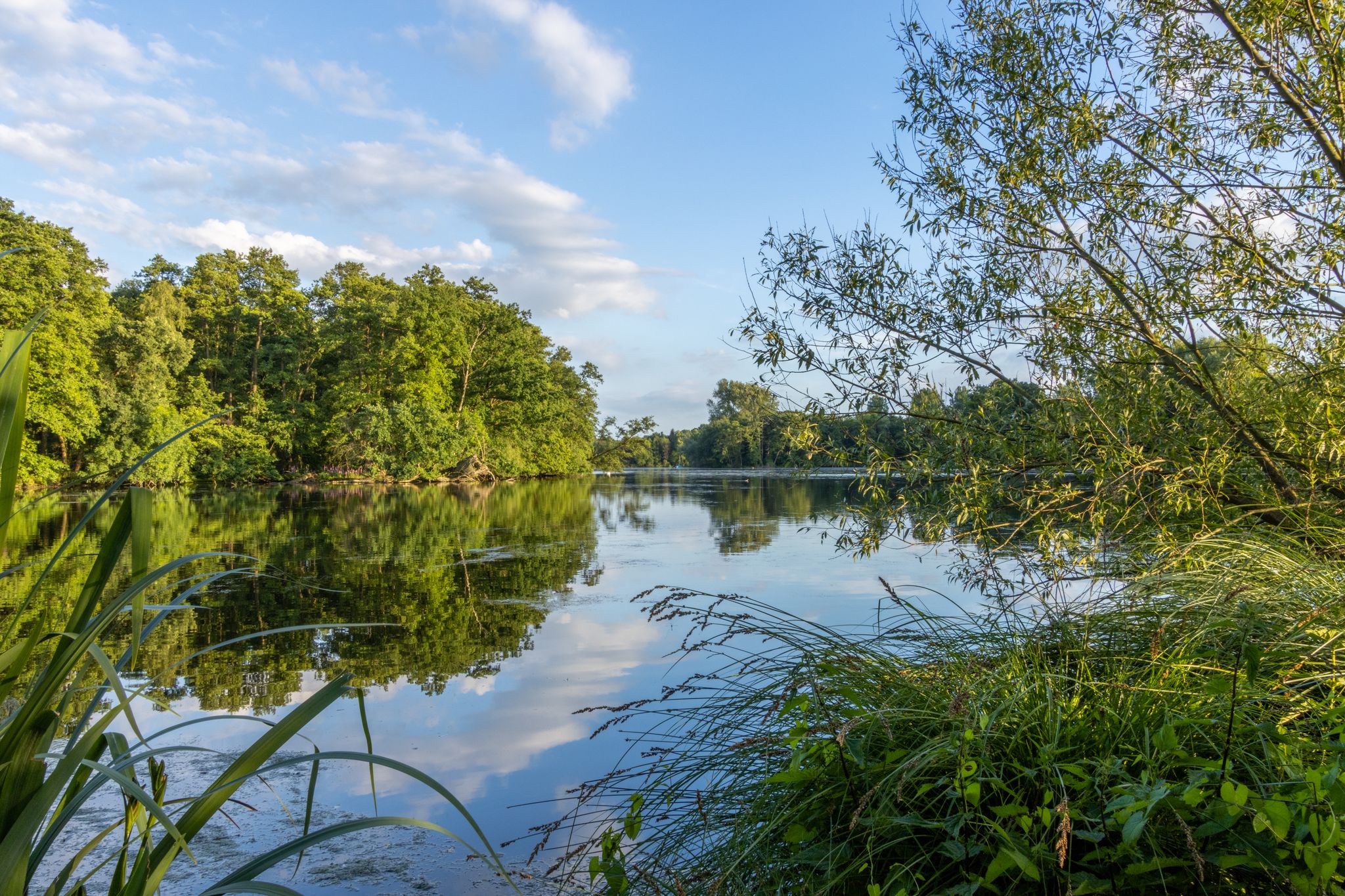
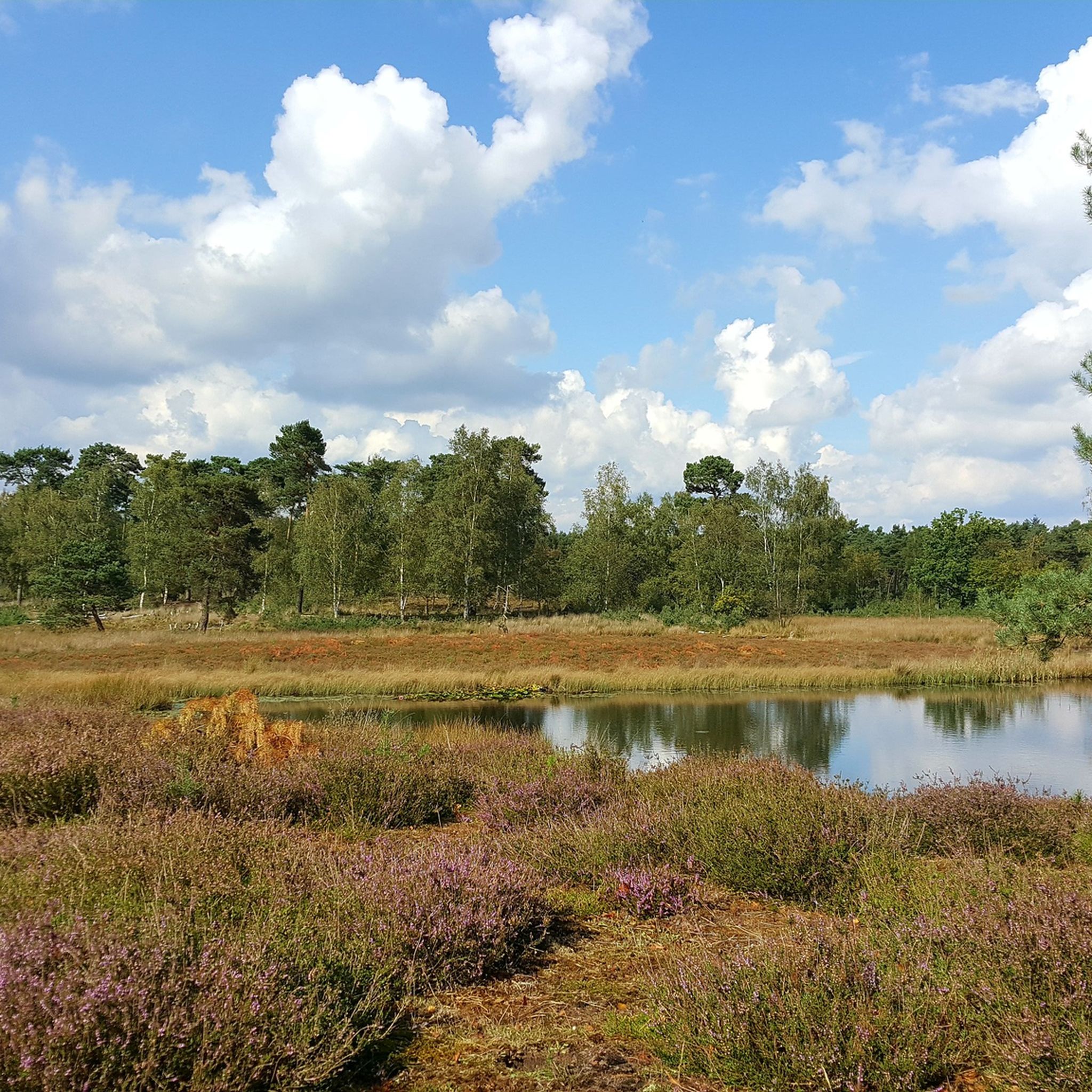
- Another top favourite among local mountain bikers is Heelderpeel Lake – Leumolen Watermill loop from Echt, a moderate 39.0 miles (62.8 km) path. This route features scenic views of Heelderpeel Lake and passes by the historic Leumolen Watermill.
- Local mountain bikers also love the Munster Square, Roermond – Thorn, the little white town loop from Echt, a 32.5 miles (52.3 km) trail leading through varied landscapes including the charming white village of Thorn, often completed in about 2 hours 53 minutes.
- Mountain biking around Maasbracht is defined by river landscapes, forest paths, and lake views. The network offers options for easy, moderate, and difficult routes, catering to various abilities.
- The routes in Maasbracht are highly rated by the komoot community with an average score of 4.3 stars from over 1,300 reviews. More than 9,000 mountain bikers have used komoot to explore Maasbracht's varied terrain.
Last updated: July 5, 2026
4.8
(229)
1,113
riders
Moderate mountain bike ride. Good fitness required. Advanced riding skills necessary.
4.4
(5)
118
riders
68.5km
04:34
140m
140m
Moderate mountain bike ride. Good fitness required. Suitable for all skill levels.

Sign up for free
4.4
(8)
57
riders
Moderate mountain bike ride. Good fitness required. Suitable for all skill levels.
3.8
(8)
79
riders
Easy mountain bike ride. Great for any fitness level. Suitable for all skill levels.
4.4
(15)
66
riders
43.4km
02:26
60m
60m
Moderate mountain bike ride. Good fitness required. Advanced riding skills necessary.
Get access to more routes and recommendations from other explorers.
Sign up for free
Already have an account?
Our route recommendations are based on thousands of hikes, rides, and runs completed by other people on komoot.
Start today with a free account
Your next adventure awaits.
Login or Signup
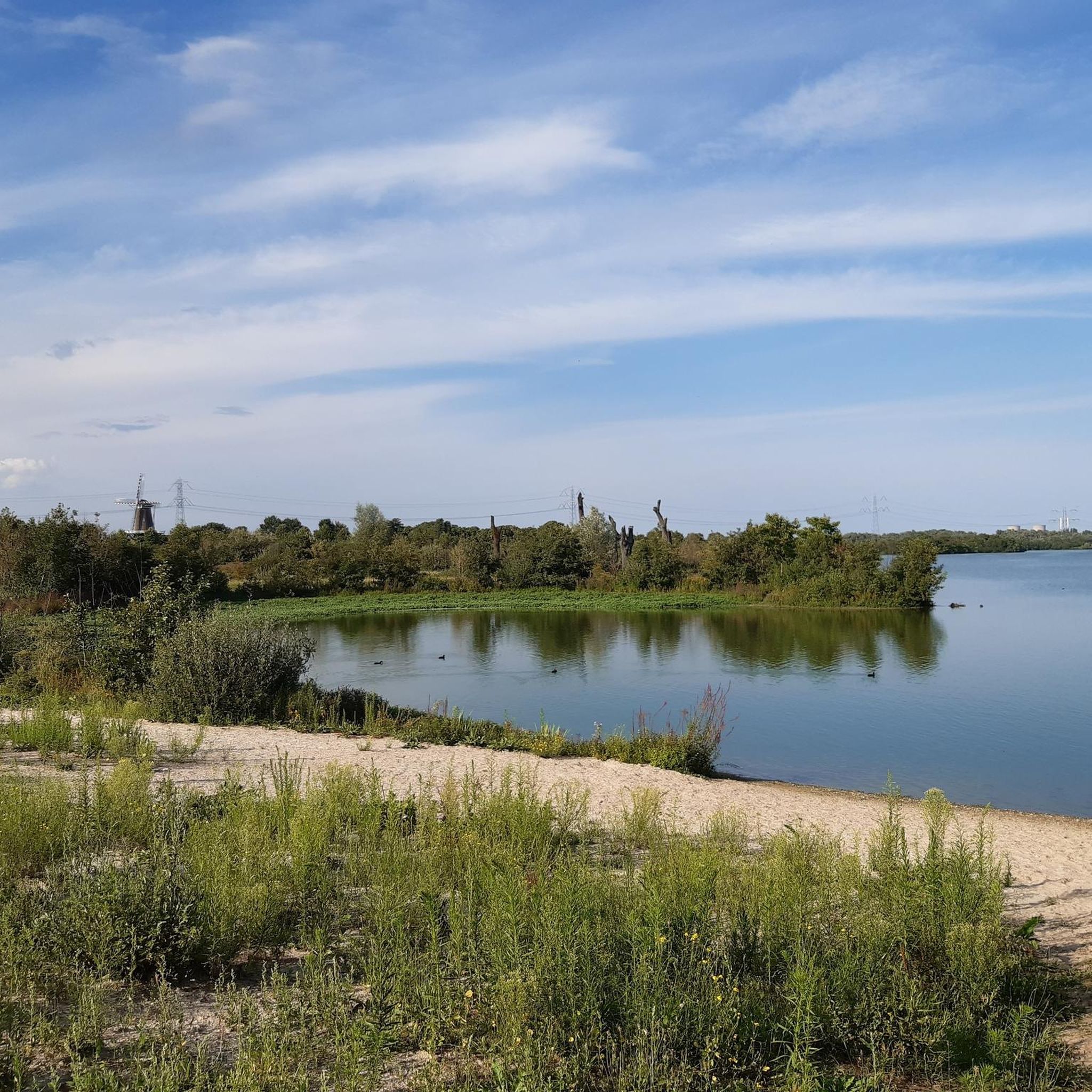
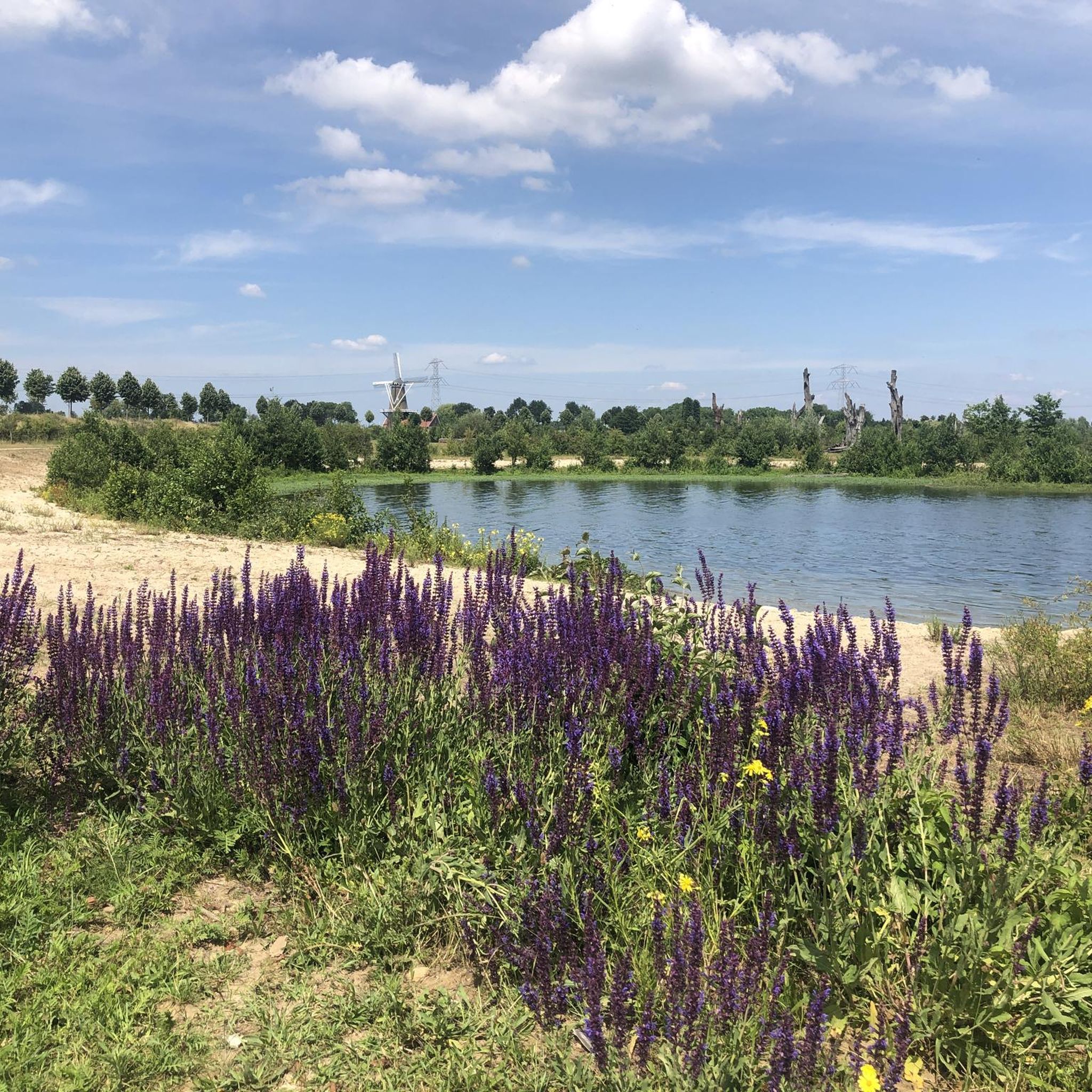



Tips from the Community

Planned construction measures for 2026: https://www.rijkswaterstaat.nl/nieuws/archief/2026/04/vervolg-groot-onderhoud-stuw-linne-vanaf-4-mei-2026
0
0

Wide path without car traffic
0
0
A great experience to observe the free-roaming horses on the banks of the Main up close.
1
0
From the bridge, you have a great view of the canal.
0
0

Work is underway on the hydroelectric power station
0
0

Along the banks of the Meuse River in Roermond, traces of the city's industrial past still lie. One of these is an old industrial jetty, a robust, functional structure that once played a vital role in the transshipment of raw materials and goods via the river. Although such jetties often no longer serve an active function, they still tell the story of a time when the Meuse was the economic lifeblood of the region. Roermond developed significantly from the 19th century onwards thanks to the improved navigability of the Meuse. With the canalization of the river and the construction of locks and weirs, shipping became more reliable and intensive. Industrial companies established themselves along the water to make optimal use of ship transport. A jetty was essential in this regard, and cargo ships moored here to load and unload coal, gravel, sand, building materials, or agricultural products. The typical industrial jetty consisted of a combination of heavy steel or concrete structures, bollards for mooring ships, and sometimes rails or cranes for moving goods directly from the quay. In some cases, a narrow-gauge or industrial railway line extended all the way to the water, allowing freight to be efficiently transported to factories or warehouses further inland. The Meuse served as a transport corridor to cities like Venlo, Maastricht, and beyond to Belgium. With the rise of road freight transport and the expansion of modern inland ports, smaller industrial jetties gradually lost their function. What remains is often a weathered steel and concrete structure, sometimes partially overgrown, sometimes still clearly recognizable as a quay or mooring. These sites now have an almost nostalgic feel and serve as a tangible reminder of Roermond's industrial era and the economic dynamism along the river.
0
0
A large-scale, multi-year maintenance project is currently underway on the Linne weir and hydroelectric power plant on the Meuse River near Linne. This project includes the hydroelectric power plant. This work is part of a large-scale renovation and modernization of the weir system, which is necessary because the original structures, which have been in operation for many decades, are nearing the end of their service life and must therefore be replaced or improved to continue to perform their functions safely and reliably. The maintenance is coordinated by Rijkswaterstaat (the Directorate-General for Public Works and Water Management) and carried out by contractor Mourik Infra BV during the low water period, which usually runs from mid-April to mid-October. During these periods, the water level in the Meuse is lower, making it technically possible to dry out parts of the system and carry out thorough renovations without unnecessarily disrupting regular river traffic and water drainage. In the annual planning for 2024, 2025, and 2026, all maintenance will be carried out in phases. The southern section of the weir will be completed in 2024, the middle section in 2025, and the northern section in 2026. By dividing the work in this way, the systems will remain operational throughout the entire project, with or without reduced capacity, and shipping and river management will continue as much as possible. As a result of the work, bridge users will experience some inconvenience, particularly cyclists, mopeds, and pedestrians. The bicycle bridge over the weir had to be temporarily removed at certain times to allow the replacement components to be installed and to create space for the hydraulic lifting work. During the periods when the bicycle bridge is removed, diversions with clear signs for slow-moving traffic will be in place. Disruption to motorized traffic was limited. The maintenance of the weir and the hydraulic systems is not only technical in nature but also has a broader context, and the seven weirs in the Meuse River are collectively approaching the end of their original lifespan. Therefore, the most suitable approach is being investigated for each location, whether it involves major maintenance, such as at Linne, or eventual replacement. With these renovation projects, Rijkswaterstaat aims to ensure that the weirs in the Meuse River remain safe, functional, and modern for decades to come. Although the work focuses primarily on the weir itself, it also indirectly impacts the hydroelectric power station at Linne, which draws some of its energy from the river through turbines installed in the weir structure. The power stations on the Meuse River use river water levels to generate electricity via turbines. This is a relatively sustainable, quiet, and easily interconnectable method of energy generation in the Netherlands, even though it yields less energy than in mountainous countries due to minor elevation changes. Thanks to this multi-phase maintenance project, the weir, the control systems, and therefore the hydroelectric power stations at Linne, will continue to operate for many years to come, with improved reliability and safety. This is important not only for energy production but also for waterway management, water level regulation, and river safety in this region of Limburg.
0
0
The Vismarkt (Fish Market) in Roermond is one of the oldest and most characteristic places in the historic city center. As the name suggests, this square was traditionally the center of the fish trade, a logical consequence of Roermond's location on the Roer and Meuse rivers. The Vismarkt is therefore a direct reminder of a time when water and trade were inextricably linked. The square is located a short distance from the river and was part of the city's economic heart. Here, fishermen, traders, and residents gathered to trade fresh fish, but also to exchange news and socialize. The proximity of the water ensured that fish could be delivered quickly, making the Vismarkt a vibrant and important hub in daily city life. Over the centuries, the Vismarkt's function changed, but the square retained its central role. Today, it is an atmospheric urban space with historic buildings, restaurants, and terraces. Its original commercial function has given way to a place for meeting and relaxing, but its name and location continue to evoke the past.
0
1
Frequently Asked Questions
How many mountain bike trails are available around Maasbracht?
There are over 380 mountain bike routes around Maasbracht documented on komoot. This includes a wide variety of trails, from easy rides to more challenging routes, catering to different skill levels.
What is the overall difficulty level of mountain biking in Maasbracht?
The majority of mountain bike trails in Maasbracht are classified as moderate, with 247 routes. There are also 118 easy routes suitable for beginners and 18 more difficult trails for experienced riders.
Are there mountain bike trails suitable for beginners in Maasbracht?
Yes, Maasbracht offers 118 easy mountain bike routes. These trails often feature flat sections along waterways and gentle rolling terrain, making them ideal for those new to mountain biking. You can find options that follow well-maintained paths through natural reserves.
Where can I find more challenging mountain bike routes around Maasbracht?
For more advanced riders, there are 18 difficult mountain bike routes available. While the region is characterized by river valleys and gentle terrain, these routes may include more technical sections or longer distances. One example is the View of Bergerven loop from Maaseik, which features significant elevation gain over its 63.6 km.
Are there circular mountain bike routes available in Maasbracht?
Yes, many of the mountain bike routes in Maasbracht are circular, allowing you to start and end at the same point. Examples include the Flow trail in the forest – MTB Route Montfort loop from Herten and the Heelderpeel Lake – Leumolen Watermill loop from Echt.
What are the typical lengths of mountain bike routes in Maasbracht?
Mountain bike routes in Maasbracht vary significantly in length. You can find shorter trails, but many popular routes range from 30 km to over 60 km. For instance, the Munster Square, Roermond – Thorn, the little white town loop from Echt is 52.3 km, while the Vloedgraaf – Juliana Canal Bridge, Echt loop from Maaseik is 44.1 km.
Are there scenic mountain bike routes with good viewpoints in Maasbracht?
Absolutely. The region's landscape of river valleys, forests, and lake areas offers many scenic routes. The Heelderpeel Lake – Leumolen Watermill loop from Echt provides scenic views of Heelderpeel Lake. You can also find specific viewpoints like the Birdwatching spot on the Maas, which can be incorporated into your ride.
What do other mountain bikers say about the trails in Maasbracht?
The mountain bike trails in Maasbracht are highly rated by the komoot community, with an average score of 4.3 stars from over 1,300 reviews. Riders often praise the varied terrain, well-maintained paths, and the beautiful natural scenery, including river landscapes, forest paths, and lake views.
What can I see along the mountain bike trails around Maasbracht?
Beyond the natural beauty, you can encounter several interesting landmarks and attractions. The Munster Square, Roermond – Thorn, the little white town loop from Echt passes through the charming white village of Thorn. Other points of interest include the Maasplassen lake area and the historic Linne Lock.
Are there options for cafe stops or refreshments along the mountain bike trails?
While specific cafe stops are not always marked on every route, the trails often pass through or near villages and towns where you can find refreshment options. For example, routes that go through Thorn or Roermond Market Square will offer opportunities for a break and a meal.
What is the best time of year to go mountain biking in Maasbracht?
The region's well-maintained paths make it suitable for mountain biking for much of the year. Spring and autumn generally offer pleasant temperatures and beautiful scenery. Summer can also be enjoyable, especially along routes that provide shade from forests or breezes near the water. Always check local weather conditions before heading out.
What are the conditions like for mountain biking in Maasbracht during winter?
Winter mountain biking in Maasbracht is possible, as the terrain is generally not mountainous. However, trails can become muddy, especially after rain or during thaws. It's advisable to check local weather and trail conditions beforehand and ensure your bike is equipped for potentially wet and slippery surfaces.
Most popular routes around Maasbracht
Most popular attractions around Maasbracht

Get inspired with the komoot mobile app


Explore more
Browse the best MTB trails in other regions.
