Top 13 Castles around Culemborg
Castles around Culemborg offer insights into the region's historical significance and diverse architectural heritage. While Kasteel Culemborg is largely in ruins, its site is maintained as a public historical-cultural city park, the Kasteeltuin, showcasing archaeological remnants. The area features a mix of former water castles, fortified towers, and military forts, providing a glimpse into medieval architecture and defensive strategies. This landscape combines historical sites with natural settings, making it suitable for exploration.
Best castles around Culemborg
- The most popular castles…
Last updated: July 1, 2026
Fort Asperen
Highlight • Historical Site
Translated by Google •
Tip by

Sterkenburg Castle
Highlight • Castle
Translated by Google •
Tip by

Sign up now to discover places like this
Get recommendations on the best single tracks, peaks, & plenty of other exciting outdoor places.
Sign up for free
Sandenburg Castle
Highlight • Castle
Translated by Google •
Tip by

Sandenburg Castle
Highlight • Castle
Translated by Google •
Tip by
Fort Honswijk
Highlight • Historical Site
Translated by Google •
Tip by

Sign up for free to discover even more castles around Culemborg.
Sign up for free
Already have an account?
Start today with a free account
Your next adventure awaits.
Login or Signup
Popular around Culemborg
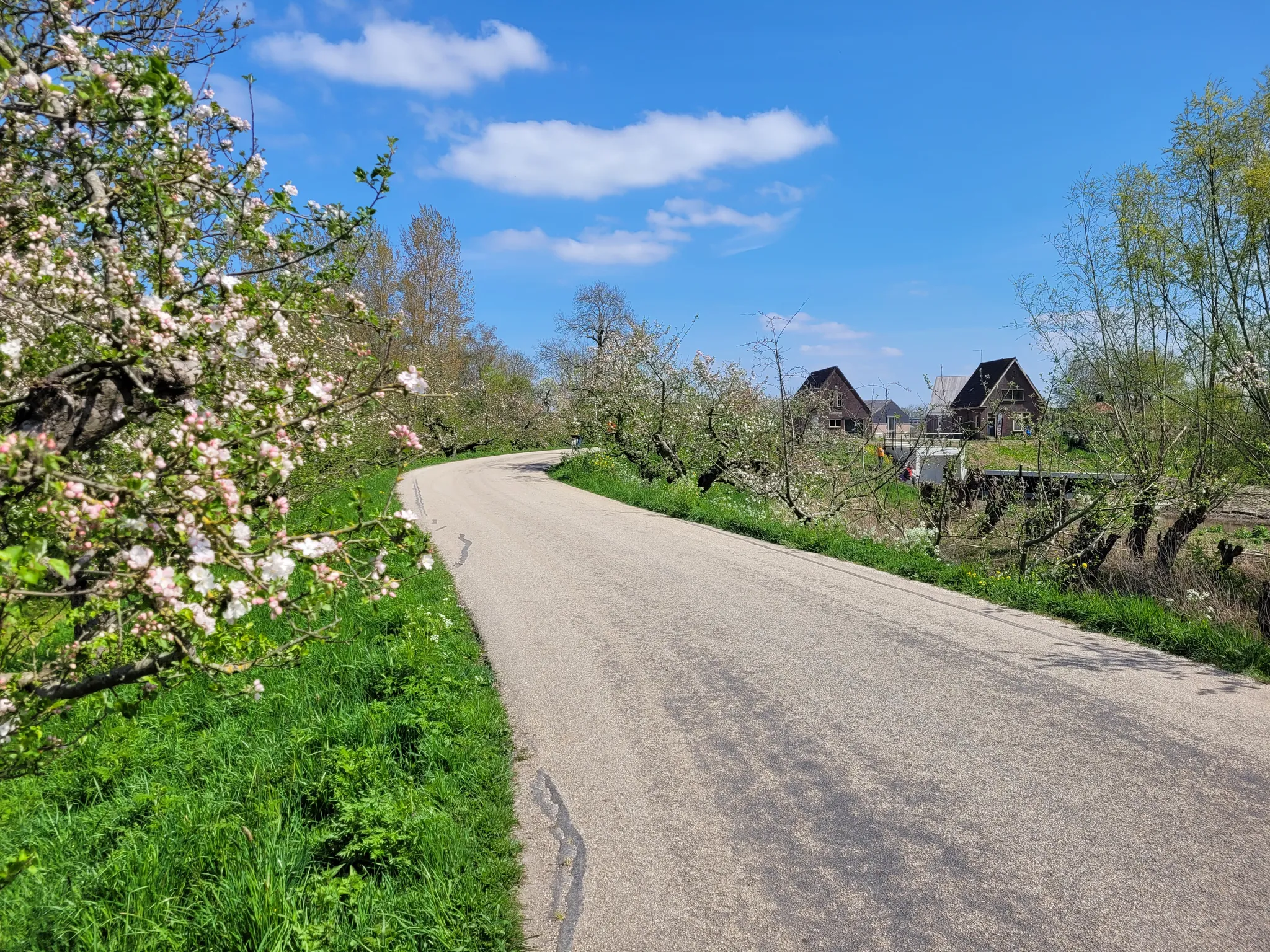
From river to orchard: twelve stages through the Betuwe - The Betuwepad
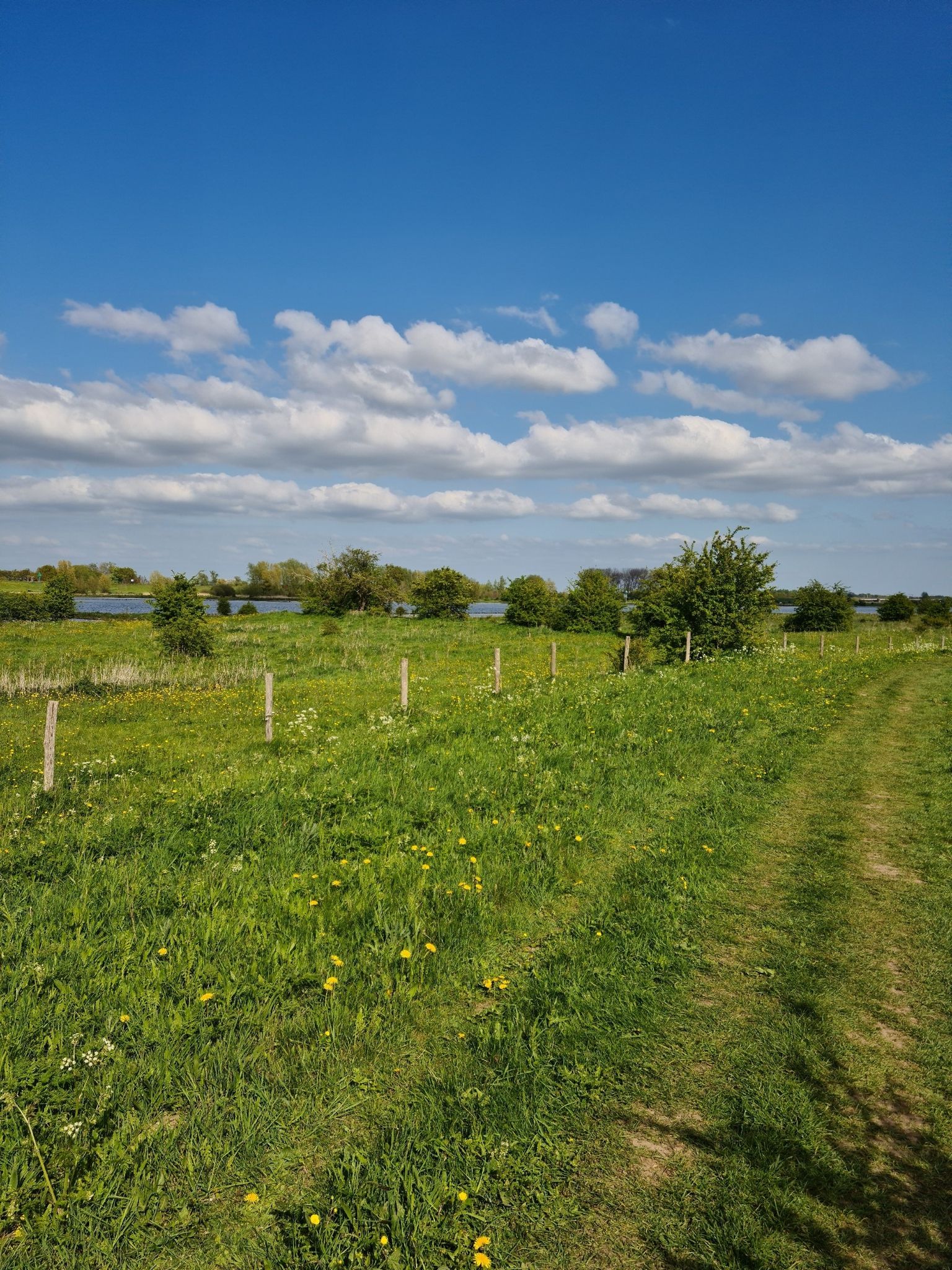
Clog paths for everyone — 10 walks through the farmland
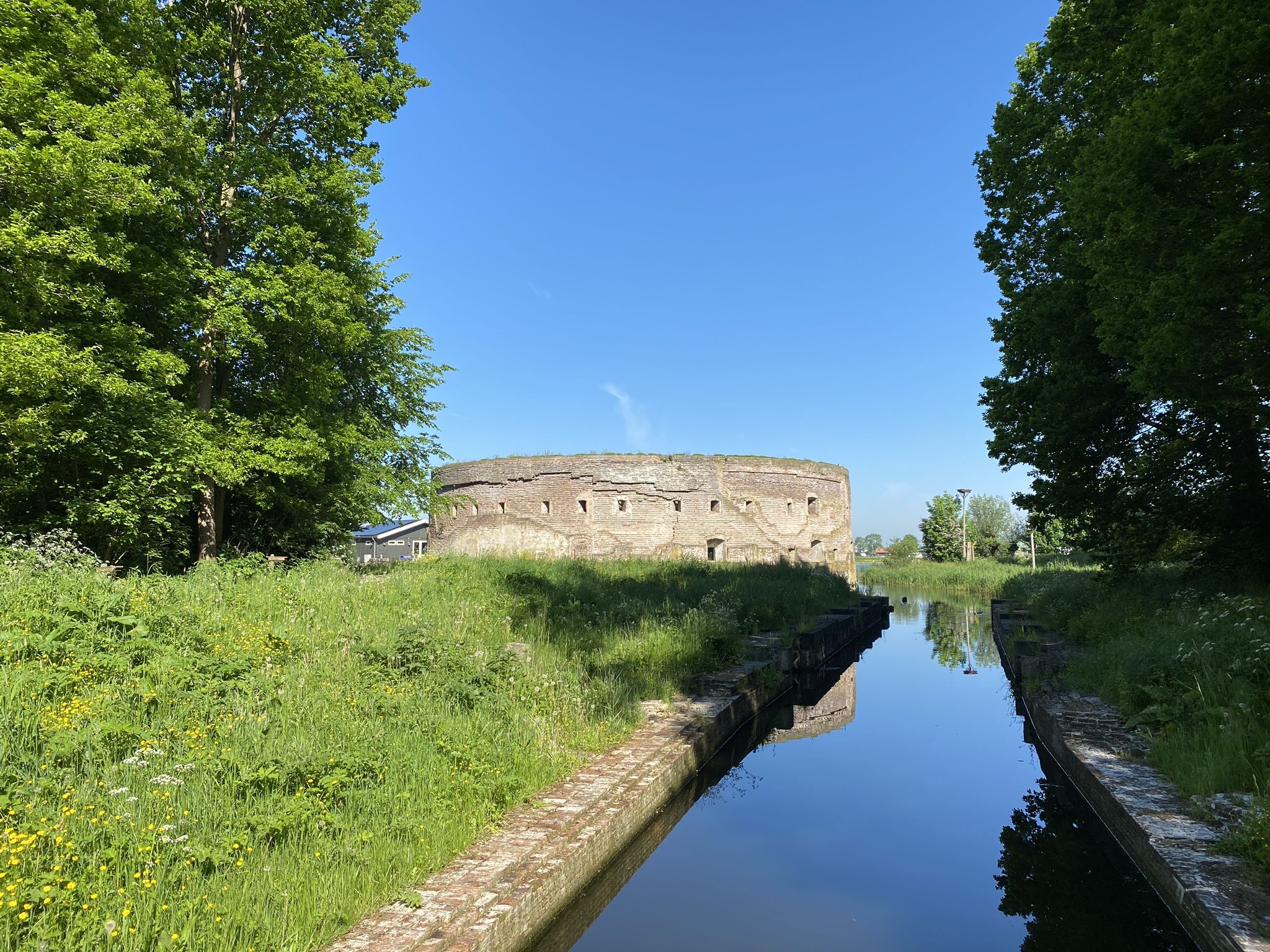
History and Nature – walking the Waterliniepad
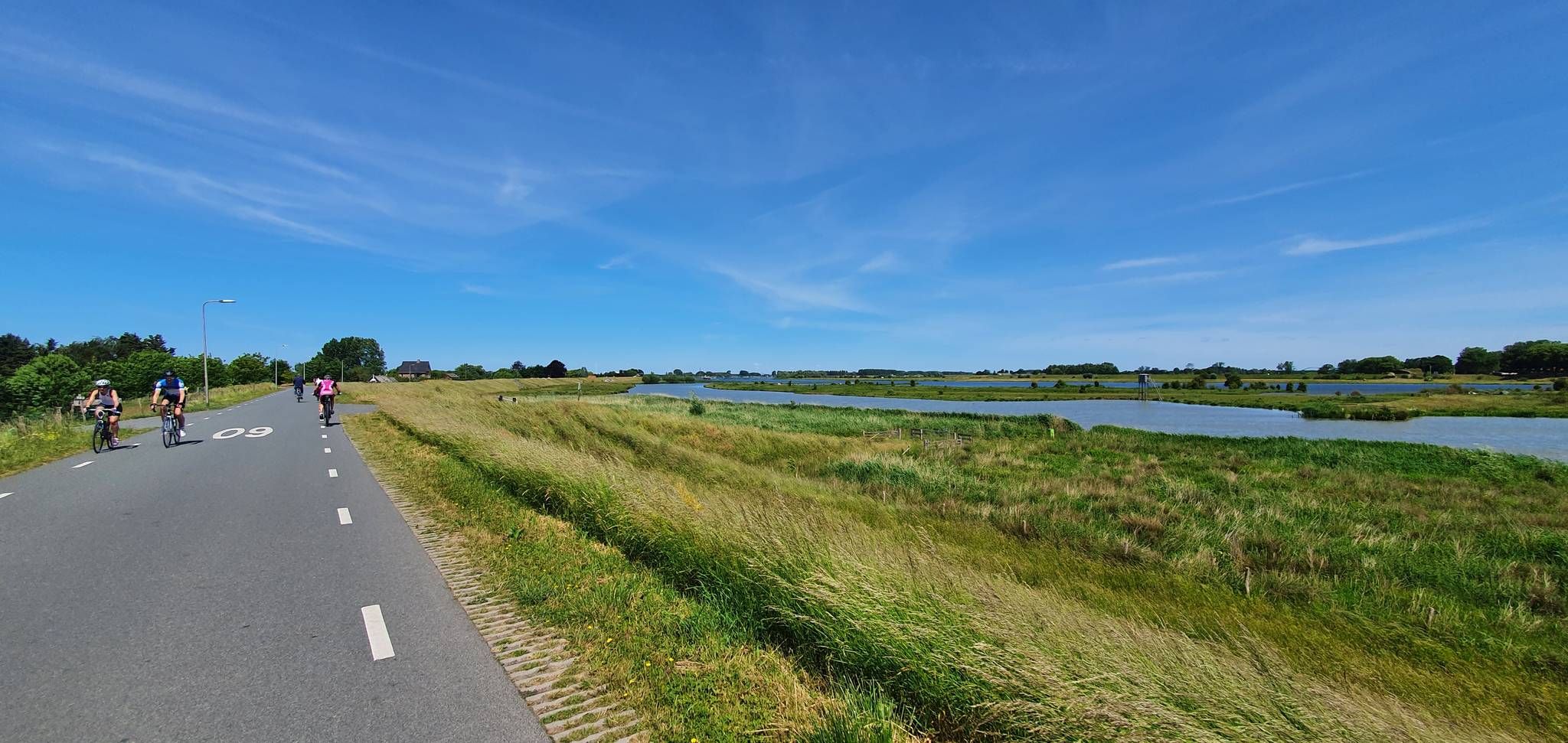
Fresh air guaranteed – five rides along the Netherlands’ dikes
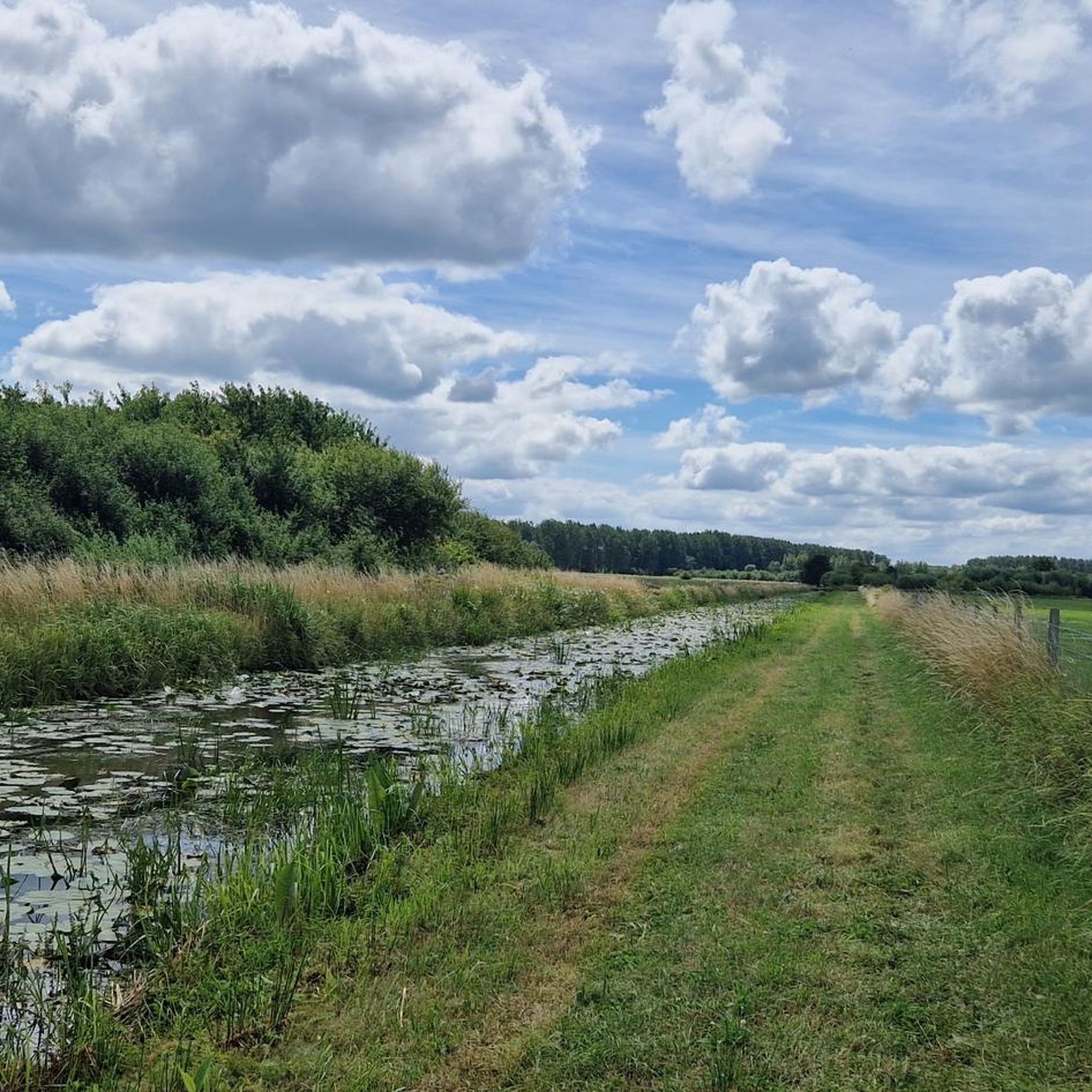
Road Cycling Routes around Culemborg
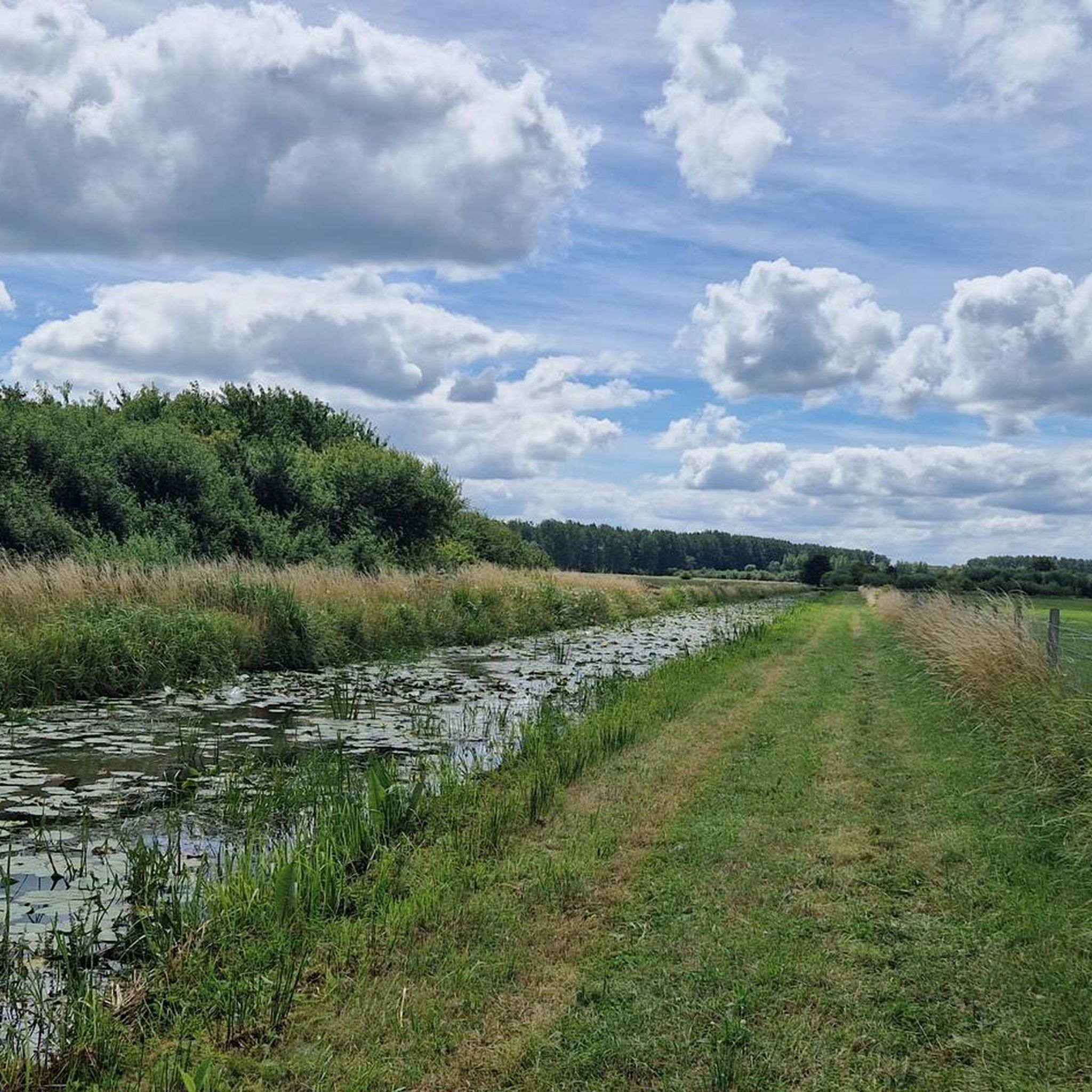
Cycling around Culemborg
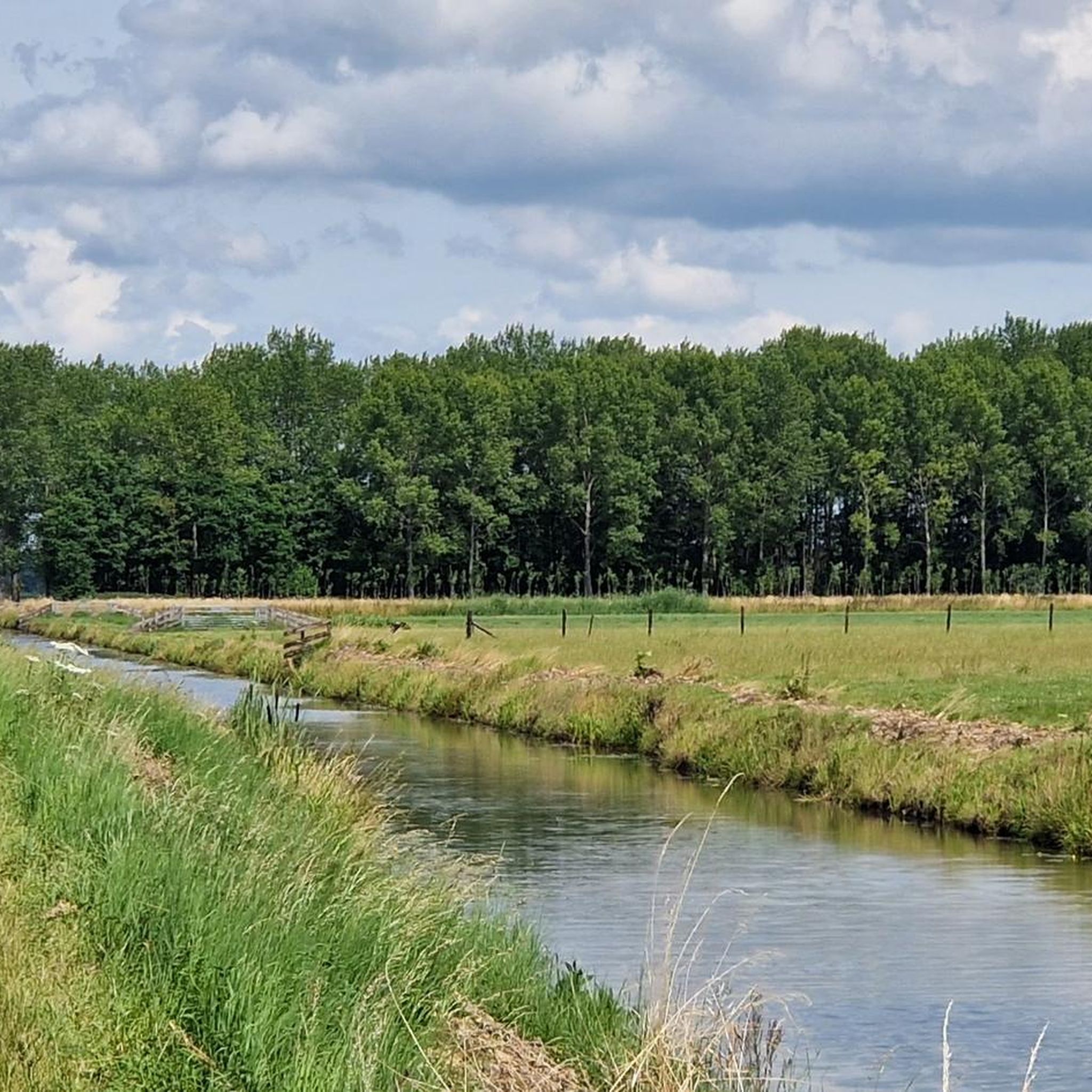
Hiking around Culemborg
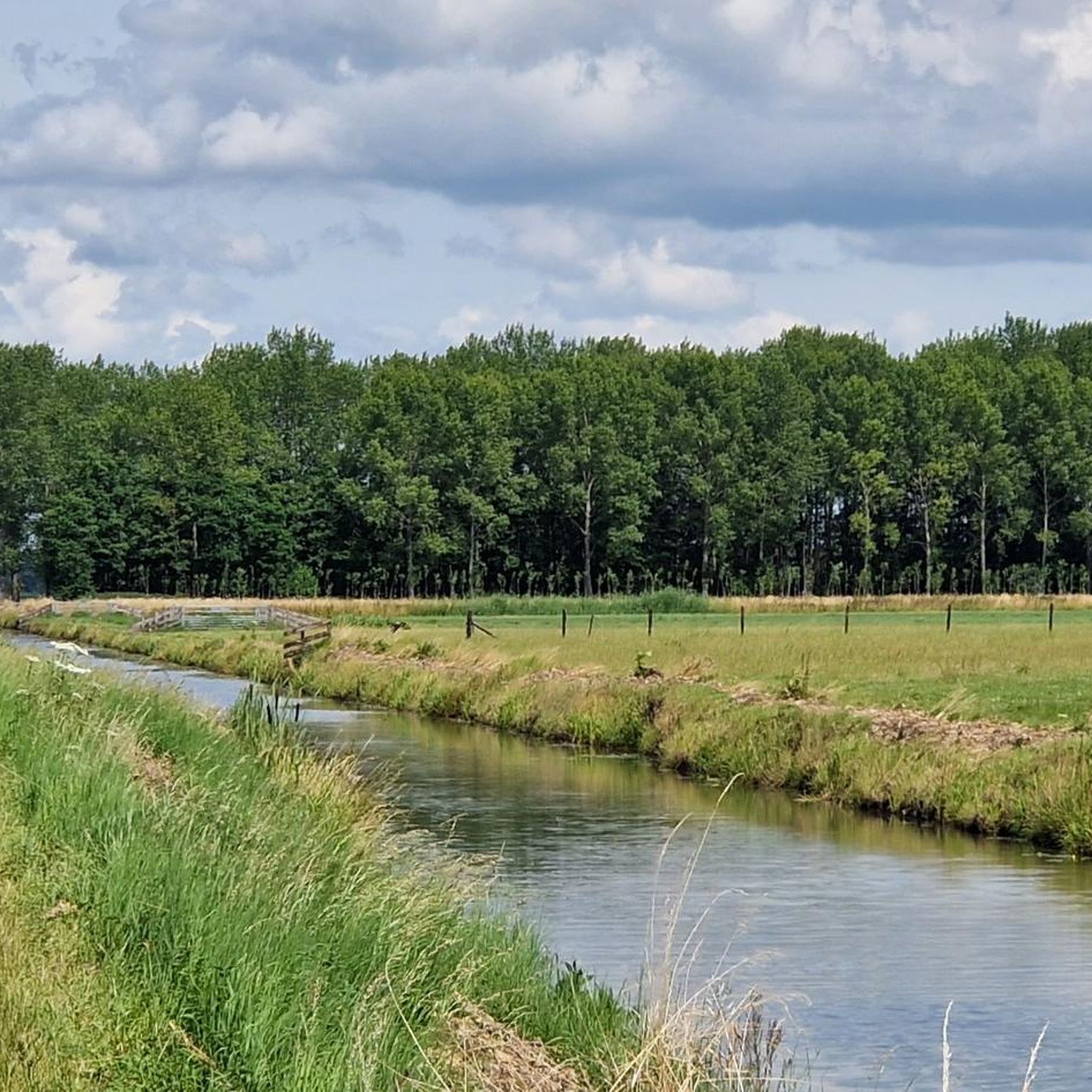
Running Trails around Culemborg
MTB Trails around Culemborg

Gravel biking around Culemborg
Other adventures around Culemborg


Tips from the Community

Nice fort with no less than four floors that visitors can access. Admission is free and there is a great catering service. Note the opening hours!
0
0

Around 1300, Sandenburg was first mentioned as a "residential tower with six marrows of land." At that time, Sandenburg was nothing more than a fortified tower; the white-plastered extension and outbuildings only date from the 19th century. Many fortified towers were built in the Langbroekerwetering area during the Middle Ages. The Bishop of Utrecht and his neighbor, the Duke of Guelders, had little affection for each other at the time, and to protect their territory from a possible invasion, watchtowers were built in the border region. Sandenburg was one such watchtower. Over time, the tower was expanded into a residential tower and castle. In 1538, Sandenburg was recognized as a Knight's Court. By then, the castle had grown into a fully moated complex with a tower, several residential wings, and an outer bailey. In 1792, the Sandenburg Estate was purchased by G.C.C.J. Baron van Lynden. He thus became "Lord of Sandenburg," and the family name changed to Van Lynden van Sandenburg. The Knight's Manor had been almost entirely demolished before 1792. Only the square, four-story residential tower remained. Between 1861 and 1864, the Van Lyndens expanded this tower into a castle. Designed by the renowned architect Van Lunteren, the building was constructed in the romantic, neo-Gothic style, with its characteristic whitewashed walls and towers. The park surrounding the castle was laid out in the current English landscape style. Adjacent to the castle were the Coach House, the Orangery, and the Gatekeeper's House. The coachman's house was built against the rear of the Orangery, where the poet Gerrit Achterberg was born in 1905. During the 18th and 19th centuries, the Sandenburg Estate expanded through acquisition and inheritance. By the end of the 19th century, the estate had grown to over 600 hectares. (https://www.sandenburg.nl/historie/)
0
0

Be sure to take a look inside if you have the opportunity.
1
0


Frequently Asked Questions
What is the history of Kasteel Culemborg and what can I see there today?
Kasteel Culemborg, originally a significant water castle built around 1280, is largely in ruins today. However, its site is maintained as the Kasteeltuin (Castle Garden), a public historical-cultural city park. You can explore the foundations of the former castle, including remnants of the moat and wall fragments, and imagine its past grandeur. Archaeological findings, such as a 16th-century monk's cup, are housed in a small nearby museum.
What kind of historical structures can I explore around Culemborg?
The Culemborg region offers a diverse range of historical structures. Beyond the ruins of Kasteel Culemborg, you can find former water castles, fortified towers, and military forts. Examples include Fort Asperen, part of the New Dutch Waterline, and Sterkenburg Castle, which has a history dating back before 1300.
Are there family-friendly castles or activities in the Culemborg area?
Yes, several sites are suitable for families. Fort Asperen and Fort Honswijk are listed as family-friendly. Fort Honswijk, for instance, offers a fun and educational treasure hunt for children, and its grounds are permanently open to the public between sunrise and sunset for walks.
Can I bring my dog to the castles around Culemborg?
Dog policies vary by location. While some outdoor areas like the Kasteeltuin are generally dog-friendly, specific castles or their interior spaces may have restrictions. For example, dogs are not allowed inside Hardenbroek Castle. It's always best to check the specific rules for each site before your visit.
What outdoor activities or trails are available near the castles?
The region around Culemborg is excellent for outdoor activities. You can find numerous walking and cycling routes that pass by historical sites. For instance, the area around Fort Asperen is ideal for cycling and walking. You can explore various running trails, cycling routes, and road cycling routes that connect to these historical landmarks.
What are some notable castles to visit in the Culemborg area?
Beyond the Kasteeltuin, consider visiting Sandenburg Castle, a beautiful white castle with a history dating back to around 1300, though its current neo-Gothic style is from the 19th century. Another significant site is Hardenbroek Castle, a moated, block-shaped mansion in a sober neoclassical style, first mentioned in 1382.
What is the best time of year to visit the castles around Culemborg?
The Kasteeltuin in Culemborg is open on Saturdays from April to October, and during Monument Day, offering pleasant conditions for exploration. Many outdoor areas and fort grounds, like Fort Honswijk, are accessible year-round between sunrise and sunset. Spring and autumn generally offer mild weather ideal for walking and cycling, while summer provides longer daylight hours for exploration.
Are there cafes or accommodation options near the castles?
Yes, some castles offer facilities. Fort Asperen has catering facilities, and at Fort Honswijk, you can find self-service coffee or tea and use the toilet. For broader options, the Culemborg city center and surrounding towns offer various cafes, pubs, and accommodation choices.
What natural features can I see near the castles?
The castles are often situated within scenic landscapes. For example, Fort Asperen is located in a beautiful part of the Gelderland line landscape, ideal for cycling and walking. The area around Fort Honswijk allows you to walk, cycle, or canoe through a well-preserved waterline landscape, passing forts, defenses, and inundation channels.
How can I get to the castles using public transport?
Culemborg itself is accessible by public transport. From Culemborg, you can often reach nearby castles and trails by local bus services or by cycling. For specific routes to places like Heukelum, Buren, or Fort Everdingen, it's advisable to check local public transport schedules, as connections may vary.
What do visitors enjoy most about the castles around Culemborg?
Visitors appreciate the blend of historical significance and natural beauty. The community has contributed over 110 photos and more than 380 upvotes to these locations, highlighting their appeal. Many enjoy the opportunity to imagine the past grandeur of sites like the Kasteeltuin, explore the unique architecture of forts, and combine their visits with walking or cycling through the scenic Dutch landscapes.
Most popular routes around Culemborg
Most popular attractions around Culemborg

Get inspired with the komoot mobile app


Explore more
Looking for the best castles somewhere else? Discover other guides around Culemborg:
