Top 20 Castles around Buren
Castles around Buren offer a glimpse into Dutch history, particularly its connection to the House of Orange. The town of Buren, located in the Gelderland province, is historically significant, with its past shaped by the presence of Kasteel Buren. While the original Kasteel Buren no longer stands, its foundations and the town's heritage provide a rich context for exploring the region's historical sites. The area features a mix of former castle grounds and well-preserved estates.
Best castles around Buren
- The most popular castles is Amerongen Castle, a castle that served as a significant historical residence. It is notable for sheltering German Emperor Wilhelm II after WWI, where he signed his abdication.
- Another must-see spot is Sandenburg Castle, a historical site that evolved from a fortified tower into a moated complex. Visitors can observe its romantic, neo-Gothic style with whitewashed walls and towers, set within an English landscape park.
- Visitors also love Rossum Castle, a historical castle that originated in the 13th century as a country residence. Today, the site features a country residence built in 1850, which now serves as an office.
- Buren is known for historical castle sites, knight's courts, and country estates. Visitors can explore a variety of historical structures, from visible foundations of former castles to well-preserved manors and estates.
- The castles around Buren are appreciated by the komoot community. With over 400 upvotes and more than 200 photos, the community actively shares its experiences.
Last updated: August 24, 2026
Amerongen Castle
Highlight • Castle
Translated by Google •
Tip by

Sterkenburg Castle
Highlight • Castle
The Van Sterkenburg family died out in the fifteenth century with Catharina van Sterkenburg, who at her marriage in 1456 to Wouter van Isendoorn received from her father Gijsbrecht “het huys ende herlicheyt tot Sterckenborgh with sijner hofstat”. Their great-granddaughter Mechteld van Isendoorn married in 1564 to the Gelderse nobleman Reinier van Aeswijn (1544-1620). In 1536 Sterkenburg castle was recognized as a knight's court city.
Wikipedia
Photo - May 2018 from Ben Bender
Translated by Google •
Tip by

Sign up now to discover places like this
Get recommendations on the best single tracks, peaks, & plenty of other exciting outdoor places.
Sign up for free
Sandenburg Castle
Highlight • Castle
Translated by Google •
Tip by

Rossum Castle
Highlight • Castle
An exact construction date is not known, but it was probably built in the 13th century as a country residence for the Van Rossum family.
The original castle was completely destroyed in the 16th century during the siege of Zaltbommel in 1599. In 1740, the remains were demolished to make way for a (smaller) steward's castle. In 1850, the then owner, Baron Van Randwijck, demolished the steward's castle and built a country residence with coach house on this site. From 1949 to 2002, the building was owned by the municipality of Rossum and used as a town hall. Since then it has been used as an office.
Translated by Google •
Tip by

Sandenburg Castle
Highlight • Castle
Rules for hikers
Landgoed Sandenburg is private land. It is indicated where walking is allowed. There is no parking area for walkers: if you want to walk on Sandenburg, it is best to come by bike and park the bike along the road.
Visitors to the estate must adhere to the following rules:
Walking is only allowed on roads and trails, where it is indicated that this is allowed.
Due to the tranquility of the animals on the estate, walking is only allowed after sunrise and before sunset.
Cycling or mountain biking on unpaved roads and paths is prohibited.
Dogs must be on a leash everywhere.
Do not leave any waste.
Follow the directions of the ranger and staff.
Entering the estate with a metal detector is not allowed.
Private terrain
Where access is prohibited, this is clearly indicated with a 'private area' sign. We request that you respect these signs and do not enter the private property, including the car park and the area around the castle. Flying a drone over the private property is strictly prohibited due to the privacy of local residents.
Visitors who do not comply with these rules risk a fine.
Be careful when walking through tall grass or under oak trees: there are ticks and oak processionary caterpillars on the estate.
Translated by Google •
Tip by
Sign up for free to discover even more castles around Buren.
Sign up for free
Already have an account?
Start today with a free account
Your next adventure awaits.
Login or Signup
Popular around Buren
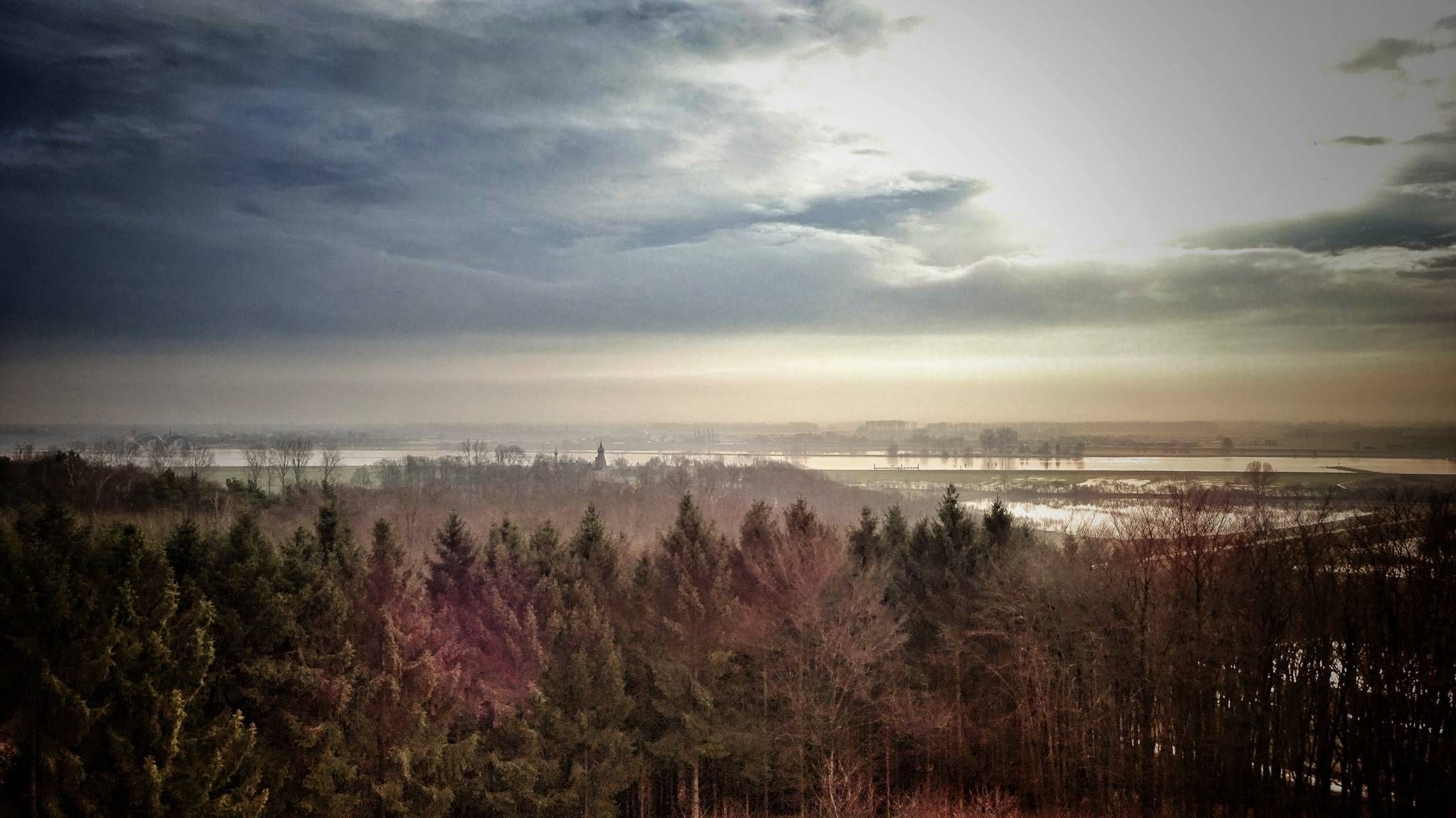
Maarten van Rossumpad – hiking from 's-Hertogenbosch to Steenwijk
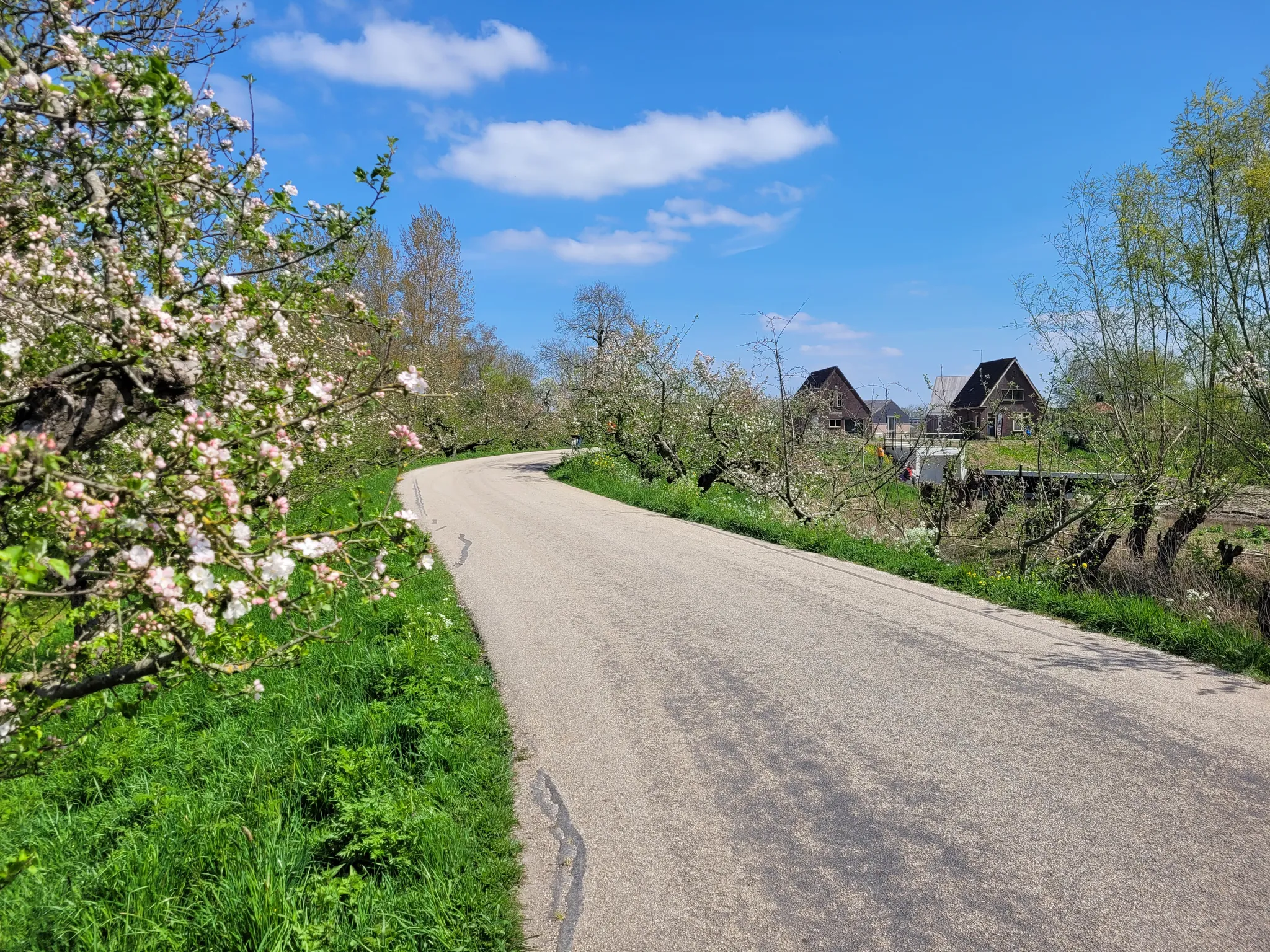
From river to orchard: twelve stages through the Betuwe - The Betuwepad
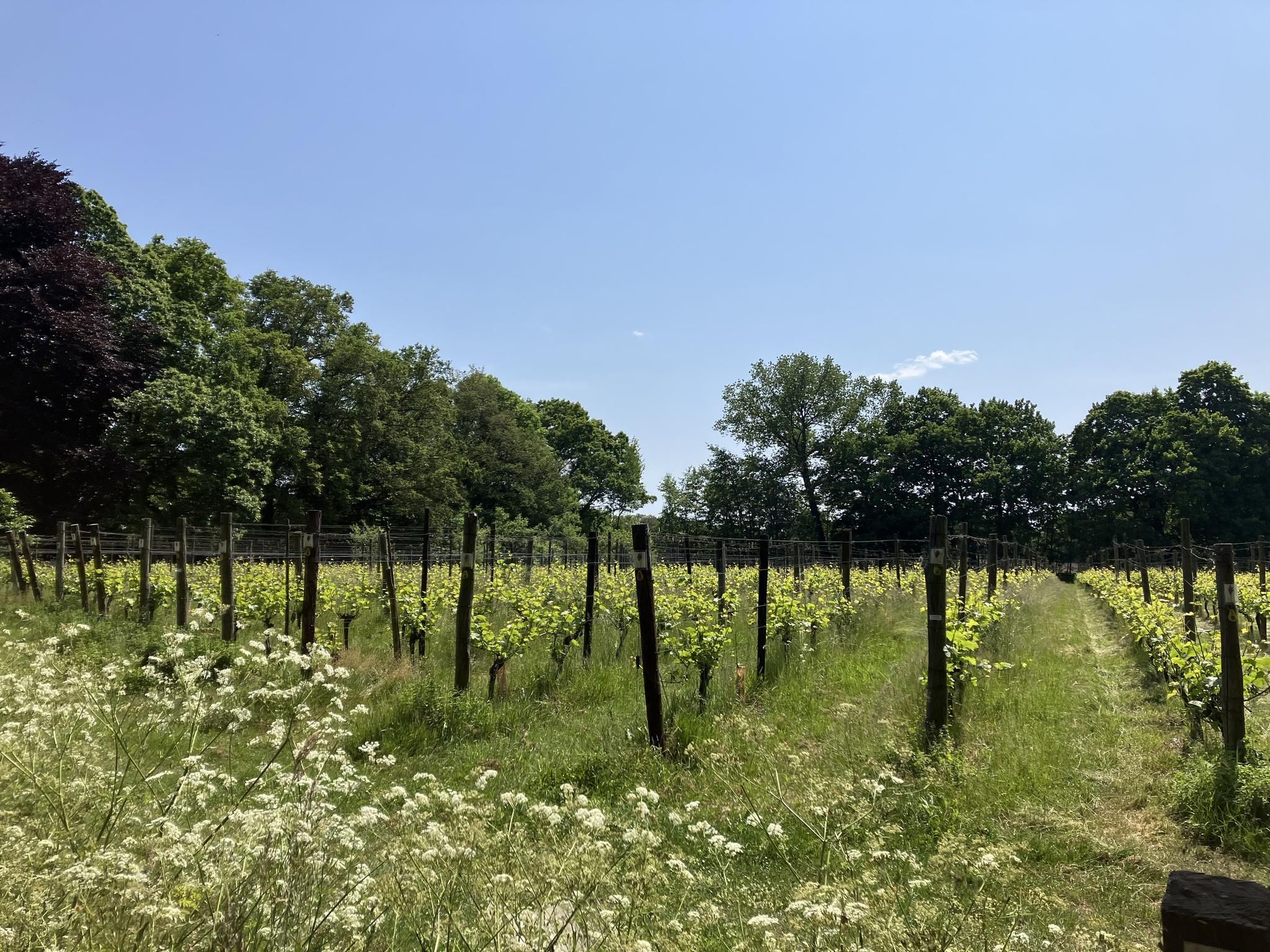
Hiking through the vineyards – 20x tasting in Gelderland
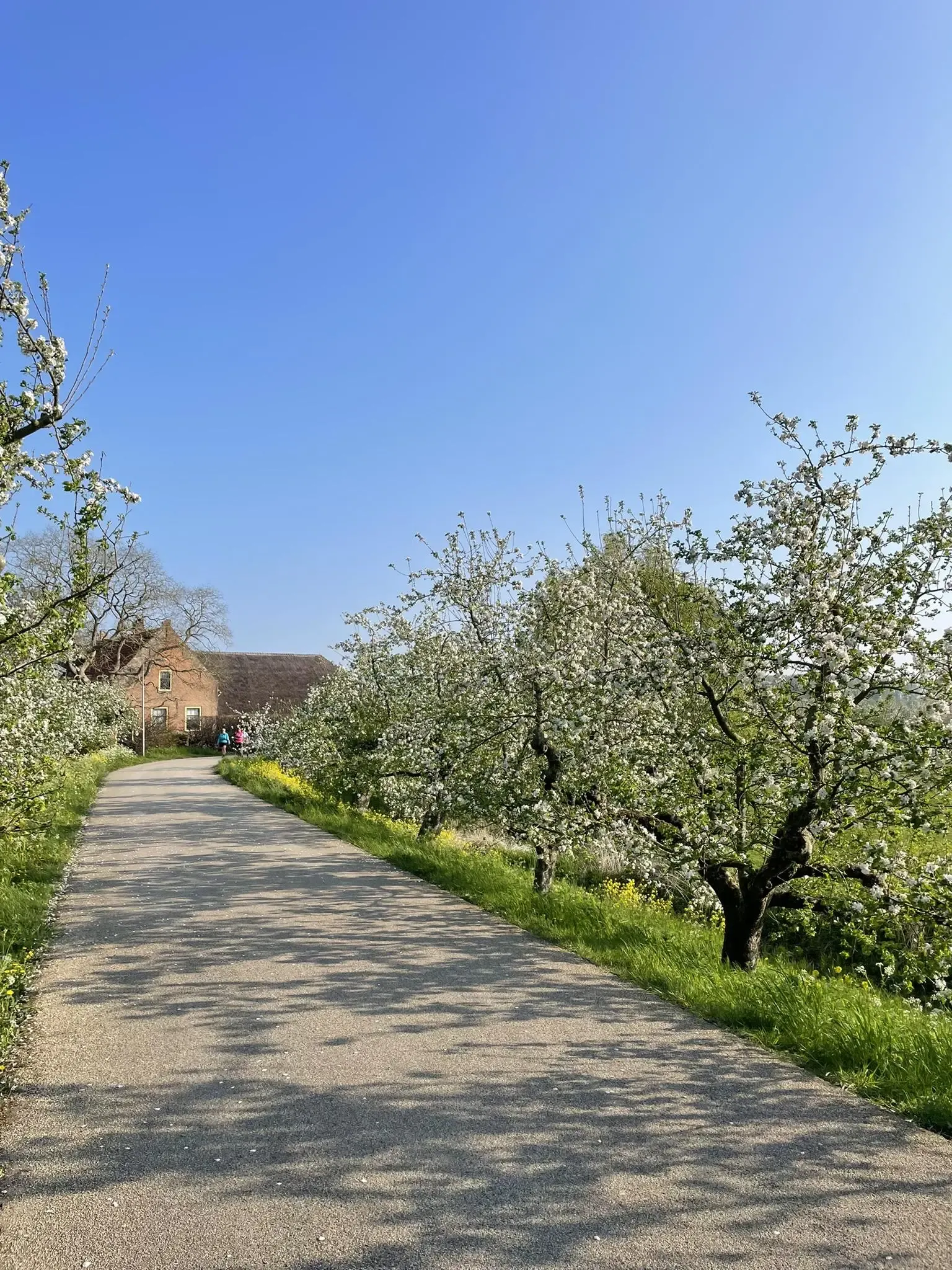
Betuwe in bloom — three fruit hiking routes
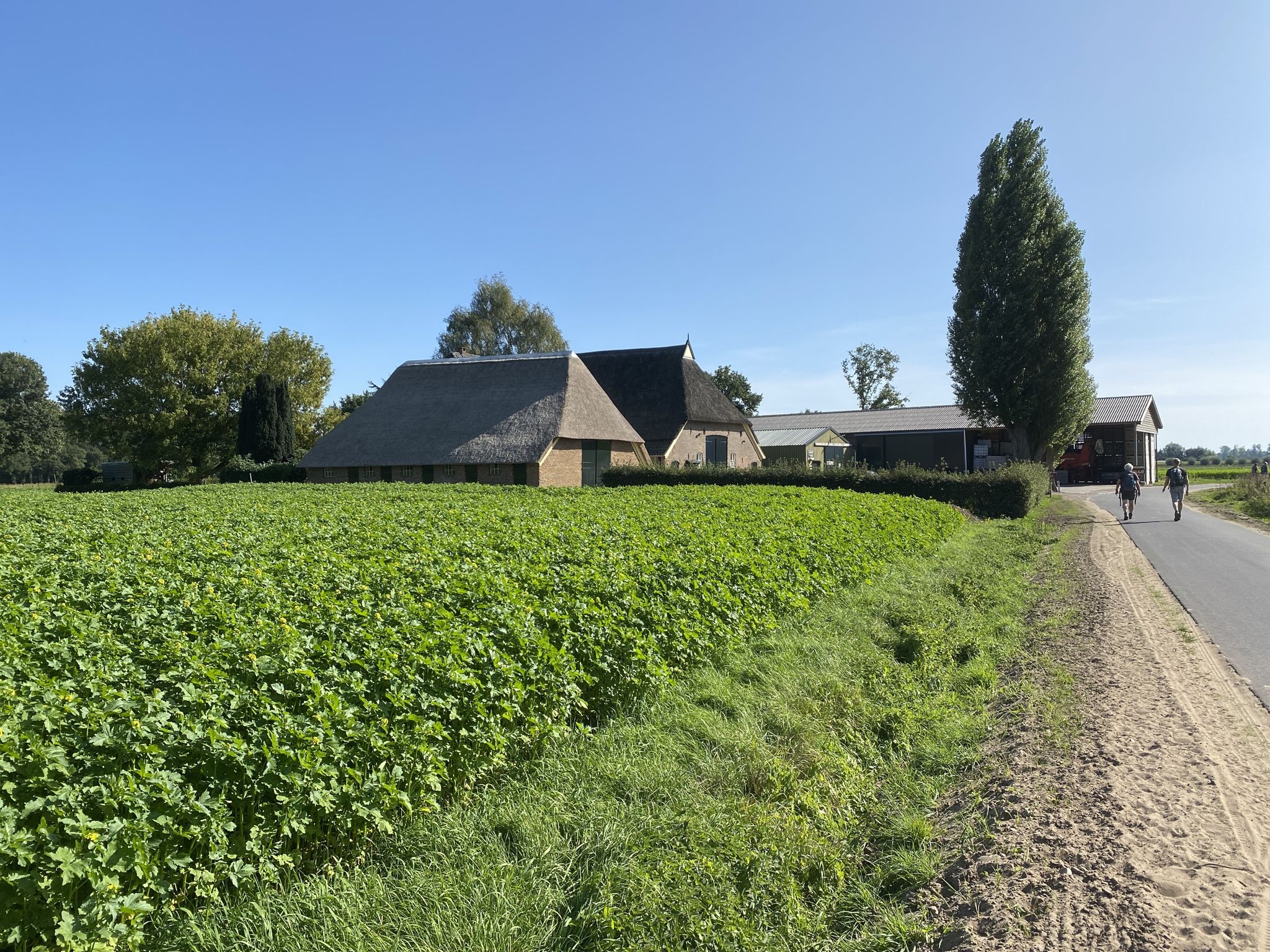
Making kilometers on the clog path - 10 long circular walks
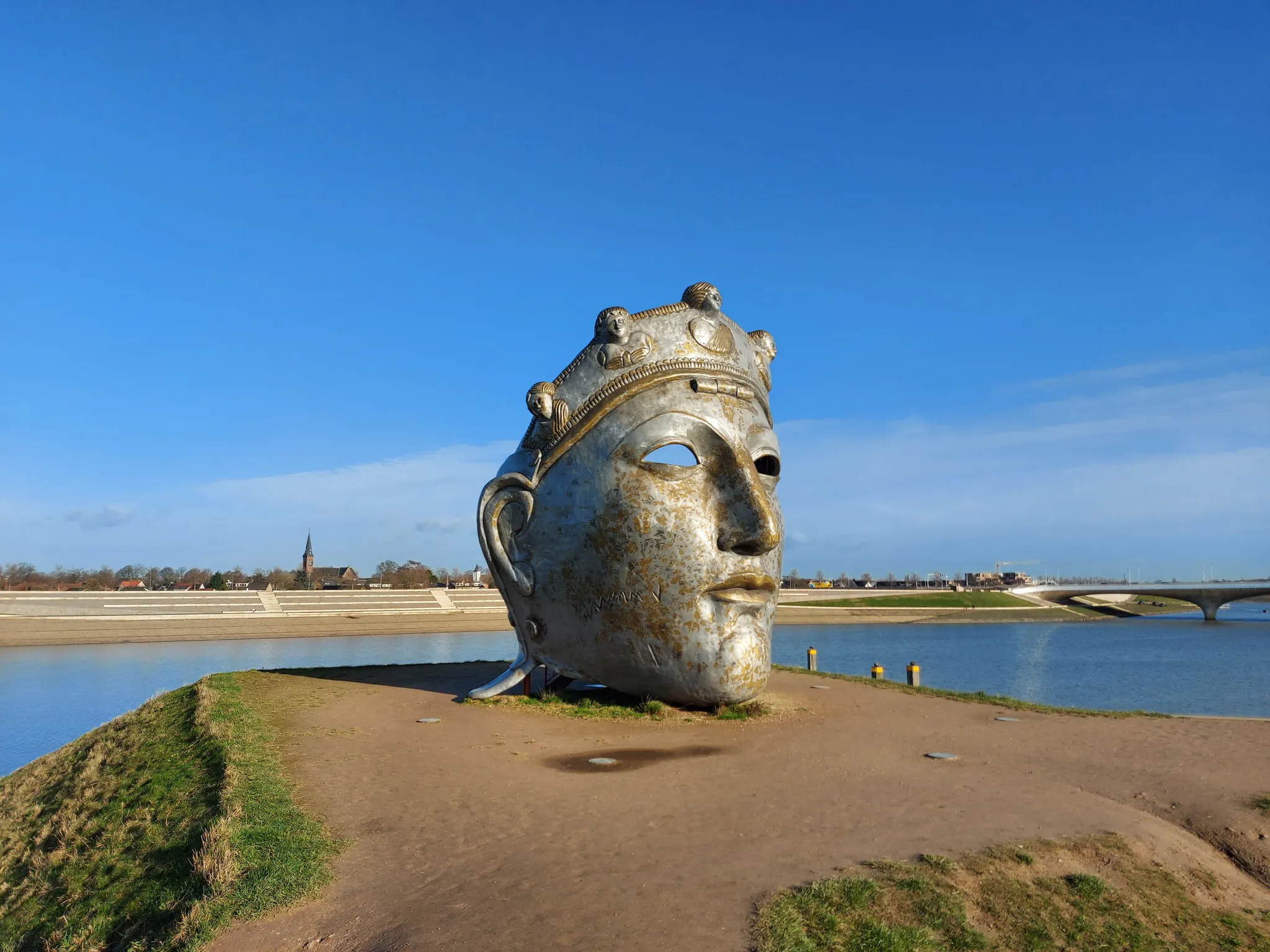
In the footsteps of the Romans on the Roman Limes Trail
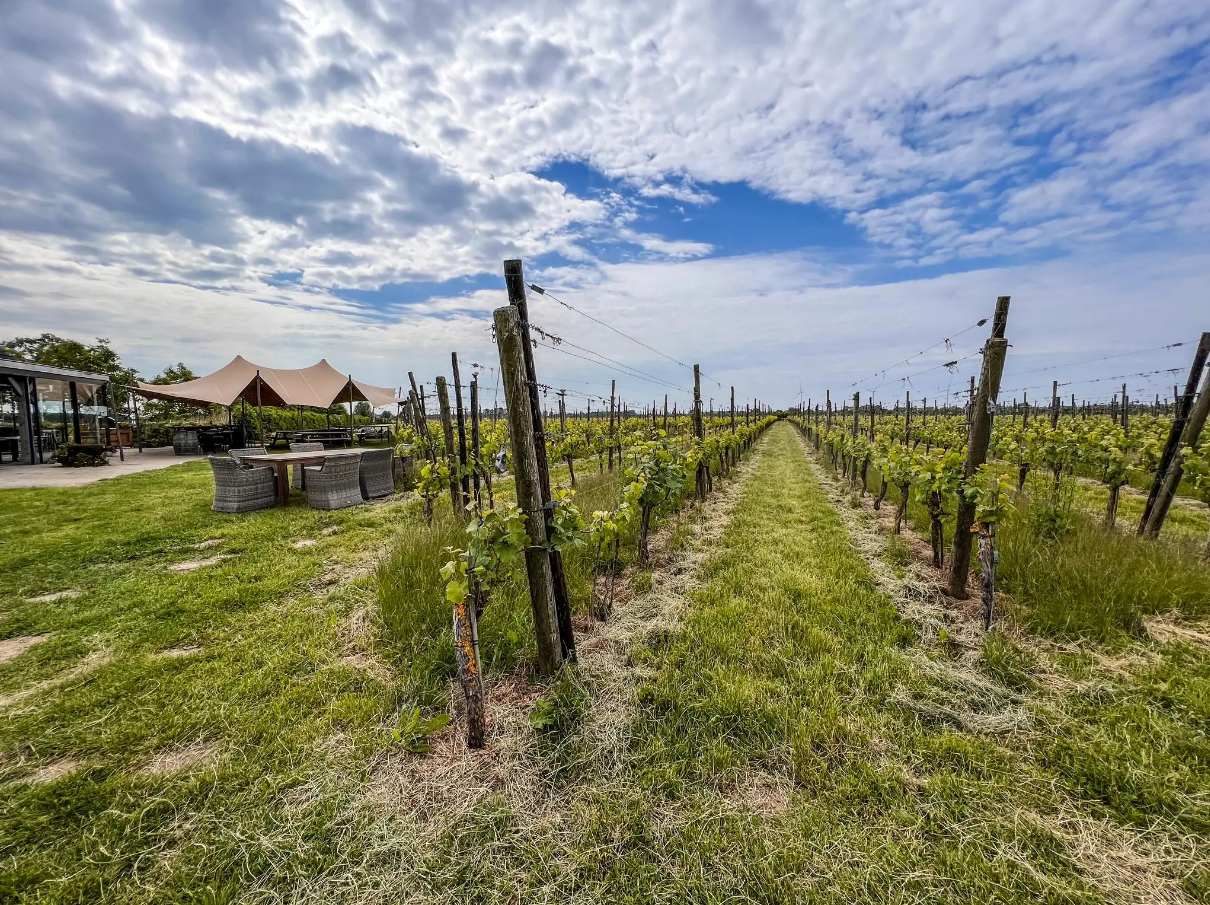
Hike and wine – walking through vineyards in the Netherlands
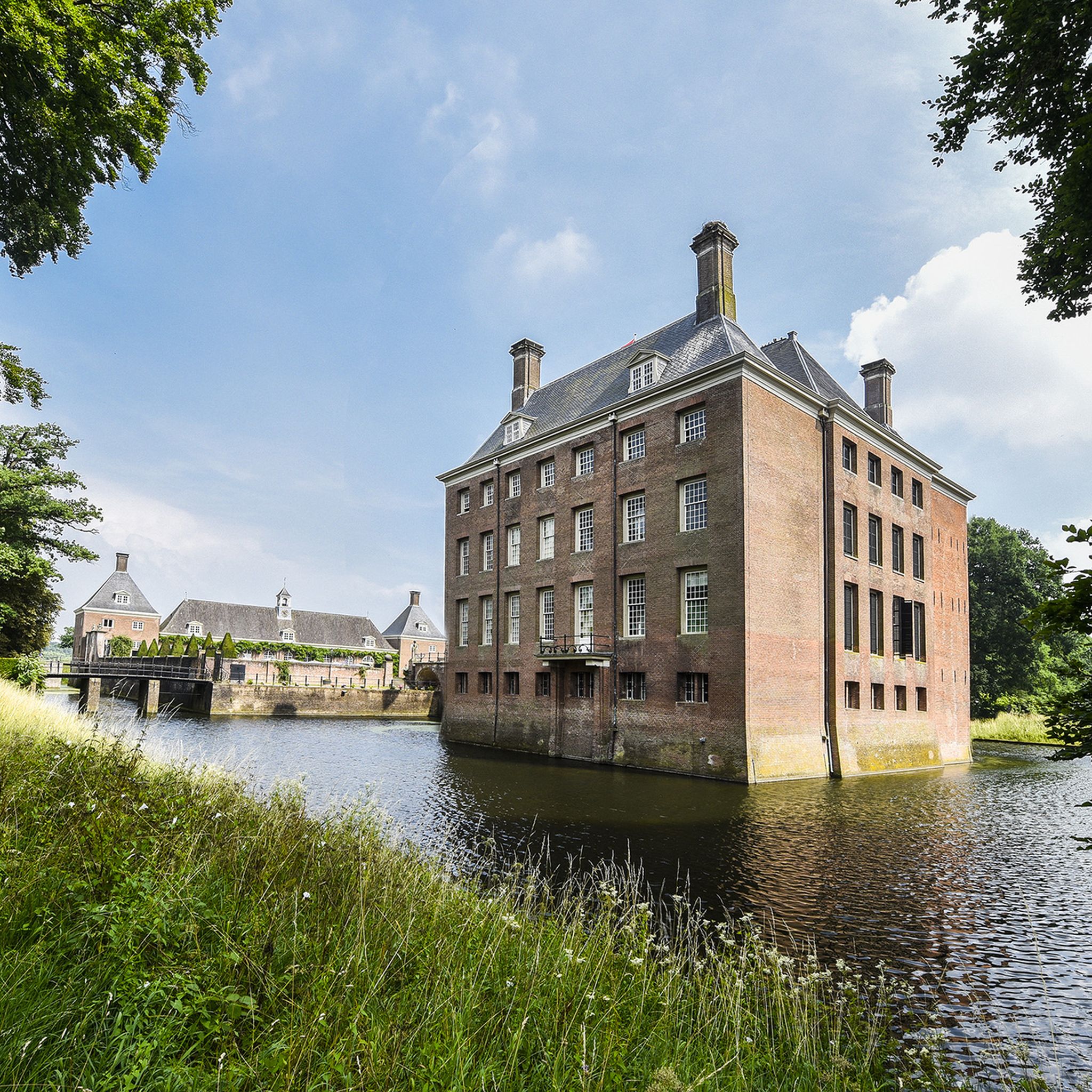
Hiking around Buren

Gravel biking around Buren
Cycling around Buren
Other adventures around Buren


Tips from the Community

Around 1300, Sandenburg was first mentioned as a "residential tower with six marrows of land." At that time, Sandenburg was nothing more than a fortified tower; the white-plastered extension and outbuildings only date from the 19th century. Many fortified towers were built in the Langbroekerwetering area during the Middle Ages. The Bishop of Utrecht and his neighbor, the Duke of Guelders, had little affection for each other at the time, and to protect their territory from a possible invasion, watchtowers were built in the border region. Sandenburg was one such watchtower. Over time, the tower was expanded into a residential tower and castle. In 1538, Sandenburg was recognized as a Knight's Court. By then, the castle had grown into a fully moated complex with a tower, several residential wings, and an outer bailey. In 1792, the Sandenburg Estate was purchased by G.C.C.J. Baron van Lynden. He thus became "Lord of Sandenburg," and the family name changed to Van Lynden van Sandenburg. The Knight's Manor had been almost entirely demolished before 1792. Only the square, four-story residential tower remained. Between 1861 and 1864, the Van Lyndens expanded this tower into a castle. Designed by the renowned architect Van Lunteren, the building was constructed in the romantic, neo-Gothic style, with its characteristic whitewashed walls and towers. The park surrounding the castle was laid out in the current English landscape style. Adjacent to the castle were the Coach House, the Orangery, and the Gatekeeper's House. The coachman's house was built against the rear of the Orangery, where the poet Gerrit Achterberg was born in 1905. During the 18th and 19th centuries, the Sandenburg Estate expanded through acquisition and inheritance. By the end of the 19th century, the estate had grown to over 600 hectares. (https://www.sandenburg.nl/historie/)
0
0


Former location of Slot Rossum, country residence with coach house of Baron Van Randwijck (1850) and from 1949 to 2002 Rossum town hall. Currently in use as an office. (Source Wikipedia)
0
0

A beautiful white castle. Unfortunately we could not get close because it is private property.
0
0
Frequently Asked Questions
What is the historical significance of Kasteel Buren, even though it no longer stands?
Kasteel Buren holds immense historical significance, particularly due to its connection with the Dutch Royal House of Orange. William of Orange, also known as William the Silent, acquired the castle through his marriage to Anna van Egmond in 1551, making it a primary family residence. Originally a 12th-century tower, it was transformed into a grand Florentine Renaissance-style palace in the 16th century. Although systematically dismantled in the 19th century, its former site and history are crucial to understanding the region's heritage. You can learn more about its history on Wikipedia.
What can I expect to see when visiting the site of the original Kasteel Buren?
While the original Kasteel Buren no longer stands, you can visit its former grounds, known as 'Het Plantsoen,' where visible foundations and a monument remain. These archaeological remains offer a glimpse into the castle's former layout. For a more complete understanding, the local Oranjemuseum Buren houses a large model illustrating how the castle appeared at its peak.
Which castles around Buren are most popular with visitors?
Among the most popular castles are Amerongen Castle, known for sheltering German Emperor Wilhelm II after WWI, and Sandenburg Castle, admired for its romantic, neo-Gothic style. Visitors also appreciate Rossum Castle, which originated as a 13th-century country residence.
Are there any castles near Buren that offer unique historical insights, like connections to famous figures?
Yes, Amerongen Castle is particularly notable. After the First World War, German Emperor Wilhelm II found shelter there from 1918 to 1920 and signed his deed of abdication at the castle. This makes it a significant site for European history.
What kind of architecture can I expect to see among the castles and estates around Buren?
The region showcases a mix of architectural styles. While the original Kasteel Buren was transformed into a Florentine Renaissance-style palace, other sites like Sandenburg Castle feature a romantic, neo-Gothic style with whitewashed walls and towers. You'll also find well-preserved country residences and knight's courts, reflecting various periods of Dutch history.
Are there family-friendly castles or estates to visit near Buren?
Yes, several locations are suitable for families. Amerongen Castle and Parc Broekhuizen are both categorized as family-friendly. These sites often offer grounds to explore and historical contexts that can engage visitors of all ages.
What outdoor activities, like hiking or cycling, can I do near the castles around Buren?
The area around Buren offers various outdoor activities. For hiking, you can explore routes like the 'Flower walking tour through the Betuwe along Buren and Erichem' or the 'Wine hiking along the rural roads of the Betuwe.' If you prefer cycling, there are MTB trails such as the 'Rhenen City Forests – Rhenen Mountain Bike Route.' You can find more details on these activities in the hiking guide, running guide, and MTB guide for Buren.
Are there specific hiking trails recommended near Buren's castles?
Yes, for hikers, the 'Flower walking tour through the Betuwe along Buren and Erichem' is a popular moderate route, as is the 'Wine hiking along the rural roads of the Betuwe.' Another option is the 'Buren (Oranje Town) City Gate – Beautiful view of historic Buren loop from Kapel-Avezaath,' which is a shorter, moderate walk. Explore more options in the hiking guide around Buren.
What natural features can I expect to see around the castles near Buren?
The castles and estates around Buren are often set within picturesque landscapes. For instance, Sandenburg Castle is surrounded by an English landscape park. The region is part of the Betuwe, known for its orchards and proximity to the Linge river, offering scenic views and natural beauty, especially during blooming seasons.
What do visitors enjoy most about the castles and estates in the Buren area?
Visitors frequently appreciate the historical depth and the serene settings of these sites. Many enjoy the opportunity to envision the past at places like the former Kasteel Buren grounds, or to explore the well-preserved estates such as Parc Broekhuizen, which offers beautiful views and a park for walks. The blend of history and nature is a key draw.
Is <a href="https://www.komoot.com/highlight/1006521" target="_blank" rel="noopener">Sterkenburg Castle</a> accessible to the public?
The history of Sterkenburg Castle dates back to before 1300. While it is a beautiful castle, it is private property. You can walk quietly in the surrounding forest, but cycling is not possible there, and direct access to the castle itself is generally restricted.
Can I visit <a href="https://www.komoot.com/highlight/769753" target="_blank" rel="noopener">Parc Broekhuizen</a>, and what does it offer?
Parc Broekhuizen is a beautiful estate that has been redeveloped. It now functions as a catering and hotel destination. You can enjoy a walk in its park and from the bridge, you get a very nice view of the country house with water in the foreground. It's a great spot for a break during a cycle path journey.
Most popular attractions around Buren

Get inspired with the komoot mobile app


Explore more
Looking for the best castles somewhere else? Discover other guides around Buren:
