The best road cycling routes around Aalten
4.4
(71)
2,492
riders
280
rides
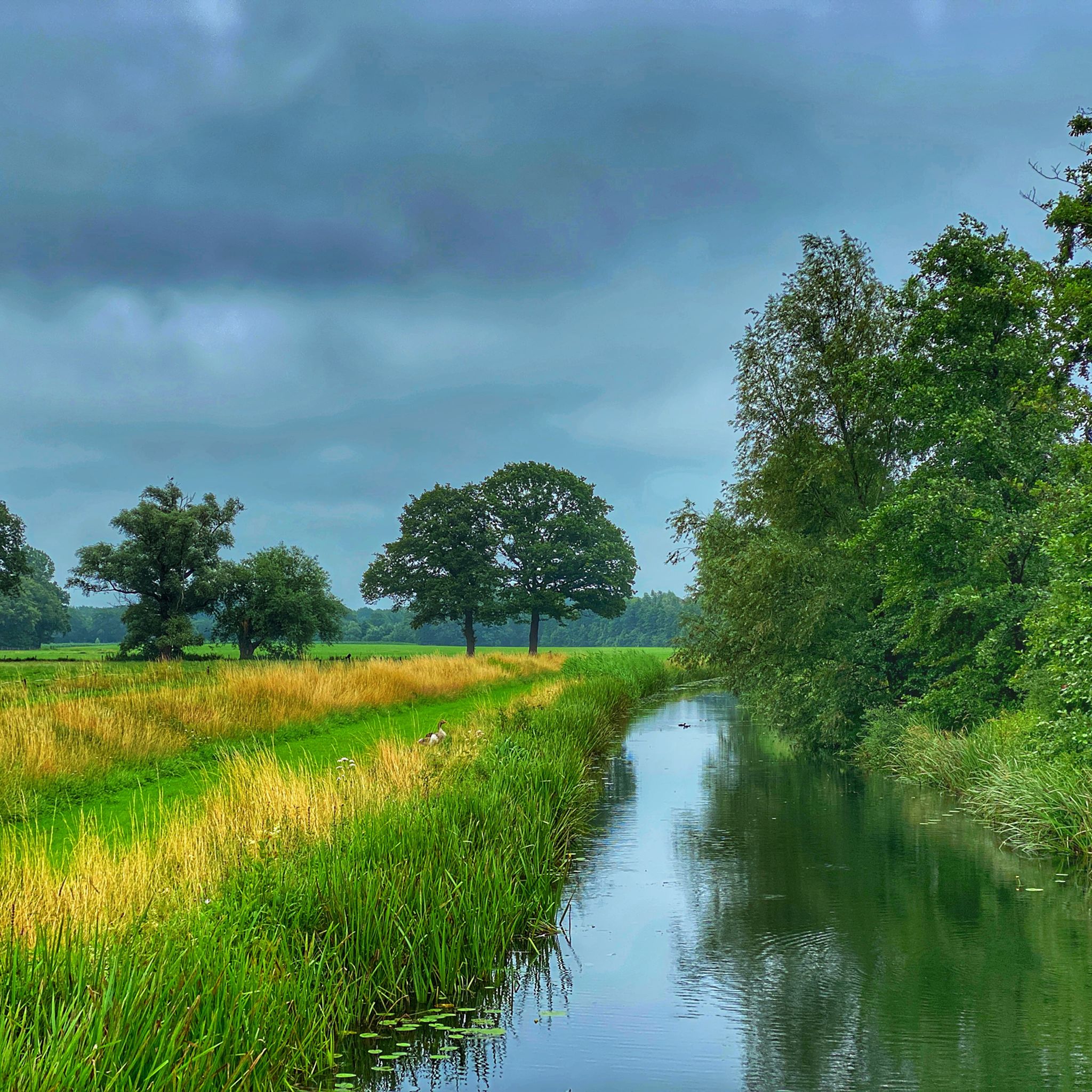
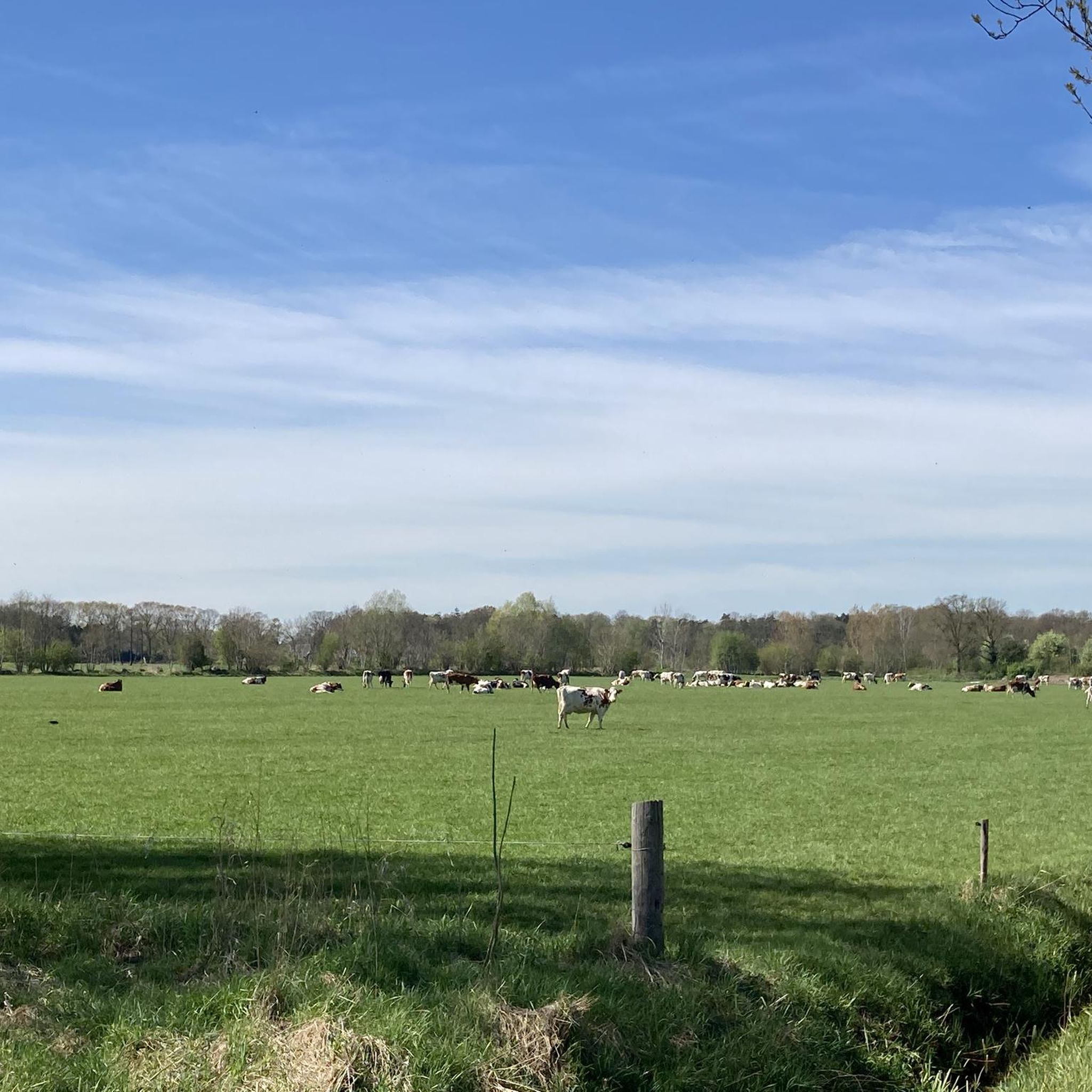
Road cycling around Aalten offers diverse landscapes and a well-developed cycling infrastructure. The region is characterized by gently rolling green meadows, serene forest paths, and picturesque valleys. Its proximity to the German border allows for cross-border cycling experiences. The terrain includes some hilly sections and watery expanses, providing varied routes for cyclists.
Best road cycling routes around Aalten
- The most popular road cycling route is Hilgelo Lake Path – Beurzerbeek Bridge loop from Aalten, a 27.6 miles (44.4 km)…
Last updated: October 8, 2026
4.0
(1)
84
riders
79.3km
03:19
260m
260m
Moderate road ride. Good fitness required. Mostly well-paved surfaces and easy to ride.
4.8
(5)
97
riders
44.0km
01:48
90m
90m
Moderate road ride. Great for any fitness level. Some segments of this route may be unpaved and difficult to ride.

4.6
(8)
61
riders
Moderate road ride. Good fitness required. Mostly well-paved surfaces and easy to ride.
5.0
(5)
39
riders
49.1km
02:00
90m
90m
Moderate road ride. Good fitness required. Mostly well-paved surfaces and easy to ride.
4.0
(2)
37
riders
Easy road ride. Great for any fitness level. Mostly well-paved surfaces and easy to ride.
Get access to more routes and recommendations from other explorers.
Already have an account?
Our route recommendations are based on thousands of hikes, rides, and runs completed by other people on komoot.
Start today with a free account
Your next adventure awaits.
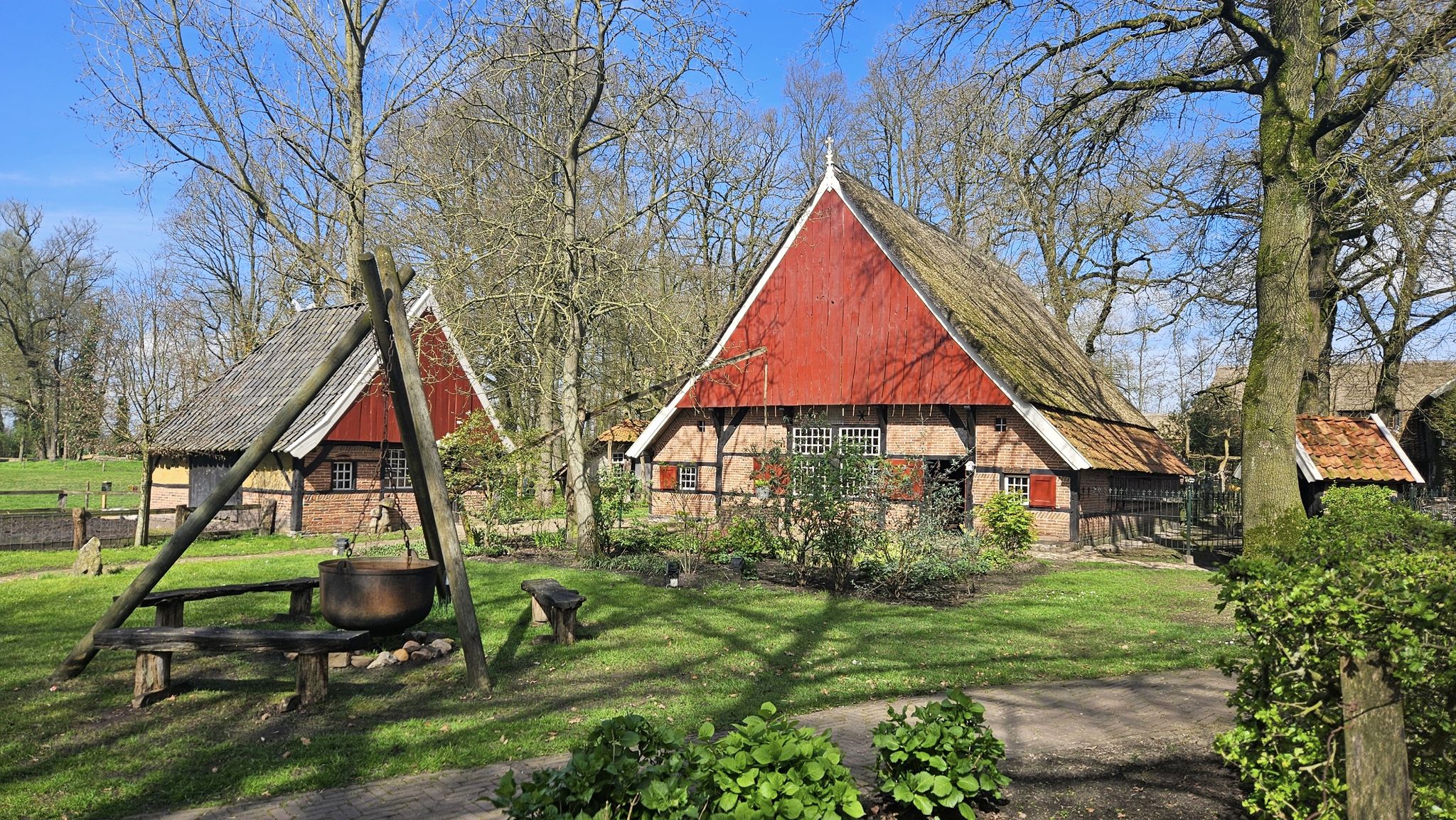
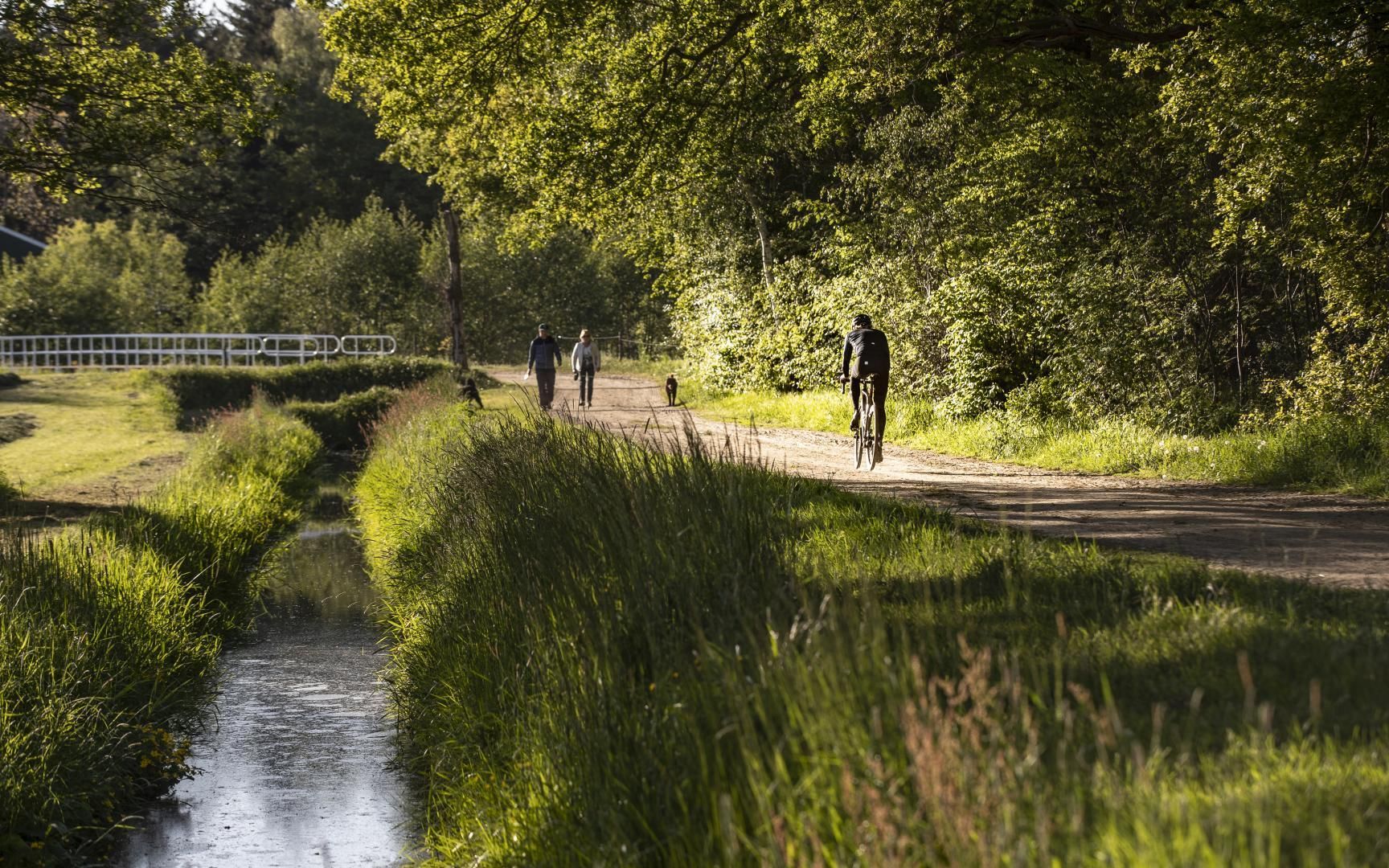
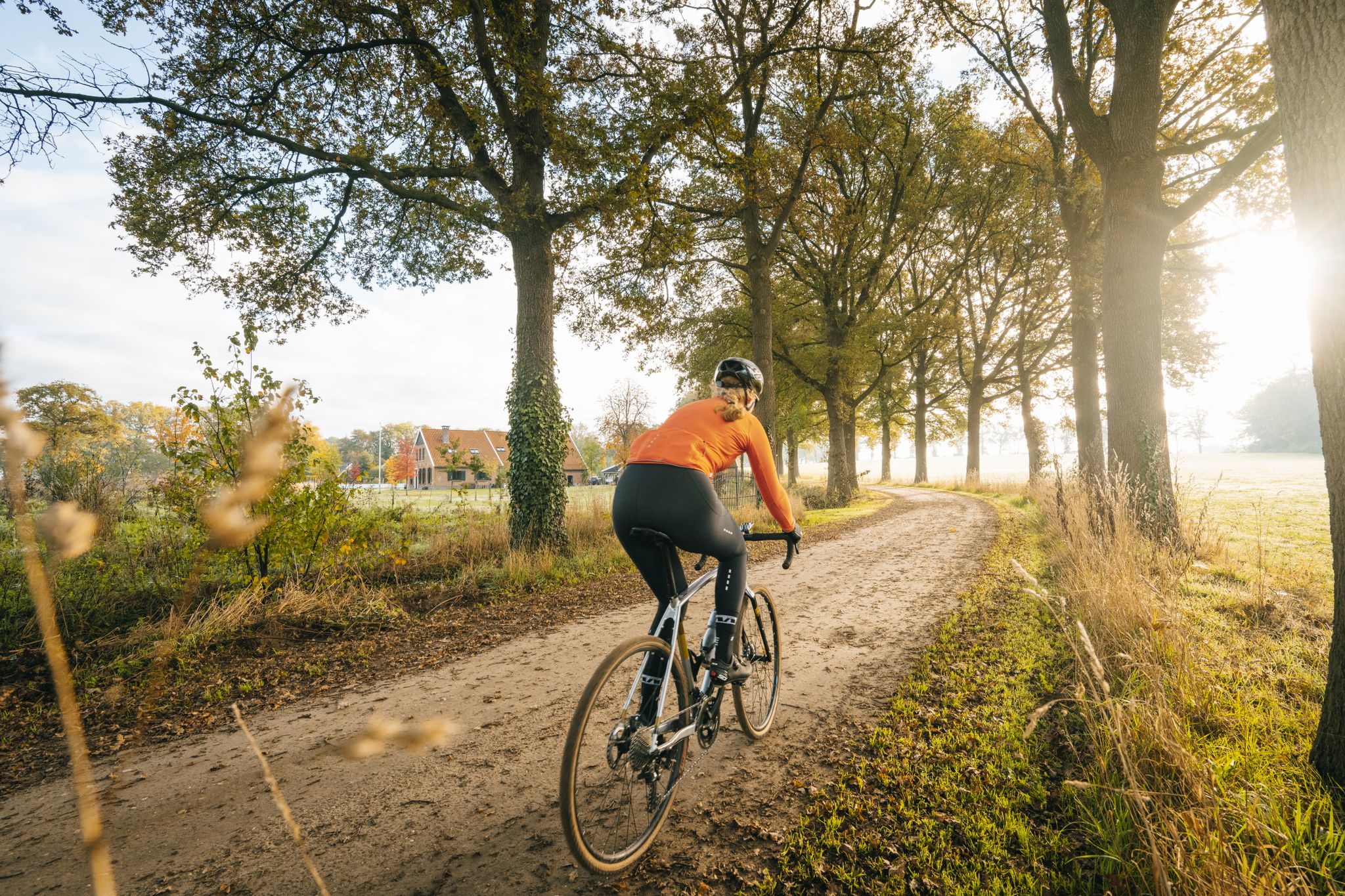
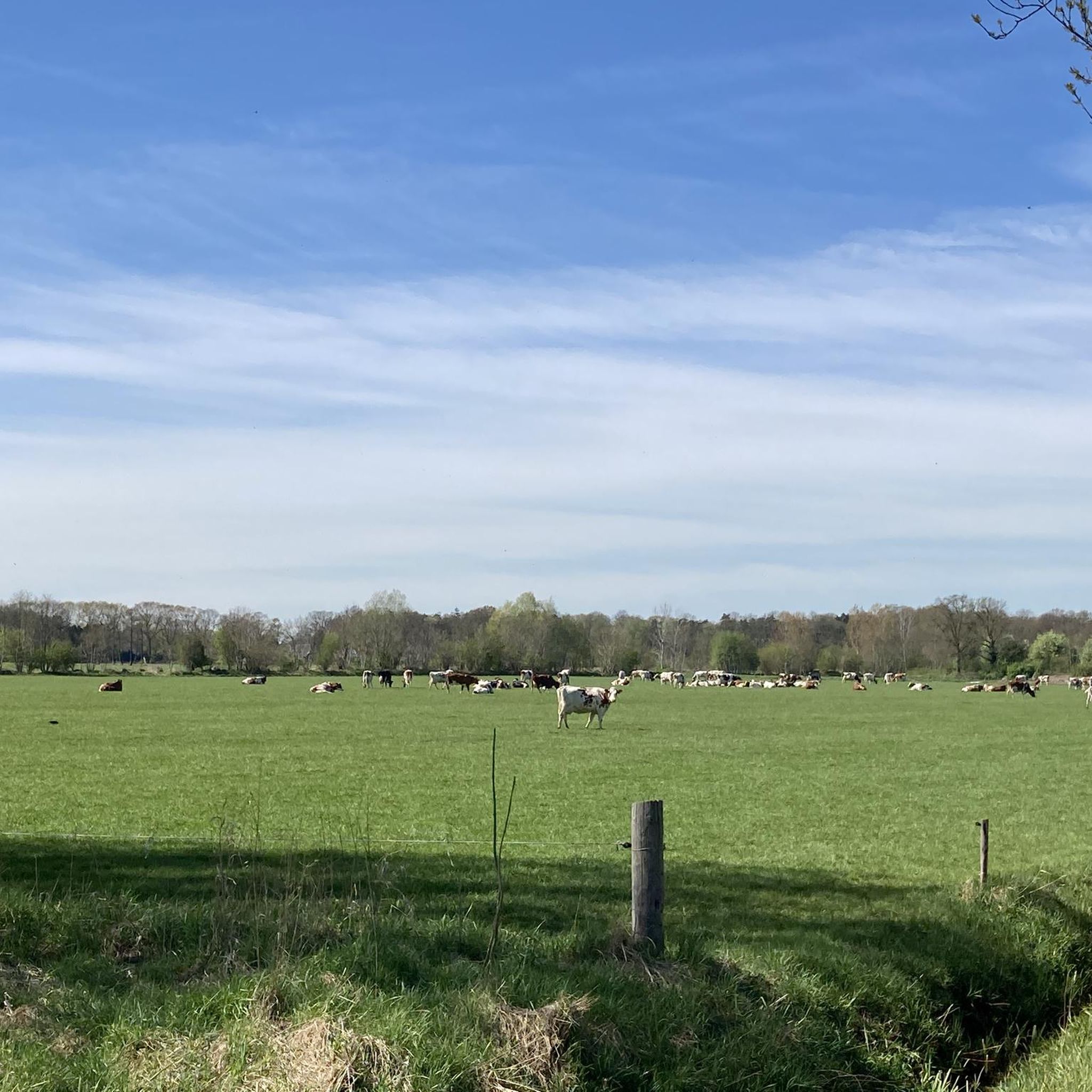



Tips from the Community

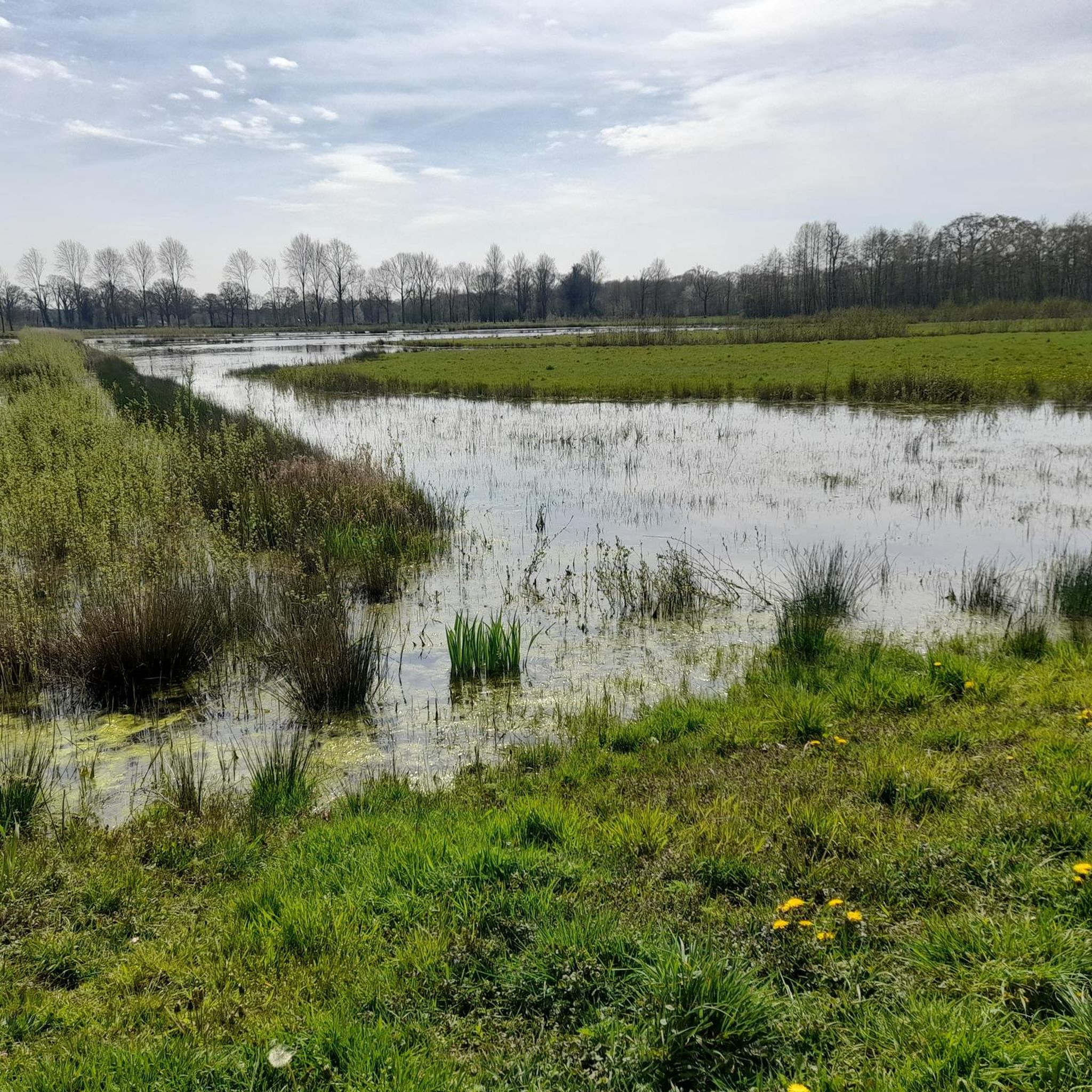
The former raised bog between Woold (NL) and Burlo-Vardingholt (DE) was formed in the last 5000 years. The peat was removed in the 19th and 20th centuries. Little remained of the original raised bog. Today, "Natuurmonumenten" (NL) and the district of Borken (DE) are working together on the renaturation of the European Natura 2000 area. The first results are already visible. Frogs, toads, and salamanders live in the newly formed ponds. Peat moss is growing again and sundew is coloring the ground reddish in places. At the Kuipersweg hiking parking lot in Winterswijk-Woold, there is an information sign that guided tours with a ranger/forester are offered in the Achterhoek. (www.nm.nl/agenda)
2
0


The geological gem in the Winterswijk National Landscape is the quarry in Ratum. The quarry has been in operation since the 1930s.
0
0

I had a wonderful walk from Aalten. The autumn colours complete the picture.
0
0

Nice rest stop at Hindenburgplatz
0
0
Beautiful path, unfortunately with moderate surface (root breakage)
0
0
Long, steady climb through the forest
0
0
Frequently Asked Questions
How many road cycling routes are available in Aalten?
Aalten offers a wide selection for road cyclists, with over 250 routes to explore. These routes cater to various skill levels, ensuring there's something for everyone, from leisurely rides to more challenging excursions.
What is the typical terrain like for road cycling in Aalten?
The region is characterized by gently rolling green meadows, serene forest paths, and picturesque valleys. While much of the landscape offers a quintessential Dutch cycling experience, some parts can be described as hilly, providing varied and engaging routes. You'll also encounter watery expanses and, in season, fields of sunflowers.
Are there road cycling routes suitable for families or beginners in Aalten?
Yes, Aalten has many options for less experienced riders and families. There are over 50 easy road cycling routes, often featuring paved surfaces ideal for a relaxed pace. A great example is the Hilgelo Lake Path – Beurzerbeek Bridge loop from Aalten, which is an easy 27.6-mile (44.4 km) trail suitable for various fitness levels.
What natural attractions can I discover along the road cycling routes in Aalten?
Aalten's routes offer diverse natural beauty. You can cycle past the unique Boven Slinge and the De Twee Bruggen swimming pool, explore the tranquil Wooldse Veen Nature Reserve, or enjoy the scenic Hilgelo Lake. For a truly unique sight, the nearby Zwillbrocker Venn nature reserve is home to Europe's northernmost flamingo colony.
Are there any historical or cultural landmarks to see while road cycling in Aalten?
Absolutely. Many routes incorporate historical and cultural highlights. You can visit the charming Church of Bredevoort, cycle through the 'Book Town' of Bredevoort with its many small streets, or pass by traditional Dutch mills like Beltkorenmolen Hermien. The region also features historical farmhouses and the old Manor House Walfort, offering glimpses into the past.
What do other road cyclists enjoy most about cycling in Aalten?
The komoot community highly rates road cycling in Aalten, with an average score of 4.5 stars from over 50 reviews. Cyclists often praise the diverse landscapes, from rolling meadows to serene forest paths, and the well-developed cycling infrastructure that makes exploration easy and enjoyable. The blend of natural beauty with cultural points of interest is also a frequently highlighted aspect.
Are there any challenging road cycling routes for experienced riders in Aalten?
While Aalten is known for its gentle terrain, there are still options for more experienced cyclists. The region offers 20 routes classified as difficult, providing a greater challenge with varying elevations and distances. These routes allow advanced riders to push their limits while enjoying the scenic surroundings.
Can I find circular road cycling routes in Aalten?
Yes, many of the road cycling routes in Aalten are designed as loops, allowing you to start and end your ride in the same location. This makes planning your trip convenient, whether you're looking for a short spin or a longer day out. Examples include the Wooldse Veen Nature Reserve loop and the Hilgelo Lake Path – Beurzerbeek Bridge loop.
What is the best time of year to go road cycling in Aalten?
Aalten is beautiful for road cycling throughout the warmer months. Spring and summer offer lush green meadows, blooming sunflowers, and the chance to spot flamingos in the Zwillbrocker Venn. The well-maintained paths are enjoyable in mild weather, making late spring to early autumn ideal for exploring the region's diverse landscapes.
Are there places to stop for refreshments along the road cycling routes?
Yes, Aalten and its surrounding towns offer various cafes and pubs where cyclists can take a break and refuel. Many routes pass through or near charming villages like Bredevoort, known for its quaint streets, providing opportunities to enjoy local hospitality and refreshments.
Is it possible to access road cycling routes in Aalten using public transport?
Aalten is generally well-connected by public transport within the Netherlands, including train and bus services. While specific route access points may vary, arriving in Aalten by public transport and then starting your cycling tour from there is a viable option for many routes.
Are there any cross-border road cycling experiences available from Aalten?
Aalten's proximity to the German border allows for unique cross-border cycling experiences. Routes like the 'Borderless Oude IJssel Region' and 'Cycle route along the German border' offer the chance to explore diverse landscapes and historical sites in both countries, expanding your cycling adventure.
Most popular attractions around Aalten

Get inspired with the komoot mobile app


Explore more
Browse the best Road cycling routes in other regions.
