Top 20 Natural Monuments around Midden-Drenthe
Best natural monuments around Midden-Drenthe offer diverse landscapes, from expansive heathlands and dense forests to unique geological formations and ancient monuments. This region in the heart of Drenthe, Netherlands, provides opportunities for outdoor activities like hiking and cycling. The area is characterized by its natural beauty and historical significance, including prehistoric structures. Midden-Drenthe's natural areas are ideal for experiencing serene environments and varied terrains.
Best natural monuments around Midden-Drenthe
- The most popular natural monument is Aekingerzand Sand Dunes, a…
Last updated: April 28, 2026
Fochteloërveen Cycle Route
Highlight (Segment) • Cycleway
Translated by Google •
Tip by

The New Heavenly Realm
Highlight • Lake
Translated by Google •
Tip by

Sign up now to discover places like this
Get recommendations on the best single tracks, peaks, & plenty of other exciting outdoor places.
Sign up for free
Ode to the Sun Sculpture
Highlight • Monument
Translated by Google •
Tip by

Holtveen Bird Hide
Highlight • Structure
The Dwingelerveld offers everything that makes cycling in Drenthe so great: forests, heaths, moors and beautiful cycle paths.
Translated by Google •
Tip by

Ieberenplas
Highlight • Lake
Translated by Google •
Tip by
Sign up for free to discover even more natural monuments around Midden-Drenthe.
Sign up for free
Already have an account?
Start today with a free account
Your next adventure awaits.
Login or Signup
Popular around Midden-Drenthe
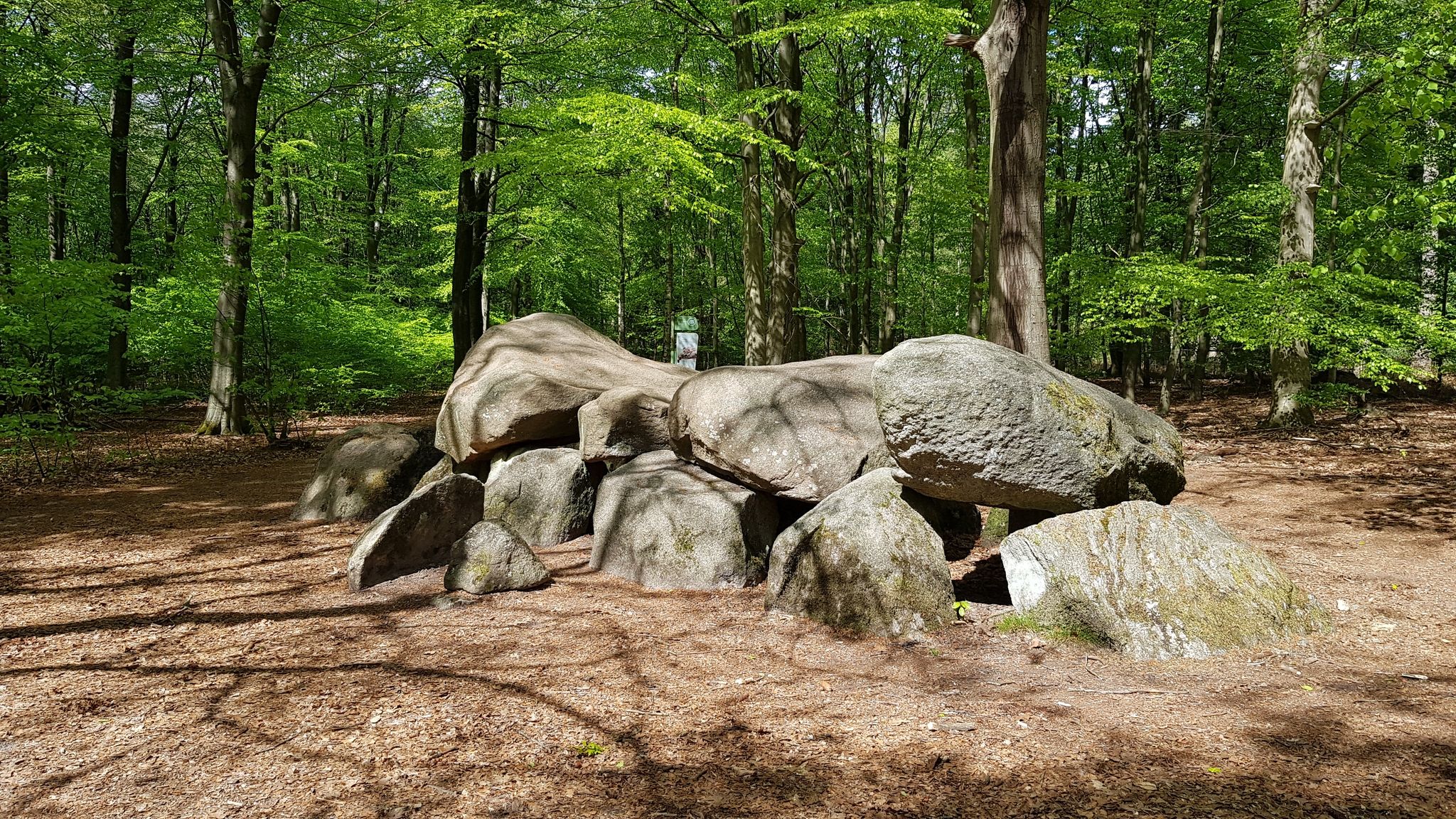
Hunebedden, heath and historic villages – The Drenthepad
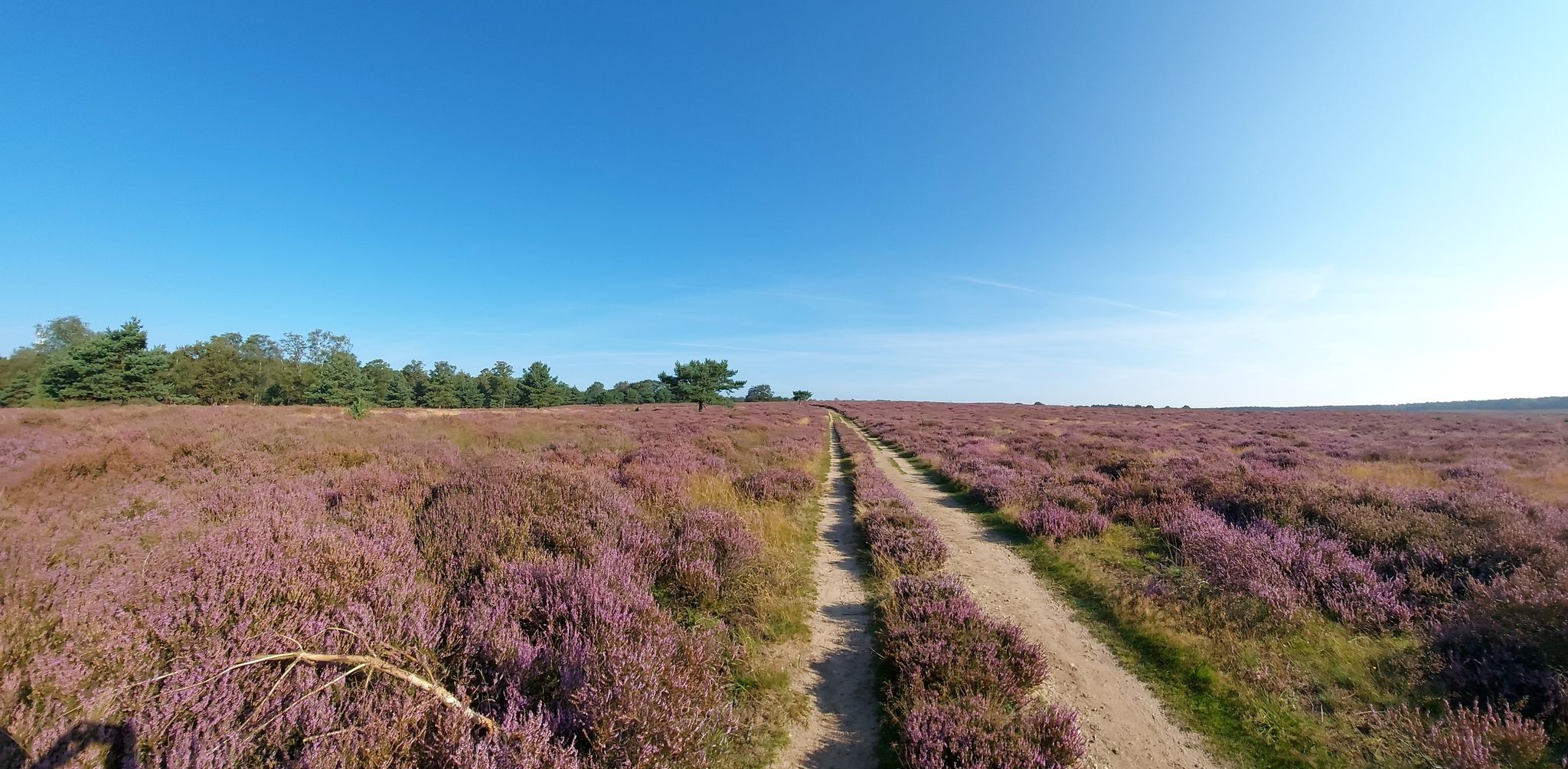
The Netherlands turns purple – 15 walks across the flowering heathlands
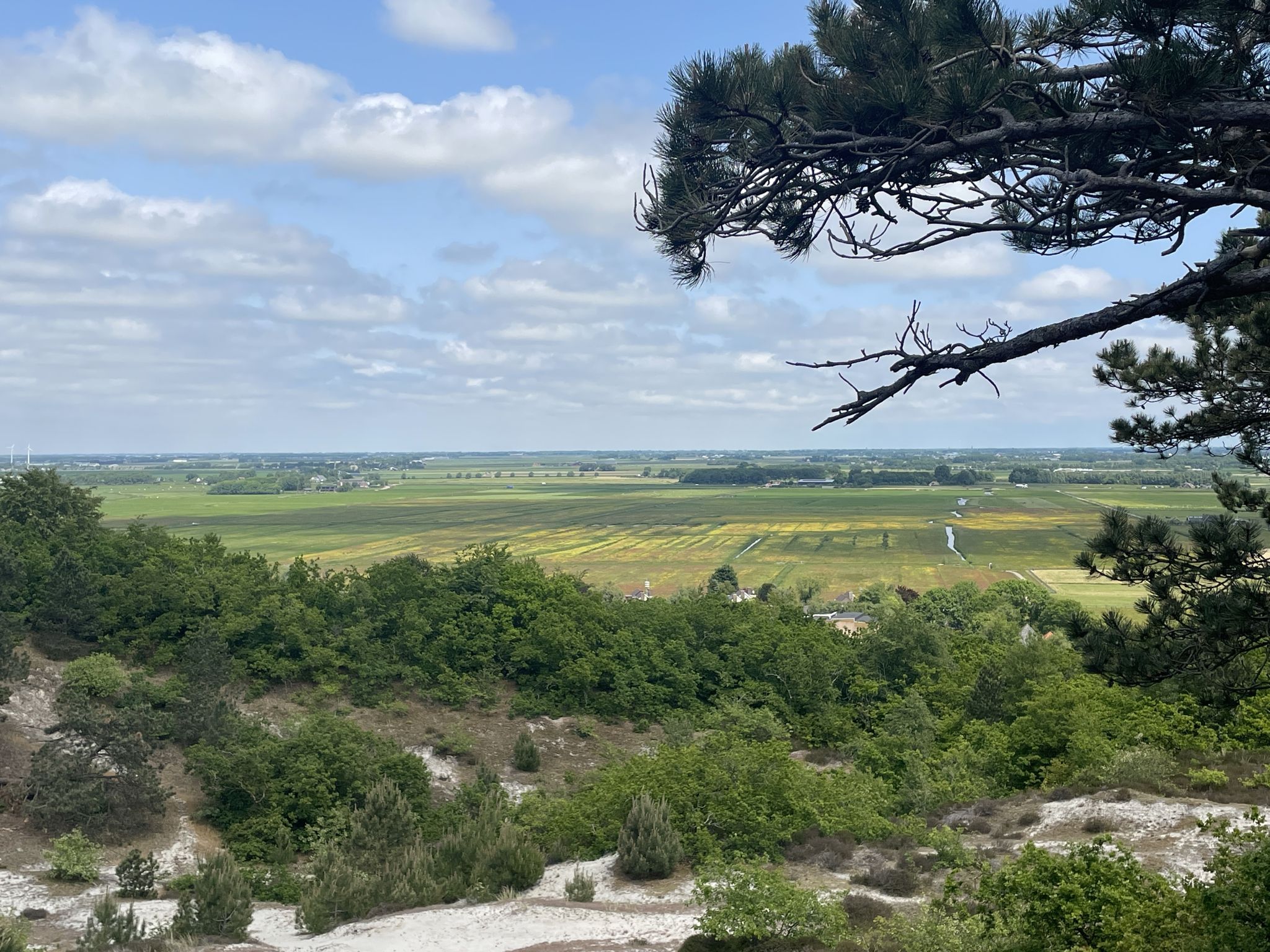
The peaks of the Low Countries — calf-biters in every province
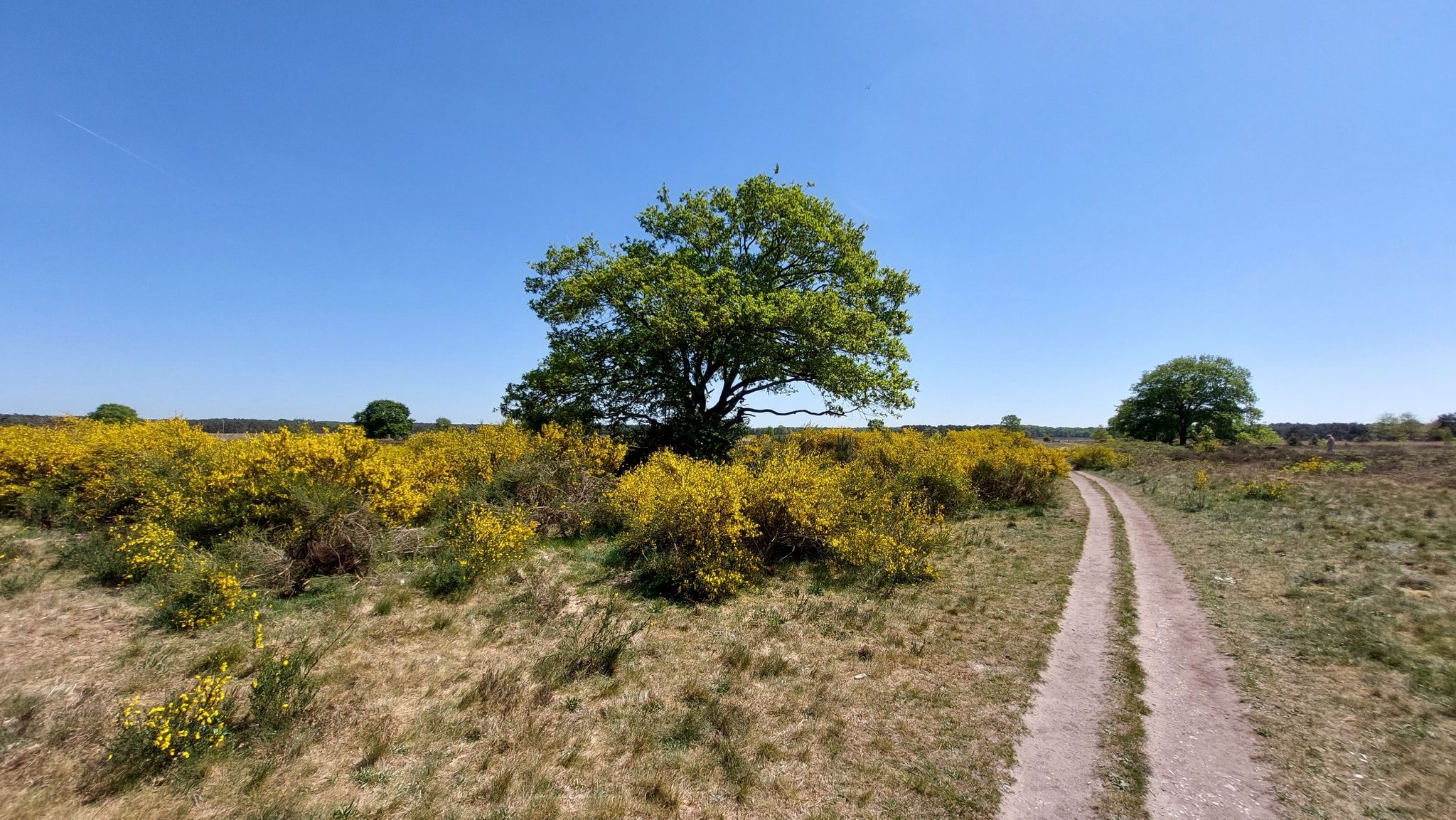
Reflecting on the paths of the Westerbork Trail
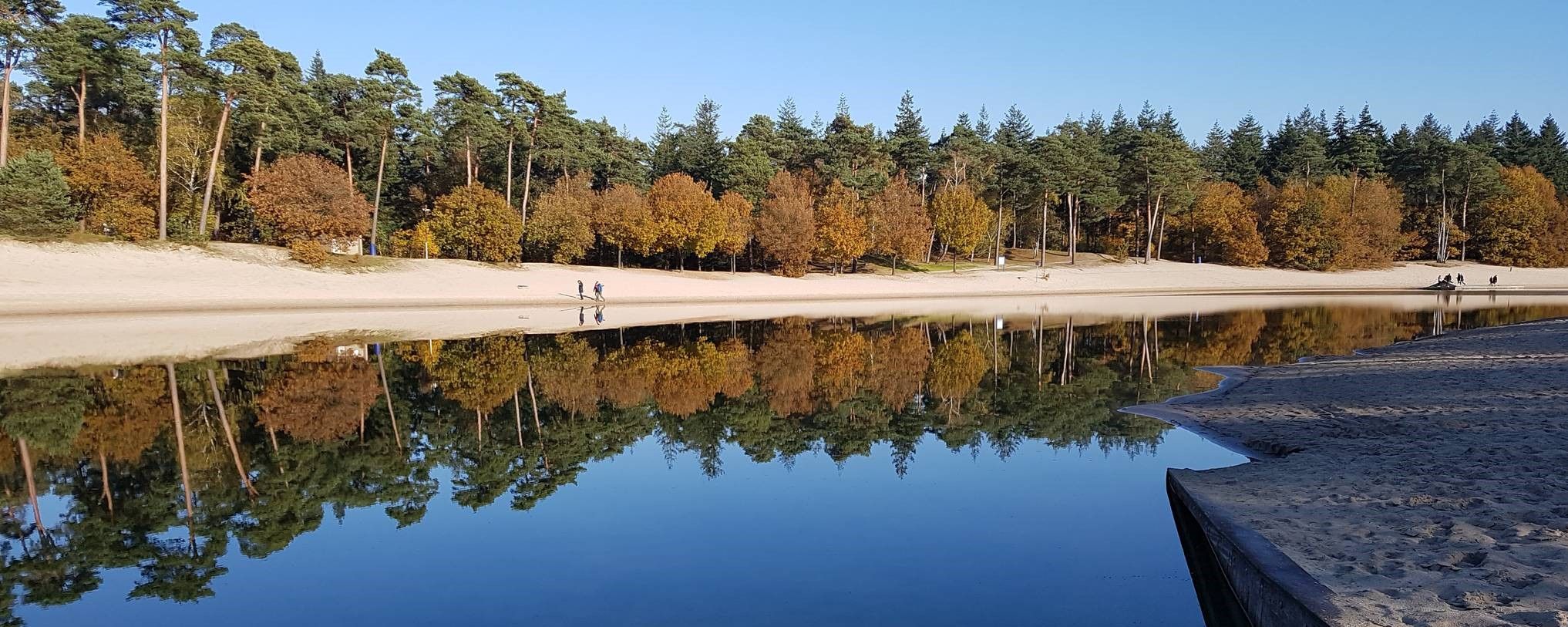
Hiking and swimming - Paths with a refreshing end
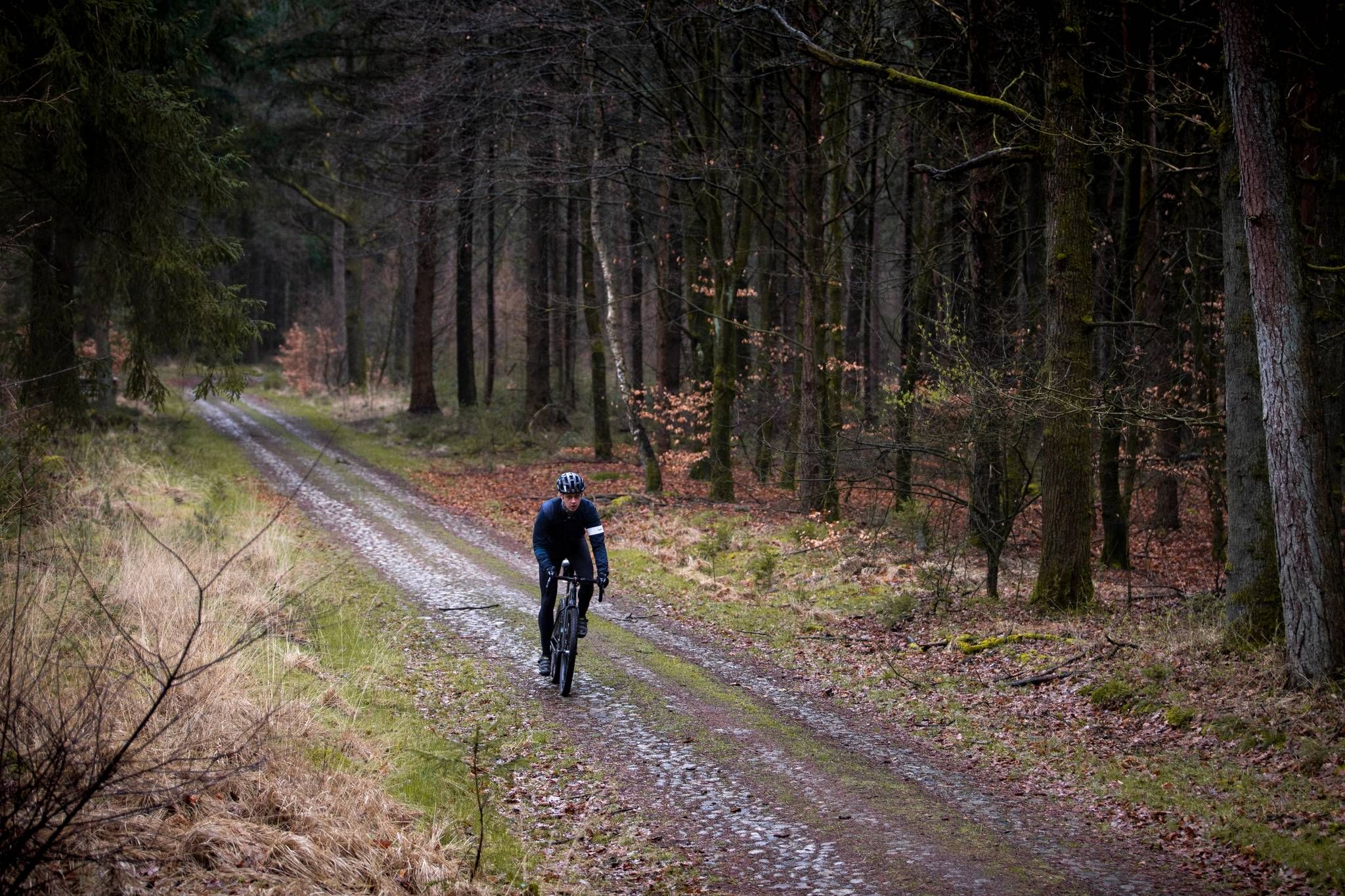
The True 'Hell of the North' — Drentse Keien Cobbles
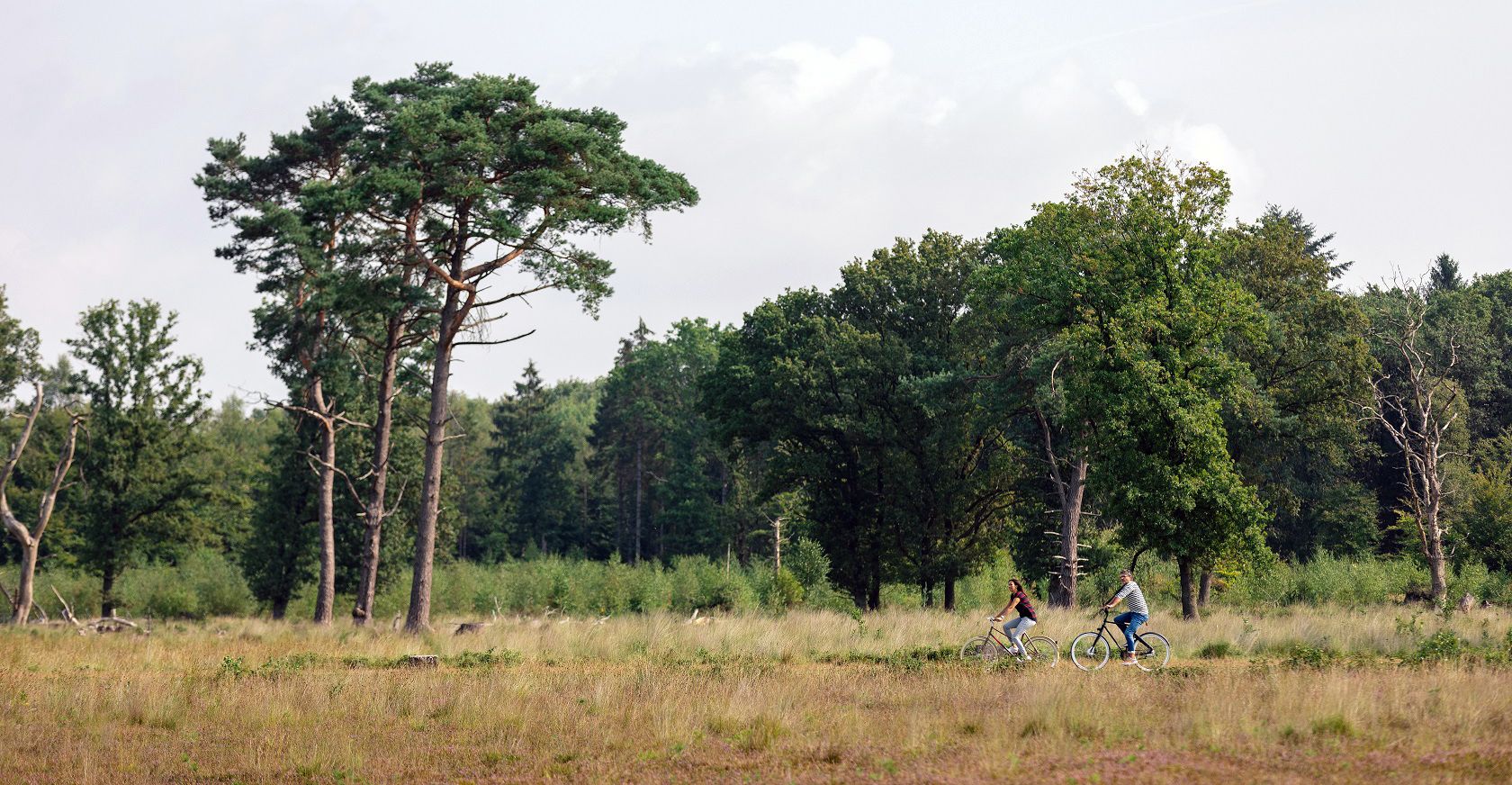
Cycling in Drenthe — Holland's primeval region
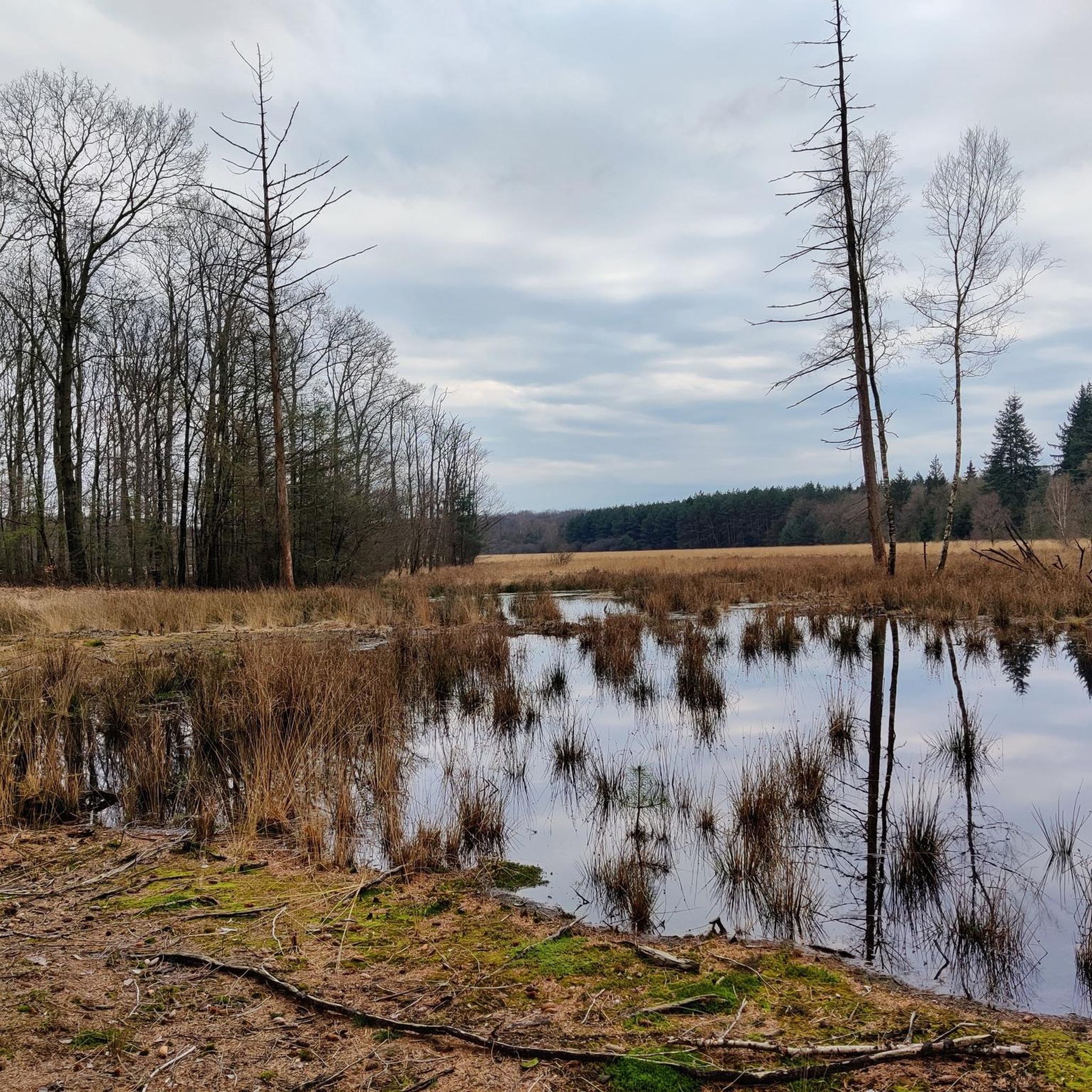
Hiking around Midden-Drenthe
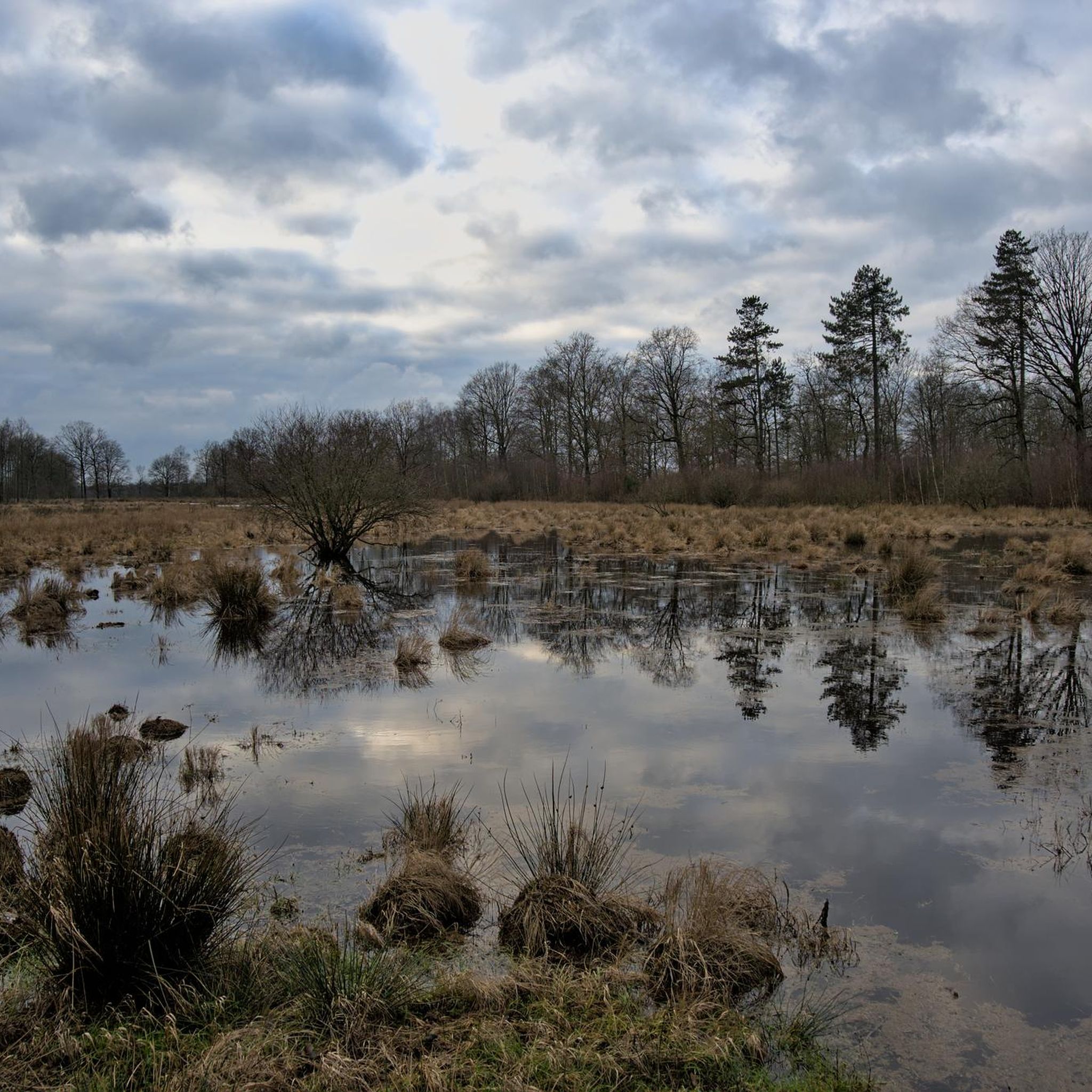
Cycling around Midden-Drenthe
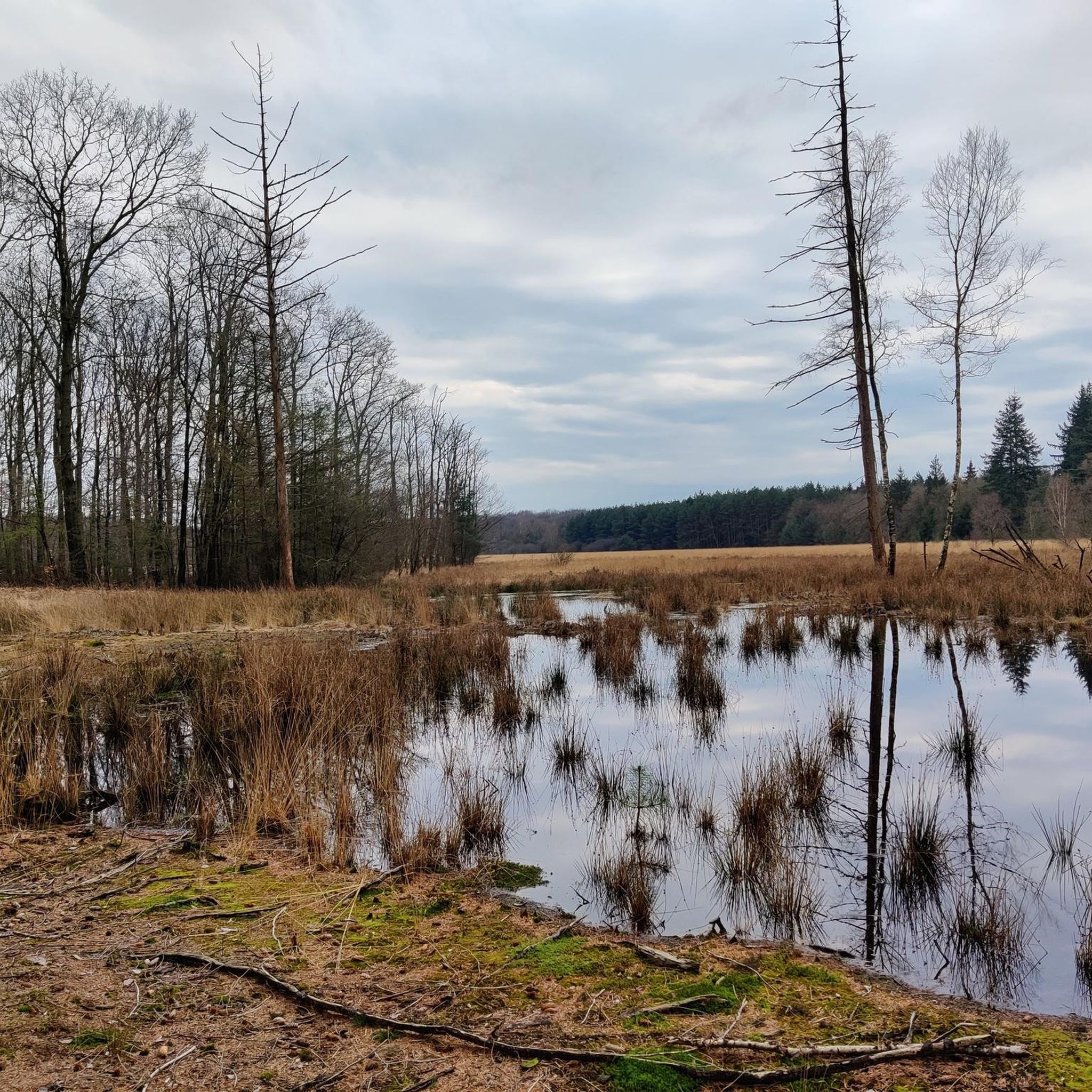
MTB Trails around Midden-Drenthe
Other adventures around Midden-Drenthe


Tips from the Community


Beautiful area for cycling or walking
0
0

Great viewpoint The Dwingelerveld offers everything that makes cycling in Drenthe so great: forests, heaths, moors and beautiful cycle paths.
4
0

a surreal image of an industrial installation under construction, placed in the middle of the nature reserve Fochteloërveen. The contrast between the natural environment and the industrial elements creates a fascinating and alienating atmosphere.
1
0

Dwingelderveld National Park consists of forest, heathland and drifting sand. The extensive nature gives a good impression of the old Drenthe esdorp landscape. Near the ash villages you will find authentic ash trees; old fields where mainly grain was grown in the past. The Dwingeloosche Heide and the Kraloërheide together form the largest contiguous wet heathland area in Northwest Europe. Various duck species are seen on the Holtveen and in the area you can find stonechats, among other things.
1
0

Unfortunately in March there are not many birds to see.
0
0

In the middle of Boswachterij Odoorn there is an open heathland that was created after a heavy storm in 1972. It was then decided not to create a new forest, but to fence it off and allow sheep to graze there to keep it short. On this sheep field, at the edge of the forest, is the landscape temple 'Ode to the Sun'. This megalithic work of art was created in 2000 by Rob Schreefel. It consists of a 25-ton boulder (from Brittany) with a round hole in the middle that gives a special light effect.
1
0
Frequently Asked Questions
What are some of the most unique natural monuments to visit in Midden-Drenthe?
Midden-Drenthe offers several unique natural monuments. You can explore the impressive sand drifts of Aekingerzand Sand Dunes, where revived drifting sand creates a distinctive landscape. Another special spot is Ode to the Sun Sculpture, a megalithic artwork integrated into a natural setting, featuring a 25-ton boulder with a central hole that creates a unique light effect. Additionally, the region boasts Het Blauwe Meer, known for its striking blue-green water due to its depth and mineral composition.
Are there family-friendly natural monuments around Midden-Drenthe?
Yes, several natural monuments in Midden-Drenthe are great for families. The New Heavenly Realm is a popular swimming lake with a sandy beach, playground equipment, and a restaurant. Similarly, Ieberen Pond offers a large sandy beach perfect for picnics and swimming, with facilities available in summer. The Dwingelderveld National Park also has visitor centers and well-maintained routes suitable for family walks.
What kind of wildlife can I expect to see in Midden-Drenthe's natural areas?
Midden-Drenthe's diverse landscapes support various wildlife. In Dwingelderveld National Park, you might spot all three snake species found in the Netherlands: the adder, smooth snake, and grass snake. The park is also home to Drenthe Heath sheep, which are part of traditional grazing practices. Birdwatchers will appreciate the Holtveen Bird Hide, offering excellent opportunities to observe local birdlife. The revived drifting sands of Aekingerzand also support special animals like the sand lizard and various butterflies.
What are the best natural areas for hiking and walking in Midden-Drenthe?
For extensive hiking, Dwingelderveld National Park is renowned for its vast, uninterrupted wet heathland and well-maintained walking routes. Drents-Friese Wold National Park also offers a large network of trails through forests, heathlands, and sand drifts. For a unique cultural-historical walking experience, explore Drentsche Aa National Park with its stream valleys and traditional villages. You can find many routes for walking and cycling in the region, including those featured in the Cycling around Midden-Drenthe guide.
Are there opportunities for cycling or mountain biking near the natural monuments?
Absolutely. Midden-Drenthe is excellent for cycling and mountain biking. Dwingelderveld National Park and Drents-Friese Wold National Park both feature extensive networks of cycling and mountain biking routes. You can find various cycling tours, such as the 'Halkenbroek Observation Tower loop' or 'Ieberen Pond loop', in the Cycling around Midden-Drenthe guide. For mountain biking enthusiasts, there are dedicated trails like the 'MTB Route Gieten – Gasselte' mentioned in the MTB Trails around Midden-Drenthe guide.
When is the best time to visit Midden-Drenthe's natural monuments?
The best time to visit Midden-Drenthe's natural monuments largely depends on what you wish to experience. From mid-August to mid-September, the heathlands, particularly in Dwingelderveld National Park, transform into a stunning purple spectacle during the heather bloom. Summer months are ideal for swimming at places like The New Heavenly Realm and Ieberen Pond. Spring and autumn offer pleasant temperatures for hiking and cycling, with beautiful foliage changes in the forested areas.
Are there any historical or ancient sites integrated into the natural landscape?
Yes, Drenthe is famous for its Hunebedden (dolmens), which are megalithic burial chambers over 5000 years old. While not strictly natural formations, these impressive prehistoric monuments are deeply integrated into the natural landscape, particularly in the Hondsrug area and within Drentsche Aa National Park. They offer a fascinating glimpse into prehistoric cultures amidst serene natural settings.
What are Mantingerzand and Terhorsterzand, and why are they worth visiting?
Mantingerzand and Terhorsterzand are considered 'hidden gems' within Midden-Drenthe. They are valuable natural landscapes, likely featuring heathlands, forests, and sand drifts typical of the Drenthe region. They are worth visiting for those seeking quieter, less-trodden paths and a more serene, untouched experience of Drenthe's natural beauty, away from the more popular national parks.
Are there any natural monuments suitable for dog walking?
Many natural areas in Midden-Drenthe are dog-friendly, though specific rules may apply regarding leashing, especially in nature reserves to protect wildlife and grazing animals. National parks like Dwingelderveld and Drents-Friese Wold generally welcome dogs on designated paths. It's always advisable to check local signage or park regulations for the specific area you plan to visit to ensure a pleasant experience for both you and your dog.
What are the main characteristics of Dwingelderveld National Park?
Dwingelderveld National Park is known as the largest uninterrupted expanse of wet heathland in the Netherlands. It features diverse landscapes including forests, beautiful moss, juniper bushes, sand drifts, and fens. It's famous for its stunning purple heather bloom from mid-August to mid-September and is home to various wildlife, including three snake species. The park also maintains traditional sheep grazing with two flocks of Drenthe Heath sheep, adding to its pastoral charm.
How accessible are the natural monuments by public transport or car?
Access to Midden-Drenthe's natural monuments varies. Major national parks like Dwingelderveld and Drents-Friese Wold often have visitor centers that are accessible by car, with parking facilities. Public transport options might involve bus routes to nearby towns, followed by a walk or cycle to the natural areas. For specific locations like the Hunebedden, some are easily reachable, while others might require more planning. It's recommended to check specific routes and transport schedules for your chosen destination.
Are there any permits or entrance fees required to visit the natural monuments?
Generally, there are no entrance fees to access the vast majority of Midden-Drenthe's natural monuments and national parks. These areas are typically open to the public for recreation. Permits are usually not required for hiking or cycling on designated paths. However, specific activities or guided tours might have associated costs. Always check for any specific regulations or temporary restrictions before your visit.
Most popular routes around Midden-Drenthe
Most popular attractions around Midden-Drenthe

Get inspired with the komoot mobile app


Explore more
Extend your search for the best caves by checking out these guides of the top ones around Midden-Drenthe:
