Top 20 Lakes around Hoogeveen
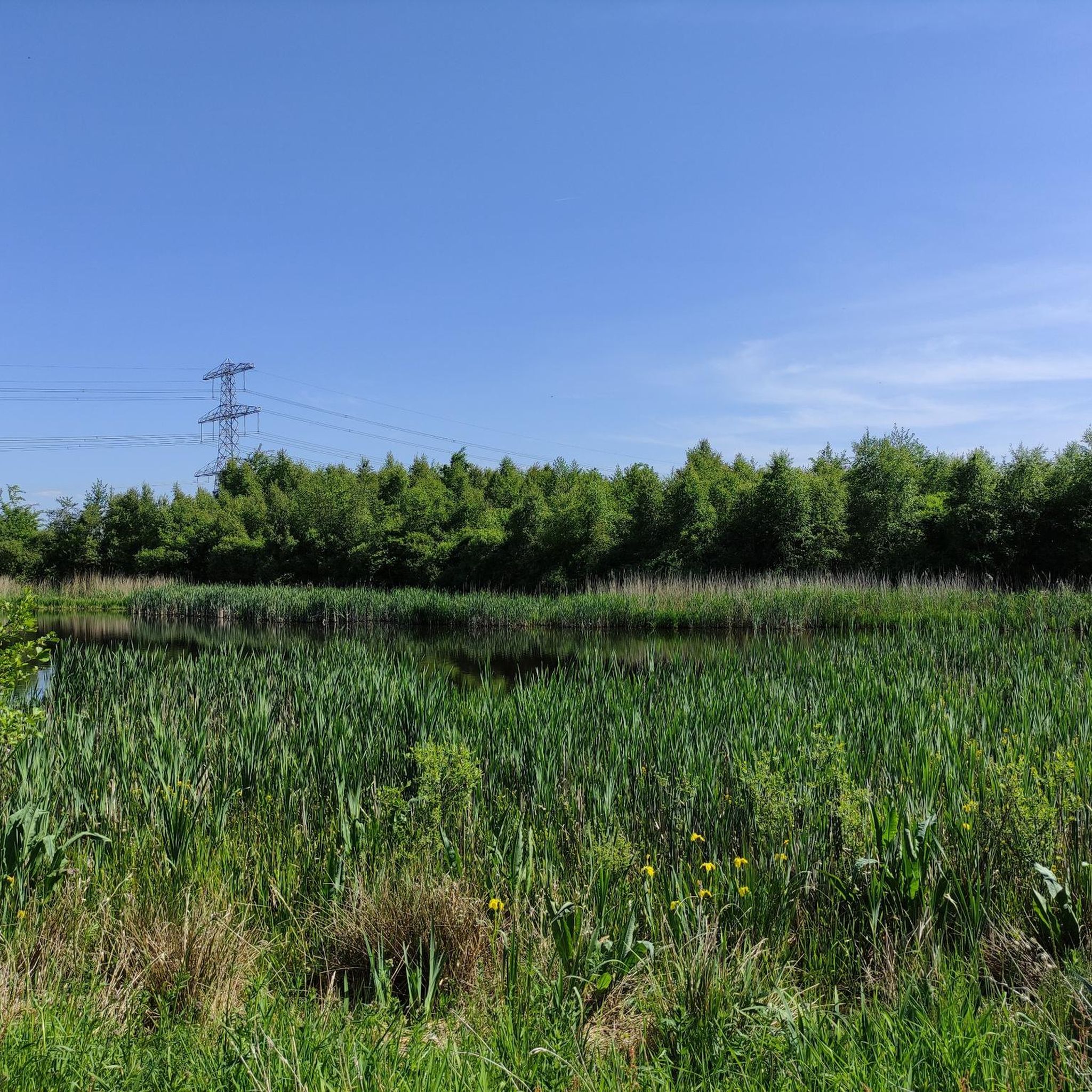
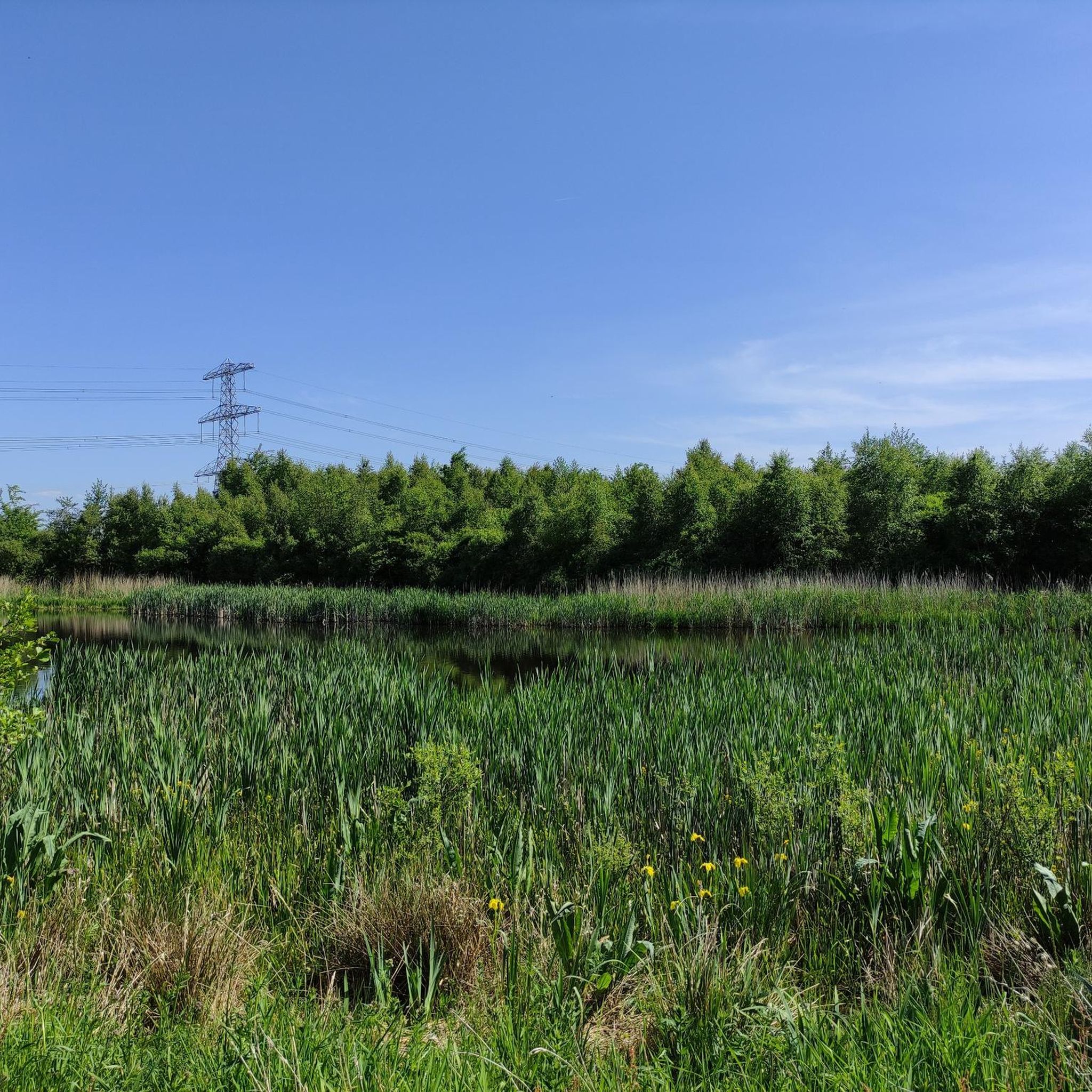
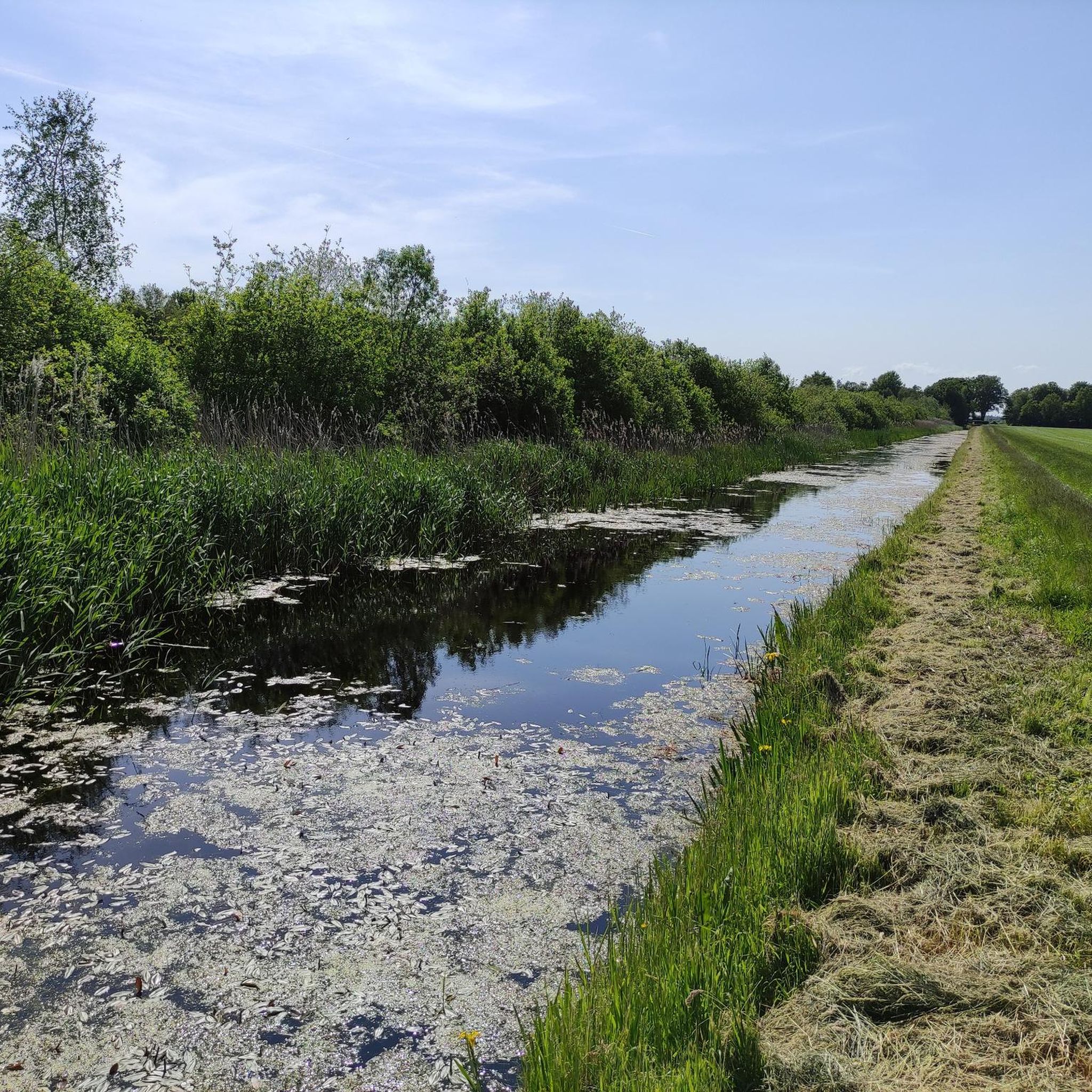
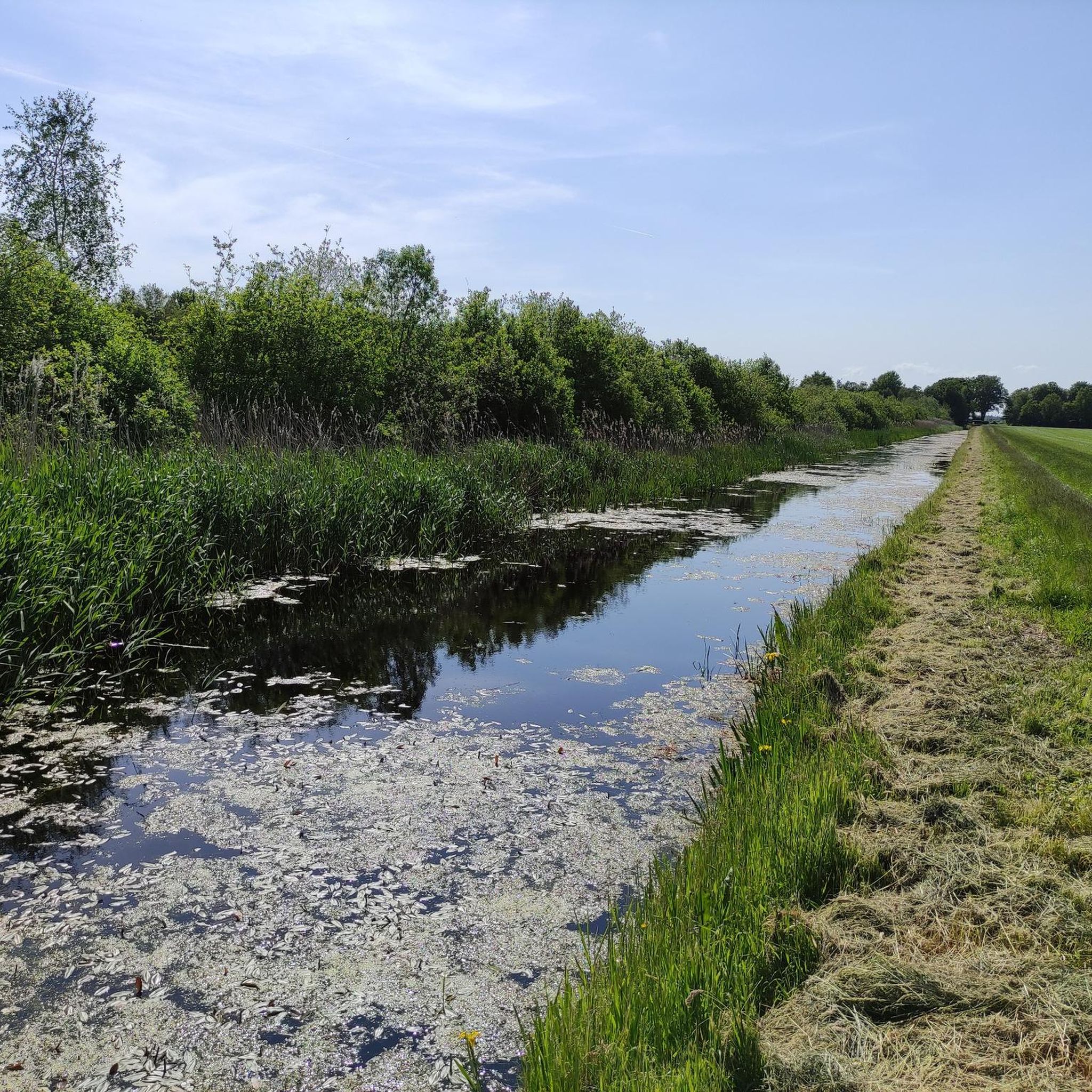
Best lakes around Hoogeveen are found in the Dutch province of Drenthe, an area characterized by diverse natural landscapes. Hoogeveen is surrounded by several natural areas offering water-based recreational opportunities. The region features extensive heathlands, forests, and sand drifts, with various fens and lakes providing natural beauty and outdoor activities. These water bodies contribute to the area's appeal for nature exploration and recreation.
Best lakes around Hoogeveen
- The most popular lakes is Mantingerzand Nature Reserve, a nature reserve known for its sand drifts, heathlands, and woods. It is considered one of the most beautiful shifting sand areas in the Netherlands.
- Another must-see spot is Dwingelderveld National Park, a national park featuring wet heathlands, forests, and fens. Visitors can expect diverse landscapes and opportunities for hiking, cycling, and birdwatching.
- Visitors also love Blue Lake, a recreational lake created by sand extraction. Its distinctive blue-green water is due to the presence of glauconite, making it a notable spot for swimming and relaxation.
- Hoogeveen is known for recreational lakes, fens, and sand extraction lakes. The area offers a variety of water bodies, from dedicated swimming spots to natural fens within extensive nature reserves.
- The lakes around Hoogeveen are appreciated by the komoot community. The area features more than 100 photos and has received over 400 upvotes from users.
Last updated: July 1, 2026
Dwingelderveld National Park
Highlight • Forest
Here, wet heathlands alternate with drier sandy ridges, resulting in a rich variety of plants and animals. In the moist parts, heath, peaty feathers and bell gentian grow, while the drier areas are dotted with common heather and mouse's ear. The humid zones are partly dependent on bubbling groundwater, where the yellow ashy and small lily thrive. It is home to numerous bird species, of which the stonechat, curlew and woodlark are just a few examples of the dozens of species that find their breeding grounds here in the extensive heathland.
Translated by Google •
Tip by

Holtveen Bird Hide
Highlight • Structure
The Dwingelerveld offers everything that makes cycling in Drenthe so great: forests, heaths, moors and beautiful cycle paths.
Translated by Google •
Tip by

Sign up now to discover places like this
Get recommendations on the best single tracks, peaks, & plenty of other exciting outdoor places.
Sign up for free
Mantingerzand
Highlight • Natural
Translated by Google •
Tip by

Mantingerzand Nature Reserve
Highlight • Natural
Translated by Google •
Tip by

Mantingerzand Grassland
Highlight • Natural
Translated by Google •
Tip by

Sign up for free to discover even more lakes around Hoogeveen.
Sign up for free
Already have an account?
Start today with a free account
Your next adventure awaits.
Login or Signup
Popular around Hoogeveen
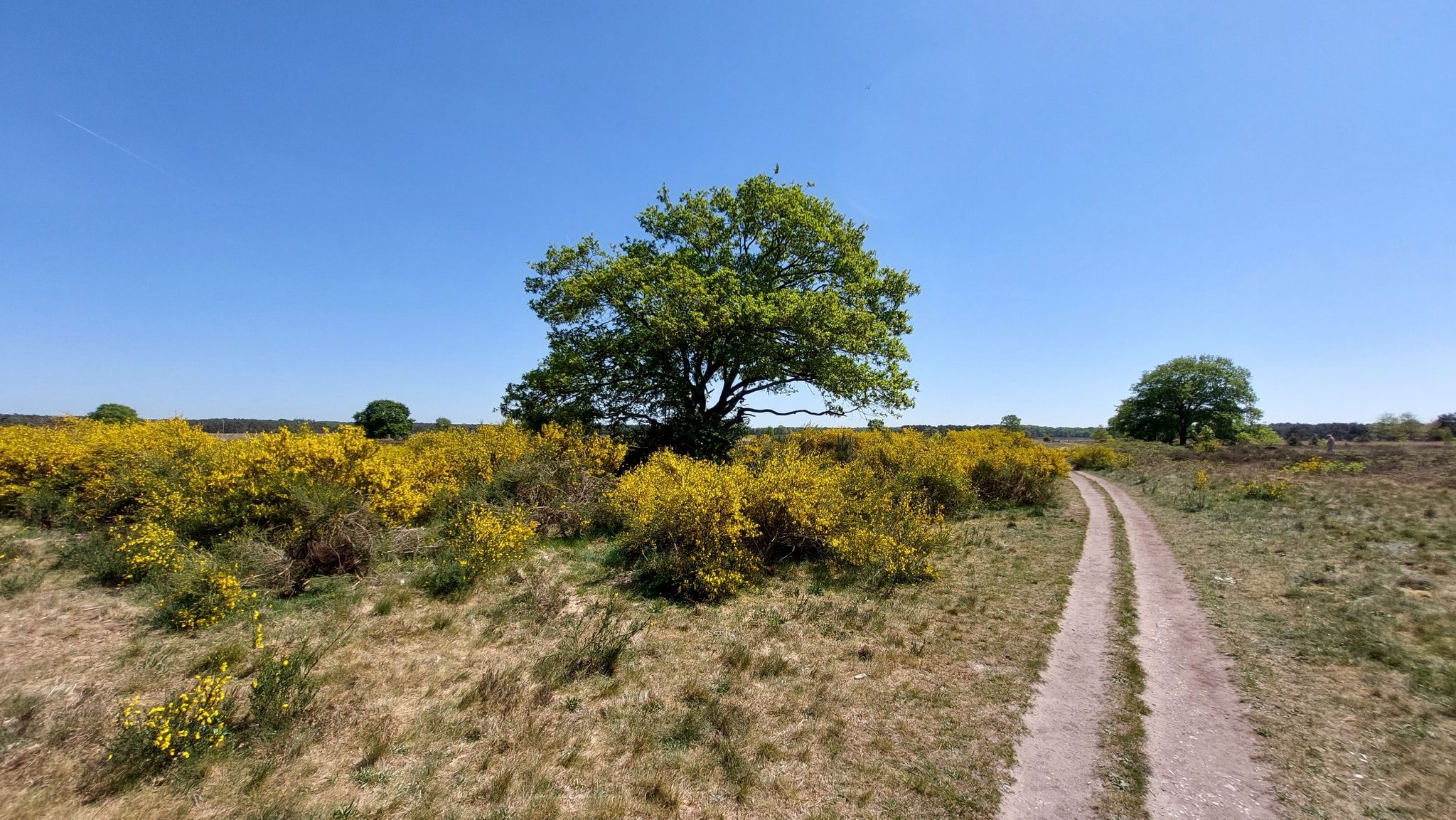
Reflecting on the paths of the Westerbork Trail
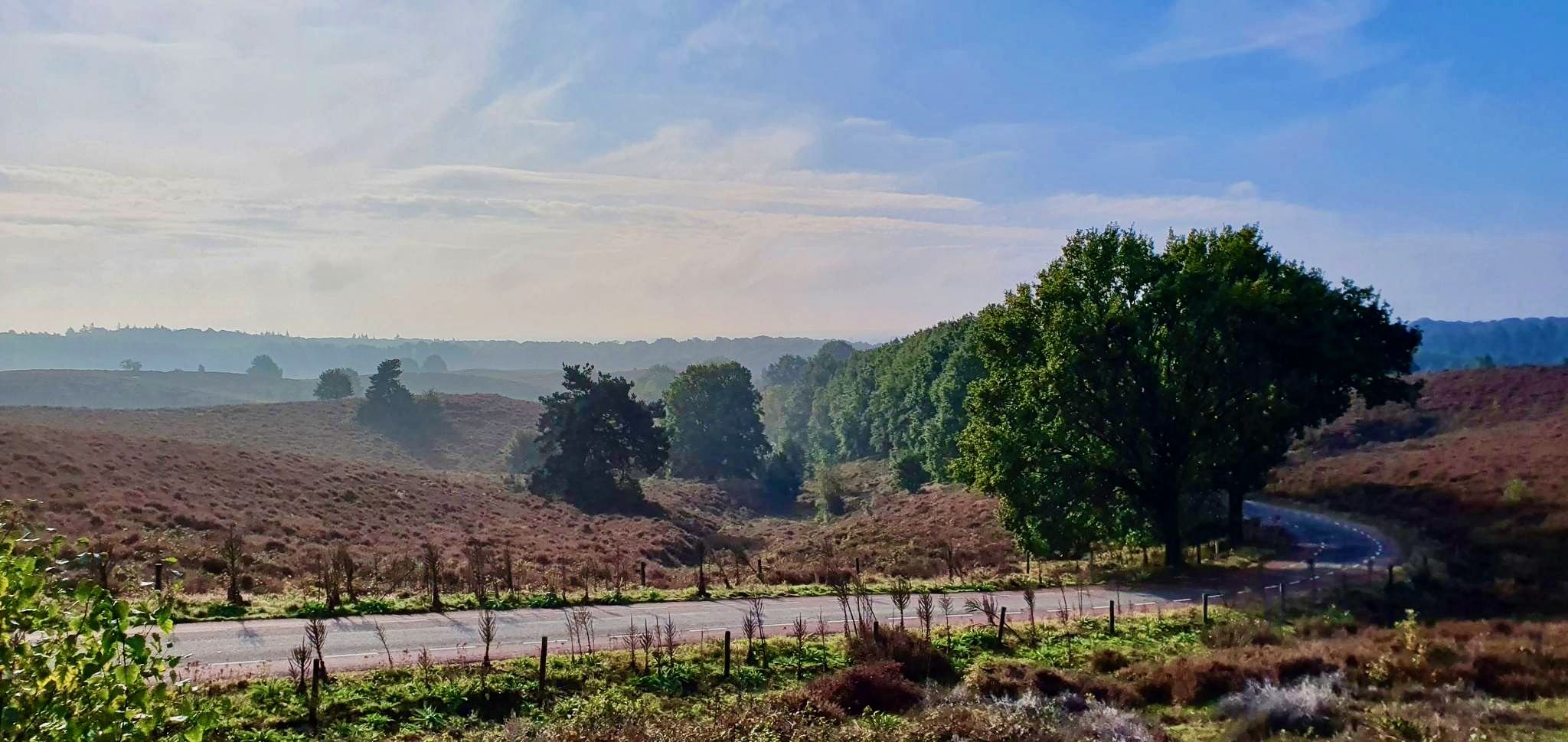
Climbing in the Netherlands – six cycle routes to make your legs burn
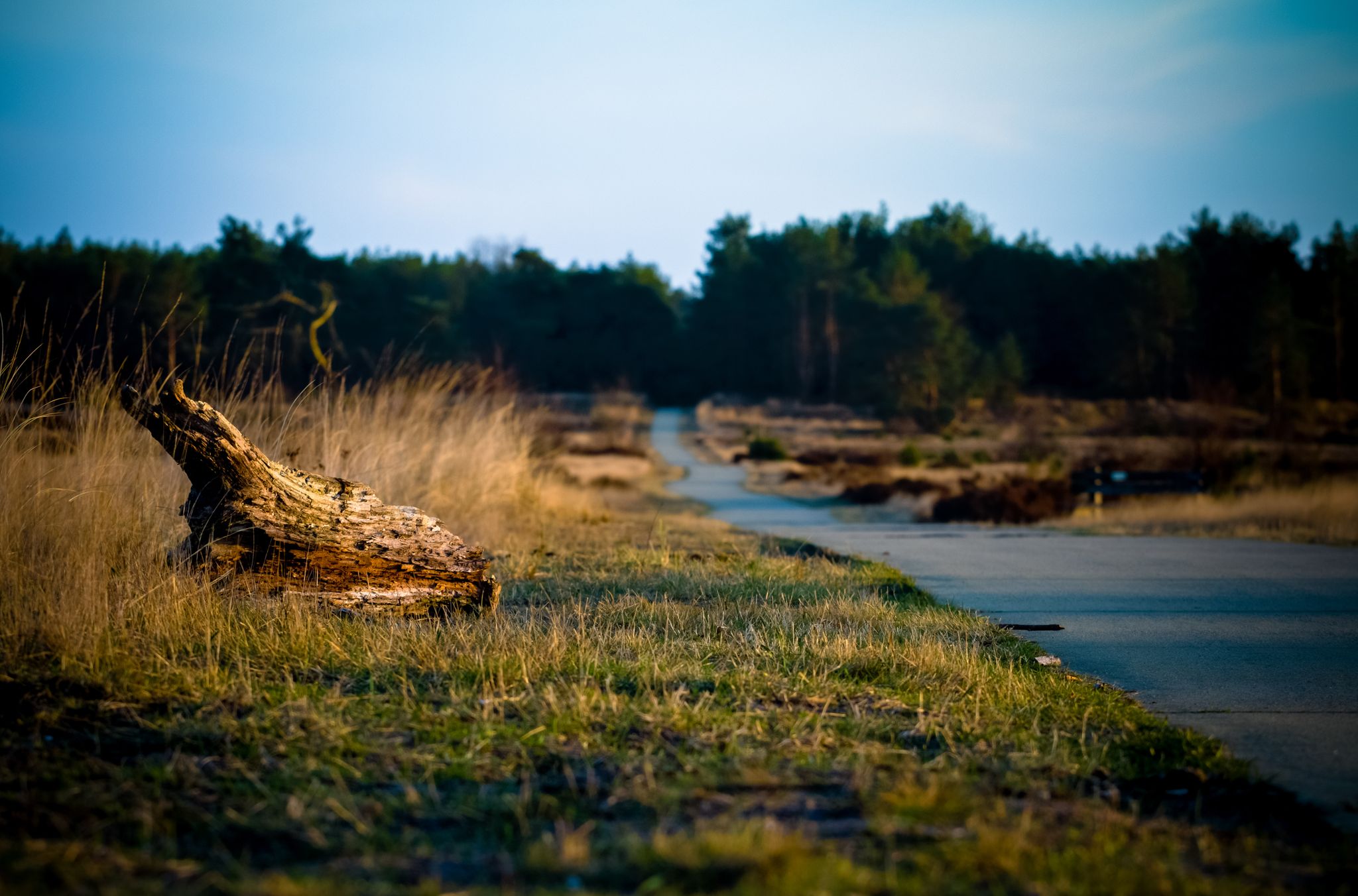
Exploring the world in the Netherlands – five challenging Tours
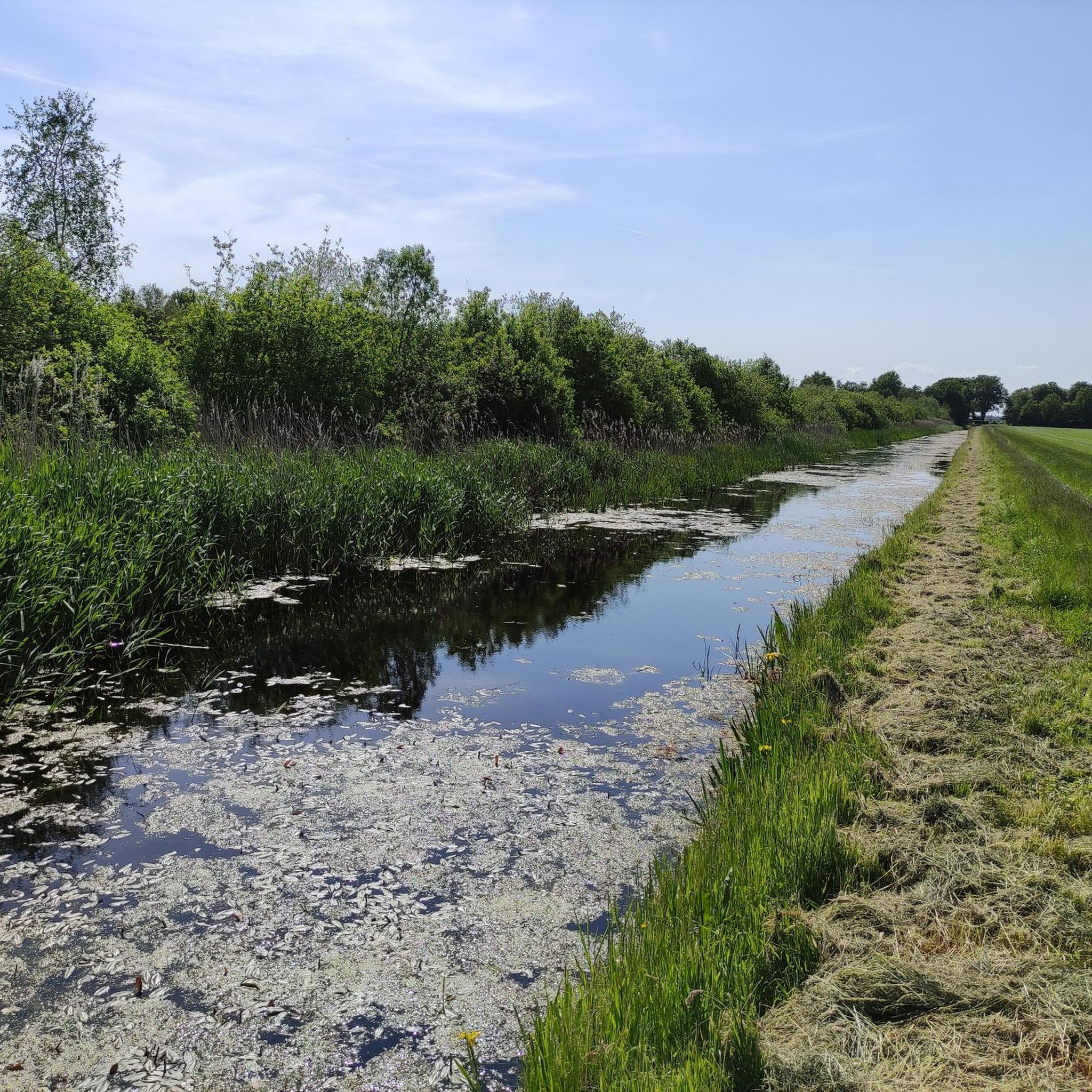
Cycling around Hoogeveen
Road Cycling Routes around Hoogeveen
Running Trails around Hoogeveen
Hiking around Hoogeveen
MTB Trails around Hoogeveen

Gravel biking around Hoogeveen
Other adventures around Hoogeveen


Tips from the Community

The Mantingerzand is a vast nature reserve between the villages of Mantinge and Nieuw-Balinge. This area, better known as the Mantingerveld, consists largely of heathland, fens, forests, and some small drifting sands. Former agricultural lands are also part of the Natura 2000 area. These lands have been developed by the owner, Natuurmonumenten, for nature development. The main goal of these interventions was to connect isolated heathlands into one large nature reserve. Heathlands such as the Hullenzand, the Balingerzand and Mantingerzand, Martensplek, and the Lentsche Veen. These nature reserves were valuable remnants of a vast heathland between Hoogeveen and Westerbork, which was increasingly reclaimed over the course of the 20th century. Each of the four areas individually still possessed high natural quality, but were under considerable pressure due to their small size. A striking feature of the Natura 2000 area is the extensive and magnificent juniper thickets, which are among the most beautiful thickets in the Netherlands. The dry and wet heathlands, fens, and drifting sands also demonstrate the area's great diversity. Several old deciduous forests and a number of reclaimed forests are also part of the Natura 2000 area. Source: https://www.provincie.drenthe.nl/onderwerpen/natuur-milieu/natuur/natuurbeleid-regels/natura-2000/gebieden/mantingerzand/
1
0

The Mantingerzand is a vast nature reserve in Drenthe, known for its sand drifts, heathlands and woods.
1
0
The Mantingerzand is a nature reserve in the province of Drenthe, near the border with Overijssel. The area consists of extensive sand drifts, heathlands, and woods, and is an important habitat for various plant and animal species. The Mantingerzand is popular with hikers, cyclists, and nature lovers because of its unique natural beauty and tranquil setting.
3
0

Beautiful nature reserve with exciting trails!
0
0

Great viewpoint The Dwingelerveld offers everything that makes cycling in Drenthe so great: forests, heaths, moors and beautiful cycle paths.
4
0

Dwingelderveld National Park consists of forest, heathland and drifting sand. The extensive nature gives a good impression of the old Drenthe esdorp landscape. Near the ash villages you will find authentic ash trees; old fields where mainly grain was grown in the past. The Dwingeloosche Heide and the Kraloërheide together form the largest contiguous wet heathland area in Northwest Europe. Various duck species are seen on the Holtveen and in the area you can find stonechats, among other things.
1
0

Frequently Asked Questions
What makes De Blauwe Meer (Blue Lake) a unique destination near Hoogeveen?
The Blue Lake is known for its distinctive blue-green water, a result of the glauconite mineral in its sand. This former sand extraction site offers a sandy beach, a designated shallow area for children, and facilities like a kiosk and toilets. It's ideal for swimming, sunbathing, and features a picturesque walking route around the lake. Note that there's a small entrance fee for swimming, and dogs are not permitted on the beach.
What can I expect when visiting Mantingerzand Nature Reserve?
Mantingerzand Nature Reserve is a vast area northeast of Hoogeveen, characterized by unique sand drifts, heathlands, and woods. It's considered one of the most beautiful shifting sand areas in the Netherlands, offering a tranquil setting for hiking and cycling through its varied terrain. The landscape also features small fens and pools, providing diverse natural beauty.
What are the main features of Dwingelderveld National Park?
Dwingelderveld National Park is an extensive nature reserve featuring wet heathlands, forests, and fens. It's the largest contiguous wet heathland area in Western Europe, actively maintained by sheep. The park offers diverse landscapes, from fragrant pine forests to idyllic fens like Holtveen, where various duck species can be observed. It's excellent for hiking, cycling, and birdwatching.
Are there opportunities for swimming in the lakes around Hoogeveen?
Yes, dedicated swimming opportunities are available. Blue Lake (De Blauwe Meer) is a popular recreational lake with a sandy beach and a shallow area for children, perfect for swimming during warmer months. The developing Nijstad area also plans to offer beach access and water activities.
What kind of hiking trails can I find near the lakes?
You'll find a variety of hiking trails. Around Blue Lake, there's a picturesque walking route. Dwingelderveld National Park and Mantingerzand Nature Reserve offer extensive networks of trails through heathlands, forests, and sand drifts, with boardwalks over wetter areas. For more options, explore the cycling routes around Hoogeveen, which often include scenic paths near water bodies.
Are the lakes around Hoogeveen suitable for families?
Many areas are family-friendly. Blue Lake has a designated shallow area for children and a sandy beach. National parks like Dwingelderveld and Mantingerzand offer easy walking paths and opportunities for nature observation, making them suitable for family outings.
What is the status of the Nijstad recreation area?
Nijstad, near Hoogeveen, is a former sand extraction lake currently being transformed into a comprehensive nature and recreation area. Development plans include creating a beach, spaces for outdoor activities, and a pavilion with a restaurant. It's envisioned as a significant attraction combining water sports, hospitality, and revitalized natural landscapes, with only electric or muscle-powered boats allowed on the lake.
When is the best time to visit the lakes around Hoogeveen?
The best time to visit largely depends on your preferred activities. For swimming and sunbathing at recreational lakes like Blue Lake, the warmer months (late spring to early autumn) are ideal. For hiking, cycling, and birdwatching in nature reserves like Dwingelderveld or Mantingerzand, spring and autumn offer pleasant temperatures and beautiful scenery, including blooming heathlands in late summer.
What kind of wildlife can I observe near the water features?
The diverse natural areas around Hoogeveen are home to various wildlife. In Dwingelderveld National Park, especially around fens like Holtveen, you can observe numerous bird species, including stonechat, curlew, and woodlark. The heathlands and forests also support a rich variety of plants and animals.
Are there cycling routes available near these lakes?
Yes, the region offers excellent cycling opportunities. Dwingelderveld National Park has good bike paths through its diverse landscapes. You can find various cycling routes, including touring, mountain biking, and road cycling, that pass by or through these natural areas. Explore options like the cycling routes around Hoogeveen for detailed tours.
Are dogs allowed at the lakes and nature reserves?
Dog policies vary by location. At Blue Lake, dogs are generally not permitted on the beach area. However, many nature reserves like Dwingelderveld National Park and Mantingerzand Nature Reserve often have designated paths where dogs are allowed, usually on a leash. Always check local signage for specific rules.
Are there any birdwatching spots near the lakes?
Yes, Dwingelderveld National Park is an excellent area for birdwatching, especially around its fens. The Holtveen Bird Hide within Dwingelderveld offers a great viewpoint to observe various bird species in their natural habitat.
Most popular routes around Hoogeveen
Most popular attractions around Hoogeveen

Get inspired with the komoot mobile app


Explore more
Still not found your perfect lake around Hoogeveen? Check out the guides of these regions to see even more beautiful places.
