Attractions and Places To See around Cantanhede - Top 20
Best attractions and places to see around Cantanhede, a municipality in the Coimbra district of Portugal, offers a blend of historical, cultural, and natural attractions. The region is characterized by its proximity to the Atlantic coast and the rolling hills of central Portugal. Visitors can explore diverse landscapes, historical sites, and cultural institutions, providing a range of experiences from coastal areas to vineyards.
Best attractions and places to see around Cantanhede
- The most popular attractions is Buçaco Palace Hotel, a man-made monument that was a former Carmelite convent transformed into a luxury hotel. It stands as a national monument and showcases a Neo-Manueline architectural style.
- Another must-see spot is Paço das Escolas (Palace of the Schools), University of Coimbra, a historical site. The historic square offers a magnificent view and is used for events.
- Visitors also love Church of Santa Cruz (Igreja de Santa Cruz), Coimbra, a religious building. This monastery church was rebuilt in the Manueline style in the 16th century and houses splendid grave monuments.
- Cantanhede is known for its historical landmarks, natural coastal features, and cultural institutions. The region offers a variety of attractions to see and explore, from ancient churches to sandy beaches and specialized museums.
- The attractions around Cantanhede are appreciated by the komoot community, with more than 130 upvotes and over 190 photos shared across various highlights.
Last updated: July 6, 2026
Paço das Escolas (Palace of the Schools), University of Coimbra
Highlight • Historical Site
On the west side of the square is the university church, which combines different styles. It was built in the place of a medieval prayer room from 1517. The Manueline windows and the braided archway in front of the choir also date from this period. The wood-carved altar with column-framed paintings is one of the purest works of Portuguese Mannerism. Classical elements of the Renaissance were combined to form an aedicule. The altar was created in 1612/13 in collaboration with various Portuguese artists. The ceiling, painted with floral motifs, dates from the 17th century, the organ from 1733. The side portal of the church was built in the Manueline style in 1517-21. It shows two symbols that are often found in Portugal, namely the Christ Knight's Cross and the so-called armillary sphere as a sign of Portugal's great affinity with seafaring.
Translated by Google •
Tip by

Church of Santa Cruz (Igreja de Santa Cruz), Coimbra
Highlight • Religious Site
Translated by Google •
Tip by

Sign up now to discover places like this
Get recommendations on the best single tracks, peaks, & plenty of other exciting outdoor places.
Sign up for free
Buçaco Palace Hotel
Highlight • Monument
Tip by

Coimbra Old Cathedral
Highlight • Religious Site
Translated by Google •
Tip by
Mira Beach
Highlight • Beach
Tip by

Sign up for free to discover even more attractions around Cantanhede.
Sign up for free
Already have an account?
Start today with a free account
Your next adventure awaits.
Login or Signup
Popular around Cantanhede
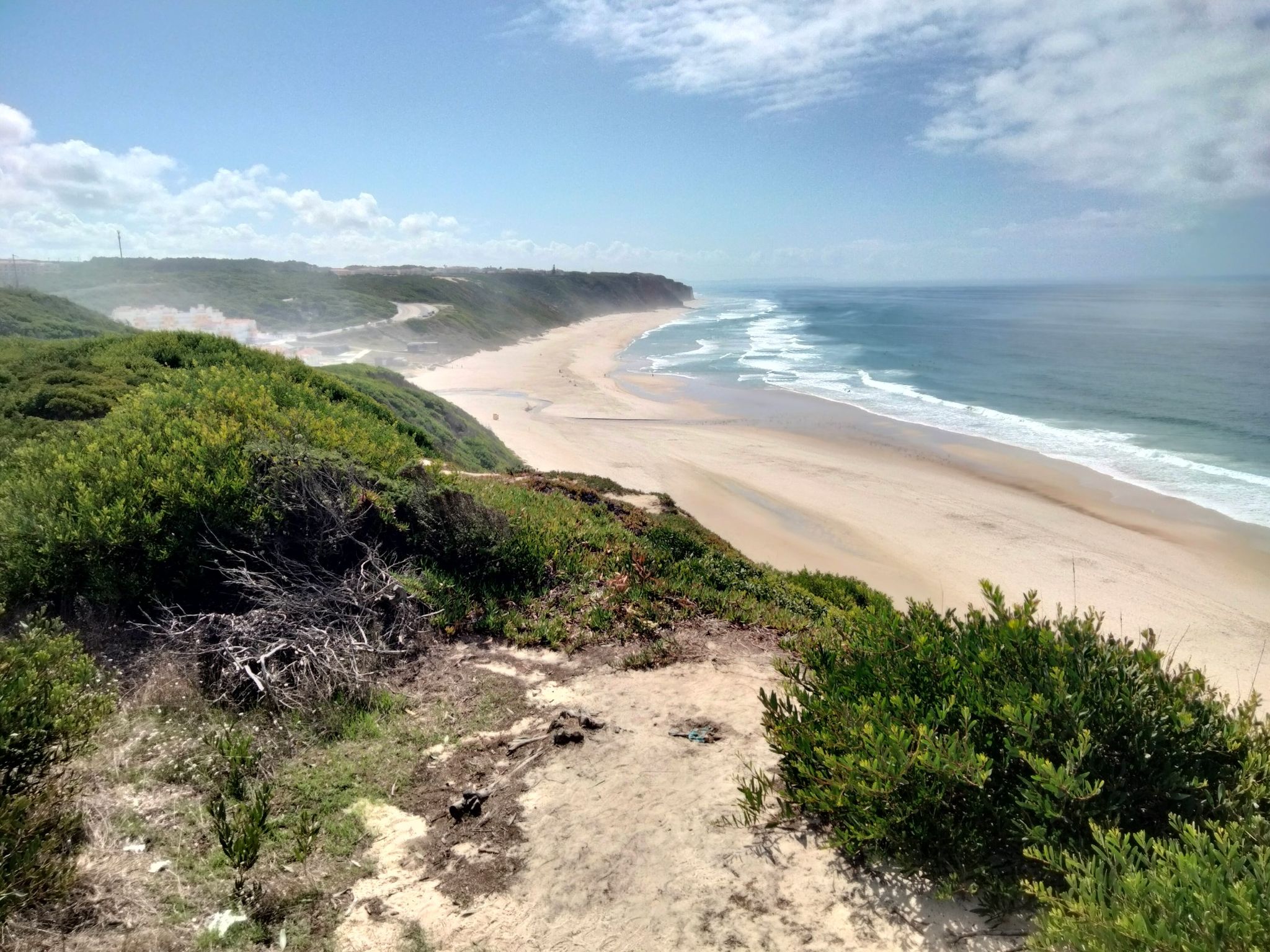
Portugal's Atlantic coast (north) – from Caminha to Lisbon
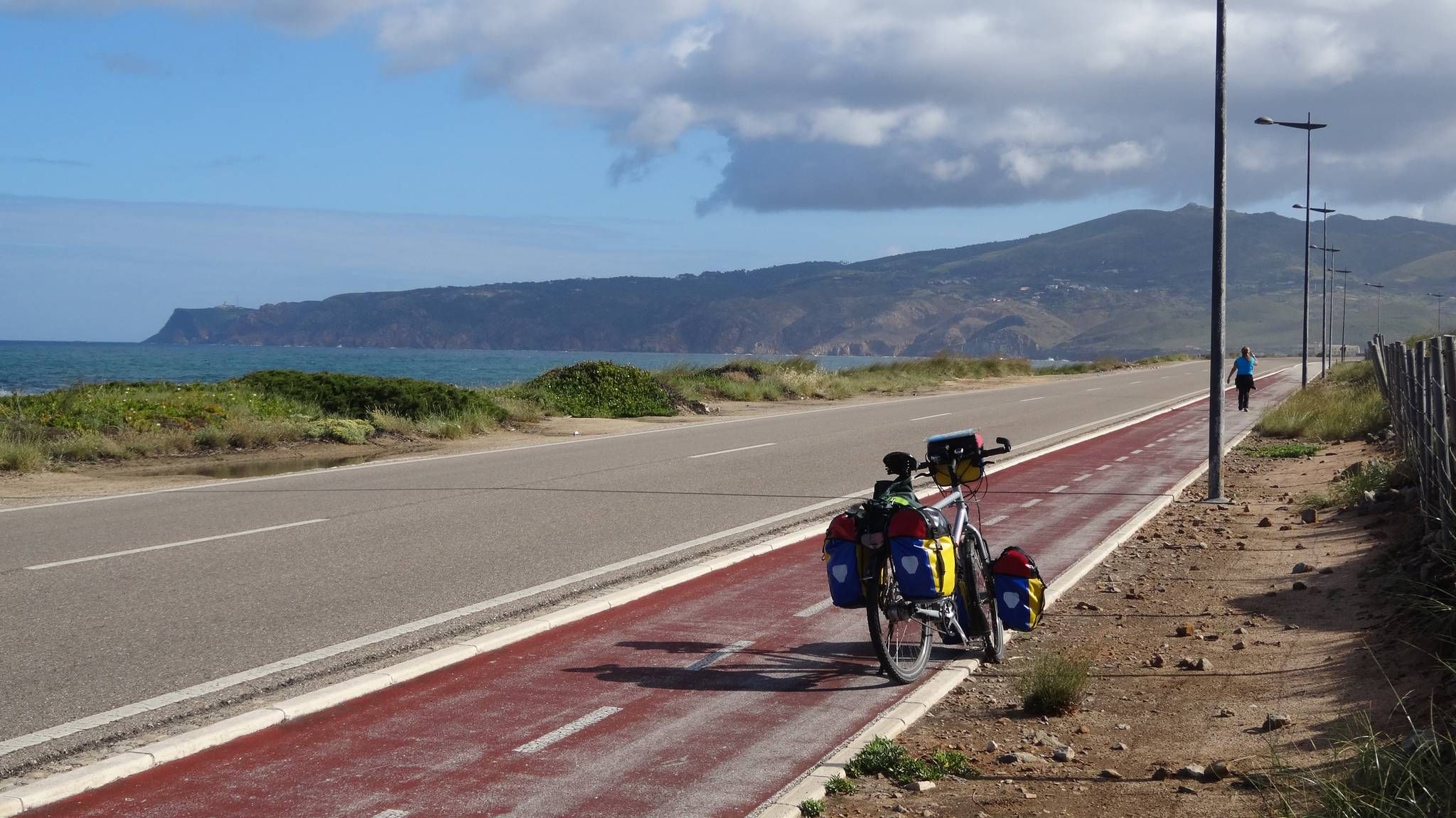
Bike Touring along Portugal's Atlantic Coast from Lisbon to Porto
Hiking around Cantanhede
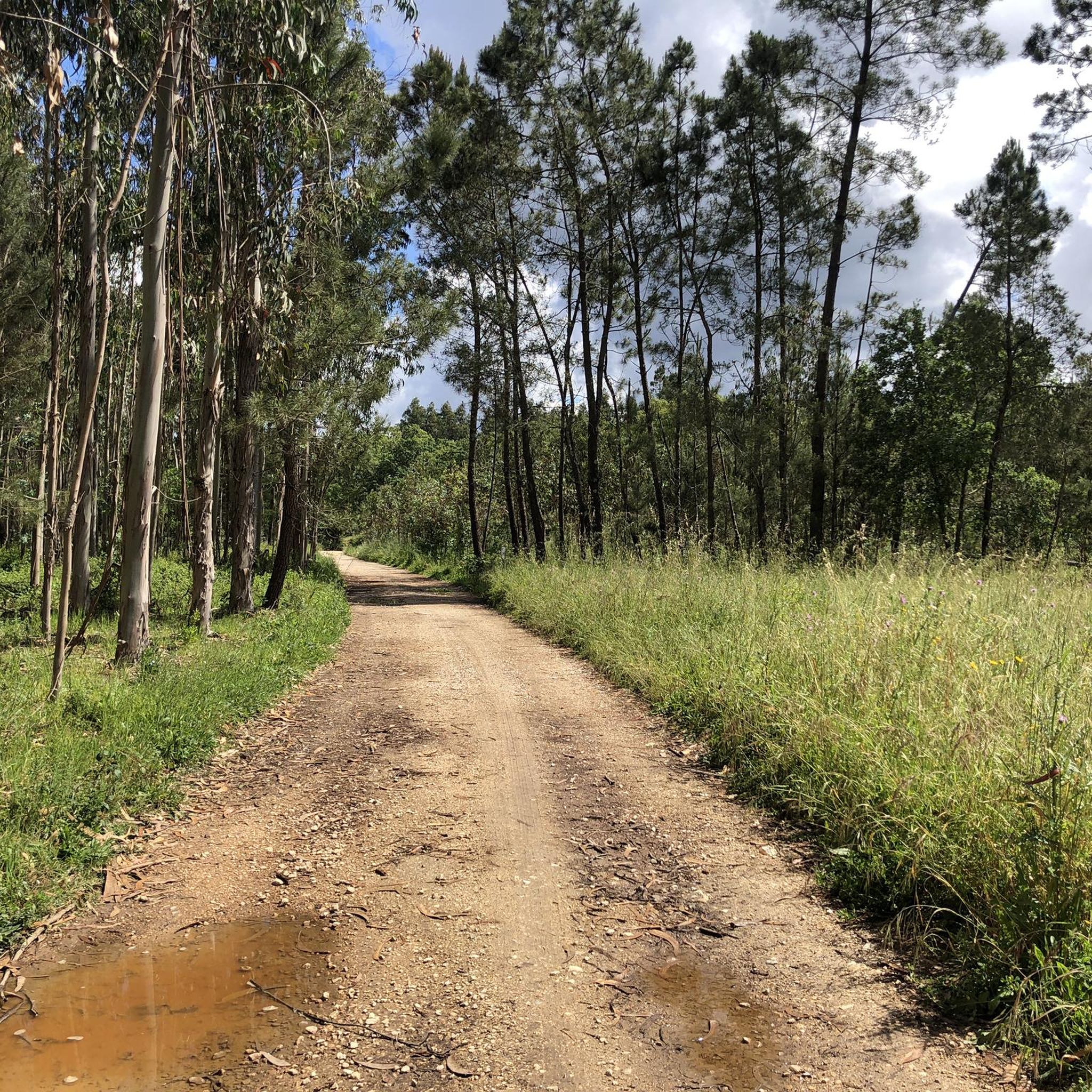
Road Cycling Routes around Cantanhede
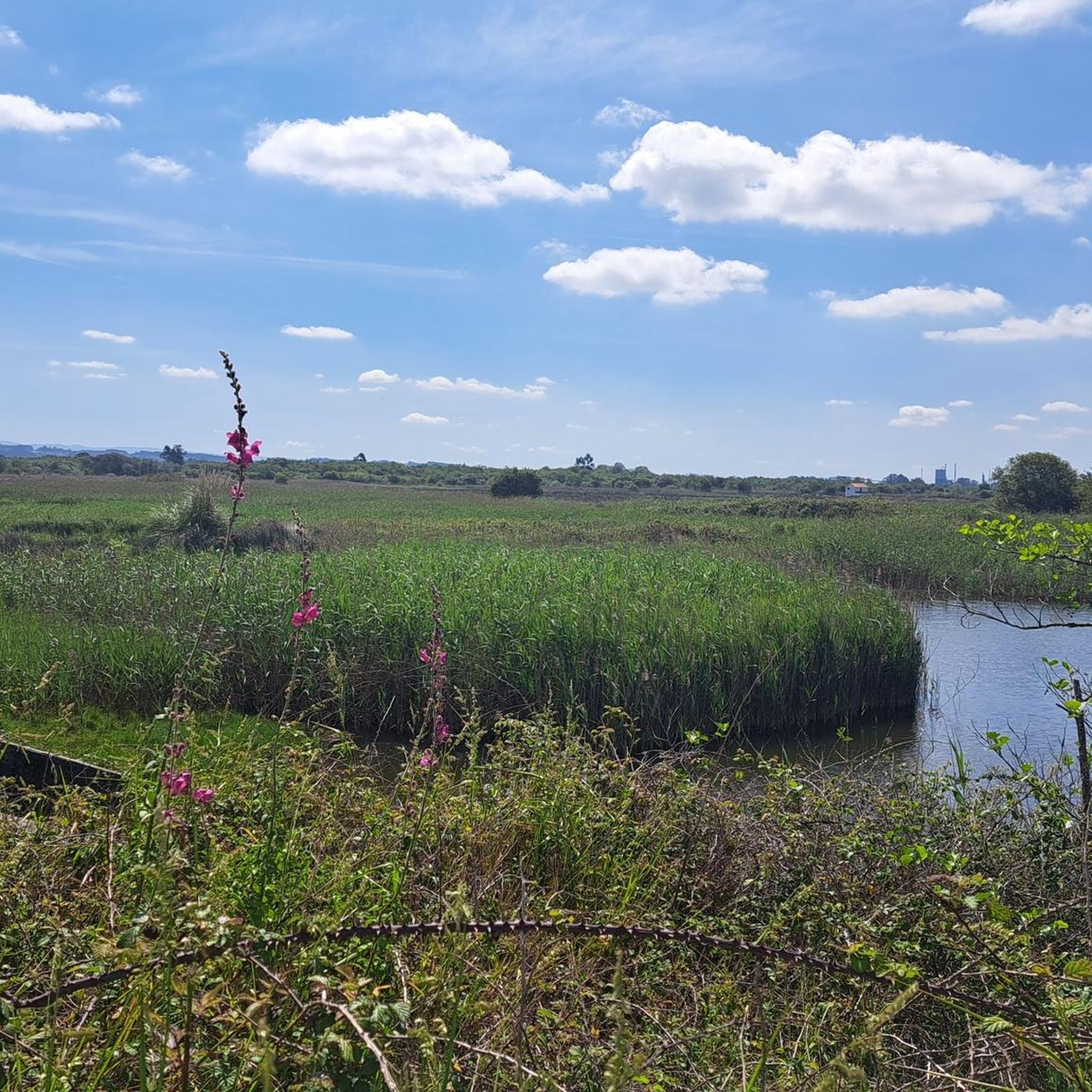
Cycling around Cantanhede
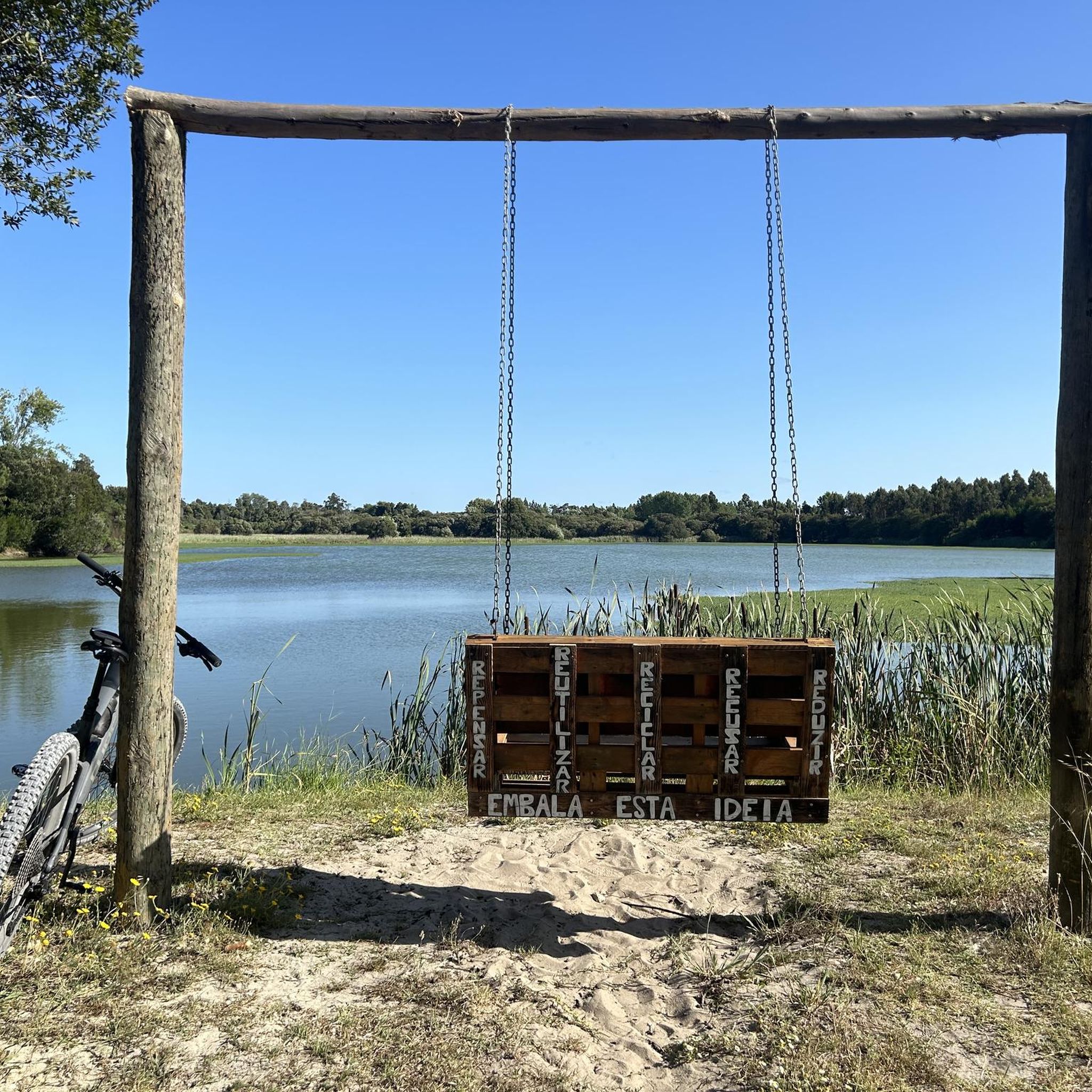
MTB Trails around Cantanhede

Running Trails around Cantanhede

Gravel biking around Cantanhede


Tips from the Community

Super dunes and super beach. You have to make a stop here.
2
0

Praia de Mira is a river beach located in the municipality of Mira, district of Coimbra, Portugal. It is known for its calm, crystal-clear waters, surrounded by natural landscapes. Praia de Mira is a popular destination for those seeking relaxation and contact with nature.
0
0

Who is Andreas? What does Andreas want?
4
2

This is the old cathedral of Coimbra. The cathedral is a massive, compact fortress building with a crenellated parapet and Romanesque portal and window arches on the west façade. It was built in the 12th century on the foundations of a 6th/7th-century church. Inside, the baptismal font (supported by lions and monsters, 16th century), the Gothic high altar (wonderfully crafted), Renaissance tombs, and a quiet cloister (south side of the cathedral, 13th century) are worth seeing.
6
1

Mira da Barrinha Beach boasts a lagoon nestled against the sands of the world's longest-serving Blue Flag. Opened on August 1st, it invites you to take a dip in the calm waters of Barrinha Lagoon, which features sand, fine grass, a floating pool, and a bar.
2
0
An absolute must: book tickets in advance. You can visit several buildings, and all of them are worthwhile. You'll need a time slot, especially for the Baroque library.
8
0

This 5-star hotel is like something out of a fairytale castle. It stands in the middle of a magnificent park, both striking and beautiful. You can drive there (€7) or walk the approximately 1km (free). On the way to the castle, you'll find beautiful grottos and fountains, before the castle itself appears around the final left turn. You can walk all the way around the building and admire the landscaped garden; unfortunately, the arsonist has done a great job on the boxwood bushes. The decorations and the many azulejos are beautiful. Maintenance is certainly expensive; the decay is evident.
5
1

Known as Palheiros de Mira due to the typical wooden huts of the fishermen, Praia de Mira was a fishing village until the mid-20th century. Its daily life is now portrayed in the ethnographic museum, housed in an old restored hut. Today, it is a popular destination, with fine white sands, imposing dunes and the strong waves of the Atlantic, perfect for surfing. Beyond the dunes, in the Mata Nacional, the scent of pine envelops Lagoa da Barrinha, a serene refuge where the calm waters invite you to sail, canoe and windsurf.
1
0
Frequently Asked Questions
What historical landmarks can I explore in Cantanhede?
Cantanhede offers several significant historical landmarks. You can visit the Mother Church of Cantanhede, known for its Baroque doorway and 16th-century chapel. Another notable site is the Chapel of Nossa Senhora da Misericórdia, featuring Renaissance art made from Ançã stone. The Casa Municipal da Cultura, originally the Palace of the Meneses, also showcases the region's rich history. While not within Cantanhede itself, the nearby city of Coimbra offers impressive historical sites like the Paço das Escolas (Palace of the Schools) at the University of Coimbra and the Coimbra Old Cathedral.
Are there any natural attractions or beaches near Cantanhede?
Yes, Cantanhede is close to the Atlantic coast and boasts beautiful natural features. Tocha Beach (Praia da Tocha) is a popular spot with golden sands, traditional fishing boats, and opportunities for water sports like surfing. A few kilometers north, Palheirão Beach (Praia do Palheirão) offers a more untouched refuge with vast sandy stretches and a large forest. You can also explore the Springs of Olhos de Ferverença, a natural beauty spot with a fluvial beach, and the Dunas de Mira, Gândara e Gafanhas area, part of a Natura 2000 Network Site, featuring pine forests and the Barrinha Lagoon.
What cultural experiences does Cantanhede offer?
Cantanhede is rich in cultural experiences. The Stone Museum (Museu da Pedra) celebrates the local tradition of stone masonry, particularly using the 'pedra de Ançã,' and features permanent and temporary exhibitions. The Municipal House of Culture, housed in a 17th-century building, displays collections of art and hosts cultural events. The region is also known for its viticulture, being part of the Bairrada Wine Region, offering wine tourism experiences and local gastronomy, including the famous roasted suckling-pig.
What kind of outdoor activities can I do around Cantanhede?
The area around Cantanhede is excellent for outdoor activities. You can find numerous routes for hiking, cycling, and running. For hiking, explore trails like the 'Coimbra Old Cathedral – Saint Sebastian Aqueduct loop' or various 'Waterfall loops' near Coimbra. Cyclists can enjoy routes such as the 'Mira Beach – Lagoa de Mira Cycle Path loop' or the 'Pão do Aires – Statue of Pedro Teixeira loop'. Runners have options like the 'Running loop from Dunas Norte Praia da Tocha' or the 'Lagoa da Salgueira – Lagoa dos Teixoeiros loop'. You can find more details on these and other routes in the Hiking around Cantanhede, Cycling around Cantanhede, and Running Trails around Cantanhede guides.
Are there family-friendly attractions in Cantanhede?
While specific family-focused attractions within Cantanhede are not detailed, the natural beaches like Tocha Beach offer a great environment for families to enjoy the sand and sea. The Springs of Olhos de Ferverença also feature a fluvial beach suitable for a family outing. For cultural engagement, the Stone Museum offers creative workshops that might appeal to children. Additionally, the nearby Buçaco Palace Hotel, with its fairytale-like architecture and surrounding park, can be an interesting visit for families.
What is the best time of year to visit Cantanhede?
Cantanhede can be enjoyed throughout the year, but the best time depends on your interests. For beach activities and water sports, the summer months (June to August) offer warm weather. Spring (April to May) and early autumn (September to October) are ideal for exploring historical sites, cultural attractions, and outdoor activities like hiking and cycling, as the weather is milder and more comfortable. These seasons also offer pleasant conditions for wine tourism in the Bairrada region.
Can I find any unique local products or gastronomy in Cantanhede?
Absolutely! Cantanhede is renowned for its viticulture, particularly its wines from the Bairrada Wine Region, especially those made from the Baga grape. You can explore local wineries and taste these excellent wines. The local gastronomy is also a highlight, with the famous roasted suckling-pig of Bairrada being a must-try. Other traditional dishes include Gandaresa soup and various unique desserts like dwarf cake and pumpkin girl porridges.
Are there any archaeological sites or heritage to explore?
Yes, Cantanhede has a significant archaeological heritage, with findings indicating human presence since at least the Middle Paleolithic period. Numerous flint artifacts have been discovered in areas such as Ançã, Outil, and Portunhos. While specific sites for public exploration are not detailed, the region's history is deeply rooted in these ancient discoveries, offering a glimpse into its distant past.
What do visitors enjoy most about the attractions around Cantanhede?
Visitors particularly appreciate the blend of historical depth and natural beauty. The architectural details of sites like the University of Coimbra's Paço das Escolas and the Coimbra Old Cathedral are often highlighted. The tranquil environment and golden sands of Tocha Beach are also highly rated. The unique cultural insights offered by the Stone Museum and the overall charm of the region's historical buildings and natural landscapes are frequently praised by the komoot community.
Are there any specific viewpoints or scenic spots in the Cantanhede region?
While specific viewpoints within Cantanhede are not explicitly listed, the coastal areas like Tocha Beach and Palheirão Beach offer scenic views of the Atlantic Ocean. The Dunas de Mira, Gândara e Gafanhas area, with its Watchtower in the Mira Dunes, provides elevated perspectives over the pine forests and Barrinha Lagoon. Additionally, the Paço das Escolas at the University of Coimbra, located at the city's highest point, offers magnificent panoramic views.
Is public transport available to reach attractions in Cantanhede?
Information on specific public transport routes to individual attractions within Cantanhede is limited. However, Cantanhede is a municipality with local transport options. For travel between towns and to major attractions, it is generally advisable to check local bus schedules or consider using a car for greater flexibility, especially when visiting more remote natural sites like Palheirão Beach or the Springs of Olhos de Ferverença.
What is the significance of Ançã stone in Cantanhede?
Ançã stone, a soft, white limestone, holds significant cultural and historical importance in Cantanhede. It has been used extensively in the construction of many historical buildings, including the Casa Municipal da Cultura and the Chapel of Nossa Senhora da Misericórdia, which features Renaissance art crafted from this material. The Stone Museum (Museu da Pedra) specifically celebrates the art of stone masonry using 'pedra de Ançã,' and the International Sculpture Symposium of Cantanhede promotes artistic production with this local stone.
Most popular routes around Cantanhede
Most popular attractions around Cantanhede

Get inspired with the komoot mobile app


Explore more
Still not found the Highlight you’re looking for? See guides of the top attractions in other regions:
