Attractions and Places To See around Pampilhosa Da Serra - Top 20
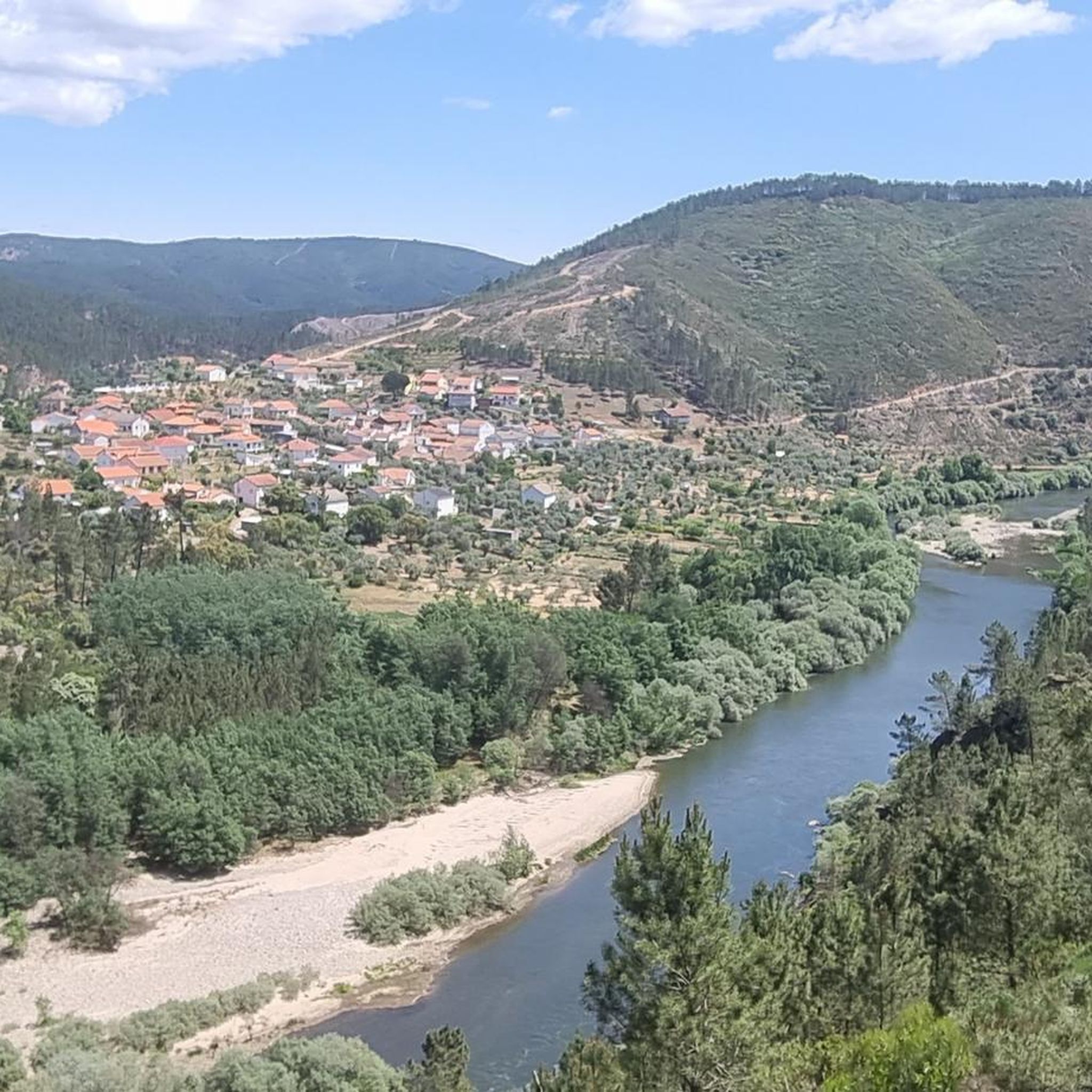
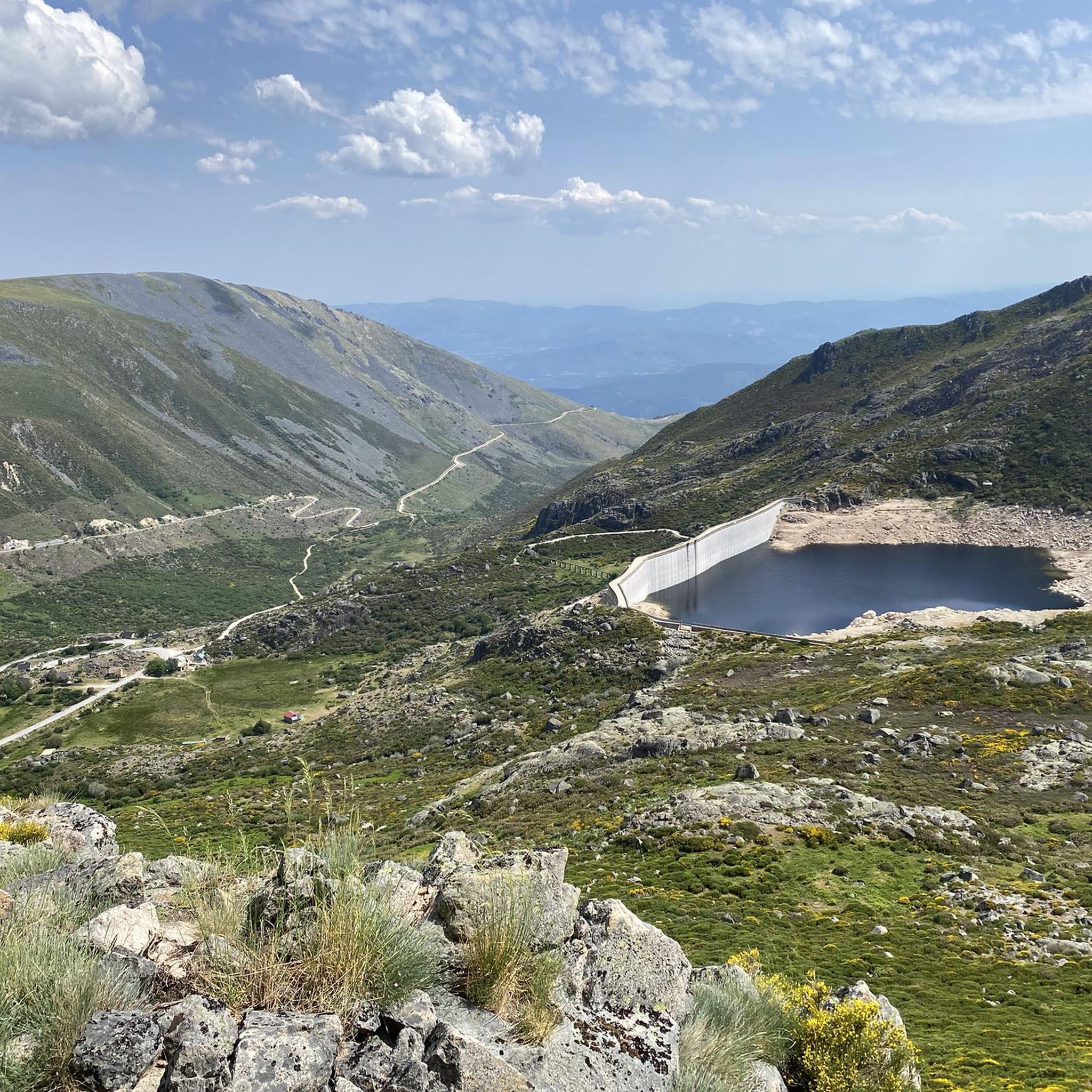
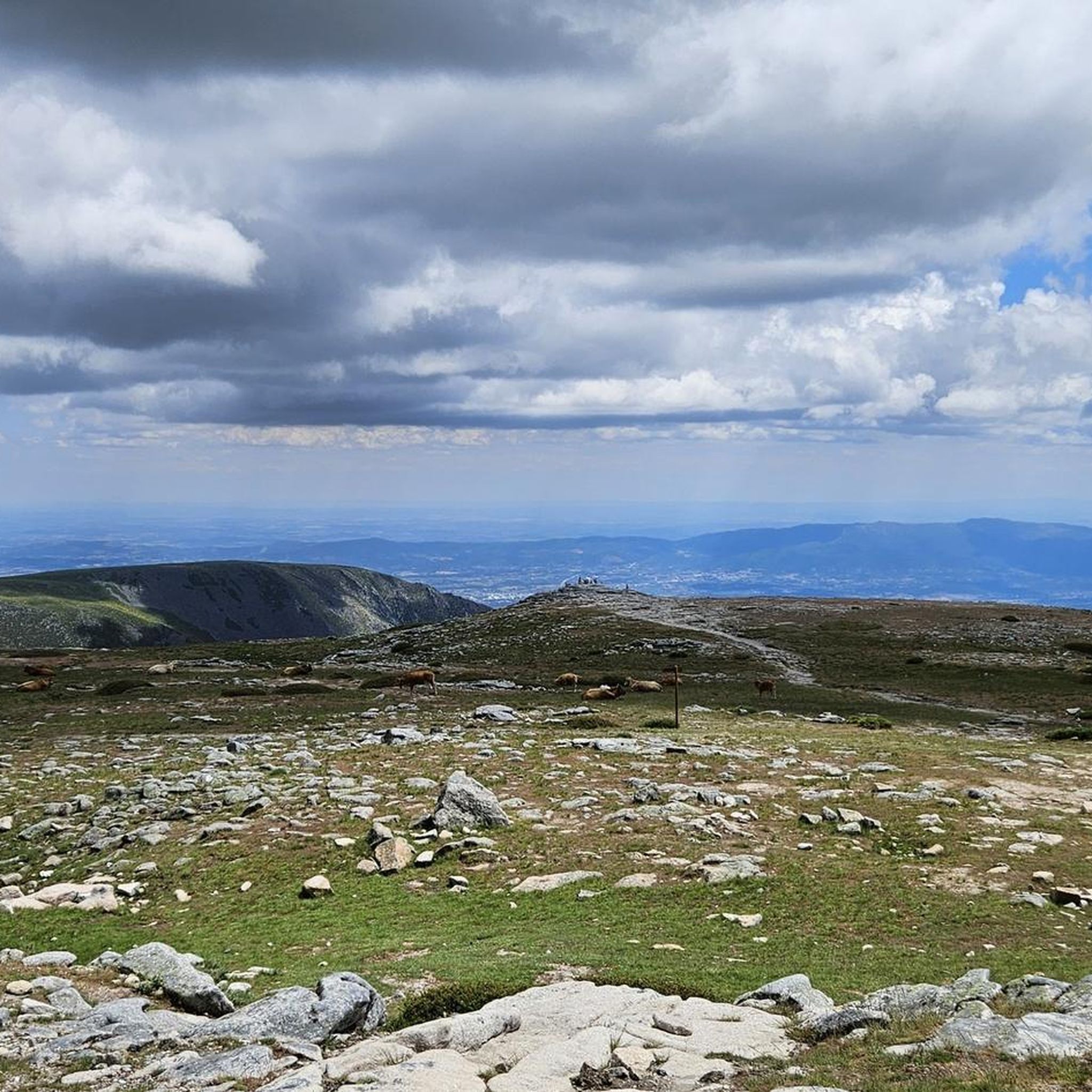
Best attractions and places to see around Pampilhosa Da Serra include a blend of natural beauty, cultural heritage, and historical sites. Nestled between the Serra da Estrela, Serra do Açor, and Serra da Lousã, the region is characterized by its schist houses, narrow streets, and tranquil green spaces. The area features numerous river beaches, viewpoints, and traditional villages, offering diverse exploration opportunities.
Best attractions and places to see around Pampilhosa Da Serra
- The most popular attractions is Historical Village of…
Last updated: May 3, 2026
Historical Village of Piódão
Highlight • Settlement
The town (village) of Piódão, the urban center and the parish headquarters, has been classified as a Property of Public Interest since 1978.[3]
Pedestrian trails of extraordinary beauty.👍🥾🦯
Translated by Google •
Tip by

Foz d'Égua
Highlight • Beach
Translated by Google •
Tip by

Sign up now to discover places like this
Get recommendations on the best single tracks, peaks, & plenty of other exciting outdoor places.
Sign up for free
Fraga da Pena Waterfall
Highlight • Waterfall
Translated by Google •
Tip by
Chãs d'Égua Historical Village
Highlight • Historical Site
Translated by Google •
Tip by
Passadiços do Orvalho
Highlight (Segment) • Trail
Translated by Google •
Tip by
Sign up for free to discover even more attractions around Pampilhosa Da Serra.
Sign up for free
Already have an account?
Start today with a free account
Your next adventure awaits.
Login or Signup
Tips from the Community

Both Piódão and Foz d'Égua are accessible by car. But it's worth hiking the trail that connects them. It takes about 45 minutes, downhill from Piódão to Foz d'Égua (remember that the return is a slight climb). It's worth crossing the restored suspension bridge in Foz d'Égua before returning to Piódão. The Foz d'Égua pool is a popular spot for a dip in its very cold waters. Dipping your feet in the icy water of the stream is always very pleasant after a hike, immersing yourself in nature. I did it and recommend it. 👍🥾
1
0
The Fraga da Pena Waterfall, located in the Serra do Açor Protected Landscape, is a geological feature crossed by the Barroca de Degraínhos, creating a series of successive waterfalls. The waterfall is 19 meters high. Along its banks are some ancient specimens of the Portuguese oak (Quercus robur) and the chestnut tree (Castanea sativa), as well as the strawberry tree (Arbutus unedo), the thorny Daphne gnidium, and the adernos (Phillyrea latifolia and P. angustifolia).
2
0
Piódão belongs to the network of Historic Villages of Portugal. The town (village) of Piódão, the urban center and the parish headquarters, has been classified as a Property of Public Interest since 1978.[3] Pedestrian trails of extraordinary beauty.👍🥾🦯
4
0

This area has been hit by a serious forest fire in recent weeks.
2
2

Piódão is a particularly well-preserved, historic village worth a visit. If you're looking for peace and quiet and enjoy hiking, you've come to the right place. Although the historic village of Piódão doesn't hold any particular significance in Portugal's history, it has recently become an increasingly popular tourist attraction, perhaps due to its beautiful location in the Serra do Açor.
5
2

Nestled in the Açor mountains, near Piódão, the river beach of Foz d’Égua is an enchanted corner that comes alive in the summer. Where the Piódão and Chãs d’Égua streams meet, a natural pool is formed, surrounded by rustic bridges, old mills and shale everywhere.
3
0
In the heart of Beira Baixa, in the heart of the Naturtejo Geopark, lies one of the most stunning walkways in Portugal. The Orvalho Walkways, part of the PR3 Orvalho GeoRoute, take you along a route where nature and geology intertwine in magnificent settings. Here, you can not only explore UNESCO-listed geomonuments, such as the imposing Fraga de Água d'Alta Waterfall and Cabeço do Mosqueiro, but also admire some of the region's most breathtaking and iconic landscapes.
3
0
In the heart of the protected landscape of the Serra do Açor, Fraga da Pena is a natural spectacle sculpted by time. The Barroca de Degraínhos creates a succession of waterfalls, culminating in an impressive 19-metre cascade that descends in crystal clear veils over the rock.
4
0
Frequently Asked Questions
What natural features can I explore around Pampilhosa Da Serra?
Pampilhosa Da Serra is rich in natural beauty. You can visit the impressive Fraga da Pena Waterfall, a 19-meter cascade within the Serra do Açor Protected Landscape. The region is also known for its numerous river beaches, such as Praia Fluvial de Santa Luzia and Praia Fluvial de Janeiro de Baixo, offering clear waters and scenic surroundings. Don't miss the Meandros do Zêzere Natural Viewpoint for stunning views of the Zêzere River's curves.
Are there any historical or cultural sites to visit in the area?
Yes, the region boasts a rich historical and cultural heritage. Explore the traditional Historical Village of Piódão, famous for its distinctive blue-doored schist houses, or the ancient Chãs d'Égua Historical Village, known for its rock art. You can also visit the Igreja Matriz de Pampilhosa da Serra, the Municipal Museum of Pampilhosa da Serra, or the Casa Museu de Carvalho to delve into local history and ethnography.
What are the best places for swimming and water activities?
Pampilhosa Da Serra is renowned for its beautiful river beaches. Key spots include Praia Fluvial de Santa Luzia, located at the Santa Luzia Dam, which offers excellent amenities and a bike path. Praia Fluvial de Janeiro de Baixo, situated on the Zêzere River, features a large sandy area and support infrastructure. Another popular spot is Foz d'Égua, a hidden river beach in the Açor mountains with a natural pool formed by stream confluence.
Where can I find the best panoramic views in Pampilhosa Da Serra?
The region offers several stunning viewpoints. The Meandros do Zêzere Natural Viewpoint provides remarkable vistas of the Zêzere River. Miradouro da Portela de Unhais offers views of Unhais-o-velho and the Fajão wind farm. Additionally, the Vale Serrão Lookout is considered one of the greatest viewpoints, providing expansive panoramic and river views.
Are there family-friendly attractions or activities available?
Many attractions in Pampilhosa Da Serra are suitable for families. The river beaches like Praia Fluvial de Santa Luzia and Praia Fluvial de Janeiro de Baixo offer safe swimming areas and amenities. Exploring the unique schist villages, such as Piódão, can be an engaging experience for all ages. Gentle walks along riverbanks or through the villages also provide pleasant family outings.
What kind of outdoor activities can I do near these attractions?
The area around Pampilhosa Da Serra is ideal for various outdoor activities. You can find numerous routes for running, cycling, and mountain biking. For running, explore trails like "The Peoples of the Riverbanks of Piodão" or the "Historical Village of Piódão – Foz d'Égua loop." Cyclists can enjoy routes such as the "Blue Tour of Piódão" or the "Unhais-o-Velho – Barragem de Santa Luzia loop." Mountain bikers have options like the "Ring route around the Santa Luzia dam." For more details on these and other routes, visit the Running Trails, Cycling, and MTB Trails guides for Pampilhosa Da Serra.
Where can I experience the traditional architecture of the region?
To experience the traditional architecture, visit the Aldeias do Xisto (Schist Villages). These villages are characterized by their houses built from schist stone. Notable examples include Piódão, Aldeia do Xisto de Janeiro de Baixo, and Aldeia do Xisto de Fajão. Walking through their narrow streets offers a glimpse into the region's unique heritage.
What local crafts and cuisine can I discover in Pampilhosa Da Serra?
Pampilhosa Da Serra offers a taste of traditional Portuguese culture through its cuisine and handicrafts. You can savor local dishes like "chanfana," "maranho," and "bucho," along with various sweets such as "tigelada" and honey cakes. For handicrafts, look for linen towels, tapestries, iron objects, baskets, and miniature shale houses, which reflect the local artistry.
Are there any notable dams or water reservoirs in the area?
Yes, the Barragem de Santa Luzia (Santa Luzia Dam) on the Unhais River is a significant landmark. Constructed between 1930 and 1942, this vault-type dam offers magnificent views and is adjacent to the popular Praia Fluvial de Santa Luzia, which provides recreational facilities.
What do visitors enjoy most about the attractions around Pampilhosa Da Serra?
Visitors particularly appreciate the serene natural beauty and the well-preserved historical charm. Many highlight the unique experience of exploring the schist villages like Piódão, with its distinctive architecture and pedestrian trails. The stunning Fraga da Pena Waterfall and the tranquil river beaches, such as Foz d'Égua, are also frequently praised for their picturesque settings and opportunities for relaxation and outdoor activities.
Can I find any archaeological sites or ancient history in the region?
The region has a rich archaeological history. Evidence of human occupation dates back millennia, including rock art, particularly at the headwaters of the Unhais River, and numerous funerary monuments (mamoas) from pre-history. Traces of ancient mining activities for metals like lead, tin, iron, and gold can also be found along the Zêzere, Ceira, and Unhais rivers. The Rock Art Route highlights this fascinating past.
Are there any boardwalks or specific trails for scenic walks?
Yes, you can explore the Passadiços do Orvalho, located in the Naturtejo Geopark. These walkways offer a stunning route where nature and geology intertwine, allowing you to explore UNESCO-listed geomonuments like the Fraga de Água d'Alta Waterfall and Cabeço do Mosqueiro, and admire breathtaking landscapes.
Most popular routes around Pampilhosa Da Serra
Most popular attractions around Pampilhosa Da Serra

Get inspired with the komoot mobile app


Explore more
Still not found the Highlight you’re looking for? See guides of the top attractions in other regions:
