The best road cycling routes around Alcobaça
4.5
(205)
4,686
riders
128
rides
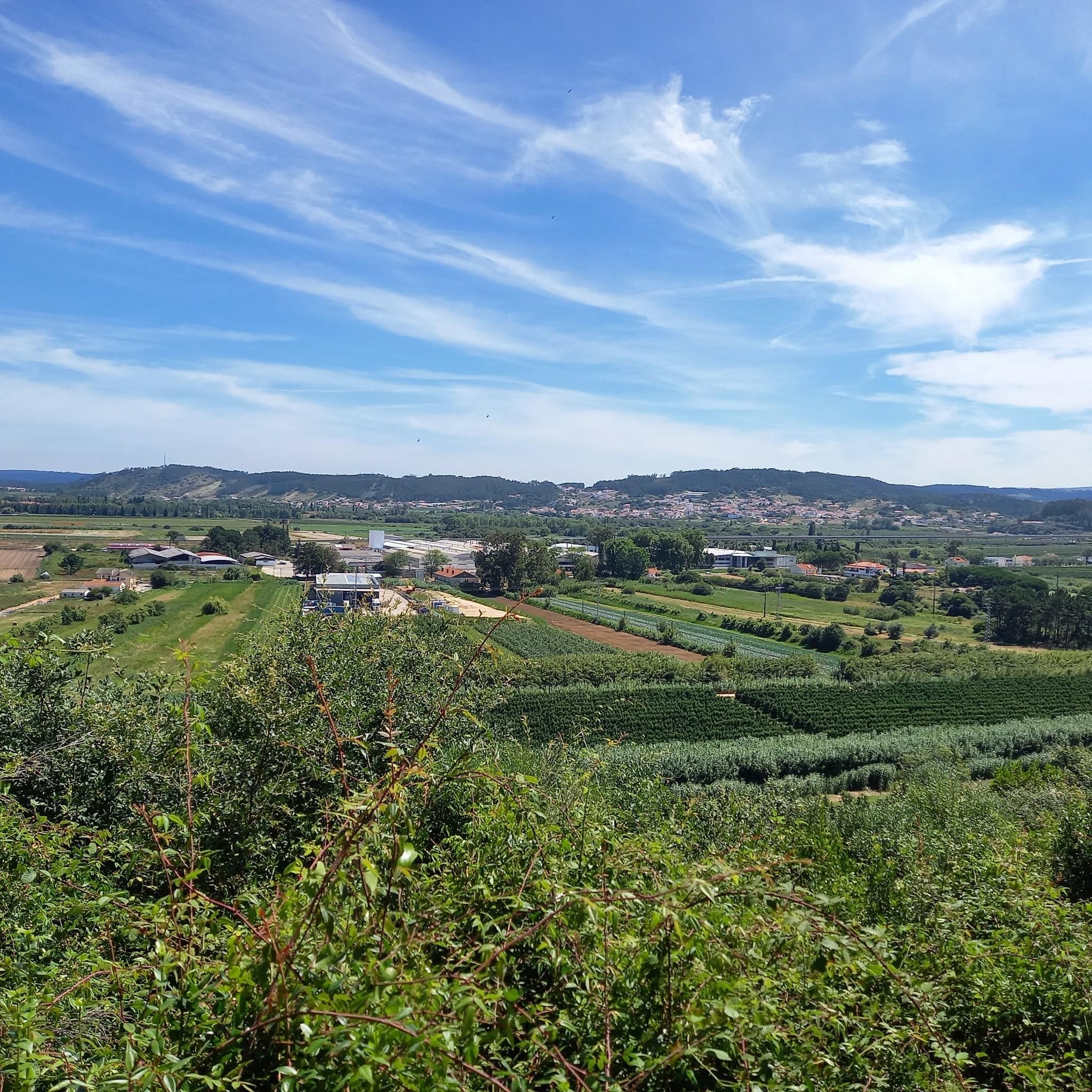
Road cycling around Alcobaça offers diverse terrain, from flat stretches through vineyards to hilly sections providing panoramic views. The region is characterized by its proximity to the Atlantic coast, featuring routes with sea views, and borders the limestone landscape of the Serra dos Candeeiros Natural Park. River valleys, such as those of the Alcoa and Baça, also provide serene cycling paths. This varied topography allows for routes catering to different fitness levels.
Best road cycling routes around Alcobaça
- The most…
Last updated: July 15, 2026
5.0
(1)
54
riders
Moderate road ride. Good fitness required. Mostly well-paved surfaces and easy to ride.
5.0
(3)
50
riders
Moderate road ride. Good fitness required. Some segments of this route may be unpaved and difficult to ride.

Sign up for free
3.5
(2)
42
riders
64.4km
02:52
300m
300m
Moderate road ride. Good fitness required. Mostly well-paved surfaces and easy to ride.
5.0
(1)
34
riders
57.6km
02:34
390m
390m
Moderate road ride. Good fitness required. Some segments of this route may be unpaved and difficult to ride.
5.0
(1)
34
riders
54.5km
02:38
520m
520m
Moderate road ride. Good fitness required. Mostly well-paved surfaces and easy to ride.
Get access to more routes and recommendations from other explorers.
Sign up for free
Already have an account?
Our route recommendations are based on thousands of hikes, rides, and runs completed by other people on komoot.
Start today with a free account
Your next adventure awaits.
Login or Signup

Tips from the Community

The lighthouse is managed by the National Maritime Authority. Public visits are generally permitted on specific days and at limited times. Opening hours: Traditionally, the lighthouse is open for free visits on Wednesdays in the afternoon (between 2:00 pm and 5:00 pm, local time).
2
0
Function: It is a coastal lighthouse, with a luminous range of 30 nautical miles (approximately 55 km). Landscape: The location is a natural viewpoint of great beauty, much sought after for enjoying the ocean view and the sunset. The surrounding area has pedestrian and cycle paths that connect to other beaches in the region.
1
0
Location: Parish of São Pedro de Moel, Marinha Grande, Portugal. Establishment: Began operating on February 15, 1912. Structure: It has a quadrangular stone tower 32 meters high and an attached building. The exterior and interior are covered with reddish-brown tiles, a unique feature.
1
0
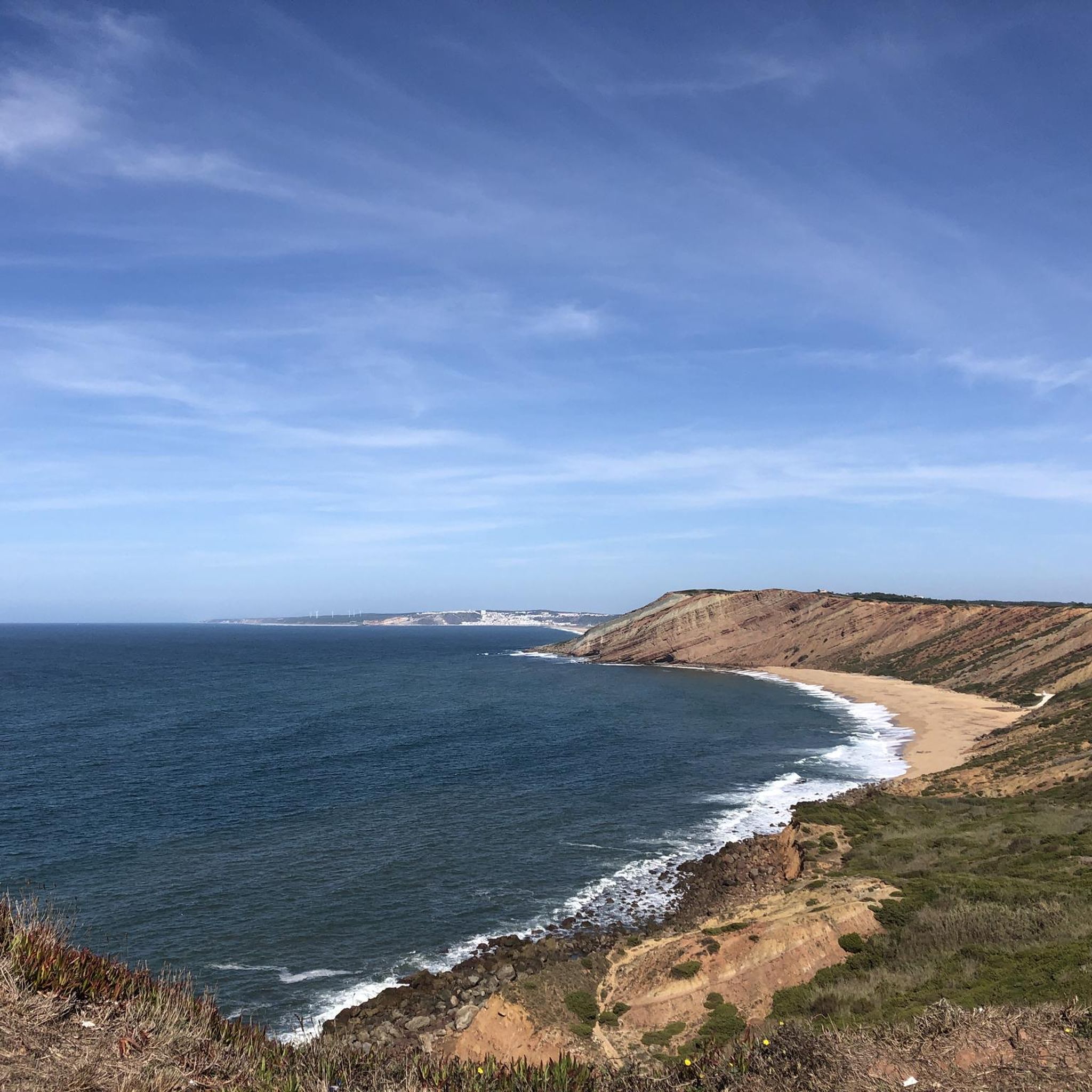
The Penedo da Saudade Lighthouse is an emblematic Portuguese lighthouse located in São Pedro de Moel, in the municipality of Marinha Grande, district of Leiria. It stands imposingly on a cliff, offering spectacular views of the Atlantic coast.
1
0
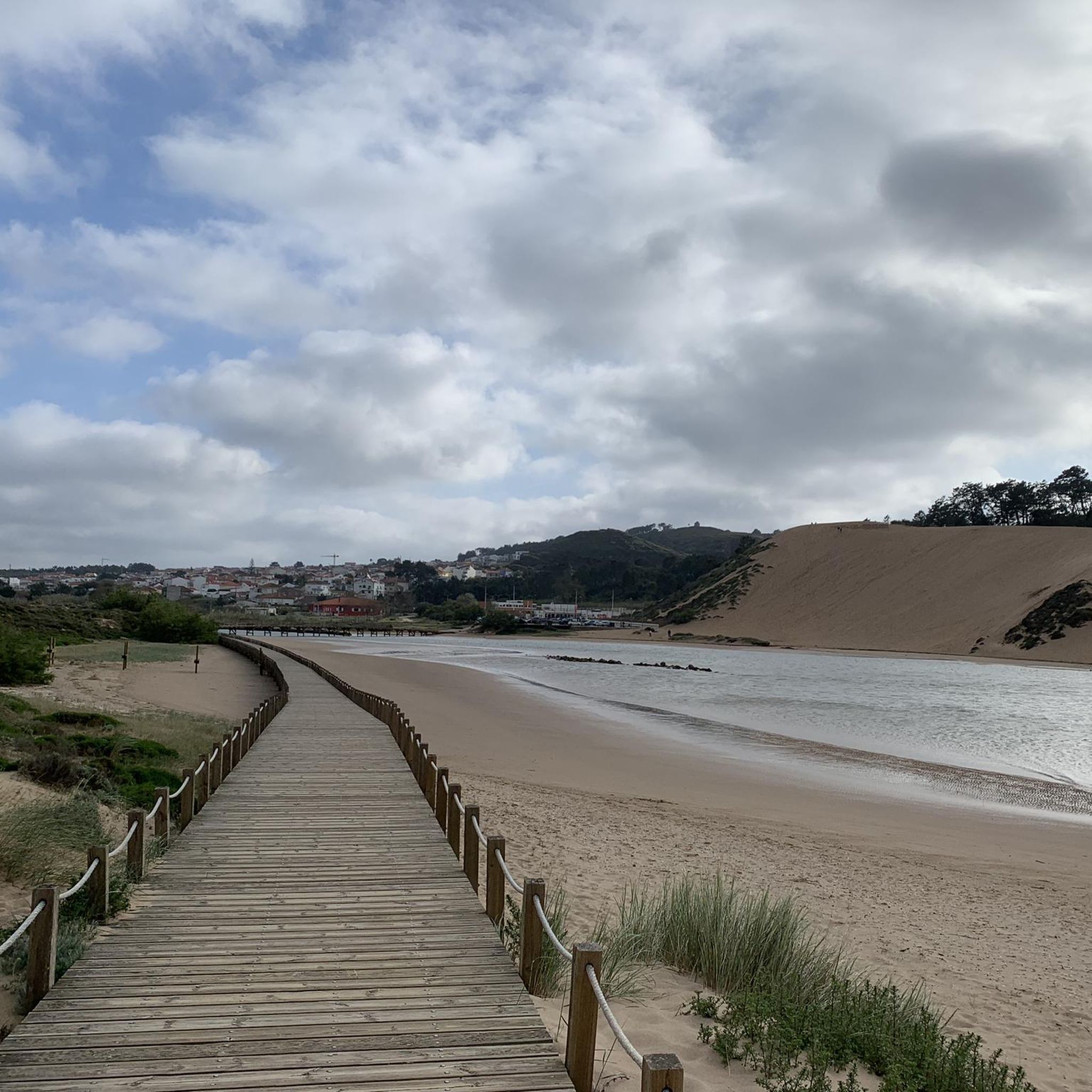
Praia Velha is a beach located in the parish of São Pedro de Moel, in the municipality of Marinha Grande, district of Leiria, in Portugal. Characteristics: It is known for its extensive sandy area and fantastic dunes with vegetation. It has wooden walkways that facilitate access and is considered a quiet beach, suitable for both swimming and relaxing walks. It is a family beach, with good conditions for children, sometimes including a stretch of freshwater with fewer waves.
1
0
"Lighthouse and Fisherman's Bay" can refer to several locations, such as the Lighthouse of Traição Bay and the local fishing community in Paraíba, Fisherman's Beach in Itanhaém, where boats gather and seafood is sold, or Fisherman's Bay in China, also known as the Penghu Islands. Lighthouse of Traição Bay (PB): The installation of the lighthouse in 1923 was requested by the local fishing community, then presided over by Manoel Ignácio, who traveled to Rio de Janeiro to request the equipment. Fisherman's Beach (Itanhaém, SP): This beach is characterized by the concentration of fishing boats and stalls selling fresh seafood. The area has a restaurant and is also a departure point for boat trips. Fisherman's Islands (Penghu, China): This is an archipelago off the west coast of Taiwan, in the Asian continent. The archipelago is composed of 90 small islands and covers an area of 141 km². Other locations: There are other places that combine "lighthouse" and fishing activities, such as the underwater fishing area near the Barra Lighthouse in Salvador, Bahia.
2
0

From the chapter house on the ground floor, a staircase leads up to the dormitory. This staircase was rediscovered during renovations beginning in 1930. Located on the first floor, the dormitory extends 66.5 meters in length and 21.5 to 17.5 meters in width along the entire east side of the medieval part of the abbey, thus covering an area of almost 1,300 square meters. In its current form, restored through renovation, it presents itself in its original medieval state. At the southern end, the dormitory opens with a large round-arched doorway to the northern transept of the church. A staircase formerly led down from there, as the Cistercian rule required two separate entrances to the communal sleeping quarters. At the northern end of the dormitory were the latrines, which—again according to a general rule of the order—had to be separated from the sleeping quarters by a separate room. The wastewater flowed into the abbey's garden on the north side. The monks slept together in the dormitory, fully clothed, separated from their neighbors only by a movable partition. The abbot alone had his own cell, located on the south side facing the church. This arrangement is typical of most Cistercian monasteries of this period. A narrow door in the center of the western side leads to a narrow spiral staircase, which today provides access to the kitchen, but in the Middle Ages led to the calefactory (warming room, see below). This staircase also provided access to the upper cloister. https://de.wikipedia.org/wiki/Kloster_Alcoba%C3%A7a
2
0
The entrance to the chapter house features a particularly striking facade with staggered columns. The chapter house served as the meeting place for the monks and was, after the church, the most important room in the monastery. It bears this name because the chapters of the Rule of St. Benedict were read aloud there daily. Elections and similar communal ceremonies of the monks also took place there. In the entrance area to the chapter house is the gravestone of an abbot whose identity is no longer known. The floor of the chapter house was formerly completely covered with such gravestones, as a Cistercian rule from 1180 stipulated that abbots had to be buried in the chapter house, meaning that the monks made their decisions on the graves of their deceased abbots. This type of burial was a significant exception to the general Cistercian rule, which forbade the burial of monks within the monastery. That's why you'll find a door leading south in the southern transept called the Porta da Morte (Door of Death), because deceased monks were carried out through it for burial. https://de.wikipedia.org/wiki/Kloster_Alcoba%C3%A7a
1
0
Frequently Asked Questions
What kind of terrain can I expect on road cycling routes around Alcobaça?
Alcobaça offers a diverse range of terrain for road cyclists. You'll find flat stretches winding through vineyards, hilly sections providing panoramic views, and coastal roads with stunning sea vistas. The region borders the limestone landscape of the Serra dos Candeeiros Natural Park, which can offer more challenging routes with elevation, while river valleys provide serene paths.
Are there routes with significant elevation gain for experienced cyclists?
Yes, for cyclists seeking more challenging rides, the proximity to the Serra dos Candeeiros Natural Park offers routes with notable elevation gain and dramatic scenery. For example, the Praia de São Martinho do Porto – Typical Mountain Restaurant loop from São Martinho do Porto includes over 500 meters of ascent.
Are there any easy road cycling routes suitable for beginners?
Yes, Alcobaça has options for beginners. While many routes are moderate, there are 15 easy routes available. These typically feature flatter sections through river valleys or vineyards, allowing for a more relaxed cycling experience.
What natural features or viewpoints can I expect to see on road cycling routes near Alcobaça?
Many routes offer stunning natural features and viewpoints. You can cycle along the Atlantic coast with sea views, visit tranquil bays like São Martinho do Porto, or pass by the impressive Penedo da Saudade Lighthouse. Inland, routes traverse olive groves and offer panoramic views over valleys, especially towards the Serra dos Candeeiros.
Are there any historical or cultural attractions accessible by road bike?
Absolutely. Alcobaça is rich in history and culture. You can cycle to the UNESCO World Heritage site, the Alcobaça Monastery, or extend your ride to visit the fishing village of Nazaré, famous for its giant waves (Nazaré — Giant Waves). Other nearby attractions include the medieval town of Óbidos and the Monastery of Batalha.
Are there circular road cycling routes available in Alcobaça?
Yes, the majority of road cycling routes around Alcobaça are designed as loops, allowing you to start and finish at the same point. An example is the Alcobaça Castle – Alcobaça Municipal Market loop from Alcobaça, which provides a comprehensive tour of the area.
What is the best time of year for road cycling in Alcobaça?
Alcobaça generally enjoys a pleasant climate, making it suitable for road cycling for much of the year. Spring and autumn offer mild temperatures and less crowded routes, ideal for exploring. Summer can be warm, especially inland, but coastal routes benefit from sea breezes. Winter cycling is also possible, though some days may be cooler or wetter.
Are the road cycling routes around Alcobaça suitable for families?
While many routes are moderate, some flatter sections through river valleys or along calmer coastal areas can be suitable for families. Beaches like São Martinho do Porto and Paredes da Vitória are known for their peacefulness and family-friendliness, offering pleasant destinations for a family ride.
What do other road cyclists enjoy the most about road cycling in Alcobaça?
The road cycling routes in Alcobaça are highly rated by the komoot community, with an average score of 4.6 stars from over 20 reviews. Cyclists often praise the varied terrain, from scenic coastal paths to challenging climbs, and the opportunity to combine rides with visits to historical sites and natural landmarks.
How many road cycling routes are there in Alcobaça?
There are over 130 road cycling routes available around Alcobaça, offering a wide range of options for different skill levels and preferences. This includes 15 easy routes, 99 moderate routes, and 22 difficult routes.
Can I find cafes or places to stop for refreshments along the routes?
Yes, many routes pass through or near towns and villages where you can find cafes, restaurants, and local markets. The region is known for its traditional pastries and local cuisine, offering excellent opportunities for a break and to refuel during your ride.
Are there less crowded road bike routes in Alcobaça?
While popular coastal routes can see more activity, many inland routes through vineyards and rural landscapes offer a quieter cycling experience. Exploring the areas bordering the Serra dos Candeeiros Natural Park can also lead to less crowded paths, especially during off-peak seasons.
Most popular attractions around Alcobaça

Get inspired with the komoot mobile app


Explore more
Browse the best Road cycling routes in other regions.
