Attractions and Places To See around Oeiras - Top 20
Attractions and places to see around Oeiras offer a blend of historical landmarks, natural features, and cultural sites. Situated on the Portuguese Riviera within the Lisbon Metropolitan Area, Oeiras provides coastal charm along the Tagus River. The region is characterized by its sandy beaches, significant historical fortifications, and expansive green spaces. It serves as a destination for exploring Portuguese heritage and enjoying outdoor activities.
Best attractions and places to see around Oeiras
- The most popular attractions is View from the Rua Augusta Arch, a viewpoint that is a triumphal arch in the center of Lisbon. It marks the beginning of Rua Augusta and is located on the north side of Praça do Comércio.
- Another must-see spot is Santa Justa Lift, a man-made monument connecting the Baixa Pombalina and Chiado neighborhoods. Visitors can use this elevator to travel between the lower and upper parts of Lisbon.
- Visitors also love St. George's Castle, a historical castle located on the highest hill in the Alfama neighborhood. It features eleven towers and offers views of the city.
- Oeiras is known for its historical sites, natural features like beaches and parks, and cultural points of interest. The area offers a variety of attractions to see and explore, from 18th-century palaces to coastal promenades.
- The attractions around Oeiras are appreciated by the komoot community, with more than 1300 upvotes and over 950 photos shared.
Last updated: May 9, 2026
View from the Rua Augusta Arch
Highlight • Viewpoint
Translated by Google •
Tip by

Santa Justa Lift
Highlight • Monument
es.wikipedia.org/wiki/Elevador_de_Santa_Justa
Translated by Google •
Tip by
Sign up now to discover places like this
Get recommendations on the best single tracks, peaks, & plenty of other exciting outdoor places.
Sign up for free
Commerce Square
Highlight • Monument
Translated by Google •
Tip by
Santa Luzia viewpoint
Highlight • Viewpoint
The Santa Luzia Viewpoint is also known for its azulejos (tile panels) that adorn the walls, creating a unique and picturesque atmosphere.
Translated by Google •
Tip by

Rossio Fountain (Praça Dom Pedro IV)
Highlight • Monument
es.wikipedia.org/wiki/Plaza_Pedro_IV
Translated by Google •
Tip by
Sign up for free to discover even more attractions around Oeiras.
Sign up for free
Already have an account?
Start today with a free account
Your next adventure awaits.
Login or Signup

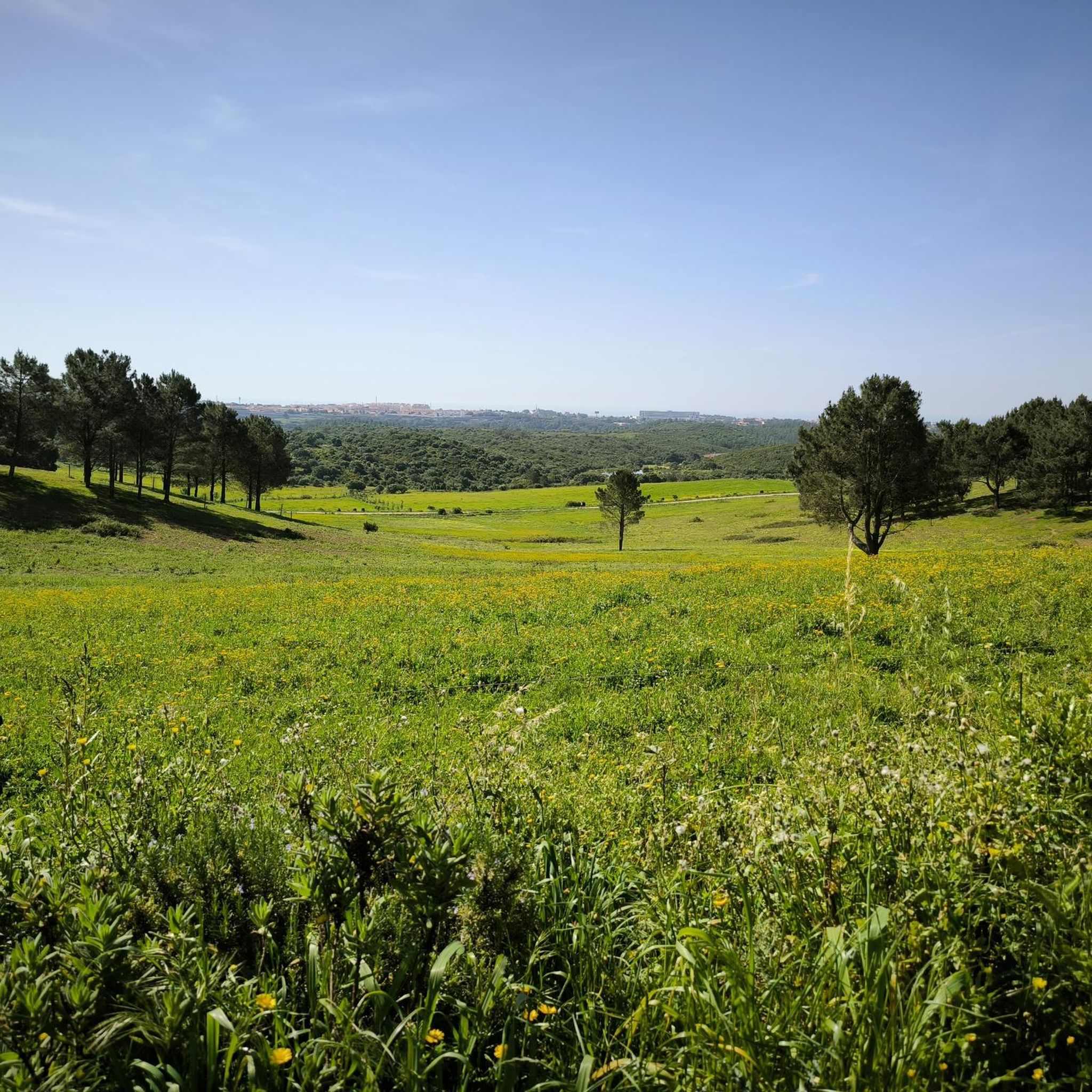
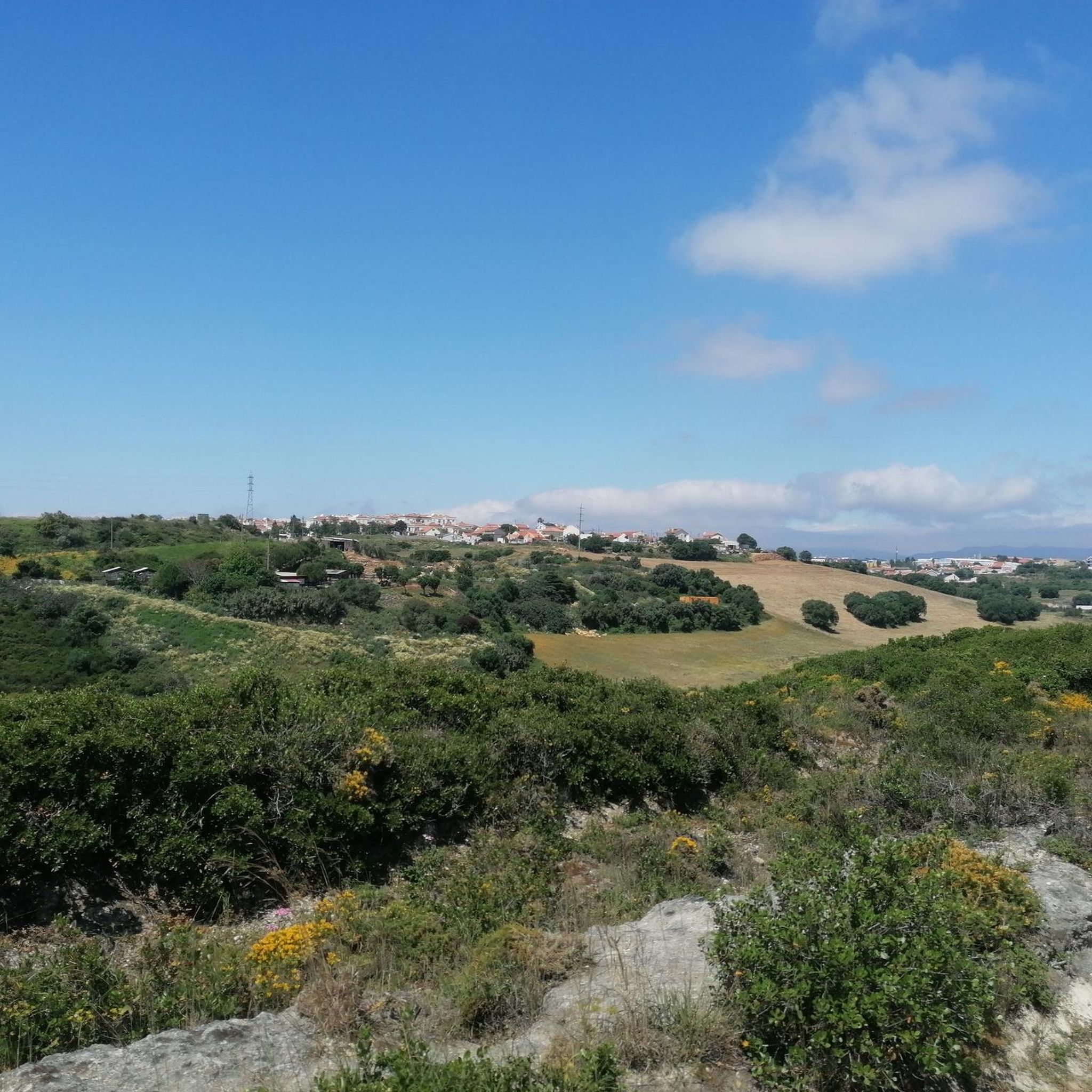
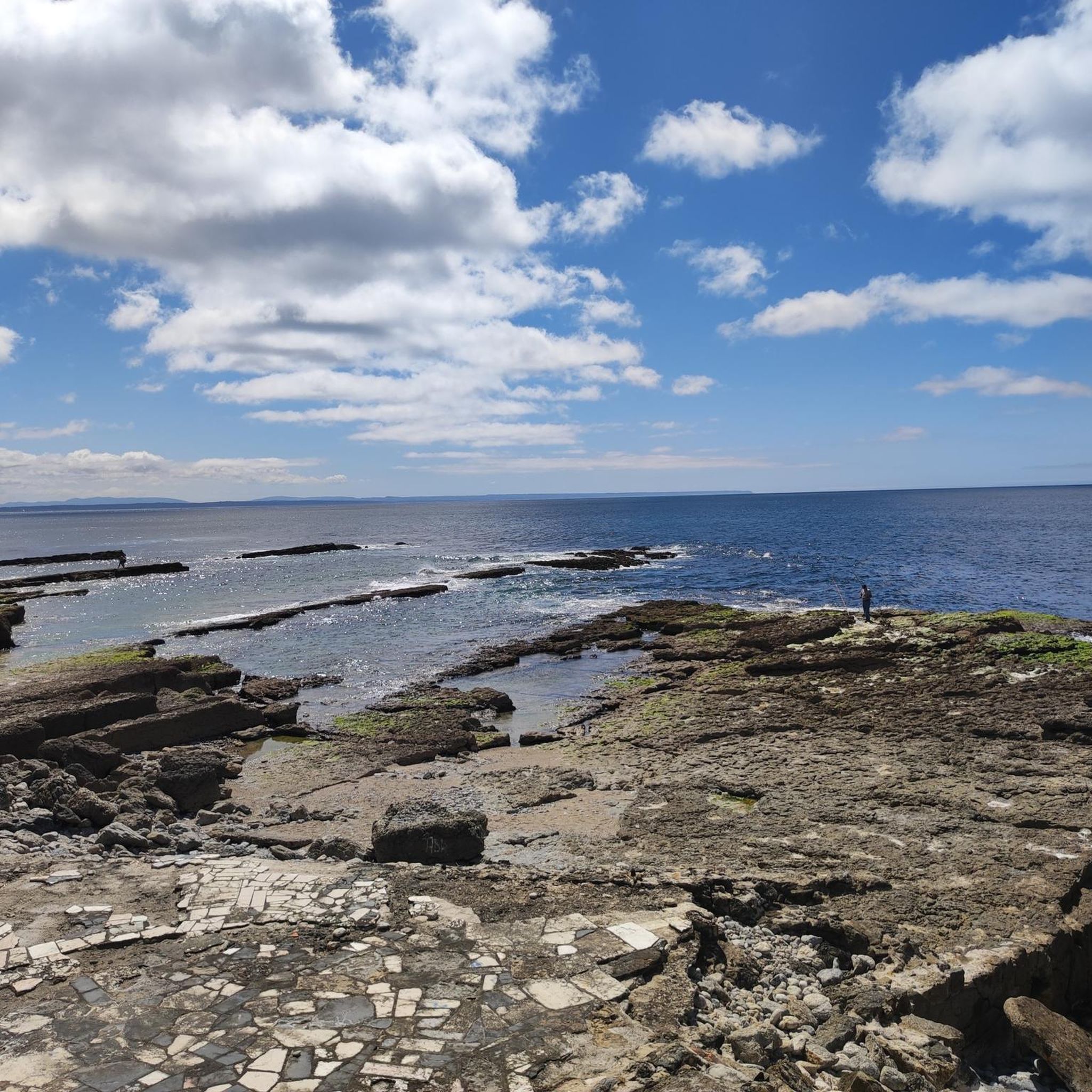
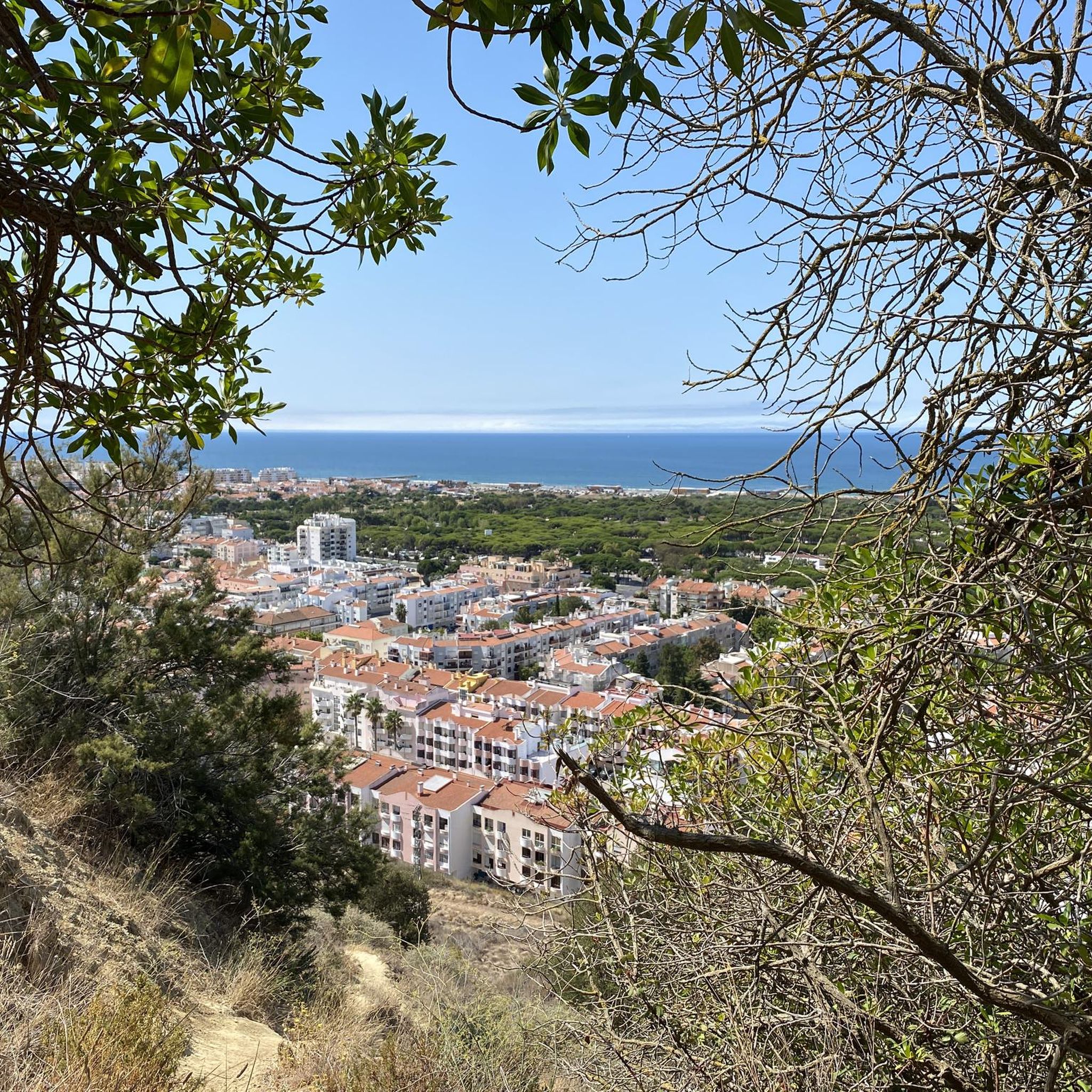
Other adventures around Oeiras

Tips from the Community

Praça Dom Pedro IV, traditionally known as Rossio, is the heart of Lisbon's Baixa district and has been the city's main meeting place, center of commerce, and public life since the 13th century. It's a vibrant, historic square with distinctive architecture that makes it a must-see for any visitor.
11
1
The Santa Justa Lift, also known as the Elevador do Carmo, is a historic elevator built in the early 20th century to connect the Baixa district with Largo do Carmo. It is one of the most photographed architectural icons in the city. Built between 1900 and 1902, it was designed by the engineer Raoul Mesnier de Ponsard, considered a disciple of Eiffel.
11
0

The Santa Luzia viewpoint offers a breathtaking view over the rooftops of Alfama, the Tagus River, and the passing ships. Under the arcades and between the azulejo tiles, you'll always find a shady spot to relax. Perfect for a short break with a panoramic view before descending back into the maze of narrow streets.
4
0
The fountain in Praça Dom Pedro IV (better known as Rossio Square) is actually a set of two monumental Baroque bronze fountains, located symmetrically at the north and south ends of the square.
17
2
The Arco da Rua Augusta is one of Lisbon's most iconic monuments, located at the southern entrance to Rua Augusta, right on Praça do Comércio, facing the Tagus River. This majestic triumphal arch was built to commemorate the city's reconstruction after the 1755 earthquake.
17
1
The Rossio Square Fountain, officially known as Praça Dom Pedro IV, is one of the most emblematic features of Lisbon's historic center, in the Baixa district. In reality, there isn't just one fountain, but two twin monumental fountains located at either end of the square, flanking the central column dedicated to Dom Pedro IV. These fountains were installed in 1889 over old water wells and manufactured in France, specifically at the Val d'Osne foundry.
17
1
The Santa Justa Elevator, also known as the Carmo Elevator, is one of Lisbon's most iconic monuments and a must-see experience for visitors. Opened in 1902, it was designed by engineer Raoul Mesnier de Ponsard, a disciple of Eiffel. It is the only vertical elevator in Lisbon, while others, such as the Glória and Bica, are funiculars.
17
0

A very special building!
17
0
Frequently Asked Questions
What historical landmarks can I explore in Oeiras?
Oeiras is rich in history, offering several significant landmarks. You can visit the 18th-century Marquês de Pombal Gardens and Palace, a National Monument showcasing the Pombaline period. The Fort of São Julião da Barra is a crucial military building, and the former Barcarena Gunpowder Factory now serves as a cultural and leisure space with a museum. Additionally, the 18th-century Quinta Real de Caxias features luxurious gardens, and various 17th-century coastal fortifications like Forte do Areeiro and Forte do Bugio dot the coastline.
Are there family-friendly attractions in Oeiras?
Yes, Oeiras offers several attractions suitable for families. The Barcarena Gunpowder Factory has green spaces, a picnic area, and a children's playground. The Oeiras Ocean Swimming Pool is a saltwater pool with separate tanks for children. The Poets' Park provides ample green space for children to play, and the Vasco da Gama Aquarium is a popular educational attraction with diverse marine life. Many of the local beaches, such as Praia de Santo Amaro de Oeiras, are also ideal for families.
What natural features and outdoor spaces can I enjoy in Oeiras?
Oeiras boasts beautiful natural features and outdoor spaces. You can relax on one of its 12 sandy beaches, including Praia da Torre and Praia de Santo Amaro de Oeiras. The Oeiras Seafront Promenade offers 5.5 kilometers for walking, cycling, or enjoying sea views. The expansive Poets' Park is a significant urban green space, and the Oeiras Marina provides a modern facility for recreational maritime activities.
What cultural sites are worth visiting in Oeiras?
For cultural insights, the Vasco da Gama Aquarium is one of the oldest knowledge centers in Portugal, established in 1898. The Barcarena Gunpowder Factory houses the Museu da Pólvora Negra (Black Powder Museum). The Poets' Park features a unique collection of sculptures dedicated to Portuguese poets. Additionally, the Palácio do Egipto and Palácio Anjos contribute to Oeiras' architectural heritage.
What outdoor activities can I do near these attractions?
Oeiras and its surroundings offer a variety of outdoor activities. You can explore numerous cycling routes, including Road Cycling Routes around Oeiras, MTB Trails around Oeiras, and Gravel biking around Oeiras. The Oeiras Seafront Promenade is perfect for walking, jogging, or skating. The Jamor Sports Complex provides a multifunctional space for various sports and leisure activities.
Are there good viewpoints in Oeiras or nearby?
While Oeiras itself offers coastal views, some of the most appreciated viewpoints are slightly further afield but easily accessible. Visitors particularly enjoy the View from the Rua Augusta Arch, a triumphal arch in Lisbon, and the Santa Luzia viewpoint, which offers stunning panoramas of Lisbon, the Tagus River, and São Jorge Castle.
What is the best time to visit Oeiras for outdoor activities?
Oeiras benefits from a pleasant maritime temperate climate, making it suitable for outdoor activities throughout much of the year. The spring (April to June) and early autumn (September to October) generally offer comfortable temperatures and less crowded conditions, ideal for exploring beaches, parks, and historical sites.
What do visitors enjoy most about the attractions around Oeiras?
Visitors appreciate the blend of historical significance and natural beauty. The coastal promenade and beaches are popular for relaxation and active pursuits. Historical sites like the Marquês de Pombal Palace offer a glimpse into Portuguese heritage. Many highlights, such as the St. George's Castle, are praised for their historical context and panoramic views. The community has shared over 950 photos and given more than 1300 upvotes to the attractions in the area, highlighting their appeal.
Are there any unique historical sites related to water in Oeiras?
Yes, the Aqueduto de Carnaxide is an 18th-century aqueduct that was vital for supplying water to Carnaxide. You can explore its historical circuits, including some underground channels, offering a unique perspective on the region's engineering heritage.
Can I find ancient archaeological sites in Oeiras?
Yes, the Leceia Archaeological Site is one of the largest archaeological sites in the Lisbon area, with findings dating back to 3000 BCE. It provides a fascinating look into the ancient history of the region.
How accessible are the attractions in Oeiras by public transport?
Oeiras is part of the Lisbon Metropolitan Area and is generally well-served by public transport, making many attractions accessible. The Oeiras Seafront Promenade is easily reached, and several beaches and historical sites are connected by local bus routes or are within walking distance from train stations along the Cascais Line. For specific attractions, it's advisable to check local transport schedules.
What kind of beaches can I find in Oeiras?
Oeiras offers a variety of sandy beaches along its coastline, popular for their good size and pleasant atmosphere. Examples include Praia da Torre, Praia de Santo Amaro de Oeiras, and Praia de Paço de Arcos. These beaches are generally well-suited for families and provide spots for relaxation and enjoying the sea.
Most popular attractions around Oeiras

Get inspired with the komoot mobile app


Explore more
Still not found the Highlight you’re looking for? See guides of the top attractions in other regions:
