Attractions and Places To See around São Pedro Do Sul - Top 20
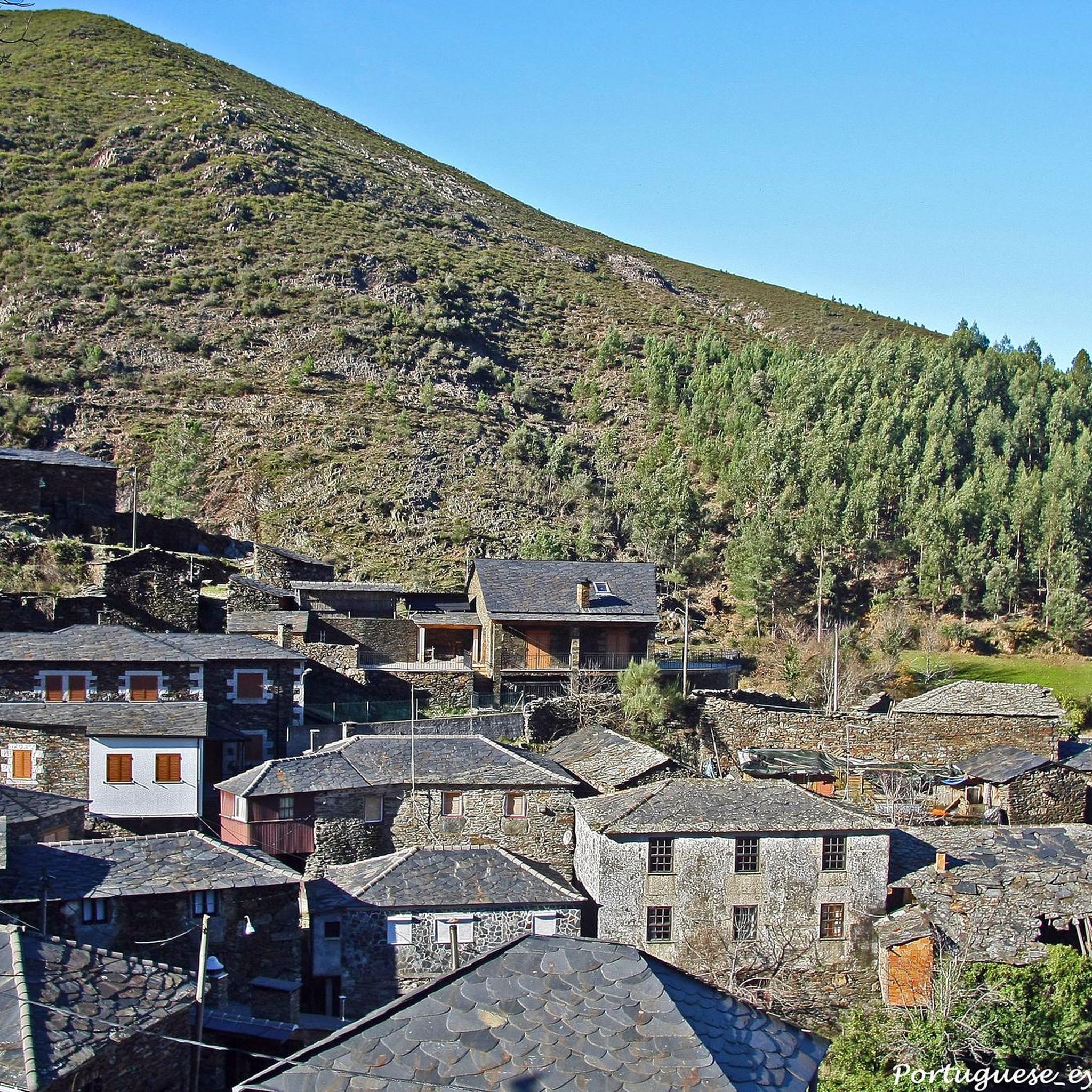
Attractions and places to see around São Pedro Do Sul offer a blend of natural beauty, historical landmarks, and cultural experiences in Central Portugal. The region is known for its thermal waters, picturesque mountains like Serra da Arada, and charming villages. Visitors can explore historical sites, including Roman baths, and enjoy natural features such as crystal-clear rivers, waterfalls, and natural pools. This area provides diverse opportunities for exploration and discovery.
Best attractions and places to see around São Pedro Do…
Last updated: July 16, 2026
Paiva Walkways and 516 Arouca Suspension Bridge
Highlight • Bridge
Translated by Google •
Tip by

Paiva Walkways
Highlight • Trail
Translated by Google •
Tip by

Sign up now to discover places like this
Get recommendations on the best single tracks, peaks, & plenty of other exciting outdoor places.
Sign up for free
Paiva Walkways
Highlight • Trail
Translated by Google •
Tip by
Translated by Google •
Tip by

Gola do Salto (Rio Paiva)
Highlight • River
Translated by Google •
Tip by
Sign up for free to discover even more attractions around São Pedro Do Sul.
Sign up for free
Already have an account?
Start today with a free account
Your next adventure awaits.
Login or Signup
Tips from the Community

Starting point A is not safely located. It leads through impassable terrain or over non-existent paths. We aborted our descent from the bridge (Highlight 1) to starting point A and, thanks to the friendly guides at the bridge, were able to use it for the safe return to our car. Anyone who wants to do the whole loop should book a ticket for crossing the bridge in advance. Attention: limited ticket contingent per day.
0
0

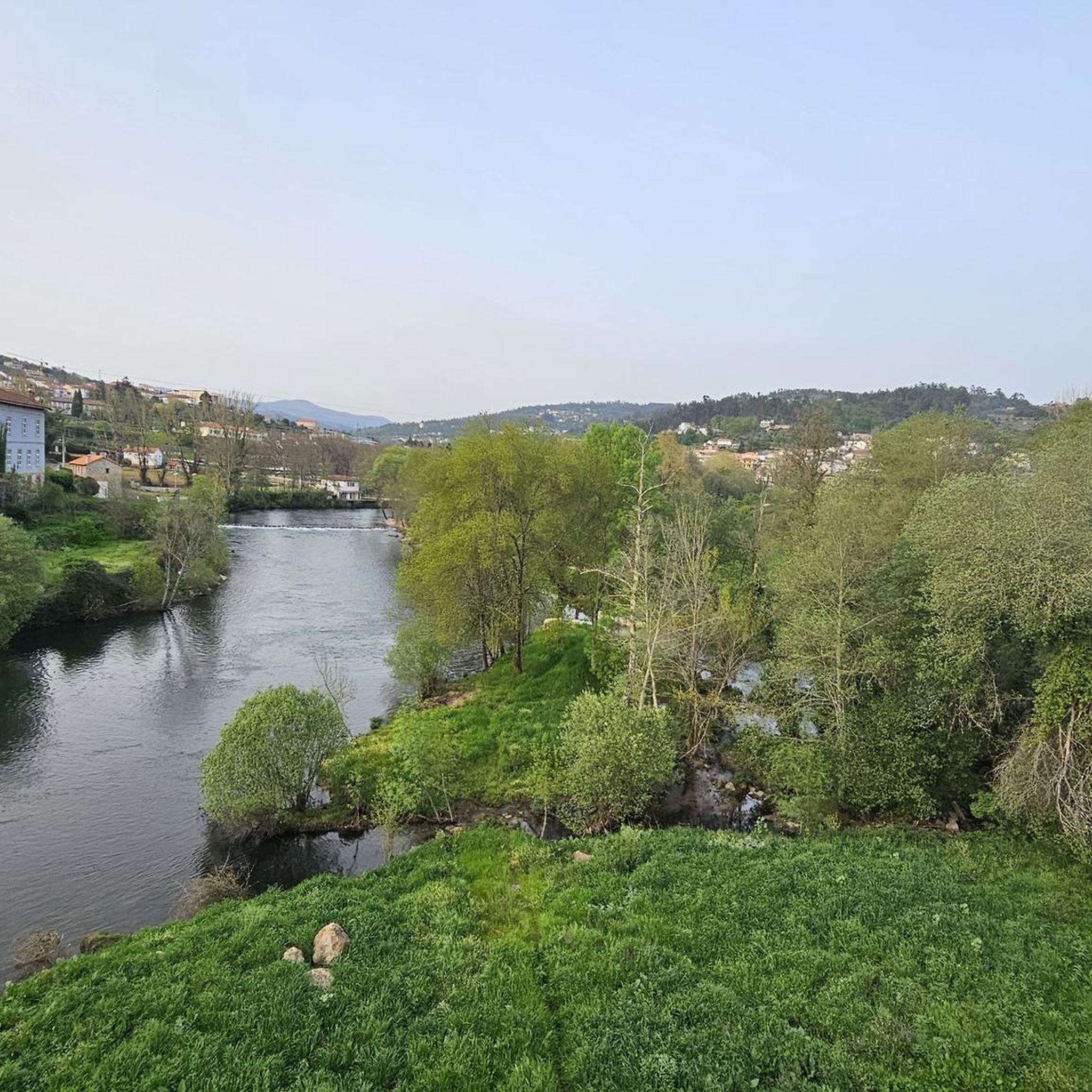
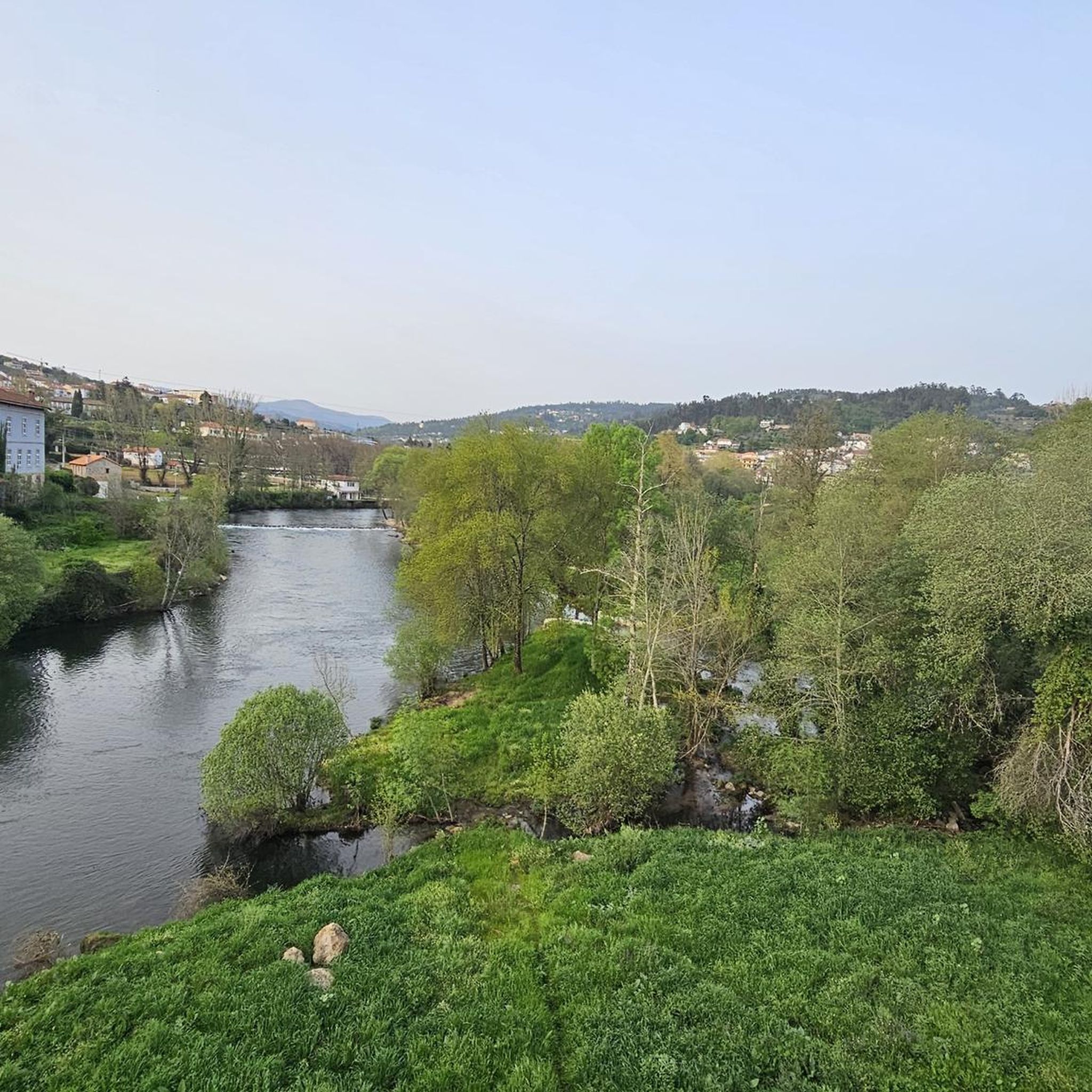
This small suspended walkway appears discreetly along the wooden path that leads to the imposing 516 Arouca bridge. Here, you cross the Paiva River in a more intimate and serene way, feeling the water flowing below while the sounds of nature surround you. A kind of charming appetizer before the great spectacle of the main crossing.
1
0
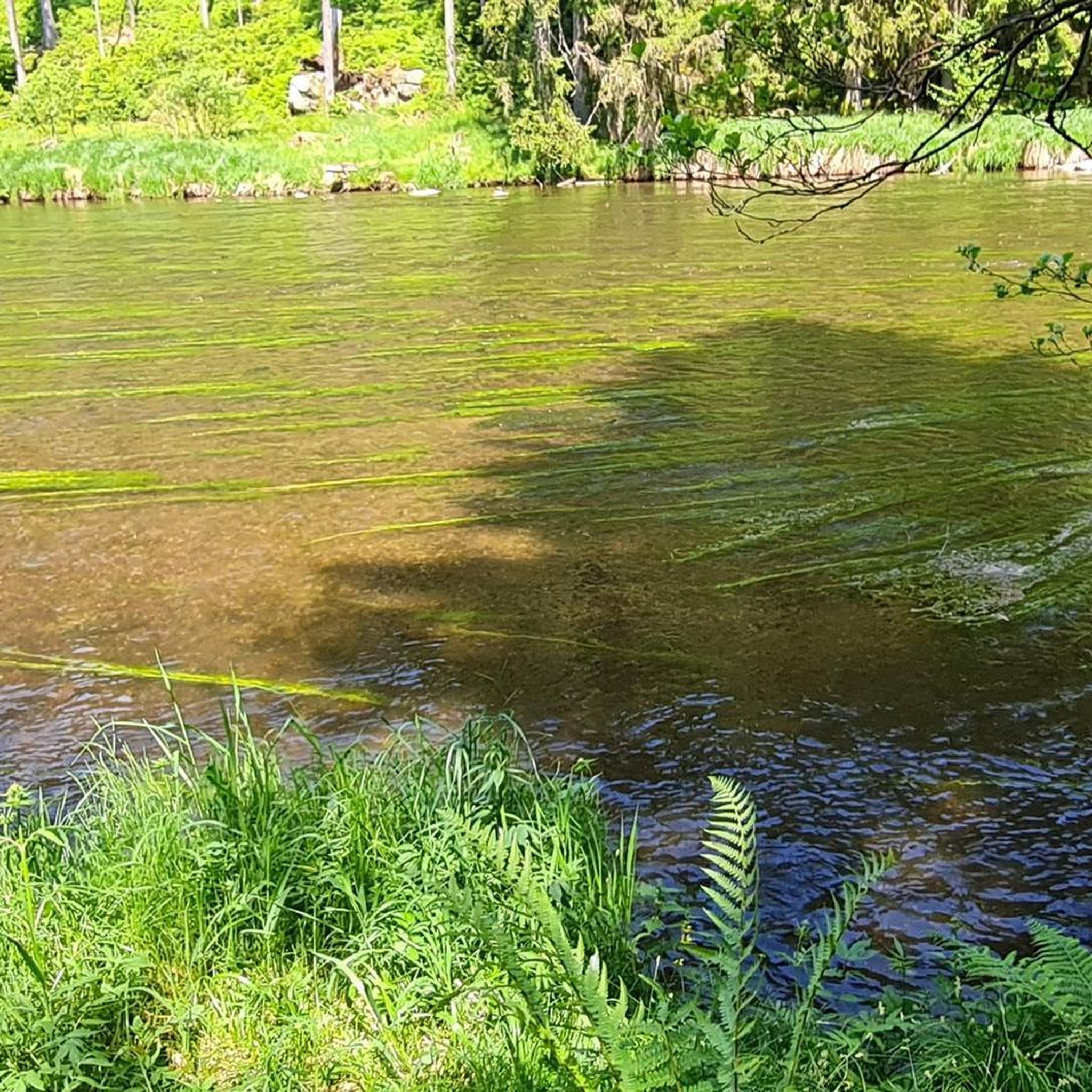
Gola do Salto is one of the most impressive waterfalls on the Paiva River — a narrow gorge where the river roars with force. It is located next to the Espiunca bridge, where a suspended viewpoint offers you a privileged view and a natural concert with the sound of the waters echoing beneath your feet. The walkway that follows this landscape makes the route comfortable and accessible, even on naturally rocky and uneven terrain.
1
0


Balcony over the river where kayak tours are also organized.
3
0

If you cross the bridge at Alvarenga and then take the wooden walkway along the Rio Paiva to Espiunca, you should remember that you will need a taxi from there back to the starting point. A later return via the Arouca bridge is not possible. However, if you just want to walk across the bridge and back, this is no problem with your ticket booking (online). The Alvarenga side is recommended for people who want to avoid the many wooden steps and just want the pure bridge experience.
9
3

After the forest fires on September 24, only the bridge is still open. Hopefully the repairs will go quickly.
5
0

Beautiful "wooden path" with impressive views. There are lots of stairs to climb up and down, especially the way back has to be taken into account, or halfway there at 2.5km (from the entrance) you can order a taxi from the nice guy. The suspension bridge is impressive... all in all a great experience with swimming opportunities to cool off... we were there at 39*. Part of the path is shaded.
4
0
Frequently Asked Questions
What natural attractions and hiking opportunities are there around São Pedro do Sul?
The region is enveloped by the majestic
Serra da Arada, Gralheira, and São Macário mountains, offering breathtaking landscapes for hikers. You can explore the Route of Water and Stone, which unveils the secrets of the 'Magic Mountains'. For a unique experience, the Ecopista do Vouga, an old railway line, has been transformed into a scenic cycling and walking path along the Vouga River.
What historical and cultural sites can I visit in São Pedro do Sul?
São Pedro do Sul boasts a rich history, particularly known for its thermal waters. You can visit the extensive ruins of the Roman baths (1st century AD), now a National Monument. Other notable sites include the elegant 18th-century
Palácio de Reiriz
, the robust 16th-centurySolar da Lapa
, theMother Church
, and theConvent of St. Kitts of Lafões
, an architectural testimony with a history of kings and queens. TheRoman Spa
has also been re-qualified as a cultural and museum center.Is São Pedro do Sul known for its thermal waters?
Yes, São Pedro do Sul is renowned for its millennial thermal waters, with a history dating back to the 1st century. Visitors can experience rejuvenation at the
Balneário Dom Afonso Henriques
and theBalneário Rainha Dona Amélia
. The therapeutic properties of these waters have been appreciated for centuries, as evidenced by the ancient Roman baths.Are there family-friendly activities or attractions in the São Pedro do Sul area?
Families can enjoy the
Urban Park of Nogueiras
for a serene riverside experience. For more adventure, theCarvalhais Biopark
offers thrilling activities like tree climbing, slides, and paintball amidst the grandeur of Serra da Arada. The Ecopista do Vouga is also suitable for family walks or bike rides.What outdoor activities can I do near São Pedro do Sul?
Beyond hiking, the region offers a variety of outdoor activities. You can explore numerous cycling routes, including those for touring bicycles, mountain biking, and road cycling. The crystal-clear rivers and natural pools provide opportunities for wild swimming, especially at spots like
Poço da Ponte Teixeira
andPoço Azul
.Where can I find the best viewpoints in the region?
The
Serra de São Macário
is an excellent place to find unparalleled views, with various trails leading to scenic viewpoints. The Gola do Salto (Rio Paiva) also offers a balcony over the river with impressive vistas, reminiscent of the Alps.Are there any charming villages to explore near São Pedro do Sul?
Yes, the region is home to several characteristic villages that offer insight into the local way of life and rich cultural heritage. These include
Manhouce
,Fujaco
,Covas do Monte
,Covas do Rio
, andPena
within Serra da Arada. Additionally,Aldeia do Candal
is an enchanting schist village nestled in the forests of Serra da Arada.Can I find natural swimming spots or waterfalls around São Pedro do Sul?
Absolutely. The region is known for having some of Europe's least polluted rivers, featuring cascading waterfalls and inviting natural pools. Notable examples within the municipality include
Poço da Ponte Teixeira
, theWaterfalls of the Teixeira River
,Poço Azul
, andPoços de Manhouce
, which are ideal for cooling off.What should I know about visiting the Paiva Walkways and 516 Arouca Suspension Bridge?
The Paiva Walkways and 516 Arouca Suspension Bridge are a major attraction. The suspension bridge is 516 meters long, crossing the Paiva River gorge at 175 meters height. The Paiva Walkways offer an 8 km route with a large boardwalk and panoramic views, including many stairs. It's highly recommended to book your time slot online in advance for both the bridge and the walkways. The access from Alvarenga is often less crowded if you primarily want the bridge experience.
What do visitors enjoy most about the attractions around São Pedro do Sul?
Visitors frequently praise the impressive views and the unique experience of walking along the Paiva Walkways and crossing the 516 Arouca Suspension Bridge. The natural beauty of the rivers, gorges, and mountains, along with opportunities for swimming and hiking, are also highly appreciated. The historical significance of the thermal baths and charming villages adds to the overall appeal.
What is the best time to visit São Pedro do Sul for outdoor activities?
The region's climate is generally pleasant for outdoor activities, but spring and autumn offer milder temperatures, making them ideal for hiking and cycling. Summer can be warm, perfect for enjoying the natural pools and rivers for swimming. If you plan to visit the Serra do São Macário, a pilgrimage to the top can be made in July.
Most popular routes around São Pedro Do Sul
Most popular attractions around São Pedro Do Sul

Get inspired with the komoot mobile app


Explore more
Still not found the Highlight you’re looking for? See guides of the top attractions in other regions:
