Attractions and Places To See around Vila Nova De Foz Coa - Top 20
Best attractions and places to see around Vila Nova De Foz Coa include a rich array of historical, cultural, and natural sites. This region in inland Portugal is recognized for its two UNESCO World Heritage Sites: the Côa Valley Archaeological Park and the Alto Douro Wine Region. The landscape is characterized by the confluence of the Côa and Douro rivers, offering scenic views and a deep connection to ancient history. Visitors can explore prehistoric rock art, historic villages, and expansive…
Last updated: May 10, 2026
Côa Museum
Highlight • Historical Site
Translated by Google •
Tip by

Ponte Almirante Sarmento Rodrigues
Highlight • Bridge
Translated by Google •
Tip by
Sign up now to discover places like this
Get recommendations on the best single tracks, peaks, & plenty of other exciting outdoor places.
Sign up for free
Barca d'Alva
Highlight • Settlement
Translated by Google •
Tip by
Monument to Agostinho da Silva in Barca d’Alva
Highlight • Monument
Translated by Google •
Tip by
Camino de Hierro
Highlight • Trail
Translated by Google •
Tip by
Sign up for free to discover even more attractions around Vila Nova De Foz Coa.
Sign up for free
Already have an account?
Start today with a free account
Your next adventure awaits.
Login or Signup
Tips from the Community

The bridge was designed and built in 1955 by the renowned Portuguese engineer Edgar Cardoso. It is considered the first motorway bridge in the Portuguese section of the Douro River and is a concrete arch bridge with a length of approximately 300 meters. It is named after the Portuguese naval officer and colonial administrator Almirante Manuel Maria Sarmento Rodrigues, who served as governor of Guinea and Mozambique under the Salazar dictatorship and later became Minister of Colonies.
1
0

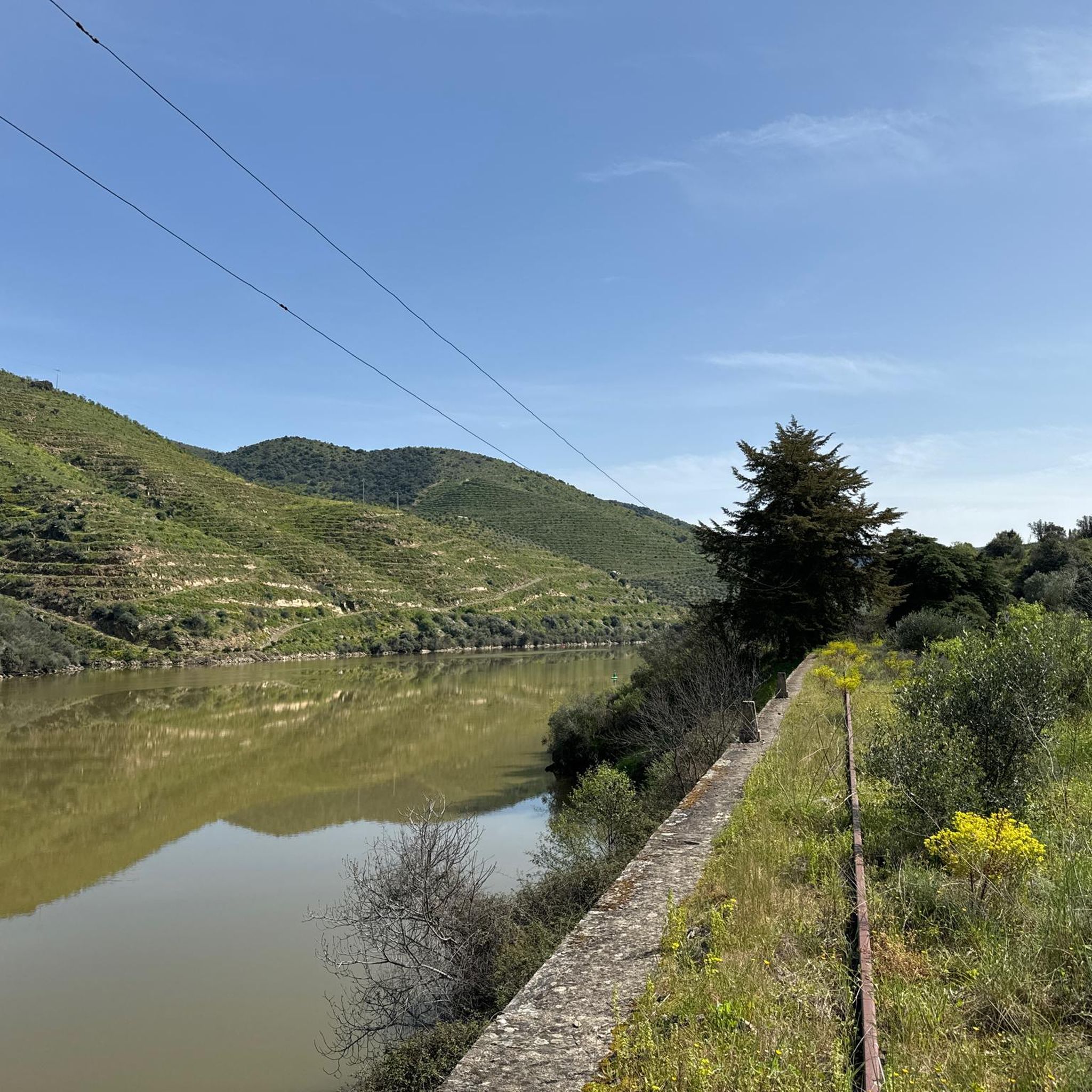
Camino de Hierro is a 17-kilometer-long pedestrian path that runs along a section of a closed-to-traffic, renovated railway line. It combines the grandeur of the most representative civil engineering (tunnels and viaducts) of the 19th century with spectacular natural beauty.
10
1
From a distance, the building resembles a large outcrop emerging from the ground, and its facade is composed of mineral pigments in concrete, mimicking the natural irregularities of the region's metamorphic rocks. The Côa Museum does not replace a visit to the rock art sites in the Côa Valley Archaeological Park, but it is a gateway that allows visitors to discover the artistic richness of the Côa and Douro valleys. Furthermore, the museum houses the largest library in Portugal dedicated to rock art. 😊
12
0
The bridge is notable for its six curvilinear polygonal arches, with a total length of 232 metres. In 1973, it was named after Admiral Sarmento Rodrigues, a prominent Portuguese politician and military man. The structure is an outstanding example of bridge engineering of the period and remains an important landmark in the region.
9
0
The monument to Professor Agostinho da Silva in Barca d’Alva is a beautiful sculpture created by the sculptor Eugénio Macedo. This monument pays tribute to Agostinho da Silva, a prominent Portuguese philosopher, poet and essayist. The sculpture represents Agostinho da Silva sitting on a bench, in life size, and is located in the open-air amphitheater of the river port of Barca d’Alva. This place allows visitors to sit next to the figure of the philosopher, offering a space for reflection and contemplation of the landscape.
10
0
Barca d’Alva is a charming destination! This small Portuguese village is located on the banks of the Douro River and is known for its stunning landscapes and tranquility.
11
0

The bridge connects Spain and Portugal. Thanks to the EU you can easily walk across it 🙂
1
0
A small town in Portugal right on the border with Spain. You can cross the border on foot. This is where the river cruise ships dock on the Duero.
2
1
Frequently Asked Questions
Where can I see prehistoric rock art in Vila Nova de Foz Coa?
The region is famous for the Côa Valley Archaeological Park, one of the largest open-air Paleolithic art sites globally. To understand this ancient art, start your visit at the Côa Museum, which provides context through multimedia displays and is the starting point for guided tours to the engraving sites like Canada do Inferno, Penascosa, and Ribeira de Piscos.
What historical sites can I explore in the town center of Vila Nova de Foz Coa?
In the historic core of Vila Nova de Foz Coa, you can discover the Manueline-style Igreja Matriz (Mother Church), the Pelourinho (Pillory) symbolizing municipal autonomy, and the Torre do Relogio (Clock Tower). These sites offer a glimpse into the town's ancient past and local life.
Can I visit a castle or historic village in the region?
Yes, you can explore the ruins of the 10th-century Castle of Numão, an important stronghold during the Roman occupation. Additionally, the charming Castelo Melhor Historic Village boasts medieval features, superb views, and an interpretation center dedicated to the region's ancient history.
What is the significance of the Alto Douro Wine Region near Vila Nova de Foz Coa?
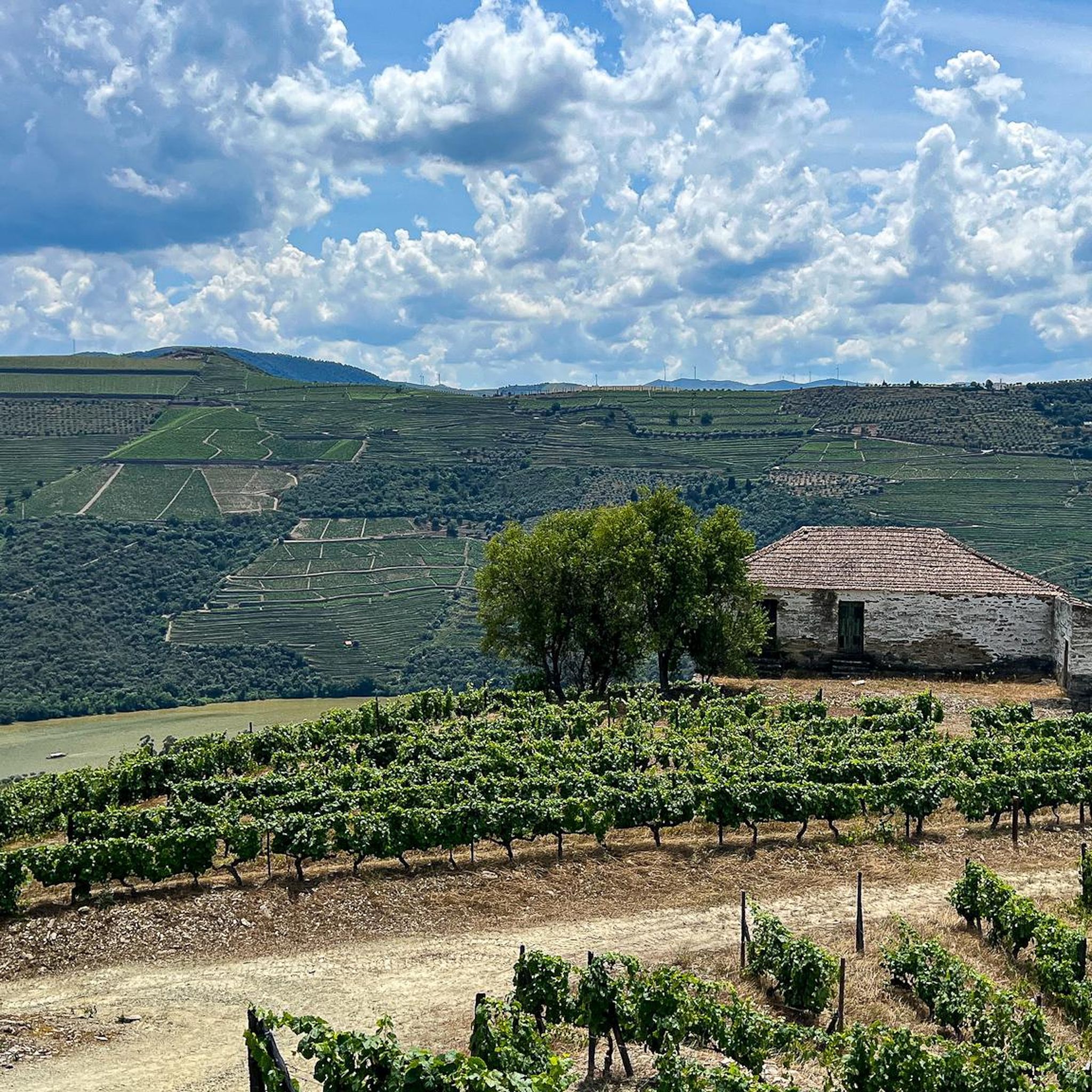
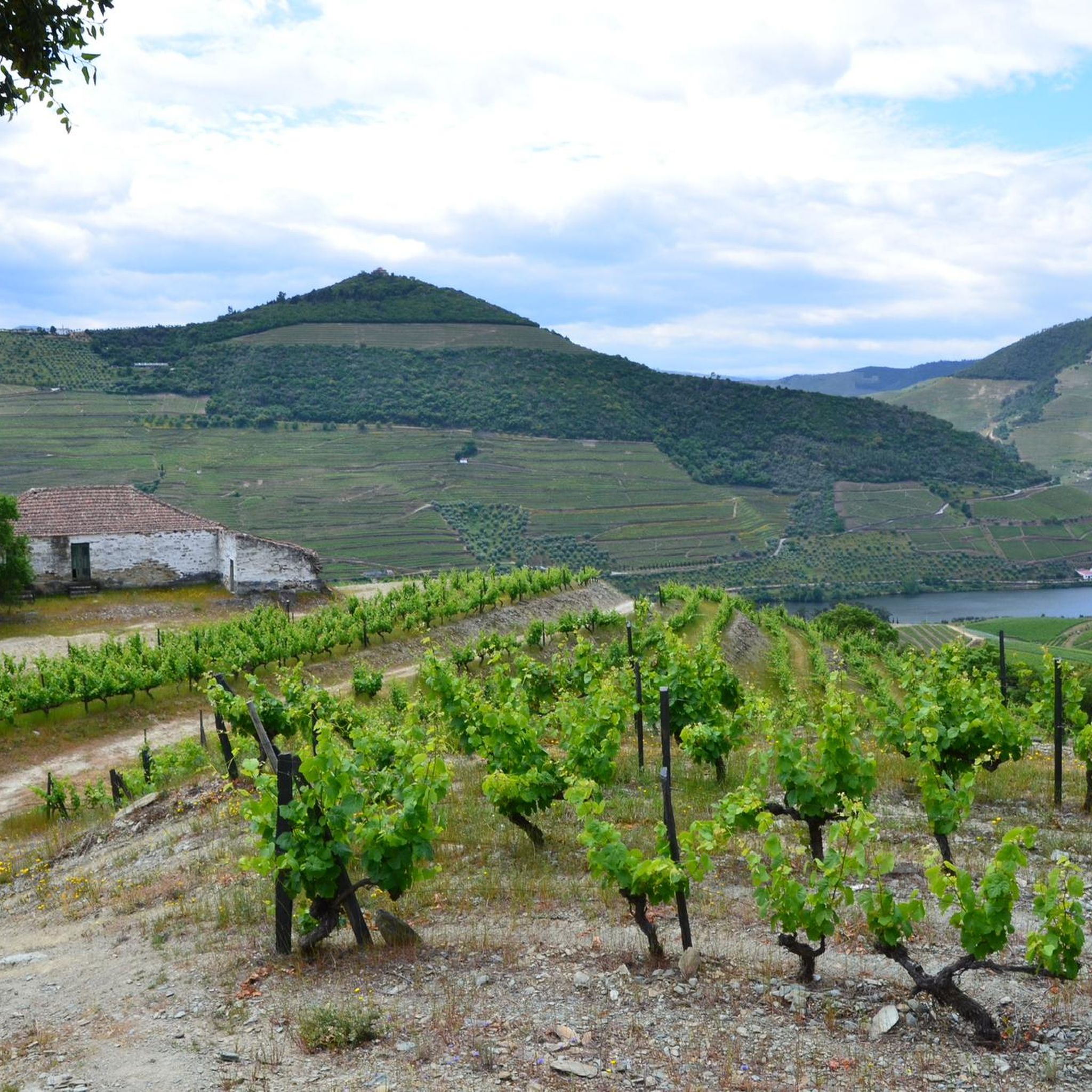
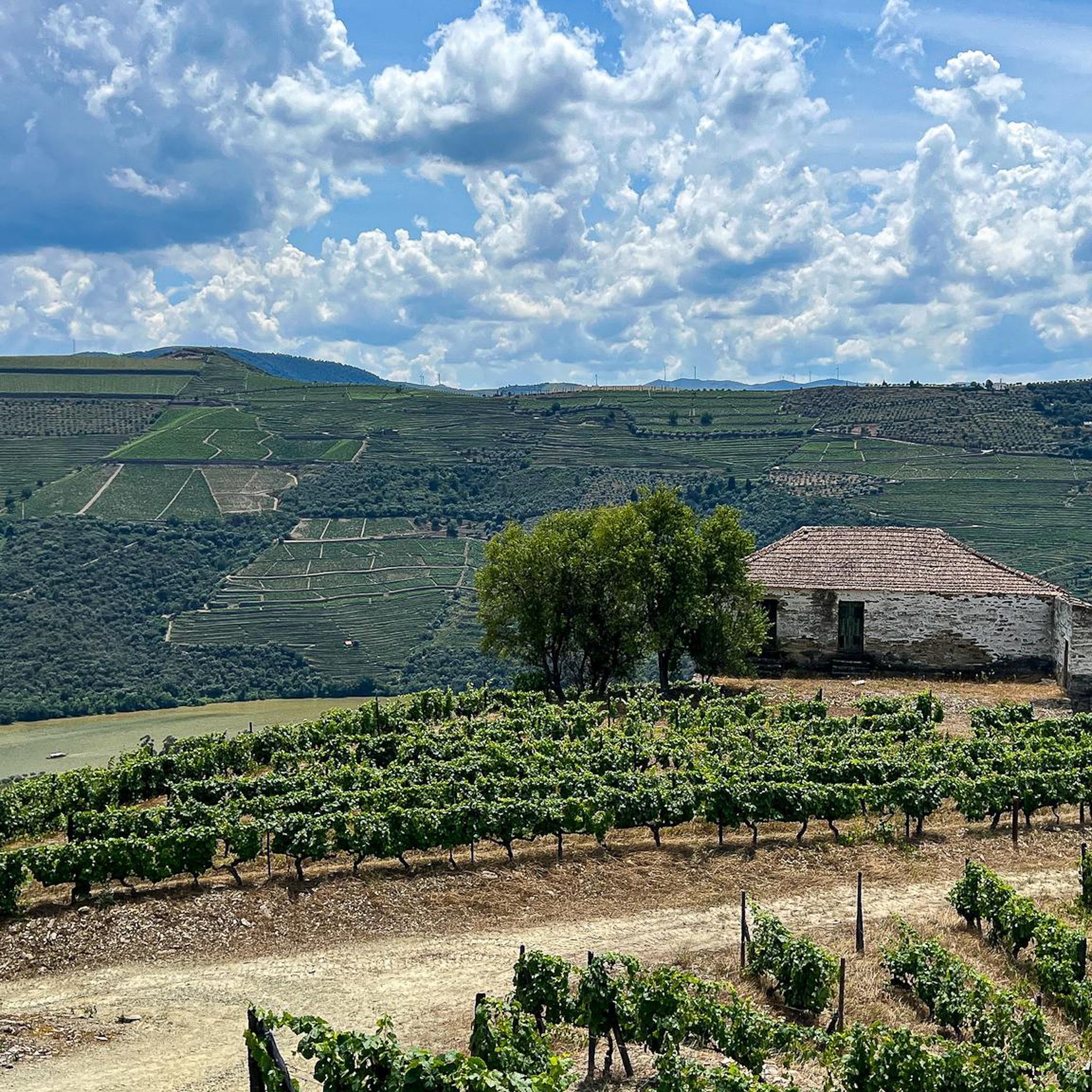
The Alto Douro Wine Region, a UNESCO World Heritage Site, is renowned for its over 2,000-year history of vineyard cultivation and Port wine production. Wine tourism is a popular activity, with opportunities for visits and tastings at quintas like Quinta da Ervamoira or Quinta do Vale Meão.
What are the best viewpoints for panoramic scenery in Vila Nova de Foz Coa?
Vila Nova de Foz Coa offers numerous viewpoints (Miradouros) with breathtaking vistas. Notable spots include the Miradouro do Museu do Côa for iconic river views, Miradouro de Santa Bárbara (Mós) for impressive panoramas over the Douro, and Miradouro do Emílio dos Santos, especially beautiful during almond blossom season.
When is the best time to witness the almond blossoms?
Vila Nova de Foz Coa is known as the 'Capital of the Almond Blossom.' The spectacular sight of almond trees in bloom, painting the fields white and pink, occurs during late February and early March. This period also features a significant annual Almond Blossom Festival.
Are there natural parks or reserves for wildlife viewing?
Yes, the Faia Brava Natural Park/Reserve is the largest private conservation area in Portugal, making it an excellent destination for nature lovers, hiking, and birdwatching.
What outdoor activities are available near the attractions?
The region offers a variety of outdoor activities. You can find numerous hiking routes, such as the 'Côa Museum – Stairway to Douro loop' or the 'Old Douro Railway Bridge loop'. For cycling enthusiasts, there are MTB trails and road cycling routes, including the 'Historic Village of Marialva loop'. You can explore more options in the dedicated guides for hiking, MTB, and road cycling around Vila Nova de Foz Coa.
Are there any unique trails or paths to explore, like old railway lines?
Absolutely. The Camino de Hierro is a 17-kilometer pedestrian path that follows a renovated, closed-to-traffic railway line. It offers a unique blend of 19th-century civil engineering, including tunnels and viaducts, with spectacular natural beauty.
Are there family-friendly attractions in Vila Nova de Foz Coa?
Many attractions are suitable for families. The Côa Museum provides engaging multimedia displays for all ages. The village of Barca d'Alva offers tranquil landscapes and river views. Additionally, the Camino de Hierro trail is an exciting adventure for families, combining history with scenic walks.
Is Vila Nova de Foz Coa accessible for visitors with mobility needs?
Some attractions offer accessibility. The Ponte Almirante Sarmento Rodrigues, a beautiful arched bridge over the Douro, is wheelchair accessible. The Monument to Agostinho da Silva in Barca d’Alva is also designed to be wheelchair accessible, allowing visitors to sit alongside the sculpture.
What do visitors particularly enjoy about the Côa Museum?
Visitors appreciate the Côa Museum as a gateway to understanding the prehistoric art of the Côa Valley. Its contemporary architecture, designed to blend with the landscape, is often highlighted. The museum provides excellent insight with replicas and screens, and it houses the largest library in Portugal dedicated to rock art.
Can I take a scenic river cruise in the region?
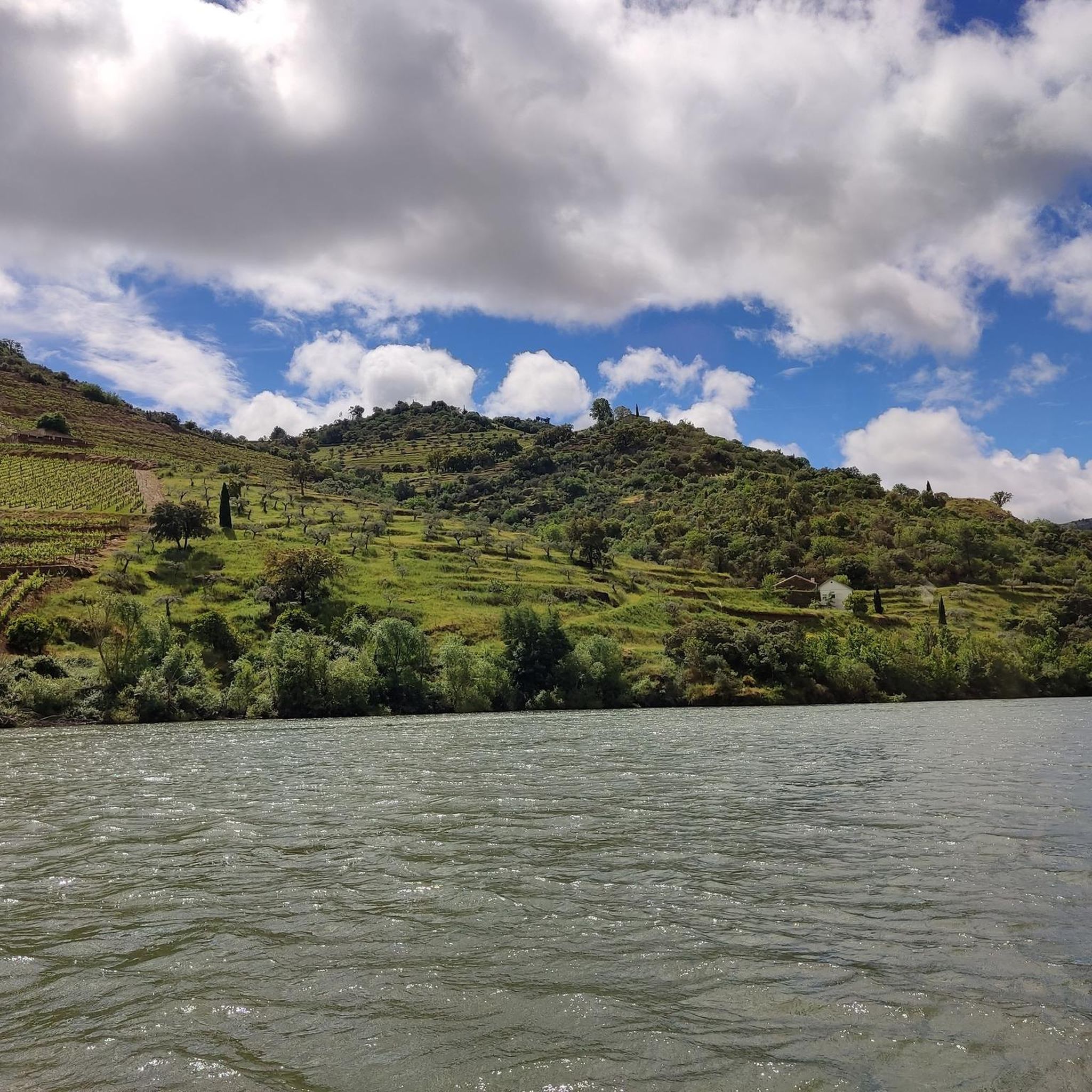
Yes, river cruises on the Douro River are a popular way to experience the breathtaking views of the Alto Douro Wine Region. While Pocinho is a quiet village, its train station and the Pocinho Dam are points of interest, and river cruise ships often dock at Barca d'Alva.
Most popular attractions around Vila Nova De Foz Coa

Get inspired with the komoot mobile app


Explore more
Still not found the Highlight you’re looking for? See guides of the top attractions in other regions:
