The best walks and hikes around Barcelos
4.3
(432)
3,049
hikers
16
hikes
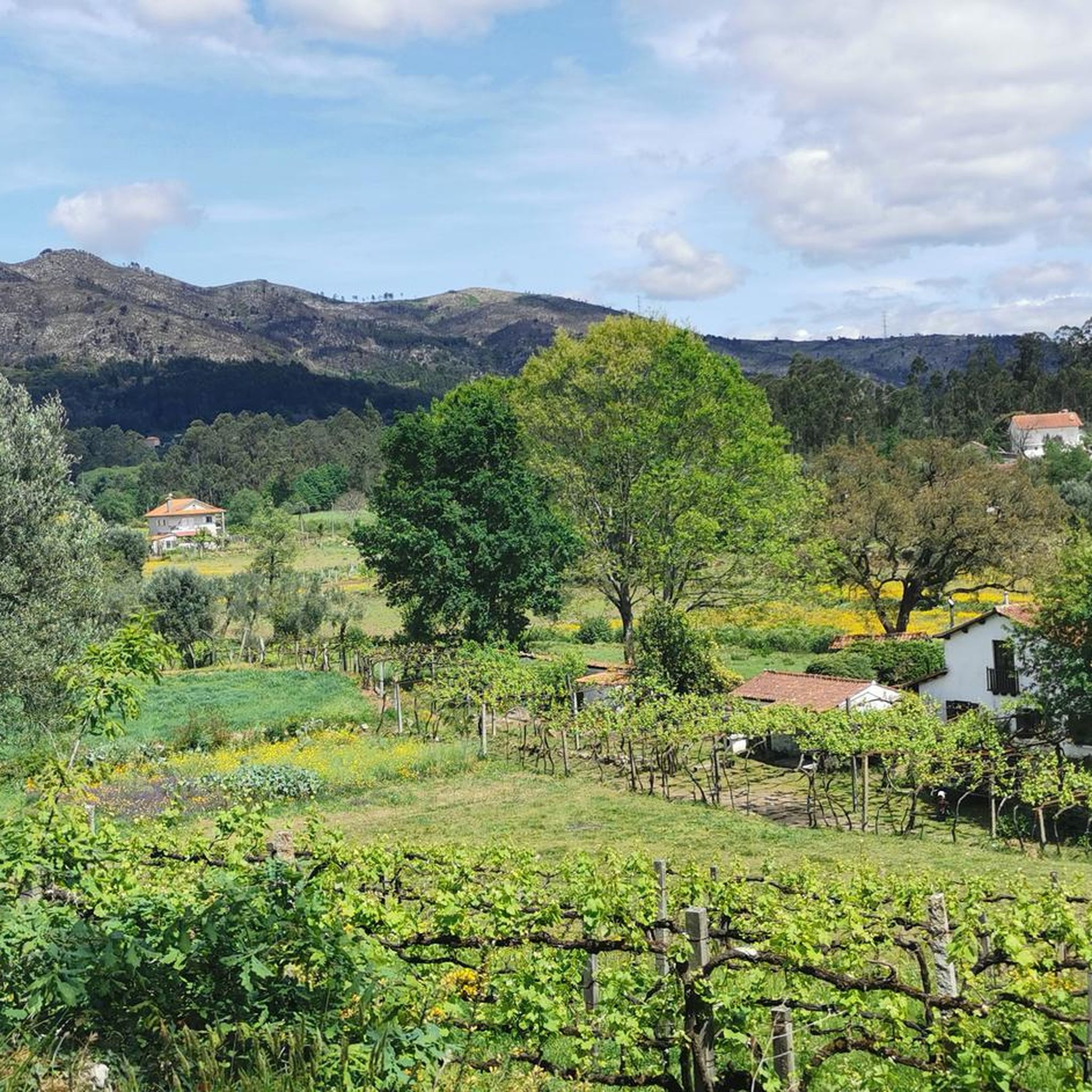
Hiking around Barcelos offers a diverse landscape in northern Portugal, characterized by rolling hills, vineyards, and the scenic Cávado River. The region features a mix of tranquil riverbanks, forested areas, and open countryside. Trails often weave through traditional villages, providing varied terrain for outdoor exploration.
Best hiking trails around Barcelos
- The most popular hiking route is Barcelos Medieval Bridge – Barcelos Rooster statue loop from Barcelos, a 2.7 miles (4.3 km) trail that takes 1 hour 10 minutes to complete. This easy route explores the historic town center and its landmarks.
- Another top favourite among local hikers is Fonte Verde – Detour halfway to Facho loop from Oliveira, a moderate 6.7 miles (10.8 km) path. This trail features varied terrain, including forested sections and open views.
- Local hikers also love the Old Mill with Pond – Ponte das Tábuas de Balugães loop from Balugães, a 6.1 miles (9.8 km) trail leading through rural landscapes and past water features, often completed in about 2 hours 52 minutes.
- Hiking around Barcelos is defined by the Cávado River banks, rolling hills, and vineyards. The network offers options for different ability levels, from easy strolls to moderate treks.
- The routes in Barcelos are highly rated by the komoot community with an average score of 4.3 stars from more than 300 reviews. More than 2,800 hikers have used komoot to explore Barcelos's varied terrain.
Last updated: June 26, 2026
4.7
(7)
20
hikers
Easy hike. Great for any fitness level. Easily-accessible paths. Suitable for all skill levels.
4.6
(5)
16
hikers
10.8km
03:14
340m
350m
Moderate hike. Good fitness required. Easily-accessible paths. Suitable for all skill levels.

Sign up for free
3.0
(1)
7
hikers
9.82km
02:52
260m
250m
Moderate hike. Good fitness required. Easily-accessible paths. Suitable for all skill levels.
4.2
(5)
10
hikers
Moderate hike. Good fitness required. Easily-accessible paths. Suitable for all skill levels.
3.0
(2)
6
hikers
14.2km
03:56
260m
260m
Moderate hike. Good fitness required. Easily-accessible paths. Suitable for all skill levels.
Get access to more routes and recommendations from other explorers.
Sign up for free
Already have an account?
Our route recommendations are based on thousands of hikes, rides, and runs completed by other people on komoot.
Start today with a free account
Your next adventure awaits.
Login or Signup



Tips from the Community

The church is open for visitation and prayer most days, with specific times for Masses. Opening Hours: Monday to Sunday: 10:00–12:00 and 15:00–19:30. Mass Times (subject to change, please check the official website): Tuesday: 7:00 PM. Thursday: 7:00 PM. Saturday: 5:30 PM. Sunday: 11:00 AM.
1
0
The church was built in the 14th century in a transitional style between Romanesque and Gothic, on the foundations of an earlier 11th-century church. Main Features: Style: Transitional Gothic and Romanesque, with Renaissance and Baroque additions throughout the centuries. Interior: It has three naves, notably featuring 14 blue and white tile panels that cover much of the walls, dating from the 17th and 18th centuries. Notable Elements: The chancel vault is a Manueline work (early 16th century), and the main façade features a Neo-Gothic rose window, the result of a 20th-century restoration. Heritage: The church houses notable altarpieces and funerary monuments of important families, such as the Pinheiro family. The Parish Church of Santa Maria de Barcelos is a point of historical and architectural interest for tourists and pilgrims traveling the Camino de Santiago.
1
0
The Parish Church of Santa Maria de Barcelos, also known as the Collegiate Church, is the main religious temple in the city of Barcelos and a National Monument of Portugal.
1
0

The Ponte das Tábuas de Balugães (Bridge of the Tábuas of Balugães) is a discreet jewel on the Portuguese Way to Santiago. It spans the serene Neiva River with an elegant trestle arch and boasts a wealth of history: it was mentioned in documents dating back to 1135, likely still made of wood, as the name suggests. The current stone structure is believed to have emerged around the 16th century. Nearby, a small river beach welcomes locals and travelers from around the world, all with the same goal: to dive in, cool off, and let themselves be carried away by the calm rhythm of the Neiva River's waters.
2
0
The Barcelos Bridge is more than just an entrance to the city. It's a gateway to its legends, like that of the rooster. Over the Cávado River, this Gothic stone bridge, commissioned by Count Pedro between 1325 and 1330, connects Barcelos to Barcelinhos and has been classified as a National Monument since 1910. And if the heat gets too much, right next door awaits a river beach perfect for a refreshing dip.
3
0

An interesting climb with several alternative paths, dirt or paved.
0
0

Beautiful view from the ruins of the castle
9
2
Nice city from 1140 with approximately 120,000 inhabitants. The symbol of the rooster from the legend of the man wrongly sentenced to the gallows is not a symbol of the city but also a symbol of Portugal.
9
1
Frequently Asked Questions
What kind of terrain can I expect on hiking trails around Barcelos?
Hiking trails around Barcelos offer a diverse landscape. You'll find tranquil walks along the banks of the Cávado River, rolling hills dotted with vineyards, and paths weaving through forests and traditional villages. For more challenging terrain, Monte de S. Felix provides steeper ascents and rocky outcrops.
Are there any easy hiking trails suitable for beginners or families in Barcelos?
Yes, Barcelos offers several easy trails. A great option is the Barcelos Medieval Bridge – Barcelos Rooster statue loop from Barcelos, an easy 4.3 km route that takes about an hour to complete and explores the historic town center. The Cávado River banks also provide tranquil, leisurely walks suitable for all skill levels.
Can I find trails with waterfalls near Barcelos?
Yes, for those seeking waterfalls, the Idyllic Small Waterfalls – Square After Steep Climb loop from Vilar do Monte is a moderate 8.2 km route that features beautiful water features. Additionally, the nearby Peneda-Gerês National Park, a short drive from Barcelos, is renowned for its cascading waterfalls.
Are there any circular hiking routes in Barcelos?
Many trails in Barcelos are designed as loops. Popular circular routes include the Barcelos Medieval Bridge – Barcelos Rooster statue loop from Barcelos, the Fonte Verde – Detour halfway to Facho loop from Oliveira, and the Old Mill with Pond – Ponte das Tábuas de Balugães loop from Balugães.
What historical landmarks or points of interest can I see while hiking in Barcelos?
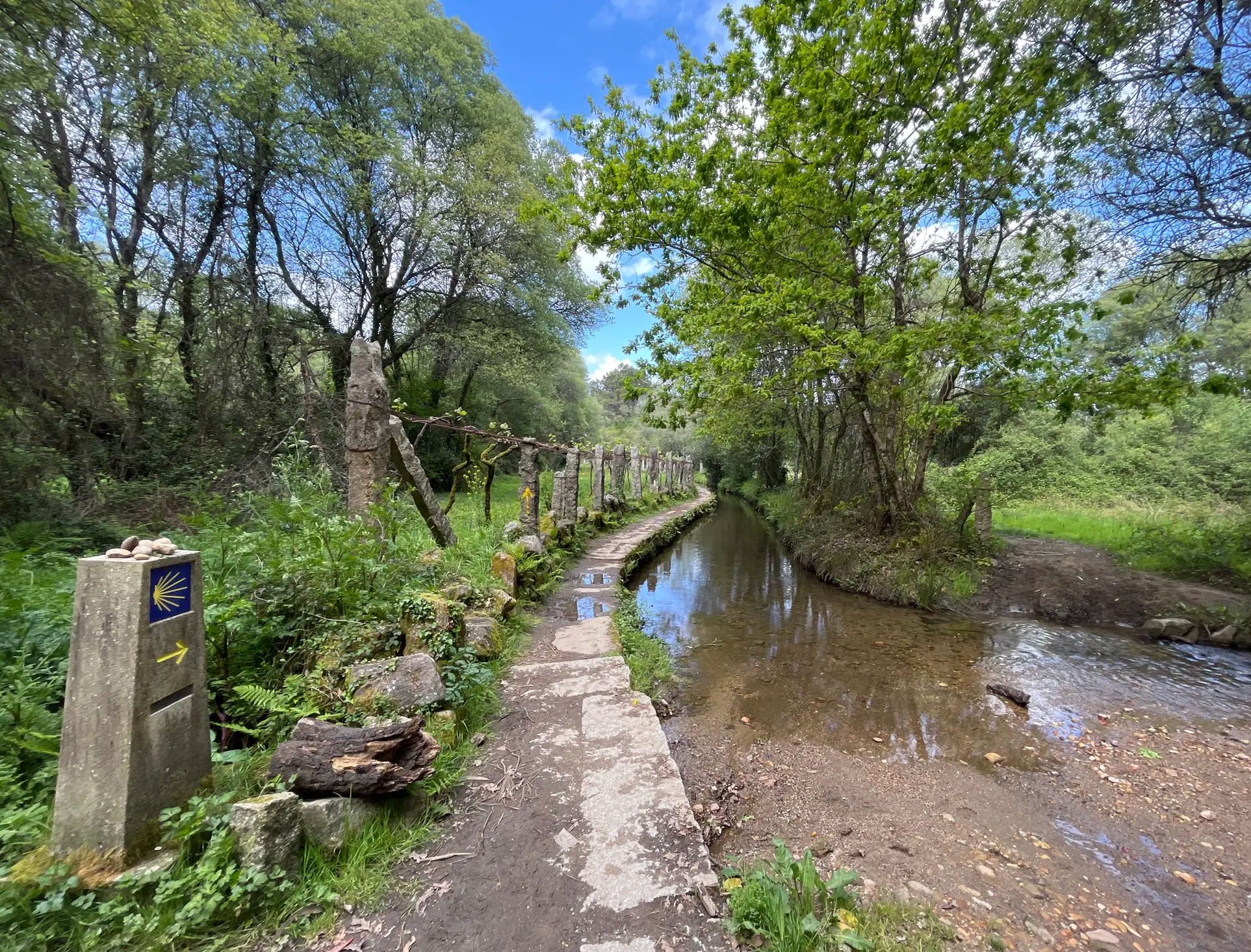
Barcelos is rich in history. You can hike past the 14th-century Medieval Bridge of Barcelos and the ruins of the 15th-century Barcelos Palace, both offering impressive views over the Cávado River. The city is also a significant point on the Portuguese Camino de Santiago, with visible markers throughout the town. For more historical exploration, consider visiting the Stone Bridge over the Neiva River or the Apúlia Church.
What do other hikers say about the trails in Barcelos?
The hiking routes in Barcelos are highly regarded by the komoot community, with an average rating of 4.3 stars from over 380 reviews. Hikers often praise the varied terrain, from tranquil riverbanks to scenic vineyards, and the opportunity to experience local culture by passing through traditional villages.
Are there any trails that offer great viewpoints or panoramic vistas?
Yes, several areas provide excellent views. The rolling hills around Barcelos offer panoramic vistas, especially those dotted with vineyards. For expansive views overlooking the entire region, consider hiking up Monte de S. Felix. The Templo do Bom Jesus da Cruz, perched on a hill, also offers sweeping views of Barcelos and the surrounding countryside.
What natural features are prominent on hikes around Barcelos?
The Cávado River is a central natural feature, providing lush, green environments for walks. You'll also encounter extensive vineyards, forests, and the distinctive rocky outcrops of Monte de S. Felix. Nearby, the Rio Neiva Estuary is another significant natural highlight. For coastal natural beauty, consider visiting Ofir Beach or Belinho Beach.
Is Barcelos a good destination for family-friendly outdoor activities?
Barcelos is an excellent destination for families. The region offers many easy trails and green spaces like Parque da Cidade and the Old Garden of Barcelos, perfect for leisurely strolls and picnics. The tranquil Cávado River banks are also suitable for all ages. For more ideas, you can explore family travel information on visitbarcelos.com.
What is the best time of year to go hiking in Barcelos?
Barcelos offers pleasant hiking conditions for much of the year. Spring and autumn generally provide the most comfortable temperatures for hiking, with lush landscapes in spring and vibrant colors in autumn. Summer can be warm, but riverbank trails offer cooler options. Winter hiking is also possible, with milder temperatures compared to many other regions.
Are there any trails that lead to beaches or coastal areas near Barcelos?
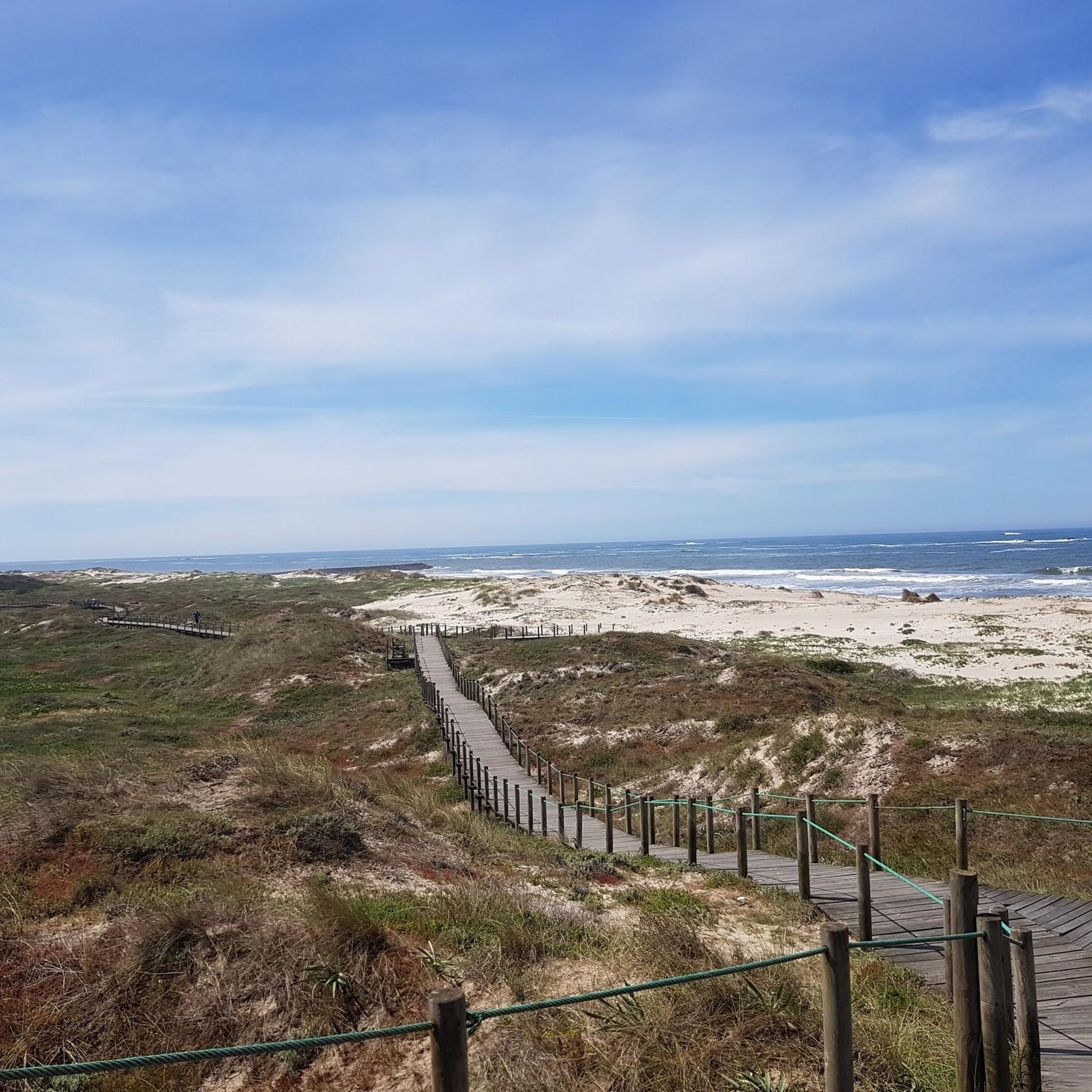
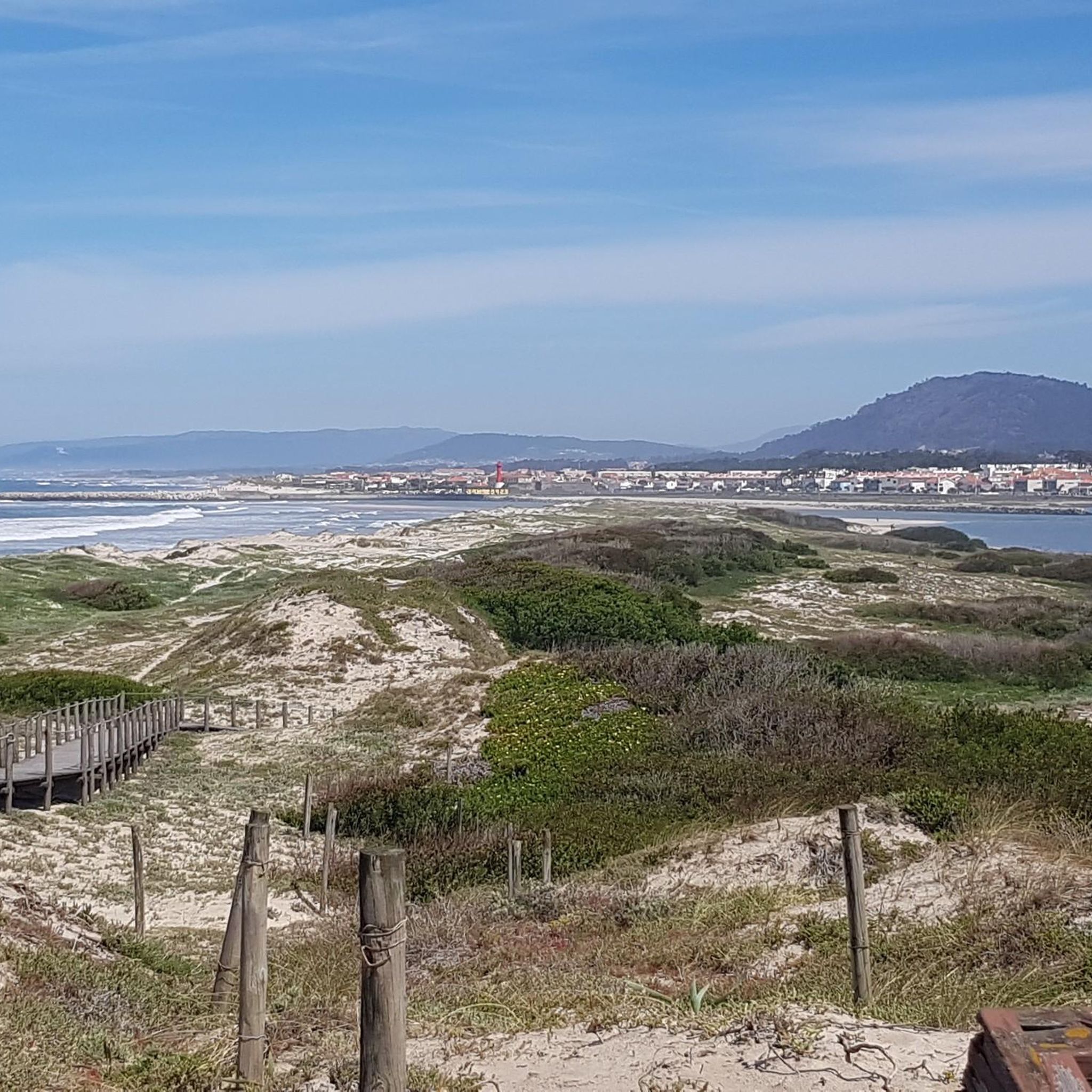
While Barcelos itself is inland, the coast is a short drive away. You can find coastal walks and beaches nearby, such as the Wooden Boardwalk Along the Atlantic Coast, Ofir Beach, and Belinho Beach, which offer different hiking experiences with sea views.
How many hiking routes are available in Barcelos?
There are over a dozen dedicated hiking routes available in Barcelos, catering to various skill levels. These include 7 easy trails and 9 moderate trails, ensuring options for both casual walkers and more experienced hikers.
Most popular attractions around Barcelos

Get inspired with the komoot mobile app


Explore more
Browse the best Hikes in other regions.
