Attractions and Places To See around Vale de Cambra - Top 20
Best attractions and places to see around Vale de Cambra, located in the Aveiro district of northern Portugal, offer a blend of natural beauty, historical landmarks, and cultural experiences. The region features extensive urban parks, significant dams, and various waterfalls, providing opportunities for outdoor activities. Historical structures, cultural centers, and ancient villages also contribute to the area's appeal, showcasing its heritage and local life.
Best attractions and places to see around Vale de Cambra
- The most popular attractions is Cabreia Waterfall, a waterfall formed by the Mau River with an impressive height of 25 meters. Its natural pool is suitable for swimming on warm days.
- Another must-see spot is Paradela Station, a historical site and support hub for the Linha do Vouga eco-trail. It offers changing rooms, bicycle rental, an environmental interpretation center, and a restaurant.
- Visitors also love Arouca Town Center, a historical settlement featuring the Arouca Monastery and picturesque streets. The local gastronomy and proximity to the Arouca Geopark are additional points of interest.
- Vale de Cambra is known for its natural monuments, historical sites, and facilities supporting outdoor activities. Visitors can explore waterfalls, ancient villages, and cultural centers, offering a variety of experiences.
- The attractions around Vale de Cambra are appreciated by the komoot community, with more than 45 upvotes and 16 photos shared across 7 highlights.
Last updated: July 16, 2026
Paradela Station
Highlight • Rest Area
Translated by Google •
Tip by

Cabreia Waterfall
Highlight • Waterfall
Translated by Google •
Tip by

Sign up now to discover places like this
Get recommendations on the best single tracks, peaks, & plenty of other exciting outdoor places.
Sign up for free
Igreja Matriz de Oliveira de Azeméis
Highlight • Religious Site
Translated by Google •
Tip by

Museum of Sacred Art of the Monastery of Arouca
Highlight • Religious Site
Translated by Google •
Tip by

Pinheiro da Bemposta
Highlight • Settlement
Translated by Google •
Tip by
Sign up for free to discover even more attractions around Vale de Cambra.
Sign up for free
Already have an account?
Start today with a free account
Your next adventure awaits.
Login or Signup

Tips from the Community

Very beautiful place. To rest a little.
1
0

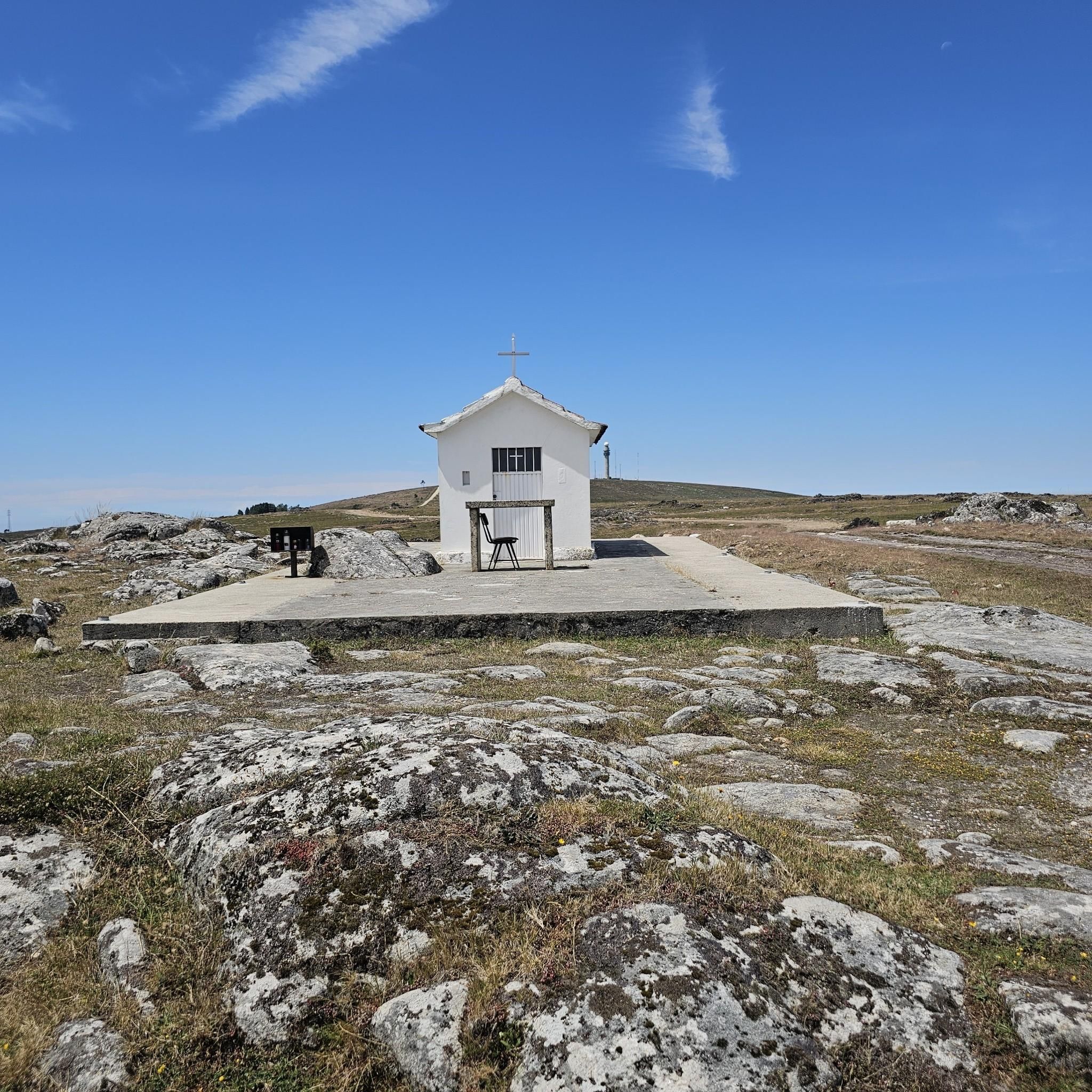
mentioned chapel on route 2.1 is just a left over piece of wall
0
0


It is a very varied, lonely tour through beautiful nature and adjacent small residential areas.
4
0

In this park is the magnificent Cascada da Cabreia, one of the most beautiful waterfalls in Portugal. The waterfall, formed by the waters of the Mau River, has an impressive height of 25 meters and its natural pool is a true delight. On hot days, no one can resist taking a dip in the delicious lagoon that forms at its base. In addition, the environment is surrounded by a lush forest crossed by the crystalline waters of the Mau River, which invites quiet walks and unique moments of contemplation.
4
0

The Arouca Monastery was an important Cistercian monastery in Arouca in the north of Portugal. The buildings and art treasures bear witness to its great period in the 17th and 18th centuries. The former convent buildings now house a museum of sacred art. The church, which is dedicated to the Virgin Mary, is visited by pilgrims in particular as the place of work and burial of the Blessed Mafalda of Portugal. The building complex has been listed as a National Monument since 1910.
5
1

Tired ? Have a nice fresh drink on an old train station that has been recovered and converted.
2
0

The Oliveira de Azeméis Parish Church, dating from the beginning of the 18th century, displays late-Mannerist architecture, with a longitudinal plan and two bell towers. It stands out for its austere exterior, with artistic tiles and a sculpture of Saint Michael fighting evil. Its interior is marked by a single nave, gilded altarpieces and a screen representing the Resurrection of Marques de Oliveira.
1
0
Frequently Asked Questions
What natural attractions can I explore around Vale de Cambra?
The region offers diverse natural beauty. You can visit the impressive Cabreia Waterfall, formed by the Mau River, which has a 25-meter drop and a natural pool suitable for swimming. Other notable natural features include the extensive Parque da Cidade Dr. Eduardo Coelho, Barragem Engenheiro Pacheco with its 24-meter-high waterfall, and the scenic Levada de Santa Cruz leading to Poço do Pisão. The Serra da Freita mountain range also provides numerous scenic hiking routes.
Are there historical or cultural sites to visit near Vale de Cambra?
Yes, the area is rich in history and culture. Explore the historical settlement of Arouca Town Center, home to the Arouca Monastery and charming streets. You can also visit the Museum of Sacred Art of the Monastery of Arouca, housed in the former convent buildings. The Igreja Matriz de Oliveira de Azeméis showcases late-Mannerist architecture. Don't miss the ancient village of Trebilhadouro, now dedicated to rural tourism, or the historical Paradela Station, which has been transformed into a support hub for the Linha do Vouga eco-trail.
What outdoor activities are available near Vale de Cambra?
Beyond visiting attractions, you can enjoy various outdoor activities. There are numerous hiking trails, such as those in the Serra da Freita, and dedicated routes for mountain biking and running. For detailed routes, you can explore the Hiking around Vale de Cambra guide, the MTB Trails around Vale de Cambra guide, and the Running Trails around Vale de Cambra guide.
Are there any family-friendly attractions in the Vale de Cambra area?
Many attractions are suitable for families. The Cabreia Waterfall offers a natural pool for swimming and lush surroundings for quiet walks. Parque da Cidade Dr. Eduardo Coelho is an extensive urban park with a cycling path, sports fields, mini-golf, and a skate park. The Paradela Station, now a support hub for an eco-trail, offers bicycle rental and a pleasant stop for families. The Arouca Town Center also provides a charming environment to explore with children.
Where can I find good hiking trails around Vale de Cambra?
The Serra da Freita mountain range is an excellent area for hiking, offering trails through forests, past waterfalls, and to panoramic viewpoints. The Levada de Santa Cruz and Poço do Pisão walk is another popular option. For specific routes and their difficulty levels, consult the Hiking around Vale de Cambra guide, which includes trails like the 'Frecha da Mizarela Waterfall – Frecha da Mizarela Trail loop' and various easy to moderate loops from Refúgio da Freita and Albergaria da Serra.
What is the best time of year to visit Vale de Cambra for outdoor activities?
The region generally enjoys a mild climate. Spring and early autumn are often ideal for outdoor activities, offering pleasant temperatures for hiking and exploring natural sites like waterfalls and parks. Summer can be warm, perfect for swimming in natural pools like the one at Cabreia Waterfall. Winter offers a different charm, with potentially quieter trails, though some sections might be steep or slippery, especially near water features.
Are there any viewpoints or scenic spots in Vale de Cambra?
Yes, the Serra da Freita mountain range is known for its panoramic viewpoints. The ancient village of Trebilhadouro, situated on the outskirts of Vale de Cambra, offers stunning views of nature and, on clear days, even glimpses of the sea and the Ria de Aveiro. Waterfalls like Cabreia and Gresso River also provide picturesque settings.
What kind of historical heritage can I discover in Vale de Cambra?
Vale de Cambra boasts several historical structures, including Ponte de Cavalos, Pelourinho de Macieira de Cambra, Cruzeiro de Roge, and Ponte da Fontinha. The village of São Pedro de Castelões also holds historical significance. These sites offer insights into the region's past and traditional architecture.
Where can I rent bicycles or find support for cycling in the area?
The Paradela Station, transformed into a support hub for the Linha do Vouga eco-trail, offers bicycle rental and repair services. It's a strategic stop for cyclists exploring the region, also providing changing rooms, an environmental interpretation center, a restaurant, and a terrace.
What are some unique cultural experiences in Vale de Cambra?
Beyond historical sites, you can experience local rural life in villages like Aldeia da Felgueira, known for its agricultural terraces, granaries, and handicraft traditions. The CAE Vale de Cambra (Centro de Animação Cultural) hosts various events and performances, contributing to the local cultural scene. Exploring the local gastronomy, especially convent sweets in Arouca Town Center, is also a cultural highlight.
Are there any urban parks or green spaces for relaxation in Vale de Cambra?
Yes, the Parque da Cidade Dr. Eduardo Coelho is a significant urban park in Vale de Cambra. Spanning approximately 24 hectares and encircled by a river, it features a 2.3 km cycling path, sports fields, mini-golf, a skate park, and a cafe, making it an ideal spot for relaxation and recreation.
Most popular attractions around Vale de Cambra

Get inspired with the komoot mobile app


Explore more
Still not found the Highlight you’re looking for? See guides of the top attractions in other regions:
