Attractions and Places To See around Oliveira Do Bairro - Top 20
Attractions and places to see around Oliveira Do Bairro offer a blend of cultural, historical, and natural sites within Portugal's Bairrada region. The landscape features extensive vineyards, eucalyptus forests, and riverside parks, providing diverse natural settings. Historical elements, including archaeological traces of Roman and Celtic presence, complement the region's cultural offerings. Visitors can explore a variety of landmarks, from museums to historical churches and manor houses.
Best attractions and places to see around Oliveira Do Bairro
- The most popular attractions…
Last updated: May 11, 2026
Umbrella Sky Project – Rua Luís de Camões, Águeda
Highlight • Monument
Tip by

Pateira de Espinchel
Highlight • Lake
Translated by Google •
Tip by

Sign up now to discover places like this
Get recommendations on the best single tracks, peaks, & plenty of other exciting outdoor places.
Sign up for free
Bridge Over the Cértima River
Highlight • Bridge
Translated by Google •
Tip by
Pateira de Fermentelos
Highlight • Lake
Translated by Google •
Tip by

Vagos Municipal Library
Highlight • Structure
Translated by Google •
Tip by

Sign up for free to discover even more attractions around Oliveira Do Bairro.
Sign up for free
Already have an account?
Start today with a free account
Your next adventure awaits.
Login or Signup

Tips from the Community

30 km circular tour (1.30h) with spectacular landscapes and fauna!!!
1
0

It all started in 2012, with a simple idea that became an international success. The idea came about as part of a renowned local festival supported by the local authority, AgitÁgueda. Between music, performances and art, an unparalleled installation was created: “the project is called Umbrella Sky and is located mainly on Rua Luís de Camões in Águeda, its main street.
0
0
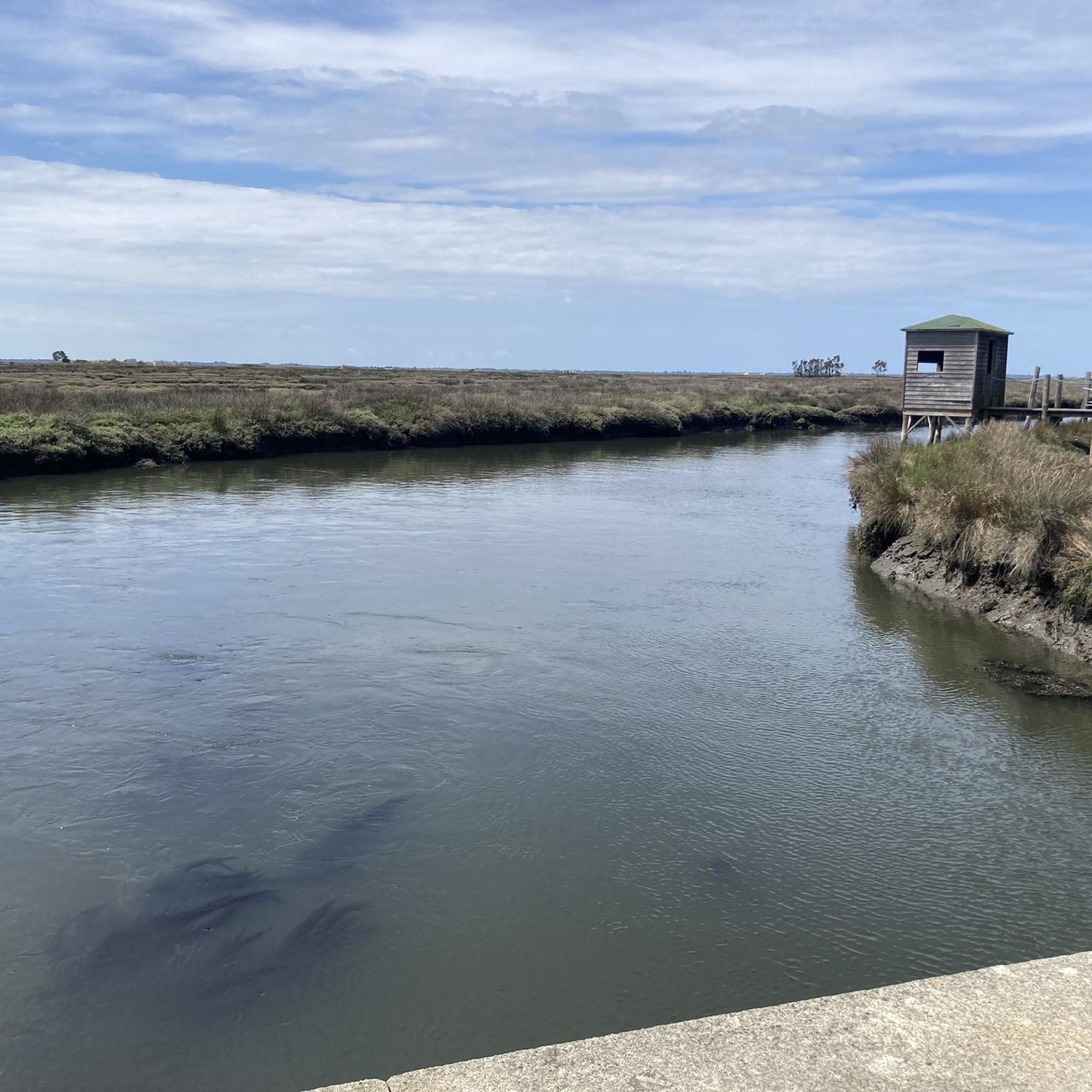
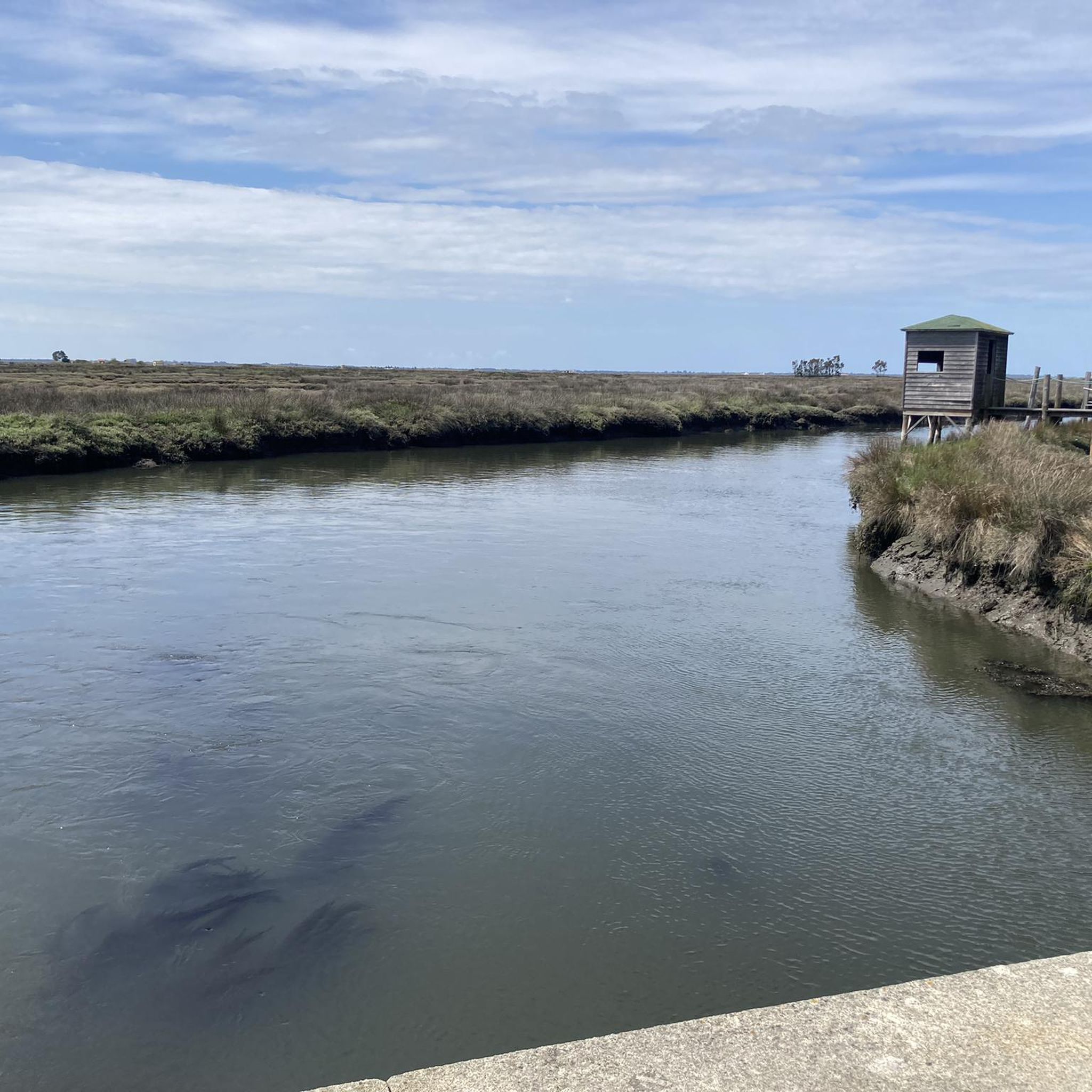
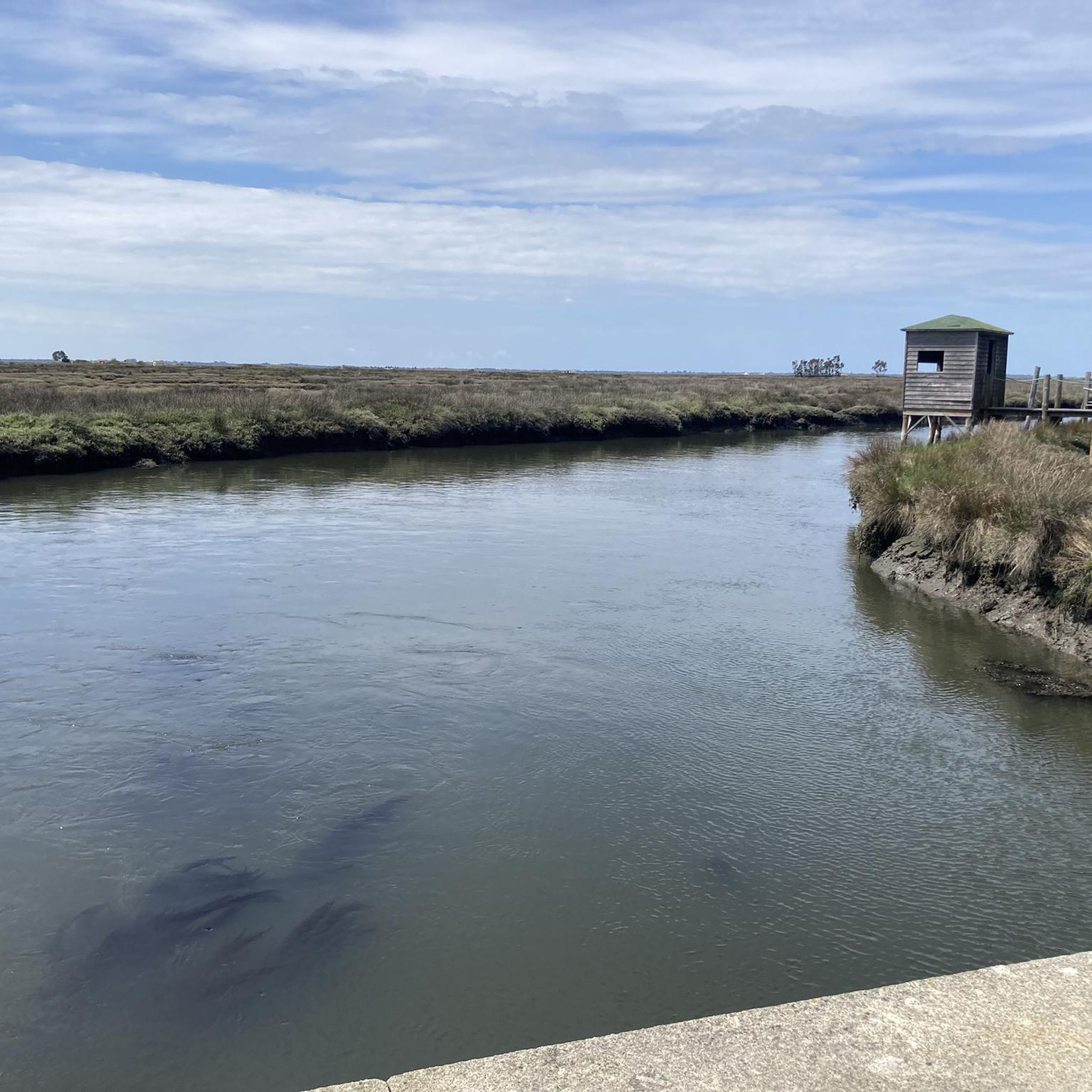
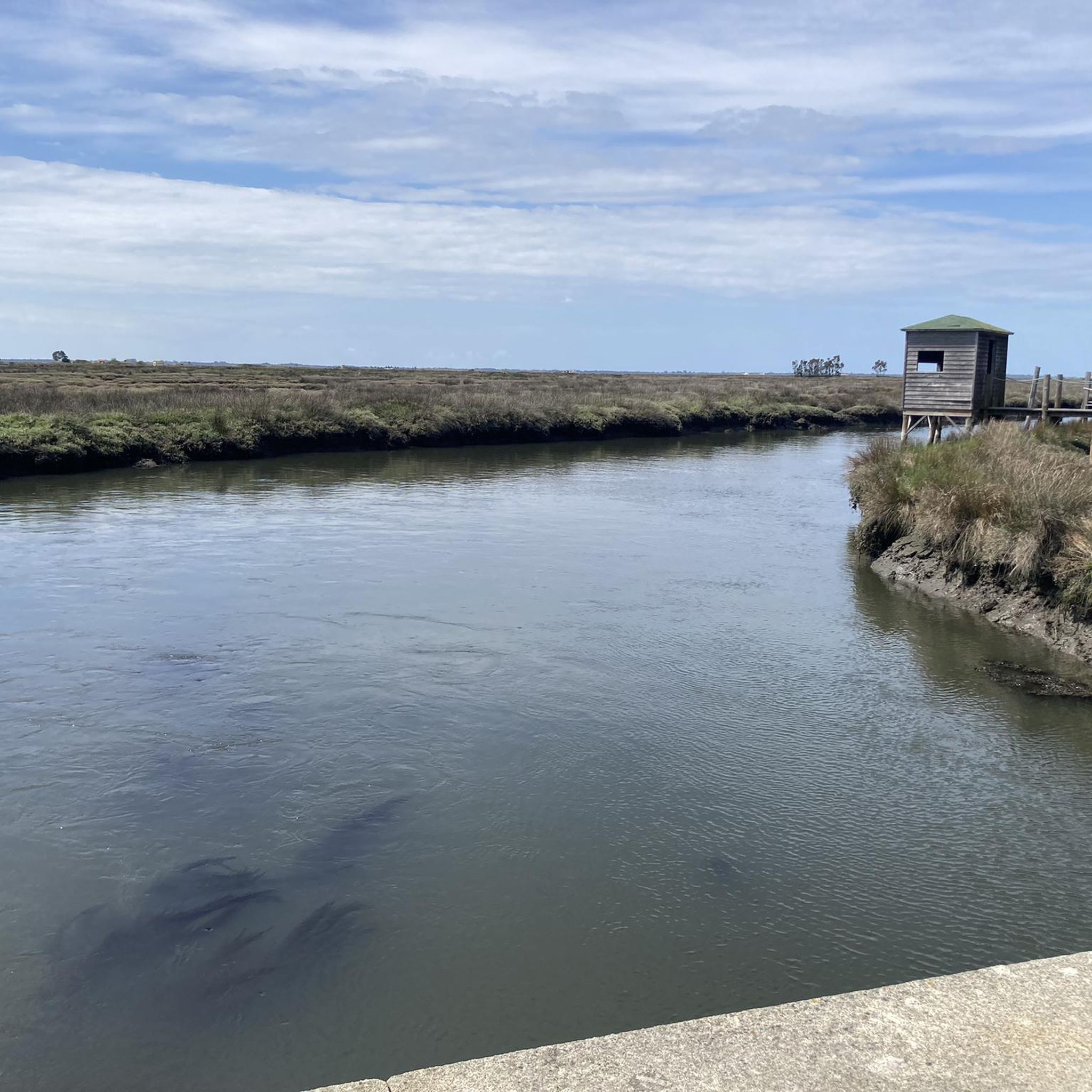
This is one of the most important tributaries of the River Águeda, running 43km from its source in Casal de Camba and crossing four municipalities in the district of Aveiro: Mealhada, Anadia, Oliveira do Bairro and Águeda. Initially, the river is narrower, with marginal trees – Ash (Fraxinus angustifolia), Willow (Salix spp.), Poplar (Populus sp.), among others – frequently forming riparian galleries. Its final half, between Aguada de Baixo (Oliveira do Bairro) and its mouth, in Requeixo (Aveiro), takes place at lower elevations and flat terrain, forming long floodplains on its banks. Source: https://granderota.riadeaveiro.pt/pois/rio-certima/
2
0

Rua Luís Camões in Águeda, famous for the artistic installation "Umbrella Sky Project", gained international attention, being considered one of the most beautiful streets in the world by CNN. Started in 2012 as part of the AgitÁgueda festival, the installation consists of colorful suspended umbrellas, creating a vibrant and photogenic setting. The idea, inspired by the film "Mary Poppins", has expanded to more than 60 cities globally. In addition to summer, the installation is adapted for Christmas with illuminated white umbrellas.
2
0
In the well-equipped Parque de Espinhel, there are walkways over the waters of Pateira de Fermentelos that lead us to two wooden viewpoints, whose structures are reminiscent of a bandstand. From here we can enjoy wide views over Pateira, as well as the village that gives it its name, Fermentelos, on the opposite bank. On the edge of the lagoon, in addition to reeds and bunho, we find dense swampy willows, a refuge and habitat for numerous species of fauna, among which the avifauna stands out. In this place it is common to observe Moorhens (Galinula chloropus) and Coots (Fulica atra). The attentive observer finds an abundant and diversified biological diversity throughout the year, partly due to the occurrence of summer and winter migratory species, such as: Garçote (Ixobrychus minutus), Red Heron (Ardea purpurea), Stilt (Himantopus himantopus), Black (Nycticorax nycticorax), Osprey (Pandion haliaetus), Saffron Eagle (Circus aeruginosus), Black Ibis (Plagadis falcinellus), Spoonbill (Platalea leucorodia), as well as dozens of passerines! In the vicinity of the park, red sandstones from the tertiary period (Eirol sandstones) can be seen in the disused quarry. Source: Great Route of Ria de Aveiro
1
0

Very beautiful street, I have long wanted to visit.
0
0

According to some theses, the place was founded by the Phoenicians under the name Vacuus (roughly: thrown out), according to others it was founded by the Romans as Vacua (after a dried up tributary of the Rio Vouga). [4] Large parts of today's district, however, were still under water. Around the independence of the Kingdom of Portugal in 1139, the sea retreated further. In 1190 King Sancho I gave the place its first town charter
0
0

It is the largest natural lagoon in the Iberian Peninsula. It is an area rich in fauna, flora and aquatic species, including several species of birds such as: finches, short, fish, and various types of ducks. In the flora we can find from water lilies, canizia and bonhos. At the level of fishing there are achigã, pike, carp, mullet, perch, being known for its pimpões there are also large quantities of red crawfish and various types of frogs.
4
0
Frequently Asked Questions
What natural attractions can I explore around Oliveira do Bairro?
The region offers several natural highlights. You can visit Pateira de Espinhel, known for its walkways over the waters of Pateira de Fermentelos and abundant birdlife. The Bridge Over the Cértima River is another significant natural feature, showcasing riparian galleries with diverse trees. Additionally, you'll find pleasant municipal gardens, riverside parks, rice fields, and extensive vineyards and eucalyptus forests throughout the landscape.
Are there opportunities for outdoor activities like hiking or cycling near these attractions?
Yes, Oliveira do Bairro and its surroundings are great for outdoor enthusiasts. You can find various routes for different sports. For hiking, explore trails like the 'Hiking loop from Recardães e Espinhel' or the 'Pateira de Fermentelos – Fermentelos Viewpoint loop from Oiã'. Cyclists can enjoy routes such as 'From Oliveira do Bairro to Palhaça — circular route' or the 'Pateira de Fermentelos from Oliveira do Bairro — circular route'. Mountain biking options also exist, including loops around Pateira de Fermentelos. You can find more details on these activities in the dedicated guides for Hiking around Oliveira Do Bairro, Cycling around Oliveira Do Bairro, and MTB Trails around Oliveira Do Bairro.
What historical and cultural sites are there to visit in the region?
Oliveira do Bairro is rich in history and culture. You can explore several historical churches, chapels, and 'alminhas' (small shrines) that display sacred art, such as the Mother Church of Oiã and the Mother Church of Mamarrosa. The Sanctuary of Our Lady of Vagos is a popular pilgrimage center with roots dating back to the 16th century. The area also features historical manor houses and archaeological traces of Roman and Celtic presence.
Are there any unique cultural experiences or museums in Oliveira do Bairro?
Absolutely. The Barracks of the Arts (Quartel das Artes) is a recognized cultural facility hosting various events. For museum enthusiasts, the Radiolândia - Radio Museum boasts an internationally significant collection related to radio, and the Bairrada Ethnomusic Museum offers insights into the region's musical heritage. The Museum of Sacred Art of S. Pedro da Palhaça also houses a vast collection of sacred art and a regional historical archive.
What family-friendly attractions are available around Oliveira do Bairro?
Many attractions are suitable for families. Pateira de Espinhel offers pleasant walkways and opportunities for birdwatching. The Bridge Over the Cértima River provides a scenic spot for a family stroll. The Sanctuary of Our Lady of Vagos is also considered family-friendly. Additionally, the numerous snack parks scattered throughout the county offer beautiful natural settings for relaxation and play.
Can I find attractions that showcase local traditions or gastronomy?
Yes, the municipality is known for its rich local traditions. You can observe traditional agricultural practices, including old water mills and olive oil mills. The area is also famous for its popular handicrafts, such as basketry, bunho mat making, and ceramics. Don't miss the regional gastronomy, highlighted by 'leitão da Bairrada' (roasted suckling pig) and Bairrada wine, along with other local dishes like cabidela and feijoada de porco.
What is the best time of year to visit Oliveira do Bairro for sightseeing?
Oliveira do Bairro offers attractions year-round. For outdoor activities like hiking and cycling, spring and autumn generally provide the most pleasant weather. If you're interested in the vibrant Umbrella Sky Project in nearby Águeda, it's typically installed during the summer months as part of the AgitÁgueda festival, though it's also adapted for Christmas with illuminated umbrellas.
Are there any notable religious sites in the region?
Yes, the region has a strong religious heritage. The Sanctuary of Our Lady of Vagos is a significant pilgrimage center dating back to the 16th century. The municipality also features several historical churches, chapels, and 'alminhas' (small shrines) that showcase sacred art and reflect the local faith, including the Mother Church of Oiã and the Mother Church of Mamarrosa.
What are some interesting places to visit slightly outside Oliveira do Bairro?
Just a short distance away, in Águeda, you can experience the internationally recognized Umbrella Sky Project – Rua Luís de Camões, famous for its colorful suspended umbrellas. Águeda is also known for having the world's largest Santa Claus during the festive season. The Sanctuary of Our Lady of Vagos, a popular pilgrimage site, is also easily accessible from Oliveira do Bairro.
What kind of wildlife can I observe in the natural areas?
The natural areas, particularly the riverside parks, rice fields, and Pateira de Espinhel, are excellent for wildlife observation. These areas are known for their white stork community and other bird species like Moorhens and Coots. The attentive observer can find a diverse range of fauna throughout the year, including summer and winter migratory species such as the Red Heron, Stilt, and Spoonbill.
Are there any attractions that are wheelchair accessible?
Yes, some attractions offer wheelchair accessibility. The Umbrella Sky Project – Rua Luís de Camões, Águeda is noted as wheelchair accessible, providing an inclusive experience for visitors. Additionally, the Vagos Municipal Library is also listed as wheelchair accessible.
What makes the Bairrada region's gastronomy special?
The Bairrada region, where Oliveira do Bairro is located, is renowned for its distinctive gastronomy. The most famous dish is 'leitão da Bairrada' (roasted suckling pig), often paired with the region's excellent Bairrada wine. Other traditional local dishes include cabidela, feijoada de porco, chanfana, and Vouga veal, offering a rich culinary experience.
Most popular routes around Oliveira Do Bairro
Most popular attractions around Oliveira Do Bairro

Get inspired with the komoot mobile app


Explore more
Still not found the Highlight you’re looking for? See guides of the top attractions in other regions:
