Attractions and Places To See around Vinhais - Top 20
Best attractions and places to see around Vinhais offer a rich blend of historical landmarks, natural features, and cultural sites in northeastern Portugal. The region is situated near the expansive Montesinho Natural Park, known for its diverse trails and significant terrestrial fauna. Vinhais also holds cultural significance as the "smoked meats capital" and a major chestnut producer, with several interpretive centers dedicated to these traditions. Visitors can explore ancient fortifications, natural parks, and cultural points of interest.
Best attractions and places to see around Vinhais
- The most popular attractions is Sanctuary of La Tuiza, a religious building located in the heart of Sanabria Alta. This 18th-century hermitage is a significant site for pilgrimages and offers nearby access to a river beach and hiking routes.
- Another must-see spot is Biological Park of Vinhais, a natural monument and conservation center within the Montesinho Natural Park. This public facility interprets the region's landscape, promotes biodiversity, and offers activities like hiking, cycling, and observing around 30 animal species.
- Visitors also love Albufeira de Prada, a lake offering beautiful scenery and a tranquil environment. This reservoir is ideal for cycling along its western side and provides a picturesque setting for outdoor activities.
- Vinhais is known for its natural parks, historical sites, and cultural centers. The region offers a variety of attractions, from ancient castles and churches to expansive natural reserves and interpretive museums.
- The attractions around Vinhais are appreciated by the komoot community, with more than 20 upvotes and 8 photos.
Last updated: July 1, 2026
Sanctuary of La Tuiza
Highlight • Religious Site
Nearby, we will find a river with a fluvial beach area, and a hiking route to the Castro de As Muradellas. Or also the Tío mill.
The construction dates from the 18th century and two important pilgrimages are held (August 5 in honor of the Virgen de las Nieves and the last Sunday of September in honor of La Tuiza).
Translated by Google •
Tip by

European chestnut (Castanea sativa)
Highlight • Natural Monument
The European chestnut tree (Castanea sativa Miller) belongs to the Castanea genus and the Fagaceae family, the same family that includes cork oaks and oaks in general. The genus includes 12 to 13 species, five of which are of Asian origin and seven of which are North American. The common chestnut tree is the only one native to Europe. This is a tree that managed to survive the last glacial period (Würms glaciation) in some parts of central and Mediterranean Europe and is currently found all over the world, including North and South America and Australia.
Several studies indicate that the natural distribution of the European chestnut tree corresponds to these refuge zones, where it remained during the glacial events. These areas later served as starting points for the colonization of other regions, before humanity dedicated itself to cultivating the species. One of these refuges is located in the Picos de Europa region and another between the south of Galicia and the north of Portugal, which is why the chestnut tree is considered an indigenous or native species of our country.
The chestnut tree grows well in temperate climates and the ideal conditions for its development are found in places with average temperature and humidity, where rainfall reaches at least 600 mm per year – more than 100 mm in the summer. It is, however, sensitive to late frosts and very low temperatures. It prefers soils at least 50 cm deep, loose and rich in nutrients, slightly acidic (pH between 4.5 and 6.5) and not calcareous.
Although it can grow in less suitable conditions, it develops and produces best in coastal or mountainous areas, at medium altitude, with hot and humid summers and mild winters.
Translated by Google •
Tip by

Sign up now to discover places like this
Get recommendations on the best single tracks, peaks, & plenty of other exciting outdoor places.
Sign up for free
Biological Park of Vinhais
Highlight • Natural Monument
- Zoo
- Hiking
- Cycling
- Paintball
- Camping
...
parquebiologicodevinhais.com/en/home
Translated by Google •
Tip by

Albufeira de Prada
Highlight • Lake
Translated by Google •
Tip by

Chapel of Santo Amaro
Highlight • Religious Site
Translated by Google •
Tip by
Sign up for free to discover even more attractions around Vinhais.
Sign up for free
Already have an account?
Start today with a free account
Your next adventure awaits.
Login or Signup
Tips from the Community

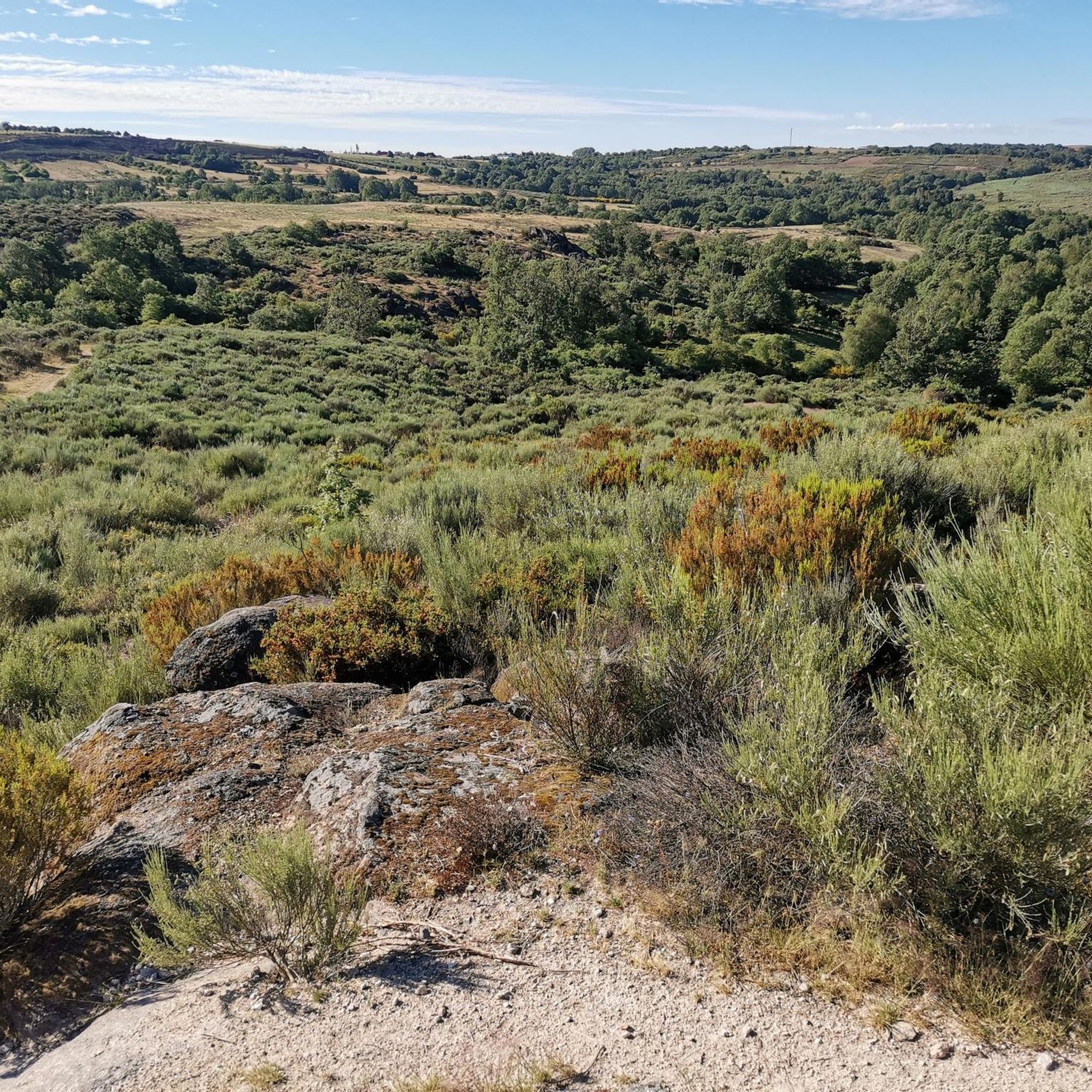
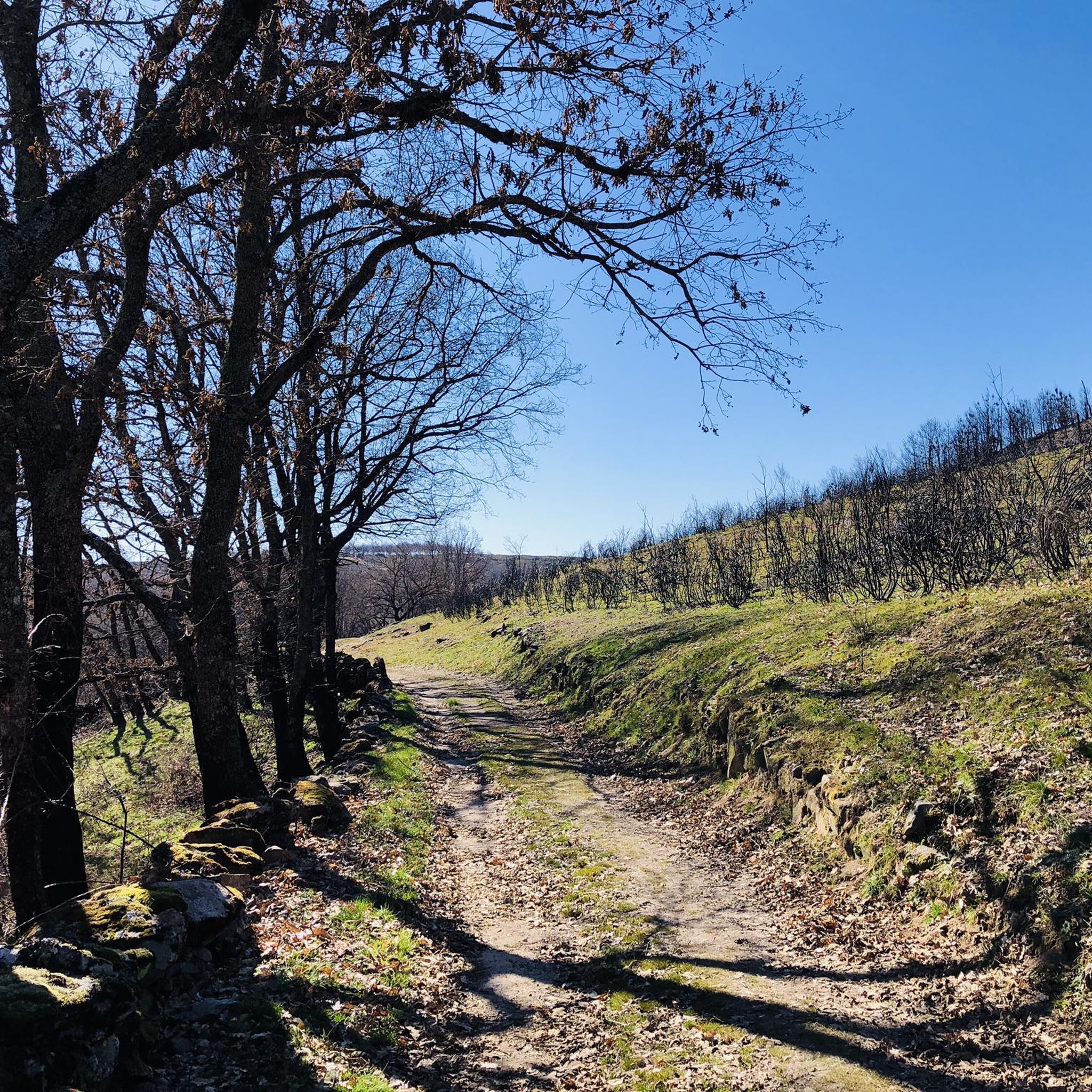
Here begins an uphill section through forests
0
1

The Vinhais Biological Park is a protected natural area and conservation center located in the municipality of Vinhais, in northern Portugal, within the Montesinho Natural Park. This park plays an important role in the conservation of local biodiversity and in the promotion of environmental education.
0
0

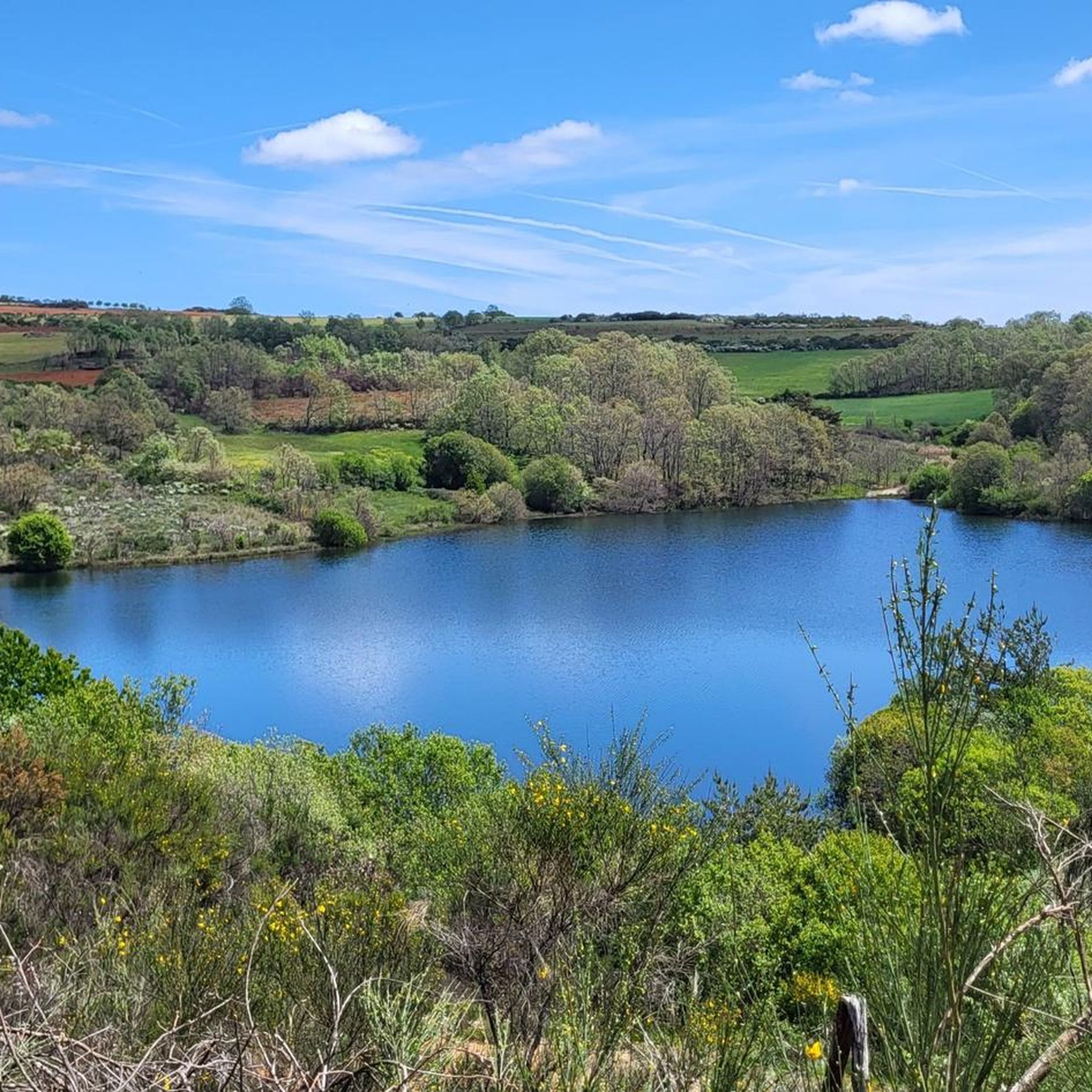
This is a beautiful reservoir, with calm waters where you can even spot big fish, although fishing is prohibited. On sunny days (which is almost always), the view of the lake is simply breathtaking. You can cycle along the entire western side of the lake.
0
0

Located in the heart of the Montesinho Natural Park, the Vinhais Biological Park invites you to discover the local landscape in all its forms, from fauna and flora to geology, culture and history. A space dedicated to conservation, biodiversity and ecotourism.
1
0

Considered the “bread tree” in the regions north of the Tagus, the chestnut tree was the staple food before the arrival of the potato and the main source of carbohydrates in the north of the Iberian Peninsula. This deciduous tree can grow up to 30 to 35 metres in height and reach diameters of up to 12 metres, although the trunk becomes hollow as the tree ages. It is very long-lived and can live for over a thousand years. The European chestnut tree (Castanea sativa Miller) belongs to the Castanea genus and the Fagaceae family, the same family that includes cork oaks and oaks in general. The genus includes 12 to 13 species, five of which are of Asian origin and seven of which are North American. The common chestnut tree is the only one native to Europe. This is a tree that managed to survive the last glacial period (Würms glaciation) in some parts of central and Mediterranean Europe and is currently found all over the world, including North and South America and Australia. Several studies indicate that the natural distribution of the European chestnut tree corresponds to these refuge zones, where it remained during the glacial events. These areas later served as starting points for the colonization of other regions, before humanity dedicated itself to cultivating the species. One of these refuges is located in the Picos de Europa region and another between the south of Galicia and the north of Portugal, which is why the chestnut tree is considered an indigenous or native species of our country. The chestnut tree grows well in temperate climates and the ideal conditions for its development are found in places with average temperature and humidity, where rainfall reaches at least 600 mm per year – more than 100 mm in the summer. It is, however, sensitive to late frosts and very low temperatures. It prefers soils at least 50 cm deep, loose and rich in nutrients, slightly acidic (pH between 4.5 and 6.5) and not calcareous. Although it can grow in less suitable conditions, it develops and produces best in coastal or mountainous areas, at medium altitude, with hot and humid summers and mild winters.
2
0
Vilarinho is located 16 km northwest of Bragança, within the Montesinho Natural Park. It belongs to the parish of Espinhosela, which includes the villages of Terroso and Cova de Lua. An autonomous parish and a leaseholder of the king in the Inquisitions of 1258, it was taxed by D. Dinis at 70 pounds per year to fund the war against the Moors. Between the 16th and 18th centuries, the College of Jesus of Bragança held heritage assets here. Both the main church of São Cipriano, built within the village, and the Chapel of Santo Amaro, located 1 km southeast, on a hill of 819 m, have existed for centuries. The current Chapel is located in an ancient and fortified Iron Age settlement, with attested archaeological remains. It was later Romanized and Christianized. In the mid-16th century, the Temples were in a deplorable state in terms of sustainability and dignity. In 1699, with the facade in ruins and the doors open, it was decided to demolish the Chapel and use and sell materials to renovate the Church.
2
0
The Biologic Park of Vinhais is a public facility installed by the Municipality of Vinhais, in the heart of the Montesinho Natural Park, more precisely in the old forest nursery of Vidoeira, in Prada, in the parish of Vila Verde, just 3 km from the village of Vinhais. The project of the Biologic Park of Vinhais was a pioneer with regard to the Trás-Os-Montes region, it was inaugurated on May 16th of 2008, and its main objectives are: Divulge of the Nature and Landscape of the Montesinho Natural Park; Environmental Education; Conservation of Nature and Biodiversity; Ecotourism
1
0
Frequently Asked Questions
What natural attractions can I explore around Vinhais?
Vinhais is rich in natural beauty, being situated near and within the expansive Montesinho Natural Park. You can visit the Biological Park of Vinhais, a conservation center within Montesinho, offering trails and animal observation. The Albufeira de Prada reservoir provides beautiful scenery and is ideal for cycling. The region also features several river beaches like Fresulfe and Soeira, and impressive ancient trees such as the Millenary Chestnut Tree of Lagarelhos.
Are there historical sites to visit in Vinhais?
Yes, Vinhais boasts a rich history. You can explore the Historic Center of Vinhais, which includes remnants of the 13th-century Vinhais Castle, the Main Church of Nossa Senhora da Assunção, and the historic Pillory. The ancient Church of São Facundo, founded by the Goths, is another significant historical landmark.
What family-friendly activities are available in Vinhais?
For families, the Biological Park of Vinhais is an excellent choice, offering opportunities to observe around 30 species of animals, hiking trails, and environmental education. River beaches like Fresulfe and Soeira are perfect for a refreshing swim in summer. The Albufeira de Prada also provides a tranquil setting for outdoor activities like cycling.
Where can I experience the local culture and traditions of Vinhais?
Vinhais is known as the 'smoked meats capital' and for its chestnut production. You can visit the Interpretive Center of the Pig and Smoked Meats to learn about the traditional production of Fumeiro. The Green Park of Arts and Crafts of Vinhais features open-air museum spaces dedicated to regional customs. If visiting in February, don't miss the annual Feira do Fumeiro gastronomic festival.
What outdoor activities, like hiking or cycling, can I do near Vinhais?
The Vinhais area, particularly within the Montesinho Natural Park, offers numerous opportunities for outdoor activities. You can find various running trails, including the 'Chestnut Path and Hermisende Meadows'. For cycling, there are challenging road cycling routes like the 'Vinhais and Montesinho-Nogueira Park Loop', and MTB trails such as the 'Ring tour in Parco Naturale di Montesinho'.
Can I see wildlife in the Vinhais area?
Yes, the Montesinho Natural Park, which encompasses Vinhais, is a sanctuary for a significant portion of Portugal's terrestrial fauna. You might spot the Iberian wolf and red deer in the wild. The Biological Park of Vinhais specifically offers visitors the chance to observe around 30 species of animals, many from recovery centers, in a protected natural environment.
What is the best time of year to visit Vinhais for outdoor activities?
The summer months are ideal for enjoying the river beaches around Vinhais, such as Fresulfe and Soeira, for a refreshing swim. For hiking and exploring the Montesinho Natural Park, spring and autumn offer milder temperatures and beautiful scenery. The region's famous Feira do Fumeiro takes place annually in February.
Are there any scenic viewpoints around Vinhais?
Yes, the Ciradelha Viewpoint, featuring the popular Chouriça Swing, offers excellent panoramic views over Vinhais and the surrounding landscape. The Montesinho Natural Park itself is dotted with various viewpoints showcasing its diverse terrain of undulating plateaus and deep valleys.
Where can I find river beaches for swimming near Vinhais?
Vinhais offers several river beaches perfect for swimming, especially during the warmer months. Notable options include Fresulfe River Beach and Soeira River Beach, both located on the Tuela River, and Ponte da Arranca River Beach. These spots provide a refreshing escape and are popular among locals and visitors.
What is the significance of chestnuts in Vinhais?
Vinhais plays a significant role in chestnut production, and the region is home to impressive ancient chestnut trees, such as the Millenary Chestnut Tree of Lagarelhos. The European chestnut (Castanea sativa) was historically a staple food and remains an important part of the local economy and landscape. You can also find a Chestnut Roaster of Vinhais as a point of interest.
What is the Montesinho Natural Park and what can I do there?
Montesinho Natural Park is an expansive protected area known for its pure, untouched nature, diverse trails, and rich biodiversity, including the Iberian wolf and red deer. Within the park, you can visit the Biological Park of Vinhais, explore numerous hiking and cycling routes, discover hidden mountain villages, and enjoy scenic viewpoints. The Montesinho Natural Park Interpretation Center, located within the Vinhais Castle structure, provides essential information and maps for exploring the park.
Is there a place to learn about Vinhais' famous smoked meats?
Absolutely. Vinhais is renowned as the 'smoked meats capital' of Portugal. You can visit the Interpretive Center of the Pig and Smoked Meats (Centro Interpretativo do Porco e do Fumeiro) to learn about the history and traditional production process of Vinhais' famous Fumeiro, with a special focus on the native Bísaro pig.
What are some unique natural monuments in the region?
Beyond the expansive Montesinho Natural Park, the region features unique natural monuments like the European chestnut (Castanea sativa), with ancient examples such as the Millenary Chestnut Tree of Lagarelhos. The Albufeira de Prada reservoir also stands out as a beautiful natural landscape for recreation.
Most popular attractions around Vinhais

Get inspired with the komoot mobile app


Explore more
Still not found the Highlight you’re looking for? See guides of the top attractions in other regions:
