Attractions and Places To See around Terras De Bouro - Top 20
Attractions and places to see around Terras De Bouro are primarily located within Portugal's Peneda-Gerês National Park. This region features a diverse natural landscape of mountains, forests, and rivers, alongside significant historical and cultural sites. Visitors can explore ancient Roman roads, numerous waterfalls, and important religious monuments. The area offers a range of outdoor experiences, from natural swimming spots to historical landmarks.
Best attractions and places to see around Terras De Bouro
- The most popular attractions is Soajo Granaries, a man-made monument. These granite granaries were historically used by the community to store corn and are iconic symbols of northern Portugal.
- Another must-see spot is Blue Pool, a natural monument. This location offers a varied hike leading to a natural swimming pool with clear, cold water.
- Visitors also love Tahiti Waterfall, a waterfall. This site features multiple levels of pools accessible with some climbing.
- Terras De Bouro is known for its waterfalls, ancient Roman roads, and religious sites. The region offers a variety of natural and historical attractions to see and explore.
- The attractions around Terras De Bouro are appreciated by the komoot community, with over 120 upvotes and 40 photos contributed by visitors.
Last updated: August 30, 2026
Blue Pool
Highlight • Natural Monument
If the parking spaces are occupied you can follow the hiking trail over the small bridge. In the following bend there is another parking lot.
Tip by

Soajo Granaries
Highlight • Monument
Tip by

Sign up now to discover places like this
Get recommendations on the best single tracks, peaks, & plenty of other exciting outdoor places.
Sign up for free
Fecha de Barjas Waterfall (Tahiti)
Highlight • Waterfall
The descent on the bridge side coming from Ermida only goes to the top of the waterfall, where there are also bathing pools.
On the way down on the other side of the bridge you walk a little longer, but all the way down where you can really swim.
Have fun!
Translated by Google •
Tip by

Tahiti Waterfall
Highlight • Waterfall
Translated by Google •
Tip by

Monastery of Saint Mary of Pitões das Júnias
Highlight • Religious Site
Notable remains of its original design still remain, such as the simple side portico of the church and the discreet arcades of the cloister, now in ruins.
Translated by Google •
Tip by

Sign up for free to discover even more attractions around Terras De Bouro.
Sign up for free
Already have an account?
Start today with a free account
Your next adventure awaits.
Login or Signup
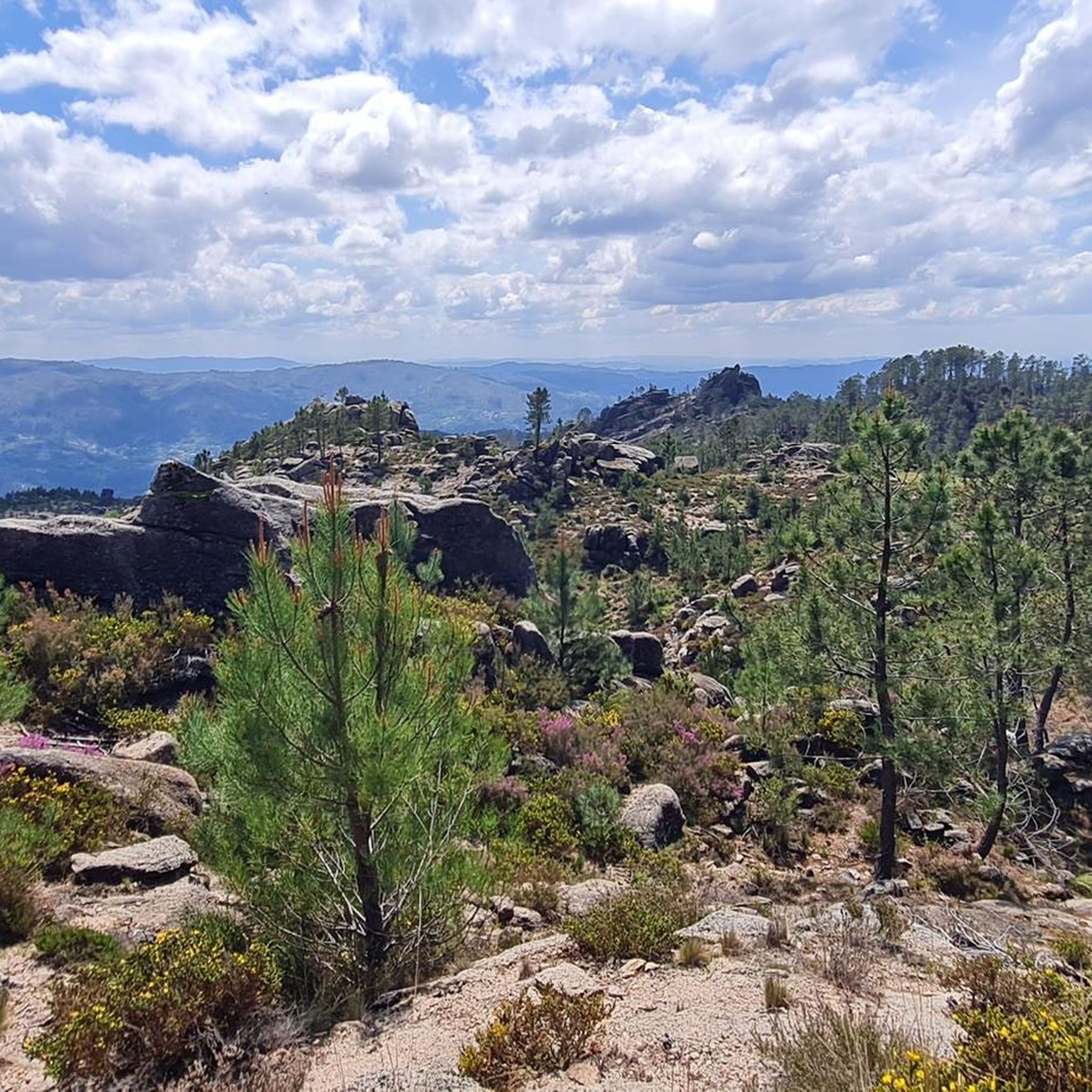
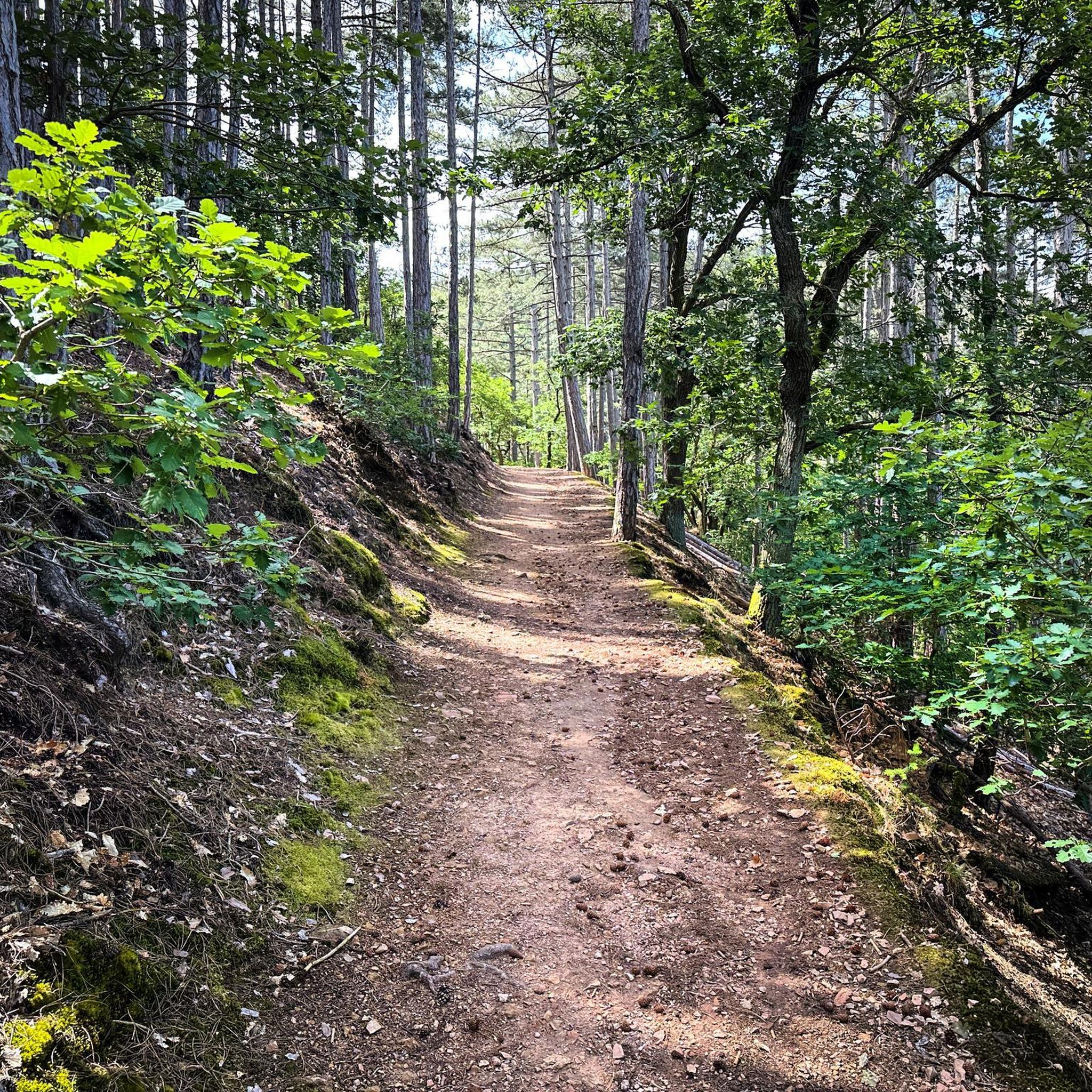
Tips from the Community

A very interesting location with all the traditional granaries ("esquigueiros") clustered together on a large rock. The view from here is also very beautiful.
1
1

The Espigueiros of Soajo are one of the most iconic symbols of northern Portugal and the Peneda-Gerês National Park. They are traditional granaries built of stone and wood, designed to store corn and other grains. They are raised on pillars with "mouse stones" (circular slabs) to prevent rodents from entering. They are covered with gabled roofs and topped with crosses, reflecting the religious influence on rural life.
1
0

The Monastery of Santa Maria das Júnias is a ruined monastery, of which the church remains, located on the outskirts of Pitões das Júnias. The last Cistercian monk became the parish priest of the village of Pitões das Júnias in 1834, the date of the abolition of religious orders in Portugal. As a historical curiosity, it is worth noting that Dom Pedro de Pitões, one of the main drivers of the conquest of Lisbon from the Moors in 1147, was ordained bishop of Porto at this monastery.
0
0

Warning: This is an extremely dangerous location, with a significant risk of falling. Due to erosion, the rocks are extremely smooth, making them slippery even in dry weather.
0
0


Hidden in the heights of Pitões das Júnias, the ancient monastery of Santa Maria carries centuries of history in the stones that support it. It is believed that its origins date back to the 9th century, in the middle of the Reconquista era, before Portugal was born as a kingdom. Officially, however, it was founded in the 12th century under the auspices of the Benedictines, and later embraced the austerity of the Cistercian reform. Today, among the silent ruins, the modest side portico of the church and the delicate arcades of the cloister remain.
1
1
The monastery of Santa Maria de Pitões das Júnias has roots that are believed to date back to a period before the founding of the Kingdom of Portugal, in the 9th century, during the Christian Reconquest. However, it is certain that it was founded in the mid-12th century, initially under the Benedictine Order, later adhering to the Cistercian reform. Notable remains of its original design still remain, such as the simple side portico of the church and the discreet arcades of the cloister, now in ruins.
2
0

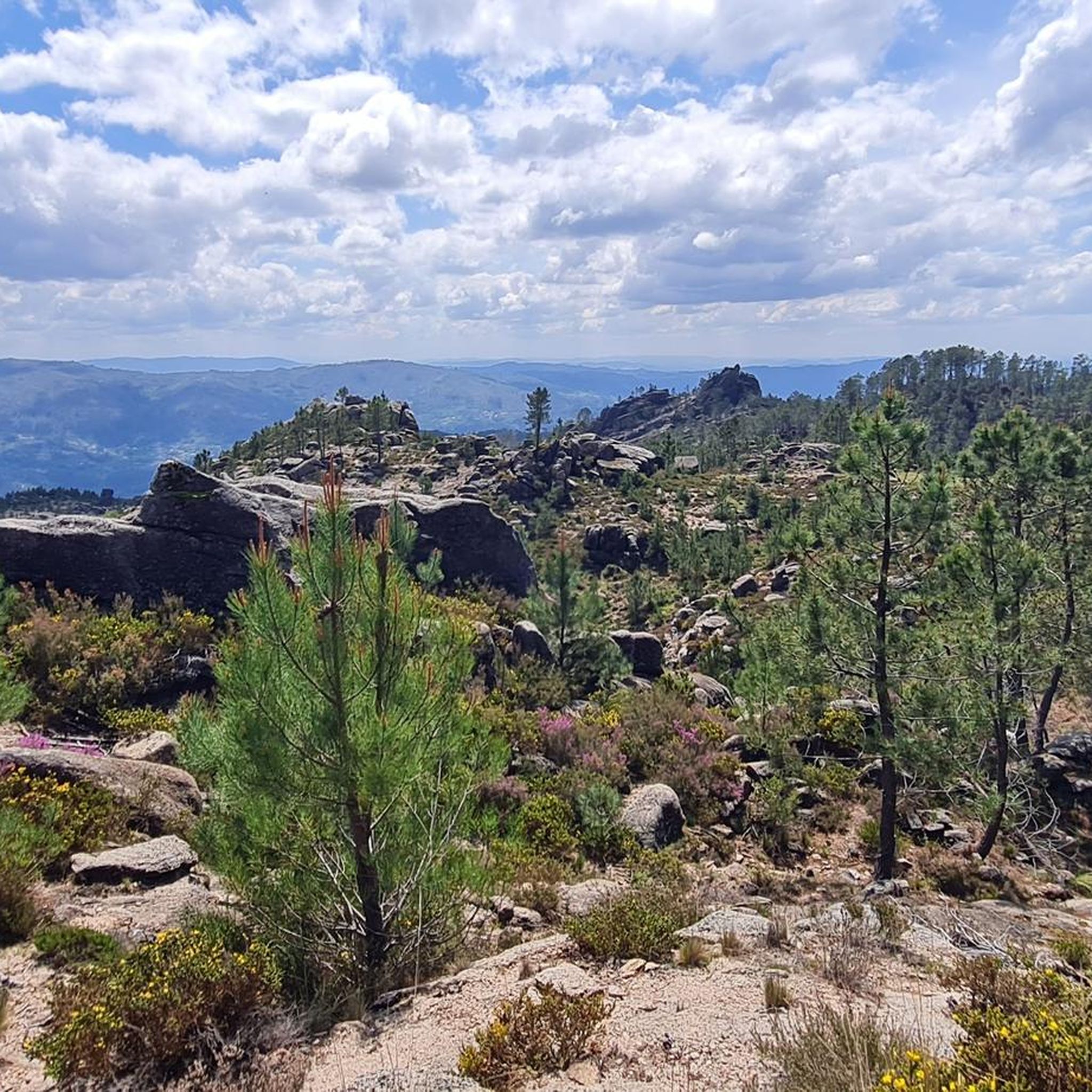
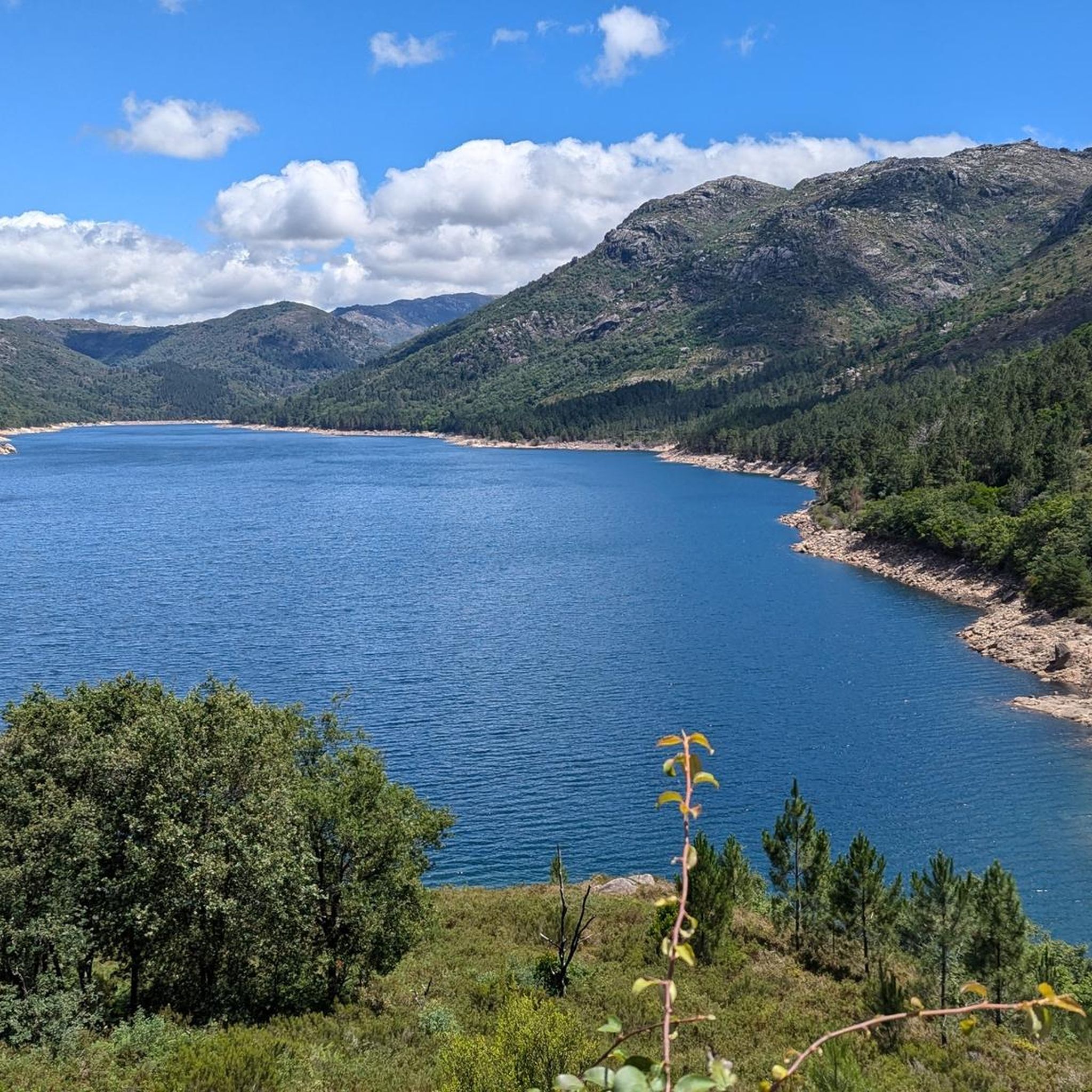
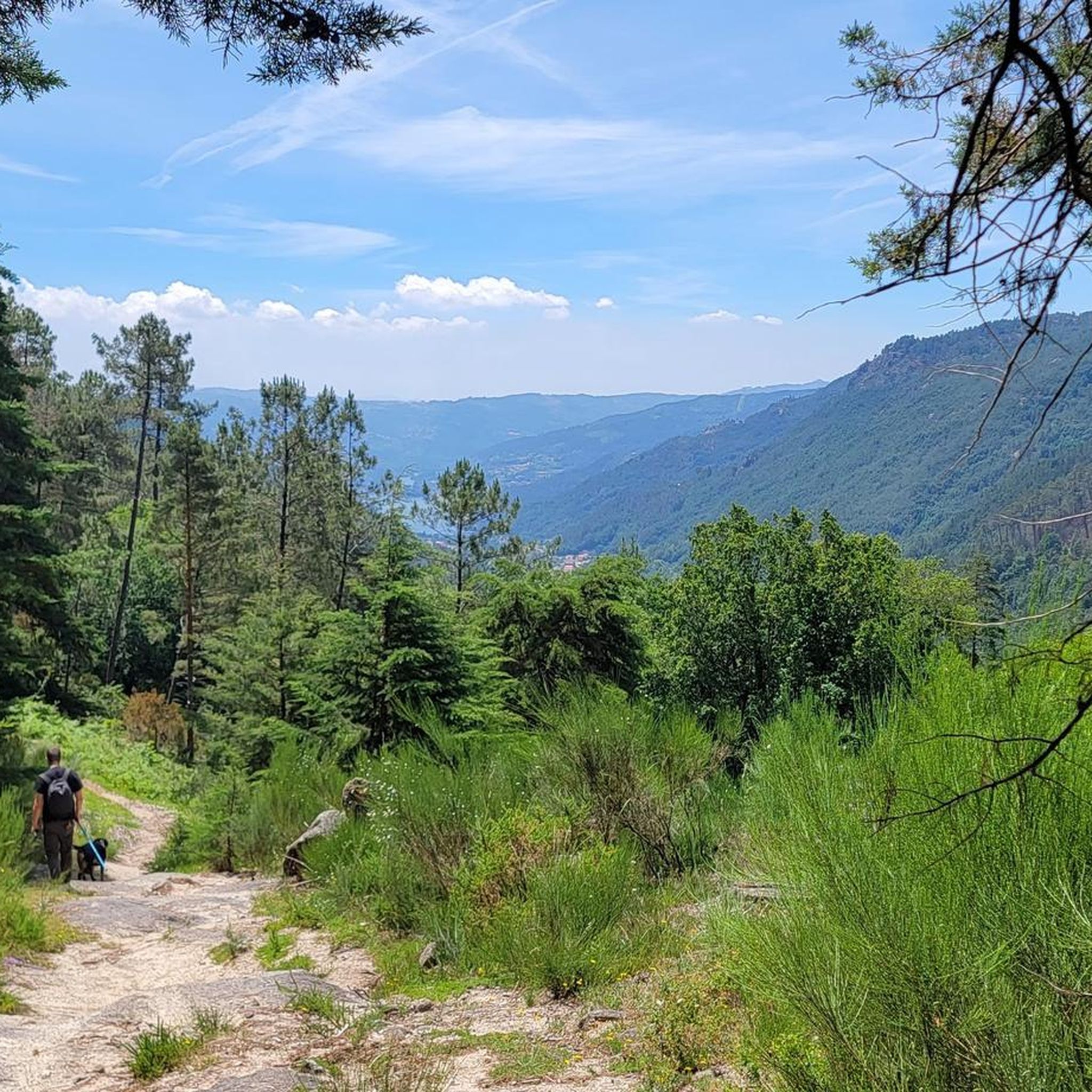
Fascinating landscape, by bike or on foot
0
1
Frequently Asked Questions
What natural attractions can I explore in Terras de Bouro?
Terras de Bouro is rich in natural beauty, being part of the Peneda-Gerês National Park. You can discover stunning waterfalls like the multi-tiered Tahiti Waterfall (also known as Fecha de Barjas Waterfall), the picturesque Arado Waterfall, and the tranquil Ribeiro de Gemesura Waterfall. The region also features refreshing swimming spots such as the Blue Pool, and vast reservoirs like Vilarinho das Furnas and Caniçada, which offer opportunities for water sports and river beaches.
Are there historical sites to visit in Terras de Bouro?
Yes, Terras de Bouro has a rich history. You can walk along sections of the ancient Roman Geira (Via Nova), which features Roman milestones and small stone bridges. Other notable historical landmarks include the legendary Bridge of Misarela (Devil's Bridge) and the Medieval Bridge of Carvalheira. Don't miss the unique Soajo Granaries, an iconic symbol of northern Portugal's agricultural heritage.
What cultural and religious sites are prominent in the area?
The region is home to significant cultural and religious sites. The Sanctuary of São Bento da Porta Aberta is Portugal's second-largest pilgrimage site. You can also visit the ruins of the ancient Monastery of Saint Mary of Pitões das Júnias, which dates back to before the founding of Portugal. The Vilarinho das Furnas Ethnographic Museum offers insights into the history of the submerged village of Vilarinho da Furna.
What kind of outdoor activities can I do near Terras de Bouro?
Terras de Bouro, located within Peneda-Gerês National Park, is ideal for outdoor enthusiasts. You can enjoy hiking, trail running, and mountain biking. The area offers a variety of trails, from moderate to challenging. For specific routes, check out the guides for Hiking around Terras De Bouro, Running Trails around Terras De Bouro, and Mountain Hikes around Terras De Bouro.
Are there any family-friendly attractions in Terras de Bouro?
Yes, several attractions are suitable for families. The Soajo Granaries offer an interesting historical experience that children can appreciate. Many of the river beaches, such as Portelada River Beach and Alqueirão River Beach, provide safe and enjoyable spots for families to relax and swim. Exploring the less challenging sections of the Roman Geira can also be an engaging activity for all ages.
Where can I find the best viewpoints in Terras de Bouro?
For breathtaking panoramic views, visit the Pedra Bela Viewpoint, one of the most famous in Gerês, offering expansive vistas of the Caniçada reservoir and the Gerês and Cávado rivers. The Bom Jesus das Mós Monument, situated on Monte das Mós, also provides splendid views of the surrounding villages and landscapes.
Can I go wild swimming in Terras de Bouro?
Absolutely! Terras de Bouro is renowned for its natural swimming spots. The Blue Pool is a popular highlight for hikers, offering clear, cold water for a refreshing swim. The Tahiti Waterfall (Fecha de Barjas) also features multiple natural pools perfect for bathing, though some paths can be steep. Other waterfalls like Arado and Pincães also have natural pools.
What are some hidden gems or less-known spots in Terras de Bouro?
Beyond the main attractions, consider exploring the tranquil Ribeiro de Gemesura Waterfall, a hidden cascade surrounded by forest. The ruins of the submerged village of Vilarinho da Furna, which reappear during dry seasons at the Vilarinho das Furnas Dam, offer a unique historical experience. Additionally, the traditional mountain villages like São João do Campo and Brufe provide an authentic glimpse into local life away from the main tourist hubs.
Are there any accessible paths or facilities for visitors with mobility challenges?
While much of the Peneda-Gerês National Park involves rugged terrain, some areas offer easier access. The Homem River Ecotrail features wooden walkways, providing a pleasant and more accessible stroll along the river. Within the town of Terras de Bouro, the Urban Park offers a pleasant green space. For specific accessibility information on trails, it's recommended to check local visitor centers or detailed trail descriptions.
What is the best time of year to visit Terras de Bouro for outdoor activities?
The best time to visit Terras de Bouro for outdoor activities like hiking and swimming is generally during the spring (April to June) and early autumn (September to October). During these periods, the weather is pleasant, temperatures are moderate, and the natural landscapes are vibrant. Summer can be very warm, making water activities particularly appealing, but trails can be more crowded. Winter offers a different, quieter experience, but some paths might be less accessible due to weather conditions.
What can I expect when visiting the Peneda-Gerês National Park?
As Portugal's only National Park, Peneda-Gerês offers a diverse landscape of lush forests, rugged mountains, and rich biodiversity. You can expect opportunities for hiking, bird watching, and wildlife spotting. The park is home to various species, including wild horses (garranos) and wolves, though sightings can be rare. It's a place to immerse yourself in nature, discover ancient traditions in mountain villages, and explore historical Roman roads and bridges.
Are there opportunities for water sports in Terras de Bouro?
Yes, the Caniçada Reservoir is an excellent spot for water sports. You can enjoy activities such as kayaking, paddleboarding, and other water-based recreation. Several river beaches along the reservoir also provide ideal locations for swimming and relaxing by the water.
Most popular routes around Terras De Bouro
Most popular attractions around Terras De Bouro

Get inspired with the komoot mobile app


Explore more
Still not found the Highlight you’re looking for? See guides of the top attractions in other regions:
