The best road cycling routes around Arronches
2.5
(2)
222
riders
21
rides
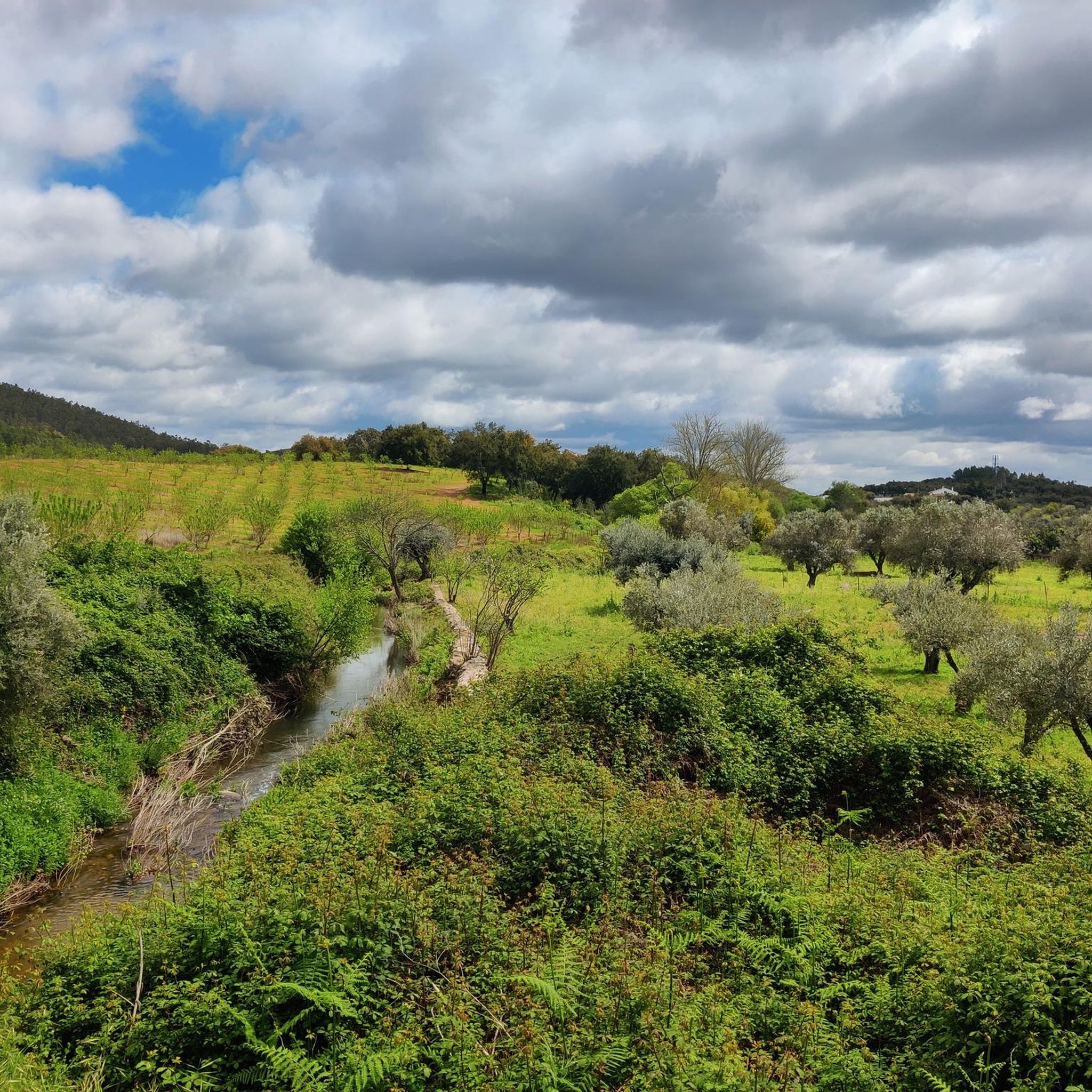
Road cycling around Arronches offers diverse landscapes and well-maintained routes in Portugal's Alto Alentejo region. The terrain features rolling hills, extensive grazing areas, and stretches dominated by cork and holm oak trees, providing a distinctive rural ambiance. Cyclists navigate primarily narrow, secondary roads, with varying elevation profiles that cater to different fitness levels. The region is also a gateway to the Serra de São Mamede Natural Park, adding to its natural appeal for outdoor activities.
Best road cycling routes around…
Last updated: July 7, 2026
61.5km
02:53
700m
700m
Moderate road ride. Good fitness required. Mostly well-paved surfaces and easy to ride.
48
riders
131km
06:47
2,260m
2,260m
Hard road ride. Very good fitness required. Mostly well-paved surfaces and easy to ride.

Sign up for free
12
riders
72.1km
03:49
1,290m
1,290m
Hard road ride. Very good fitness required. Some segments of this route may be unpaved and difficult to ride.
4.0
(1)
11
riders
39.8km
02:07
740m
750m
Moderate road ride. Good fitness required. Mostly well-paved surfaces and easy to ride.
8
riders
77.5km
03:40
980m
980m
Hard road ride. Very good fitness required. Mostly well-paved surfaces and easy to ride.
Get access to more routes and recommendations from other explorers.
Sign up for free
Already have an account?
Our route recommendations are based on thousands of hikes, rides, and runs completed by other people on komoot.
Start today with a free account
Your next adventure awaits.
Login or Signup

Tips from the Community

For those planning to hike in the Alegrete area, the main reference route is the PR3 PTG – Percurso de Alegrete. This circular route offers a complete immersion in the Serra de São Mamede Natural Park, combining the medieval heritage of the village with montado landscapes and water lines. The Main Route (PR3 PTG) The PR3 PTG - Percurso de Alegrete is about 11.4 km long and is classified as medium/low difficulty. The recommended starting and ending point is near Fonte Nova, although many hikers start their journey in the village of Alegrete itself to explore the historic center right away. Castle and Village: The Castle of Alegrete is the (literal) highlight of the hike. Situated at about 500 meters above sea level, it offers a panoramic view of the Alentejo border region. Don't miss the Clock Tower (Torre do Relógio). Nature and Biodiversity: The trail crosses areas of cork oak montado, pine forests, and riparian areas. It is an excellent place for bird watching (such as the robin or the titmouse) and, near the water lines, you can find rare vegetation like the royal fern. Religious Heritage: During your passage through the village, you can also visit the small Chapel of Mercy (Capela da Misericórdia), which is part of the local historical complex. Practical Hiking Tips Time of Year: Avoid the months of July and August due to the extreme temperatures in the Alentejo. Autumn and spring are ideal for the colors of the vegetation and mild temperatures. In winter, be careful with the ground, which can become quite slippery on cobblestones and rocky trails. Equipment: Use footwear with good grip (the ascents and descents to the castle and river have sections of loose stones). Bring enough water, as outside the village, refueling points are scarce. Safety and Respect: Always follow the official signage (yellow and red marks).
0
0
Hiking to Serra de São Mamede (1027 m), the highest point in continental Portugal south of the Tagus, offers a unique experience that combines the hardness of quartzite with the freshness of lush vegetation in the Serra de São Mamede Natural Park. The ascent rewards hikers with panoramic views that extend to the Estrela and deep into Spanish territory. For a safe and rewarding hike on this peak in Portalegre, consider the following advice: Route Planning: There are several trails leading to the summit, with the Serra de São Mamede Walking Route (PR1 PTG) being one of the most popular. The path is often rocky and steep, requiring footwear with good traction and ankle support. Water and Energy Management: The physical exertion and sun exposure, especially in the higher, unprotected areas, require you to carry sufficient water (at least 1.5L) and energy snacks. There are no reliable supply points during the ascent. Pay Attention to the Weather: The weather in the mountains can change rapidly. Even if it is sunny in the city, the summit may be shrouded in fog or strong winds. Always check the local forecast before setting off and bring a windbreaker or warm clothing. Sun Protection: Due to the altitude and sparser vegetation on the summit, UV radiation is more intense. Use sunscreen and a hat, even on cloudy days.
0
0
The castle was founded by King D. Dinis in 1290, with the aim of defending the Alentejo border. Originally, it had an imposing structure with a double ring of walls, twelve towers and eight gates. Over the centuries, it lost part of its structure to the growth of the city, but it remains a National Monument. The Keep is the best-preserved part of the original complex. Inside, there is a museum that you can visit.
1
0

A place to visit every month. It's wonderful.
2
0

The current pillory dates from the years immediately following the granting of the New Charter by King Manuel in 1512 and reflects his Manueline, albeit very rustic, style. The monument stands in front of the 16th-century district jail building and next to the clock tower, also from the 16th century, in the square that bears his name. It stands on a base with four octagonal steps and consists of an octagonal shaft set directly into the upper step, formed by five drums with mortar joints.
2
0
The fortified town of Marvão, 12 kilometers from Quinta do Pomarinho, is also known as the "Eagle's Nest." It boasts a spectacular location on a granite cliff, atop one of the peaks of the Serra de São de Mamede mountain range. Completely walled, Marvão is situated in the Alto Alentejo region, near the Spanish border, which was once controlled from the village. The town of Marvão owes its name to Ibn Maruane, an Arab military leader who sought refuge here in the 11th century. He hid on Mount Ammaia and built a castle there, in the most remote and inaccessible spot he could find. Years later, the castle was transformed into a medieval fortress. Its location made it a strategic defensive position, nestled among hills with slopes to the north, south, and west, accessible only on foot from the village. For many years, Marvão was a municipality heavily and significantly involved in numerous military conflicts in the region. Today, Marvão is a rather sleepy town, but one where you can enjoy wonderful walks. More information can be found here: https://www.feriasemportugal.com/marvao
3
0

Castelo do Alegrete is an imposing medieval fortress located on a rocky outcrop near the village of Alegrete, Portugal. Dating back to at least the 13th century (with probably older origins), it played a key role in defending the border with Spain. It features a large quadrilateral wall with cubic towers. Although part of the castle is in ruins, it still retains elements such as parapets, gates and arrow slits. It offers spectacular views of the surrounding landscape and is an important national monument, a testimony to the defensive history of the region.
0
0

Portalegre is a historic town in the Serra de São Mamede near the Spanish border, known for its medieval strategic role and rich religious and architectural heritage. It became a city in the 16th century under King João III. Today, it blends baroque charm with cultural landmarks like the Tapestry Museum and José Régio’s House-Museum.
0
0
Frequently Asked Questions
How many road cycling routes are available in Arronches?
There are over 20 road cycling routes around Arronches, catering to various skill levels. You'll find options ranging from easy circuits to more challenging climbs through the region's diverse landscapes.
What kind of terrain can I expect on road cycling routes around Arronches?
The routes primarily utilize narrow, secondary roads, offering an immersive experience away from heavy traffic. You'll cycle through areas dominated by cork and holm oak trees, extensive grazing lands, and rolling hills, providing a distinctive Alentejo ambiance. Near Mosteiros, you can also observe endemic mountainous landscapes.
Are there routes suitable for beginners or less experienced cyclists?
Yes, Arronches offers accessible routes for less experienced cyclists. For example, the "Percurso 43 Arronches - Azul" is an accessible 23.2-kilometer circular route with moderate elevation, designed to be manageable for various fitness levels. While not explicitly listed in the komoot data, the region is known for having routes of varying difficulty.
Are there challenging road cycling routes for experienced riders?
Absolutely. For experienced riders seeking a challenge, Arronches has several difficult routes. One such option is the Marvão Castle – Marvão Castle loop from Arronches, a demanding 129.8 km path with significant accumulated ascent. Another challenging route is the Cabroeira Climb – São Mamede Trail loop from Marco, which covers 73.1 km through varied terrain near the Serra de São Mamede.
What do other cyclists say about road cycling in Arronches?
The komoot community highly rates road cycling in Arronches, with an average score of 4.0 stars from over 1 review. Cyclists often praise the quiet secondary roads, the captivating natural backdrop of cork and holm oak forests, and the variety of routes available for different abilities.
Are there any circular road cycling routes around Arronches?
Yes, many routes in Arronches are designed as circular loops, allowing you to start and end in the same location. A popular moderate circular route is the Arronches, Alegrete and Esperança Loop, which is 61.5 km long and passes through picturesque villages.
What landmarks or points of interest can I see along the road cycling routes?
Many routes pass through charming villages and near historical sites. You might encounter the Arronches Castle (though only its medieval tower remains), the 13th-century Church of Our Lady of the Assumption, or the magnificent castle in Alegrete. You can also find highlights like the Bridge over the Caia River or the Ouguela Castle in the wider region.
Are there places to stop for refreshments or services along the routes?
Yes, the cycling routes often pass through picturesque villages such as Esperança, Mosteiros, Alegrete, and Urra. These villages typically offer essential support services like cafes, water points, and restrooms, making them convenient stops for refreshments and breaks during your ride.
What natural features will I encounter while cycling in Arronches?
You'll be immersed in the natural beauty of the Alto Alentejo. Expect to cycle through extensive cork and holm oak forests, which provide ample shade, and vast grazing areas for cows and sheep. The region is also a gateway to the Serra de São Mamede Natural Park, offering diverse landscapes and opportunities to observe local flora and fauna.
Is there parking available for cyclists in Arronches?
Arronches is home to the "Centro Cycling'Portugal Arronches - Polo A - São Mamede," which serves as a starting and ending point for several routes. This center is equipped to support cyclists, and parking facilities are generally available in the village, especially near such dedicated cycling infrastructure.
What is the best time of year for road cycling in Arronches?
The spring and autumn months are generally ideal for road cycling in Arronches. The weather is typically milder and more pleasant than the hot summer, making for more comfortable rides. The natural landscapes are also particularly vibrant during these seasons.
Are there any family-friendly road cycling options in Arronches?
While specific family-friendly routes are not detailed in the provided data, the presence of accessible circular routes on narrow, secondary roads suggests that some options could be suitable for families. These routes often have lower traffic and pass through villages with amenities, which can be beneficial for family outings.
Most popular attractions around Arronches

Get inspired with the komoot mobile app


Explore more
Browse the best Road cycling routes in other regions.
