Attractions and Places To See around Vila Nova De Poiares - Top 20
Best attractions and places to see around Vila Nova De Poiares include a blend of historical sites, natural landscapes, and cultural experiences within the Coimbra District of Portugal. The municipality is recognized for its handicrafts and gastronomy, offering a distinct regional character. Geographic features include the Mondego and Alva Rivers, along with proximity to Serra da Lousã Natural Park and Serra do Carvalho, providing diverse terrain for exploration. The area features historical landmarks, archaeological remains, and traditional villages.
Best attractions…
Last updated: July 16, 2026
Paço das Escolas (Palace of the Schools), University of Coimbra
Highlight • Historical Site
Translated by Google •
Tip by

Church of Santa Cruz (Igreja de Santa Cruz), Coimbra
Highlight • Religious Site
Translated by Google •
Tip by

Sign up now to discover places like this
Get recommendations on the best single tracks, peaks, & plenty of other exciting outdoor places.
Sign up for free
Coimbra Old Cathedral
Highlight • Religious Site
Translated by Google •
Tip by
Talasnal Schist Village
Highlight • Settlement
Translated by Google •
Tip by

Portagem Square
Highlight • Monument
Translated by Google •
Tip by
Sign up for free to discover even more attractions around Vila Nova De Poiares.
Sign up for free
Already have an account?
Start today with a free account
Your next adventure awaits.
Login or Signup
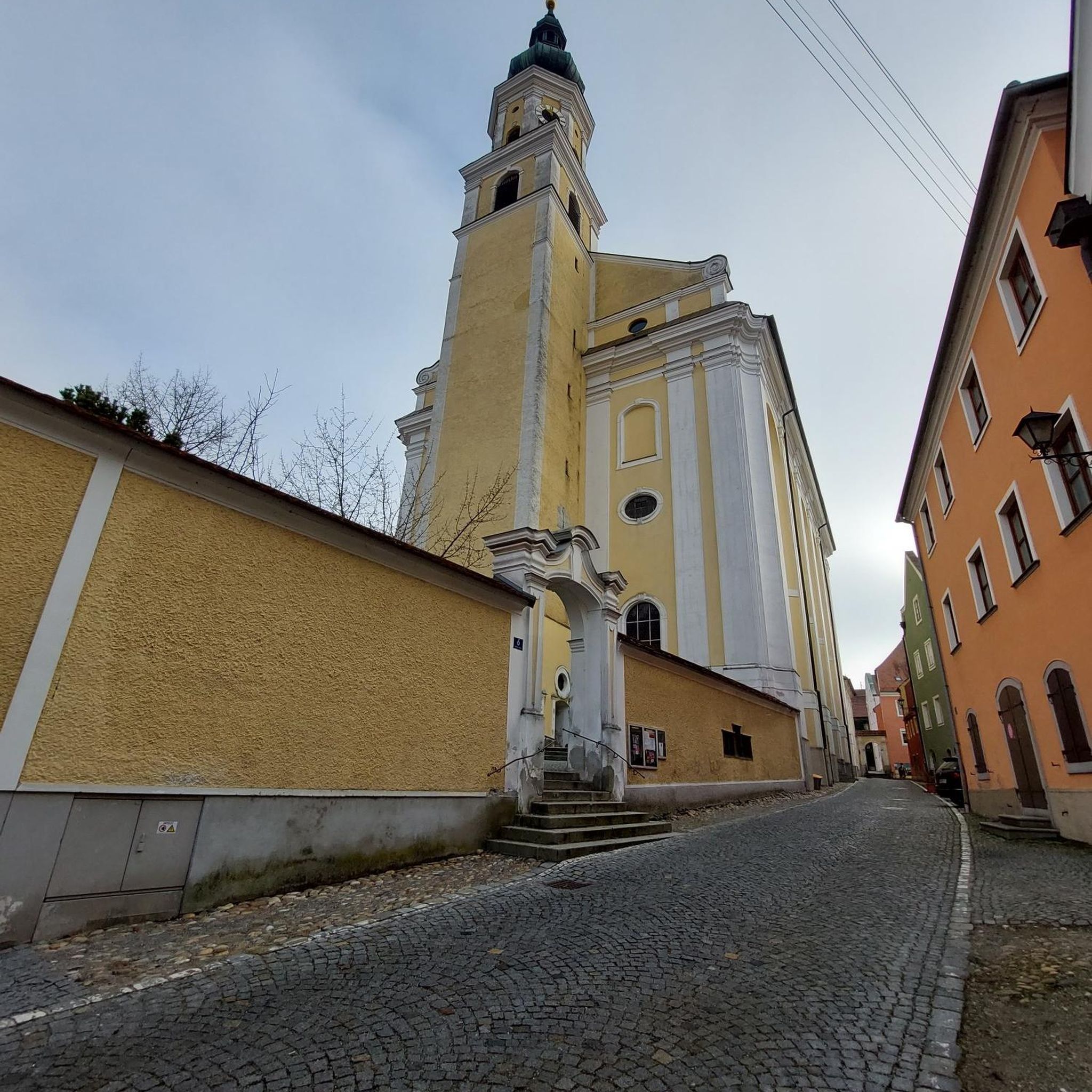
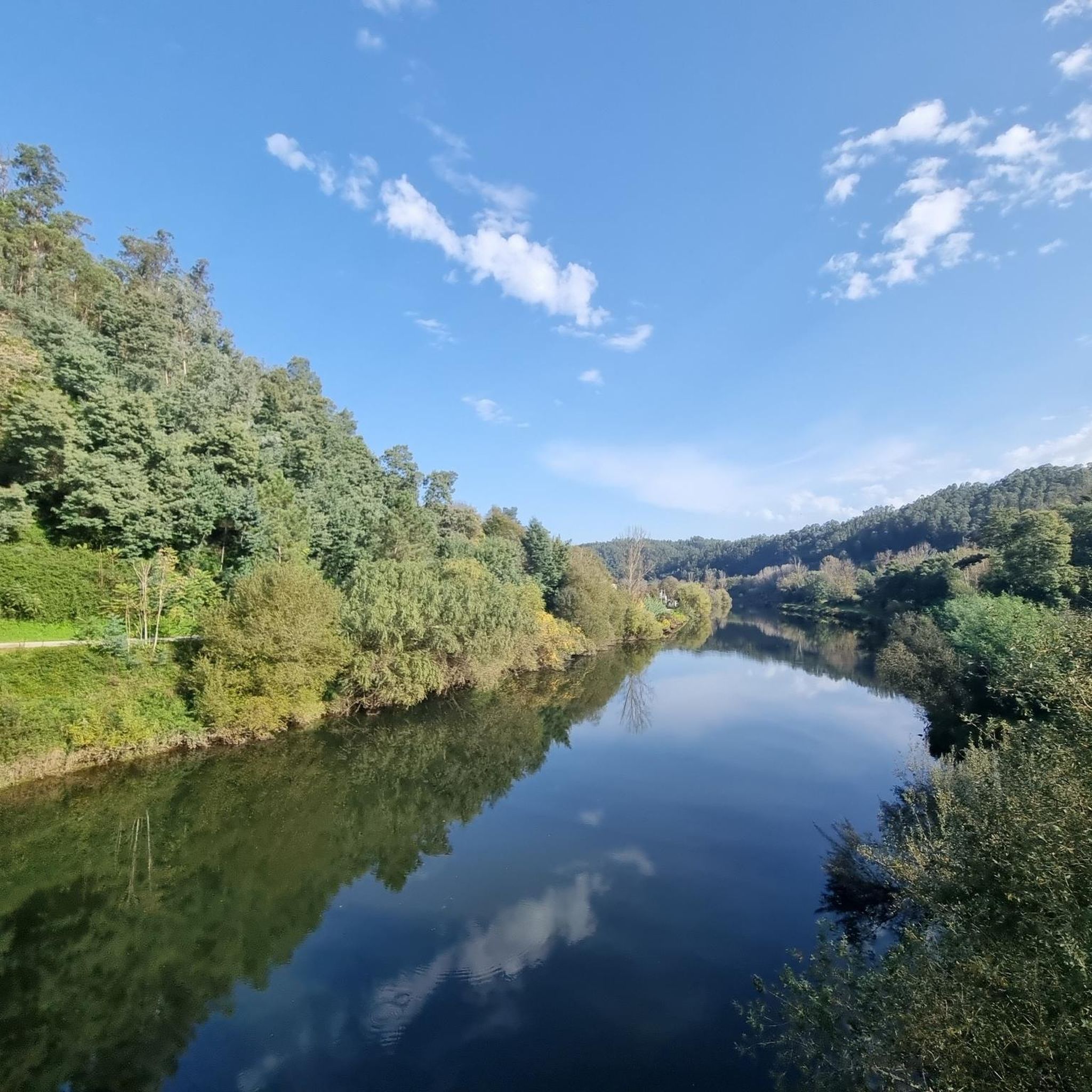

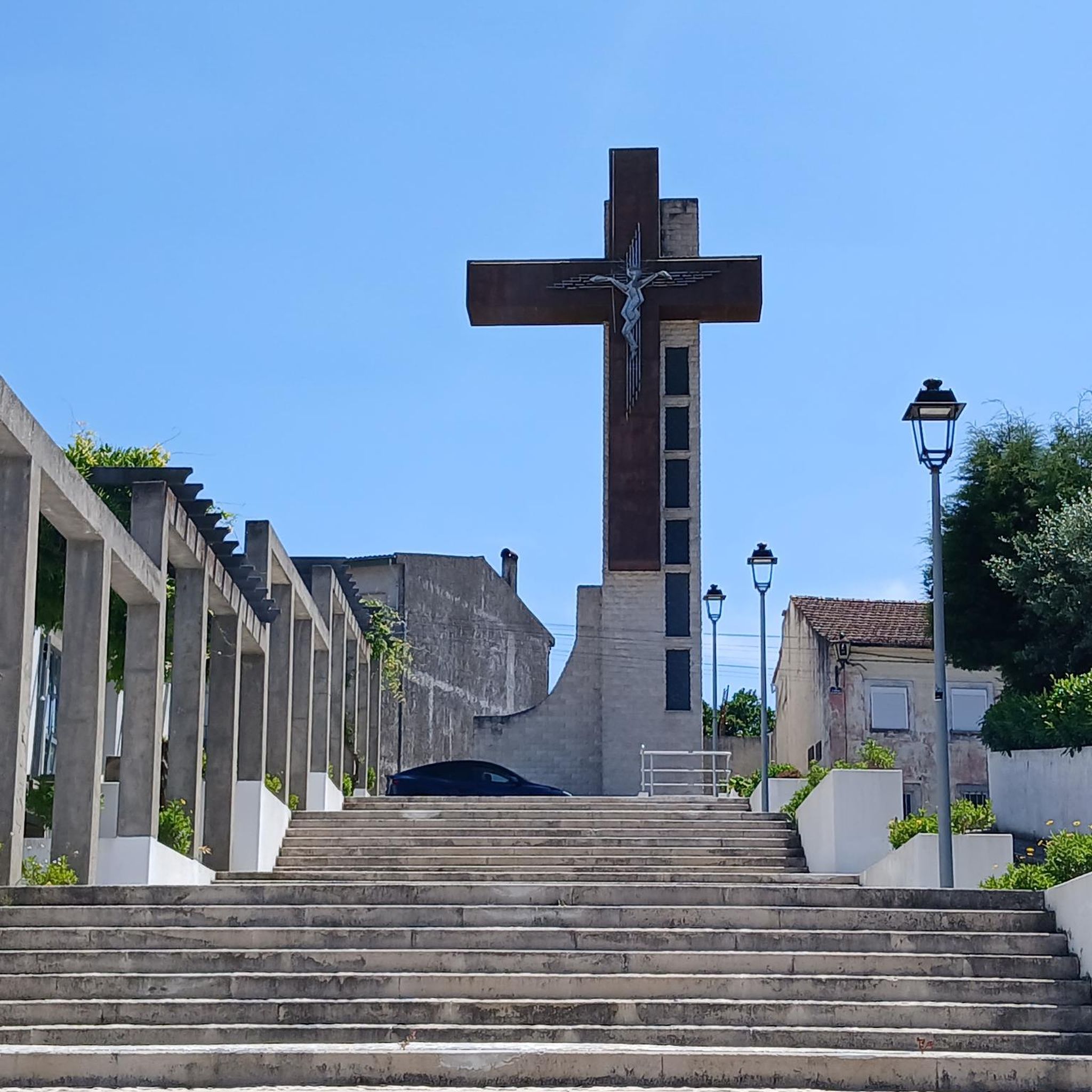
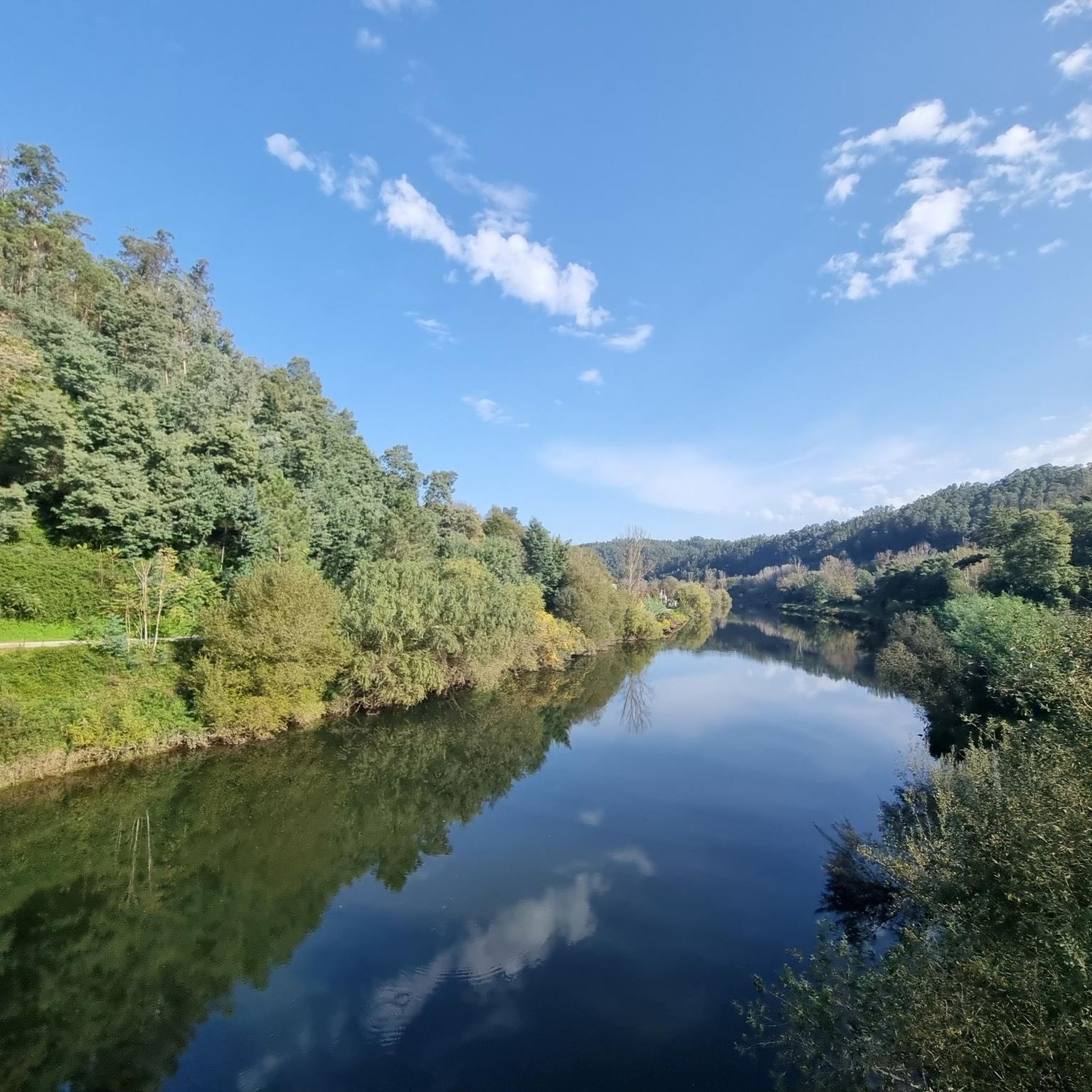
Tips from the Community

Who is Andreas? What does Andreas want?
4
2

This is the old cathedral of Coimbra. The cathedral is a massive, compact fortress building with a crenellated parapet and Romanesque portal and window arches on the west façade. It was built in the 12th century on the foundations of a 6th/7th-century church. Inside, the baptismal font (supported by lions and monsters, 16th century), the Gothic high altar (wonderfully crafted), Renaissance tombs, and a quiet cloister (south side of the cathedral, 13th century) are worth seeing.
6
1

An absolute must: book tickets in advance. You can visit several buildings, and all of them are worthwhile. You'll need a time slot, especially for the Baroque library.
8
0

This square owes its name to the fact that taxes were formerly levied on goods arriving in the city from the south. This square houses one of Coimbra's architectural symbols: the Hotel Astória, built in 1926, and the Bank of Portugal Building, both by Adães Bermudes. It also houses the statue of Joaquim António de Aguiar by sculptor Costa Mota (uncle). Connected to Largo da Portagem is the main street in downtown Coimbra, Rua Ferreira Borges, a street currently closed to traffic and home to several traditional shops.
10
1

The Monastery of the Holy Cross (Monasterio della Santa Croce) is a historic and religious Catholic site located in Florence, Italy. Founded in 1294, it is one of the most important Franciscan monasteries in the city. Features: Architecture and Art 1. Italian Gothic style. 2. Simple but imposing façade. 3. Interior: chapels decorated with frescoes by Giotto and other artists. 4. Novitiate Cloister. 5. Monastery Museum. Historical Importance 1. Burial place of personalities such as Michelangelo, Galileo and Dante Alighieri. 2. Center for theological and philosophical studies. 3. Important role in the Catholic Reformation. Practical Information 1. Address: Piazza Santa Croce, 16, 50122 Firenze FI. 2. Opening hours: 9:30am-5:30pm (Monday to Sunday). 3. Entrance fee: around 8 euros.
4
0

Very nice place surrounded by great buildings 🤩
12
1
Very beautiful monastery church. Be sure to see it from the inside!
13
2

Solid construction and also very impressive with many carved decorations.
8
1
Frequently Asked Questions
What historical sites can I explore in and around Vila Nova de Poiares?
Vila Nova de Poiares offers a rich historical tapestry. You can visit ancient archaeological remains like the Dolmen, a monument of national interest, or the historical Roman Bridge at Murcella. In the town center, explore the Praça do Município, the Main Church (Igreja Matriz), the Clock Tower (Torre do Relógio), and the Town Hall (Câmara Municipal). Further afield, consider a visit to Paço das Escolas (Palace of the Schools), University of Coimbra, a significant historical site with an 18th-century clock tower, or the Church of Santa Cruz (Igreja de Santa Cruz), Coimbra, known for its Manueline style and royal tombs.
What natural attractions are there for outdoor enthusiasts?
The region boasts diverse natural beauty. Explore the nearby Serra da Lousã Natural Park for panoramic views and hiking trails. Discover the picturesque Cascata das Tres Entradas (Three Entrances Waterfall), especially vibrant in spring. The Mondego and Alva Rivers offer opportunities for river descents, canoeing, and sport fishing. For stunning vistas, visit Penedo da Saudade, an iconic viewpoint. The revitalized Louredo Natural Park provides recreational spaces with picnic areas and canoeing facilities, while Fraga Valley features outdoor swimming pools and climbing walls.
Are there hiking trails suitable for different skill levels?
Yes, the region around Vila Nova de Poiares is abundant with hiking trails. You can find routes like PR1 - Rota da Água e das Pedras (Water and Stones Route) and sections of the GR22 - Grande Rota do Vale do Mondego (Great Pathway of Mondego Valley). Other notable trails include those in Serra do Carvalho and Ribeira de Poiares. For more specific routes and their difficulties, you can explore the various hiking guides available, such as those found on the Vila Nova De Poiares guide page.
What kind of outdoor activities can I do besides hiking?
Beyond hiking, Vila Nova de Poiares offers a range of outdoor activities. The Mondego and Alva Rivers are ideal for adventure sports like river descents, canoeing, or sport fishing. The Fraga Valley features climbing walls, and the Louredo Natural Park also offers canoeing. For cycling enthusiasts, there are numerous routes for road cycling, mountain biking, and touring. You can find detailed routes and guides for these activities, including Road Cycling Routes, MTB Trails, and Cycling around Vila Nova De Poiares.
What are some family-friendly attractions or activities in the area?
Families can enjoy several attractions. The Praia Fluvial do Reconquinho (Reconquinho River Beach) is a great spot for relaxation and swimming. The Fraga Valley offers outdoor swimming pools and hiking trails that are enjoyable for all ages. Exploring the unique Talasnal Schist Village, with its restored houses and alleys, can be an engaging experience for families. Many historical sites like Paço das Escolas (Palace of the Schools), University of Coimbra and Church of Santa Cruz (Igreja de Santa Cruz), Coimbra are also considered family-friendly.
What is Vila Nova de Poiares known for culturally and gastronomically?
Vila Nova de Poiares is recognized as the 'National Capital of Handicrafts and Gastronomy.' It's particularly famous for its traditional black clay pottery; you can learn about its history and purchase items at LBP – Barro Preto Olho Marinho. Gastronomically, the region is renowned for its authentic dishes, especially chanfana (goat stew), traditionally cooked in black clay vessels. Other local delicacies include negalhos, arroz de bucho, and sweet pastries like bola doce and poiarito. Exploring local gastronomy tours is highly recommended.
Are there any unique villages or settlements to visit?
Absolutely. A must-see spot is Talasnal Schist Village, a well-known and sought-after destination famous for its restored houses and steep alleys, offering a unique environment and views of the valley. This village is a prime example of the traditional schist villages found in the region.
Where can I find scenic viewpoints for photography?
For breathtaking scenery and photography opportunities, head to Penedo da Saudade, an iconic viewpoint offering mesmerizing vistas. The Serra da Lousã Natural Park also provides numerous spots with panoramic views. Additionally, the Talasnal Schist Village offers magnificent views of the valley from its lower edge.
What is the best time of year to visit Vila Nova de Poiares for outdoor activities?
The region is enjoyable throughout the year, but spring is particularly captivating when the Cascata das Tres Entradas has abundant water flow. Summer is ideal for enjoying river beaches like Praia Fluvial do Reconquinho and the outdoor pools in Fraga Valley. For hiking and exploring natural parks, spring and autumn offer pleasant temperatures and vibrant landscapes.
Are there any river beaches or swimming spots nearby?
Yes, you can find refreshing river beaches and swimming spots. The Praia Fluvial do Reconquinho (Reconquinho River Beach) is a popular choice for relaxation and swimming. Additionally, the Fraga Valley features outdoor swimming pools, providing another option for a cool dip during warmer months.
What is the significance of the black clay pottery in Vila Nova de Poiares?
Black clay pottery is a significant local product and a cornerstone of Vila Nova de Poiares's identity as the 'National Capital of Handicrafts.' This traditional craft involves unique firing techniques that give the pottery its distinctive black color. You can delve into the history of this craft and purchase authentic caçoilos (traditional cooking vessels) and other pieces at LBP – Barro Preto Olho Marinho.
Can I visit any significant religious buildings in the area?
Yes, there are several notable religious buildings. In Vila Nova de Poiares, the Main Church (Igreja Matriz) is a key point of interest. A short distance away in Coimbra, you can visit the impressive Church of Santa Cruz (Igreja de Santa Cruz), a monastery church rebuilt in the Manueline style, housing the tombs of Portugal's first kings. Also in Coimbra is the Coimbra Old Cathedral, an impressive Romanesque church that resembles a fortress from the outside.
Most popular routes around Vila Nova De Poiares
Most popular attractions around Vila Nova De Poiares

Get inspired with the komoot mobile app


Explore more
Still not found the Highlight you’re looking for? See guides of the top attractions in other regions:
