Attractions and Places To See around Trollhättan - Top 20
Best attractions and places to see around Trollhättan are shaped by the Göta Älv river and its powerful waterfalls. The city offers a blend of natural beauty, historical significance, and modern cultural experiences. Visitors can explore impressive natural features, innovative museums, and historical landmarks. Trollhättan is known for its industrial heritage and engineering marvels, including its canal and hydroelectric power stations.
Best attractions and places to see around Trollhättan
- The most popular attractions is Trollhättan Historic Locks, a man-made…
Last updated: August 30, 2026
Trollhättan Waterfalls and Crown Bridge
Highlight • Waterfall
Translated by Google •
Tip by

Olidan Hydroelectric Power Station
Highlight • Monument
Translated by Google •
Tip by

Sign up now to discover places like this
Get recommendations on the best single tracks, peaks, & plenty of other exciting outdoor places.
Sign up for free
Gamle Dal and Old Locks of 1800
Highlight • Monument
Translated by Google •
Tip by

Trollhättan Historic Locks
Highlight • Monument
Showing Translation
Tip by
Trollhättan Church
Highlight • Religious Site
Translated by Google •
Tip by

Sign up for free to discover even more attractions around Trollhättan.
Sign up for free
Already have an account?
Start today with a free account
Your next adventure awaits.
Login or Signup

Tips from the Community

Technology to touch and physically grasp! Here the company Vattenfall was founded and hydropower used to drive industry.
0
0
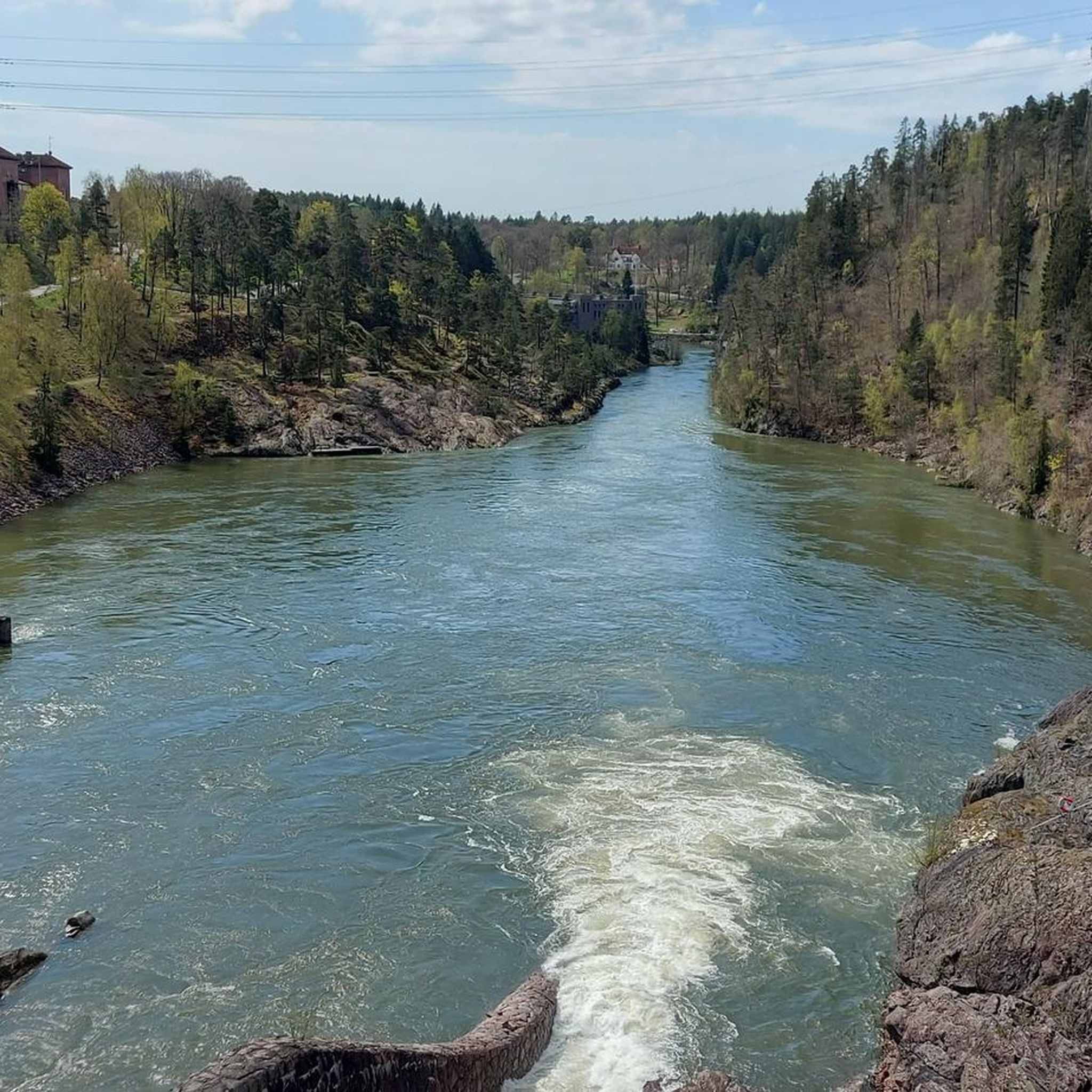
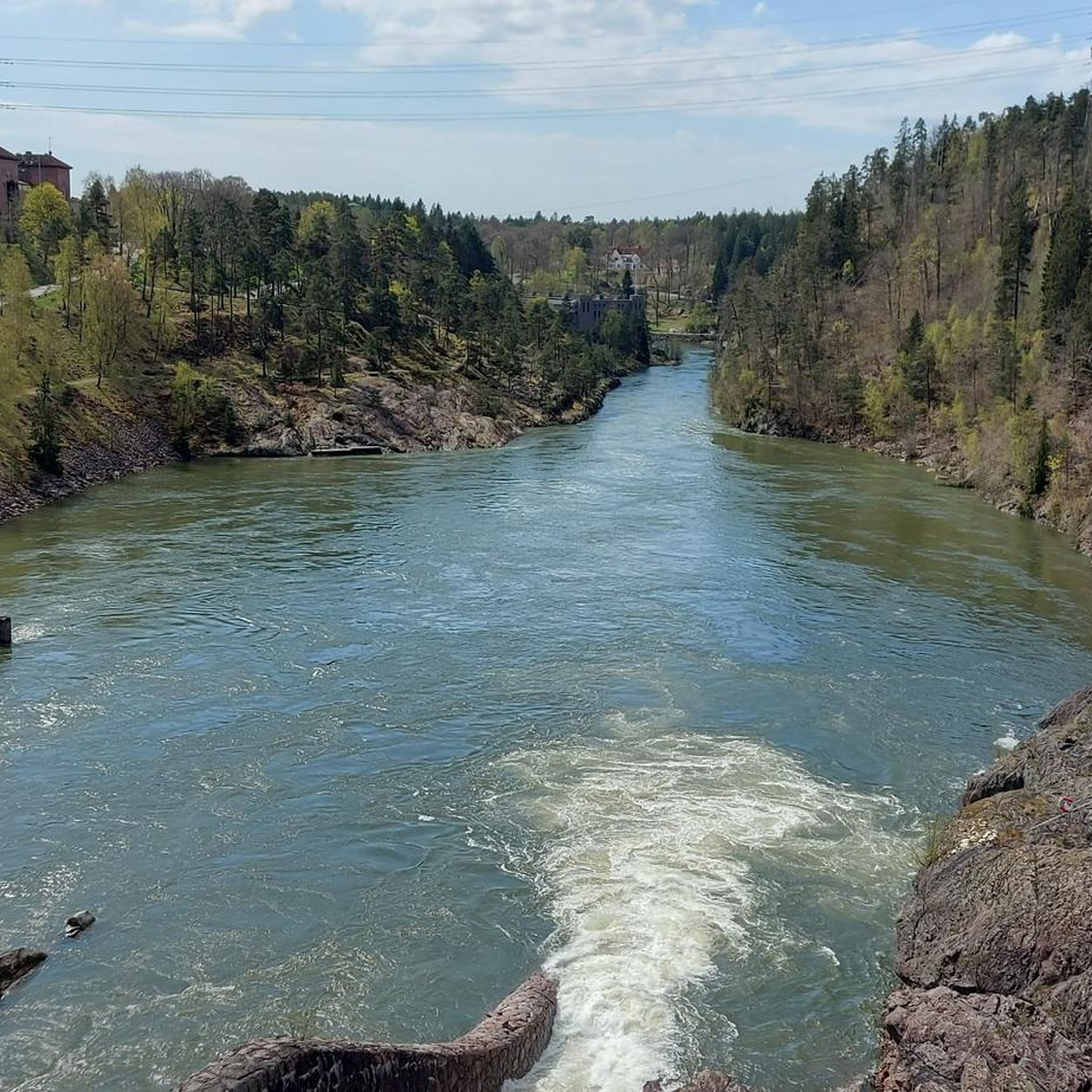
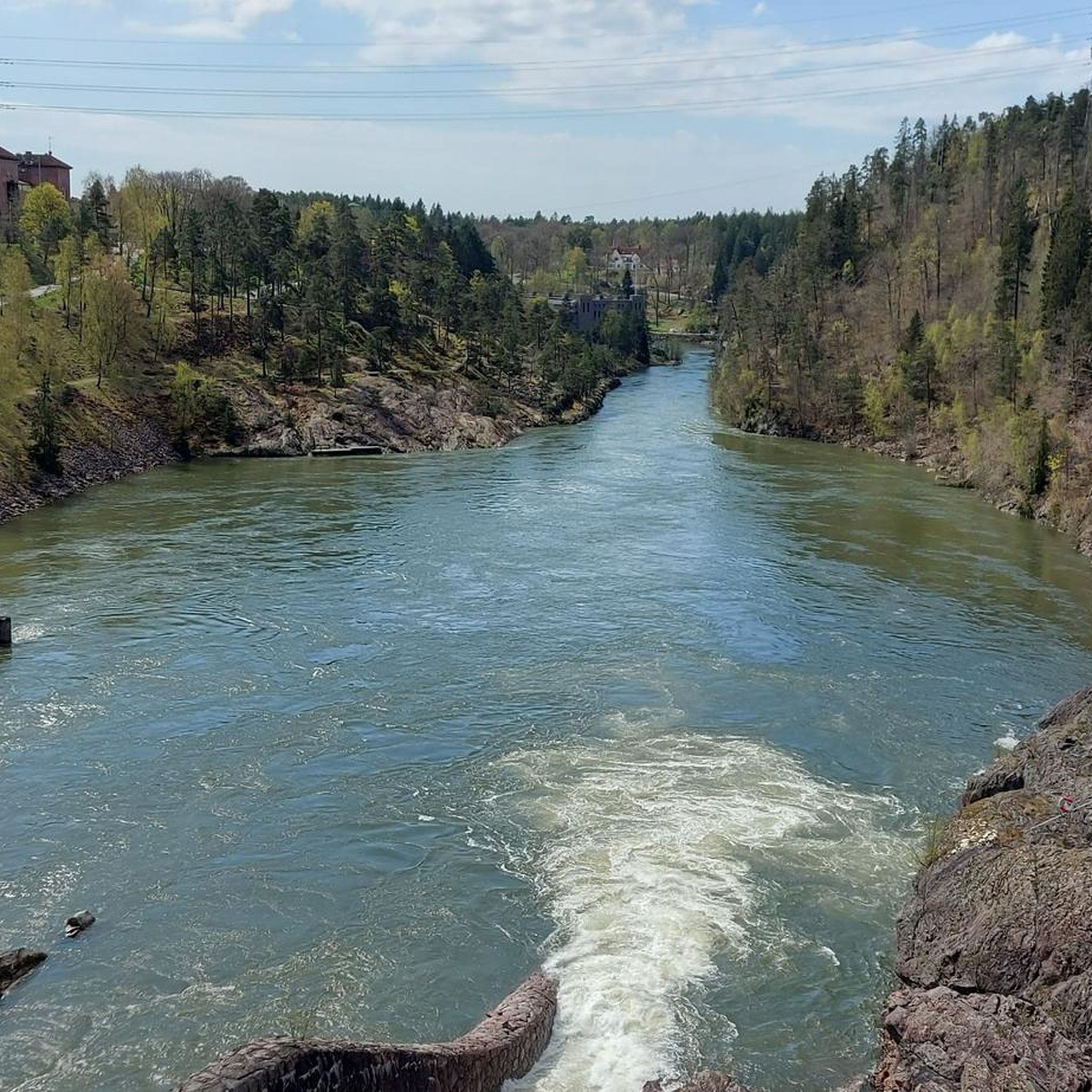
In August 2026, the waterfalls were not turned on at all, but the view was impressive anyway. Definitely check it out!
1
0
Very beautiful church in Neo-Gothic style, but Scandinavianly simple. I especially liked the friendly reception committee with Free Coffee och Kanelbulle 😋 Thanks! This makes it possible to continue the pilgrimage.
0
0

Historic, no longer operational lock system of the Göta Canal in Trollhättan.
0
0
Picturesque church situated on the water
3
0

Unfortunately, renovation work is currently underway.
0
0


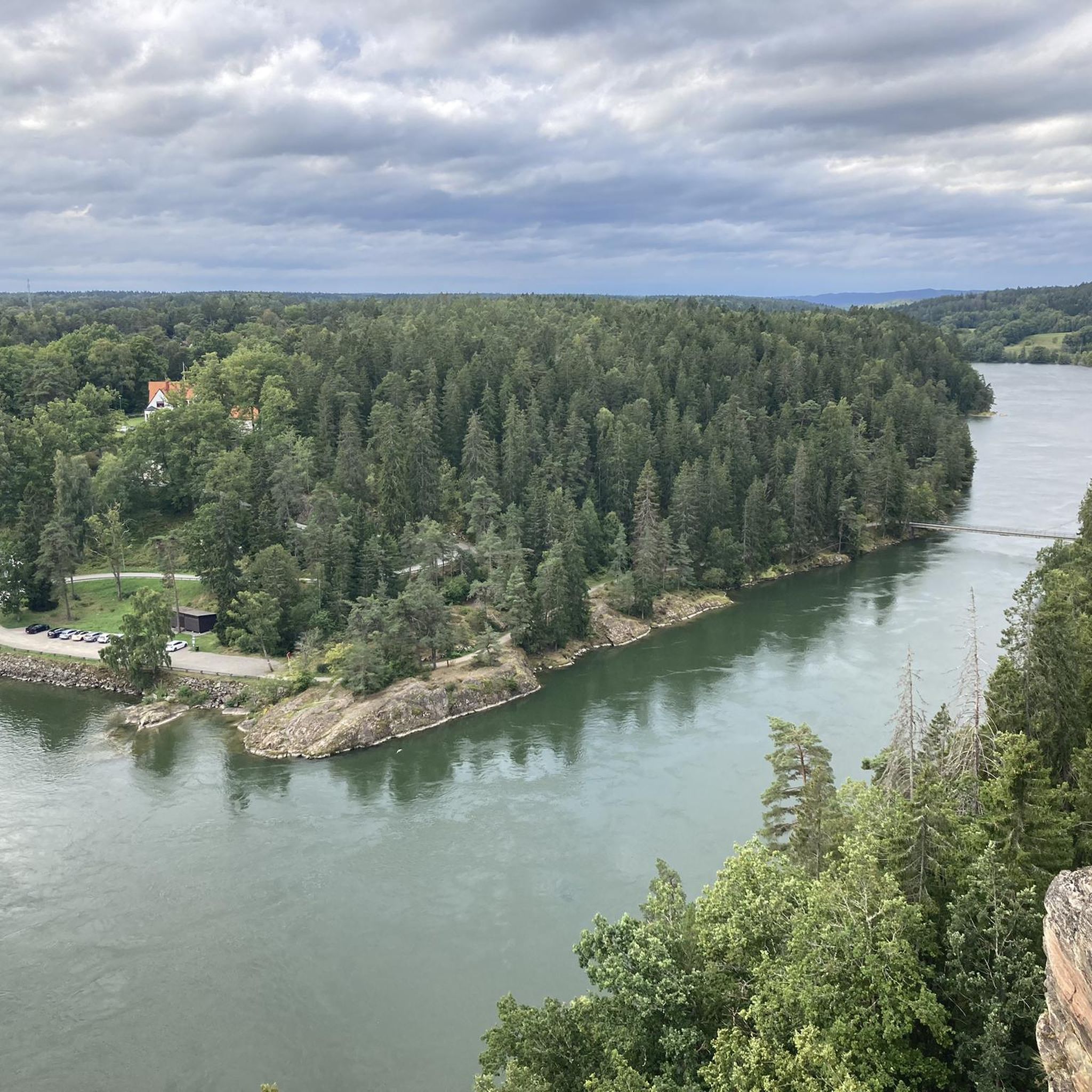
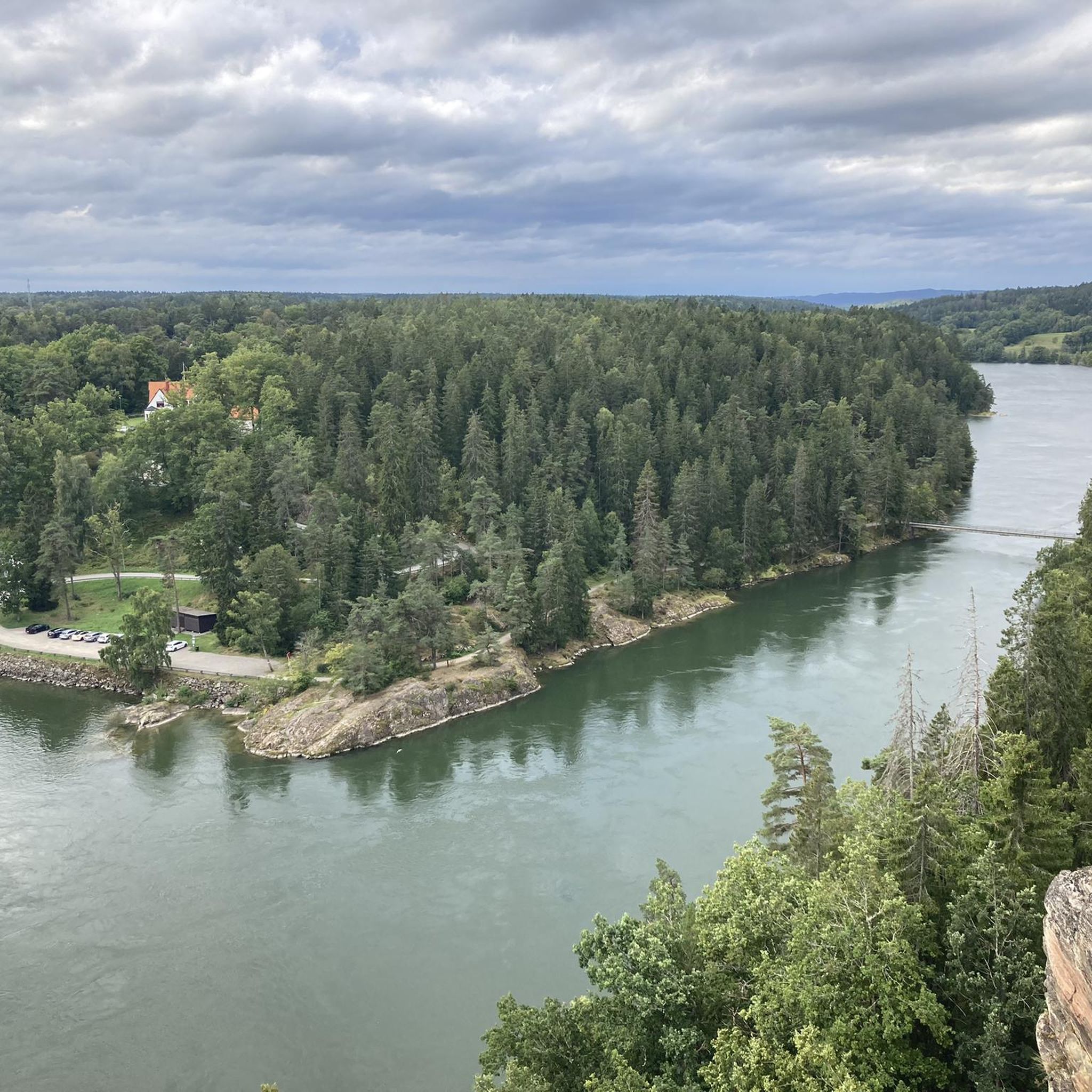
Gamle Dal (the old valley) At the end of the 1800 and 1844 locks you have a beautiful view over the river and the nature around it. The place is a very popular destination, because here you get a particularly strong impression of the beautiful nature around the lock area. There are a variety of signs and plaques providing information about the fantastic area. In order to be able to experience their history up close, there are three walking paths in the waterfall and lock area.
4
1
Frequently Asked Questions
What are the most impressive natural features to see in Trollhättan?
The most iconic natural attraction is the Trollhättan Waterfalls on the Göta Älv river, featuring a dramatic 31-meter drop. You can also explore the Gamle Dal area, which offers beautiful views over the river and surrounding nature. For broader natural beauty, the Halleberg and Hunneberg mountains provide scenic views and opportunities for wildlife spotting, while Lake Vänern offers tranquil waters and beaches.
Where can I learn about Trollhättan's industrial and engineering history?
Trollhättan is rich in industrial heritage. You can visit the Trollhättan Historic Locks, which showcase three lock systems from different shipping eras, including those from 1800 and 1844. The Olidan Hydroelectric Power Station, Sweden's first state hydropower project, is also a significant historical site with turbines dating back to 1910. The Kanalmuseet (Canal Museum) provides further insight into the canal's history.
Are there any family-friendly attractions in Trollhättan?
Yes, Trollhättan offers several family-friendly options. The Trollhättan Waterfalls area, with its crown bridge and locks, provides exciting experiences for all ages. The Innovatum Science Center offers interactive exhibits on technology and innovation, making it an educational and fun visit. Additionally, Trollhättan is known as the 'Playground Town,' featuring several creatively themed playgrounds throughout the city.
When is the best time to see the Trollhättan Waterfalls in full flow?
The Trollhättan Waterfalls are most spectacular during the 'Fallens Dagar' (Waterfall Days) festival in July, when 300,000 liters of water per second are released into the gorge. Outside of this festival, the gates are typically opened at specific times during the summer months (July and August daily at 3 p.m., May, June, and September on Saturdays at 3 p.m.) for a dramatic display. It's recommended to check local schedules for exact times.
What kind of hiking opportunities are available around Trollhättan?
Trollhättan offers diverse hiking opportunities. You can explore trails along the historic locks in Gamle Dal, where walking paths provide a close-up view of the area's history. The Halleberg and Hunneberg mountains, forming an ecopark, are excellent for nature enthusiasts seeking longer hikes. For specific routes, you can find options like the moderate Edsvidsleden or easy trails such as the Ålstadnäset Nature Reserve Trail on the Hiking around Trollhättan guide.
Can I go cycling near Trollhättan's attractions?
Absolutely! Trollhättan and its surroundings are great for cycling. You can find various routes, including road cycling and mountain biking trails. For example, there are road cycling loops like the 'Trollhättan Water Lock – Trollhättan Church loop' or mountain bike trails such as the 'Trollhättefallen loop'. More options are available on the Road Cycling Routes around Trollhättan and MTB Trails around Trollhättan guides.
What historical landmarks, beyond the locks and power station, can I visit?
Beyond the impressive locks and power station, Trollhättan has other notable historical landmarks. You can see King Oscar's Bridge (Oscarsbron), which offers great views of the falls, and Kungsgrottan (King's Cave), where monarchs have carved their signatures. The open-air museum Forngården preserves buildings from old Trollhättan, including 18th-century cottages. The neo-Gothic Trollhättan Church, inaugurated in 1862, is also an architectural highlight.
Are there any museums dedicated to specific industries or local culture?
Yes, Trollhättan has several specialized museums. The Saab Car Museum is a must-visit for automobile enthusiasts, showcasing over 50 years of Saab's innovative engineering. The Kanalmuseet (Canal Museum) provides a detailed look into the history of the Trollhättan Canal. For a broader understanding of the city's past, the Trollhättan City Museum offers a captivating journey through its history and culture.
What do visitors particularly enjoy about the Trollhättan Waterfalls area?
Visitors are consistently impressed by the sheer power and spectacle of the Trollhättan Waterfalls, especially when the gates are opened. Many highlight the dramatic roar of the water and the breathtaking views from various viewpoints, such as Kopparklinten and Spikön Island. The combination of natural beauty and the historical engineering marvels of the locks makes it a truly unique experience.
Where can I find local arts and crafts in Trollhättan?
For those interested in local arts and crafts, Handkraft Trollhättan is a great place to explore. It features high-quality items made by local artisans, offering a chance to discover unique pieces and support the regional creative community.
Are there any places to enjoy nature walks or picnics near the city center?
Yes, Spikön Island is a green oasis located centrally, perfect for leisurely walks and picnics. It offers pleasant views of the surrounding water and is a popular spot for relaxation. The Gamle Dal area, with its park-like setting around the old locks, also provides a beautiful environment for nature walks and enjoying the river scenery.
Most popular routes around Trollhättan
Most popular attractions around Trollhättan

Get inspired with the komoot mobile app


Explore more
Still not found the Highlight you’re looking for? See guides of the top attractions in other regions:
