Top 5 Castles around Masevaux-Niederbruck
Best castles around Masevaux-Niederbruck offer a journey into the region's medieval past, set amidst the natural landscapes of the Vosges foothills. The area features significant historical ruins and vestiges, providing insights into former fortified sites and observation posts. Visitors can explore these remnants through hiking trails that often lead to scenic viewpoints overlooking the valleys. This region is characterized by its preserved forests and historical significance, reflecting centuries of Alsatian heritage.
Best castles around Masevaux-Niederbruck
- The most popular castles is…
Last updated: October 4, 2026
The Witch's Eye (Engelbourg Castle)
Highlight • Castle
Translated by Google •
Tip by

Fort de Giromagny
Highlight • Historical Site
Translated by Google •
Tip by

Sign up now to discover places like this
Get recommendations on the best single tracks, peaks, & plenty of other exciting outdoor places.
Ruins of Freundstein Castle
Highlight • Castle
The Freundstein appeared in the texts in 1297 as the property of ministerials.
Translated by Google •
Tip by

Ruins of Rougemont Castle
Highlight • Castle
Translated by Google •
Tip by

View from Château du Herrenfluh
Highlight • Viewpoint
Translated by Google •
Tip by

Start today with a free account
Your next adventure awaits.
Popular around Masevaux-Niederbruck
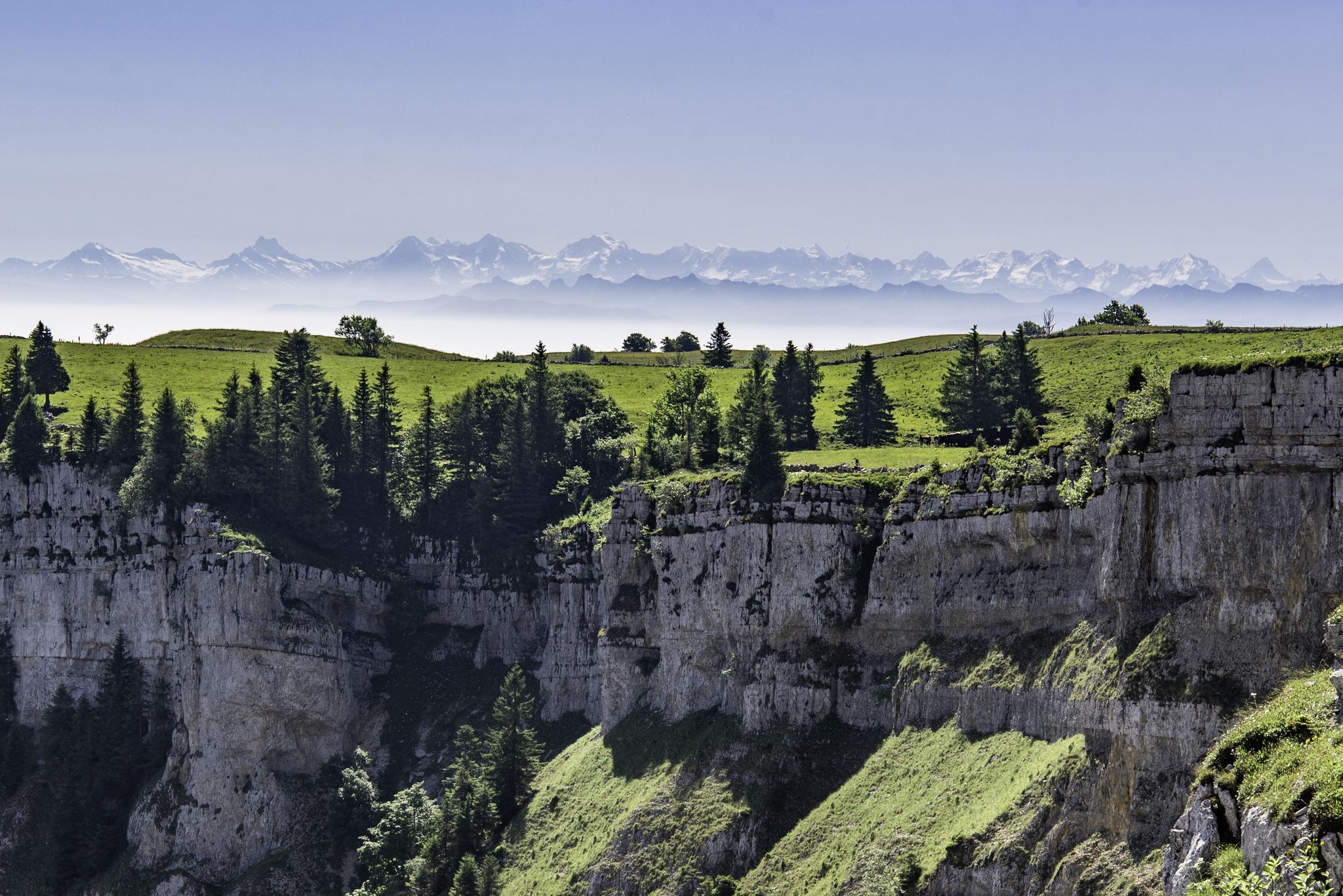
From the Vosges to the Jura mountains – Hexatrek, le Grand Est
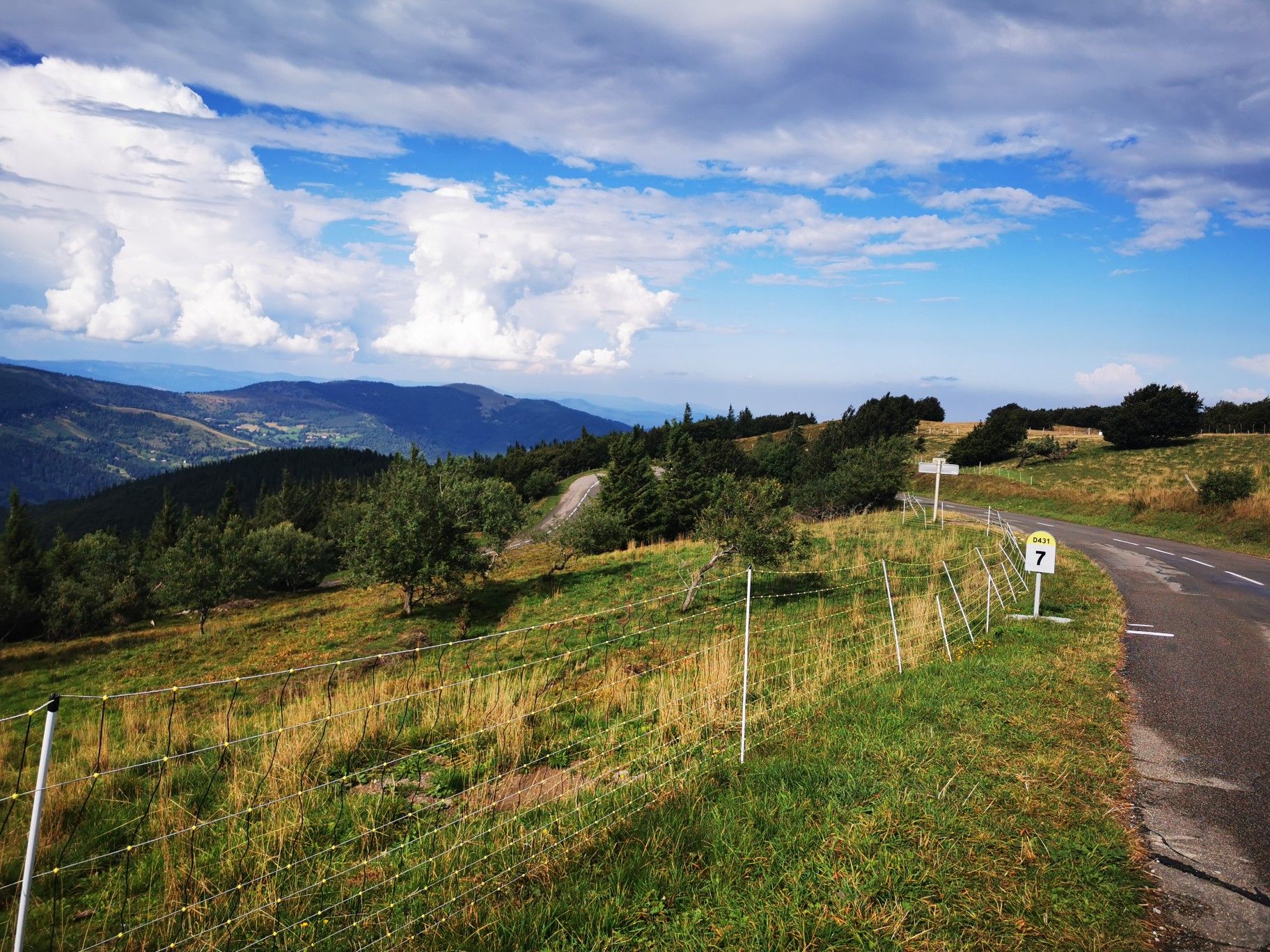
Climbing the Vosges in France — Les 3 Ballons
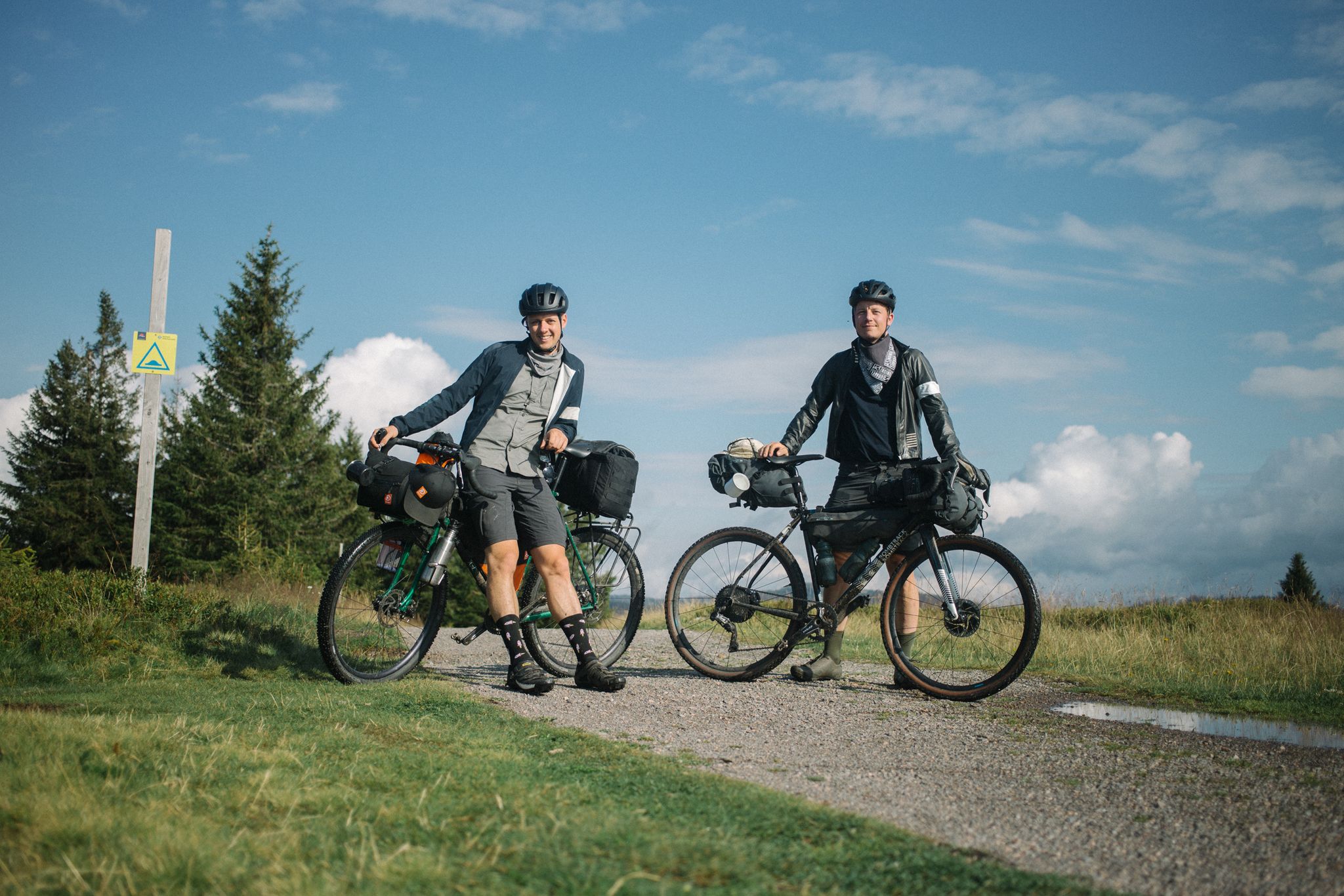
Bikepacking the Black Forest and Alsace
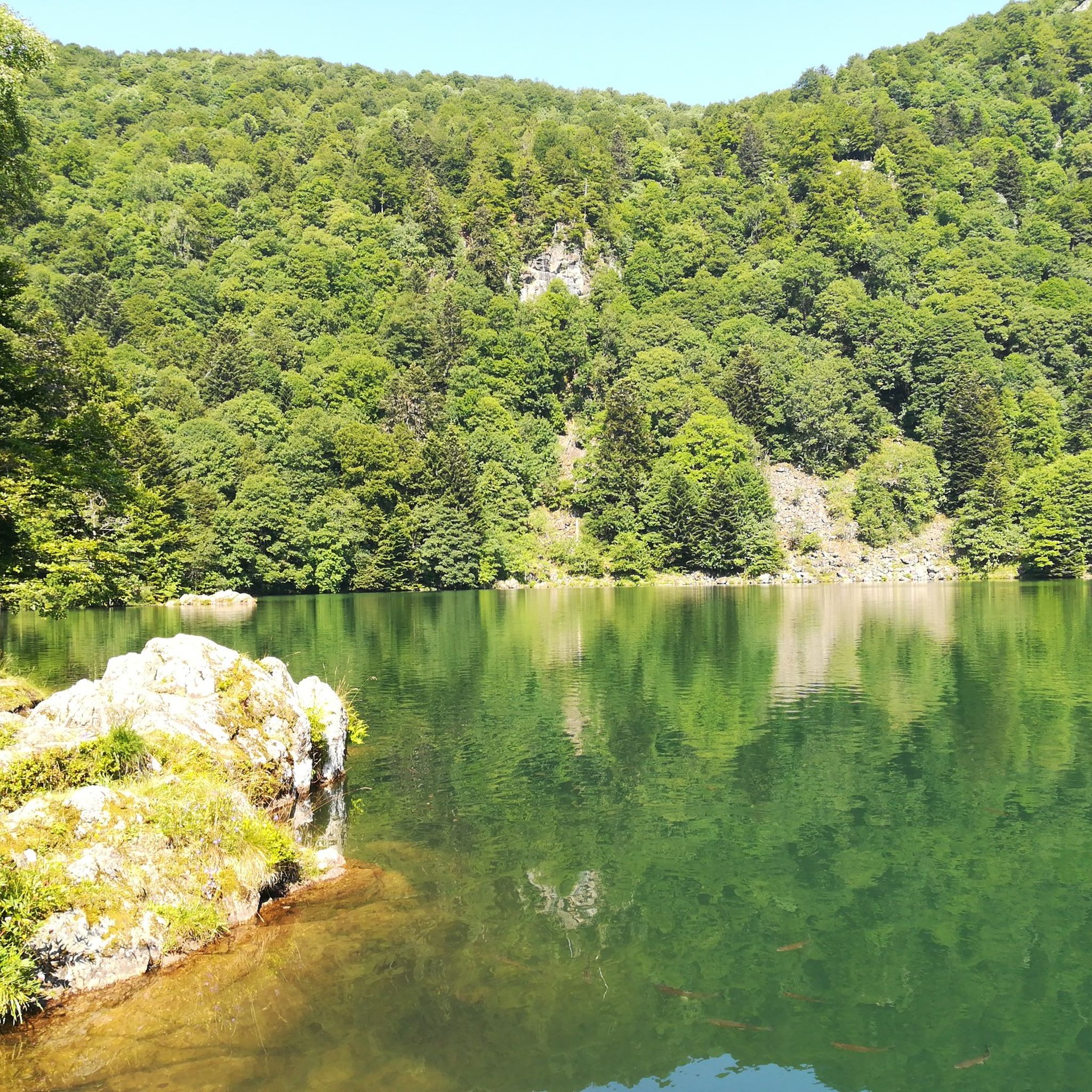
Hiking around Masevaux-Niederbruck
Cycling around Masevaux-Niederbruck
Road Cycling Routes around Masevaux-Niederbruck
MTB Trails around Masevaux-Niederbruck
Running Trails around Masevaux-Niederbruck

Gravel biking around Masevaux-Niederbruck

Mountain Hikes around Masevaux-Niederbruck
Other adventures around Masevaux-Niederbruck


Tips from the Community

old castle ruins
0
0

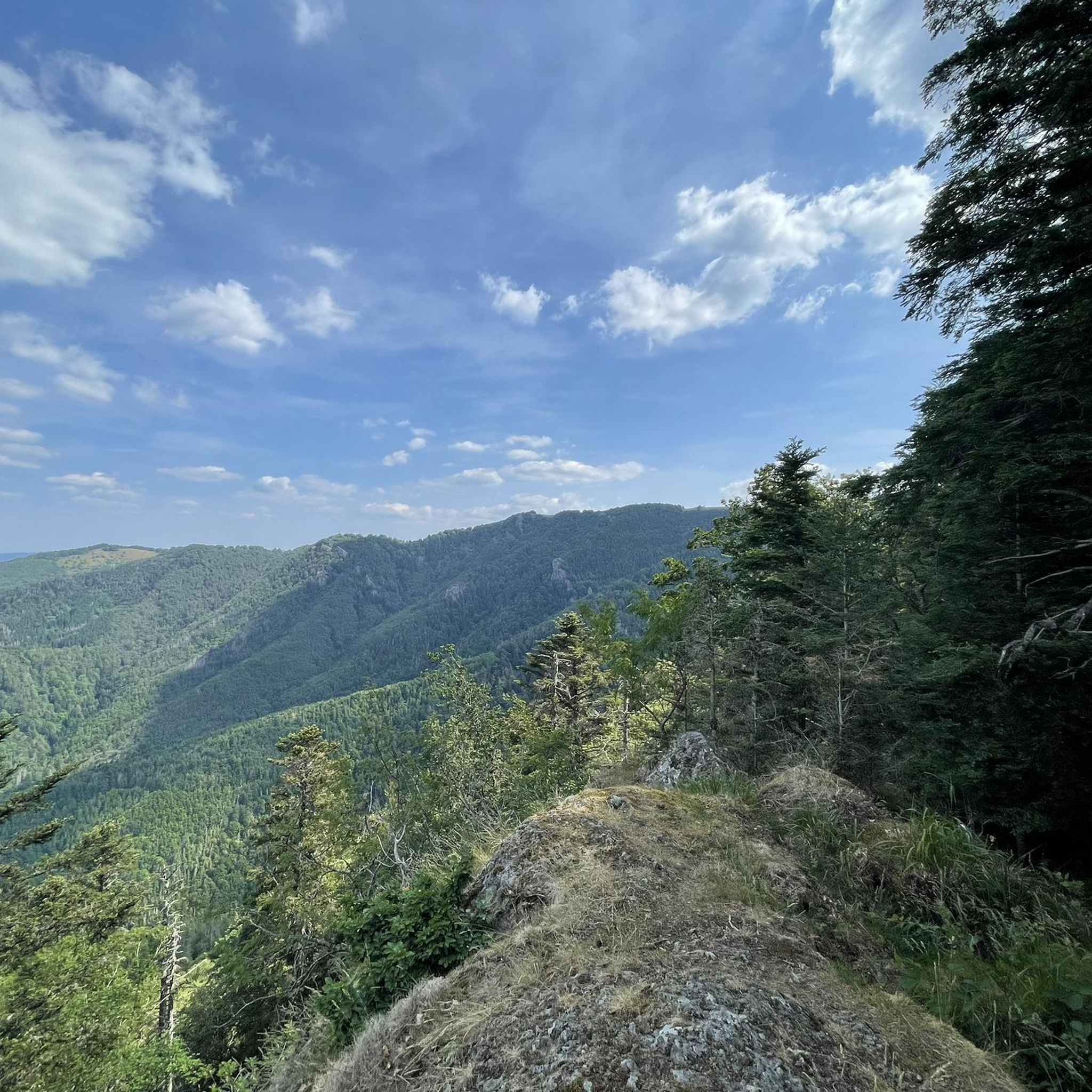
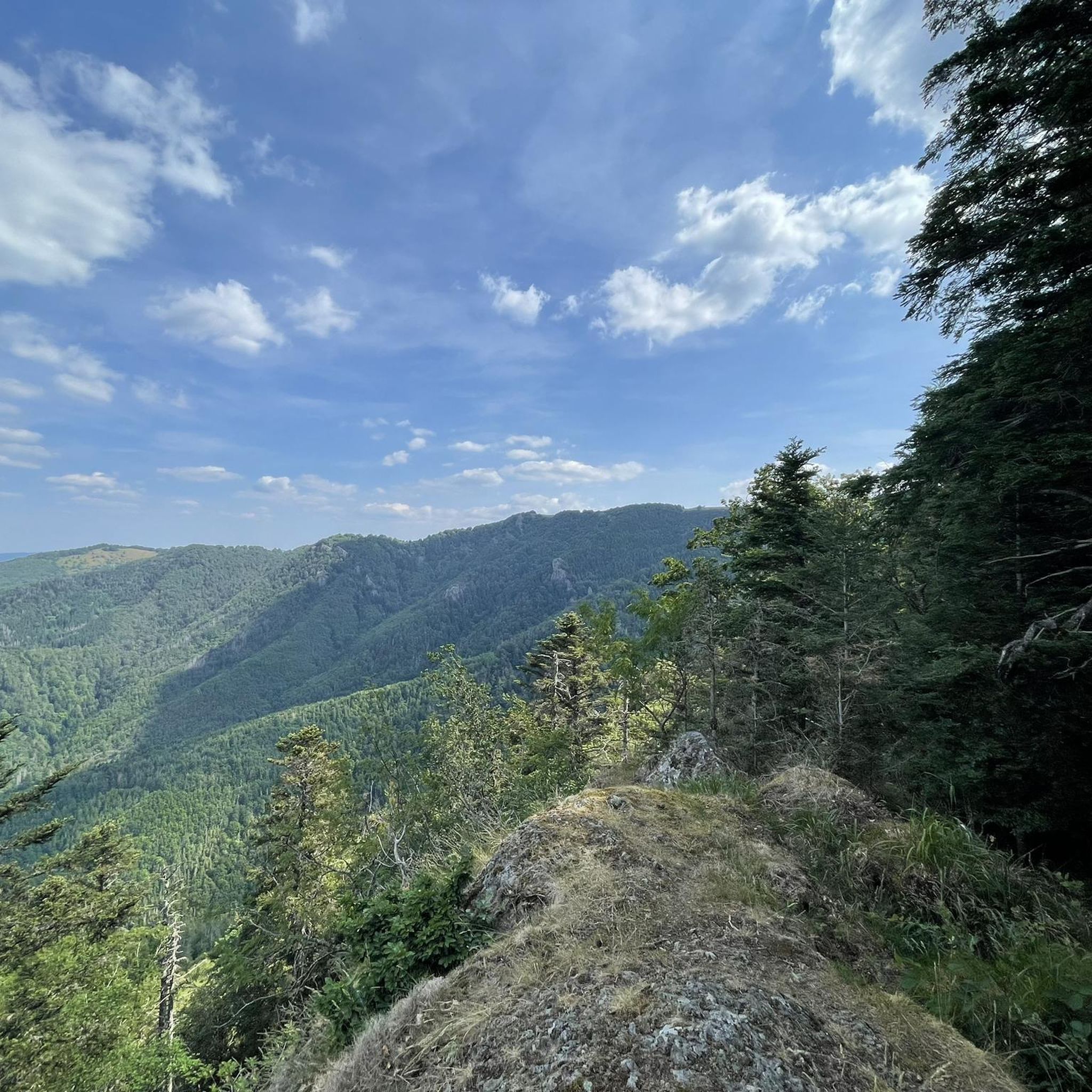
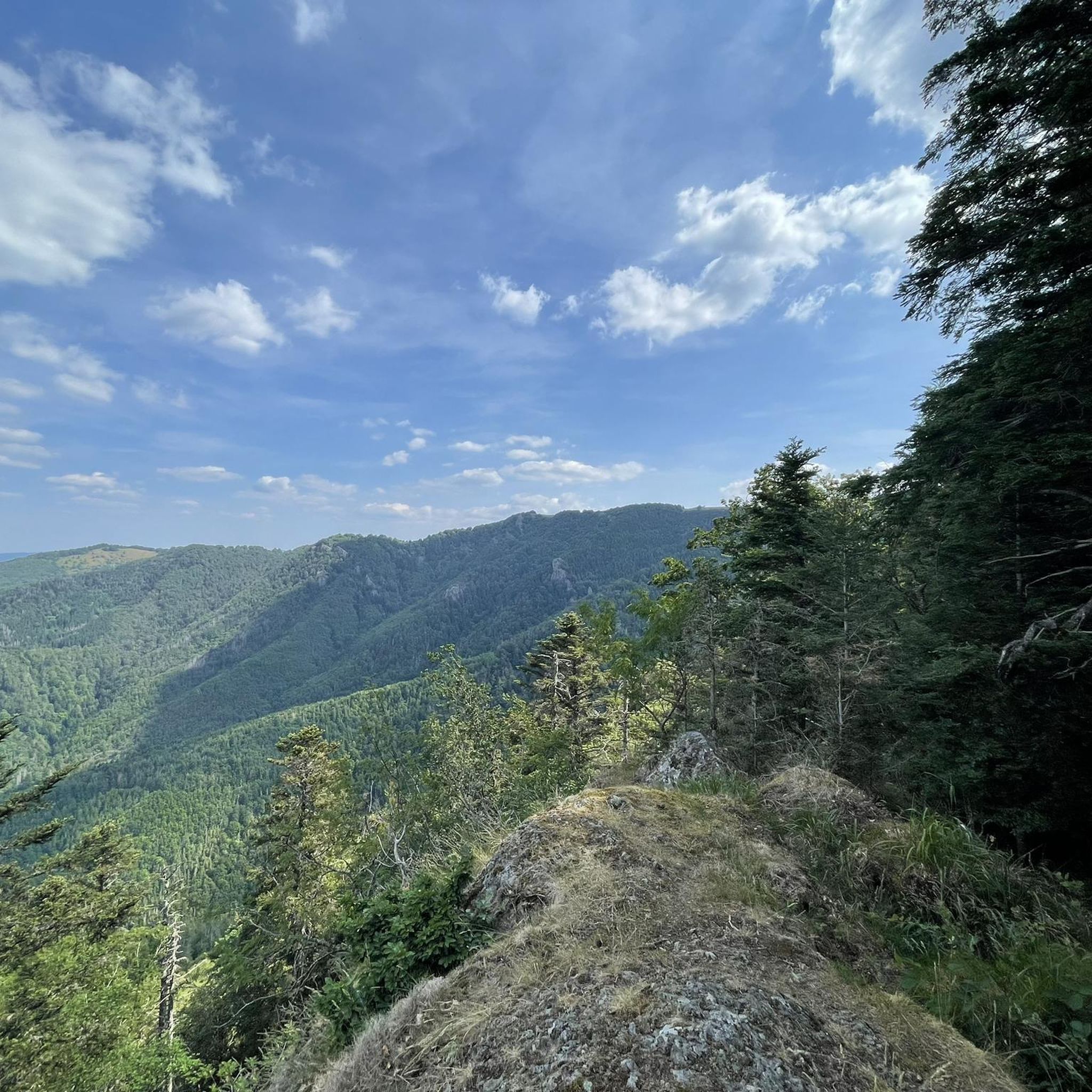
The Château du Herrenfluh is a medieval ruin at an altitude of 858 metres. It was built in 1312 by Johan von Sankt Amarin, nicknamed Nordwind, and served as a lookout post for the princes-abbatons of Murbach. Due to its strategic location, the castle offered a panoramic view over Alsace, all the way to the foothills of the Jura. In 1376, it was captured by English mercenaries and later, in 1468, destroyed by the Swiss. During the First World War, the site was again used as a French observation post. Today, some ruins are still visible, and volunteers are working to preserve the remains. It is an interesting historical site along the Route des Crêtes.
7
0

The opening times are published online and it's worth investing the €4 for entry. The complex is huge, although not all rooms are accessible. We visited without a guide, but were provided with detailed information material - in German! A very interesting complex that is maintained by a club. Respect!!!
0
0

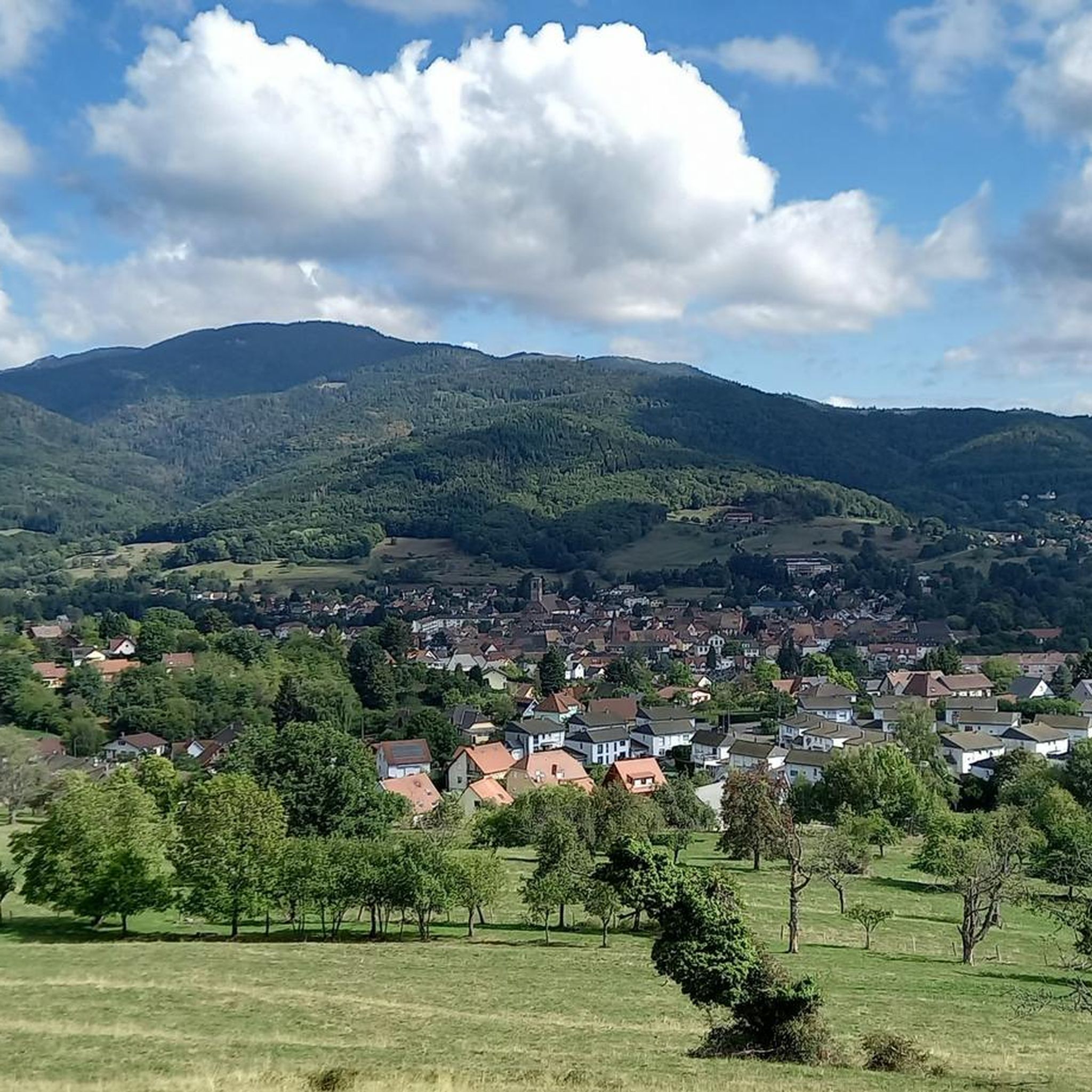
The castle was built from 1224, with various extensions until the 16th century. Its initial purpose, in addition to being the residence of the Count of Ferrette, was to monitor the toll which regulated passage into the Thur valley. Its name means the “town of the angel” in homage to Saint Michael, chief of the angels and champion of Good, and it stands at the top of the Schlossberg, the “castle mount. » In 1673, Louis The king called on miners from Giromagny to demolish the castle with explosives. When the dungeon collapses, part of it remains stuck on the side, giving the ruins their current shape. The locals nickname the remains of the castle “The Witch’s Eye” because this dungeon evokes an eye watching over the city, but also in connection with the tumultuous past involving the city in witch hunting. Family walk through the old town offering upon arrival a beautiful view of the town and the surrounding hills.
1
0

A worthwhile destination, good view of the city
0
1
The preservation over the many years is unique
1
1

This fort was built between 1875 and 1879. The fort forms the southern end of the defensive curtain of the Haute Moselle region, adjoining the fortified region of Belfort, which extends to the south. The fort was built as part of the French Séré de Rivières system of fortifications to defend France against a recurrence of the Prussian invasion of the Franco-Prussian War of 1870–1871. The fort was one of the most heavily armed forts in the northeast during the late 19th and early 20th centuries. Entrance 3€/pers. (free for accompanied children under 12). OPENING EVERY SUNDAY and public holidays from July 3 to September 18 (inclusive): from 2 p.m. to 6 p.m. (entrances close at 5:15 p.m.) Possibility of guided tour from April to October (Reservation required).
0
0

A fallen tower as the central photo motif.
1
1
Frequently Asked Questions
What kind of historical sites and castles can I expect to find around Masevaux-Niederbruck?
The Masevaux-Niederbruck area is rich in historical ruins and vestiges rather than fully preserved castles. You'll find remnants of fortified sites, observation posts, and medieval town fortifications. Notable examples include the archaeological ruins of Château du Montori and vestiges of Masevaux's former town walls, such as the Tour des Brigands.
What are some of the most popular castle ruins to visit near Masevaux-Niederbruck?
Visitors frequently enjoy exploring several significant castle ruins. These include The Witch's Eye (Engelbourg Castle), known for its unique dungeon remnant and magnificent views, the Ruins of Freundstein Castle, which dominates the plain of Alsace from 948 meters, and the Ruins of Rougemont Castle, strategically built at 736 meters for monitoring the plain.
Are there hiking trails that lead to these castle ruins?
Yes, many of the castle ruins in the region are accessible via hiking trails. For example, the Château du Montori is reached by a marked hiking trail through a preserved forest, offering beautiful panoramic views. You can find various hiking routes that incorporate these historical sites in the Mountain Hikes around Masevaux-Niederbruck guide.
What kind of views can I expect from the castle ruins in the area?
Many castle ruins in the Masevaux-Niederbruck region offer impressive panoramic views. From the Château du Montori, you can see Masevaux and the former Abbey estate. The Witch's Eye (Engelbourg Castle) provides a magnificent view of Thann, while the Ruins of Freundstein Castle and Ruins of Rougemont Castle offer commanding views over the Alsace plain. The View from Château du Herrenfluh also provides a wide panorama over Alsace and towards the Jura foothills.
Is the Château du Ringelstein in Masevaux accessible to visitors?
The Château du Ringelstein (Masostein) on the commune of Masevaux has almost no visible remains today, apart from an impressive rock formation and a carved well. The site is on private property, and access is generally not authorized. It's important not to confuse it with the more substantial Château du Grand Ringelstein in Bas-Rhin, which is open to the public.
Are there any family-friendly historical sites or activities near Masevaux-Niederbruck?
While many ruins involve hiking, the Fort de Giromagny is considered family-friendly. This restored fort, built between 1875 and 1879, offers an engaging historical experience. Exploring the remnants of Masevaux's medieval town fortifications, such as the Tour des Brigands, can also be an interesting activity for families.
What outdoor activities can I combine with visiting castles in this region?
The region around Masevaux-Niederbruck is ideal for combining castle visits with various outdoor activities. You can find numerous routes for mountain hikes, gravel biking, and MTB trails that often pass by or lead to these historical sites, allowing you to enjoy both nature and history.
What is the best time of year to visit the castles and ruins around Masevaux-Niederbruck?
The best time to visit is generally from spring to autumn (April to October) when the weather is mild and the hiking trails are most accessible. During these months, the natural landscapes surrounding the ruins are vibrant, and panoramic views are clearer. Winter visits are possible but may involve colder temperatures and potentially challenging trail conditions.
Are there any local legends associated with the castles in the Masevaux-Niederbruck area?
Yes, the Château du Montori is associated with a compelling local legend, 'die Montorikütscha' (the Montori carriage). It tells of the fearsome lords of Montori who would leave their castle at midnight in a carriage drawn by headless white horses to hold council in Masevaux, creating a terrifying spectacle as they passed through the town.
What do visitors enjoy most about the castles and historical sites in Masevaux-Niederbruck?
Visitors particularly appreciate the combination of historical exploration and natural beauty. The scenic hikes leading to the ruins, the panoramic views from elevated sites like The Witch's Eye, and the sense of discovering ancient history amidst preserved forests are frequently highlighted. The unique character of the ruins, such as the 'Eye of the Witch' dungeon, also captivates many.
Can I find remnants of medieval town fortifications within Masevaux-Niederbruck itself?
Yes, while not standalone castles, Masevaux was once a fortified medieval town. You can still observe some vestiges of these former town defenses. Notable remnants include a turret facing the Les Abeilles school, another along the Doller river, and the quadrangular Tour des Brigands (Brigands' Tower) in the Tanals establishments' courtyard, which was once part of the town's defense system.
Most popular routes around Masevaux-Niederbruck
Most popular attractions around Masevaux-Niederbruck

Get inspired with the komoot mobile app


Explore more
Looking for the best castles somewhere else? Discover other guides around Masevaux-Niederbruck:
