Attractions and Places To See around Ghyvelde - Top 20
Best attractions and places to see around Ghyvelde include a variety of historical landmarks, cultural sites, and distinctive natural landscapes. Situated in the Nord department of France, the commune features ancient fossil dunes, Flemish marshes, and coastal sand-dunes, many of which are protected nature reserves. The area's cultural heritage is reflected in its churches and museums, offering insights into local history and traditions. Visitors can explore a blend of natural beauty and historical significance within Ghyvelde and its surroundings.
Best attractions and places to see around Ghyvelde
- The most popular attractions is Veurne Market Square, a historical site characterized by its impressive skyline and monumental Renaissance-style buildings. It features the Town Hall of Veurne, the Landshuis with Belfry, and the Vleeshalle.
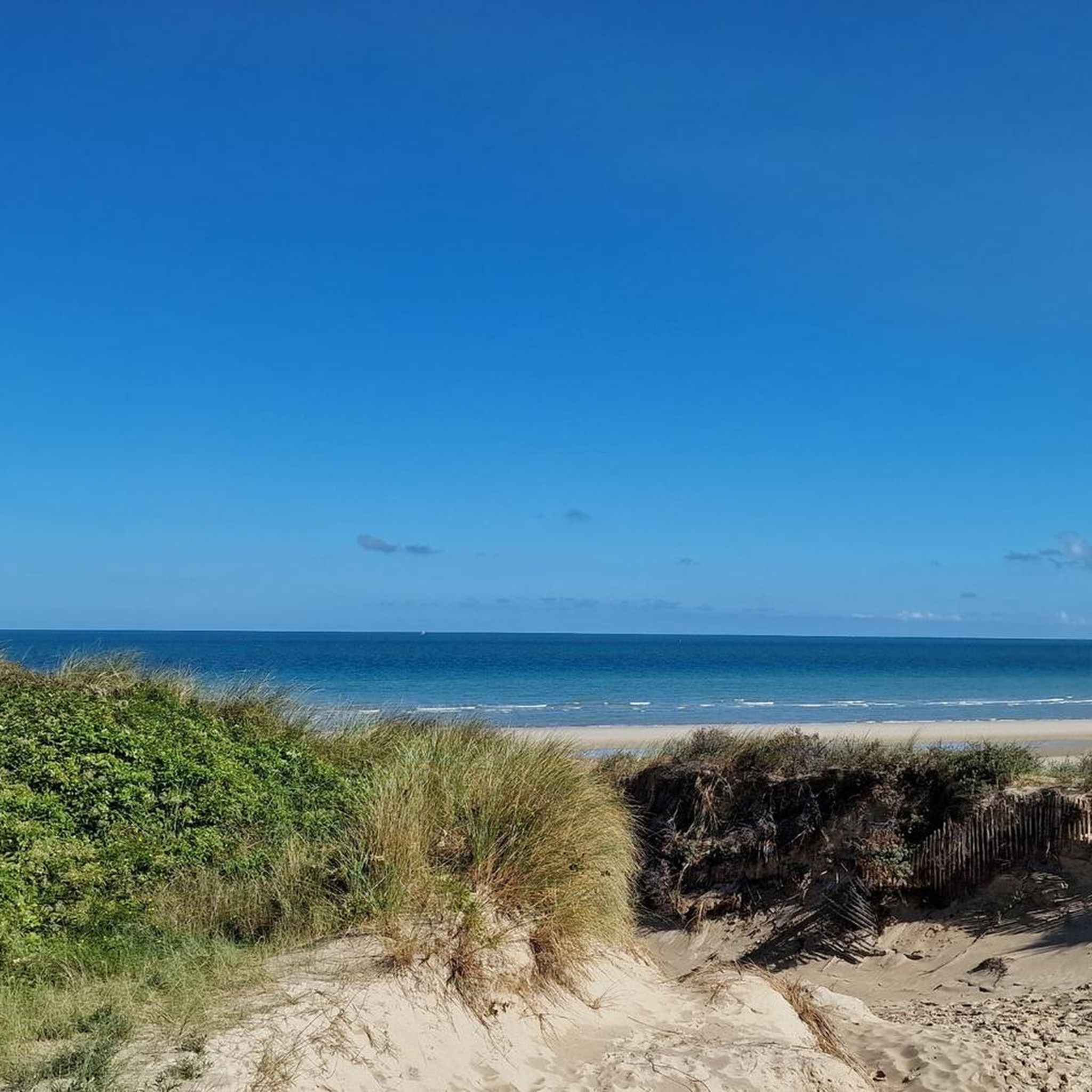
- Another must-see spot is Krakeelduinen Nature Reserve, an other natural area that is part of the Natura 2000 Dune Areas. This reserve is undergoing restoration, with Scottish Blackface sheep grazing and sand allowed to flow freely.
- Visitors also love Maerebrug (Maere Bridge) over the Nieuwpoort–Dunkirk Canal, a fixed steel bridge for cyclists, pedestrians, and riders. It connects two parts of Maerestraat, which were previously separated by the canal, and is known for its integration into the rural environment.
- Ghyvelde is known for its historical sites, natural reserves, and unique bridges. Visitors can explore ancient dunes, significant historical buildings, and cross-border infrastructure.
- The attractions around Ghyvelde are appreciated by the komoot community, with more than 1100 upvotes and over 500 photos shared across 16 highlights.
Last updated: May 9, 2026
Veurne Market Square
Highlight • Historical Site
Translated by Google •
Tip by

Maerebrug (Maere Bridge) over the Nieuwpoort–Dunkirk Canal
Highlight • Bridge
The construction of the bridge was integrated into the rural environment as much as possible.
The bridge was named 'Maerebrug' in reference to the connection it makes to the two parts of Maerestraat, once one whole, but cut in two by the construction of the Nieuwpoort-Dunkirk canal. 'Maere' refers to 'mer', 'mar' (sea) or 'Moere'.
Source: west-vlaanderen.be/artikel/nieuwe-maerebrug-de-panne-verbindt-de-moeren-met-de-kust
Translated by Google •
Tip by

Sign up now to discover places like this
Get recommendations on the best single tracks, peaks, & plenty of other exciting outdoor places.
Sign up for free
Belgium–France Border at Grenspad and 1819 Border Marker
Highlight • Monument
Translated by Google •
Tip by

Krakeelduinen Nature Reserve
Highlight • Natural
Translated by Google •
Tip by

De Doornpanne
Highlight • Natural
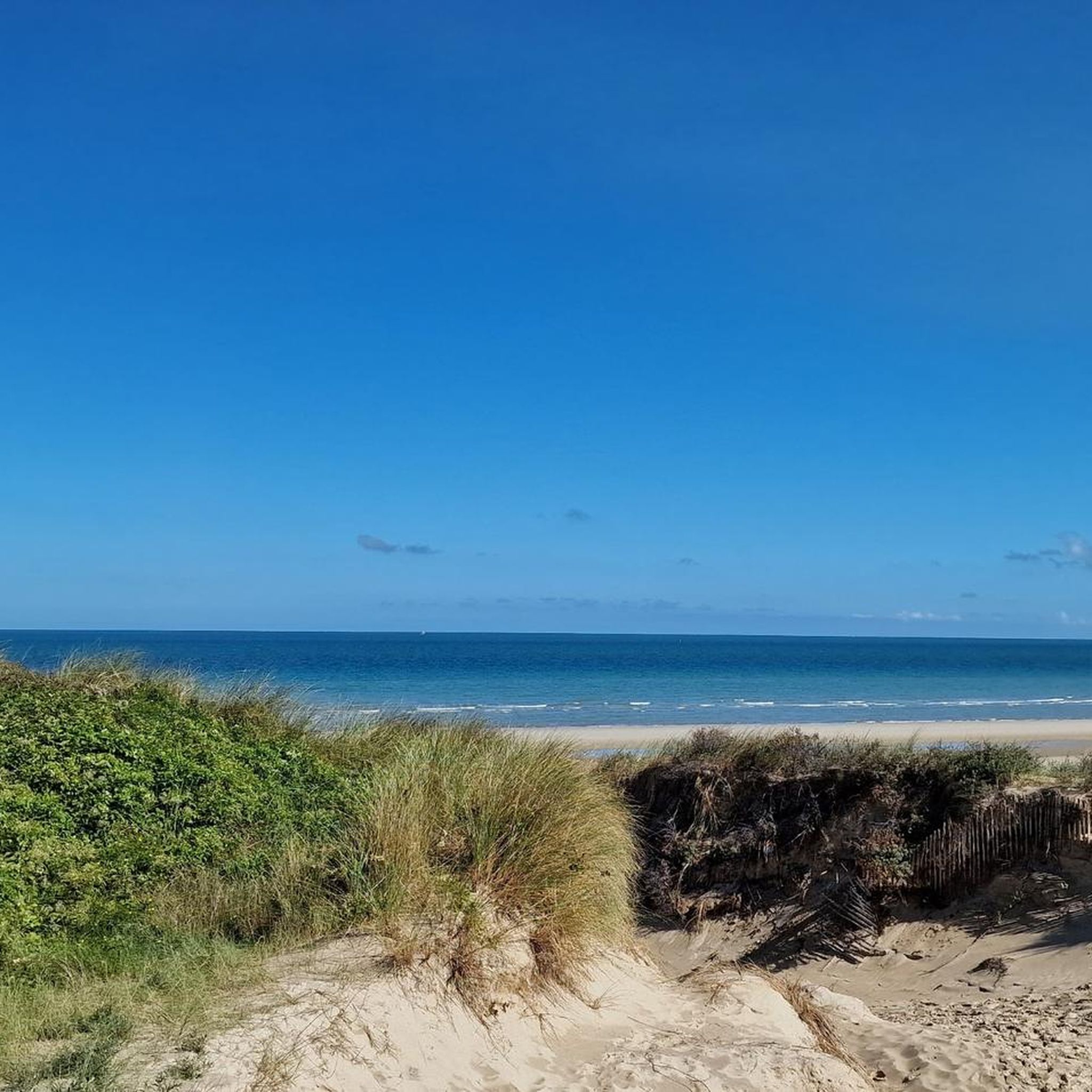
The area comprises a variety of dune types, from shifting dunes and dune grasslands to densely vegetated pans and fixed inland dunes.
The core of the dune complex consists of a broad depression (panne), the vegetation of which forms a mosaic of forest, scrub and open dune vegetation.
Errond is a belt of shifting dunes, including the highest dune top of the Flemish coast (the Hoge Blekker 33 m).
Source: aquaduin.be/visitors/natuurgebieden/de-doornpanne
Translated by Google •
Tip by

Sign up for free to discover even more attractions around Ghyvelde.
Sign up for free
Already have an account?
Start today with a free account
Your next adventure awaits.
Login or Signup

Tips from the Community

First of all, this boundary marker on the beach is completely new, as an earlier one was irreparably damaged in 2021. The date and initials refer to the brief period from 1814 to 1830 when France bordered the Netherlands. The former boundary marker was first erected in 1819. Now, this boundary marker 2.0 marks the border between Belgium and France. The point also indicates the westernmost point of Belgium combined with the northernmost point of mainland France.
5
0

The Maerebrug in De Panne is an elegant steel bridge spanning the Nieuwpoort–Dunkirk Canal and playing a vital role in the Westhoek recreational network. Designed with gentle slopes on both sides, it is easily accessible for cyclists, walkers, and horse riders. With a width of four meters and a span of 33 meters, the bridge offers safe and comfortable passage over the water and forms a link between Belgian and French nature reserves.
1
0

Currently no flags to be seen
2
1

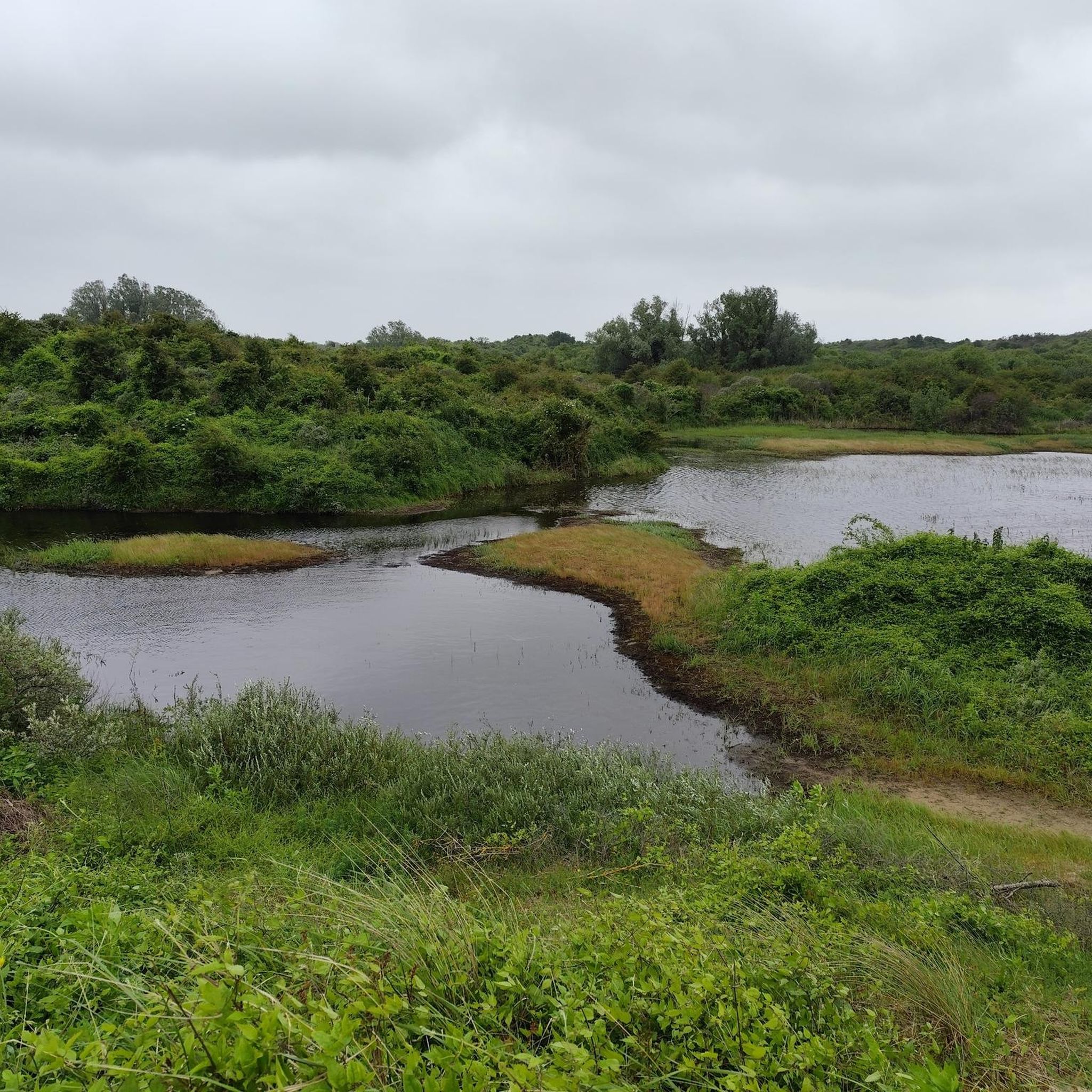
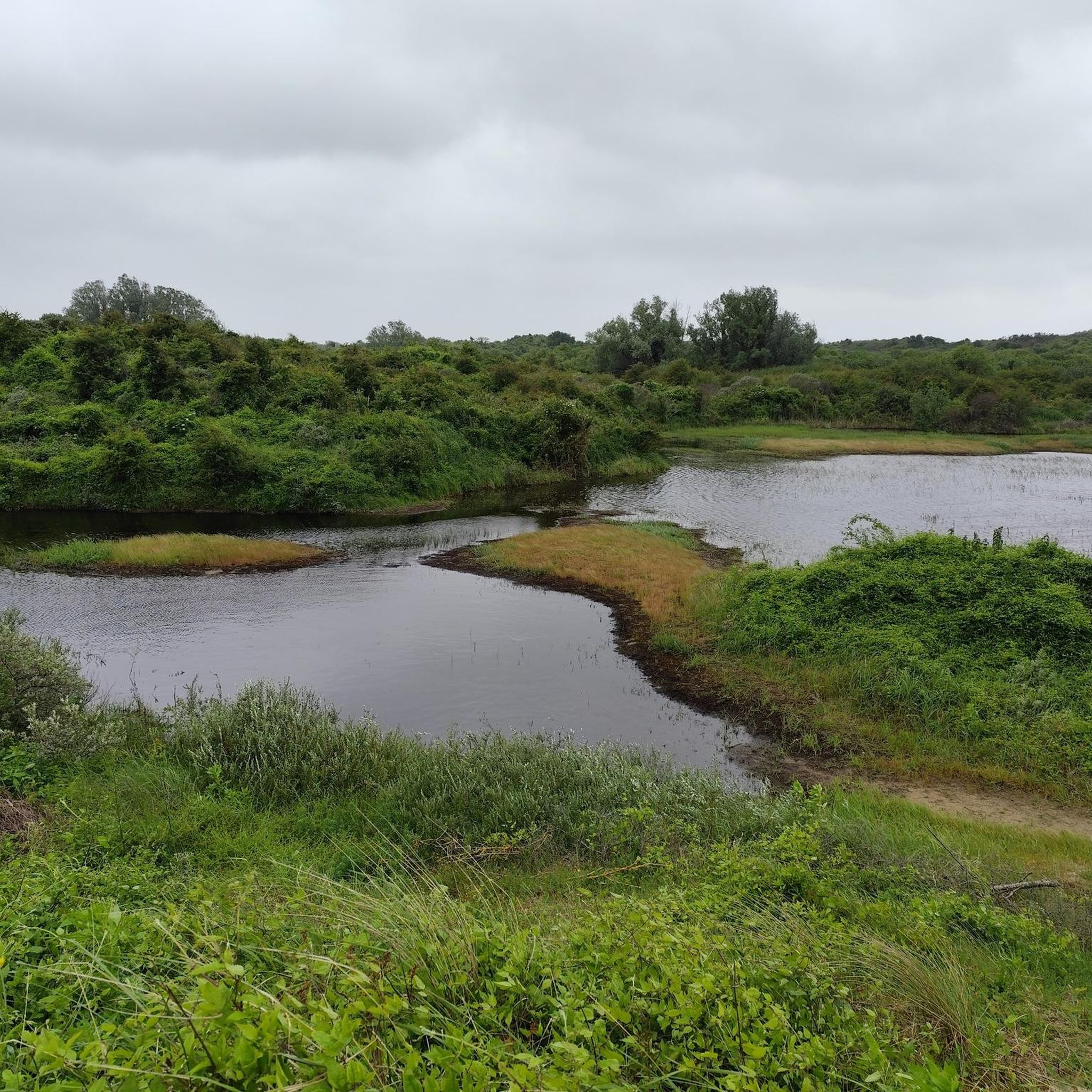
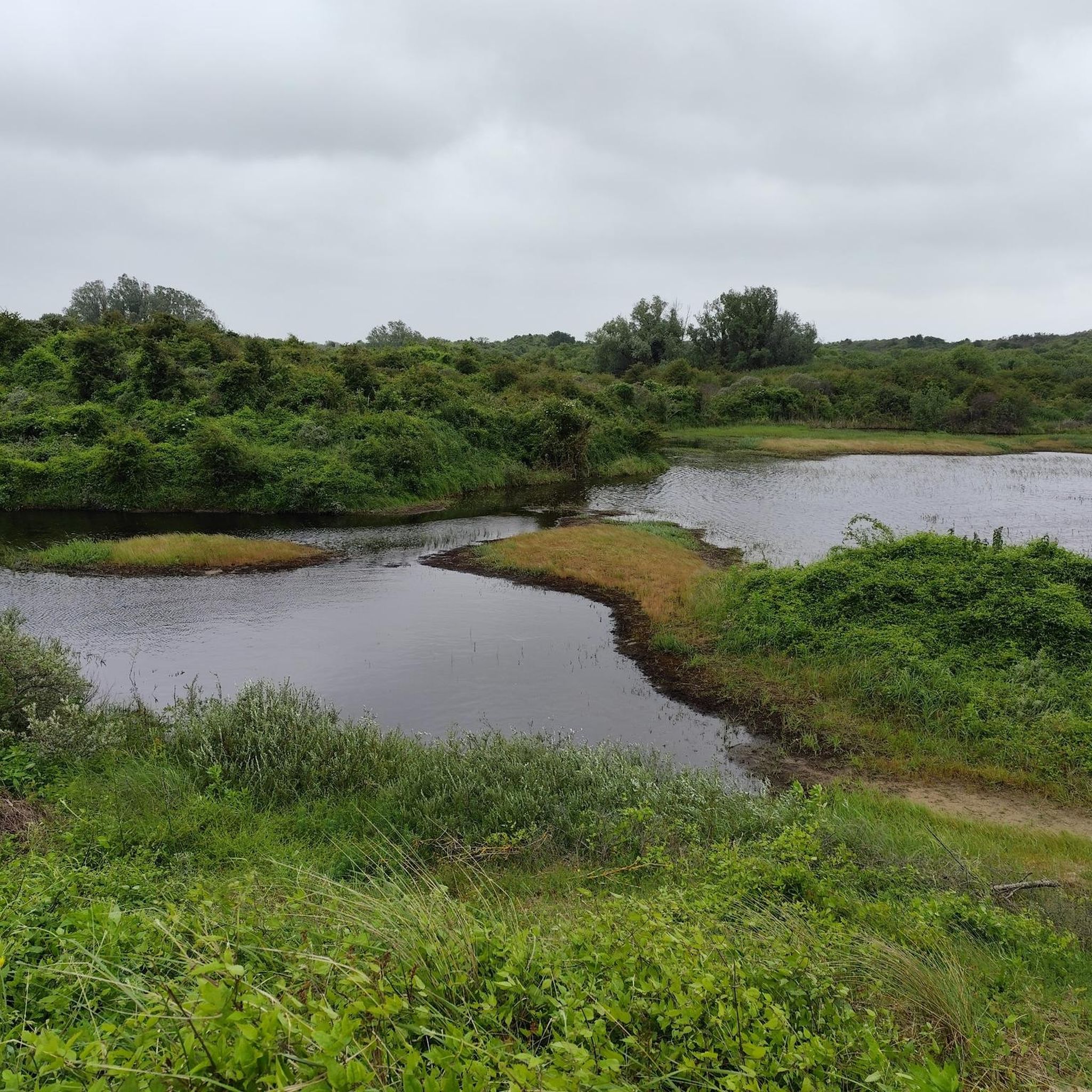
Nature reserve. You're pretty much alone here.
3
0

Impressive buildings, cafes and parks invite you to linger
5
1

The Maerebrug was installed in 2013 as part of the functional and recreational cross-border project Dunkirk-De Panne and is a fixed, steel bridge for cyclists, pedestrians and horse riders. There are gentle access ramps on both sides of the bridge so that road users can use the bridge easily. The bridge is 4 meters wide and spans a length of 33 meters. The construction of the bridge was integrated into the rural environment as much as possible. The bridge was given the name 'Maerebrug' as a reference to the connection that this bridge makes to the two parts of the Maerestraat, once one whole, but cut in two by the construction of the Nieuwpoort-Duinkerke canal. 'Maere' refers to 'mer', 'mar' (sea) and 'Moere' (so between the sea and the marshes).
3
1
Every Wednesday, the weekly market takes place from 8 a.m. to 1 p.m. on the Grote Markt. Numerous market stallholders present their wares. The range is diverse, ranging from plants and flowers, textiles, vegetables and fruit to dairy products. The weekly market also takes place if Wednesday falls on a public holiday, with the exception of January 1, November 1 or December 25.
7
2

Together with the IJzermonding and the Zwin, the Krakeelduinen are part of the Natura 2000 area Dune Areas. After WWII the dunes were used as a water extraction area, but nowadays the dune area is being restored to its natural glory. You will now find Scottish Blackface sheep grazing the area and since the concrete has been removed the sand can flow freely again.
3
0
Frequently Asked Questions
What natural features can I explore around Ghyvelde?
Ghyvelde is rich in natural beauty, featuring the unique Fossil Dune of Ghyvelde, a relic of ancient sandbanks over 12,000 years old. You can also discover the flat, low-lying Flemish Marshes and coastal sand-dunes, many of which are protected nature reserves. The area also includes the Krakeelduinen Nature Reserve, known for its restoration efforts and grazing Scottish Blackface sheep, and the Lac des Hèrons, a former sand quarry now used for watersports.
Are there historical or cultural sites to visit in Ghyvelde?
Yes, Ghyvelde offers several historical and cultural sites. You can visit the St. Vincent Church, a beautiful example of Neo-Gothic architecture from the 19th century. The Museum of Bommelaers provides a fascinating look into the region's history between 1850 and 1950, showcasing ancient crafts and local traditions. Additionally, the nearby city of Moëres features the Ruins of the Mill of the Rhine and a War Memorial.
What are some unique landmarks or points of interest near Ghyvelde?
Beyond Ghyvelde itself, you can find unique landmarks such as the Veurne Market Square, a historical site in Belgium known for its impressive skyline and monumental Renaissance-style buildings. Another notable point is the Maerebrug (Maere Bridge) over the Nieuwpoort–Dunkirk Canal, a fixed steel bridge for cyclists and pedestrians that connects two parts of Maerestraat, integrating seamlessly into the rural environment.
What do visitors particularly enjoy about the attractions around Ghyvelde?
Visitors appreciate the blend of historical significance and natural beauty. Many enjoy the peaceful character of towns like Veurne, with its historic market square, and the quiet solitude found in nature reserves like the Krakeelduinen Nature Reserve. The integration of infrastructure like the Maerebrug into the landscape is also a highlight for those exploring by bike or on foot.
Are there family-friendly activities available in Ghyvelde?
Yes, several attractions around Ghyvelde are suitable for families. The Museum of Bommelaers offers workshops and traditional games that can engage children. Natural areas like the Fossil Dune and the Flemish Marshes provide opportunities for exploration and discovery. The Lac des Hèrons also offers children's watersports, making it a fun option for families.
What kind of outdoor activities and routes are available around Ghyvelde?
The region around Ghyvelde is excellent for outdoor enthusiasts. You can find numerous marked hiking trails to explore local fauna and flora. For runners, there are several running trails, including moderate to difficult loops through natural areas. Cyclists can enjoy a variety of road cycling routes and general cycling tours, with options ranging from easy to difficult, often passing through scenic landscapes and historical sites.
Where can I experience the local wildlife and nature reserves?
To experience local wildlife and nature, visit the Flemish Marshes and Coastal Dunes, which are protected nature reserves conserving unique plants and wildlife. The Krakeelduinen Nature Reserve is another excellent spot, where you might see Scottish Blackface sheep grazing. The nearby Dune du Perroquet in Bray-Dunes also offers diverse dune types and direct access to the North Sea, providing habitats for various species.
What is the best time of year to visit Ghyvelde's attractions?
The best time to visit Ghyvelde's attractions generally depends on your preferred activities. Spring and summer offer pleasant weather for exploring the natural features, hiking, and cycling. The coastal areas and dunes are particularly enjoyable during these warmer months. Autumn can also be beautiful with changing foliage, while winter might appeal to those seeking a quieter experience, though some outdoor activities may be limited by weather conditions.
Are there any war memorials or sites commemorating historical events?
Yes, Ghyvelde has several sites commemorating historical events. The Monument aux Morts, located near the church, commemorates soldiers from both World Wars. Ghyvelde itself received the Croix de Guerre in 1949 due to its devastation during multiple conflicts. In nearby Moëres, you can find a War Memorial alongside the ruins of an old mill. Additionally, the Fort des Dunes in Leffrinckoucke, though not in Ghyvelde, is a significant 19th-century fort with historical ties to Operation Dynamo during WWII.
How can I explore the border region between Belgium and France near Ghyvelde?
You can explore the border region by visiting the Belgium–France Border at Grenspad and 1819 Border Marker. This area offers paths along the border, historical border stones, and flags, providing a unique experience of the two countries meeting. The Maerebrug also spans the Nieuwpoort–Dunkirk Canal, which itself forms part of the border, connecting the two nations for cyclists and pedestrians.
Can I find wheelchair-accessible attractions in the area?
Yes, some attractions around Ghyvelde offer wheelchair accessibility. The Veurne Market Square is generally accessible, allowing visitors to enjoy the historical architecture. The Maerebrug (Maere Bridge) is specifically designed with soft access ramps, making it accessible for wheelchair users, cyclists, and pedestrians to cross the canal.
Are there any hidden gems or lesser-known spots worth discovering?
While not widely publicized, the Stèle du Père Frédéric in Ghyvelde is a quiet and contemplative hidden gem. It's erected in memory of Father Frédéric Janssoone, a native of Ghyvelde, and built with bricks from his birthplace. A part of the parish church is also dedicated to his cult, offering a unique insight into local religious history.
Most popular routes around Ghyvelde
Most popular attractions around Ghyvelde

Get inspired with the komoot mobile app


Explore more
Still not found the Highlight you’re looking for? See guides of the top attractions in other regions:
