Attractions and Places To See around Levroux - Top 10
Best attractions and places to see around Levroux include a rich tapestry of historical, cultural, and natural sites within the Indre department of France. This region is characterized by its well-preserved medieval heritage and diverse landscapes, including plains, meadows, and woods. Visitors can explore ancient fortifications, significant religious buildings, and historical monuments. The area also offers insights into traditional crafts and panoramic views of the Champagne Berrichonne.
Best attractions and places to see around Levroux
- The most popular attractions is…
Last updated: July 2, 2026
Château de Bouges
Highlight • Castle
Translated by Google •
Tip by

La Pierre Dolmen and Cromlech
Highlight • Historical Site
Translated by Google •
Tip by
Sign up now to discover places like this
Get recommendations on the best single tracks, peaks, & plenty of other exciting outdoor places.
Sign up for free
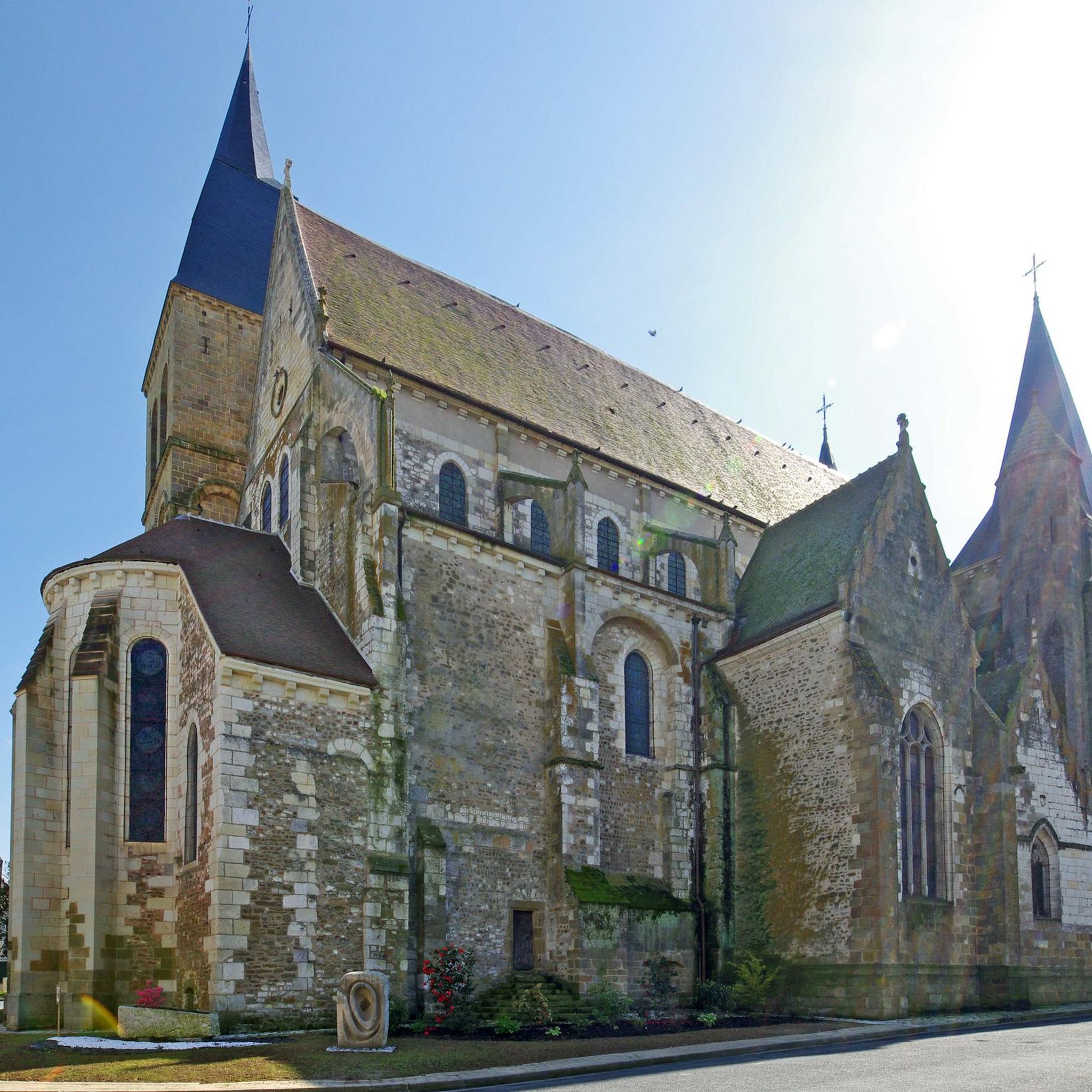
Saint-Sylvain Collegiate Church
Highlight • Religious Site
Note …
Translated by Google •
Tip by

Porte de Champagne
Highlight • Historical Site
Translated by Google •
Tip by
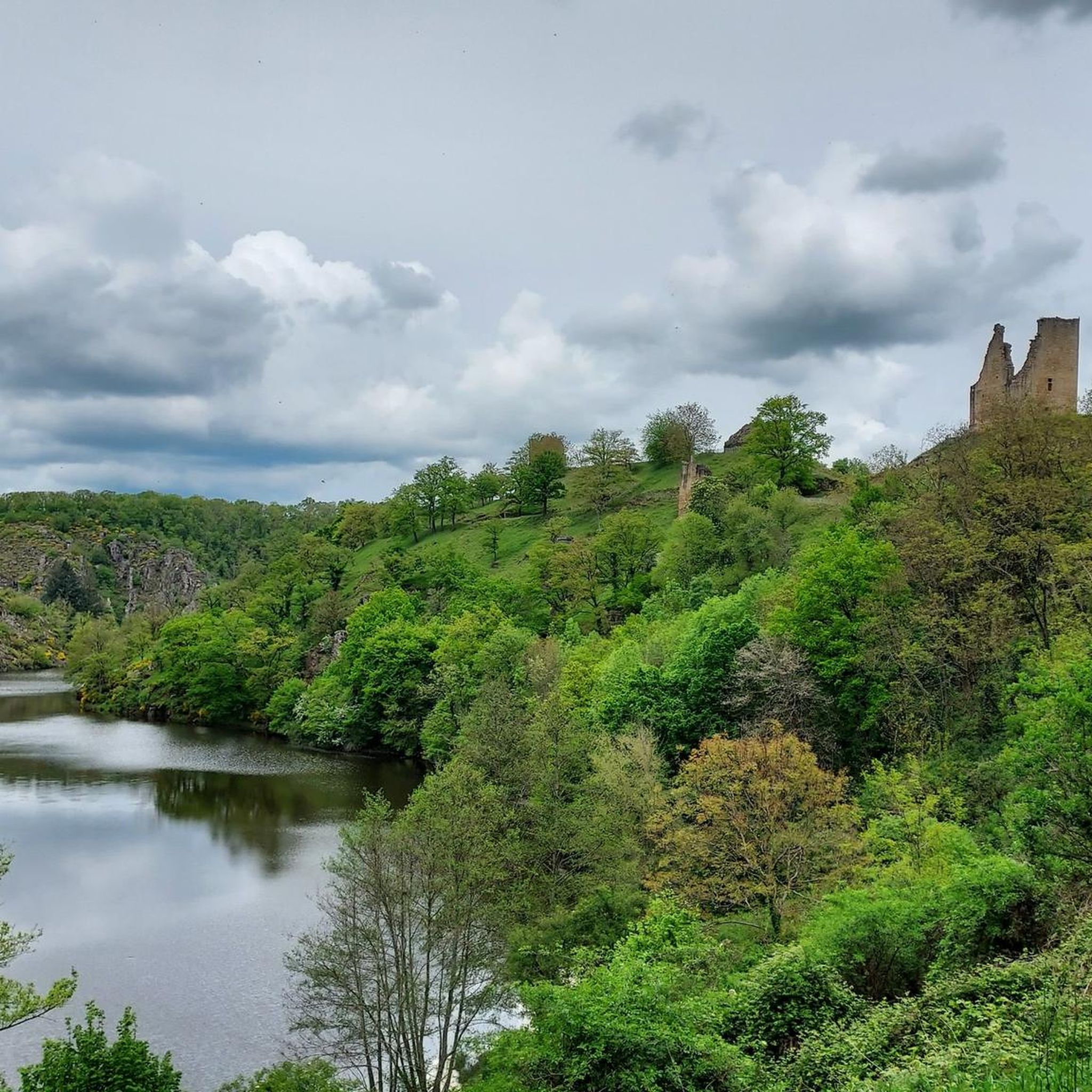
Château de Levroux
Highlight • Castle
Translated by Google •
Tip by
Sign up for free to discover even more attractions around Levroux.
Sign up for free
Already have an account?
Start today with a free account
Your next adventure awaits.
Login or Signup

Tips from the Community

The 15th-century Porte de Champagne is the only remaining city gate in Levroux. Originally built with the permission of King Charles VII to fortify the town, it still marks the transition between the old and newer parts of the city. During the recent restoration, the gate regained its towers and roofs, giving you a good impression of how imposing the entrance to Levroux once was. A true eye-catcher and a reminder of the town's medieval character.
3
0
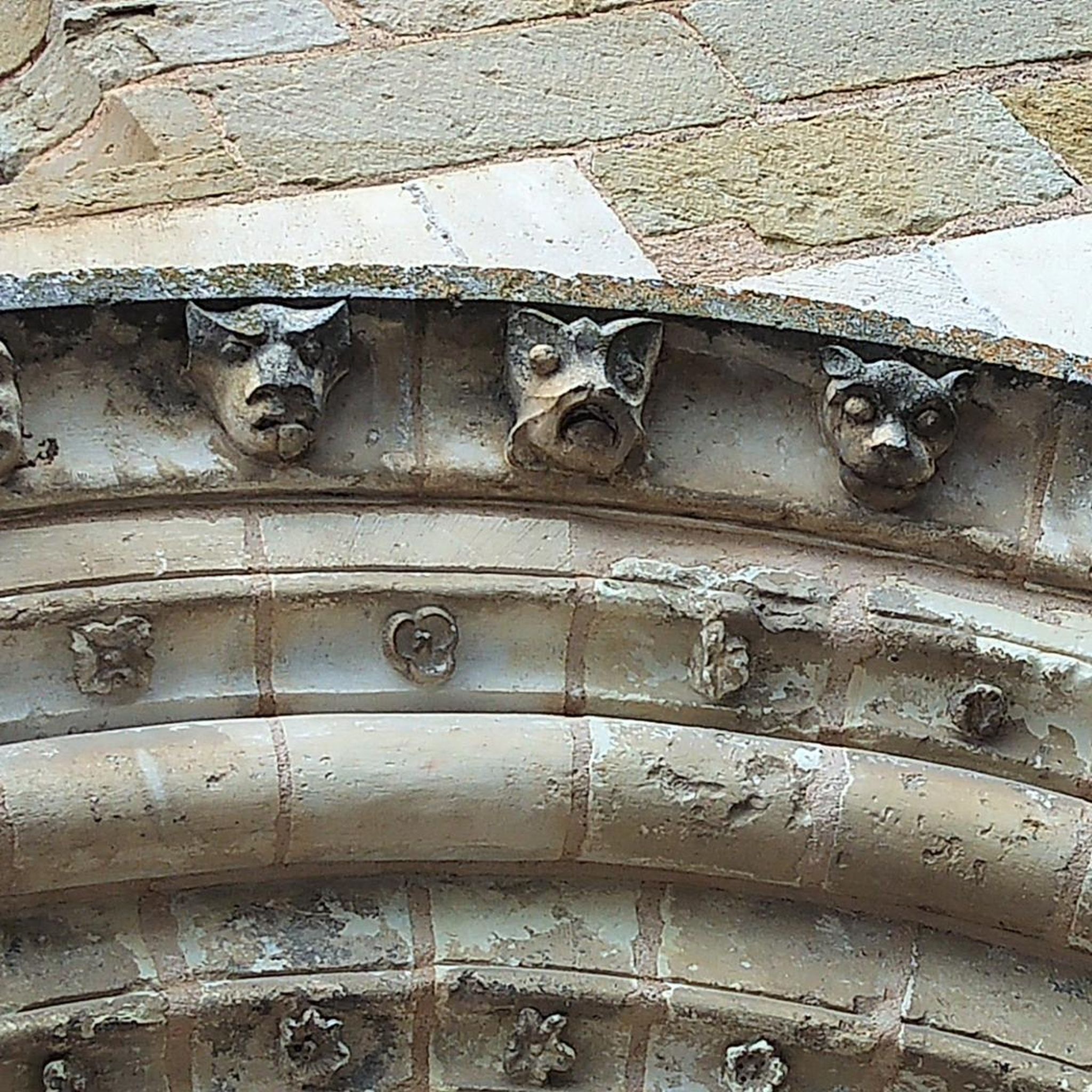
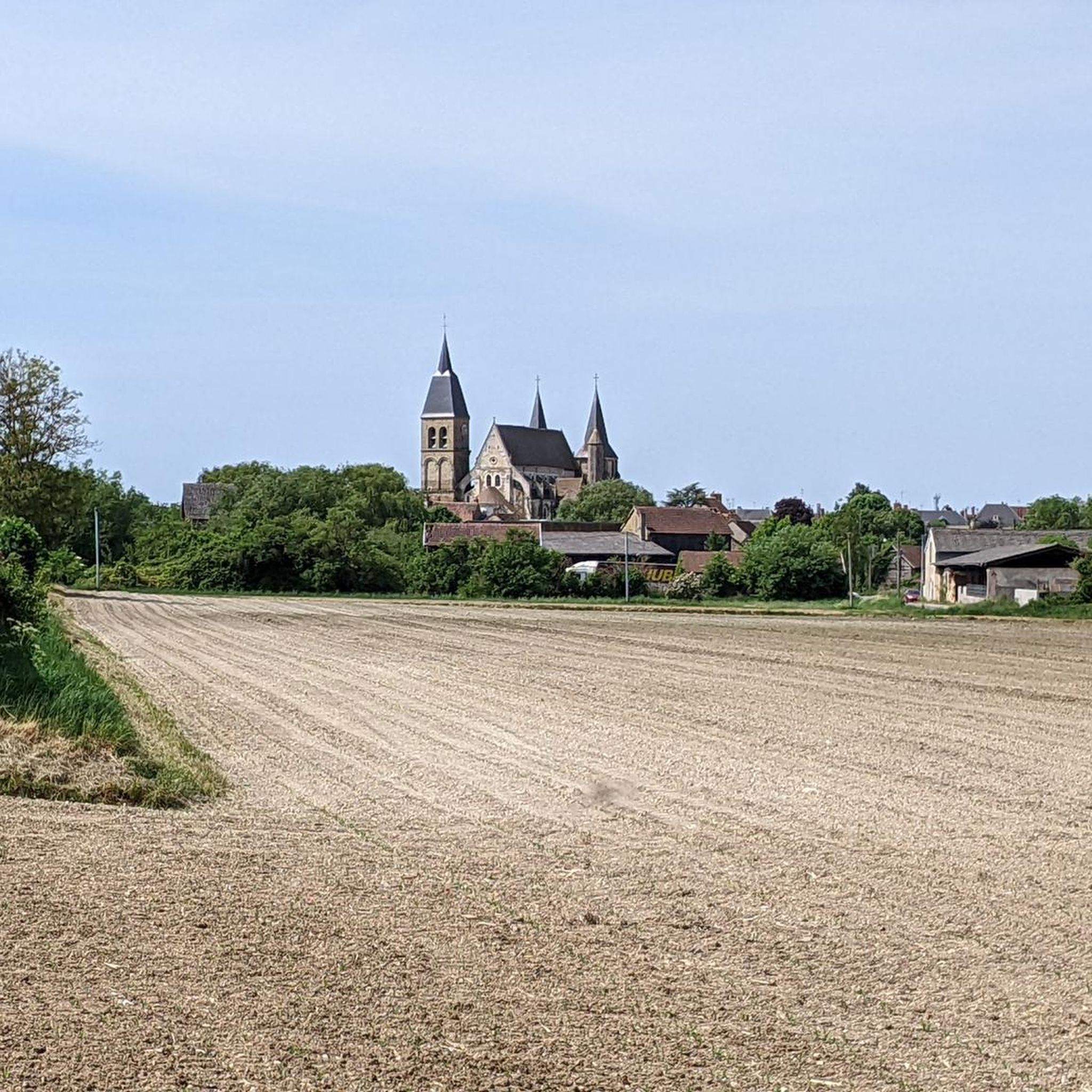
For a village, Levroux boasts a church that almost has the allure of a cathedral. The 13th-century Collégiale Saint-Sylvain is not called the "petite cathédrale du Berry" for nothing. Note the details: the Romanesque side portal that once housed the sick and outcasts, the wooden stalls with humorous carvings, and the unique organ cabinet from 1502. Inside, you'll even find the banc du bourreau—the executioner's seat, marked with a red cross.
3
0
Don't expect a Stonehenge scene here, but rather a handful of weathered stones that have stood in place for thousands of years. To be honest, it's not much to look at visually. But with a little imagination, you can find yourself face to face with prehistory, all set in the tranquil French countryside. Stop for a moment, smile, and then continue your walk.
1
0

Built in the 1760s, the Château de Bouges located near Valençay elegantly illustrates the arts of the 18th century. When Claude Leblanc de Carnaval bought the estate in 1765, the old building present until then was razed to make way for an “Italian-style house”. This new, up-to-date construction displays the ambition of the rich ironmaster, who managed to rise in the world of Parisian finance and was recently ennobled. Ruined twelve years later, his castle was seized and sold. During the 19th century, successive buyers included the Prince of Talleyrand and Henri Dufour, who restored the castle and had the park landscaped in the English style. The Château de Bouges owes its transformation above all to the Viguier couple: Henry, director of a Parisian department store, and his wife Renée. Acquired in 1917, the Château de Bouges regained its initial vocation as a sumptuous residence. The Viguier couple brought the castle back to life with the acquisition of exceptional furniture dating from the 18th century, which wonderfully expresses the taste for well-being and refinement specific to the society of that era in harmony with the setting. Left without descendants, they bequeathed the castle to the State in 1967. Of elegant Italian construction, the charm of this castle lies in its inhabited appearance. A visit that will transport you to the elegance of the 18th century! After visiting the castle, be sure to discover the English-style park designed by the landscaper Achille Duchêne at the beginning of the 20th century. The winding paths allow you to discover varied views of the Château de Bouges all along the walk. The stone balustrade separates the park from the French garden where boxwood embroidery and trimmed yews are bordered by lime trees. The old vegetable garden, transformed into a flower garden by Madame Viguier, is today dedicated to the cultivation of flowers used for the composition of the bouquets which adorn the rooms of the castle. A visit to the outbuildings made up of the stables, the saddlery and the orangery allows you to discover Henri Viguier's passion for horse riding.
0
0

The Château de Bouges is an 18th century residence surrounded by 80 hectares of greenery, with a pond where you can admire the reflections of the different trees. You can also discover the outbuildings where the stables, saddlery and horse-drawn carriages are located. The castle itself is open for guided tours, where you can explore its elegant rooms and furnishings. Opening hours vary depending on the season, do not hesitate to check them before traveling.
2
0
The dolmen is 6 m long and 4.20 m wide with a maximum height of 1.60 m. The whole forms a funerary chamber 5.80 m long and 2.30 m wide, which reaches 1.30 m at its greatest height under the slab. All the slabs are in sandstone and come from Bagneux or Dun-le-Poëlier, towns more than 30 km away.
2
0
Around the 1400s, Levroux suffered attacks and acts of terror from local brigands. King Charles VII therefore authorized the city to fortify its perimeter. Sixteen towers, adjoining walls and a moat were built, of which the Porte de Champagne is all that remains today.
2
0
Built in the 13th century, this church is actually known as the little cathedral of Berry. Apparently, the south wall opens to a door with a porch that served as an entrance for lepers.
2
0
Frequently Asked Questions
What historical sites can I explore in Levroux?
Levroux is rich in history. You can visit the impressive Porte de Champagne, the last remaining medieval city gate, which offers a glimpse into the town's fortifications. Explore the ruins of the Château de Levroux, perched on a hill with panoramic views. Don't miss the 16th-century Wooden House (Maison de Bois), an emblematic half-timbered structure, and the ancient Sainte Rodene Fountain, steeped in local legend.
Are there any significant religious buildings to visit in the area?
Yes, the Saint-Sylvain Collegiate Church in Levroux is a must-see. Often called the 'petite cathédrale du Berry,' this 13th-century church features remarkable 16th-century stalls, a Gothic organ case from 1502, and a unique Romanesque side portal. Inside, you can even find the 'banc du bourreau' (executioner's seat).
What cultural experiences does Levroux offer?
Levroux, known as the 'medieval city of leather and parchment,' offers a unique cultural experience at the Leather and Parchment Museum (Musée du Cuir et du Parchemin). Here, you can learn about the ancestral craft of leather and parchment manufacturing, a significant part of the town's heritage, and even see artisans at work. The town's historic center also showcases traditional medieval architecture with narrow, winding streets.
Are there family-friendly attractions around Levroux?
Absolutely! The Château de Bouges is an excellent choice for families, offering an 18th-century residence surrounded by 80 hectares of greenery, including a pond and outbuildings with stables and horse-drawn carriages. Another intriguing option is La Pierre Dolmen and Cromlech, a historical site where children can marvel at ancient megalithic structures and imagine prehistory.
What natural features or outdoor spaces can I enjoy near Levroux?
The region around Levroux, known as Champagne Berrichonne and Boischaut-Nord, offers diverse landscapes of plains, meadows, and woods. You can explore the Wood of Ferrières, a notable natural site. There's also a Circuit of Vegetable Gardens that winds past old leather workshops and leads to a body of water, eventually returning to the historic town center, offering a pleasant stroll through nature and history.
Can I find walking or hiking trails near Levroux attractions?
Yes, there are various walking and running trails around Levroux. For example, you can find a 'Running loop from Bel-Air' or a 'Porte de Champagne – Saint-Sylvain Collegiate Church loop from Levroux' which is about 10 km long. These routes allow you to explore the local landscape and attractions on foot. You can find more details on available routes in the Running Trails around Levroux guide.
Are there cycling routes available for exploring the area?
Cyclists can enjoy several routes around Levroux. For road cycling, options include an 'easy' Château de Bouges loop from Levroux, or a more moderate 'Château de Levroux – Valençay Castle loop'. Mountain biking enthusiasts can find trails like the 'Saint-Sylvain Collegiate Church – Château de Levroux loop'. Discover more routes in the Road Cycling Routes around Levroux guide and the MTB Trails around Levroux guide.
What is the best time to visit Levroux attractions?
Levroux's attractions, particularly its historical sites and outdoor areas, can be enjoyed throughout much of the year. Spring and autumn generally offer pleasant weather for exploring the town's medieval architecture and the surrounding natural landscapes. Summer is also popular, though it can be warmer, and is ideal for enjoying the municipal swimming pool or public garden.
What makes Levroux a 'Cité de Caractère®'?
Levroux is recognized as a 'Cité de Caractère®' (Town of Character) due to its rich historical and architectural significance. This designation highlights its well-preserved heritage, including its medieval fortifications, significant religious buildings like the Saint-Sylvain Collegiate Church, and unique cultural aspects such as its history in leather and parchment manufacturing. The town's charm lies in its authentic character and picturesque setting.
What do visitors enjoy most about the attractions around Levroux?
Visitors particularly appreciate the blend of history and natural beauty. For instance, the Château de Bouges is loved for its elegant 18th-century architecture and extensive parkland. The Saint-Sylvain Collegiate Church impresses with its cathedral-like allure and intricate historical details. The ancient La Pierre Dolmen and Cromlech offers a unique connection to prehistory in a tranquil setting. The overall medieval character of Levroux, exemplified by the Porte de Champagne, is also highly valued.
Are there any unique architectural features to look out for in Levroux?
Beyond the major landmarks, Levroux's historic center is notable for its traditional medieval architecture. As you wander through the narrow, winding streets, you can admire charming half-timbered houses, including the 16th-century Wooden House (Maison de Bois). Keep an eye out for 'gerbières,' which are openings on buildings traditionally used for gathering hay, adding to the authentic medieval atmosphere.
Can I find panoramic views of the region near Levroux?
Yes, for remarkable panoramic views of the city and the Champagne Berrichonne landscape, head to the ruins of the Château de Levroux. Perched on a hill, this ancient site provides an excellent vantage point to appreciate the diverse and changing scenery of plains, meadows, and woods that characterize the region.

Get inspired with the komoot mobile app


Explore more
Still not found the Highlight you’re looking for? See guides of the top attractions in other regions:
