Attractions and Places To See around Gonneville-Le-Theil - Top 20
Attractions and places to see around Gonneville-Le-Theil, a commune in the Manche department of Normandy, offer a blend of historical landmarks and natural beauty. The area is characterized by its green, agricultural landscape and proximity to the sea, with a picturesque coastline around Cap Lévi. Visitors can explore historical sites, cultural attractions, and natural features, making it suitable for outdoor activities like hiking and cycling.
Best attractions and places to see around Gonneville-Le-Theil
- The most popular attractions is Cap Lévi…
Last updated: July 20, 2026
Cap Lévi Lighthouse
Highlight • Monument
The first was built in 1858. Destroyed by the German army in June …
Translated by Google •
Tip by

Ravalets Castle
Highlight • Castle
Translated by Google •
Tip by

Sign up now to discover places like this
Get recommendations on the best single tracks, peaks, & plenty of other exciting outdoor places.
Sign up for free
Fort of Cap Lévi
Highlight • Monument
Translated by Google •
Tip by

Basilica of the Trinity
Highlight • Religious Site
Translated by Google •
Tip by

Place Napoléon in Cherbourg
Highlight • Monument
Translated by Google •
Tip by
Sign up for free to discover even more attractions around Gonneville-Le-Theil.
Sign up for free
Already have an account?
Start today with a free account
Your next adventure awaits.
Login or Signup
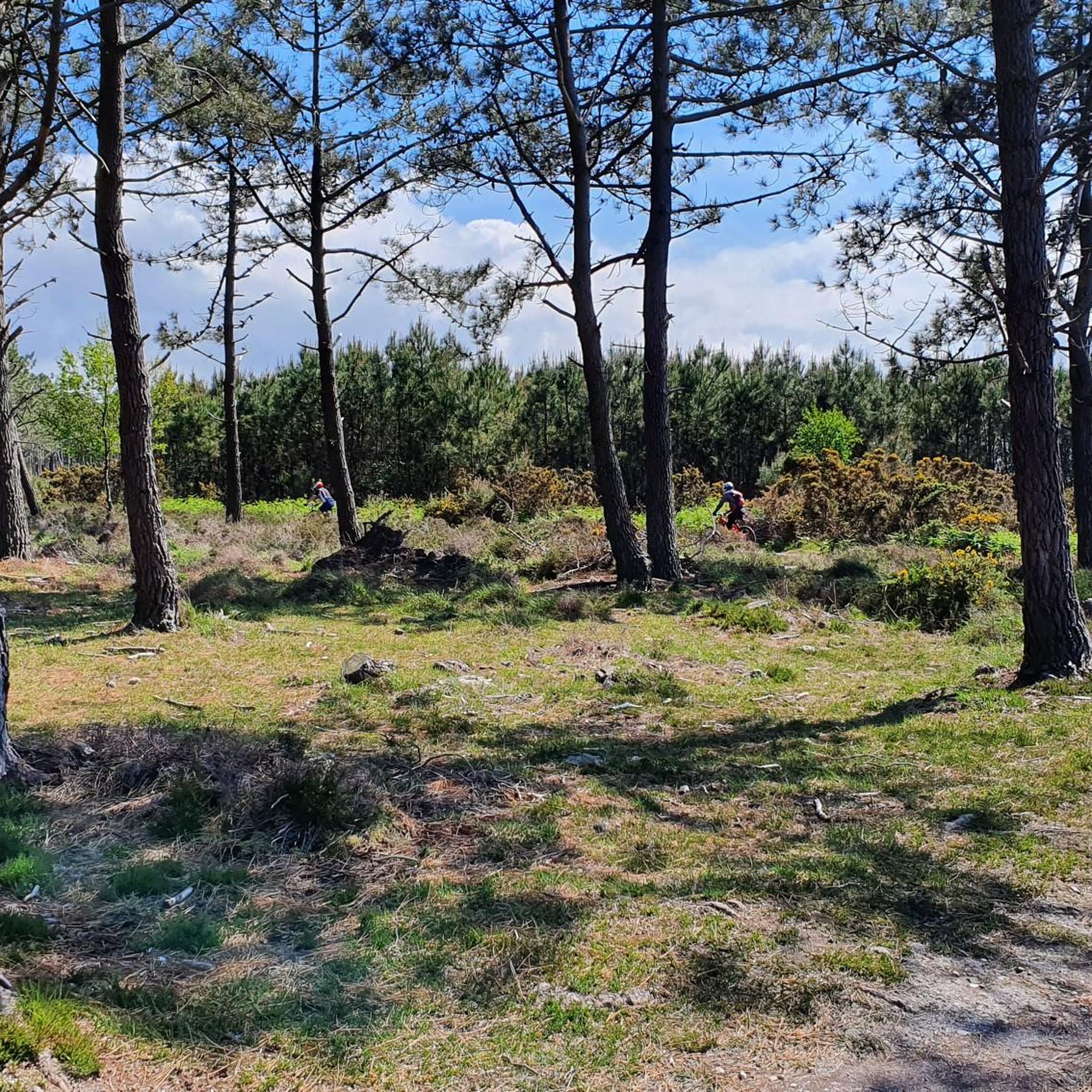
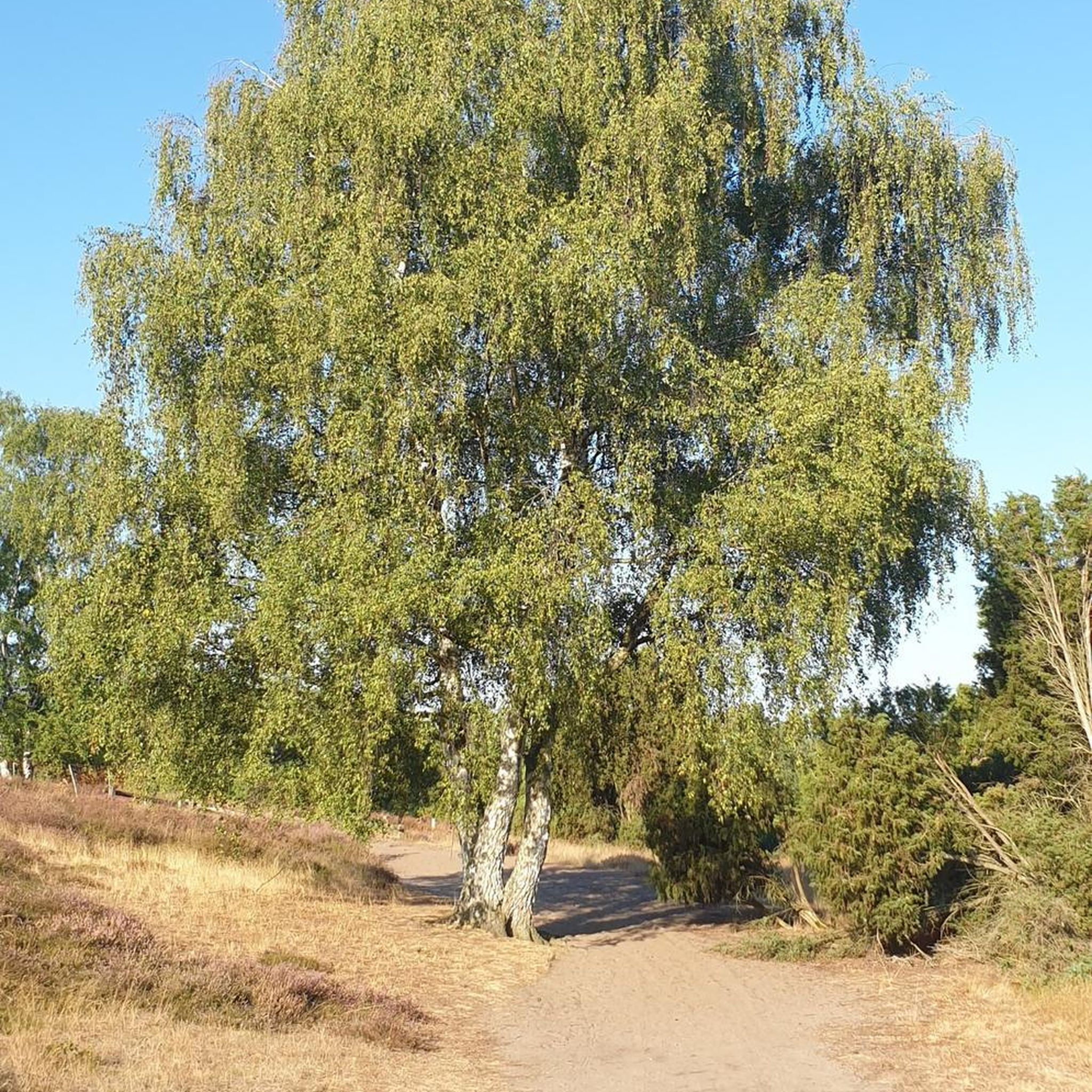
Tips from the Community

magnificent castle near Cherbourg
0
0

The statue is already visible from afar.
1
0

A very beautiful castle to admire from all sides.
0
0

Free to visit, there are some information boards inside and you can park here and even spend the night. Great view.
0
0

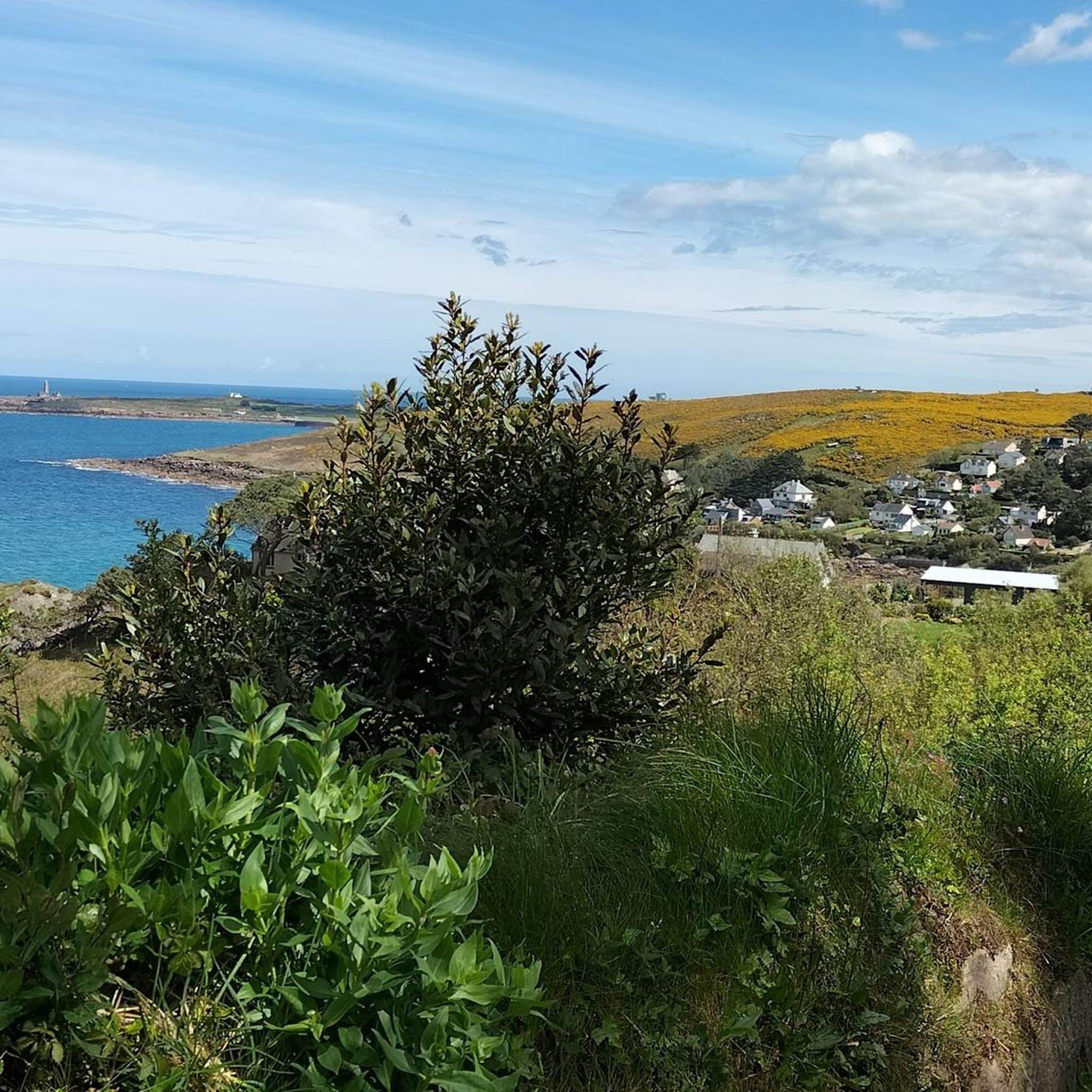
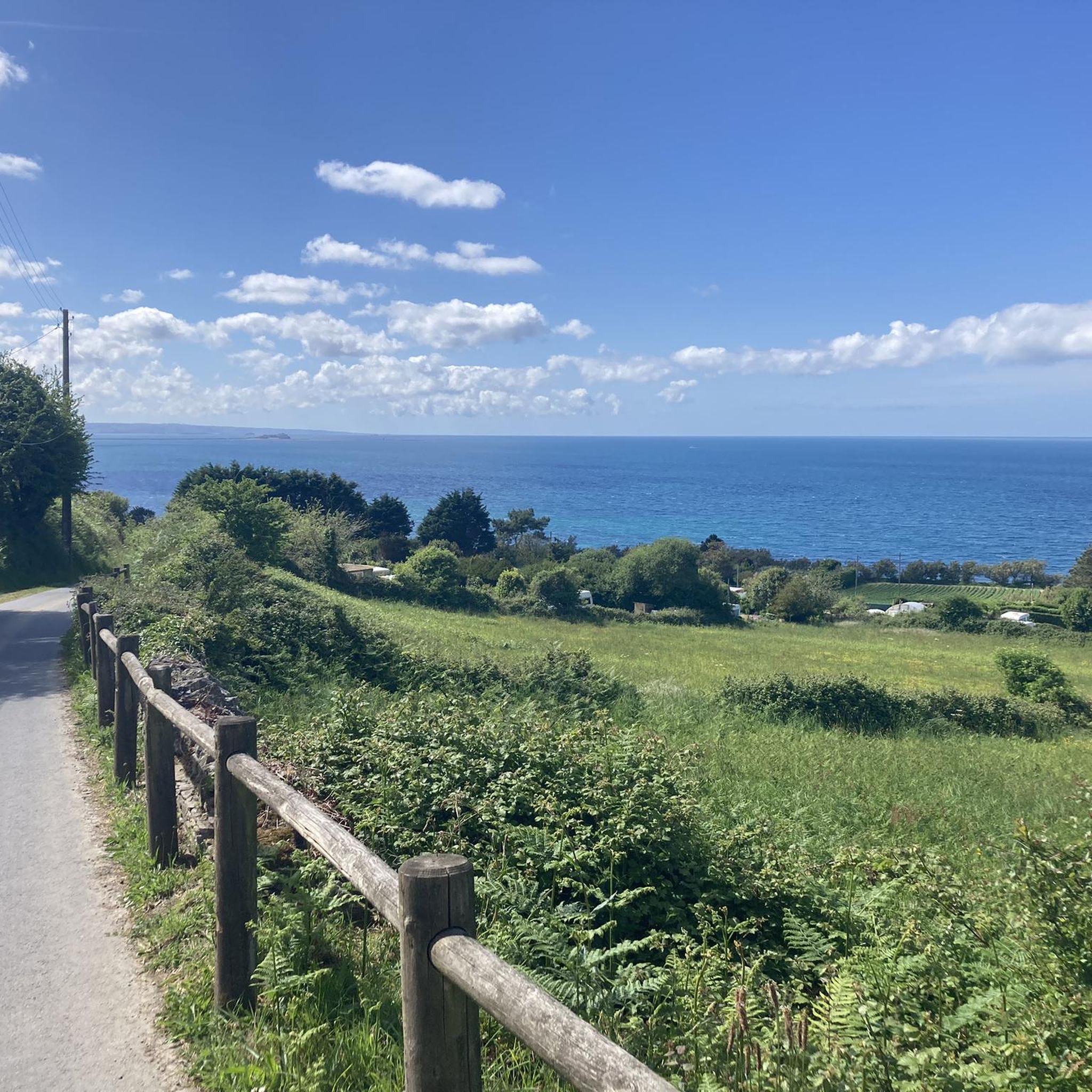
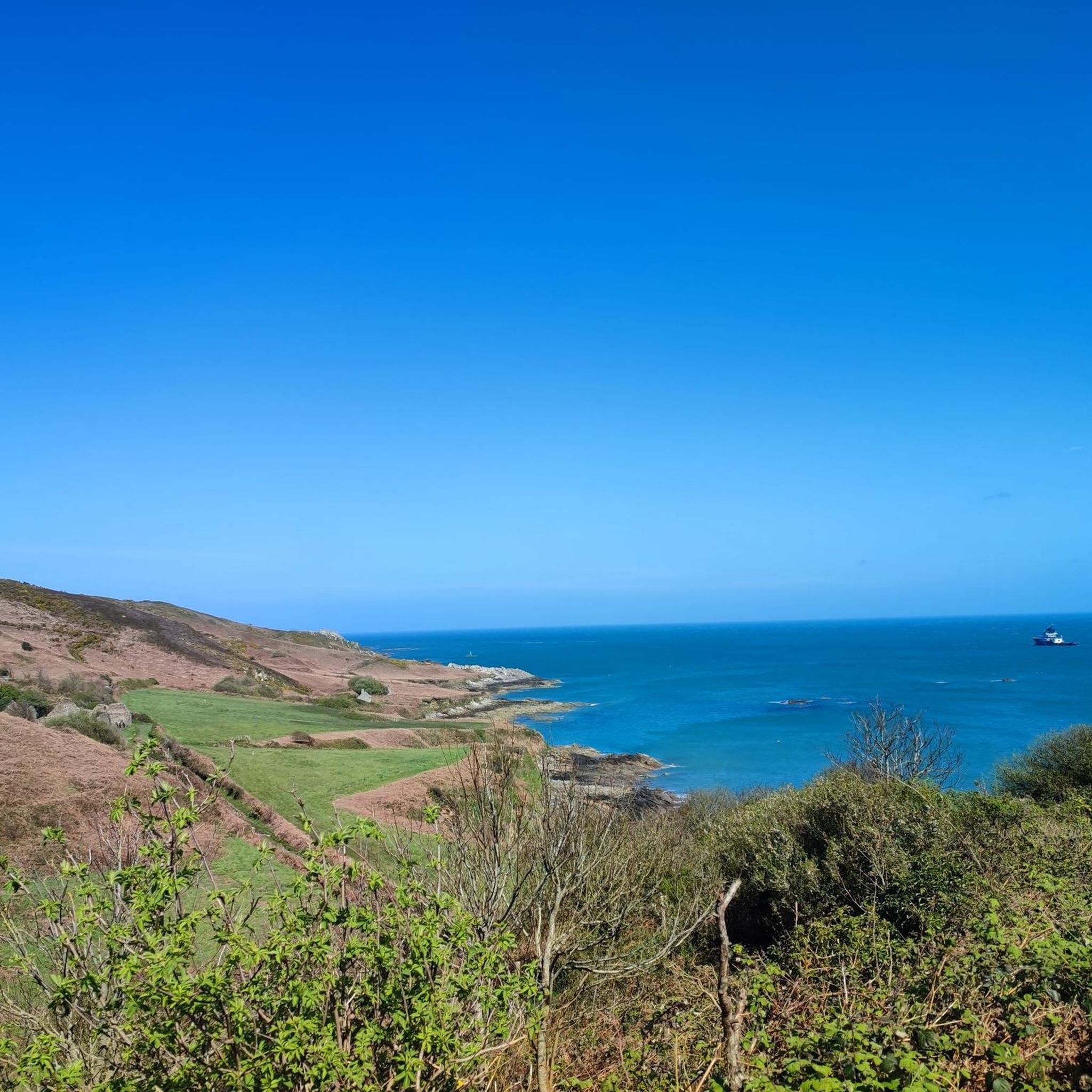
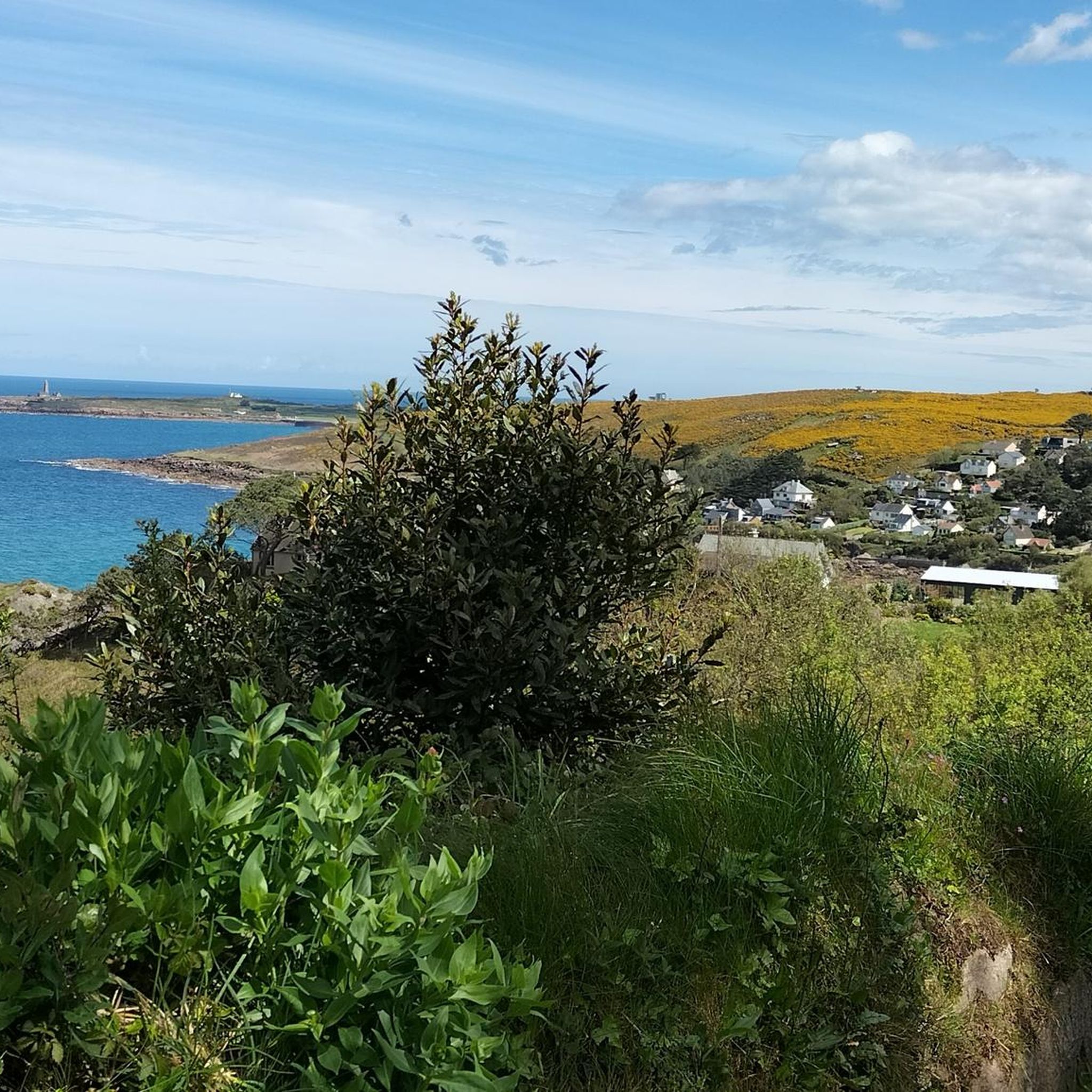
The Cap Levi Lighthouse, perched on the rocky coast near Cherbourg, offers an unforgettable experience for mountain bikers. As you ride, you’ll have stunning views of the English Channel and the dramatic cliffs, while the lighthouse stands on the headland, providing a picturesque backdrop.
1
0

Château des Ravalets, also known as Château de Tourlaville, is a magnificent castle located in Tourlaville, a commune attached to Cherbourg-en-Cotentin, in the Manche department of Normandy. This Renaissance-style castle is one of the architectural gems of the region and is definitely worth a visit. Points of Interest: Renaissance Architecture: Built between 1562 and 1575 by Jean II de Ravalet, the castle is a fine example of French Renaissance architecture. It is distinguished by its elegant facades, mullioned windows, and turrets that give a unique charm to the building. The castle has been remarkably well preserved and restored, allowing visitors to appreciate the original architectural details, such as stone sculptures and monumental fireplaces. History and Legends: The castle is also known for the tragic story of Jean II de Ravalet's children, Marguerite and Julien, who were sentenced to death in 1603 for alleged incest. Their story has inspired many legends and is part of the region's collective memory. Over the centuries, the castle has had various owners and has witnessed many historical events, making it a place full of history. Why visit the Château des Ravalets? Architectural Heritage: The castle is an exceptional example of Renaissance architecture in Normandy, offering a fascinating insight into the history and art of this period. Natural and Landscape Setting: The castle's remarkable gardens offer a great opportunity to walk and relax in a historic and green setting. Historical Richness: Between local legends and the tumultuous history of its former owners, the Château des Ravalets is a place full of mysteries and captivating anecdotes. In short, the Château des Ravalets is a must-see destination for anyone interested in history, architecture or simply the beauty of Normandy's historic gardens.
1
0

This church was not dedicated to one of the many people who died as martyrs (witnesses of faith) for their Christian beliefs, or who we venerate as blessed or saints because of their exemplary way of life. Rather, this parish has chosen God himself - in the "Holy Trinity" - as its patron saint. According to Christian teaching, we believe in ONE God who exists in THREE persons - God the Father, God the Son (Jesus Christ) and the Holy Spirit. The following description can be found on the EKD (Evangelical Church in Germany) website: "The word tries to express the seemingly impossible, namely that God is three and one at the same time. To understand this, it helps to consider how people have experienced God throughout history: as a creator who loves his world and people like a father loves his children. As a God who became human himself in Jesus Christ, his son, and shared human life. And finally as God who is still present and alive among people in the Holy Spirit.”
3
0

Unfortunately the lighthouse cannot be visited. The nearby beach is very beautiful.
1
0
Frequently Asked Questions
What historical landmarks can I explore around Gonneville-Le-Theil?
The region is rich in history. You can visit the 18th-century Gonneville Castle, which has parts dating back to the 12th century and is open to the public during specific times. Another significant site is the magnificent 16th-century Renaissance-style Ravalets Castle, known for its elegant architecture and historical legends. Don't miss the Fort of Cap Lévi, built by Napoleon, which played a role in both World Wars.
Are there any family-friendly attractions in the Gonneville-Le-Theil area?
Yes, several attractions are suitable for families. Both the Cap Lévi Lighthouse and the Fort of Cap Lévi are considered family-friendly, offering historical insights and coastal views. Ravalets Castle with its beautiful gardens also provides an engaging experience for all ages. Additionally, the Basilica of the Trinity offers architectural details that can fascinate younger visitors.
What natural features and viewpoints can I find near Gonneville-Le-Theil?
The coastline around Cap Lévi offers picturesque views of the English Channel and dramatic cliffs. The Cap Lévi Lighthouse is a prime spot for stunning vistas. The gardens of Ravalets Castle also provide a beautiful natural setting for relaxation and exploration.
What outdoor activities can I do around Gonneville-Le-Theil?
The region is well-suited for outdoor activities. You can explore numerous hiking trails, including routes like 'Trail to La Ménagerie loop from Le Mesnil-au-Val'. For runners, there are various options, such as the 'Ravalet Castle – Trail to La Ménagerie loop'. Cyclists can enjoy road cycling routes like 'Port Le Becquet, Digosville – Place Napoléon in Cherbourg loop' or touring bicycle routes like 'Anse du Brick – Barfleur Harbour loop'. You can find detailed routes and guides for running, road cycling, and general cycling in the area.
Are there any cultural or religious sites to visit?
Yes, the Basilica of the Trinity is a notable cultural and religious site. It features impressive architectural details, including gables, pinnacles, and medieval animal figures. Inside, you can observe a 16th-century dance of death, scenes from the Passion, and 15th-century baptismal fonts.
What is the best time to visit Gonneville-Le-Theil for outdoor activities?
The region's green and agricultural landscape, combined with its proximity to the sea, makes it pleasant for outdoor activities throughout much of the year. Summer offers warmer weather ideal for coastal walks and exploring gardens, while spring and autumn provide milder temperatures perfect for hiking and cycling without the peak crowds.
What do visitors enjoy most about the attractions around Gonneville-Le-Theil?
Visitors particularly appreciate the blend of historical significance and natural beauty. The stunning views from the Cap Lévi Lighthouse and the historical depth of sites like Ravalets Castle and the Fort of Cap Lévi are frequently highlighted. The well-preserved architecture and the captivating stories behind these landmarks also contribute to a memorable experience.
Are there any wheelchair-accessible attractions in the area?
Yes, Place Napoléon in Cherbourg is noted as being wheelchair accessible. This square features a bronze equestrian statue of Napoleon and is a significant historical site.
Can I find parking near the main attractions?
Parking facilities are available at some attractions. For instance, the Fort of Cap Lévi is listed as having parking available, which can be convenient for visitors exploring the Cap Lévi area.
Are there any hidden gems or lesser-known spots worth visiting?
While the main highlights are well-known, the broader area around Gonneville-Le-Theil is full of hidden gems, especially along its picturesque coastline and within its agricultural landscapes. Exploring the numerous hiking and cycling trails can lead you to secluded viewpoints and charming local spots not always featured in main guides.
Is Gonneville Castle open to the public?
Gonneville Castle, an 18th-century castle with older parts, is privately owned but is open to the public annually from July 15 to August 15 and during the European Heritage Days in September. It's advisable to check specific dates before planning your visit.
What is the significance of the Cap Lévi Lighthouse?
The Cap Lévi Lighthouse is a significant man-made monument offering stunning views of the English Channel. The original lighthouse, built in 1858, was destroyed during World War II and rebuilt in 1948, symbolizing resilience and maritime history in the region.
Most popular routes around Gonneville-Le-Theil
Most popular attractions around Gonneville-Le-Theil

Get inspired with the komoot mobile app


Explore more
Still not found the Highlight you’re looking for? See guides of the top attractions in other regions:
