Attractions and Places To See around Falvy - Top 15
Attractions and places to see around Falvy, a commune in the Somme department of Hauts-de-France, offer a blend of natural beauty and historical remnants. Situated on the banks of the River Somme, the area features restful landscapes and peaceful lakes. The Canal du Nord, a significant waterway, also runs through the region. Visitors can explore historical sites and natural features characteristic of the area.
Best attractions and places to see around Falvy
- The most popular attractions is Somme Valley Cycle…
Last updated: July 2, 2026
Canal du Nord
Highlight • River
Translated by Google •
Tip by

Château d'Happlincourt
Highlight • Castle
Showing Translation
Tip by

Sign up now to discover places like this
Get recommendations on the best single tracks, peaks, & plenty of other exciting outdoor places.
Sign up for free
Cycle path of the Somme Valley
Highlight • Cycleway
Translated by Google •
Tip by
Doingt Greenway
Highlight (Segment) • Cycleway
Translated by Google •
Tip by

Doingt
Highlight • Other
Translated by Google •
Tip by
Sign up for free to discover even more attractions around Falvy.
Sign up for free
Already have an account?
Start today with a free account
Your next adventure awaits.
Login or Signup



Tips from the Community

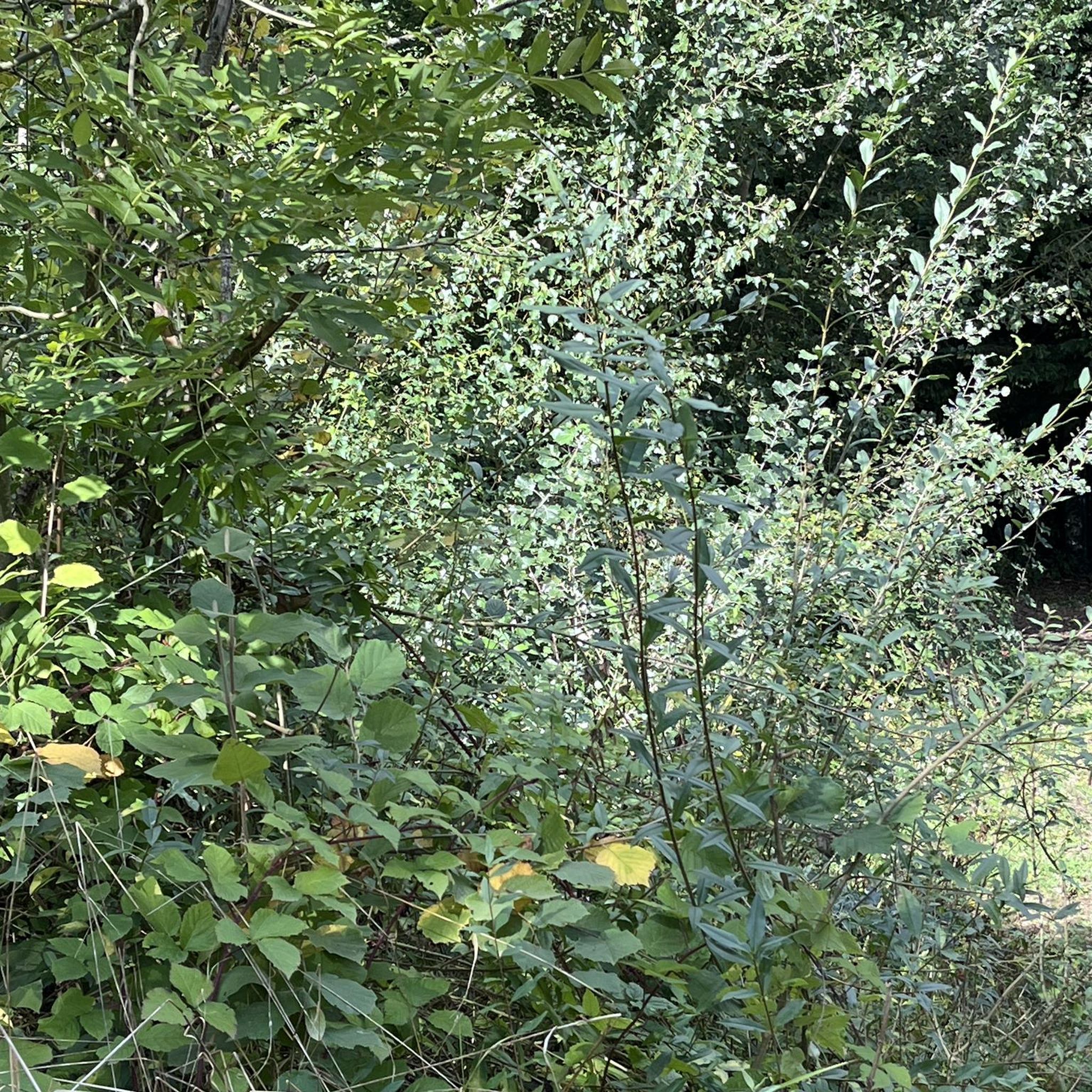
The castle is almost invisible from the towpath. Good that the highlight is positioned correctly, otherwise you will definitely miss it.
5
1
The Canal du Nord is a 95 km long canal in northern France that connects the Oise Valley to the Dunkirk-Scheldt Canal. Construction began in 1908, but was interrupted by the First World War. The canal was not completed and opened to navigation until 1965. The canal has 19 locks and two tunnels, including the Ruyaulcourt Tunnel, which spans a height difference of 40 metres. The Canal du Nord is an important waterway for inland navigation, but will be replaced in the future by the Seine-Nord Europe Canal, a more modern connection.
5
0
The Château d'Happlaincourt, a medieval castle, dates from the 13th century and was originally a fortified structure with a square floor plan, surrounded by water. During the First World War, the castle was largely destroyed, leaving only ruins today. Historically, it played a role in the Catholic League in the 16th century, when Jacques d'Humières drew up a manifesto there to restore the Catholic religion.
5
1
The Église Notre-Dame De L’Assemption is a Catholic church located in the commune of Doingt, in the east of the Somme department, near Péronne. The church was built in the second quarter of the 20th century and was inaugurated on 26 October 1930. It was designed by the architect Maurice Quentin and is built in the Neo-Romanesque style with a traditional basilica plan. The facade of the church has features of Romanesque art, such as sober and narrow windows, buttresses, a circular portico with a typed sculpture representing the Virgin surrounded by angels, arched folds resting on a column on each side, and a rose window above the portico. The church has a massive and projecting bell tower which is reminiscent of Romanesque bell towers by its structure and sober decoration. The interior of the church is decorated with a mural by Gustave Riquet representing the Assumption of the Virgin. The church was restored in 2016-2017.
6
0
Doingt is a commune on the banks of the River Somme. The settlement was destroyed during the First World War. A Commonwealth cemetery is located just outside the town. The village and its church have been rebuilt and in 2023 a crucifix, rescued from the ruins of the village church by a British military chaplain after the Battle of the Somme and placed in All Saints’ Church, Tinwell in Rutland, England, was returned to the new church.
7
0

This greenway in the middle of nature offers a bucolic setting. Away from the urban bustle, this path allows you to enjoy the charms of the forest.
1
0

Whether on the Somme or on the canals: driving on the water is always pleasant. Water-rich area...
1
0

This 12th-century castle was almost destroyed during World War I. Its ruins can be seen near a pond that was once the moat.
3
0
Frequently Asked Questions
What historical sites can I explore near Falvy?
You can visit the ruins of Château d'Happlincourt, a 12th-century castle largely destroyed during World War I, located near a pond that was once a moat. Additionally, the village of Doingt, rebuilt after WWI, features the Église Notre-Dame De L’Assemption and a Commonwealth cemetery. Another significant historical site is Tertry, known for the Battle of Tertry in 687.
Are there any natural attractions or waterways to see around Falvy?
Yes, Falvy is situated on the banks of the River Somme, known for its restful landscapes and peaceful lakes. The Canal du Nord, a 95 km long waterway connecting the Oise Valley to the Dunkirk-Scheldt Canal, also runs through the area, offering opportunities for walking or cycling along its banks. Falvy is also home to Falvy Lake, a local geographical feature.
What cycling opportunities are available near Falvy?
The Somme Valley Cycle Path is a popular option, offering greater accessibility along the river with its bitumen coating, created in 2019. You can also cycle along the banks of the Canal du Nord.
Are there family-friendly activities around Falvy?
Exploring the Canal du Nord is considered family-friendly, offering pleasant walks or bike rides along its banks. The accessible Somme Valley Cycle Path is also suitable for families.
What kind of outdoor activities can I do near Falvy?
The area around Falvy is excellent for various outdoor activities. You can find numerous hiking trails, including easy loops like the one from Épénancourt. There are also running trails and MTB trails for different skill levels.
Are there accessible attractions in the Falvy area?
Yes, the Somme Valley Cycle Path is designed for greater accessibility, featuring a bitumen coating that makes it suitable for a wider range of visitors.
What is the Church St. Geum in Falvy?
The Church St. Geum is a local church located within the municipality of Falvy and is listed as a sight to see. It represents a point of interest for those exploring the village's local heritage.
What do visitors enjoy most about the attractions around Falvy?
Visitors appreciate the blend of natural beauty and historical remnants. The accessible nature of the Somme Valley Cycle Path and the historical significance of sites like Château d'Happlincourt are frequently highlighted. The peaceful landscapes along the River Somme and the Canal du Nord are also popular for outdoor activities.
Can I find easy walking routes near Falvy?
Yes, there are several easy walking routes available. For instance, the hiking guide for Falvy lists an easy loop from Épénancourt, which is 4.6 km long. Many paths along the River Somme and the Canal du Nord also offer gentle terrain suitable for easy walks.
What is the significance of the Canal du Nord?
The Canal du Nord is a 95 km long significant waterway in Northern France. Its construction was interrupted by World War I and completed in 1965. It features 19 locks and two tunnels, including the Ruyaulcourt Tunnel, which spans a 40-meter elevation difference. It's an important route for inland navigation and offers scenic paths for recreation.
Are there any specific towns or villages of interest near Falvy?
The commune of Doingt, located on the banks of the River Somme, is notable for its post-WWI reconstruction, its Commonwealth cemetery, and the Église Notre-Dame De L’Assemption. It offers a glimpse into the region's resilience and history.

Get inspired with the komoot mobile app


Explore more
Still not found the Highlight you’re looking for? See guides of the top attractions in other regions:
