The best MTB trails around Burnand
4.4
(33)
159
riders
42
rides
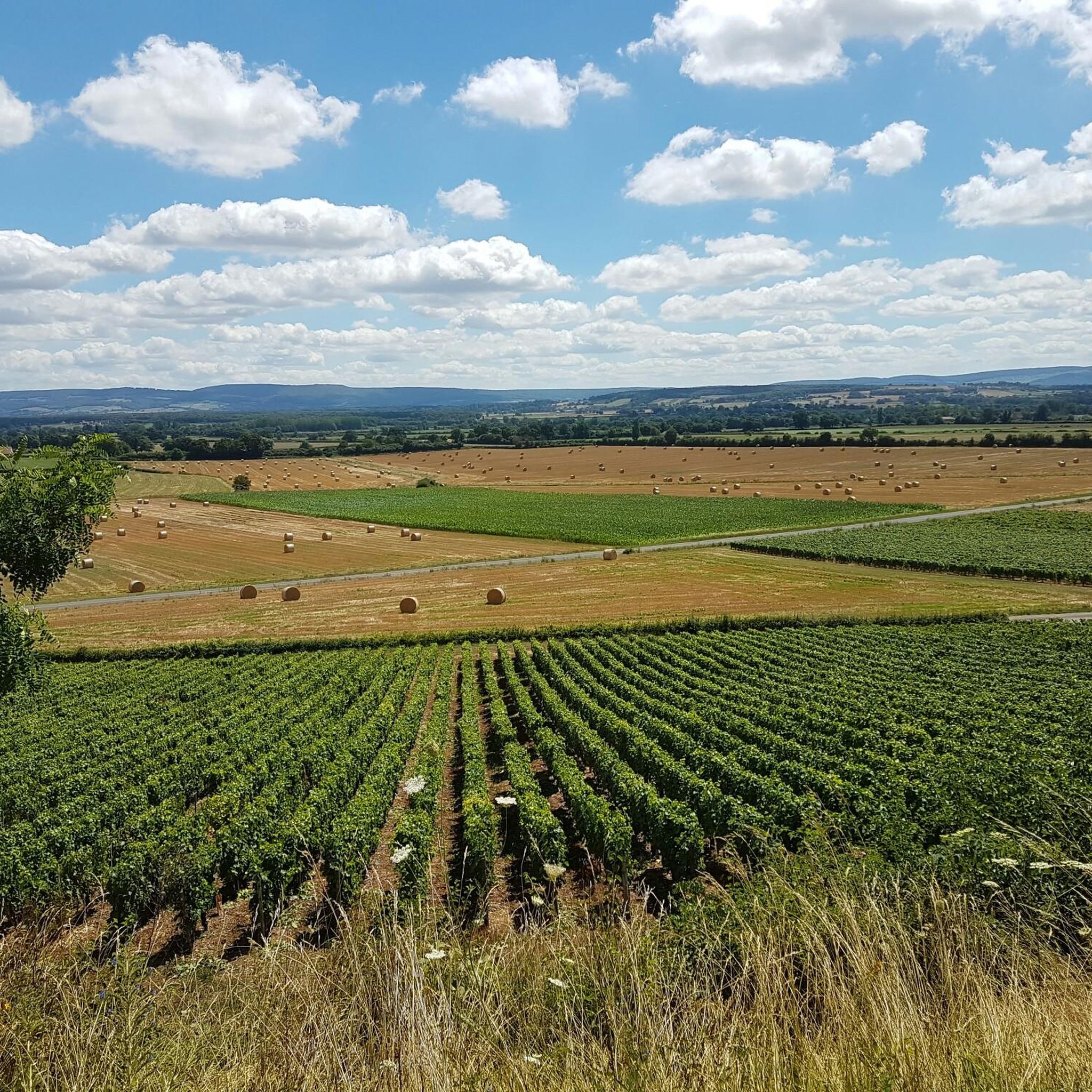
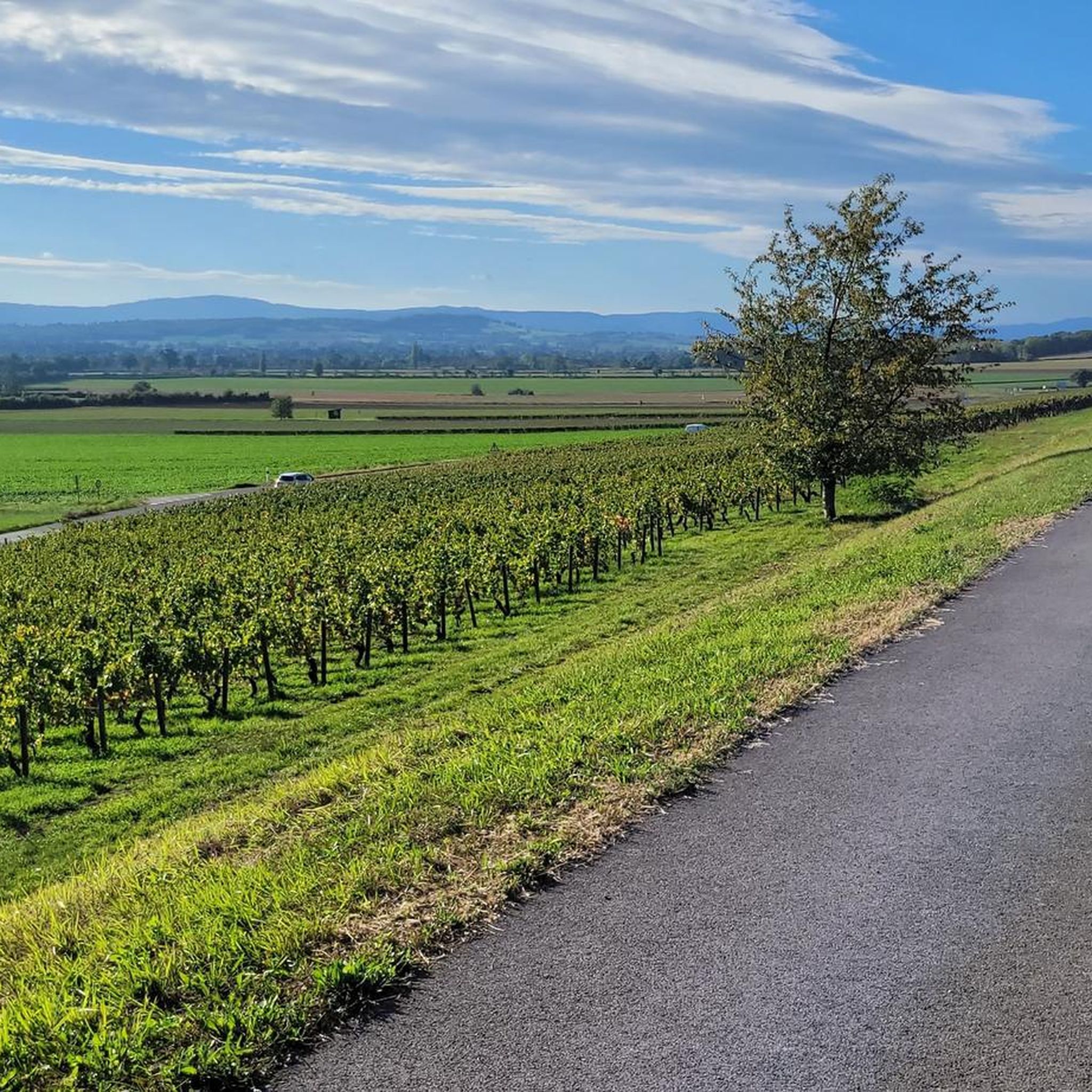
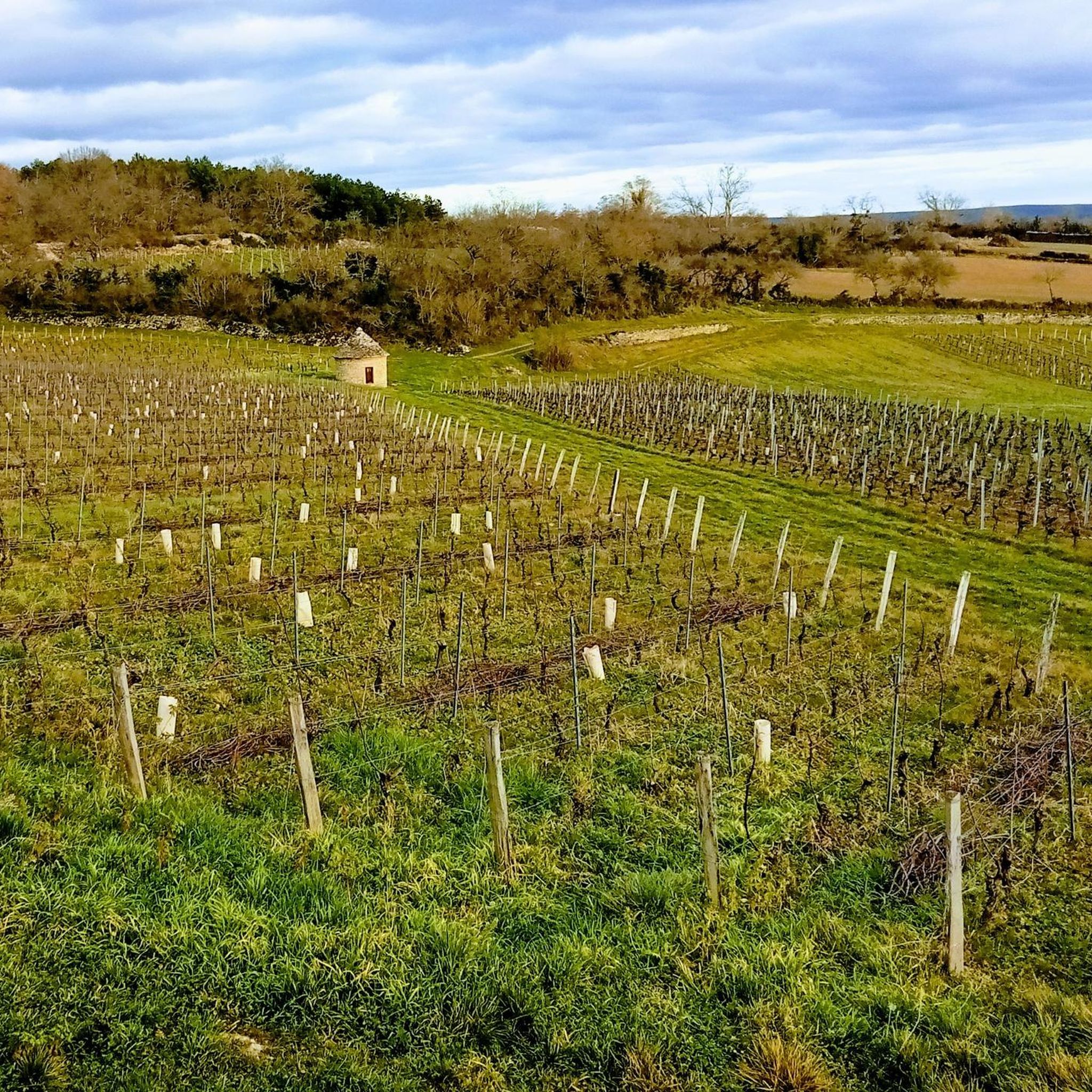
Mountain bike trails around Burnand are situated in the Saône-et-Loire department of Bourgogne-Franche-Comté, France. The region features a landscape of rolling hills, agricultural land, and scattered woodlands, characteristic of the French countryside. Elevation changes are generally moderate, with some routes offering more significant climbs. The terrain is suitable for various mountain biking experiences, from leisurely rides through rural areas to more challenging paths with greater ascents.
Best mountain bike trails around Burnand
- The most popular mountain bike trail is Fley…
Last updated: July 6, 2026
4.3
(6)
22
riders
39.1km
03:22
750m
750m
Moderate mountain bike ride. Good fitness required. Suitable for all skill levels.
24
riders
37.9km
02:00
170m
170m
Easy mountain bike ride. Great for any fitness level. Suitable for all skill levels.

Sign up for free
4.0
(1)
13
riders
35.2km
03:02
610m
610m
Moderate mountain bike ride. Good fitness required. Advanced riding skills necessary.
4.5
(4)
15
riders
44.2km
02:19
210m
210m
Moderate mountain bike ride. Good fitness required. Suitable for all skill levels.
4.0
(2)
6
riders
32.4km
02:53
650m
650m
Moderate mountain bike ride. Good fitness required. Suitable for all skill levels.
Get access to more routes and recommendations from other explorers.
Sign up for free
Already have an account?
Our route recommendations are based on thousands of hikes, rides, and runs completed by other people on komoot.
Start today with a free account
Your next adventure awaits.
Login or Signup

Tips from the Community

The Tour des Fromages is a preserved defensive tower from the 11th century, which originally belonged to the ramparts of the powerful Abbey of Cluny. In the Middle Ages, the structure was still called Tour des Fèves (Bean Tower), as supplies were stored there. It got its current, curious name in the 19th century because a merchant used the tower to dry her homemade cheeses. Today, the tower is a popular attraction. Visitors can climb the 120 steps to the top. From up there, you have a beautiful 360-degree panoramic view over the entire medieval monastic city and the surrounding Burgundy landscape. Access to the tower is directly through the local Cluny tourist office.
1
0
The Halle ronde (the "round hall") in the French municipality of Givry was built between 1825 and 1830. It was designed by the regionally known architect Lazare Narjoux. It originally served as a grain hall (Halle au blé) to supply the surrounding mills and the population with grain. Due to its rare, circular design, the market hall has been classified as a historic monument since 1931.
0
0
The station no longer serves trains. The historic site has been transformed into a vibrant leisure zone (Aire de loisirs de la gare). The building is located directly on the Voie Verte de Bourgogne du Sud, a well-known 77 km cycle path on a former railway line. Travelers will find a bicycle rental service for regular and electric bikes, a tool station for repairs, picnic tables, public restrooms, and a children's playground. It also serves as a starting point for excursions, for example to the nearby Château de Cormatin.
0
0
The Crainseny Viaduct (French: Viaduc de Crainseny) is a historic railway bridge in the south of the Côte Chalonnaise region. The viaduct was built in 1882. It has a total length of 246 meters, spans the valley at a height of around 23 meters, and features a distinctive curve with a radius of 400 meters. The masonry bridge consists of 16 elegant round arches, each with a span of 12 meters. Originally, the railway ran here on the Étiveau-Montchanin line, connecting the towns of Saint-Gengoux-le-National and Montchanin. Train services were discontinued in 1969.
0
0
The Community of Taizé is an international ecumenical monastic order for men in the small village of Taizé, founded in 1940 by Brother Roger. It is considered one of the most important symbols of the ecumenical movement worldwide and a spiritual center of attraction for young people. The brotherhood consists of around 80 to 100 brothers from about 30 countries. They belong to various Christian denominations, including Catholics, Anglicans, and Protestants. The brothers do not accept donations or inheritances. They finance their livelihood exclusively through their own work, such as producing pottery and handicrafts, as well as selling books and music recordings.
2
0

It was built in 1825 by Lazare Narjoux and served the grain trade.
2
0

Rimont is a small, peaceful hamlet where 2 congregations of brothers and sisters reside.
1
0

Superb Renaissance-era castle with magnificent gardens.
1
0
Frequently Asked Questions
How many mountain bike trails are available around Burnand?
There are over 35 mountain bike trails around Burnand, offering a variety of experiences. The majority are moderate, with some easier options and a few more challenging routes.
What kind of terrain can I expect on mountain bike trails near Burnand?
The terrain around Burnand features rolling hills, agricultural land, and scattered woodlands, characteristic of the French countryside. You'll find a mix of surfaces, including sections of the Saône-et-Loire Greenway, which offers both paved and unpaved paths. Elevation changes are generally moderate, making for accessible yet engaging rides.
Are there mountain bike trails suitable for beginners or families in Burnand?
Yes, Burnand offers several easy mountain bike trails that are suitable for beginners or families looking for a more relaxed ride. These routes typically feature gentler inclines and less technical terrain, allowing everyone to enjoy the rural landscapes.
Can I bring my dog on the mountain bike trails around Burnand?
While the guide data does not specify dog-friendly policies for individual trails, generally, dogs are permitted on many public trails in rural France, often on a leash. It's always best to check local signage or specific trail regulations before heading out with your dog.
Are there any circular mountain bike routes in the Burnand area?
Yes, many of the mountain bike routes around Burnand are designed as loops. For example, the Curtil-sous-Burnand Castle loop from Bonnay-Saint-Ythaire is a popular circular option, offering a moderate ride through the local scenery.
What interesting landmarks or attractions can I see while mountain biking near Burnand?
The Burnand area is rich in historical and natural sights. You can explore various castles, such as Cormatin Castle, Sercy Castle, and La Serrée Castle. There are also notable churches like Chapaize Church and the Church of the Assumption of Ameugny, offering cultural points of interest along your ride.
Where can I find parking for mountain bike trails around Burnand?
Many trails around Burnand start from villages or specific points that offer parking. For instance, routes often begin near Saint-Gengoux-le-National or other small hamlets, where you can typically find suitable parking areas for trail access.
Is it possible to reach mountain bike trails near Burnand using public transport?
Public transport options directly to specific trailheads in rural areas like Burnand can be limited. It's advisable to check regional bus services or train connections to larger towns nearby, such as Saint-Gengoux-le-National, and then plan for a short ride or taxi to the starting points of the trails.
What is the best time of year for mountain biking in Burnand?
The spring and autumn months generally offer the most pleasant conditions for mountain biking in Burnand. The weather is typically mild, and the natural scenery is vibrant. Summer can also be enjoyable, but it's wise to start earlier in the day to avoid the midday heat.
Are there any cafes or places to eat near the mountain bike trails in Burnand?
The Burnand area, being part of rural France, has small villages like Saint-Gengoux-le-National that offer local cafes, bakeries, and restaurants where you can refuel after your ride. It's a good idea to plan your route to pass through these villages for refreshment stops.
What do other mountain bikers say about the trails around Burnand?
The mountain bike trails around Burnand are highly rated by the komoot community, with an average score of 4.3 stars from over 30 reviews. Riders often praise the varied terrain, the scenic rural landscapes, and the well-maintained paths that make for an enjoyable experience.
How long are the typical mountain bike trails near Burnand?
The mountain bike trails near Burnand vary in length, but many popular routes are between 25 to 45 kilometers (15 to 28 miles). For example, the Saône-et-Loire Greenway – Les Marguerons Washhouse loop from La Grande Agasse is about 44.6 km (27.7 miles) long, offering a substantial ride.
Are there any advanced mountain bike routes in Burnand for experienced riders?
While the majority of trails around Burnand are classified as easy to moderate, there is at least one difficult route available for experienced riders seeking a greater challenge. These routes will feature more significant elevation gains and potentially more technical sections.
Most popular attractions around Burnand

Get inspired with the komoot mobile app


Explore more
Browse the best MTB trails in other regions.
